What We Are Called Out For
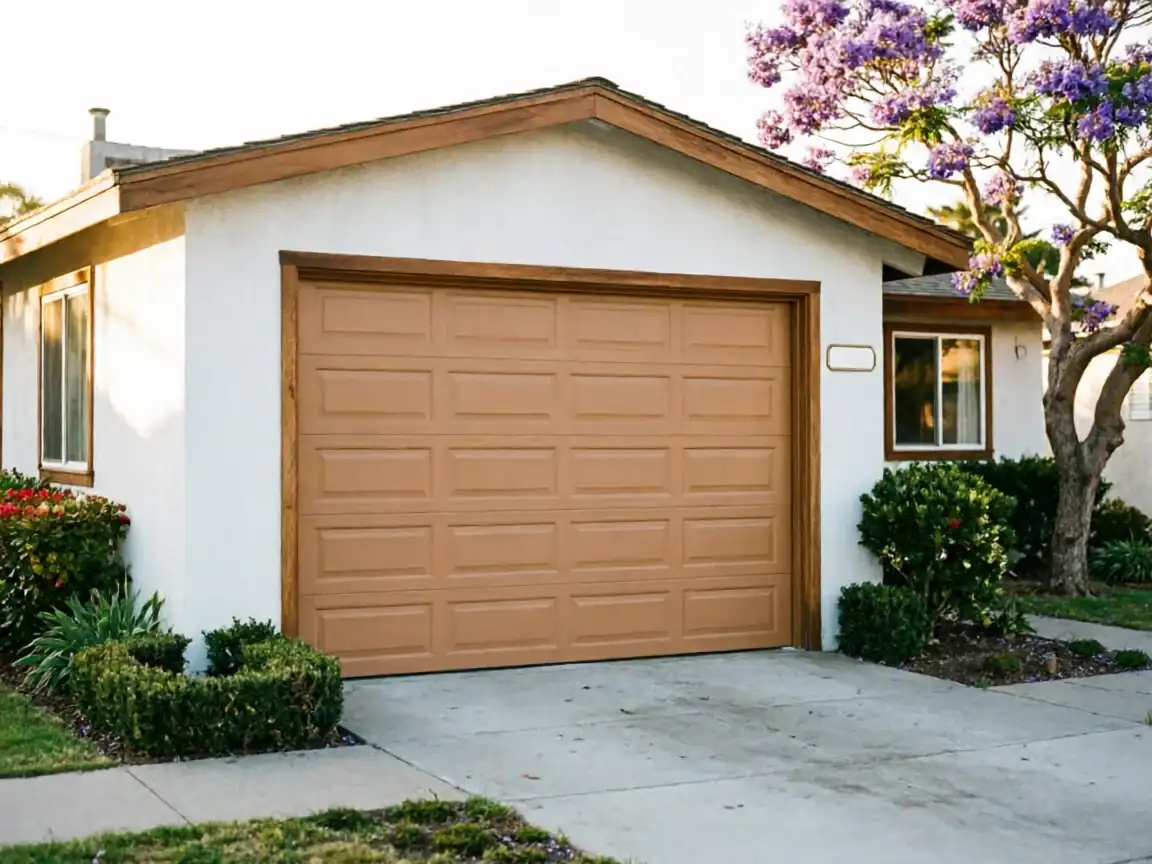
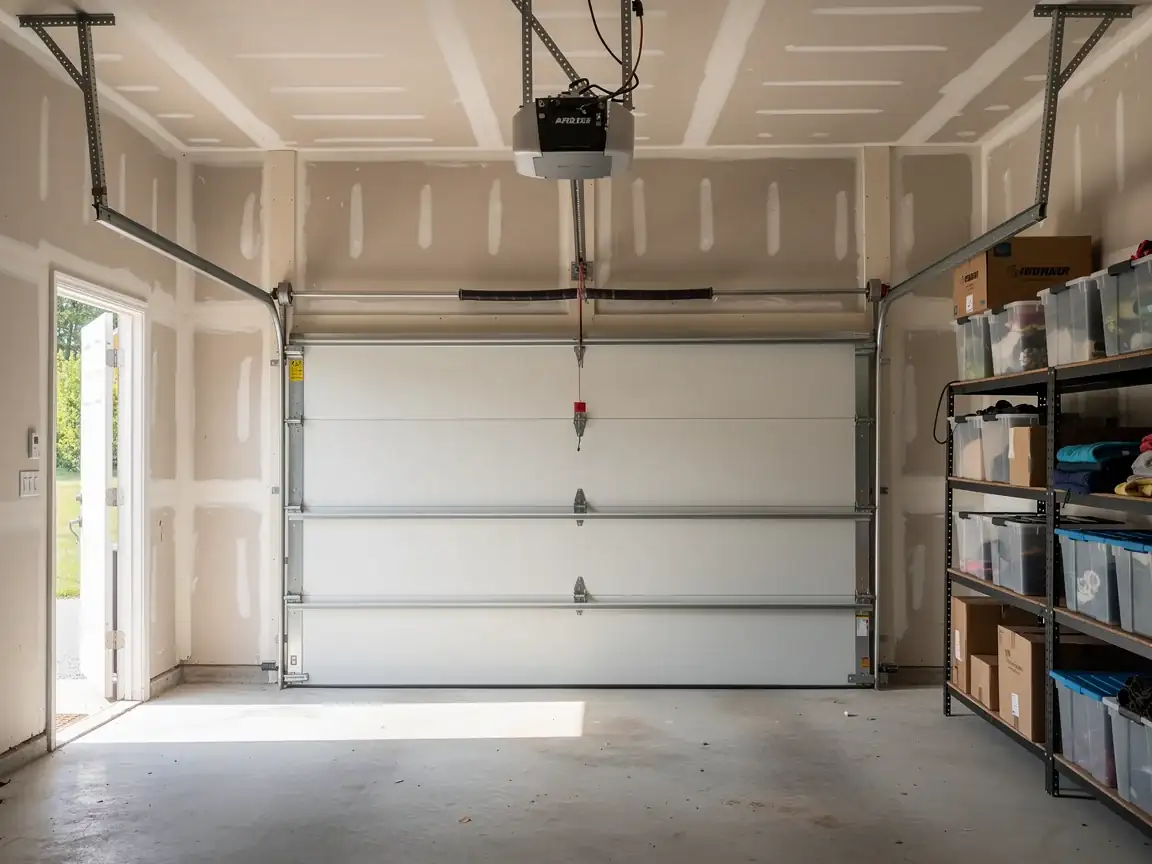
Most of the houses we work on in this part of the valley went up between 1956 and 1993, with a lot of that stock clustering around 1982. That spread matters because it means three different generations of hardware are still out there on the same street: early torsion setups with undersized springs, 90s-era extension spring doors with the cables run along the horizontal track, and a handful of steel panel doors that are original to the house and were never rated for the weight of a modern insulated replacement bolted onto them later.
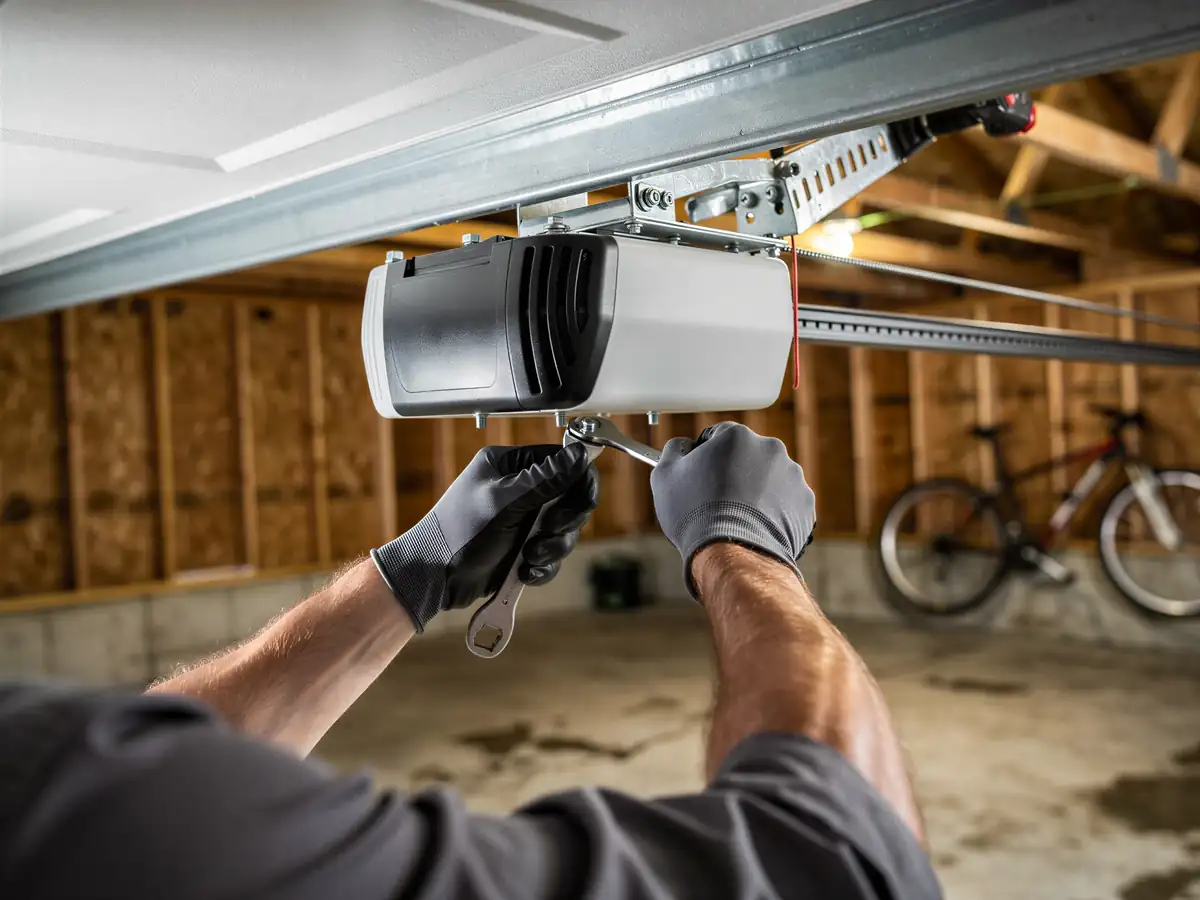
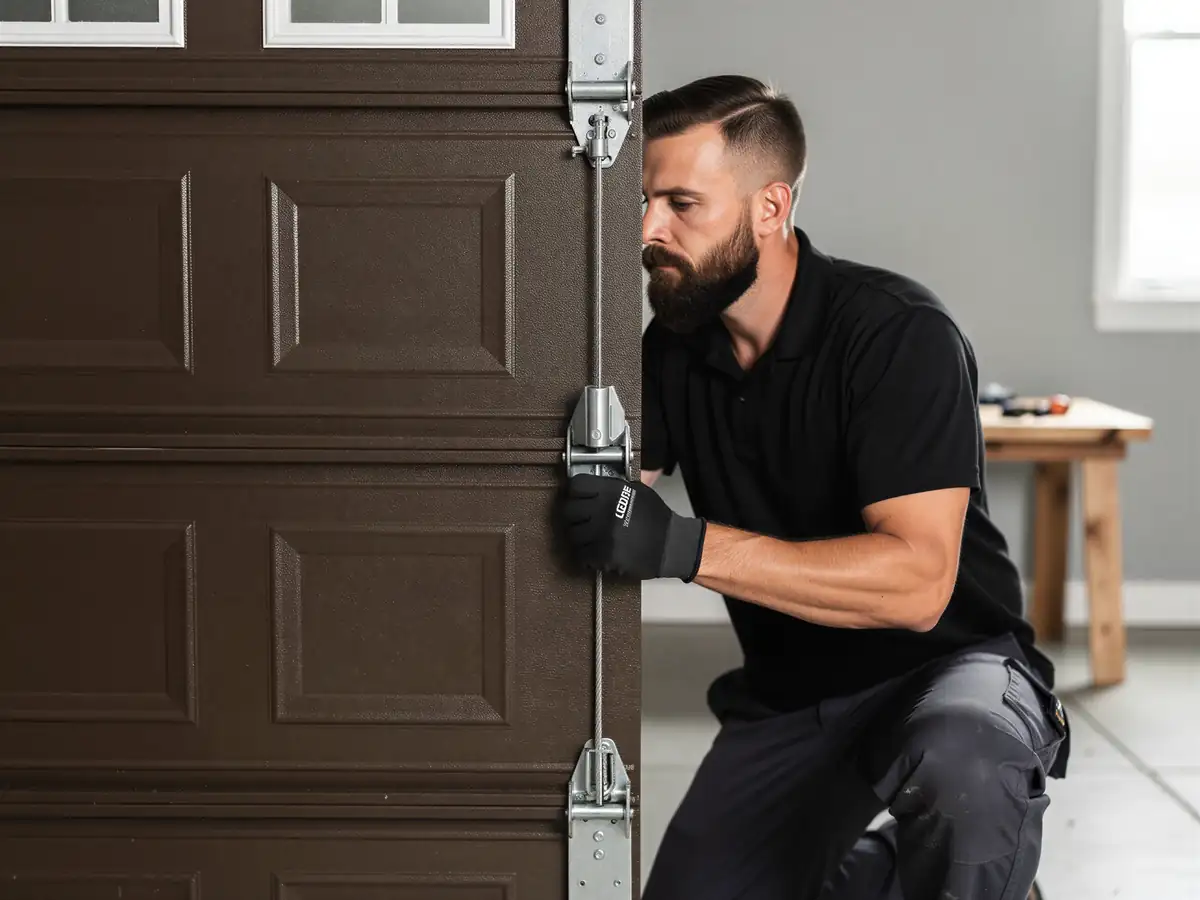
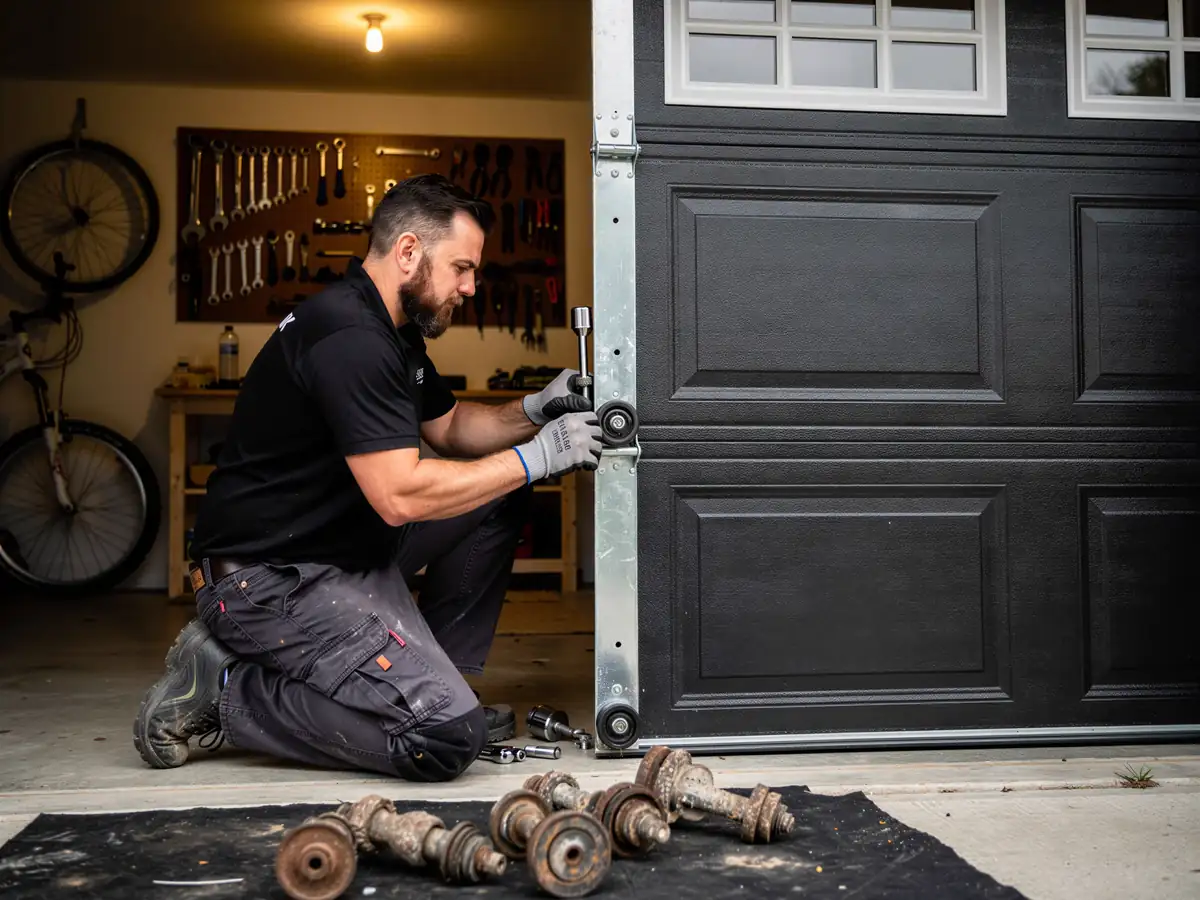
Summer heat here is severe, and that's the other half of what we see. Steel panels expand and contract hard across a hot day and a cool night, which loosens hinge screws and throws tracks out of square faster than it would somewhere milder. Openers take a beating too - the heat shortens the life of the drive belt or chain and cooks the circuit board in units mounted close to an unvented attic. We get called for broken torsion springs on double doors, openers that hum but won't lift, rollers that have worn down to bare metal, and cables that have frayed at the drum. We don't do fence gates or commercial rolling doors.
After You Call
We ask what the door is doing - won't open, opens partway and reverses, makes a bang and stops, opener runs but the door doesn't move - because that tells us roughly what's broken before anyone leaves the shop. A broken spring sounds different from a stripped gear, and a door that reverses halfway up is usually a sensor or a track problem, not a spring at all.
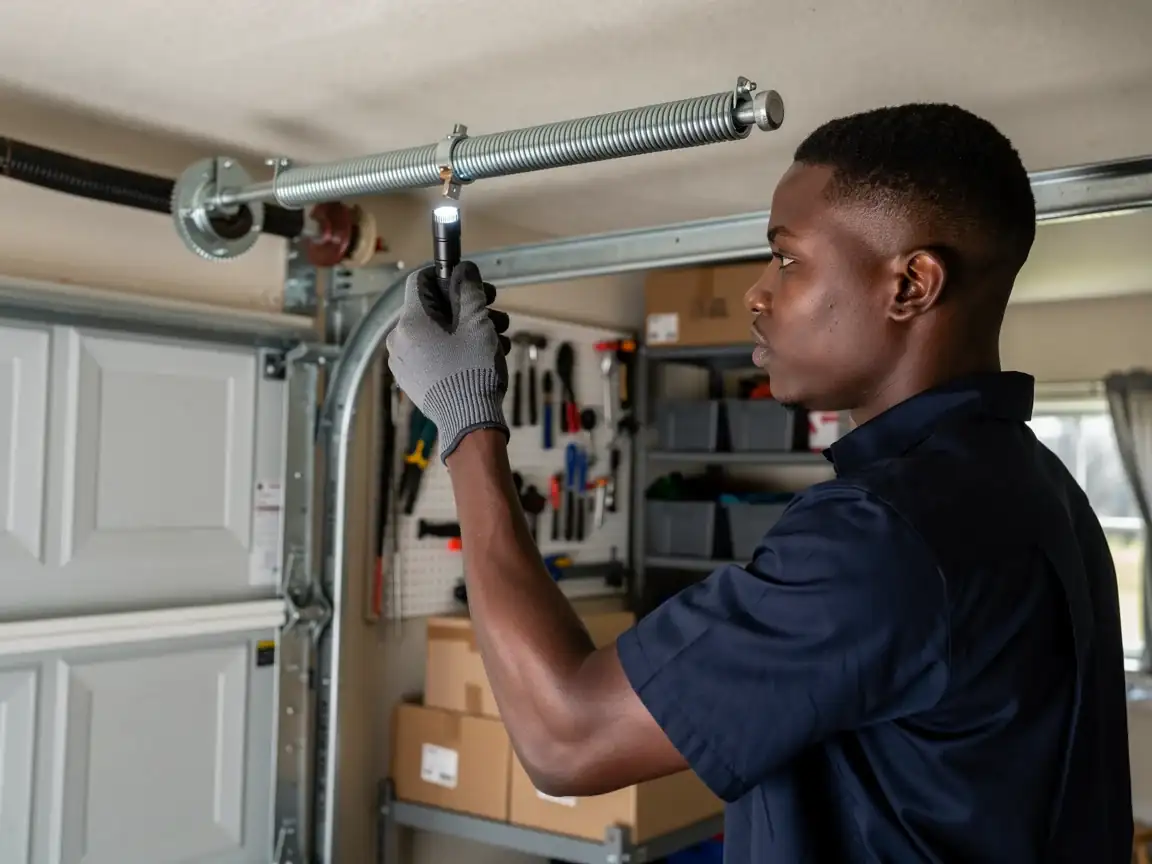
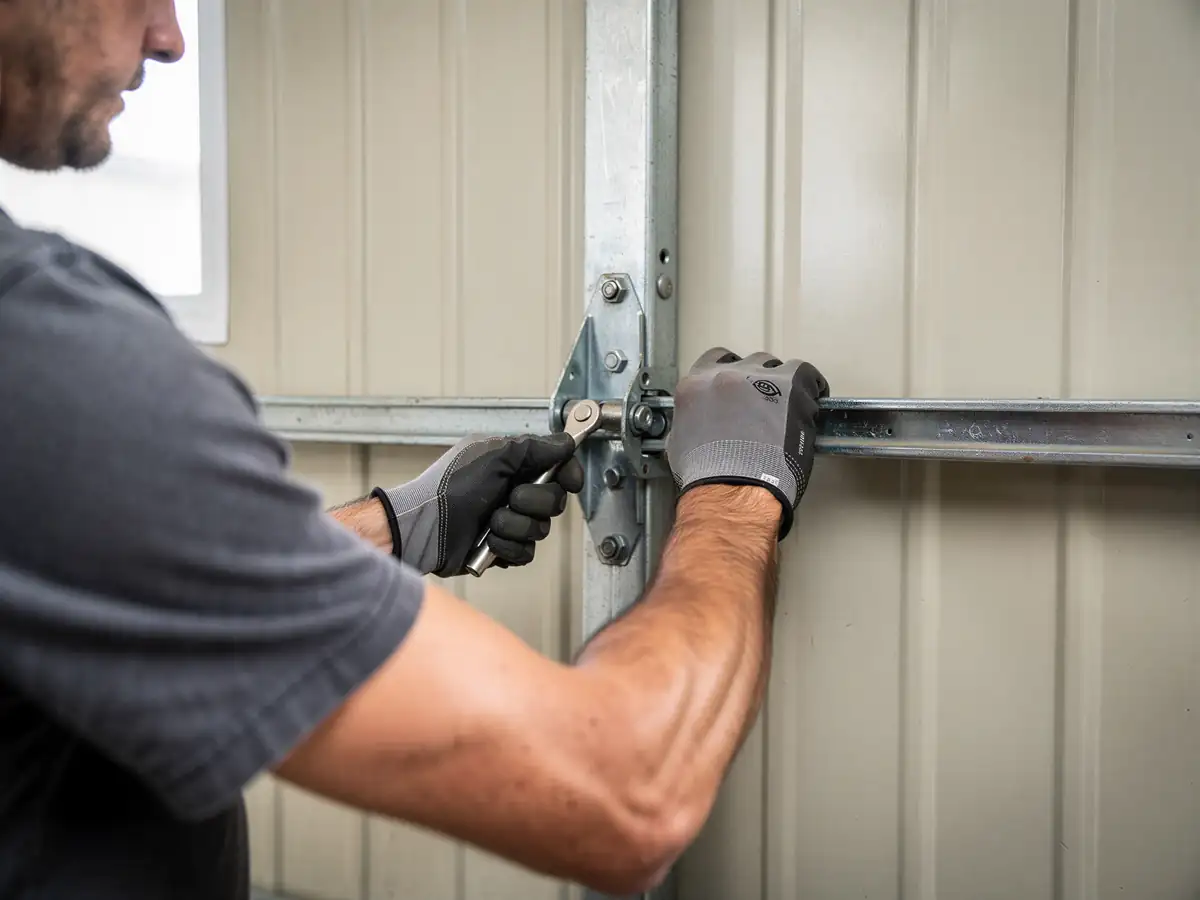
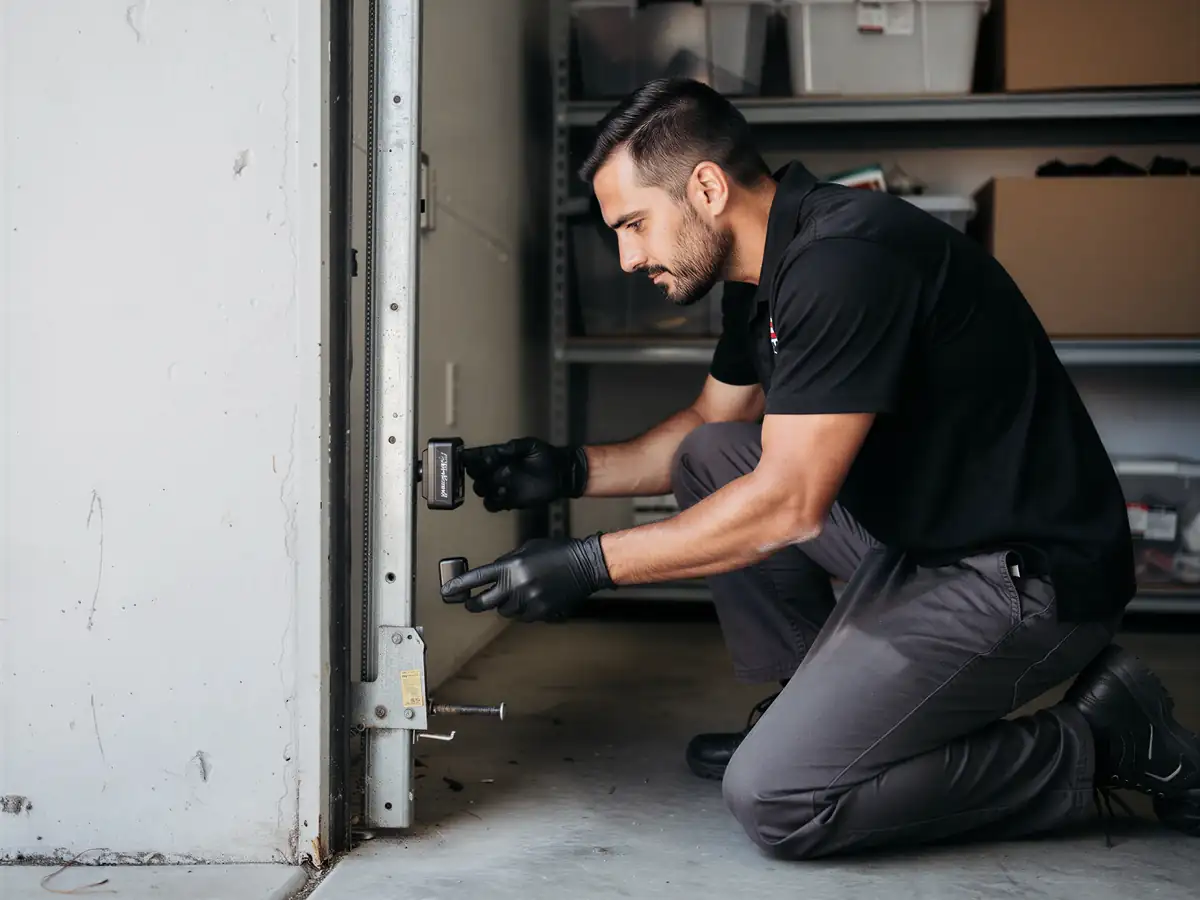
On site, we check the springs, the cables, the rollers, the track alignment, and the opener's force and limit settings, in that order, since a door that's fighting bad track alignment will burn out a new opener just as fast as the old one. We quote the repair before we touch anything so you know what you're paying for and why.
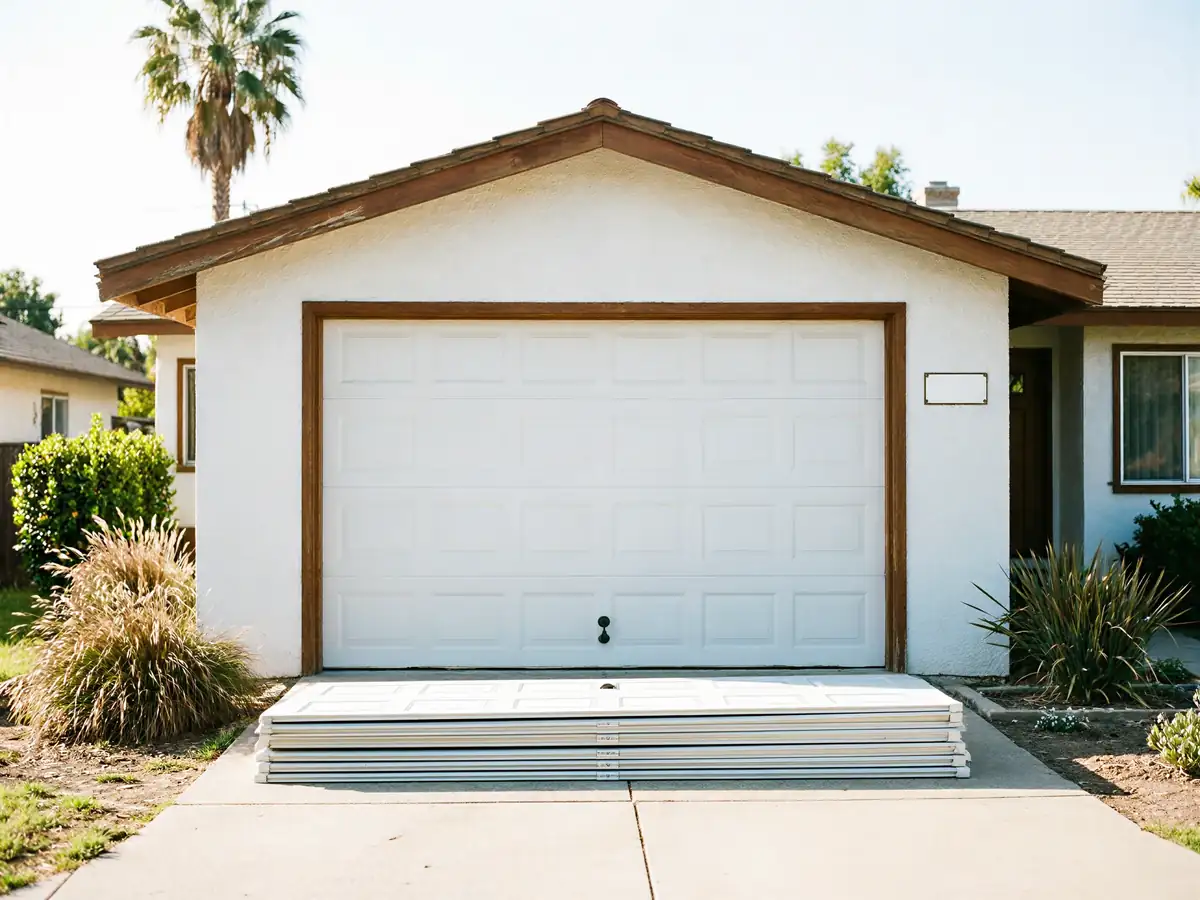
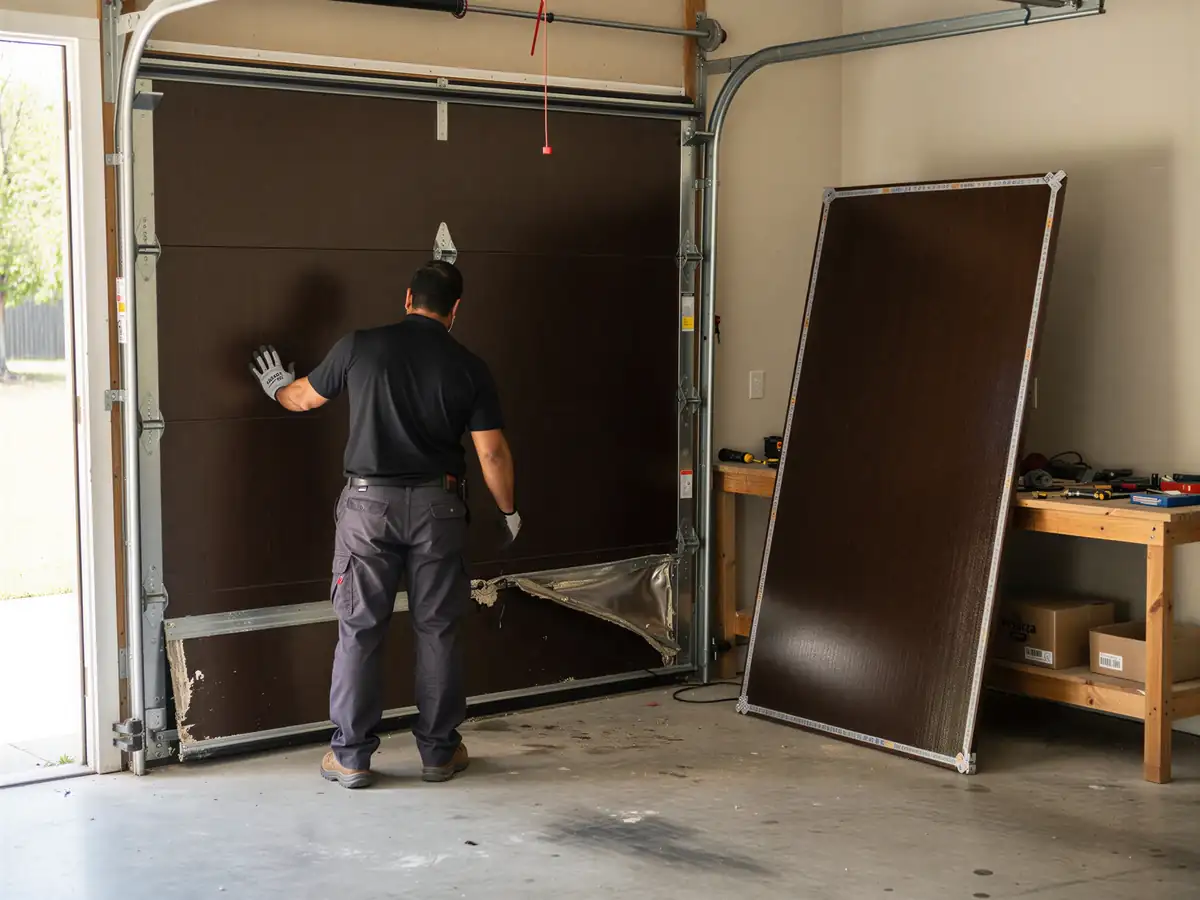
Here's the honest limit: some of the older extension-spring hardware from houses built in the 1960s and 70s uses parts nobody manufactures anymore. When that happens, we tell you straight - sometimes the fix is a universal replacement bracket, and sometimes the door itself is old enough that replacing it costs less than keeping it alive piece by piece.
Where We Work
We're based in Clovis and work the surrounding area out to about a 20-mile radius
Close in, that's the along with Sunnyside and Old Fig Garden, both about 7 miles out, and Rolling Hills at 8 miles.
Further out we cover Friant and Sanger (11 miles each), Madera Ranchos and Del Rey (13 miles)
And the area (13 miles NNW). We also take calls from Easton and Fowler (14 miles), Bonadelle Ranchos (15 miles), and the areas (15 miles ESE). On the far edge of our range are Parlier (17 miles), Selma (18 miles), and Raisin City (20 miles).
If you're not sure whether your address falls inside that range, call and ask
It usually takes thirty seconds to tell from the cross streets.
Who You Are Dealing With
We're a garage door repair outfit, not a franchise call center. There's no staff count or truck count worth bragging about here, no manufactured anniversary, no award plaque - just people who show up, look at the door, and tell you what's actually wrong with it.
The area we serve has a median household income around $74,428 across roughly 28,893 households, with about 15,223 of those owner-occupied houses. That mix means we see everything from a starter-home opener that's twenty years overdue for a new belt drive to a newer build where the issue is a sensor knocked out of alignment during a move. We don't pretend one answer fits every door.
If a door is cheaper to replace than to keep patching, we'll say so plainly instead of running up a repair bill on hardware that's past its useful life. That's really the whole pitch: straight answers about your door, from people working inside Clovis and the towns around it, not a script read off a screen.