What Local Conditions Do
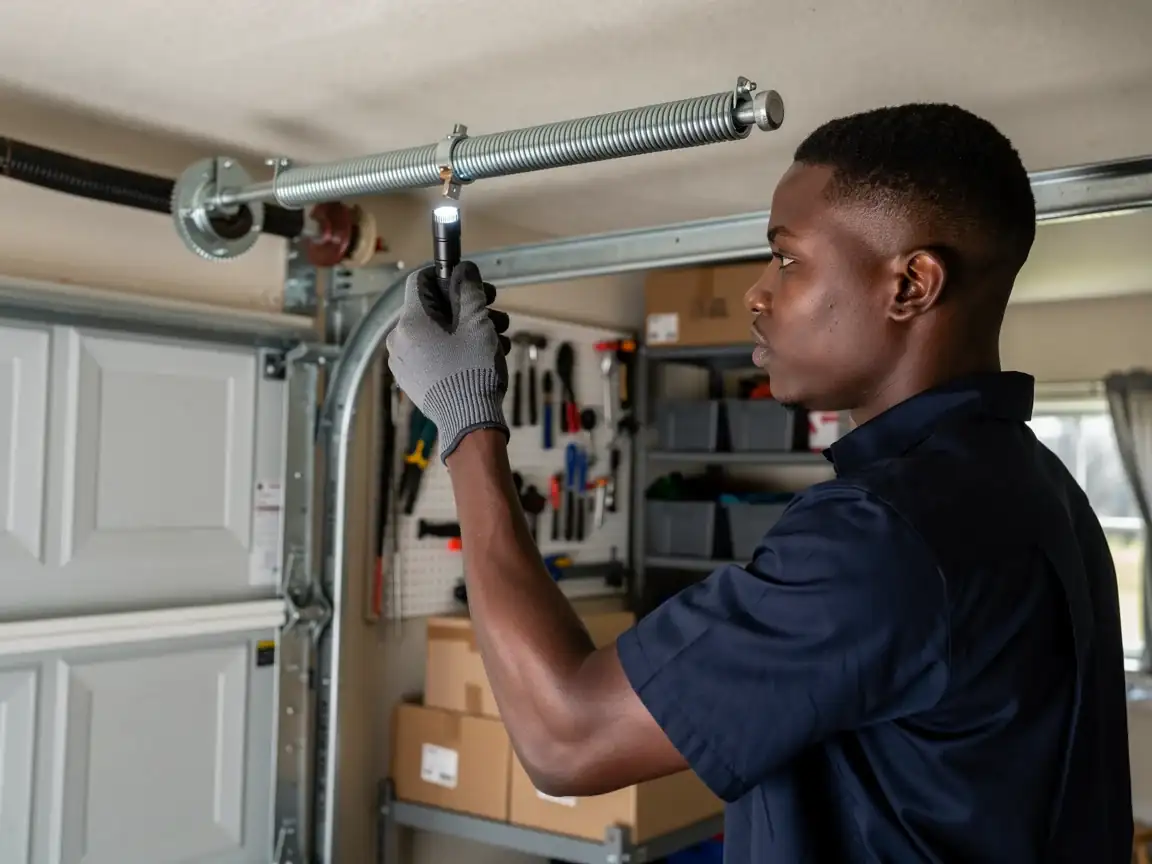
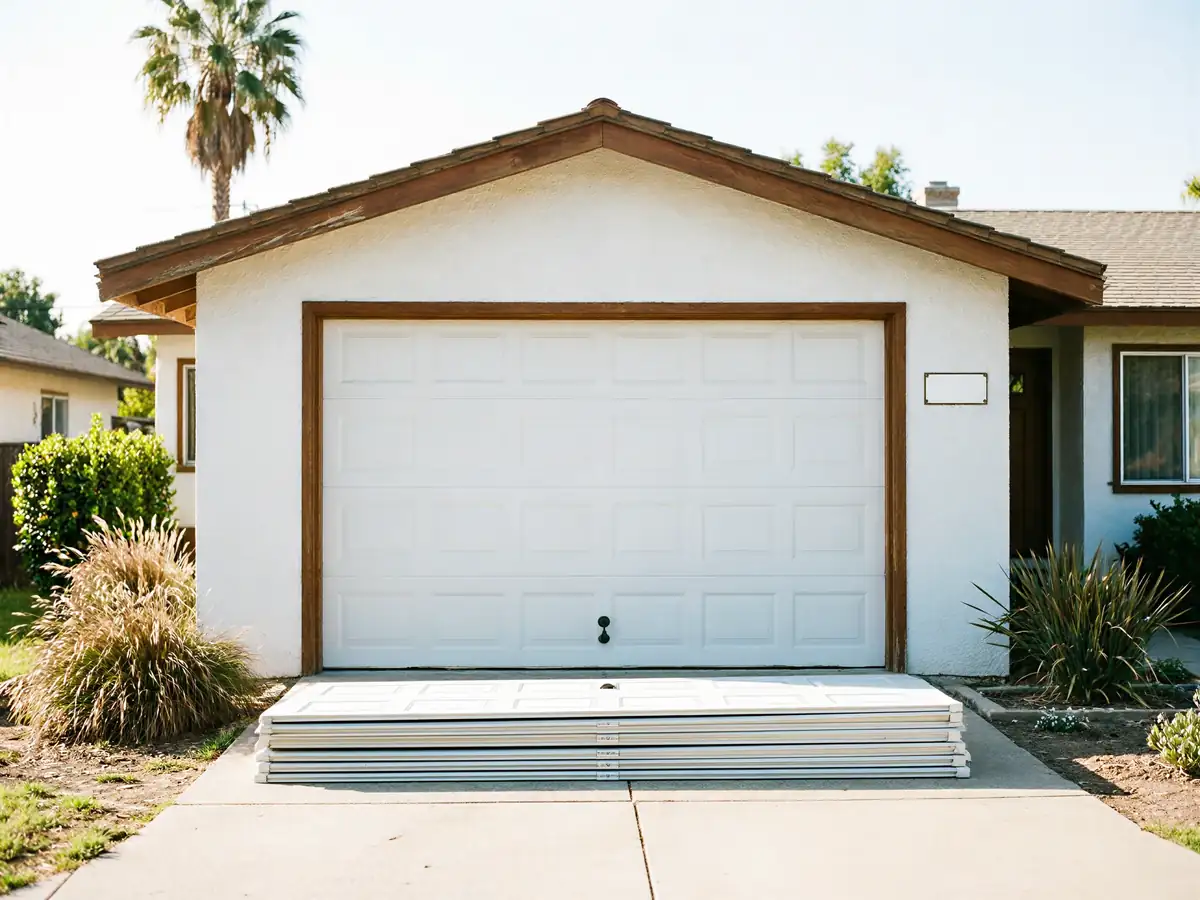
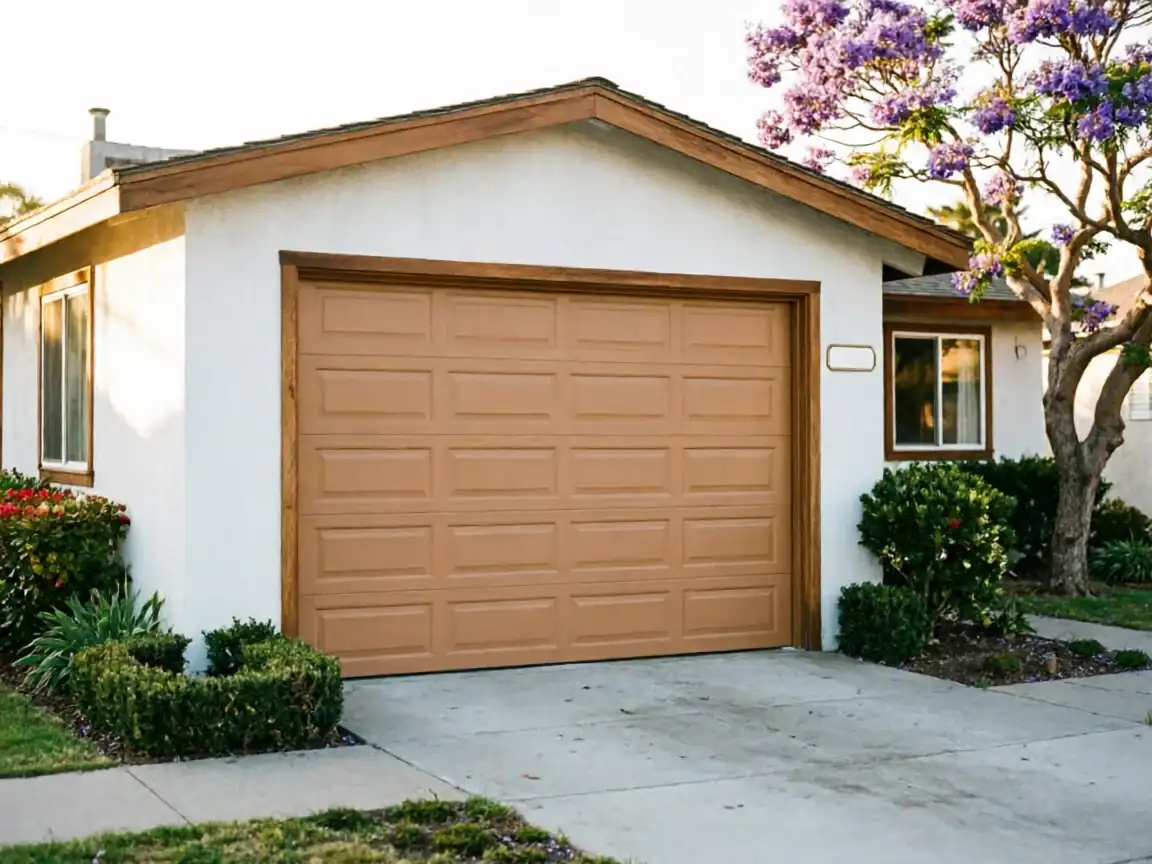
Clovis sits in a severe heat band, and that matters more for a garage door than most homeowners expect. A garage is usually the hottest room in the house because it has a huge, uninsulated steel or wood panel baking in direct sun most of the year. That heat cycles the torsion spring and the opener's circuit board through expansion and contraction every single day, not just in a hot stretch. Nylon rollers get brittle faster in this kind of sustained heat than they would in a milder climate, and lubricant on tracks and hinges dries out and turns gummy, which is why doors here start sounding rough well before they're actually worn out. If your house falls in the 1956-1993 build range that covers most of this area, with a lot of stock going up in the 1980s and 90s, the door and opener hardware were likely sized and installed for a different era of expectations around insulation and duty cycle. None of this means your door is failing. It means the heat is doing steady, invisible work on rubber seals, spring coating, and electronics every day the sun is on that wall, and the fix is usually smaller than people assume once you know what's actually wearing out.
What Is Going On
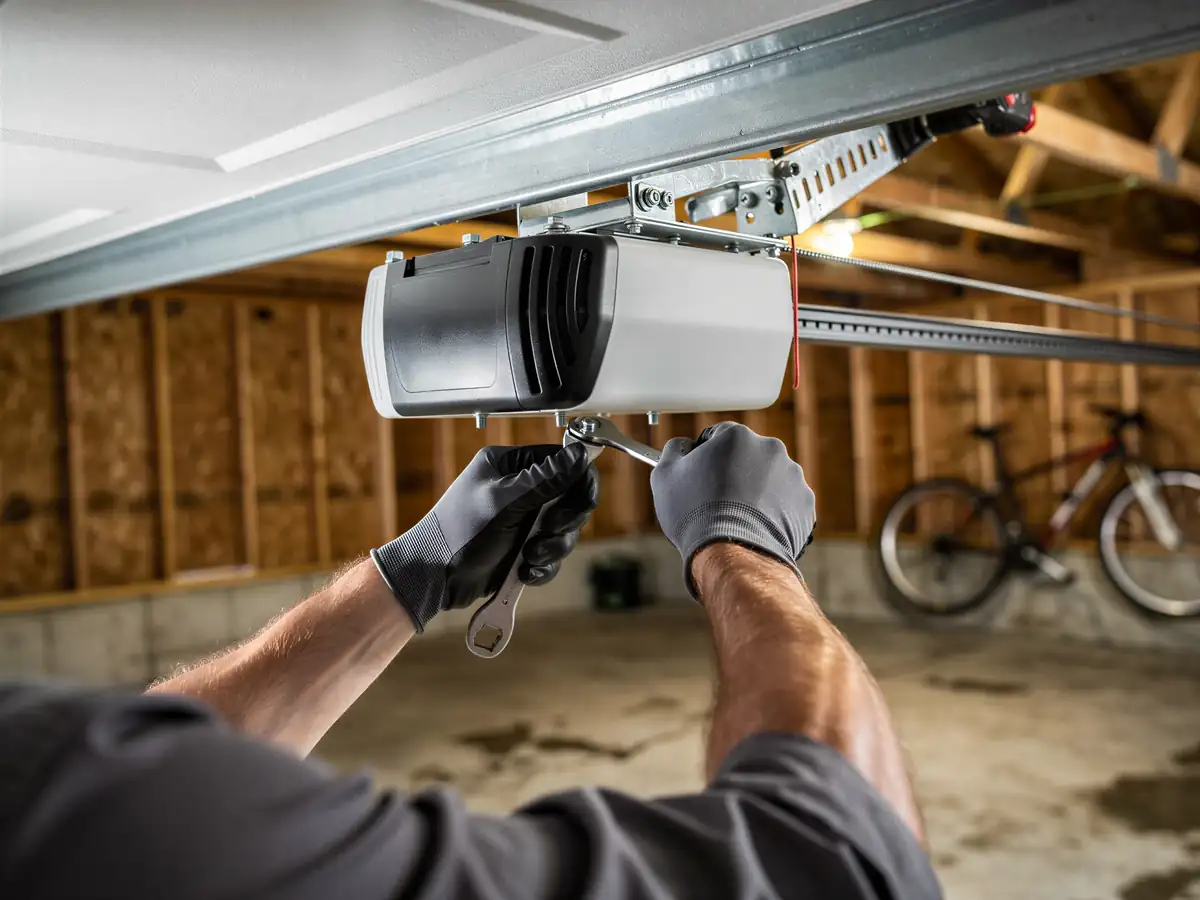
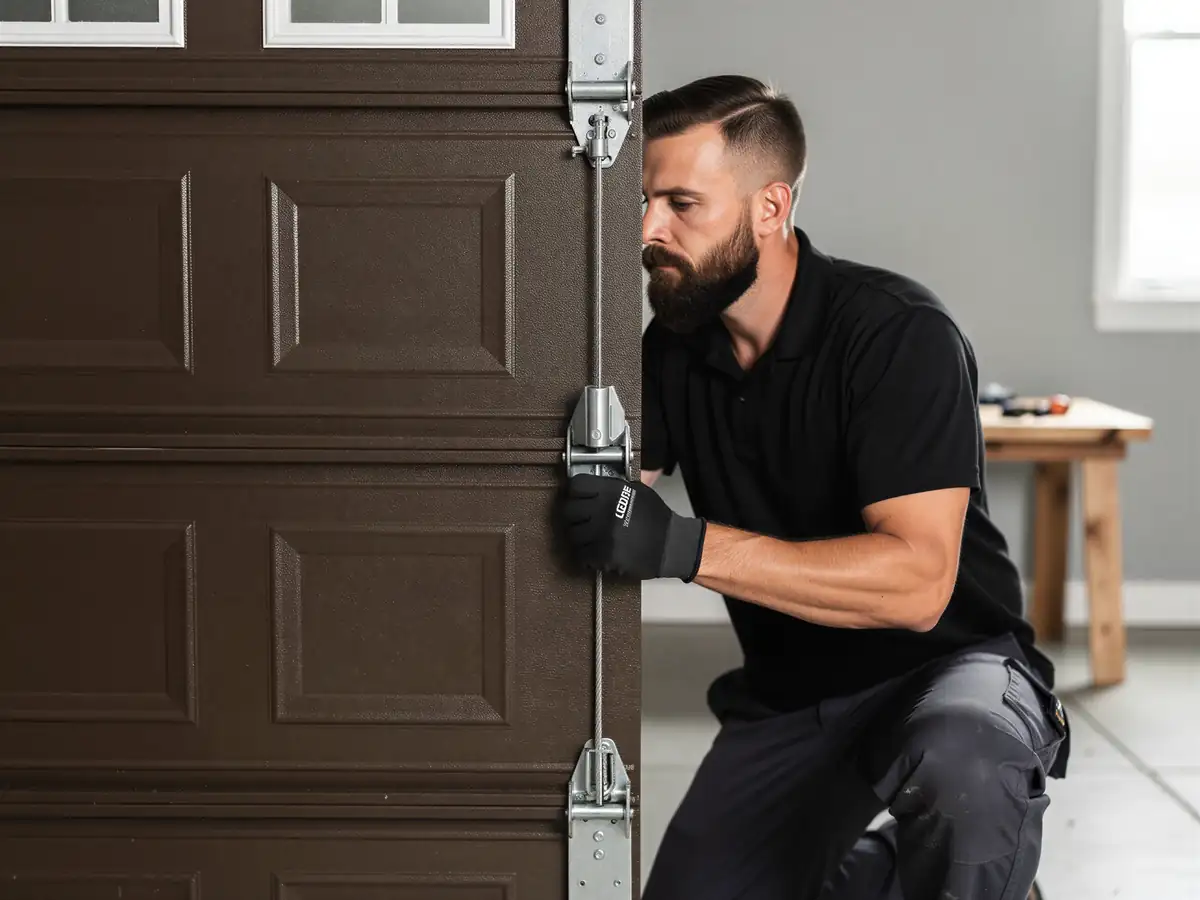
Across the 14 named areas that make up this service footprint, the housing stock is dominated by 1980s and 90s construction, with the broader range running 1956 to 1993 and a median build year around 1982. That means a lot of garage doors out here are original torsion-spring setups, or a first replacement from 10-20 years ago, paired with openers that were built before today's rolling-code and battery-backup standards were common. A door from that era on a house that's baked through decades of severe heat summers is going to show it in predictable spots: the spring loses tension unevenly, the end bearing plates wear, and the opener's drive gear - a plastic part by design - strips out sooner than the motor itself fails. This isn't a sign your door was installed badly. It's what happens to that generation of hardware in this climate over that many years. One limitation worth saying plainly: if your opener logic board is already failing, a universal replacement part isn't always a same-day fix, since boards for older openers aren't something every supplier keeps on the shelf.
Checking It Yourself
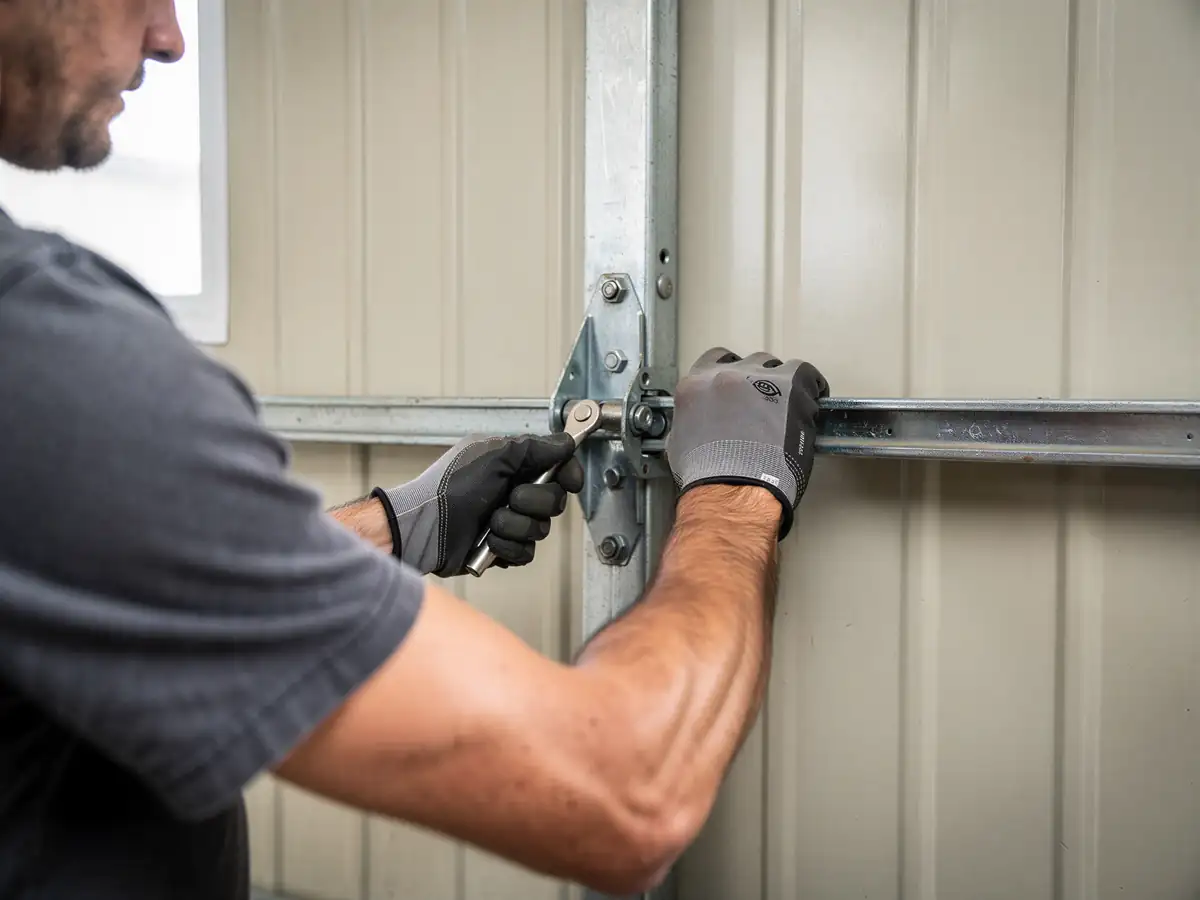
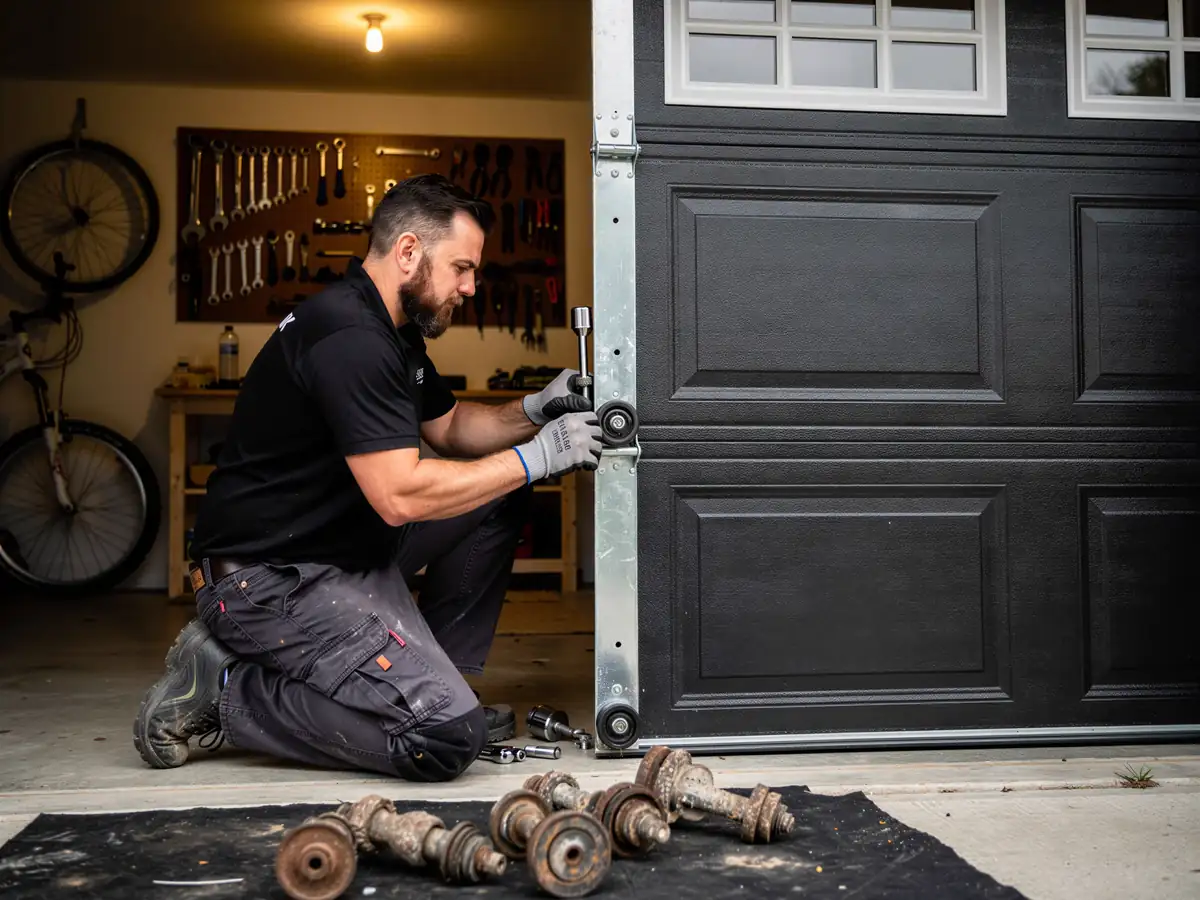
Before you call anyone, a few checks take five minutes and tell you a lot. Lift the door halfway by hand with the opener disconnected - it should stay roughly in place; if it drops or shoots up, the spring tension is off, which is common on doors from the 1956-1993 range that haven't been rebalanced in a while. Look at the rollers: in this heat, nylon rollers go brittle and chip at the edges well before they round out completely, so chipped edges on a 15-20 year old roller are worth replacing before one snaps on you. Check the bottom seal for cracking or gaps - severe heat dries rubber out faster than cold does, and a cracked seal lets in both heat and dust. Listen for the opener's gear: a grinding or slipping sound under load, especially on an older unit, usually means the drive gear is going, not the motor. None of this tells you exactly what's wrong, but it tells you whether what you're dealing with is routine wear for a house this age in this climate, or something that needs a call sooner than later.