Common Jobs Here
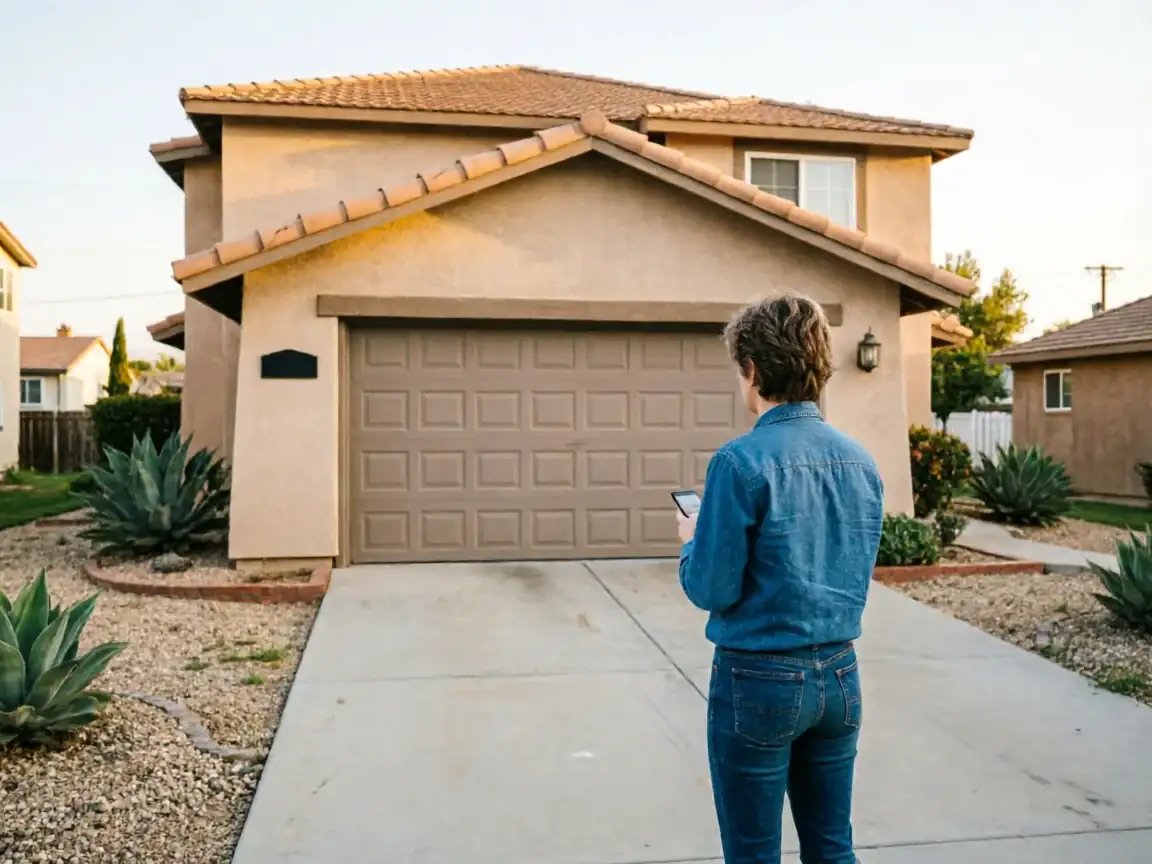
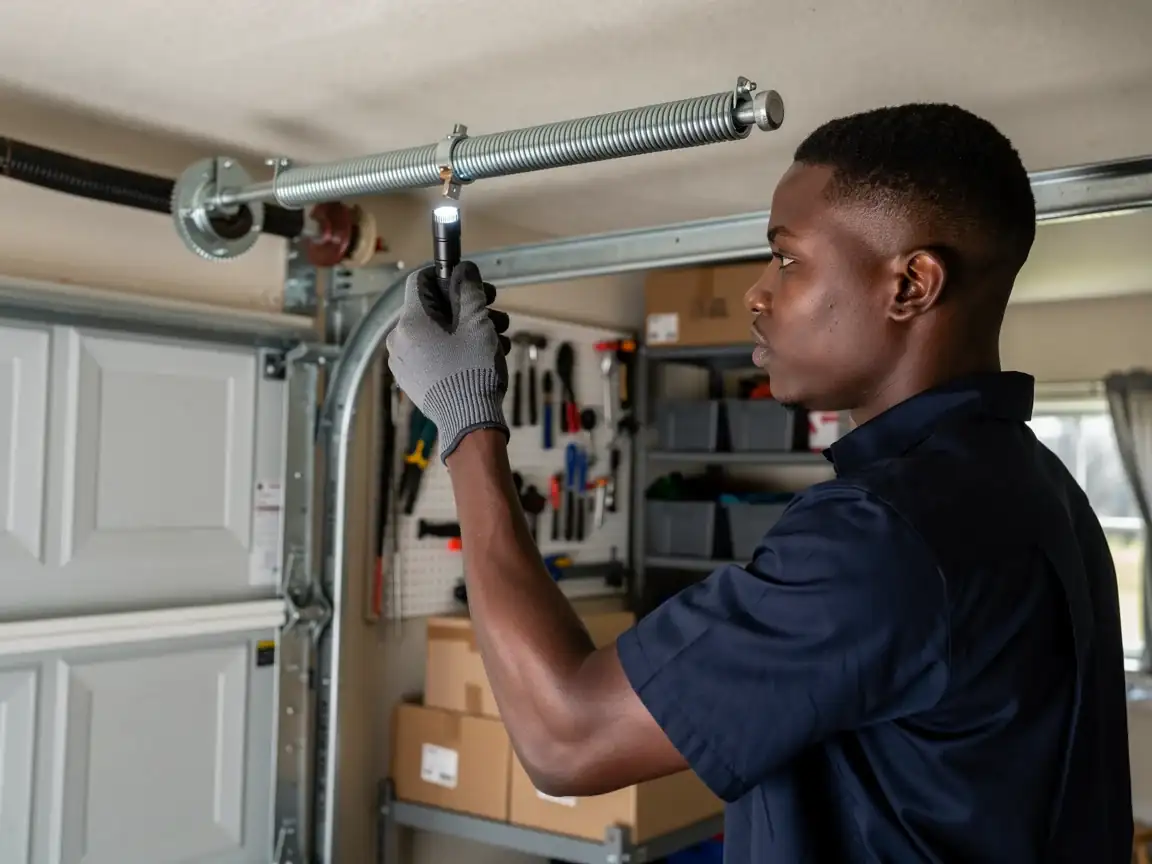
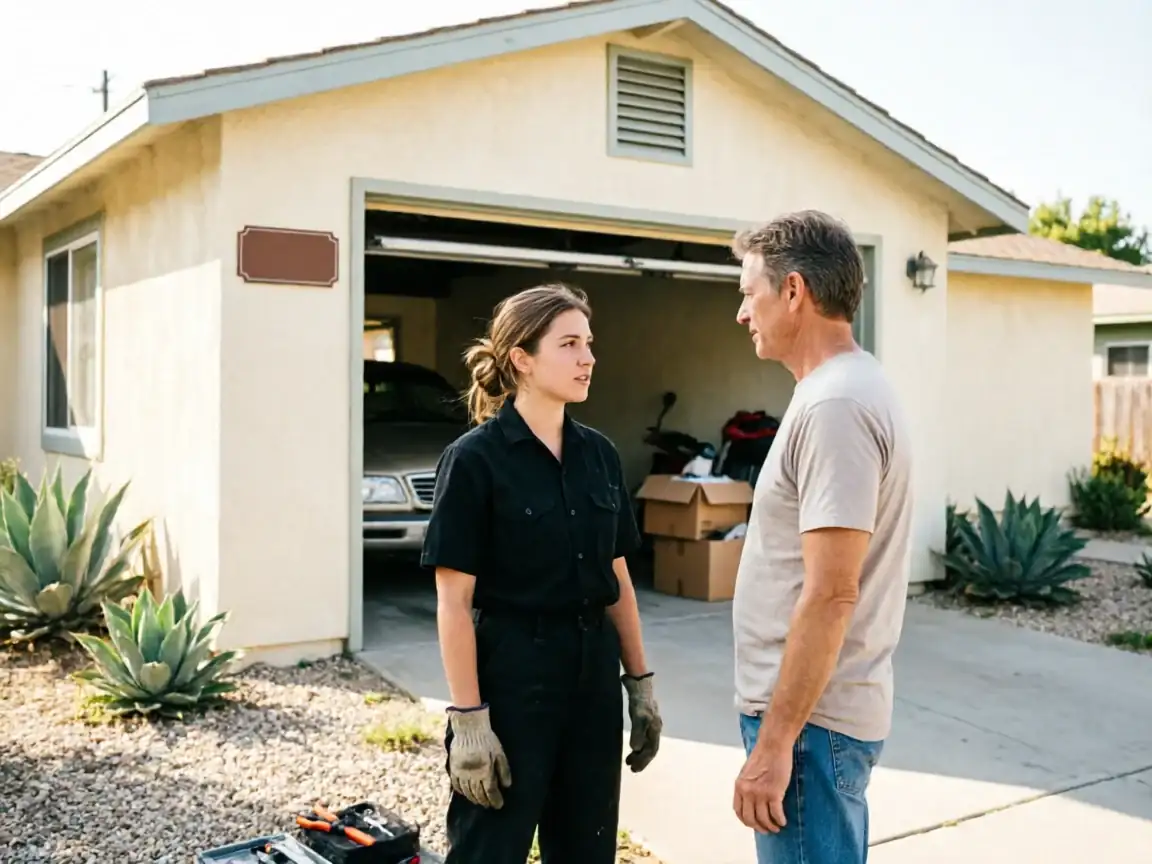
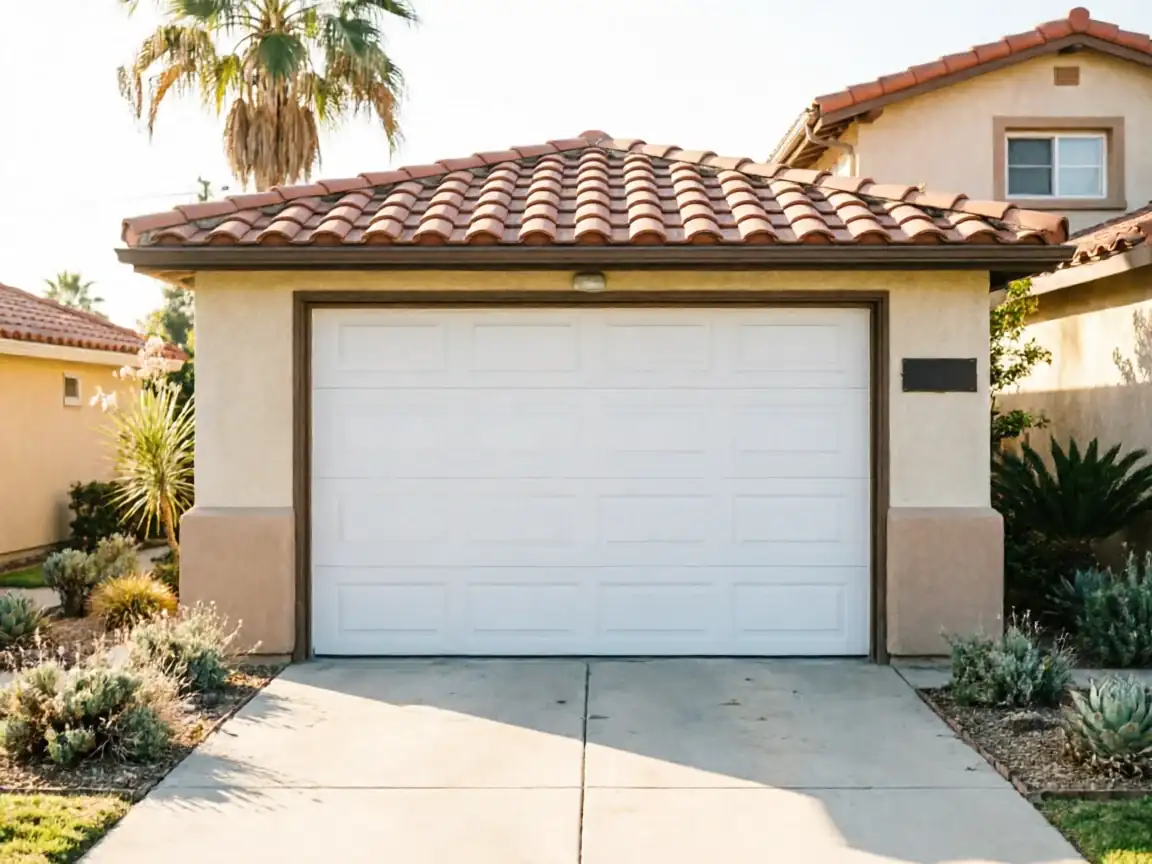
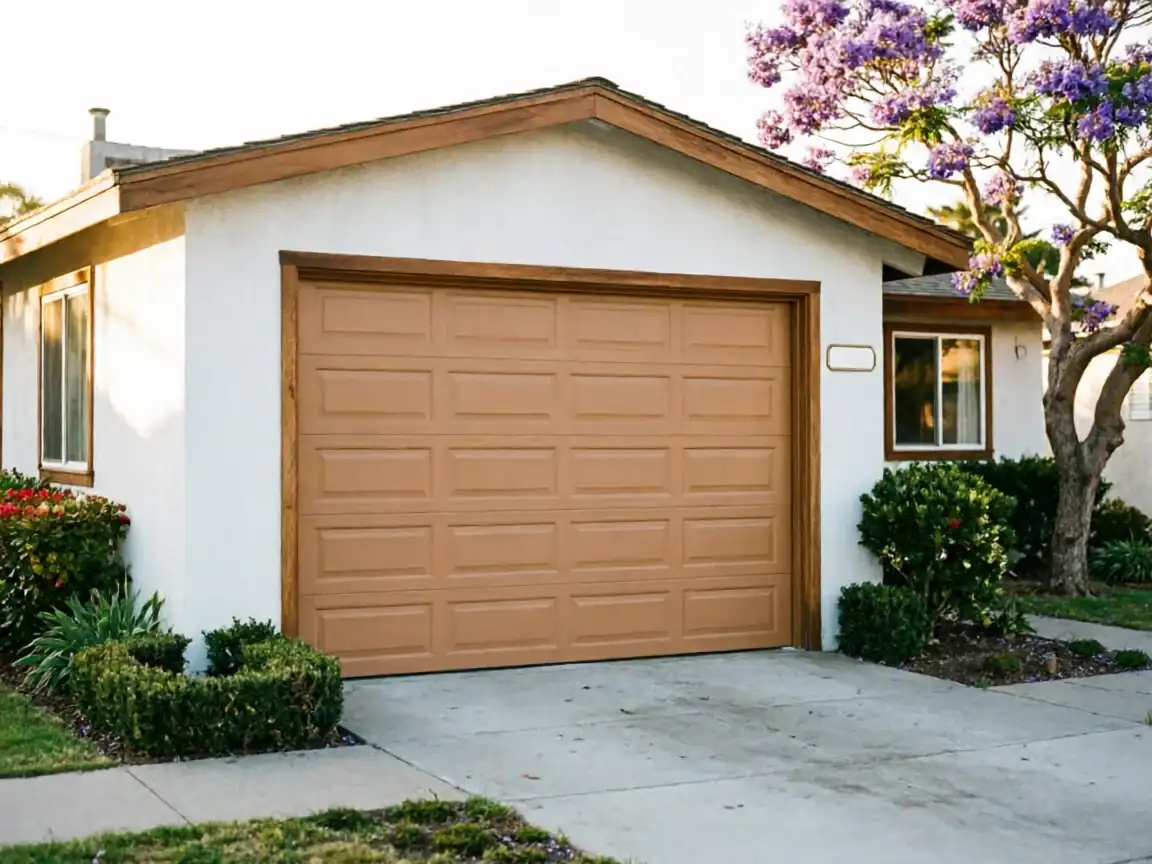
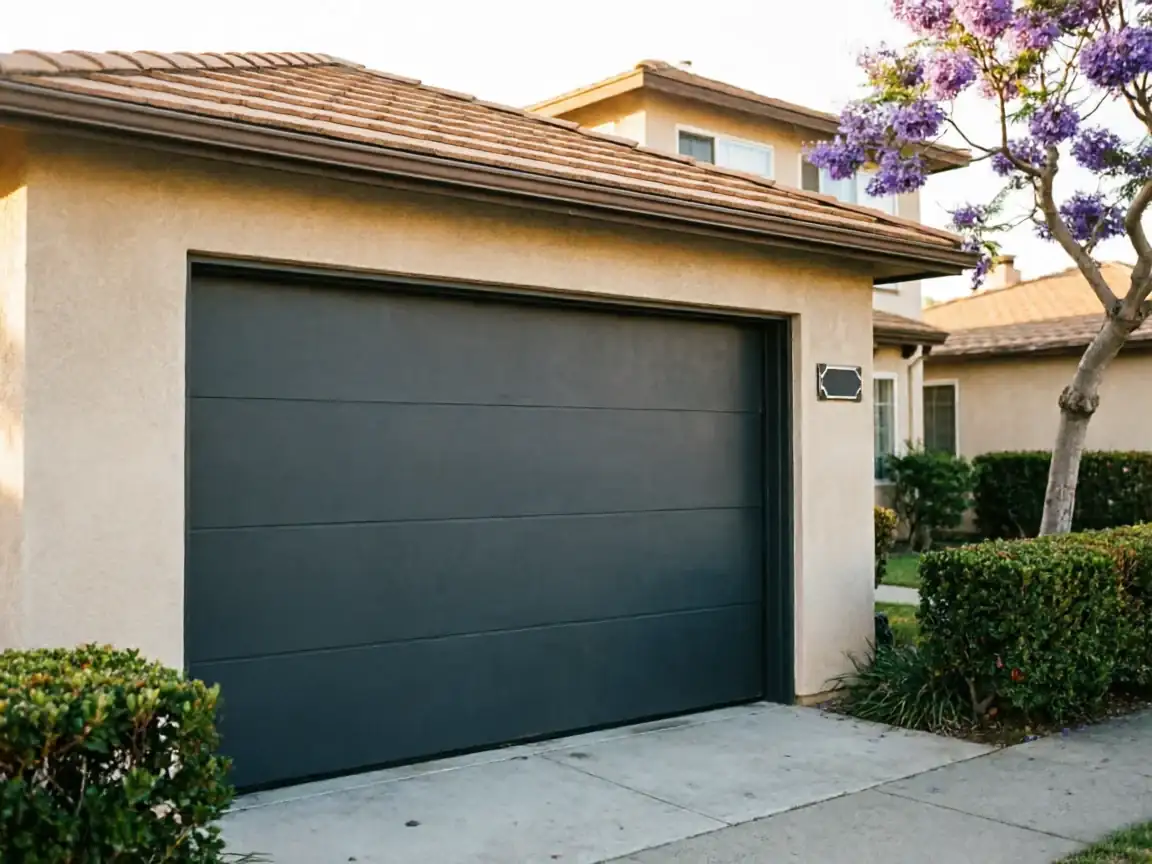
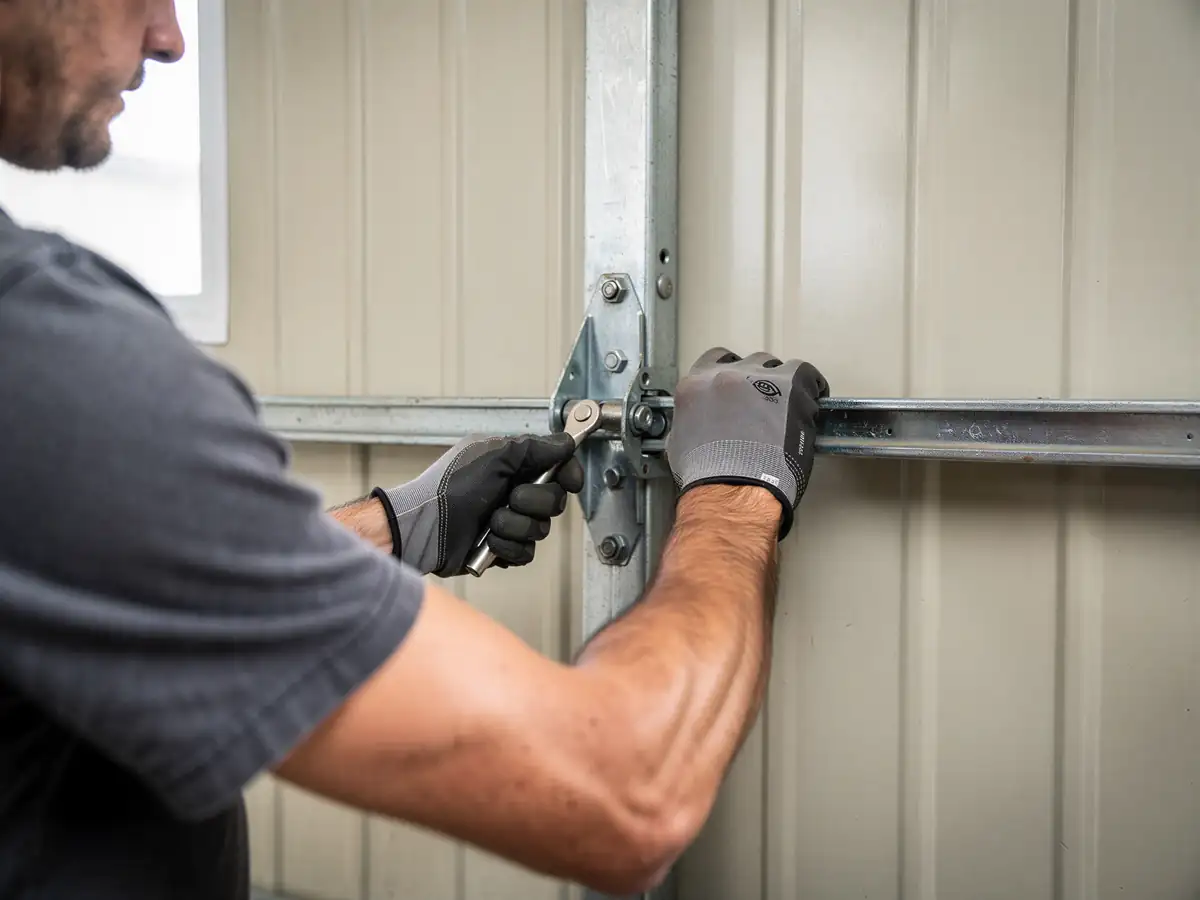
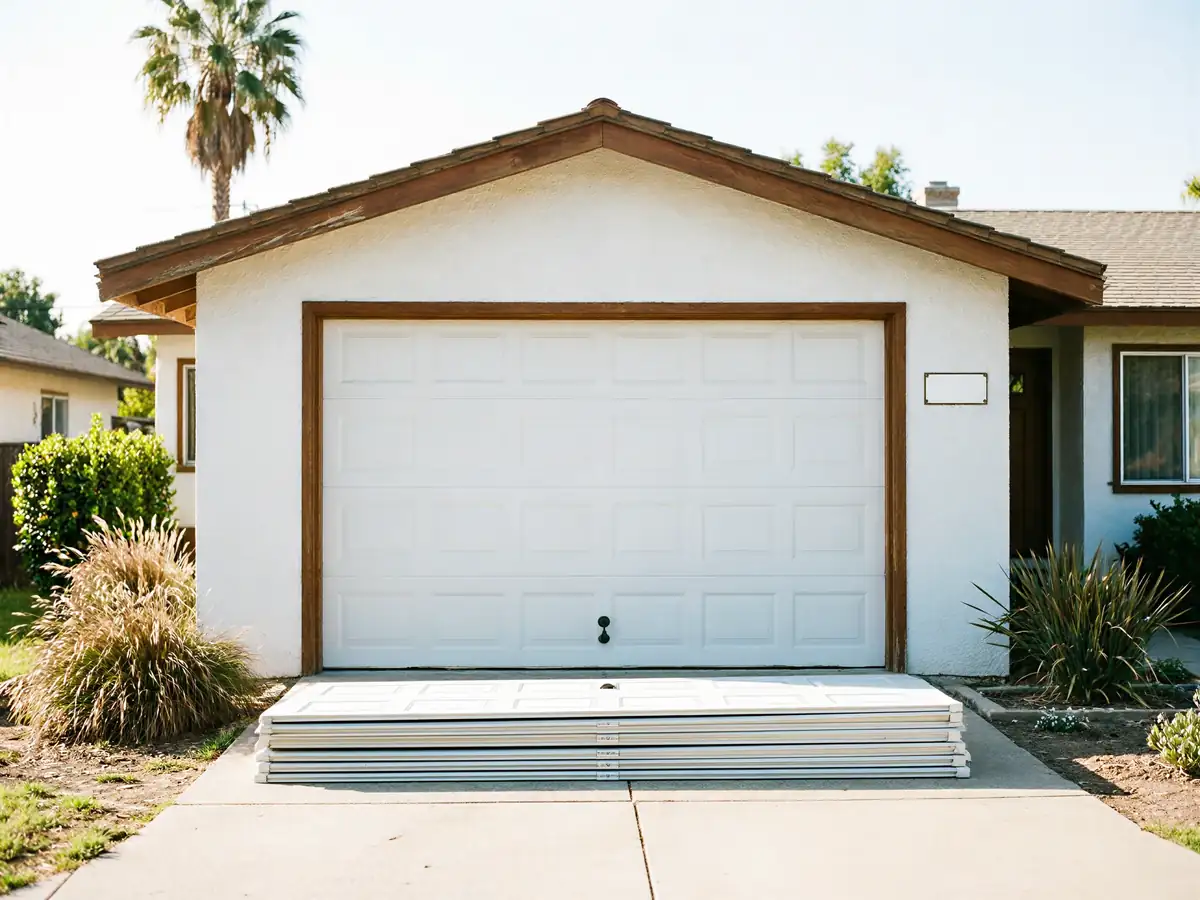
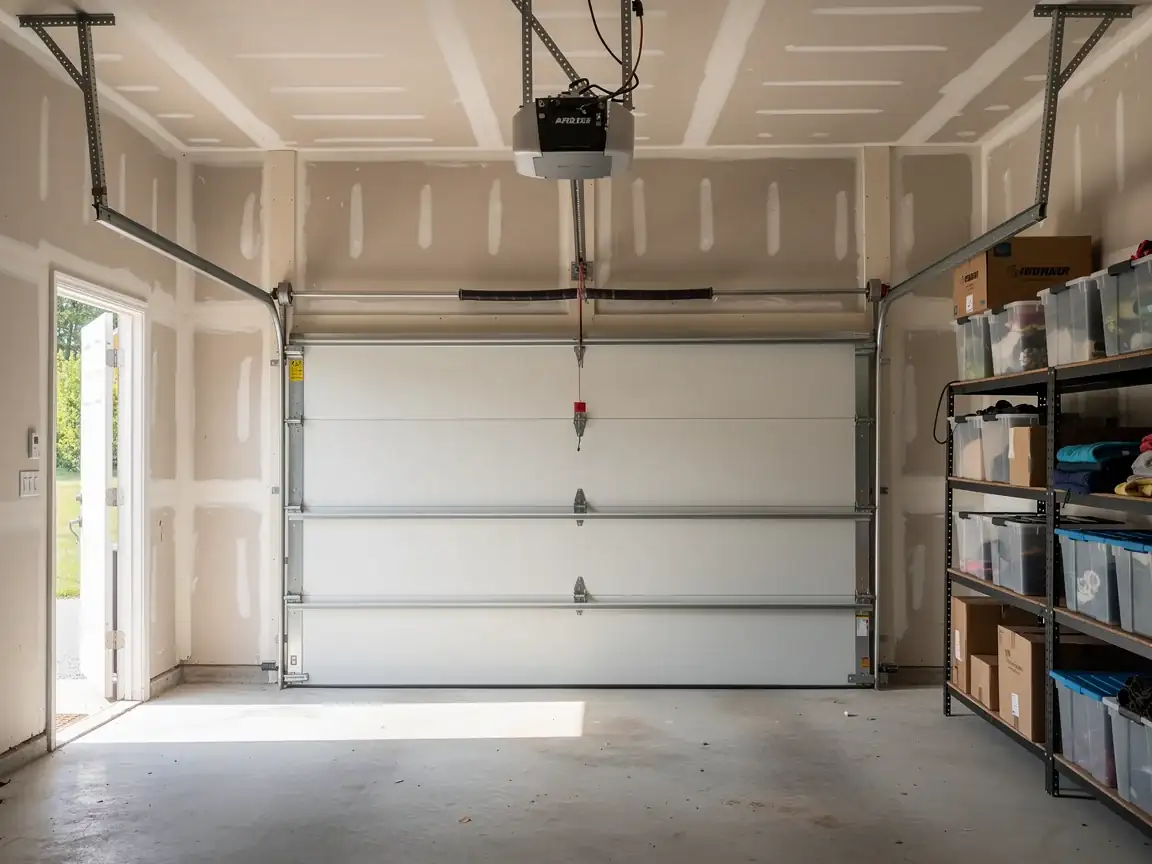
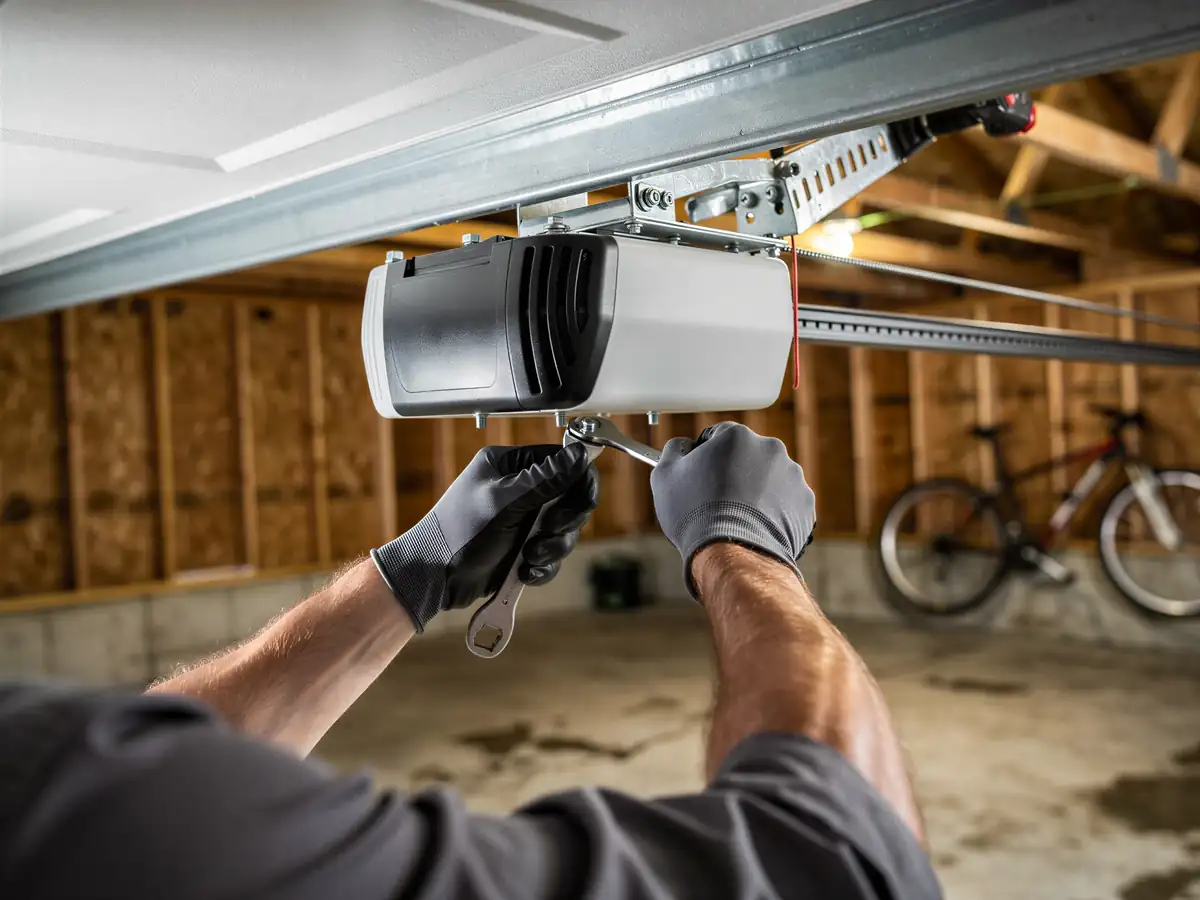
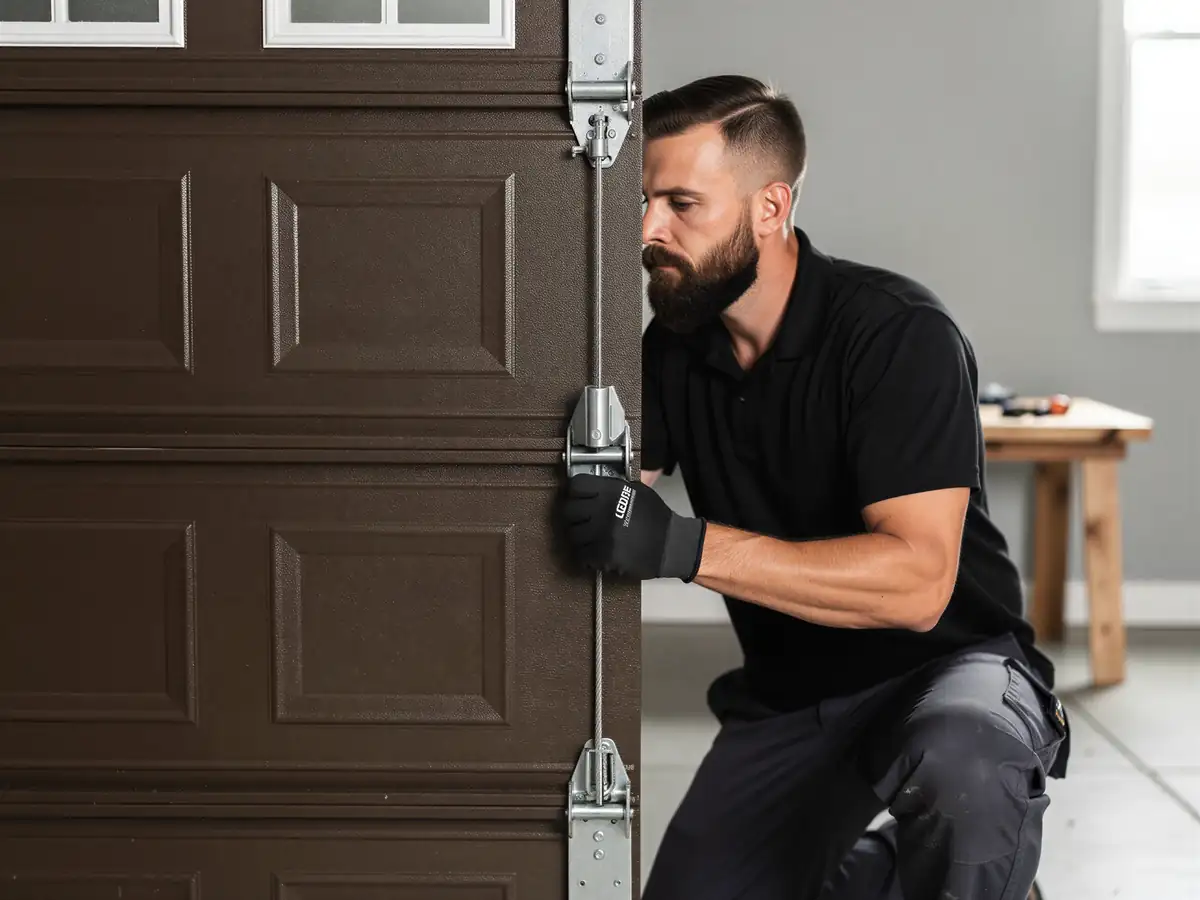
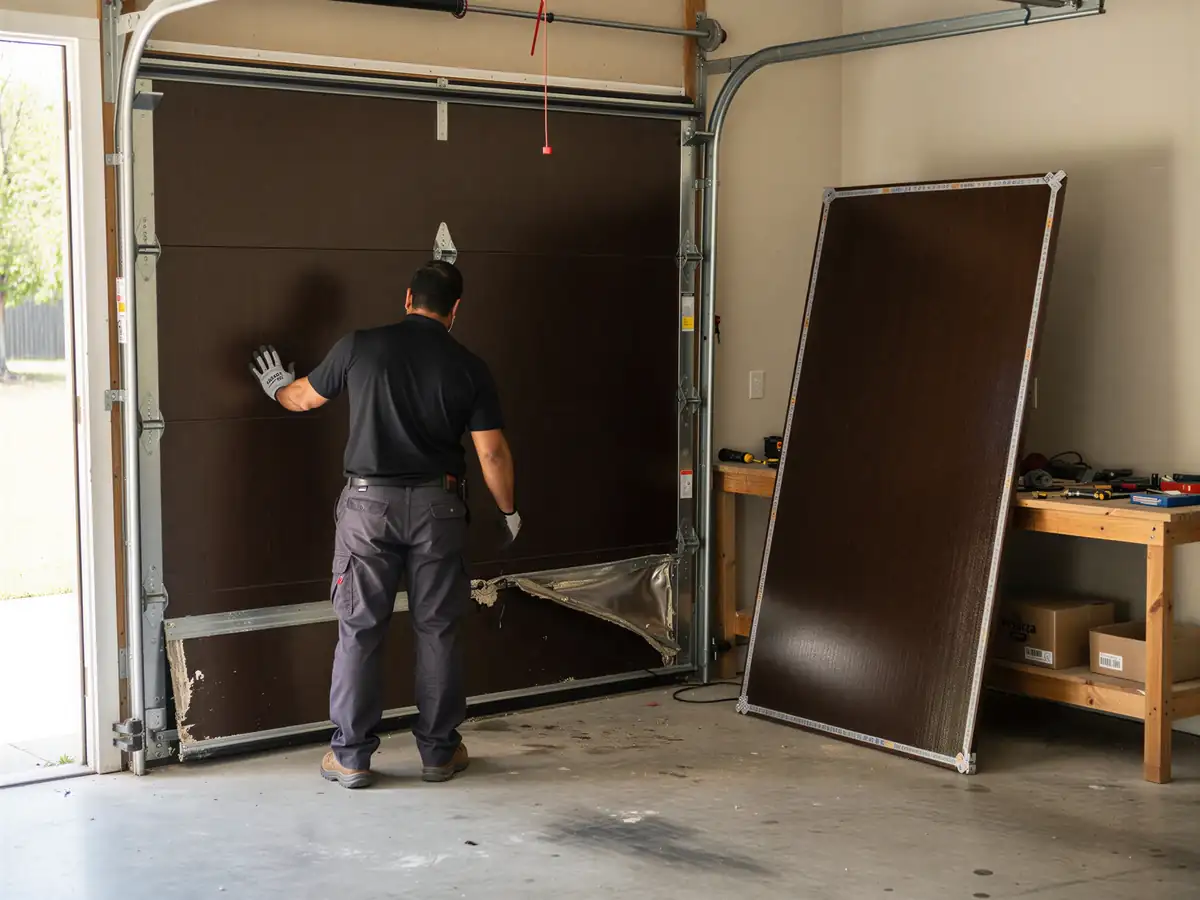
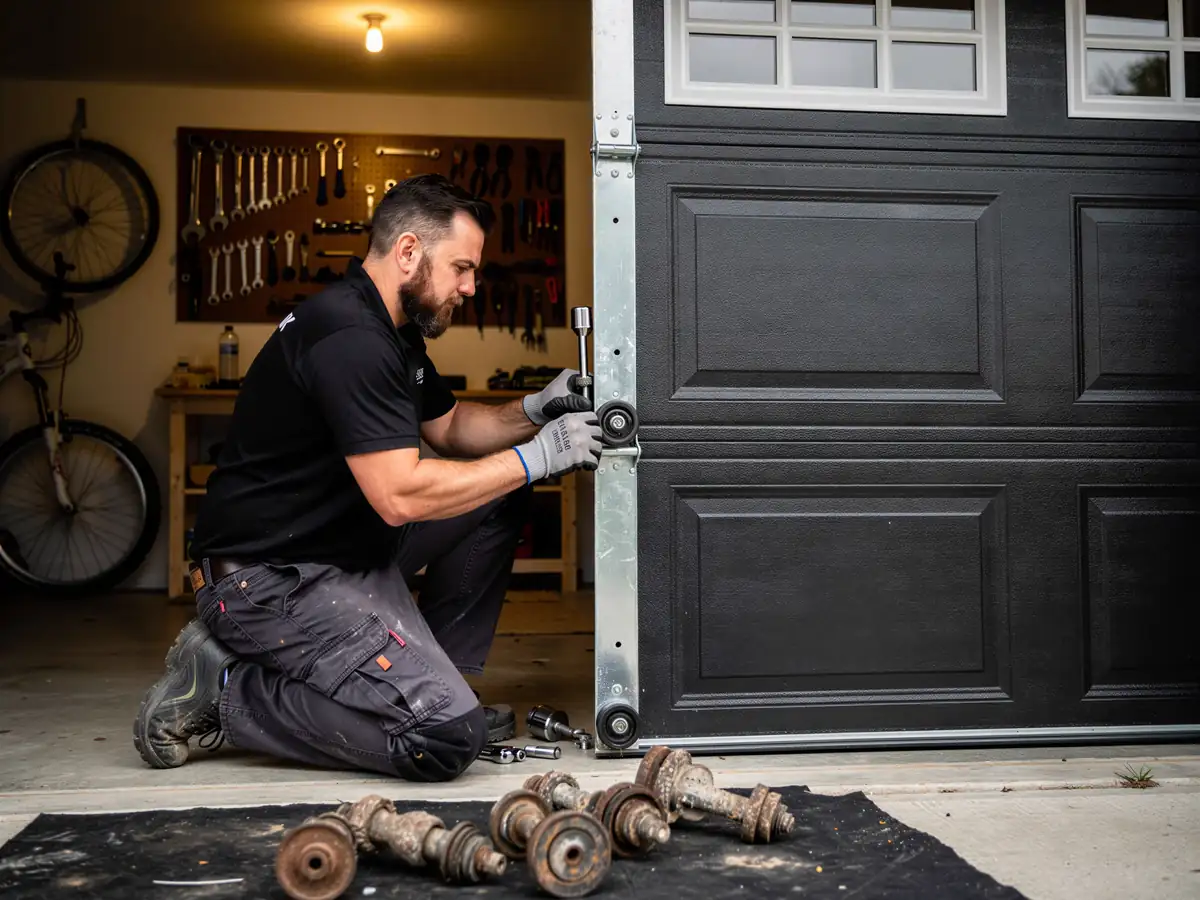
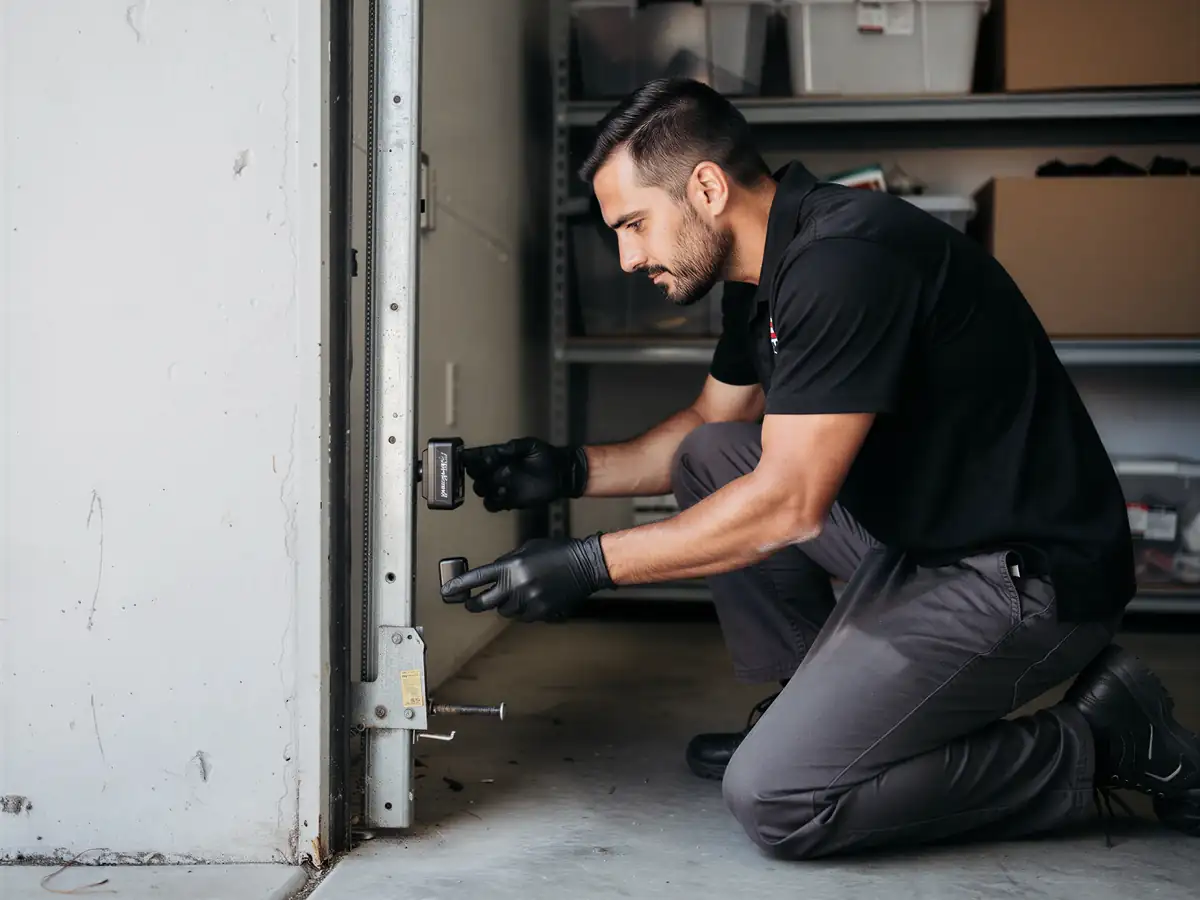
Selma sits 18 miles out from our Clovis shop, so when we get a call here it's usually because something's already failed, not a routine check. The jobs we see most are tied to the house's age: torsion springs that have gone slack after four decades of summer cycling, nylon rollers that have cracked in the heat, and openers from the 1990s and early 2000s that are on their second or third logic board. Selma's median home was built around 1979, which puts a lot of garage doors here on their original steel track and center-mounted hardware - not the wider, lower-friction setups you'd find on something built in the last fifteen years. We also replace a fair number of single-layer steel panels that have warped from direct sun exposure, since insulation wasn't standard when these houses went up. One honest limit: if a door's track is bent badly enough from age and heat-warping, realignment sometimes isn't worth the labor compared to a new track, and we'll tell you that instead of billing for a patch that won't hold.
What Was Built Here
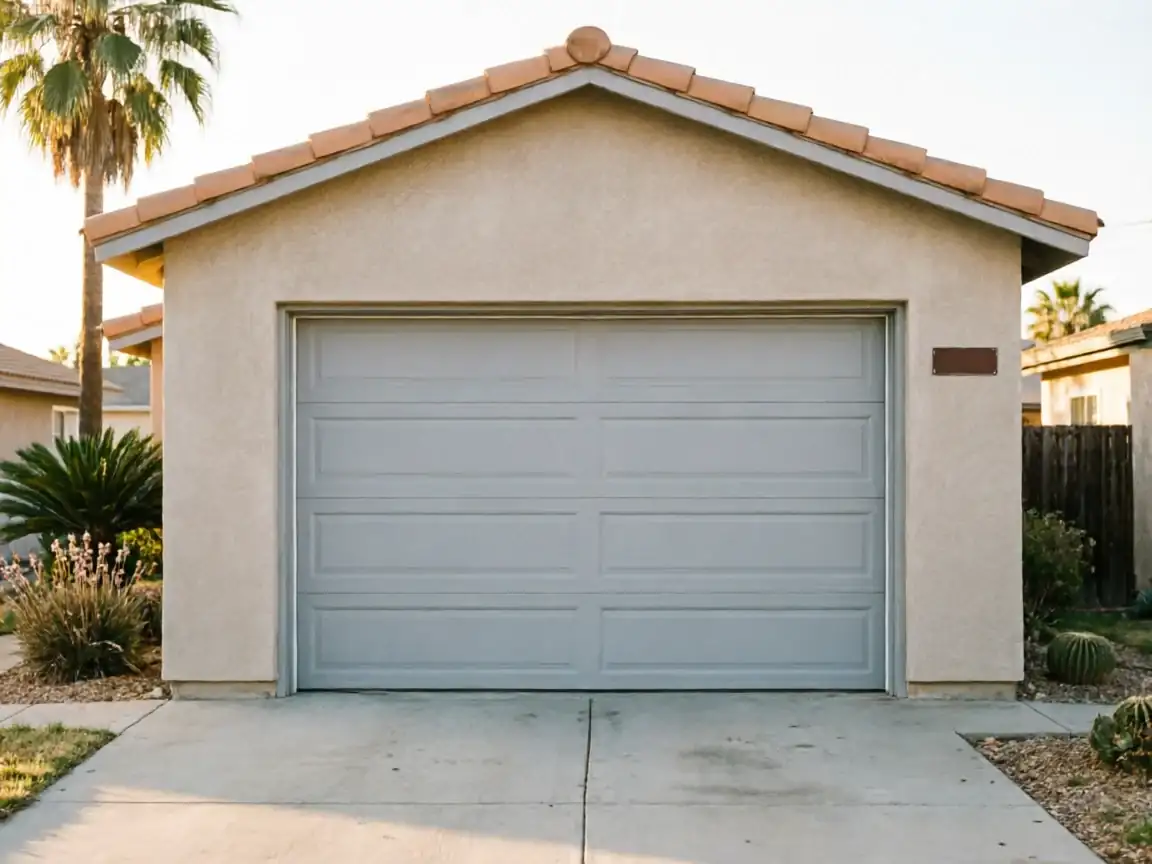
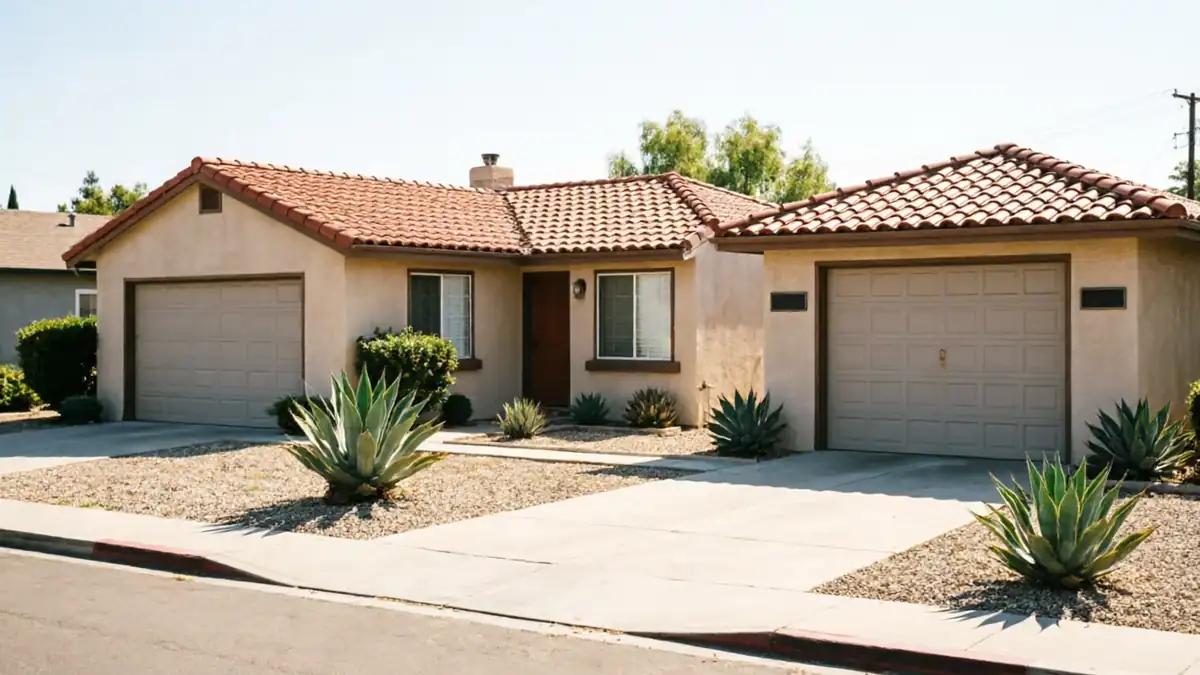
The broader service area this company covers runs from houses built in 1956 up through 1993, with a median around 1982 - but Selma itself skews a touch earlier, with a median build year of 1979. That three-year gap matters more than it sounds like. Doors and openers installed in the late 1970s came before most of the lightweight-spring and safety-reversal standards that showed up through the 1980s and 90s elsewhere in the coverage area. A lot of Selma garages still have the heavier gauge doors and simpler extension-spring setups that were standard before torsion systems became common on mid-range homes. With 7,642 households in Selma and a median income of $55,839 - lower than the wider service area's $74,428 - we see more owners choosing a targeted repair (spring, roller, cable) over a full door replacement, which is often the right call on a door that's otherwise sound.
How That Shows Up in the Door
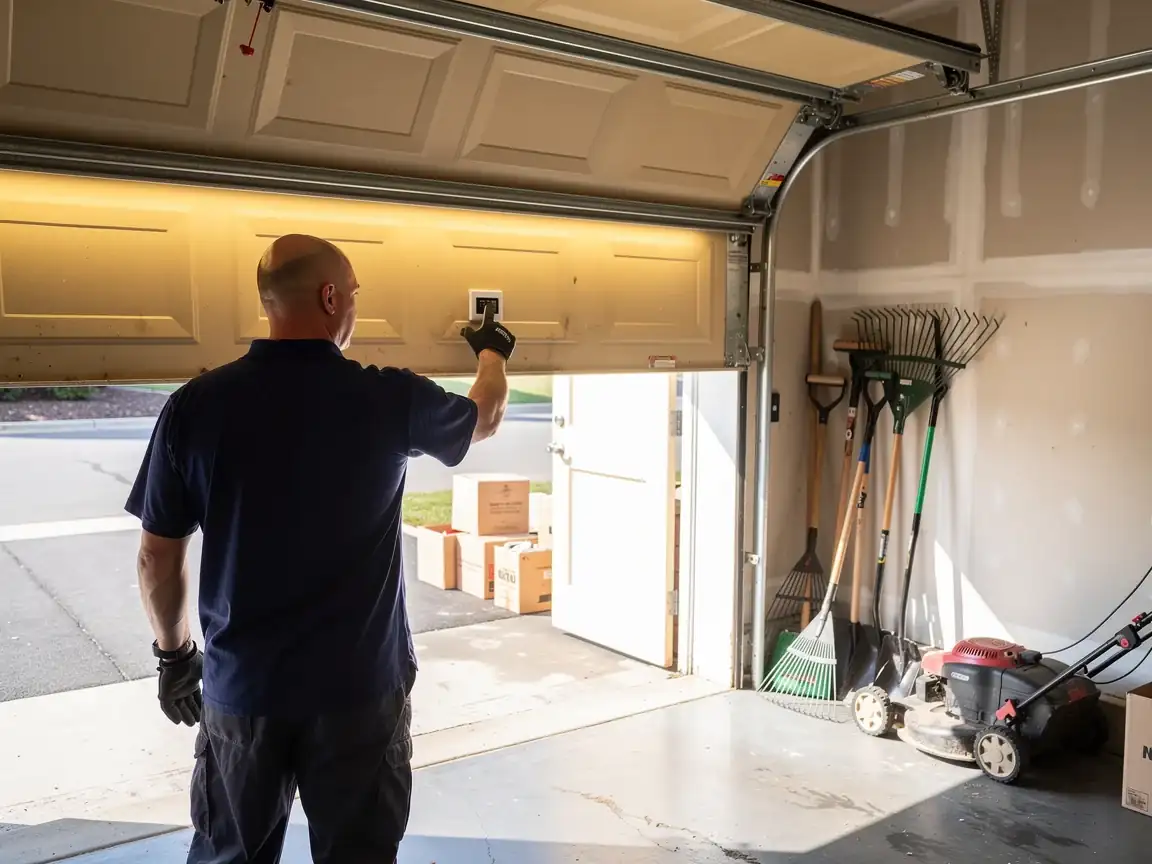
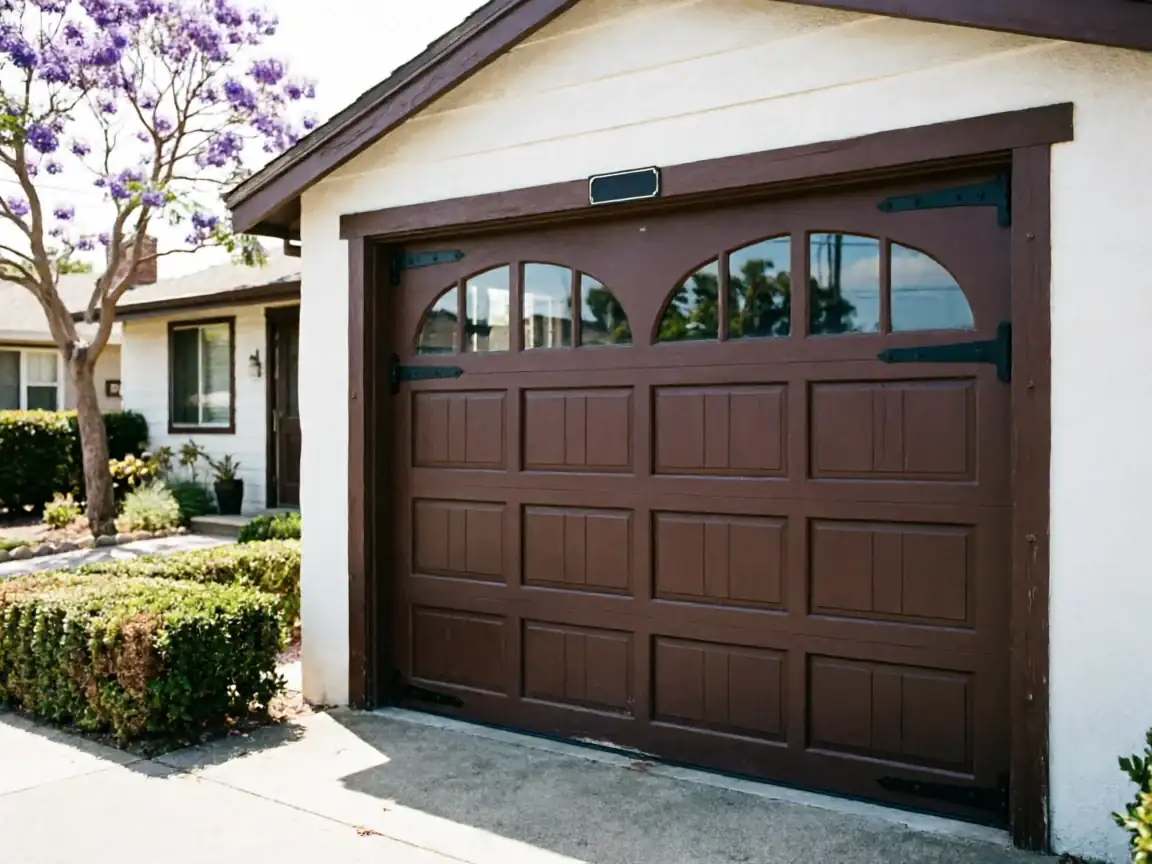
This area sits in a severe-heat climate band, and that stress lands hardest on the older stock. A steel door from 1979 that's spent over forty summers absorbing direct sun has had a lot more thermal cycling than a comparable door built in 1990, and it shows: more panel warp, more brittle weatherstripping, more springs that have lost tension early because the metal's been through more expansion-contraction cycles than its design life assumed. Openers fare worse too - older chain-drive units with exposed gears run hotter and wear faster in sustained heat than newer belt-drive models. When we're out this way, 18 miles from the Clovis shop, we're generally diagnosing against that older baseline first, since it's the more likely failure point given what was actually built here and when.