Time on the Job
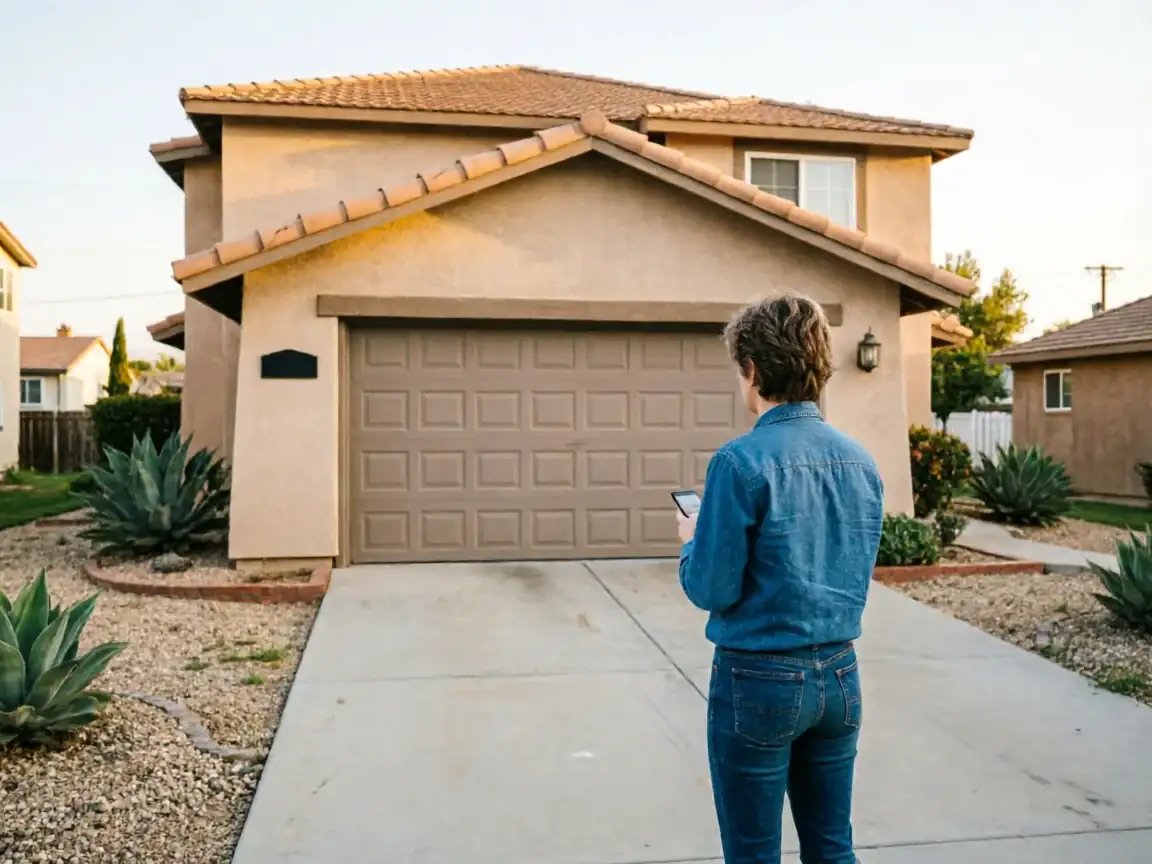
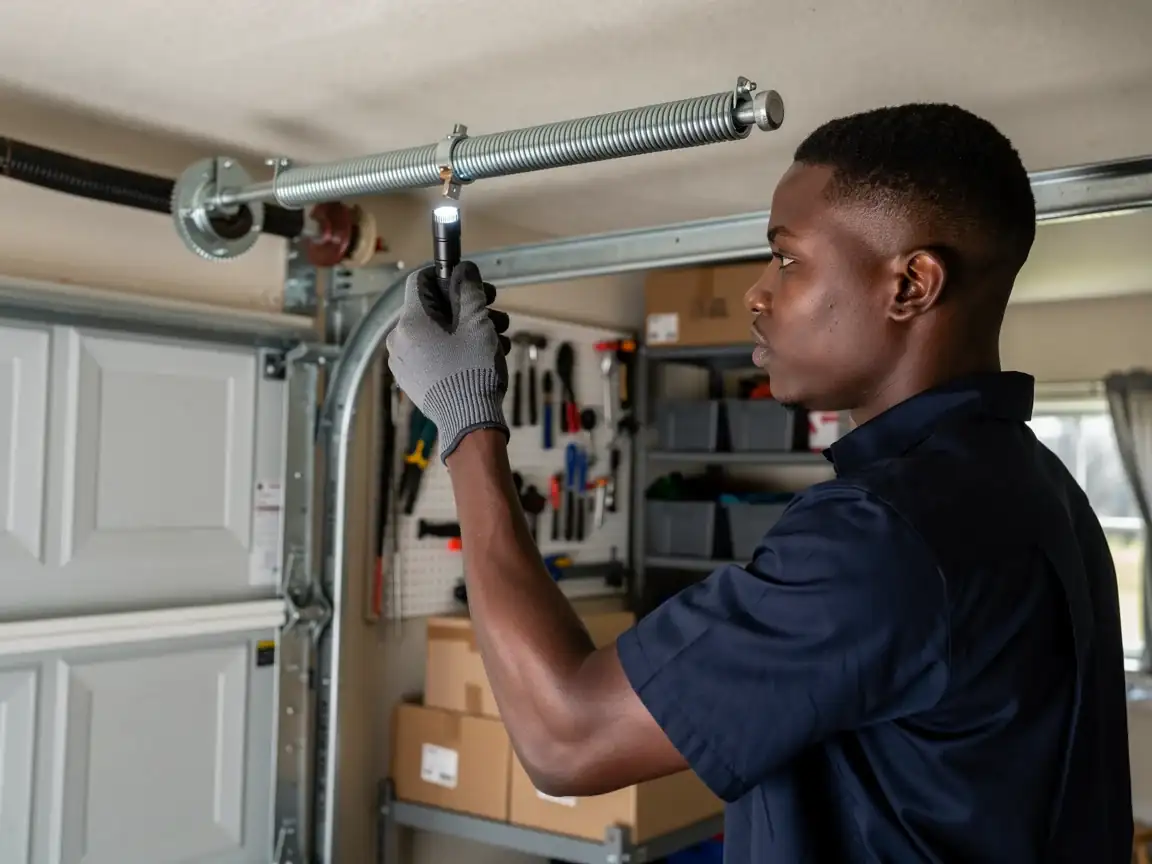
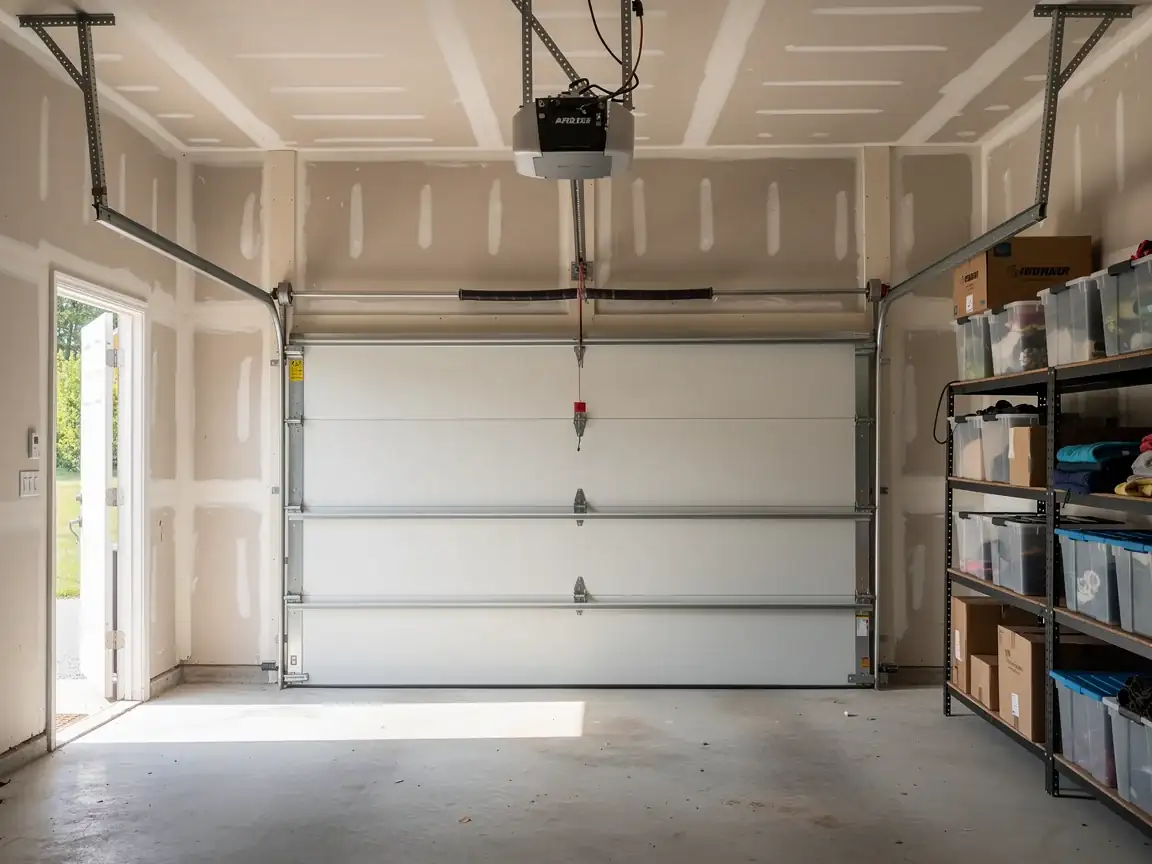
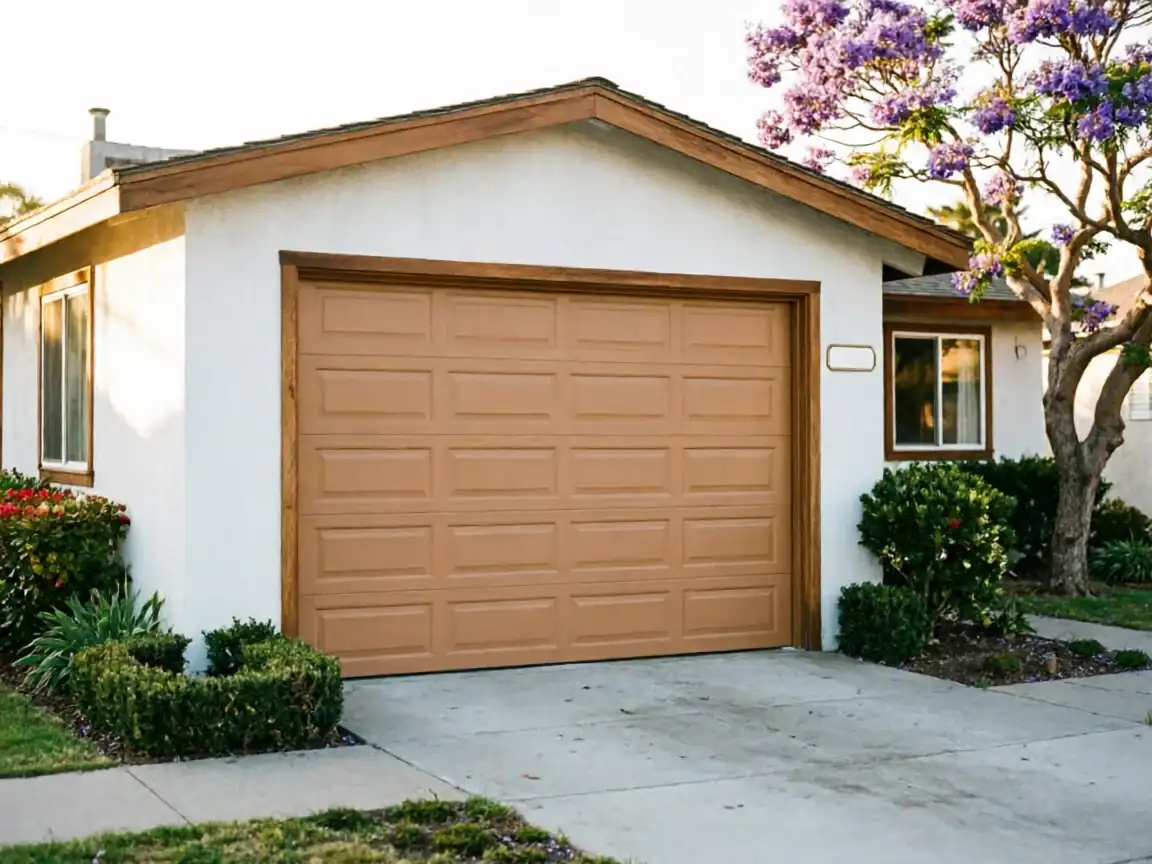
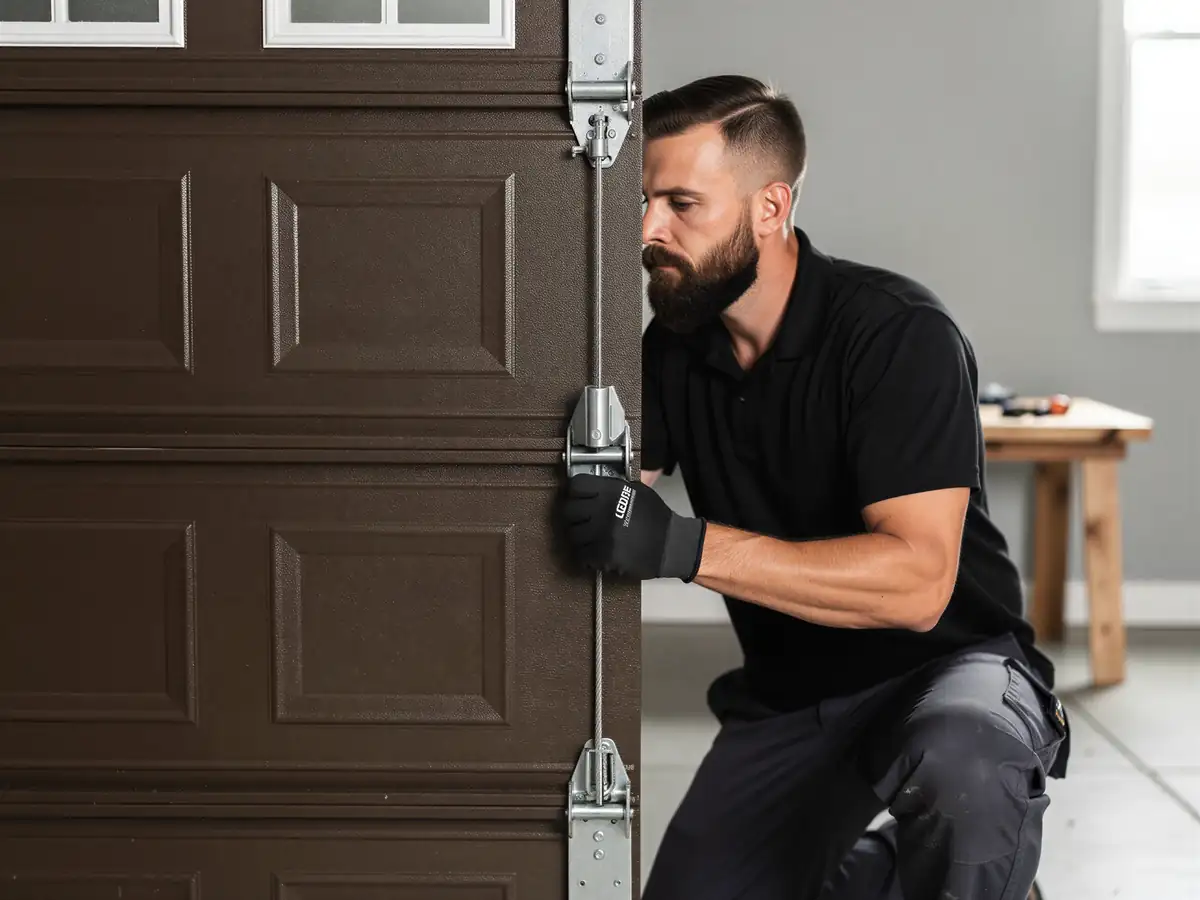
Selma's median home dates to 1979, a few years ahead of the 1982 median across the rest of our service area. That matters for a maintenance call because a 1979 door was almost always built with extension springs mounted along the horizontal track, not the torsion bar over the header that became the norm in the following decade. A tune-up on that setup takes longer than on a newer torsion system - we're checking pulley condition, cable fraying at the drum, and whether the safety cable (if one was ever added) is actually doing its job. We run this from Clovis, about 18 miles out, so we block Selma visits in a window rather than promising a same-day drop-in. If your door is original to a 1979-built house, tell us that when you call. It changes what we bring on the truck.
Stocked Parts
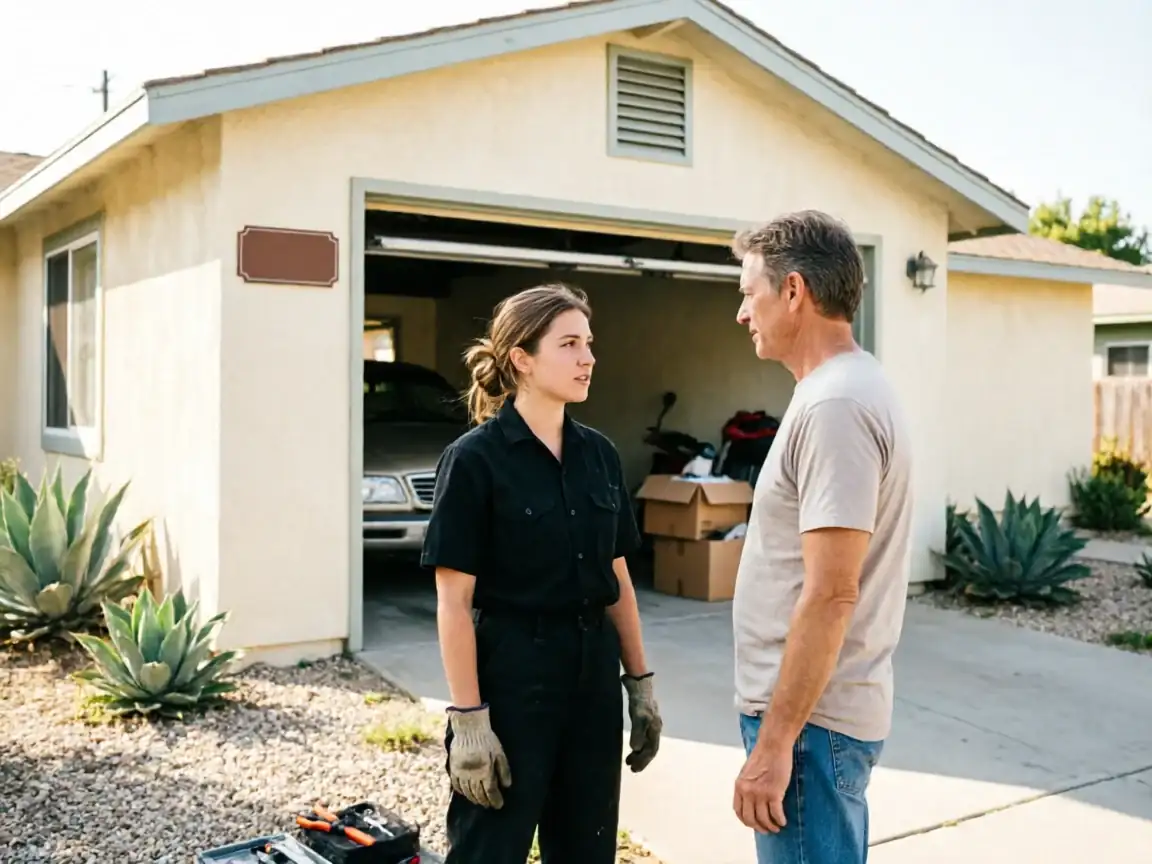
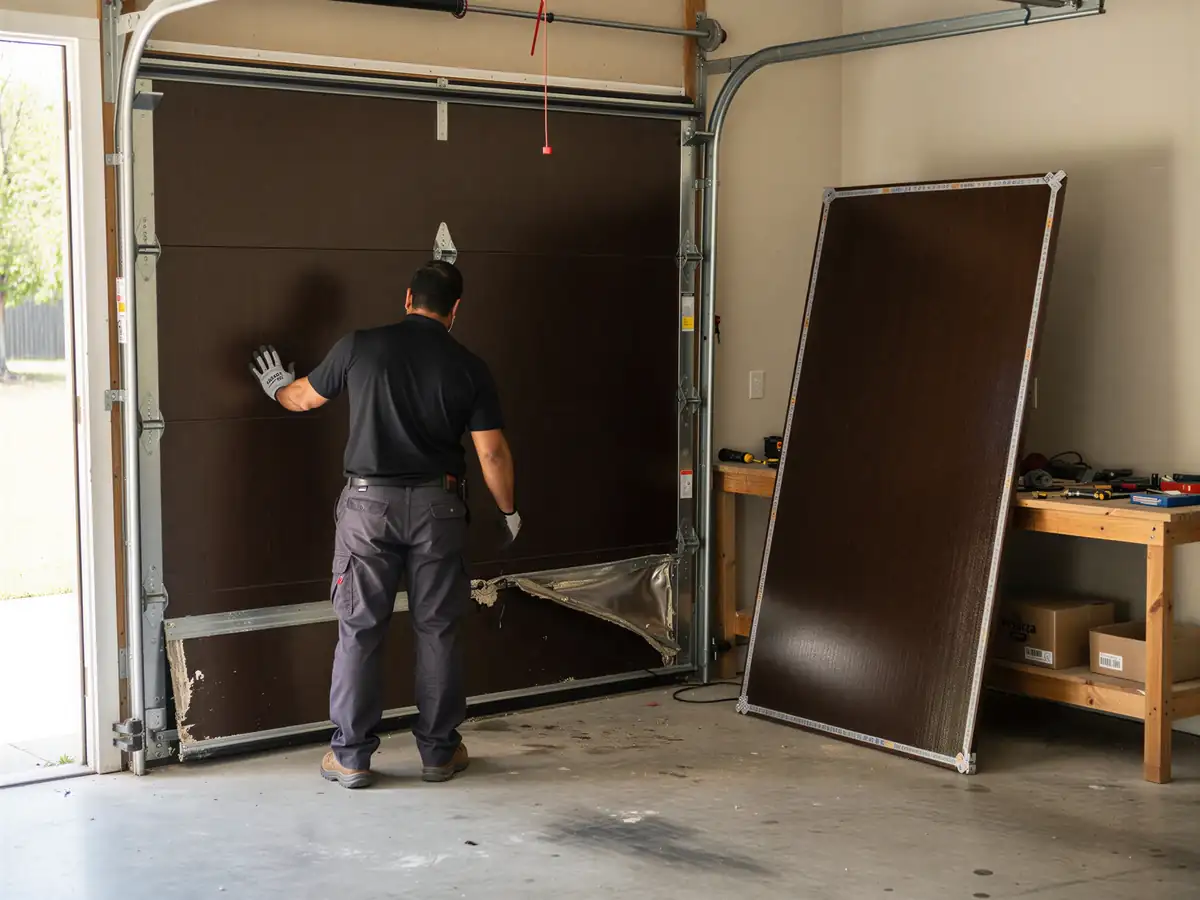
Because a meaningful share of Selma's homes sit right at that 1979 build line, we carry extension spring sets in the common residential weights alongside the torsion springs we stock for the newer stock in the rest of the area. We also keep pulleys, flag brackets, and the older-style roller sizes that still show up on doors from this era - parts a big-box store doesn't stock because almost nobody installs that hardware new anymore. What we don't stock is anything custom-cut: if your door uses a track length or spring wind that's non-standard, we order it and come back, which means a second trip instead of one.
What Causes It Around Here
The heat band here runs severe, and that's hard on garage door hardware regardless of age. Steel expands and contracts enough through a summer that bolts work loose and lubricant on rollers and hinges breaks down faster than it would in a milder climate. On a door that's already 40-plus years old with original springs, that thermal cycling is doing damage on top of ordinary wear - springs lose tension faster, openers draw harder to compensate, and the whole system runs closer to the edge of what it can take. We see the combination of age and heat show up as doors that worked fine in spring and start binding or grinding once the real heat sets in.
Doing It Yourself
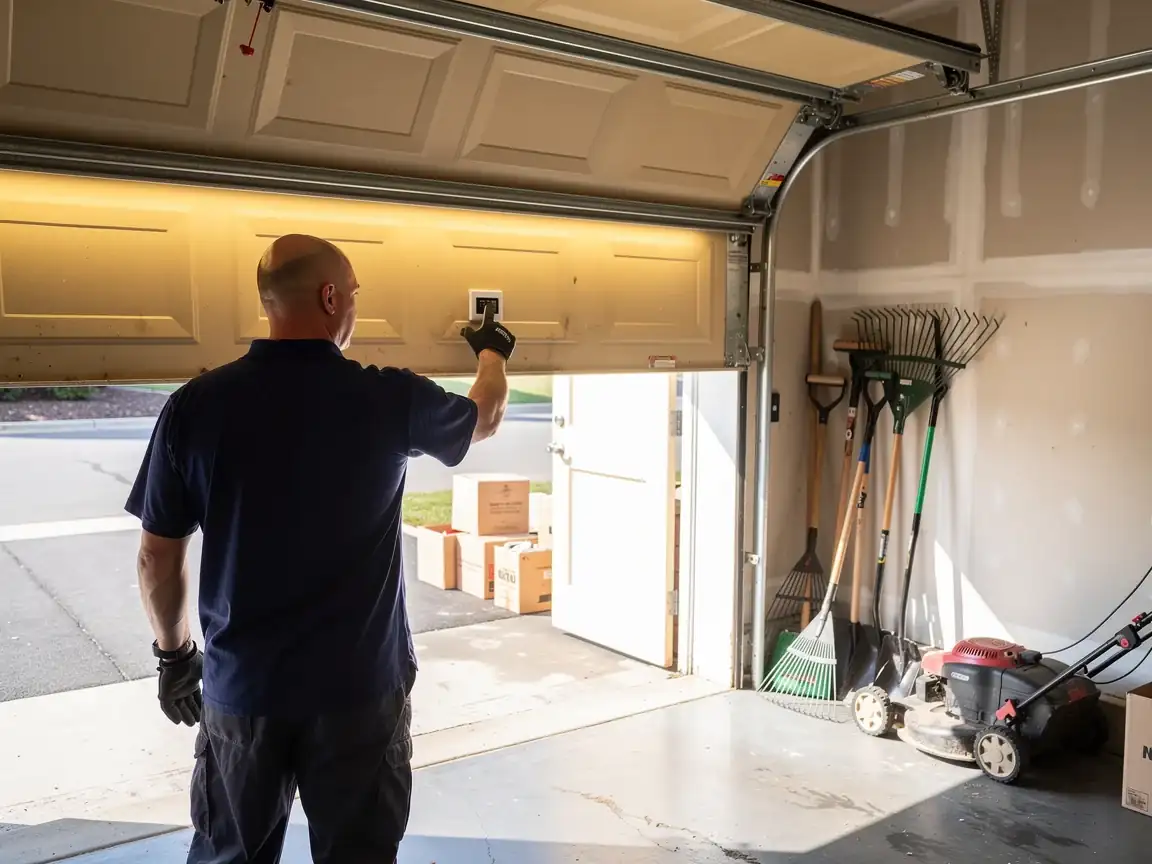
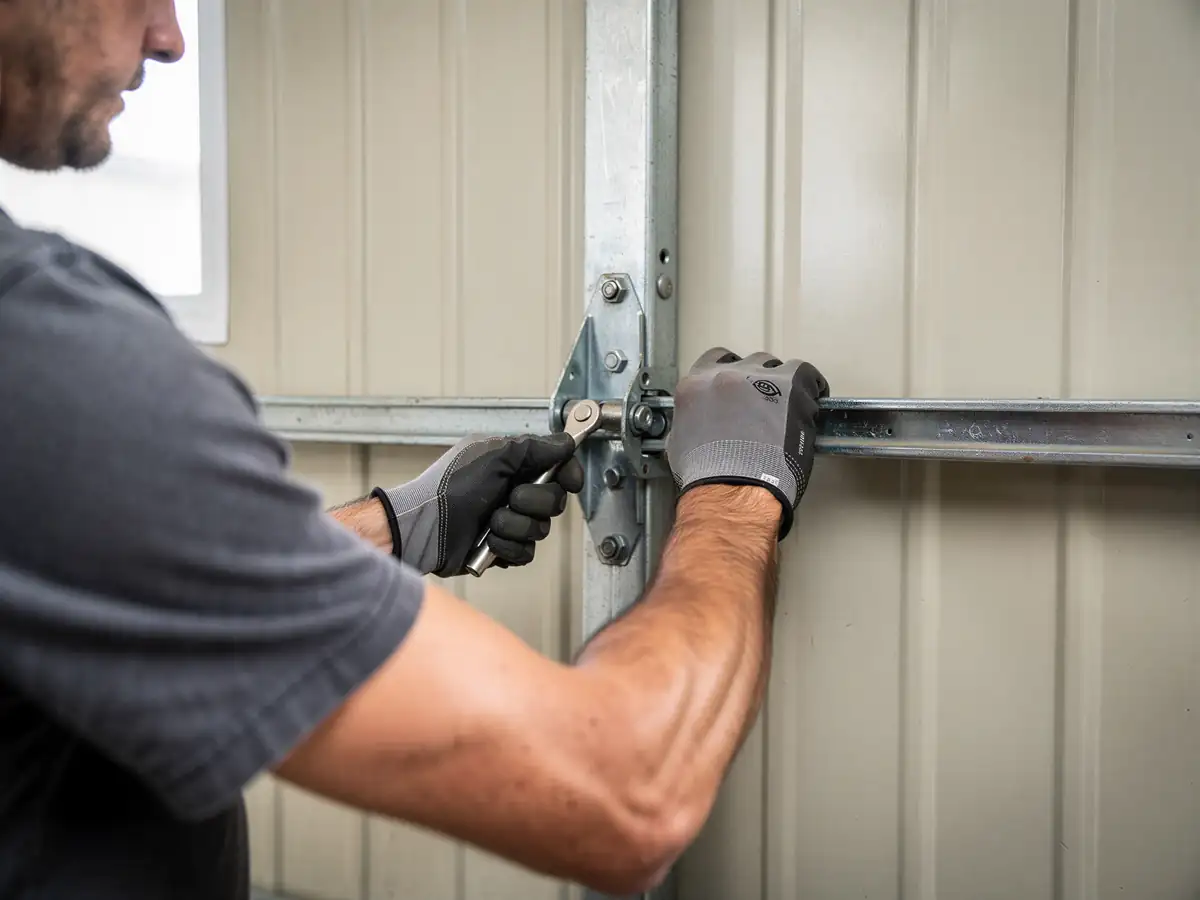
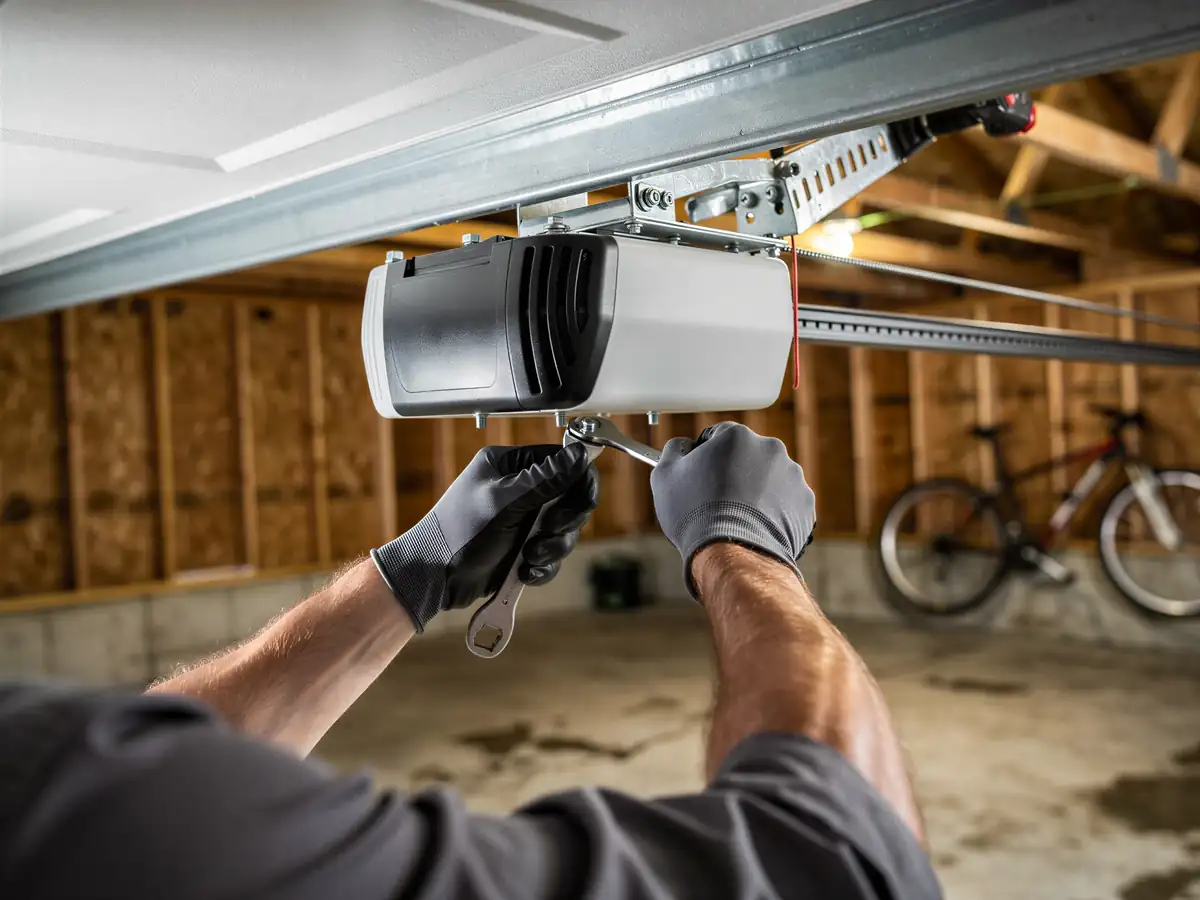
You can handle the basics yourself: wipe down and lubricate rollers and hinges, check that the door reverses when it hits an obstruction, and look over the cables for fraying you can see without taking anything apart. What you shouldn't touch is the spring system itself - on an extension spring door without a proper safety cable, that's not a project for a Saturday afternoon, it's a trip to the ER if it goes wrong. We're honest that a maintenance visit on a door this old sometimes turns into a recommendation to replace the springs outright rather than keep adjusting tension on hardware that's past its service life.