Time on the Job
Selma's median household income sits at $55,839, well under the $74,428 median across the wider Clovis service area we cover. That gap matters here more than anywhere else on the route, because it sets where the repair-or-replace line falls. A roller job on a door that's otherwise sound is one of the cheapest calls we make - swap the worn rollers, check the track alignment, send the truck home. But if a homeowner at Selma's income level is calling about rollers on a door that's already sagging, rusted at the bottom panel, or running an opener that's older than the rollers themselves, we say so plainly instead of running up a bill. The math works differently for a $55,839 household than it does for the Clovis-wide median, and we price the visit knowing that. We're coming from Clovis, 18 miles out, so the truck is loaded with the full range of roller stock before it ever leaves - there's no second trip to grab a part we guessed wrong on.
Stocked Parts
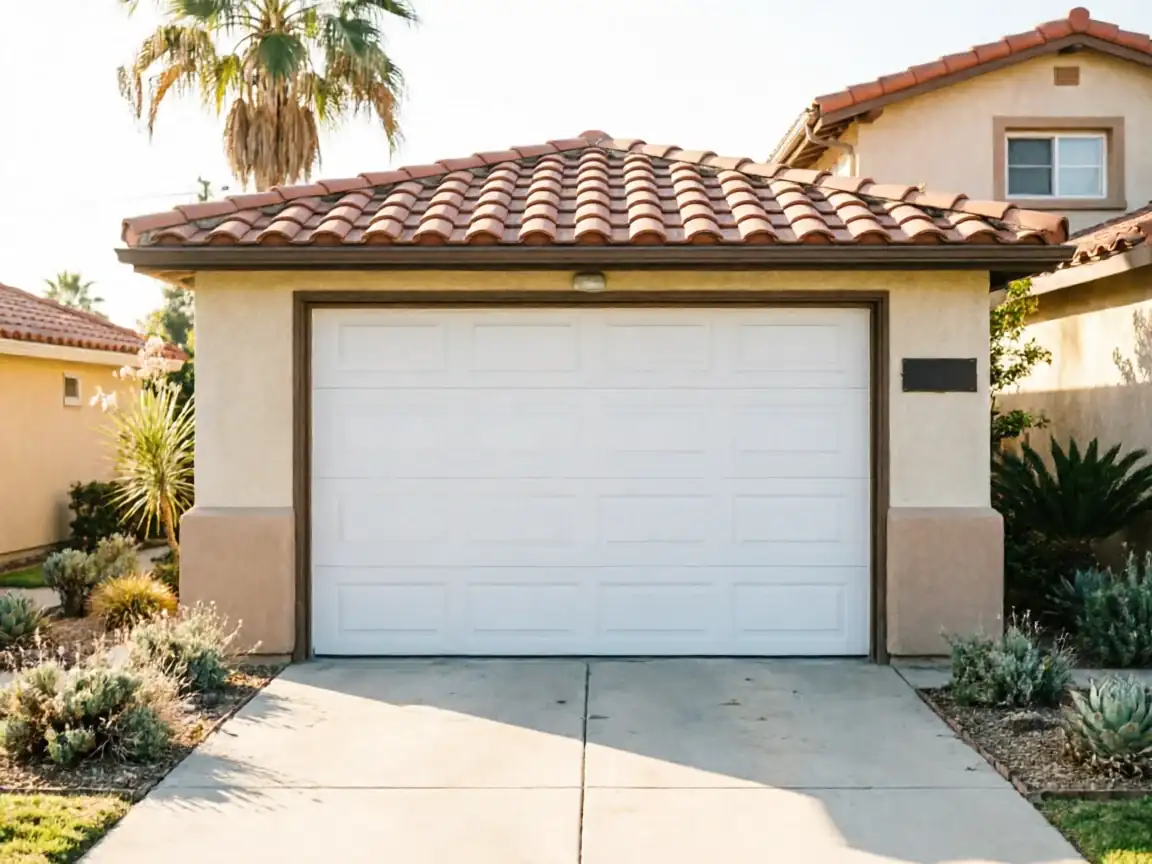
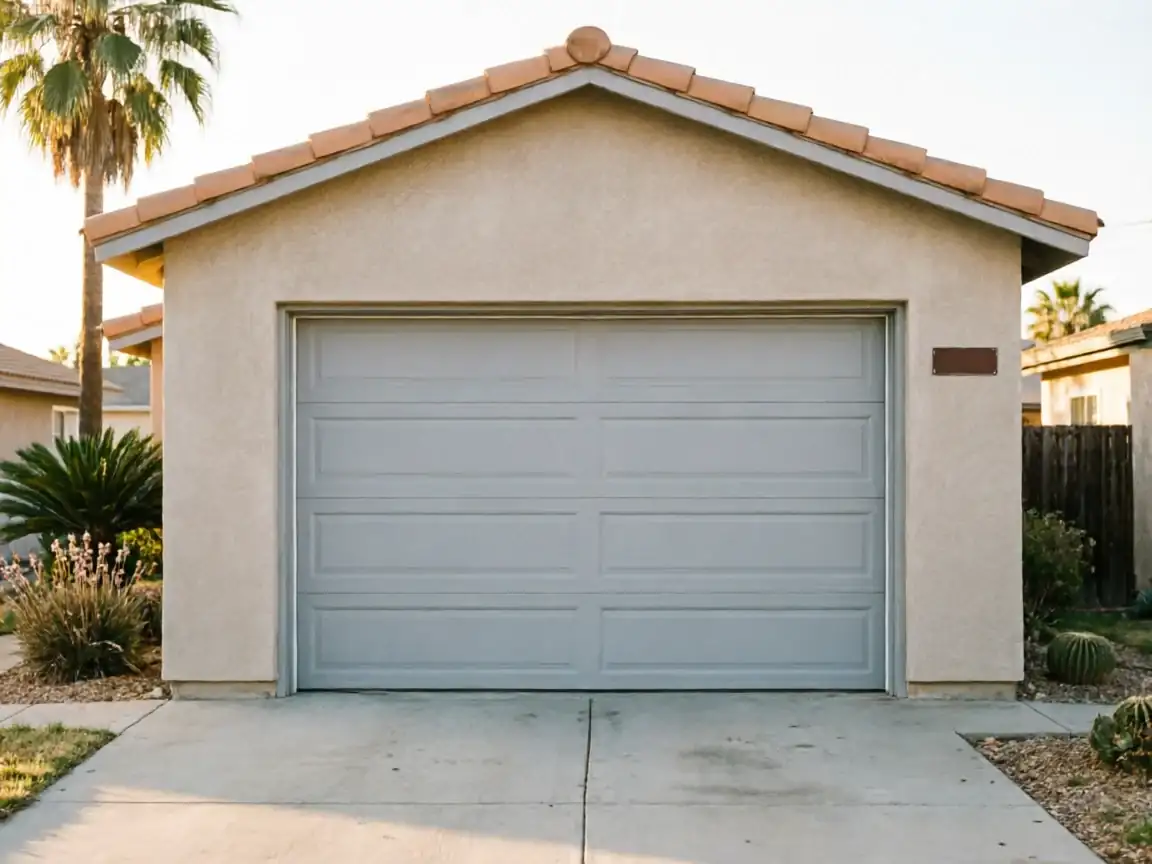
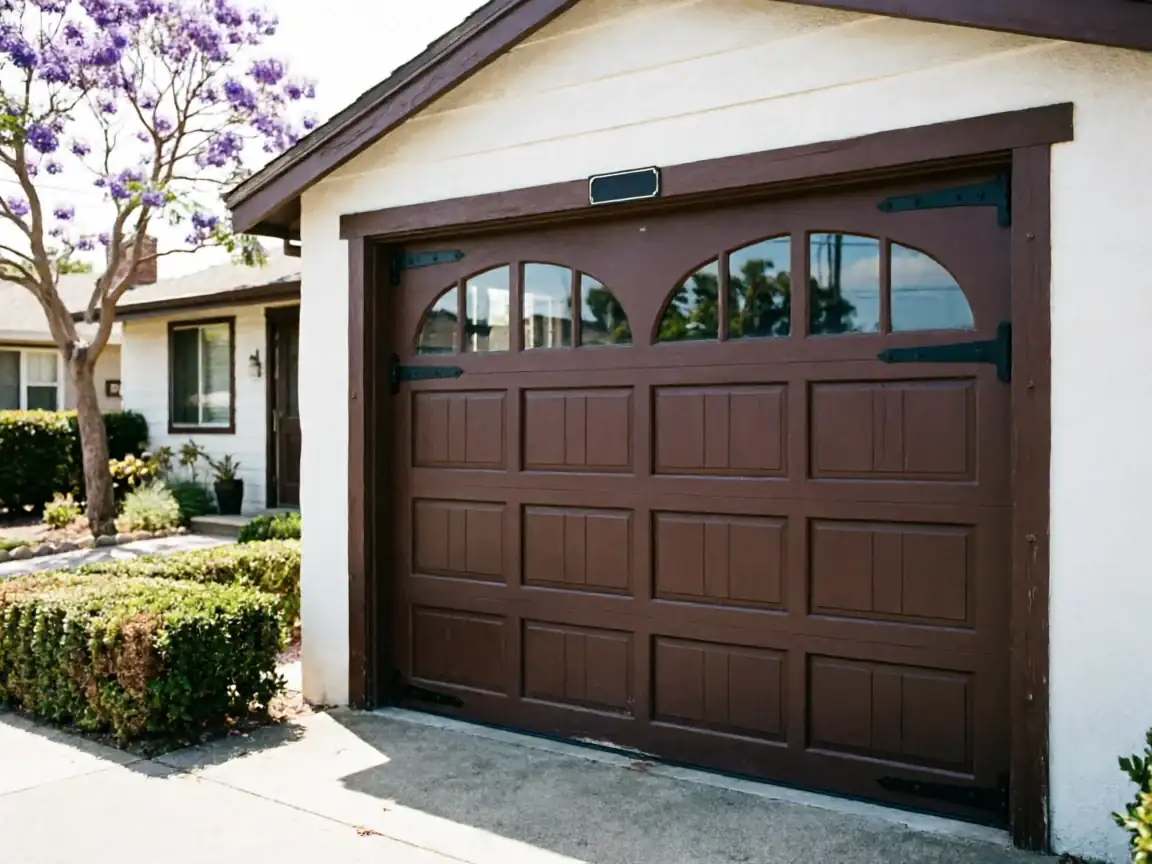
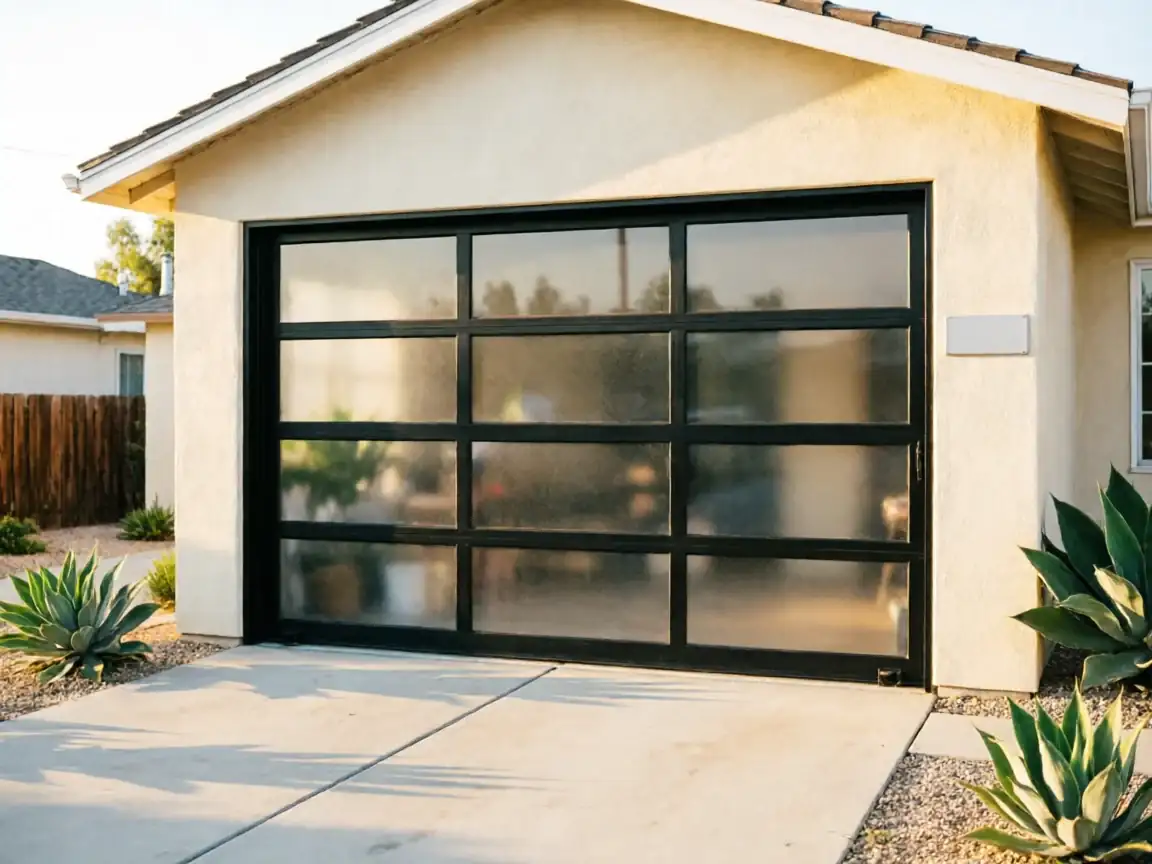
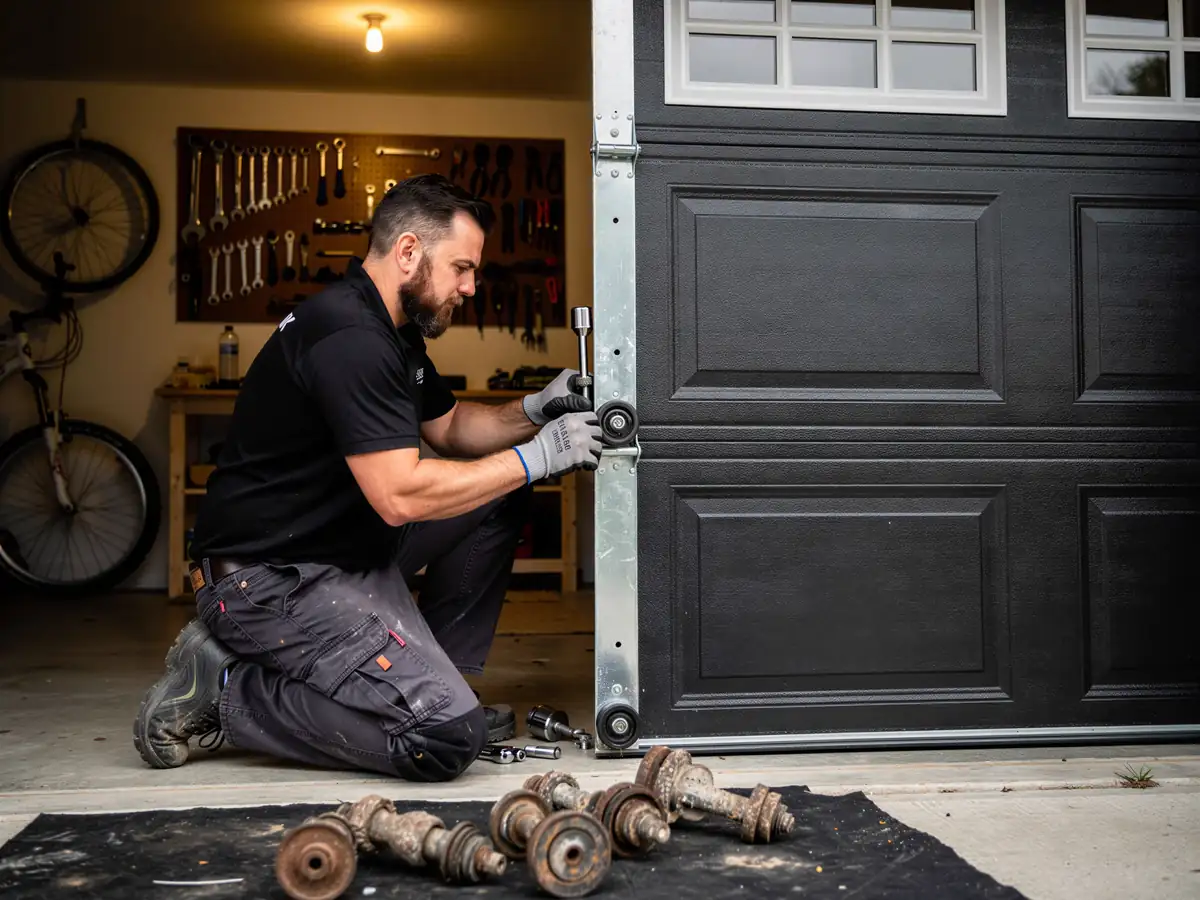
Houses in Selma run a median build year of 1979, which puts a lot of doors here on steel rollers with stamped (not sealed) bearings - the kind that wear loud and wear fast. We carry nylon rollers with sealed bearings as the standard swap, plus galvanized steel rollers for doors where the track gauge or roller stem doesn't take nylon cleanly, which shows up more on older, narrower track from that build era. We also stock the longer-stem rollers that some 1970s-era track setups need, since stem length wasn't standardized the way it is on newer doors. What we don't carry on the truck is anything proprietary to a specific opener brand's roller-track combo - those are special order, and if your door needs one we'll tell you the lead time before we start, not after.
What Causes It Around Here
This area sits in a severe-heat climate band, and that heat is the main thing aging rollers early. Steel expands and contracts on every hot cycle, and stamped-bearing rollers that were fine in a mild climate wear their races out faster here. Doors from Selma's 1979 median build year were mostly fitted with steel rollers as standard - nylon wasn't common equipment yet - so a lot of homes are still running 40-plus-year-old hardware that was never upgraded. Add in the daily heat cycling and you get rollers that seize, flat-spot, or shed their bearings well before a homeowner in a milder region would see the same wear. The other driver is simple mileage: a door that's cycled twice a day for four decades has put a lot more load through those rollers than the math on a newer build would suggest.
Doing It Yourself
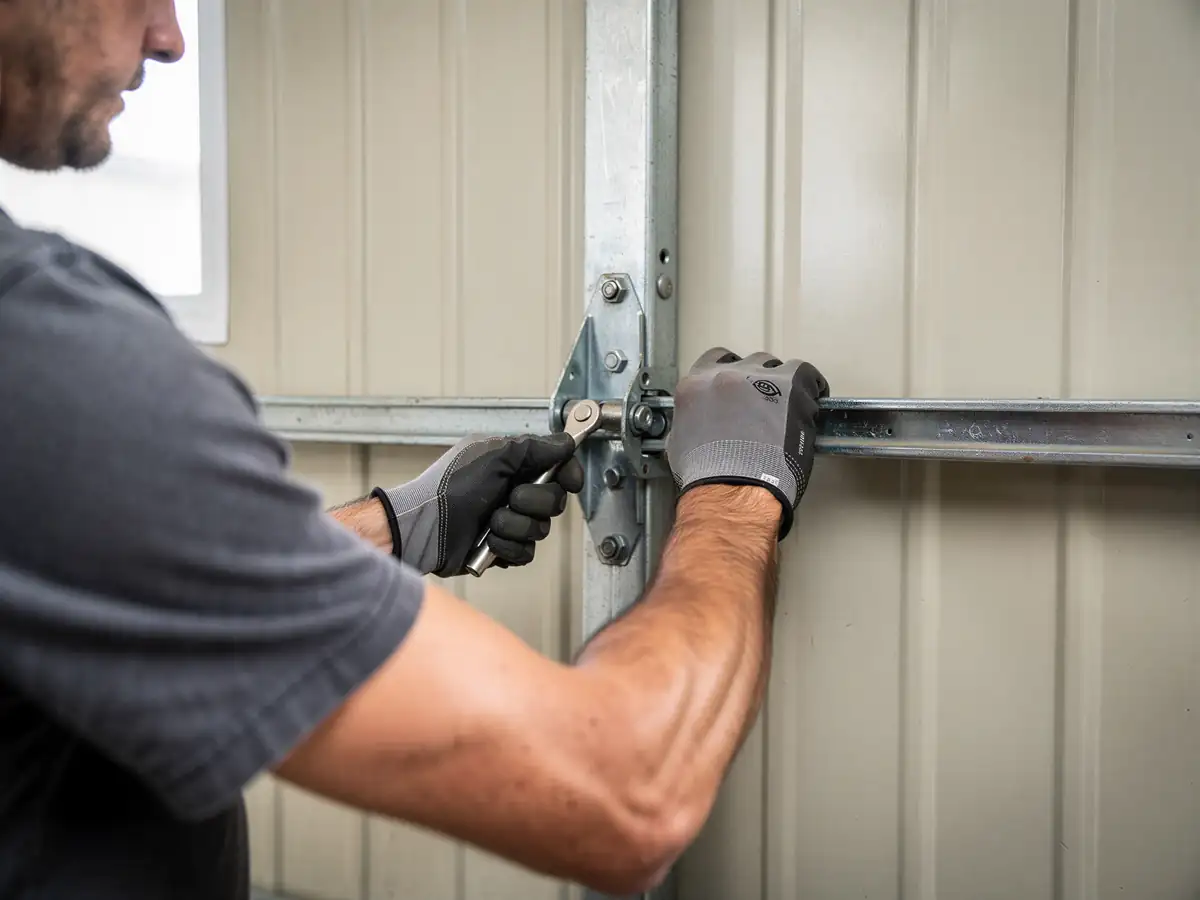
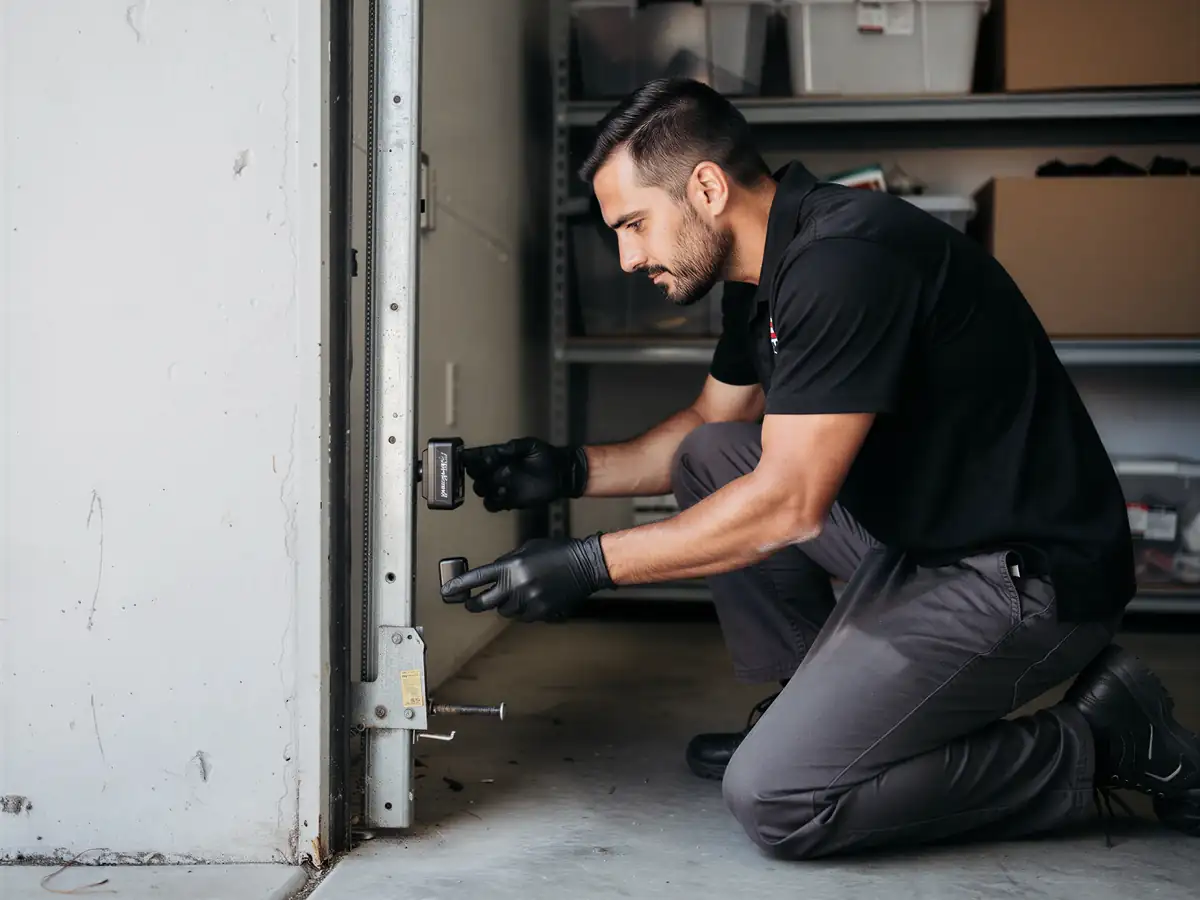
Swapping a single roller on a door with the tension already off the spring is within reach for a homeowner with the right tools and some patience - it's mostly removing a bracket, sliding the old roller out, and seating the new one. Where people get hurt is doing this on the bottom roller of a door with a torsion spring still under tension, or working on a door where the track itself is bent and fighting back against the roller as you try to seat it. If your door is the 1979-era steel-roller type we see across Selma, replacing all the rollers at once rather than one at a time is worth the extra cost - mismatched wear between old and new rollers puts uneven strain on the track and the opener. We'd rather talk you through what's safe to try than sell you a call you didn't need.