Common Jobs Here
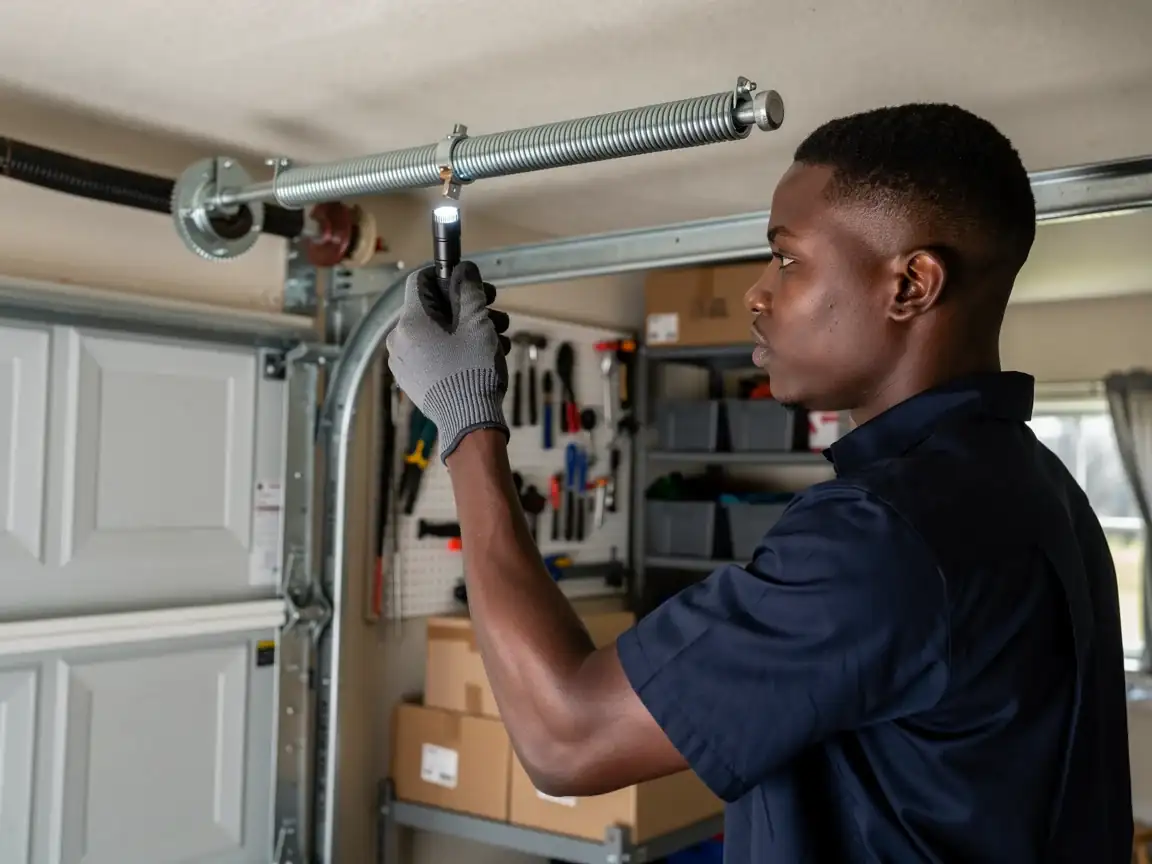
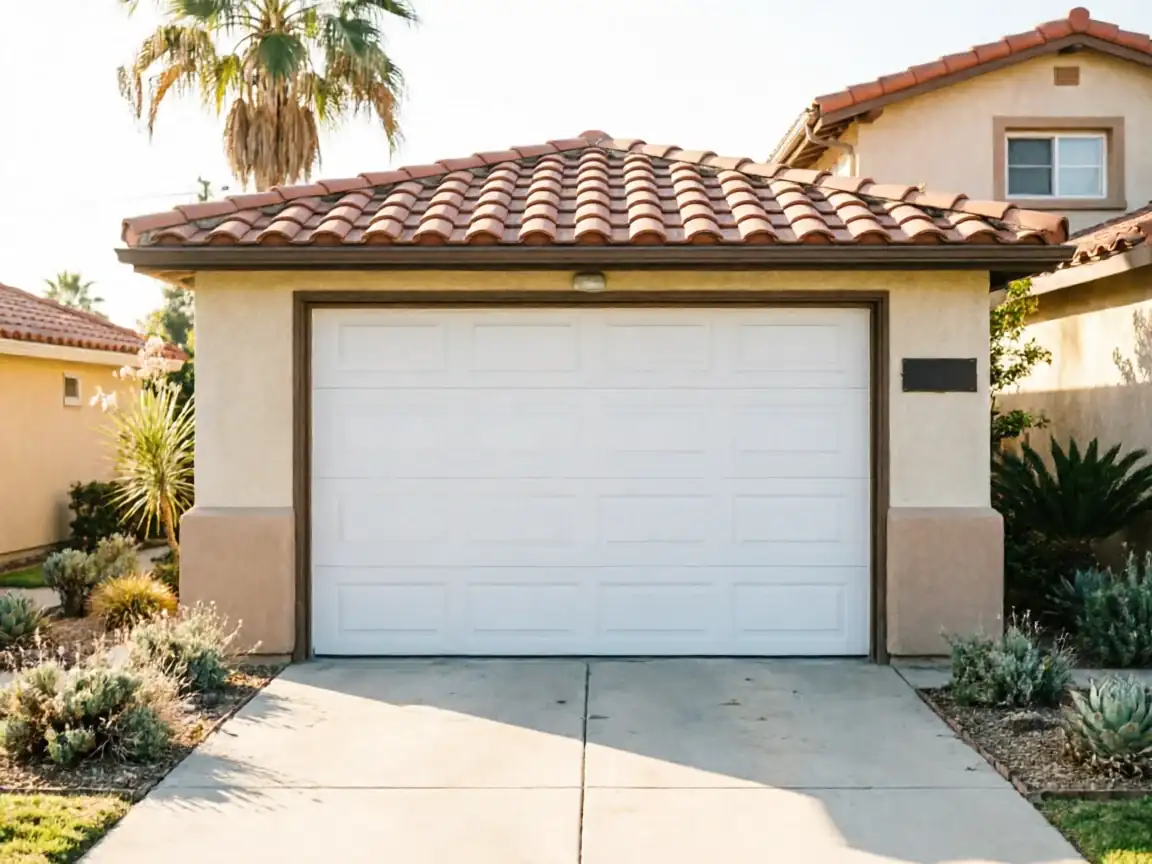
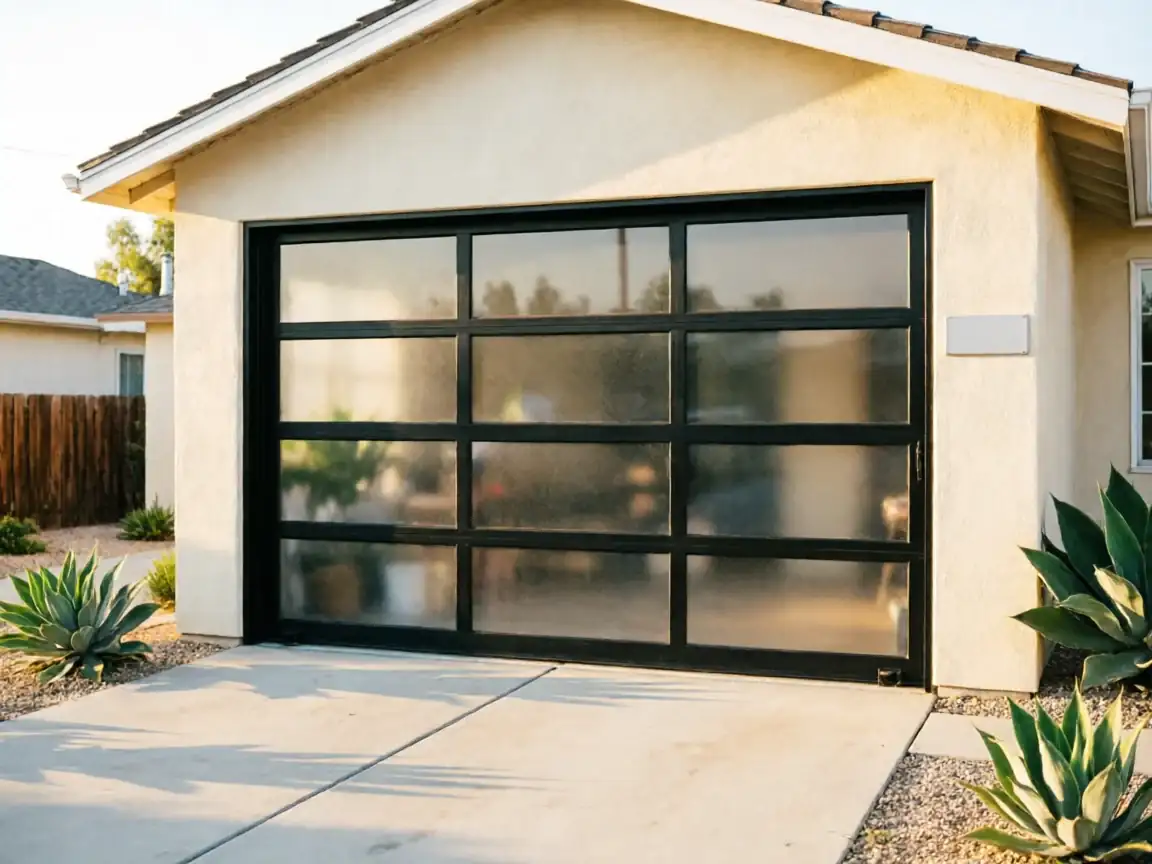
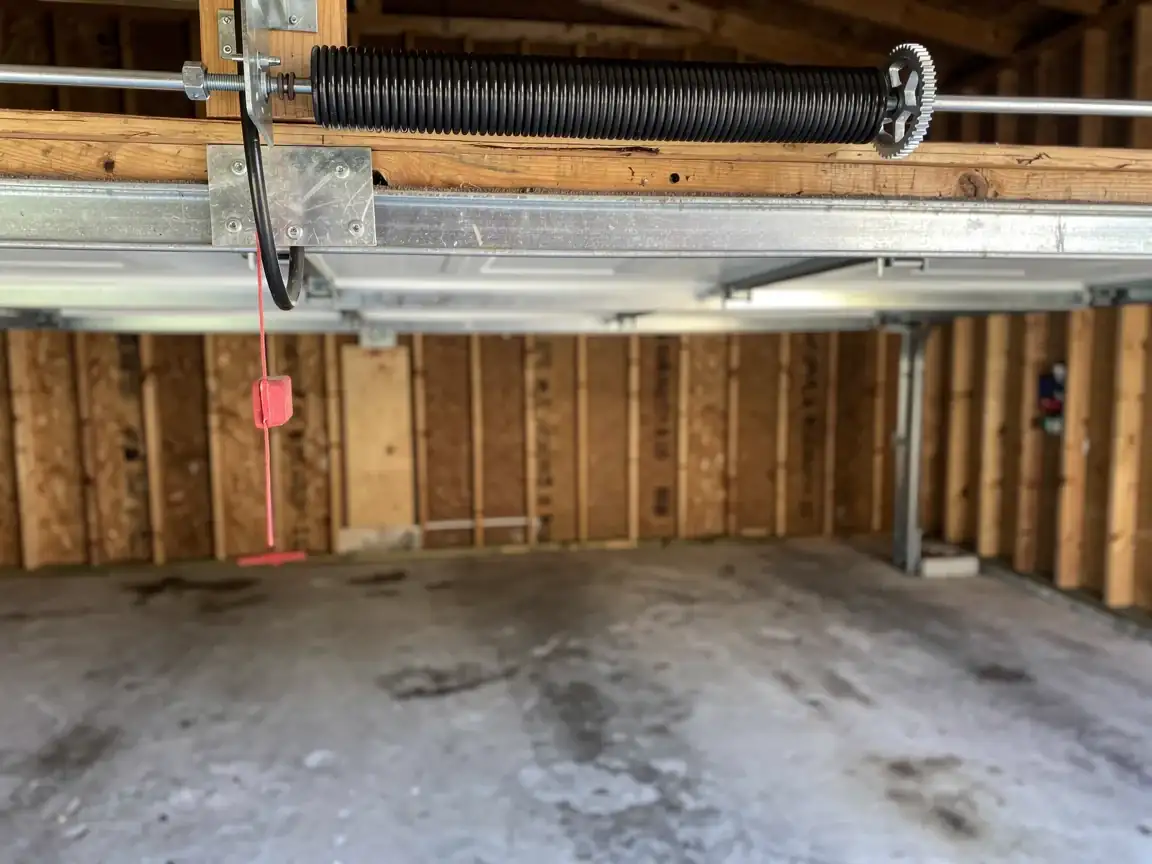
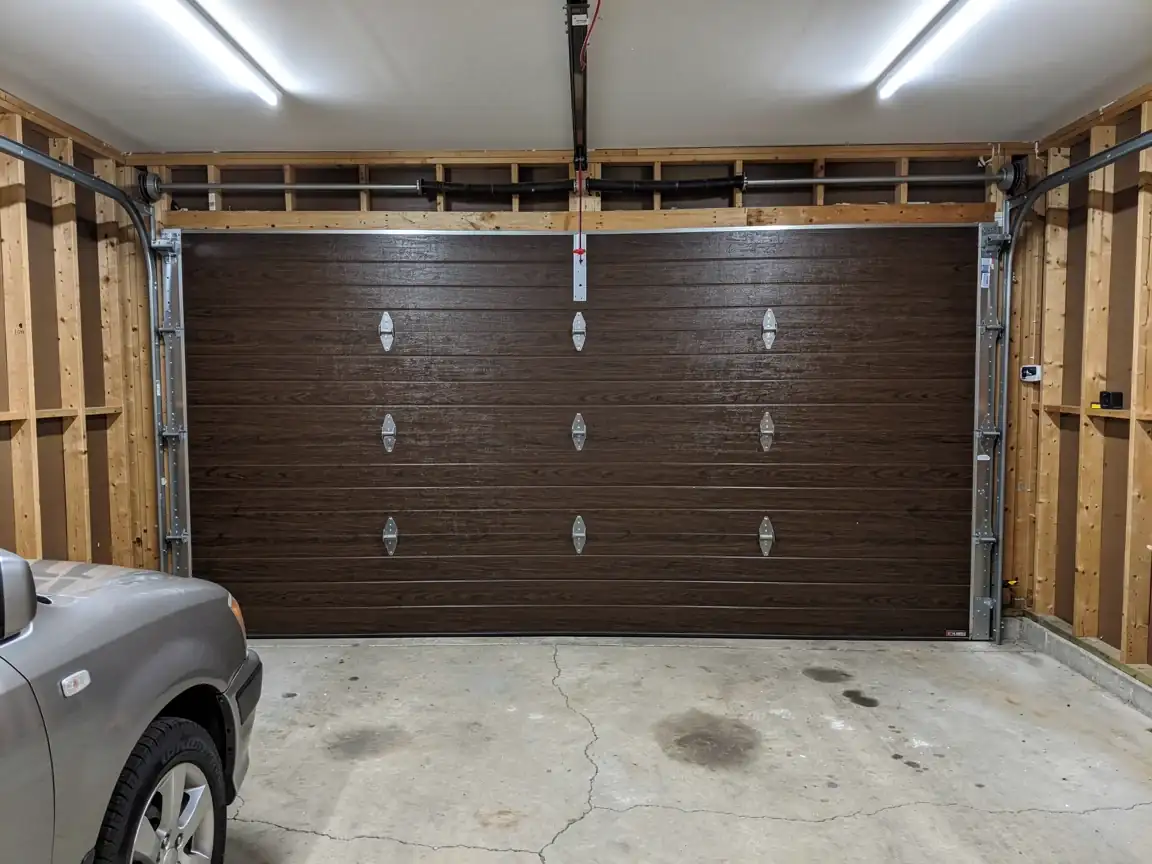
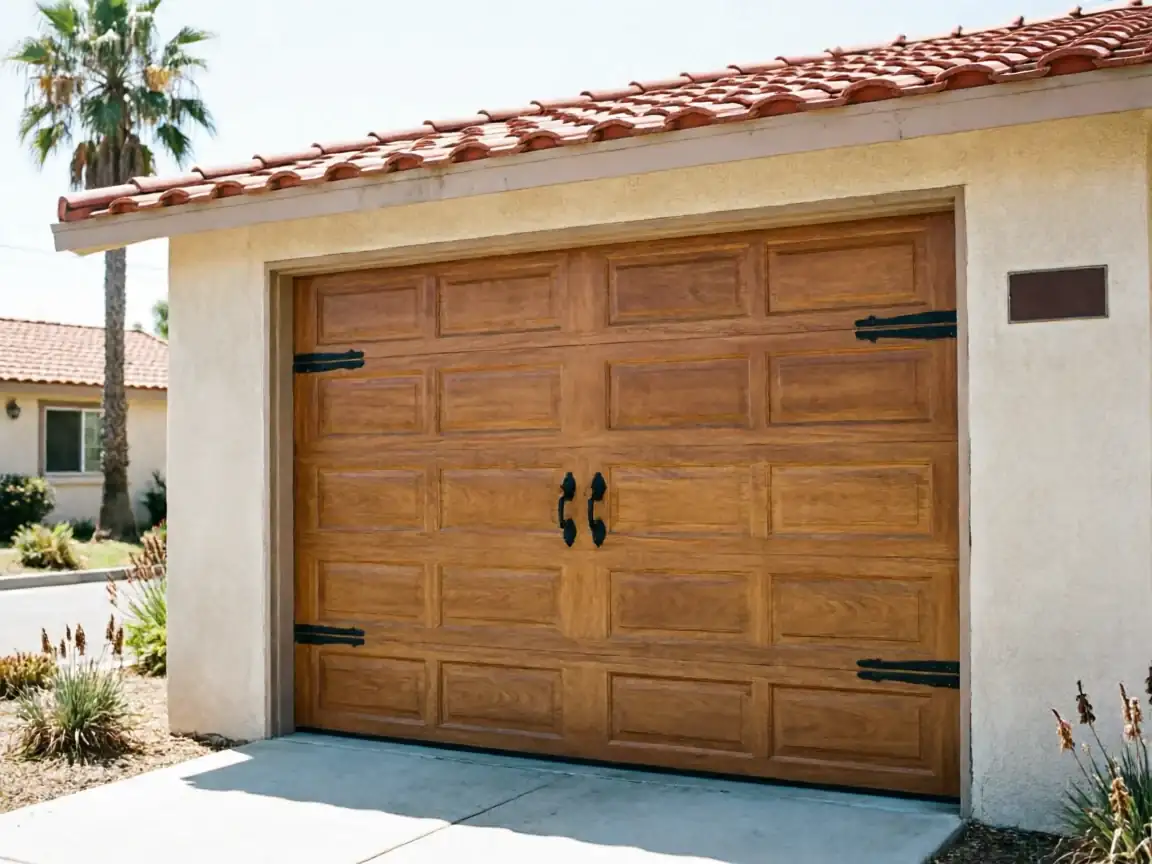
We drive out to Sanger from Clovis, about 11 miles, for the jobs that match the houses out there. A lot of what we see is torsion spring failure on doors that have never been touched since they went in - springs rated for 10,000 cycles don't care what decade it is, but the hardware around them does. We also get steady calls on openers that are 15-20 years past their design life, chain-drive units with worn sprockets, and tracks that have gone out of alignment from heat expansion. Rollers that have dried out and started chipping are common too. What we don't see much of here are the fully custom insulated doors you'd find on newer builds elsewhere in the service area - Sanger's housing stock skews older, so the jobs skew toward repair and like-for-like replacement rather than upgrade installs. One honest limitation: if a door's track is bent from an impact, straightening it rarely holds - we replace the track section rather than bend it back, and that part sometimes has to be ordered.
What Was Built Here
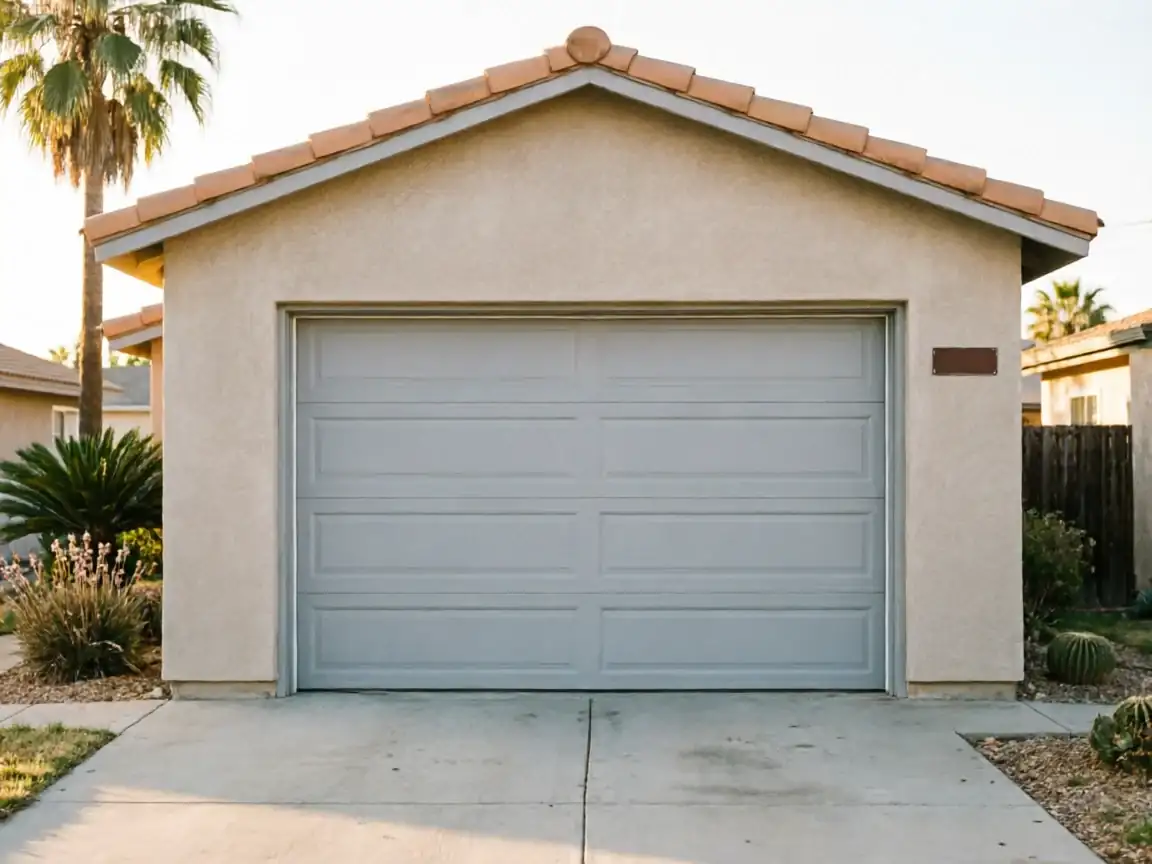
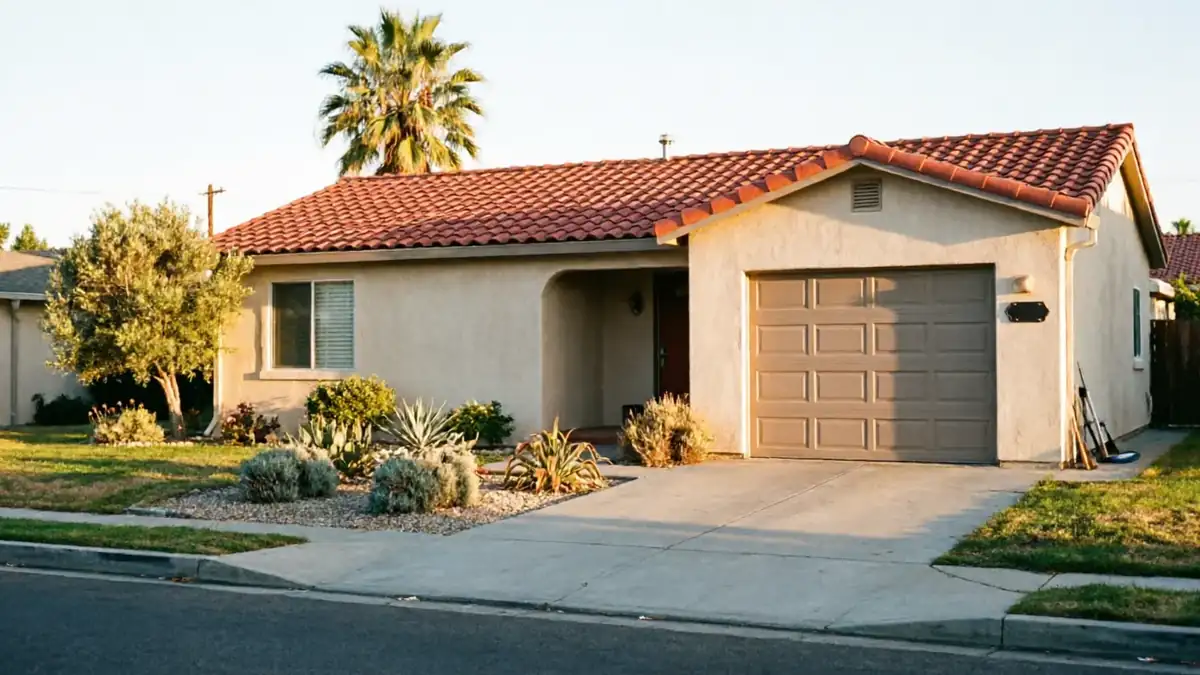
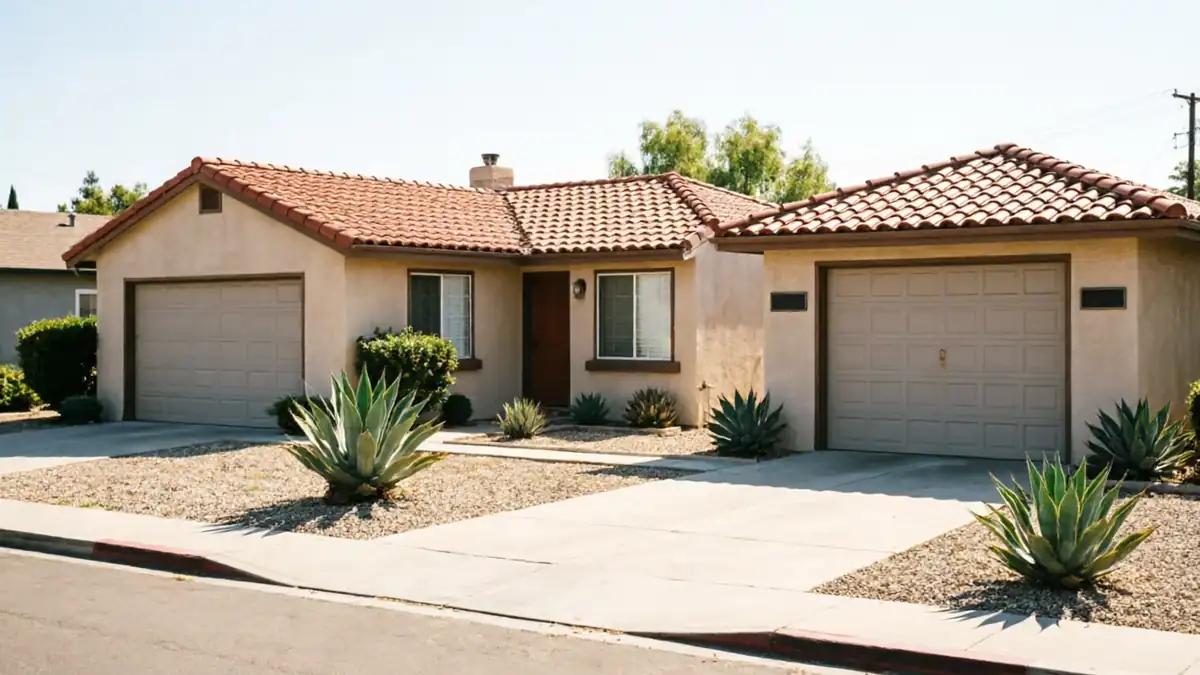
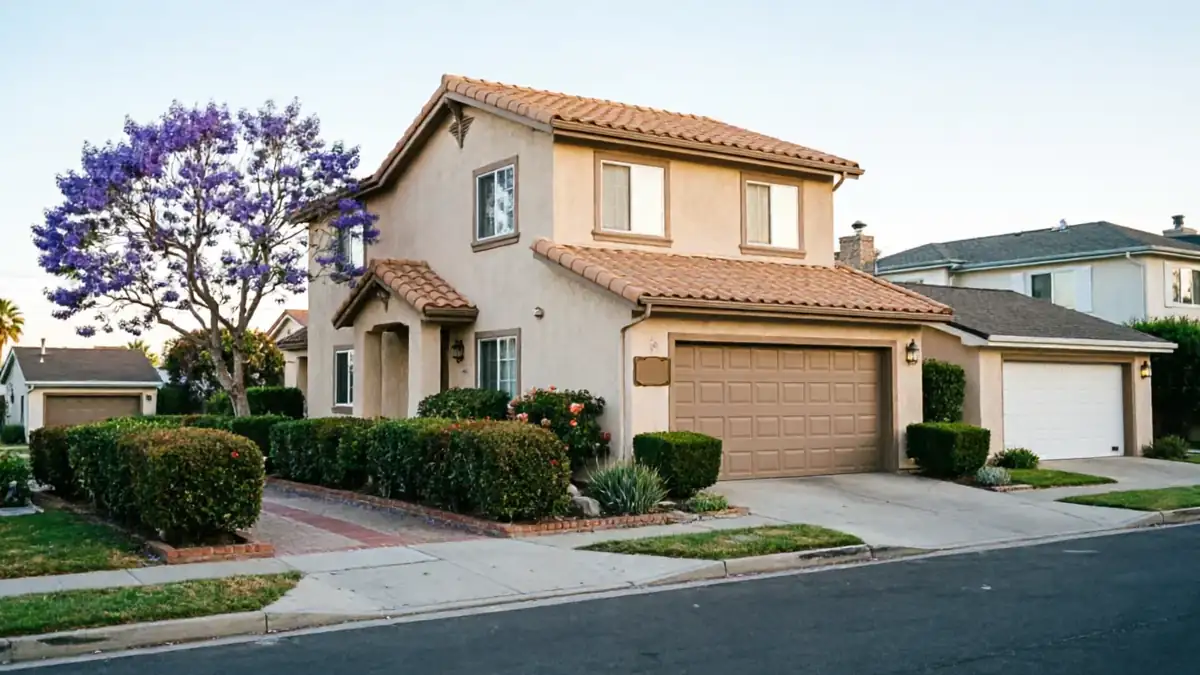
Across the wider service area, housing went up mostly between 1956 and 1993, with a median build year of 1982. Sanger's own numbers land right in that window too - median year built 1982, with roughly 7,313 households in the area. That means the typical Sanger garage was built for a door system designed under 1980s-era code and assumptions: lighter panels, simpler torsion setups, openers that at the time were new technology and are now well past retirement. Median household income here runs about $74,428, which tracks with the rest of the broader area at $74,428 as well. Across the wider coverage zone there are 28,893 households and 15,223 owner-occupied houses, spread over 14 named areas with build patterns from the 1980s and 90s dominating. Sanger sits on the older end of that range rather than the newer end, which matters more than it sounds like it should when a spring breaks.
How That Shows Up in the Door
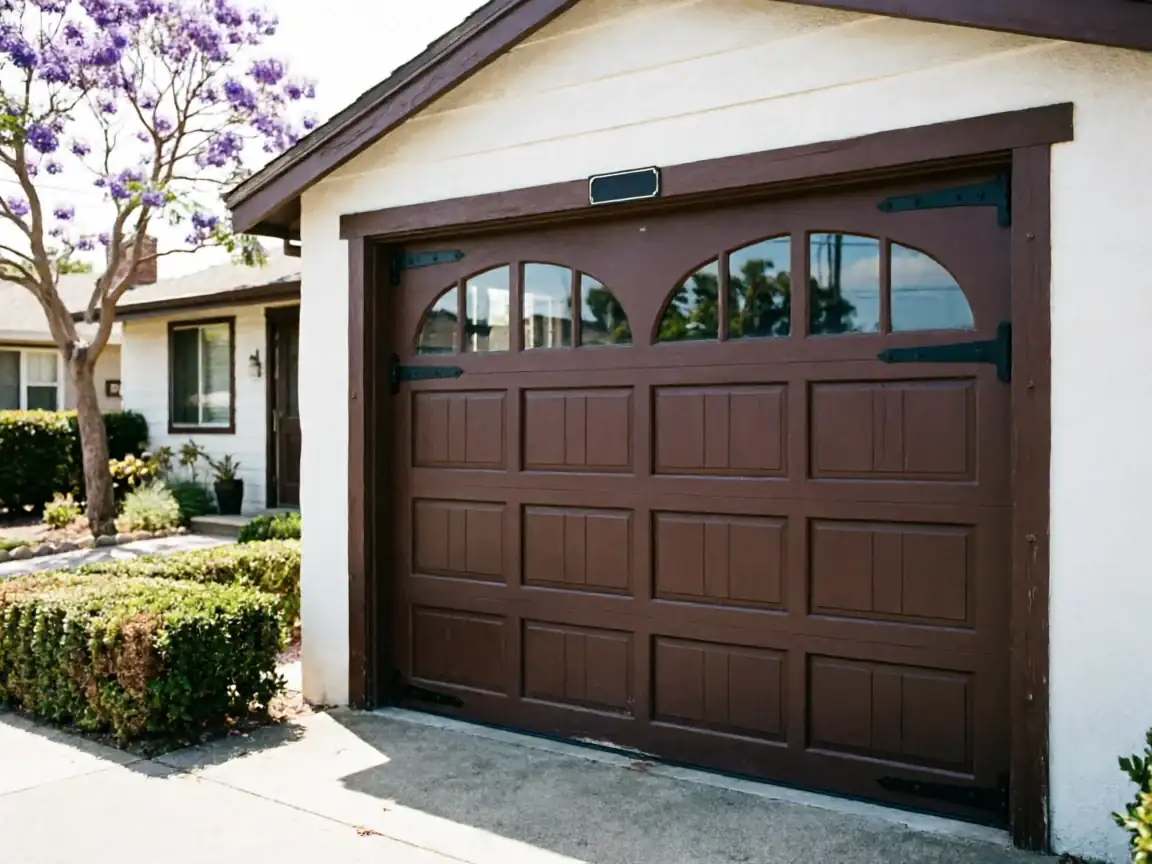
Put the build year and the climate together and you get a specific failure pattern. The region sits in a severe heat climate band, and a door and opener installed around 1982 has gone through four decades of summer heat cycling on its original - or first-replacement - hardware. Steel panels expand and contract, torsion springs lose temper faster under sustained heat, and nylon rollers that were fine for the first fifteen years start cracking after the next twenty. On a newer door in one of the area's more recently built sections, you're mostly dealing with wear from use. On a Sanger door from the early 80s era, you're dealing with wear from use plus four decades of thermal stress on parts that were never meant to last that long. That's why a spring that looks fine on inspection can still snap on a 105-degree July afternoon - the fatigue is already there, the heat just finishes the job.