Stocked Parts
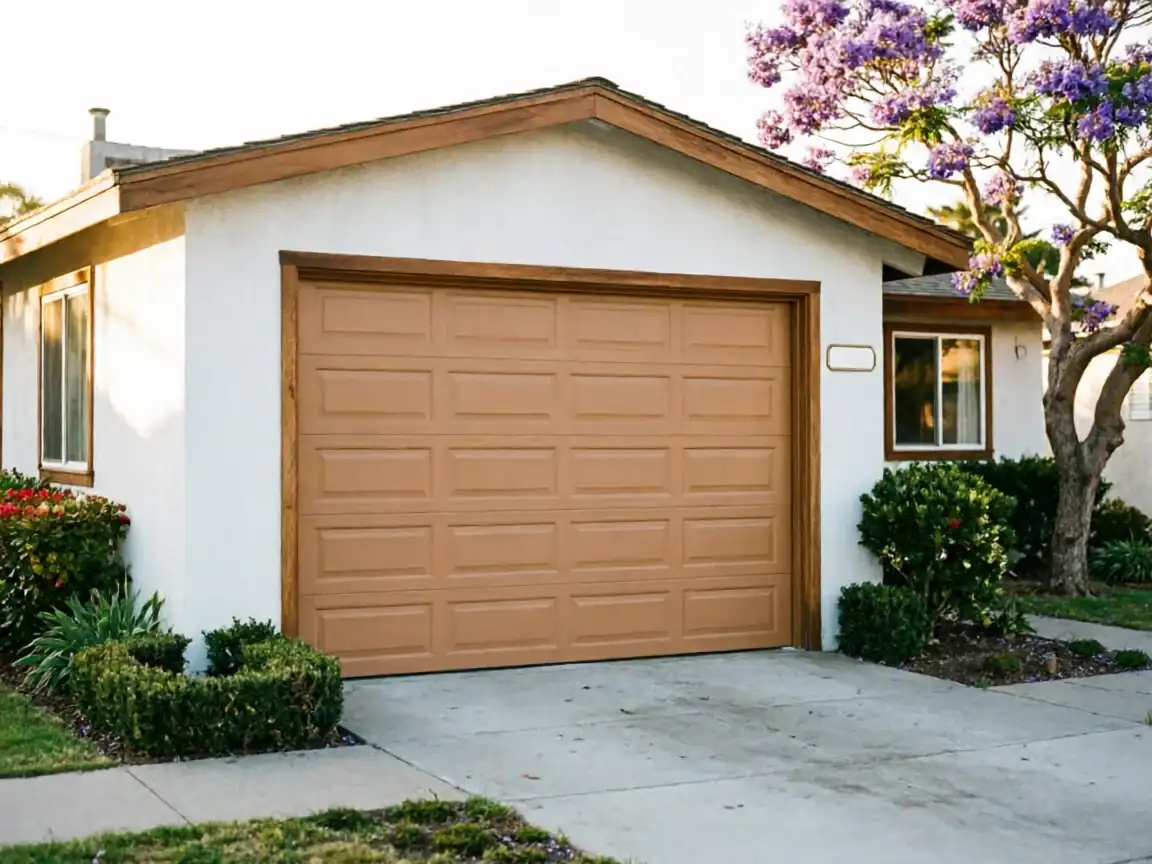
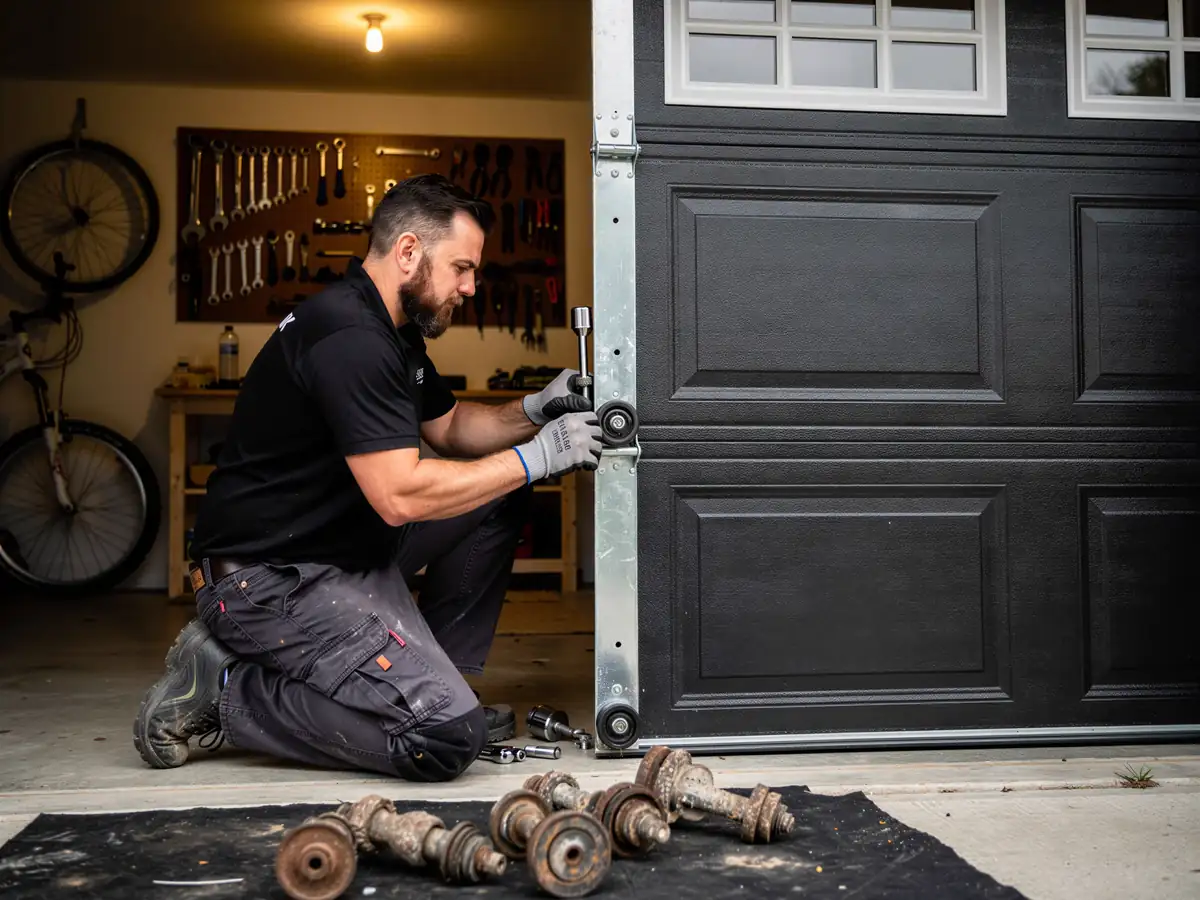
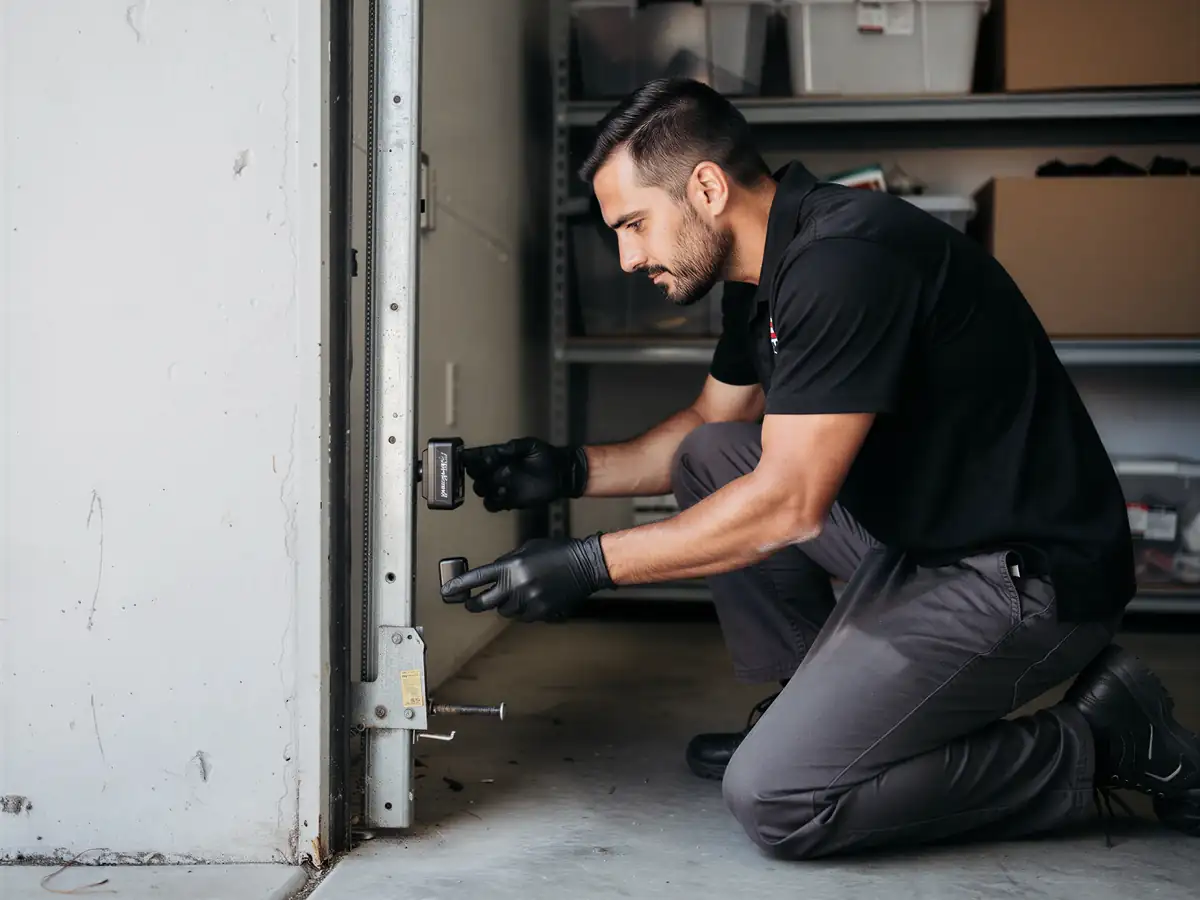
Sanger's houses mostly went up between 1956 and 1993, with the median landing around 1982. That means most doors still run on standard 1/8-inch aircraft cable wound on steel drums sized for the torsion springs that were common through that whole build window. We carry that gauge and drum pairing on the truck because it covers the bulk of what we find once we're out this way. What we don't stock is anything for a door that's been upgraded to a specialty track or a cable system outside that standard setup - those get special-ordered, and we'll tell you up front if your door needs that instead of guessing on-site. The heat here also matters for parts choice. Cable lubricant that's fine in a mild climate gums up or dries out faster under sustained severe heat, so we use a higher-temp rated grease on cable and drum contact points rather than whatever's cheapest. That's a small thing, but it's the difference between a cable that lasts and one that frays again in two summers.
What You Are Seeing
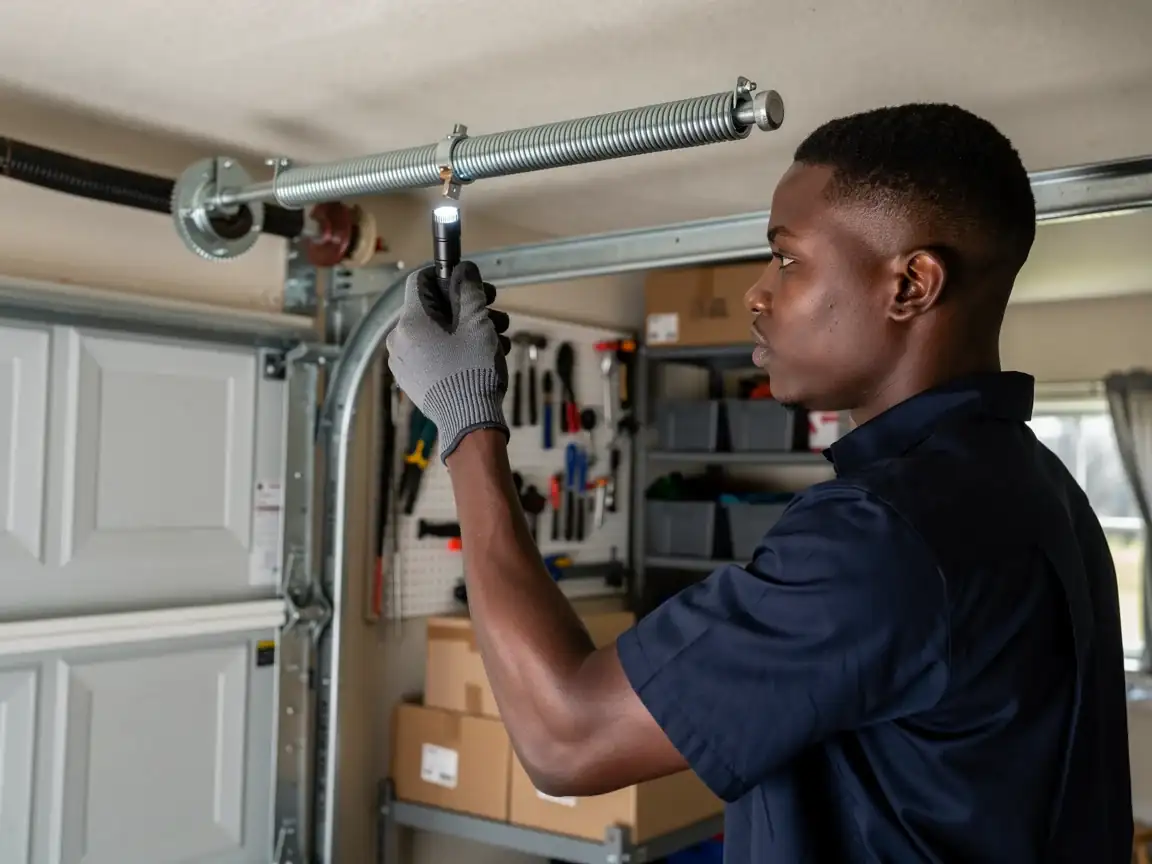
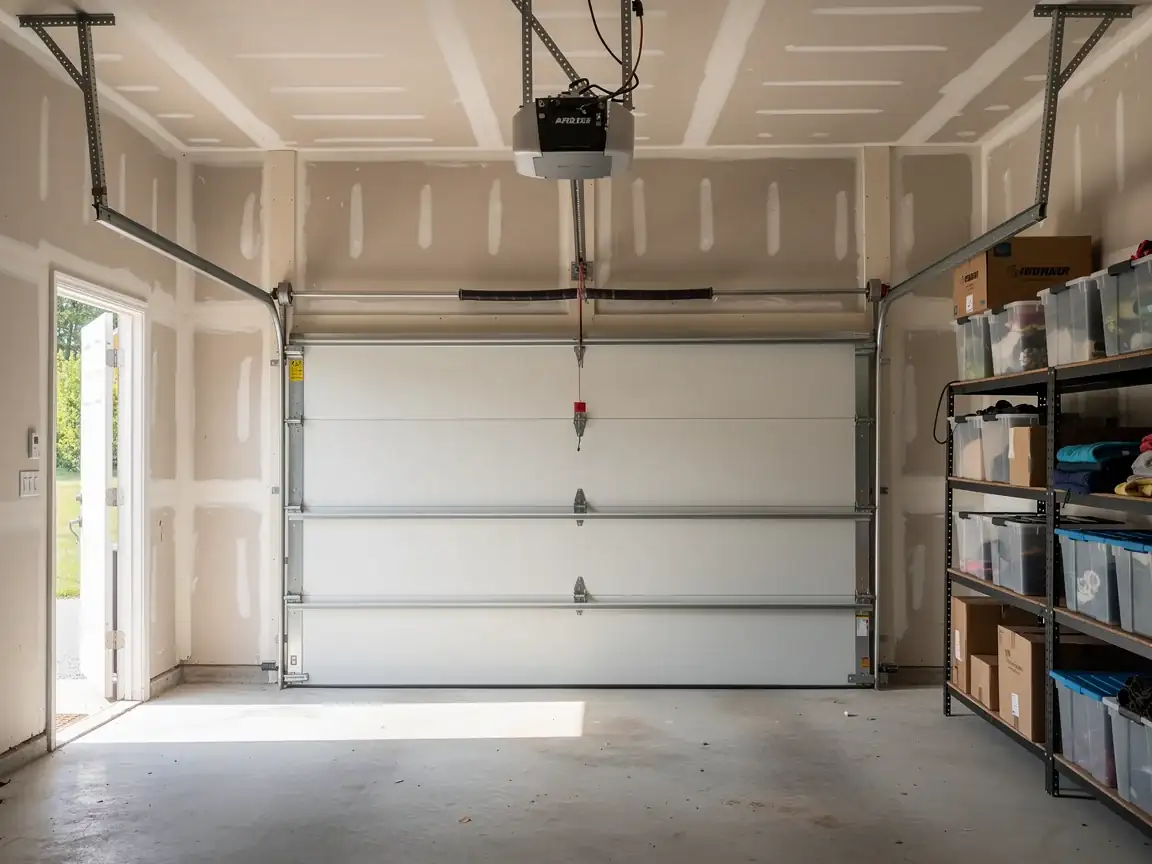
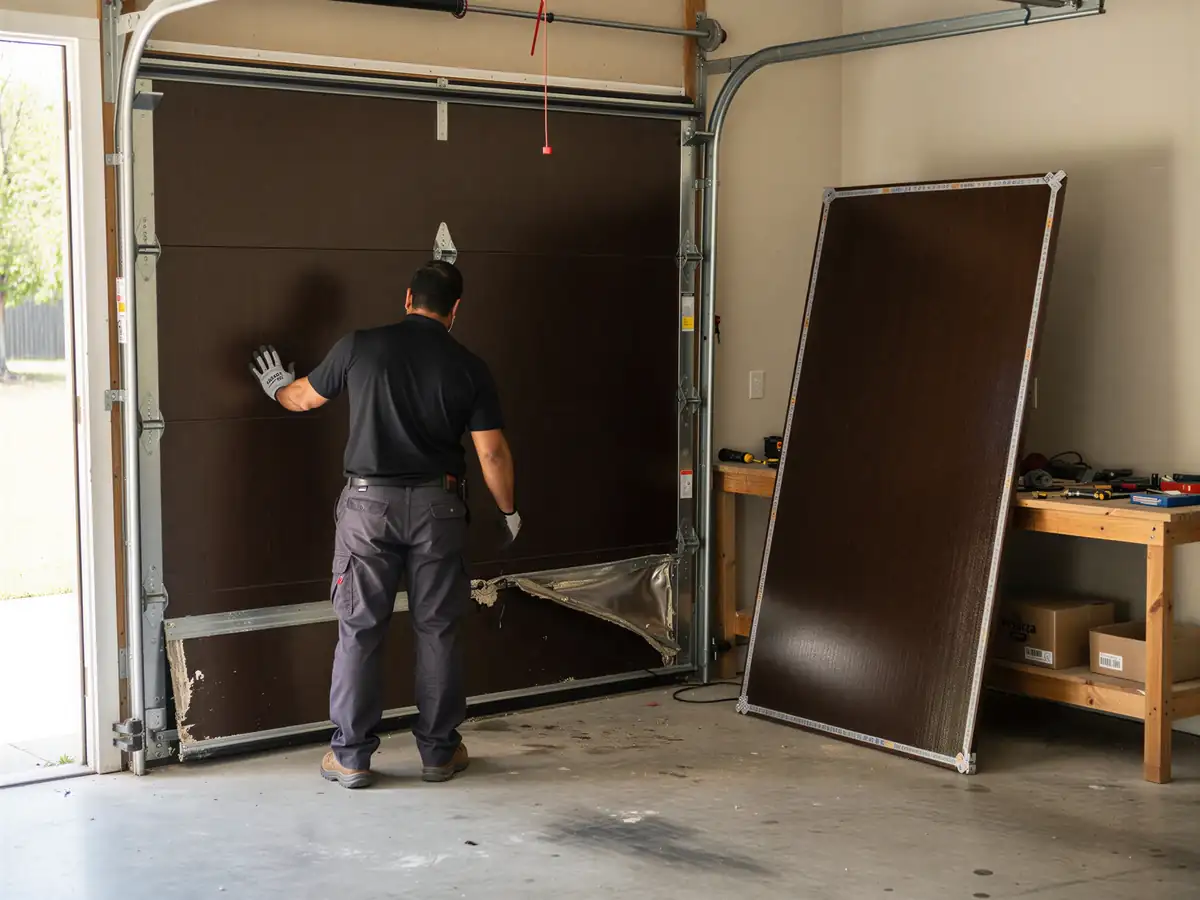
On a door from this era, cable failure usually shows up one of two ways. Either the cable has worked loose off the drum - you'll see it bunched or unwound on one side, door hanging crooked - or it's frayed down to a few strands near the bottom bracket, which you can spot as a scraggly, rust-colored tangle instead of a clean twist. Given the age of a lot of this stock, drums and bottom brackets have had decades of expansion and contraction under severe heat, and that cycle is what wears the cable thin at the same spots year after year. A door that drops hard on one corner when you hit the opener button, or one that visibly tilts, is telling you a cable let go or is about to. Don't keep running the opener on a door that's doing this - you're grinding the track and bending the bracket on top of the cable problem, which turns a $100 fix into a bigger one.
What You Pay
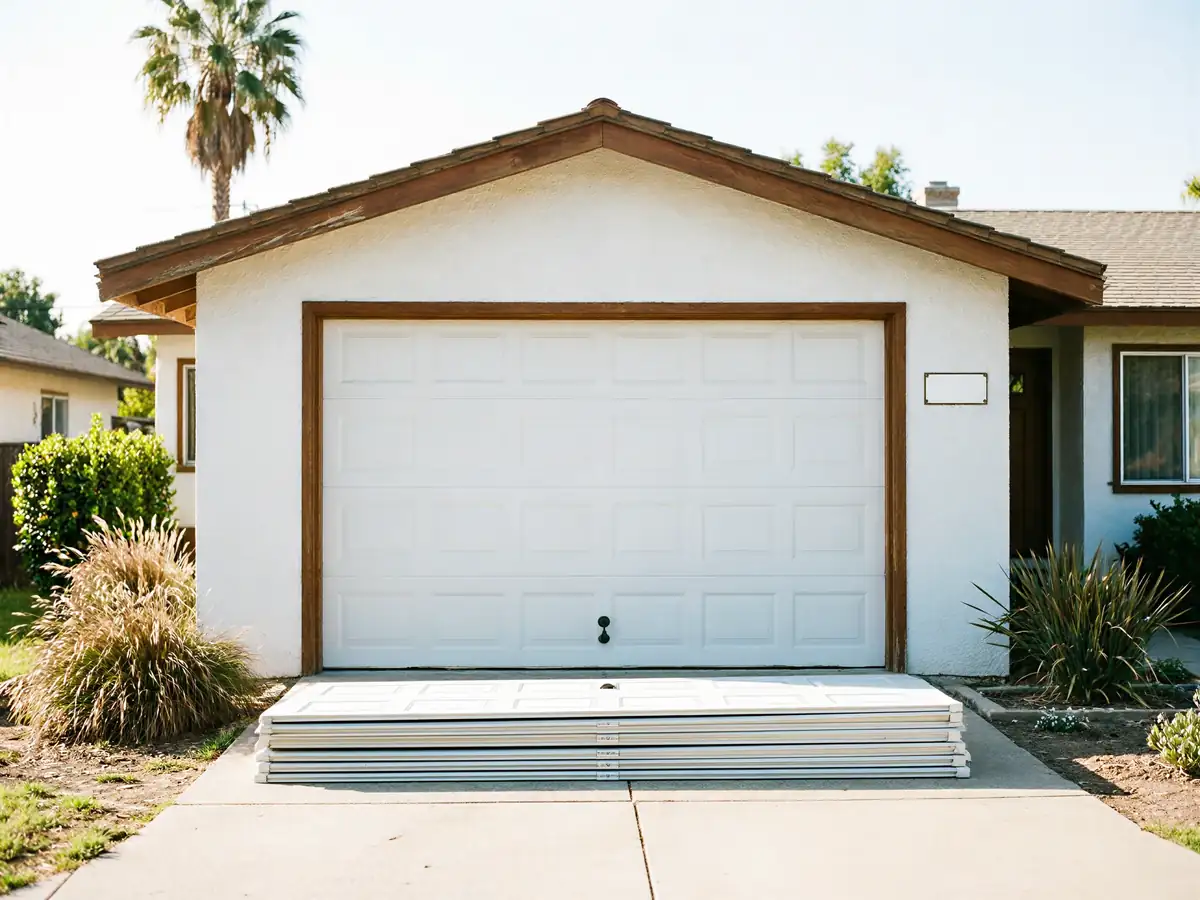
The median household income across this part of the service area is $74,428, and that number is what actually sets where the repair-or-replace line falls for most Sanger calls. At that income level, a straight cable-and-drum repair on a door that's otherwise sound is almost always the right call - it's a contained job, not a system overhaul. Where it gets less clear is on doors from the older end of the 1956-1993 build range, where the cable failure shows up alongside a worn track, pitted drums, or a spring that's clearly near the end of its cycle count. Patching the cable alone on a door with three failing parts just means another call in a year. We'll tell you flat out when that's the situation, because stacking repair costs on a door that's circling the drain anyway isn't doing you a favor - replacement often pencils out cheaper over a few years.
What the Repair Takes
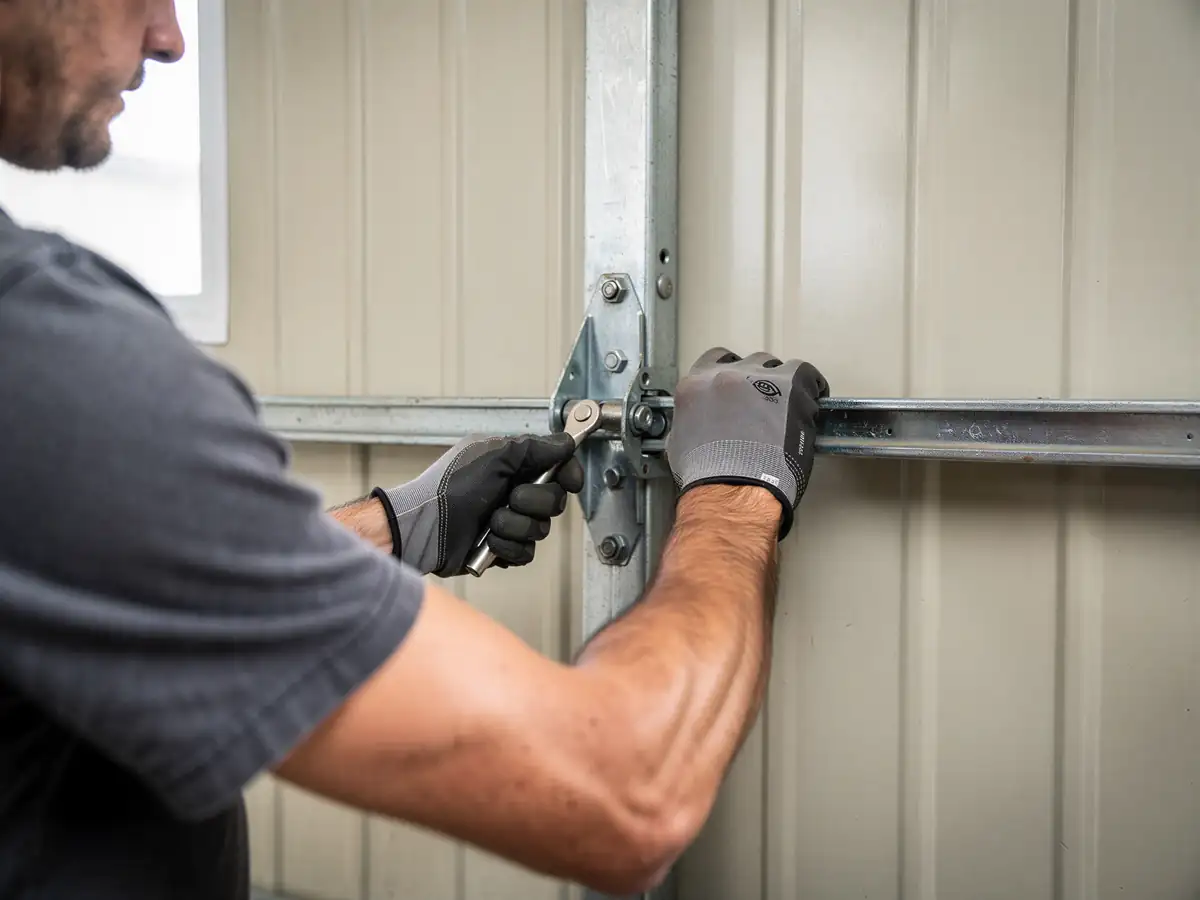
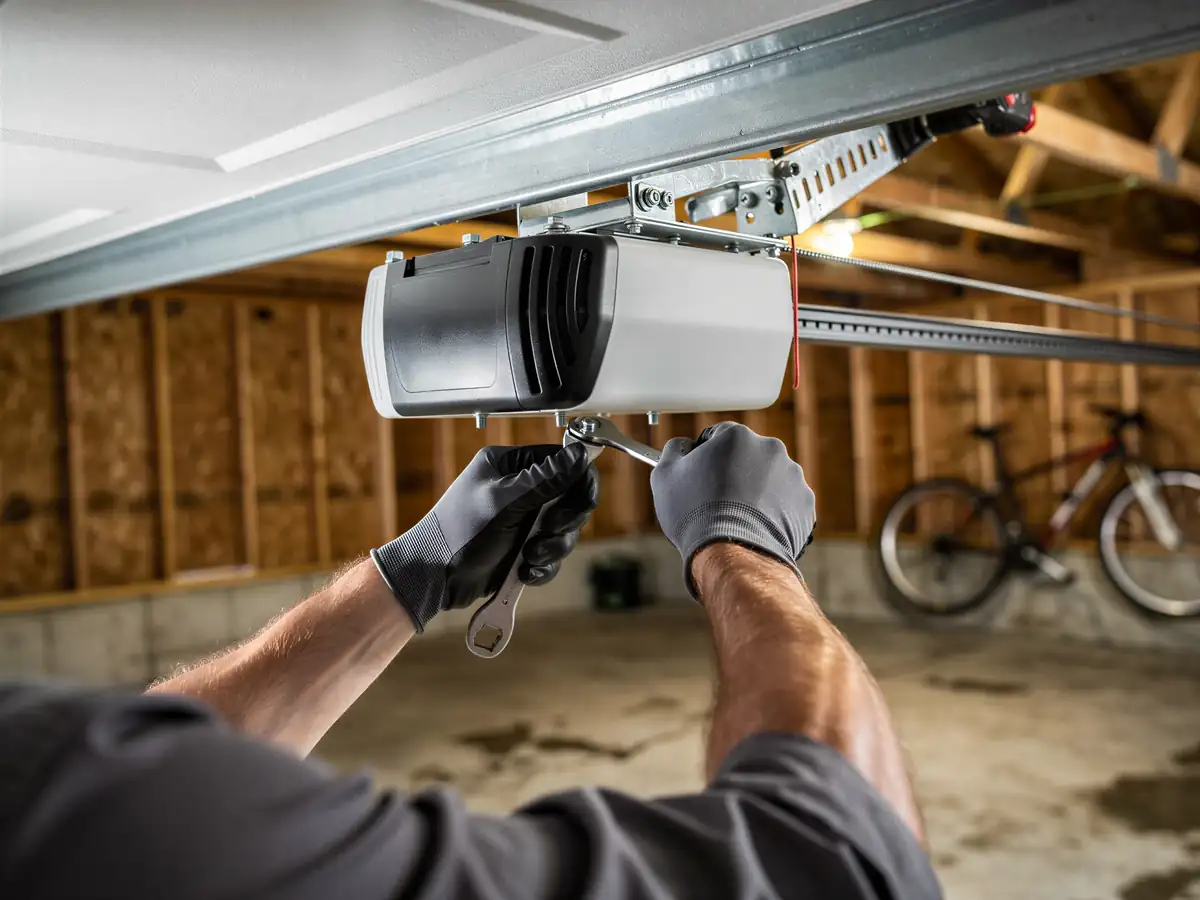
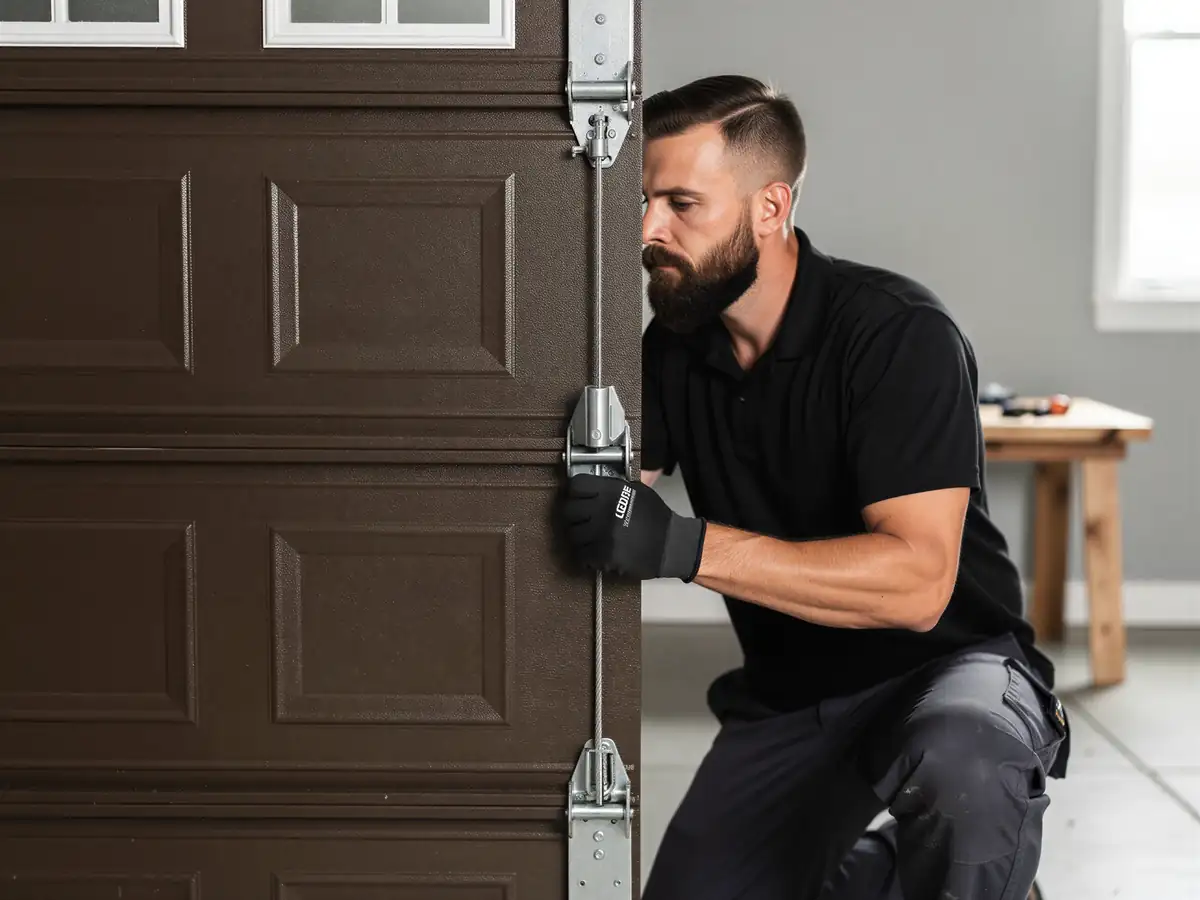
A standard cable repair means pulling the old cable off the drum, checking the drum groove for wear or rust pitting - common given how long some of this housing stock has been standing under severe heat - and running a new cable sized to match your door's weight and spring setup. If the drum itself is grooved or cracked, that gets replaced at the same time rather than reused, since a worn drum will just cut the new cable the same way. We also check the bottom bracket and rollers nearest the failed cable, since those take the brunt of a sudden drop and often show the same age-related wear. We don't touch the opener's electronics as part of a cable job unless something there is visibly tied to the failure.