Common Jobs Here
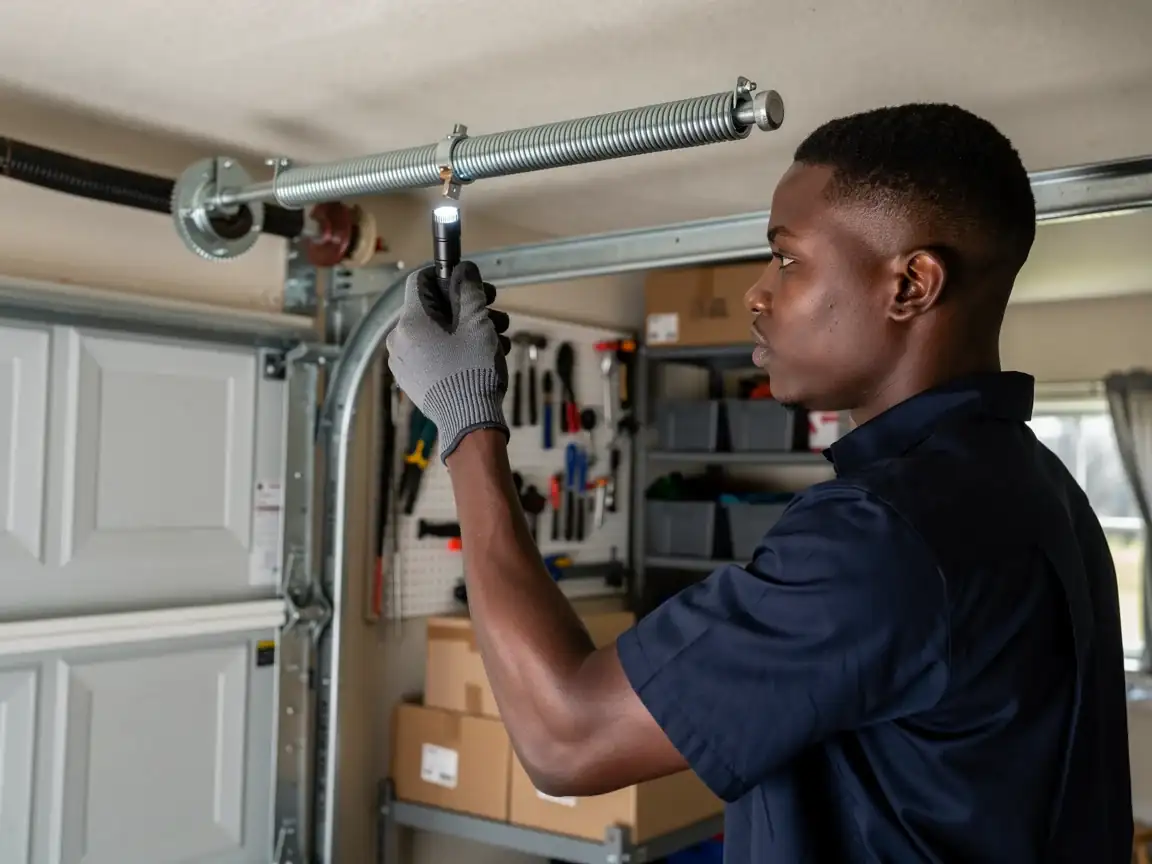
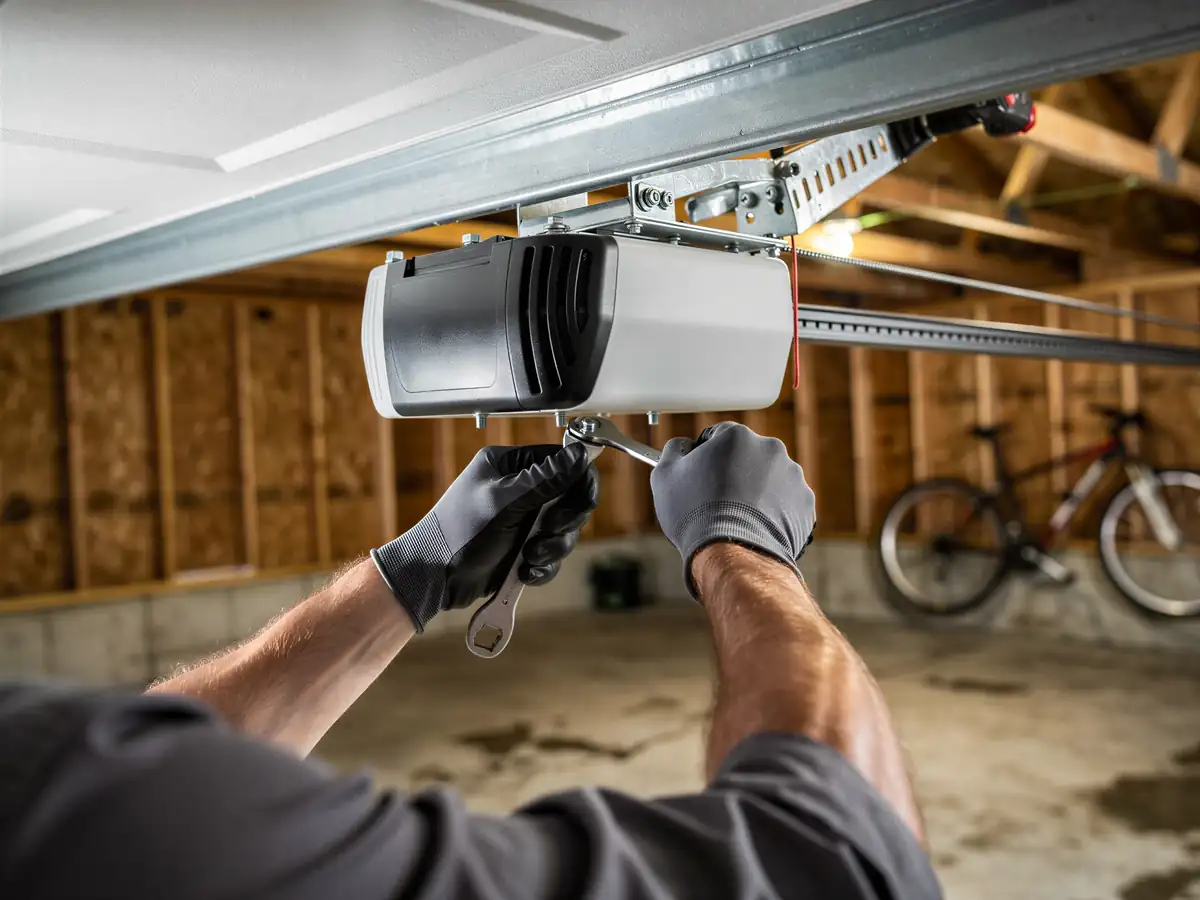
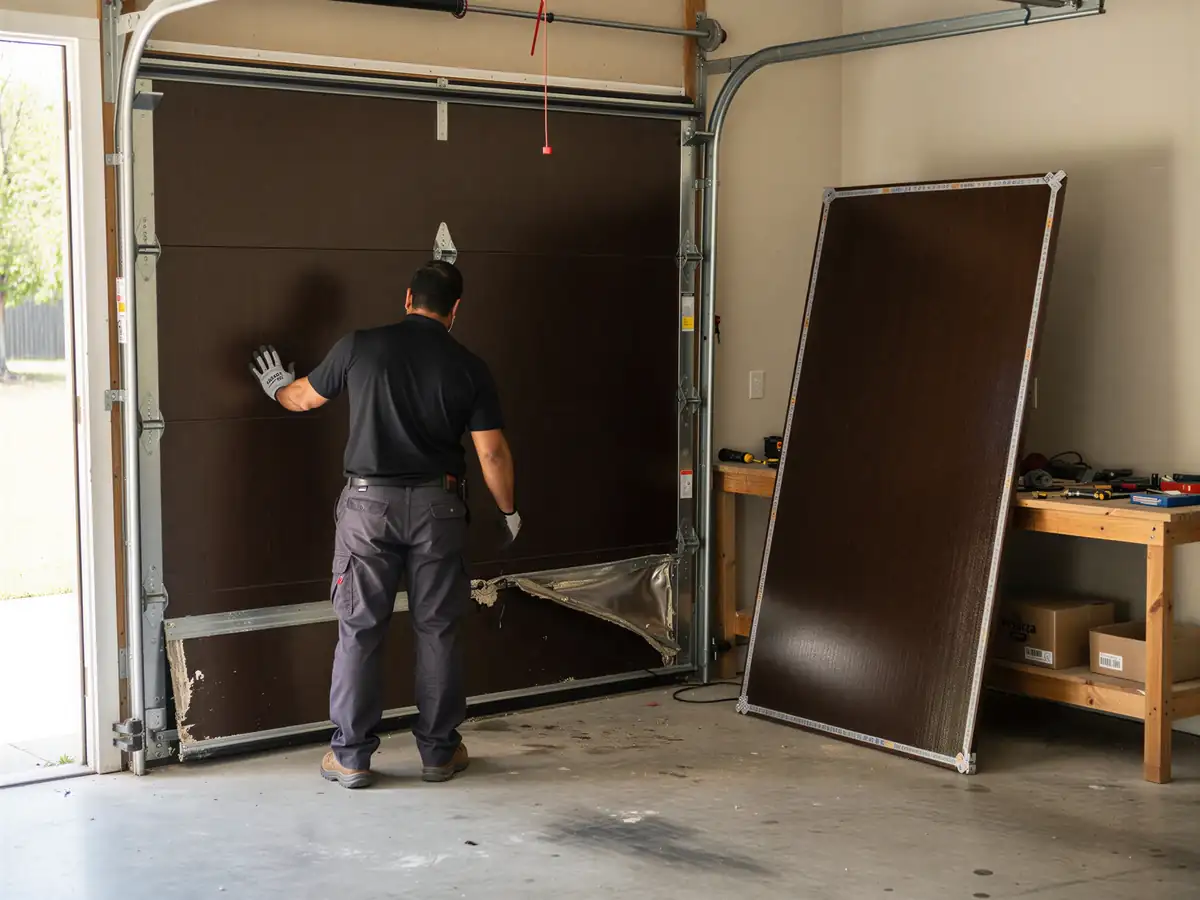
We drive out to Old Fig Garden from our base in Clovis, about 7 miles away, and the calls we get here skew older than what we see closer to home. With a median year built around 1956, a lot of these houses still have their original extension-spring setups or early torsion conversions that a previous owner bolted on sometime in the 70s or 80s. That means worn galvanized springs that have gone soft, flaking paint on tracks that were never resurfaced, and openers that are themselves a second or third generation replacement bolted to framing that was never built for them. We also see more cable fraying here than in newer tracts, since older drums and cable routing weren't matched to today's heavier insulated panels when owners upgraded doors but not hardware. It's not unusual for a single visit to turn into a hardware conversation, not just a part swap, because the age of the house changes what's actually holding the door up.
We don't push a full replacement on every older door. If the jambs are square and the track is original but sound, a spring and roller service can carry a door for years yet. We'll tell you straight when a repair isn't worth it, and when it is.
What Was Built Here
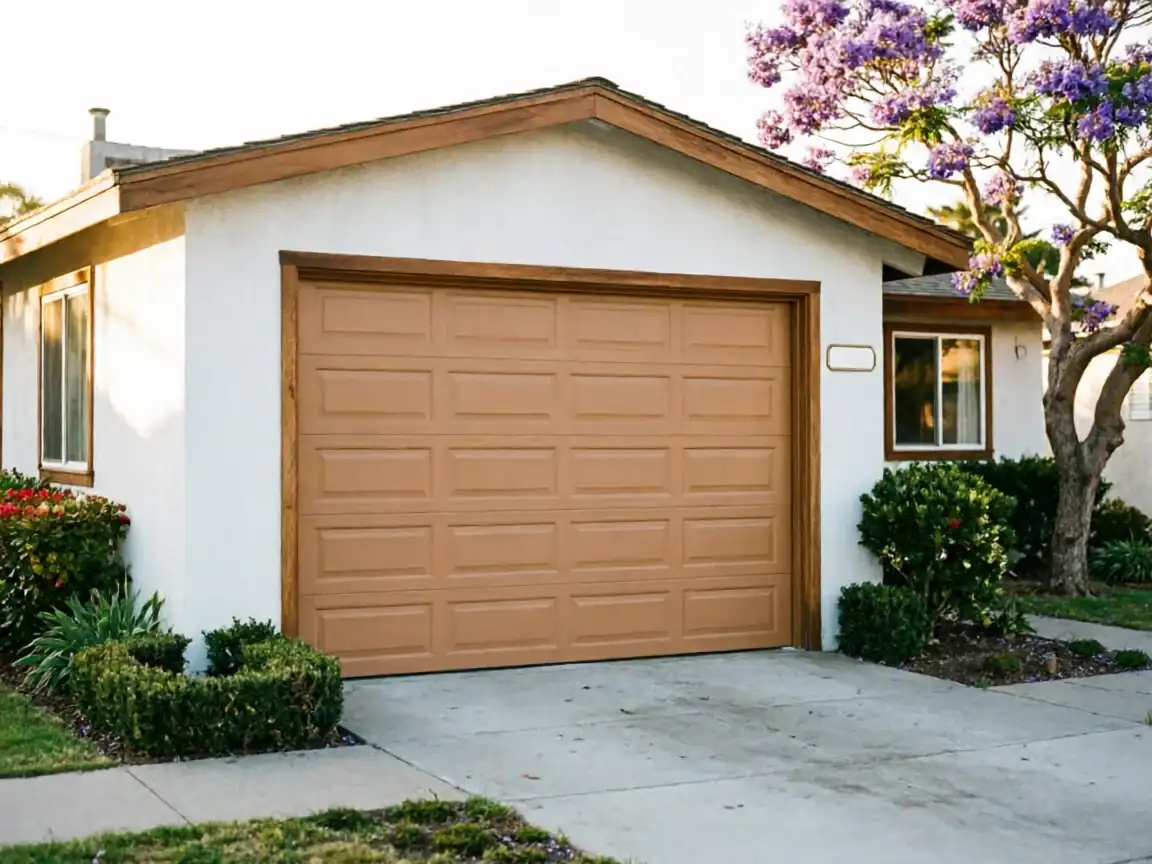
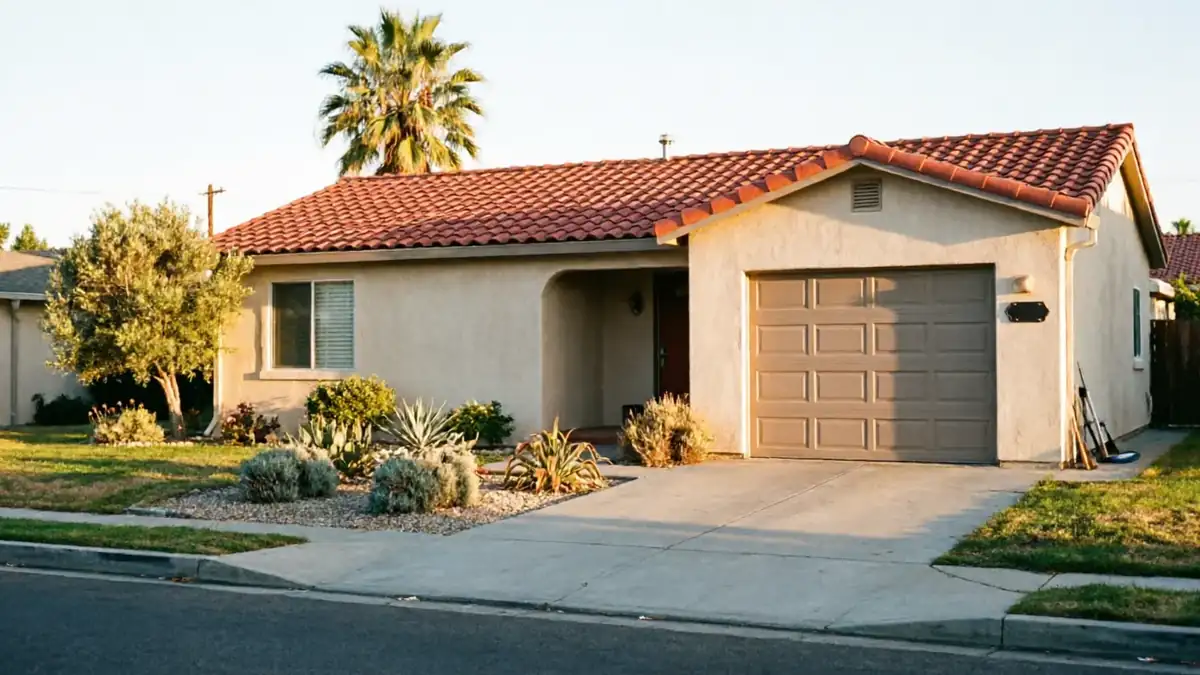
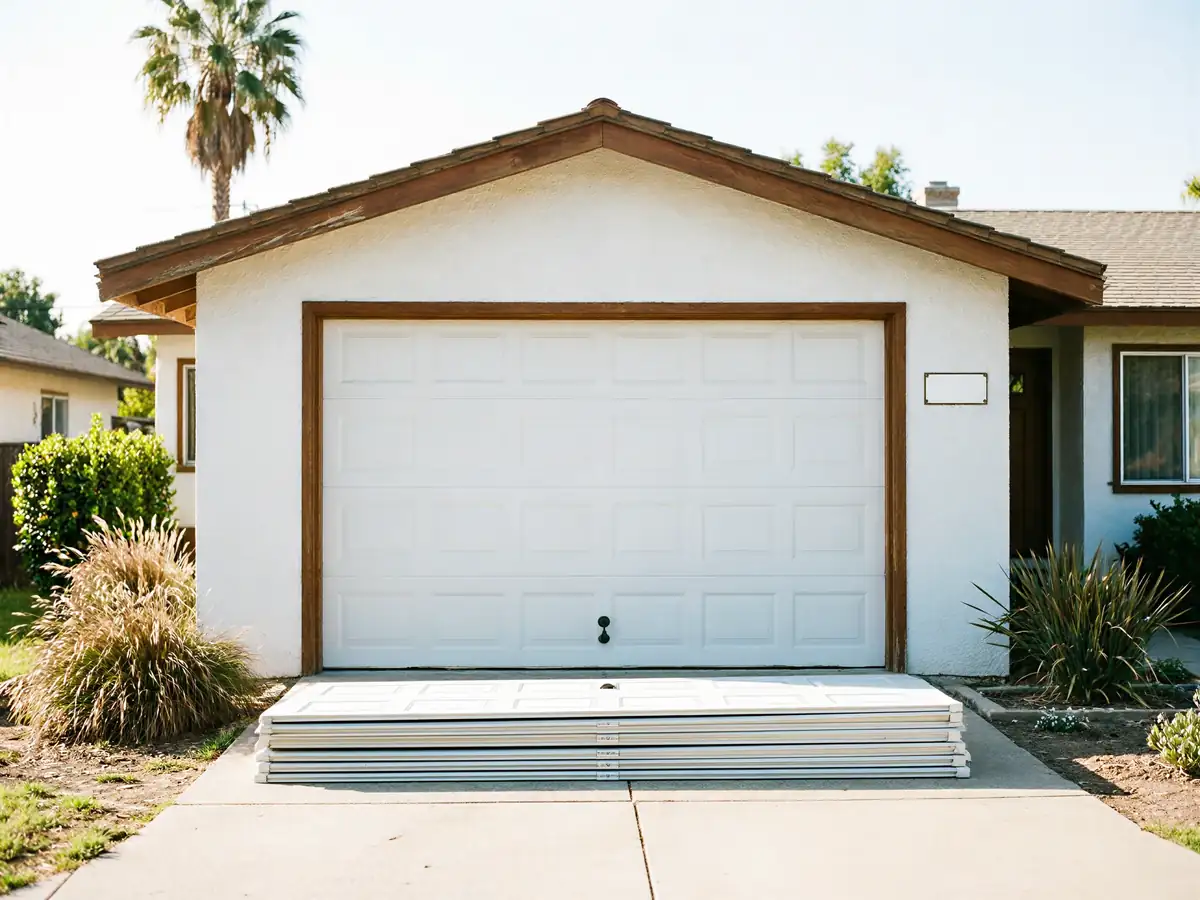
Old Fig Garden's housing stock centers on a median year built of 1956, which puts a good share of this neighborhood a full generation ahead of the broader Clovis service area, where the median across the wider footprint lands closer to 1982. That gap matters more than it sounds. A house framed in the mid-1950s was built before steel sectional garage doors were standard, and plenty of these openings were widened or converted once overhead doors became common, which is part of why we see so much non-original hardware mixed into original framing.
At roughly 1,980 households, Old Fig Garden is a smaller, older pocket inside a service area that, taken as a whole, runs 28,893 households with 15,223 owner-occupied houses. Income here also sits apart: median household income in Old Fig Garden is about $100,833, well above the $74,428 median across the full service area. That combination of older construction and higher household income tends to show up as owners who are willing to put real money into a correct repair or a full replacement rather than patch something twice.
The Split Between Old and New
The wider Clovis-area footprint we cover spans fourteen named areas built mostly across the 1980s and 90s
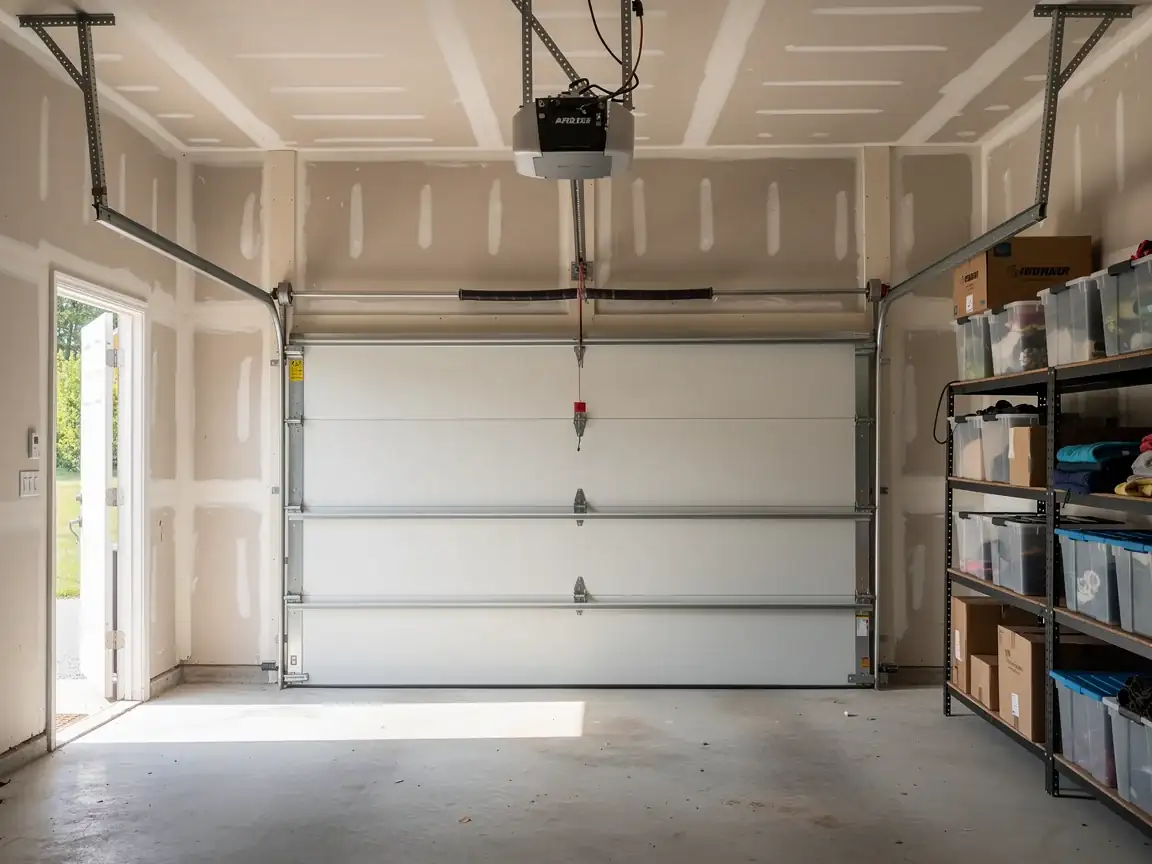
Which is a different animal than Old Fig Garden's 1956 median. Newer-stock neighborhoods run factory torsion systems sized to code-era openers, with track and drum combinations that were matched at installation. Old Fig Garden's older homes often carry a patchwork: original framing, a mid-era hardware swap, and a more recent opener bolted onto brackets that predate it by decades.
That split means the same symptom calls for a different fix depending on which side of that line a house falls on
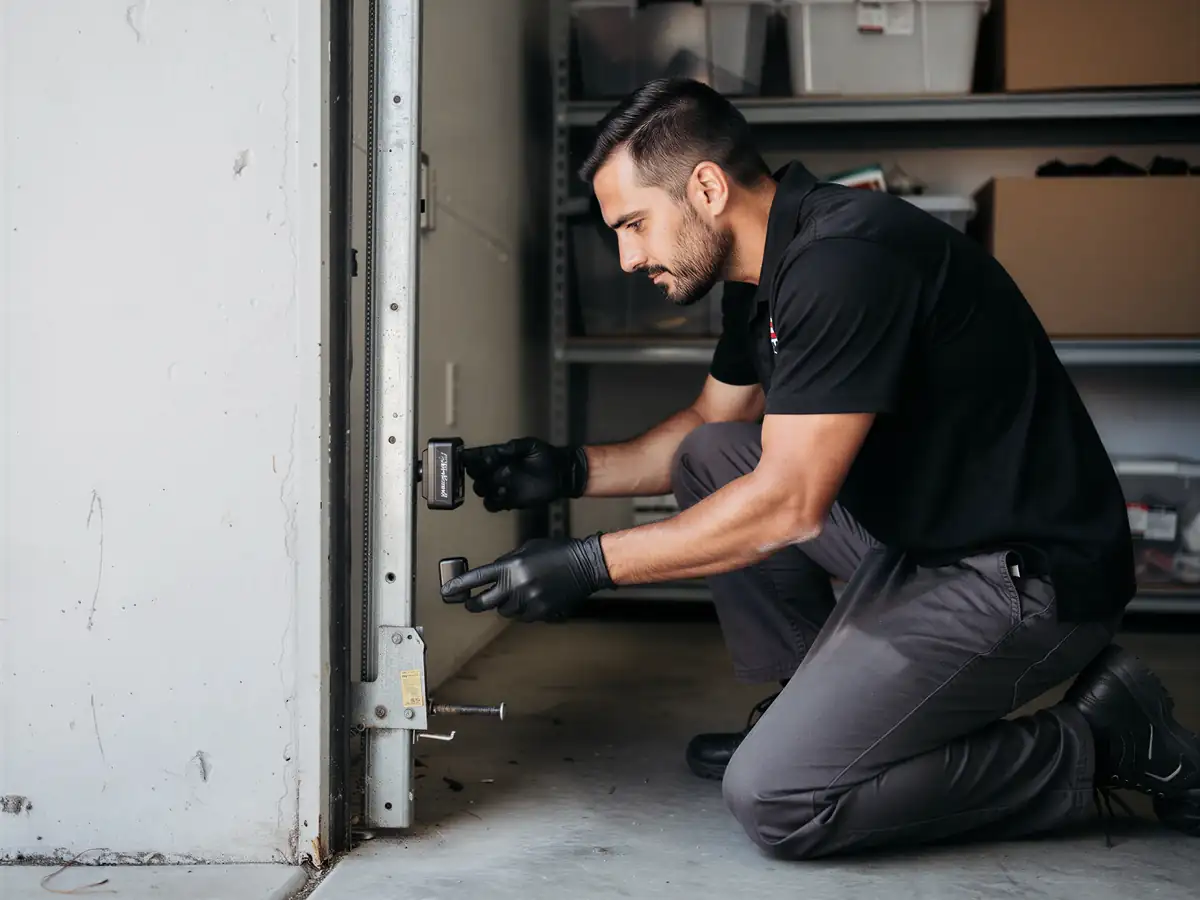
A door that won't stay open on a 1980s-built house is usually a opener logic board or a sensor issue. The same complaint on an older Old Fig Garden house is more often a spring that's lost tension relative to a heavier door than it was designed for, because someone upgraded the panel without upgrading the spring rating. We size parts to the hardware we find on site, not to the year on the permit, but knowing the neighborhood's age going in saves a trip back to the truck.
How That Shows Up in the Door
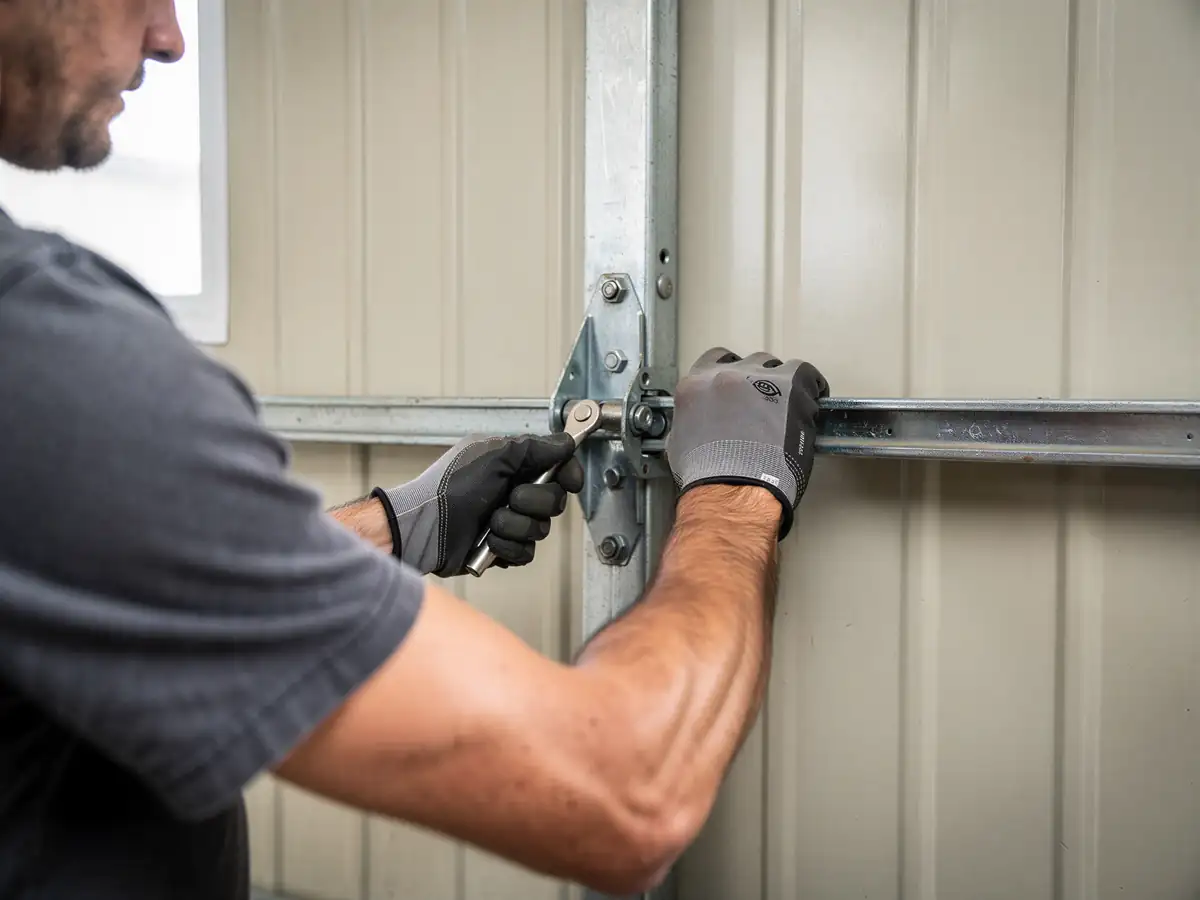
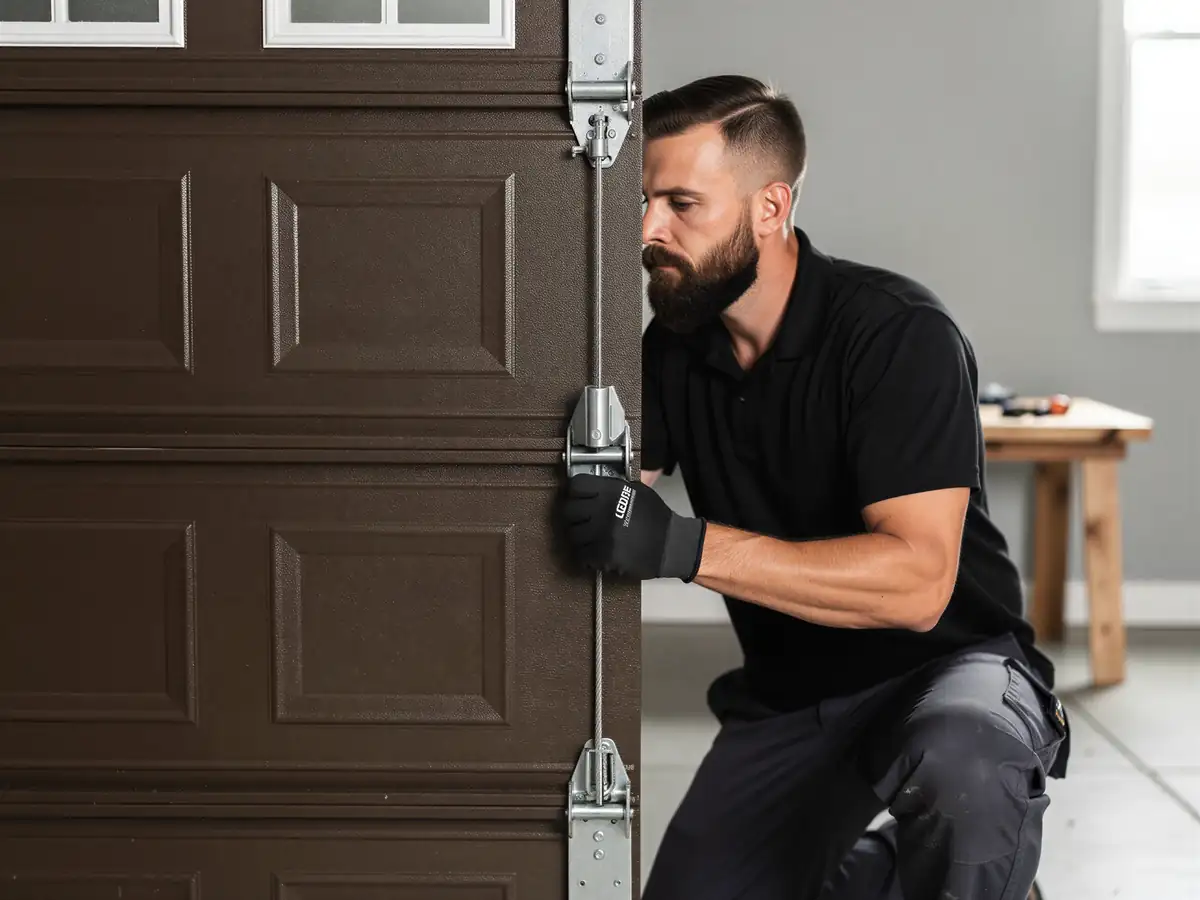
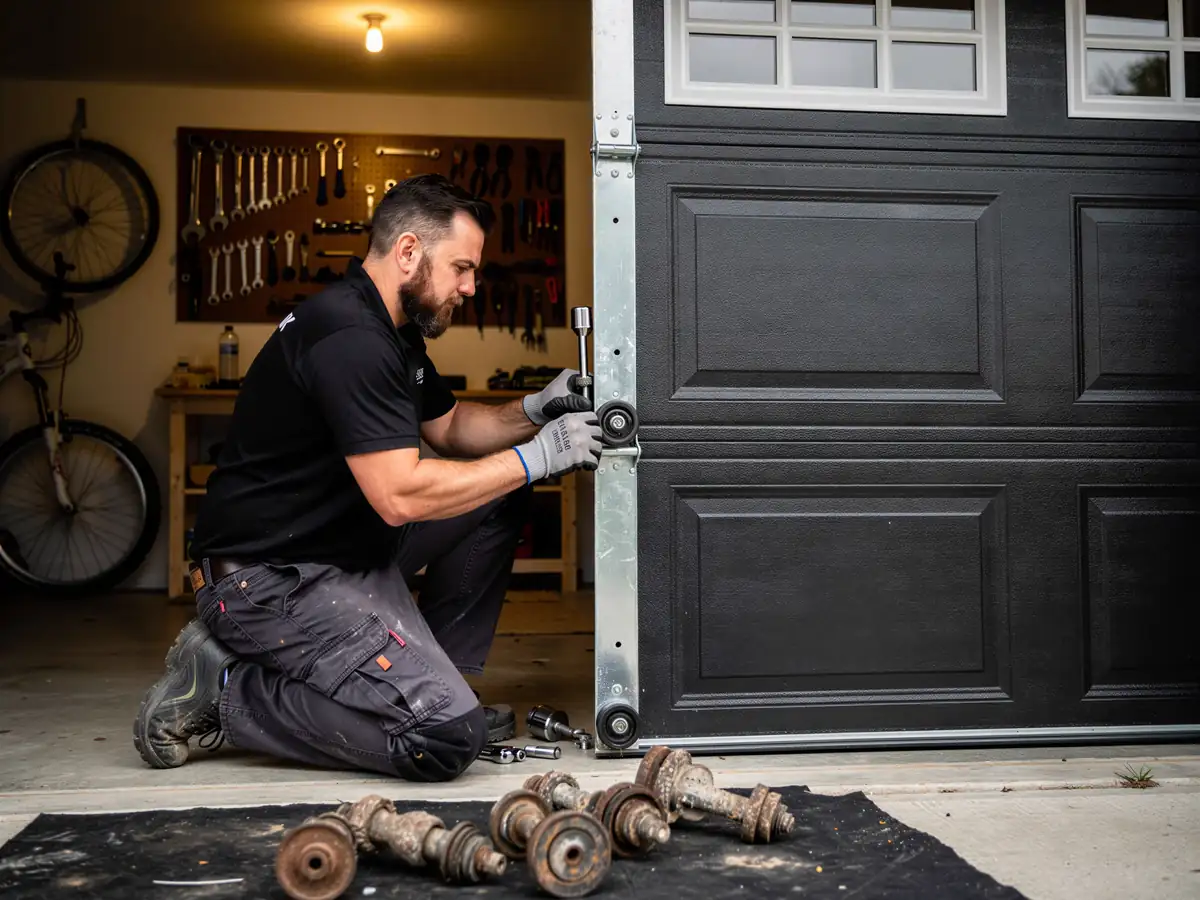
On a 1956-era Old Fig Garden house, the door itself usually isn't the oldest part of the system, the spring and track hardware is. We'll find steel sectional doors installed sometime in the last 15-20 years hung on drums and cable routing that were never upgraded to match, which puts uneven load on one side and shows up as a door that racks or binds on one track before the other. Pair that with the severe summer heat this area sees, which dries out old lubricant and lets cable sheathing crack faster than it would in a milder climate, and you get the fraying and sticking we see on first visits more often here than in newer construction nearby.
The fix usually isn't a new door. It's matching the spring rating and cable gauge to the panel that's actually hanging there now, then setting the opener's force and travel to the corrected balance. We won't sell a full door replacement on a house where the issue is tension and lubrication, but we will tell you when the track itself is bent enough that patching it further is just delaying the same call.