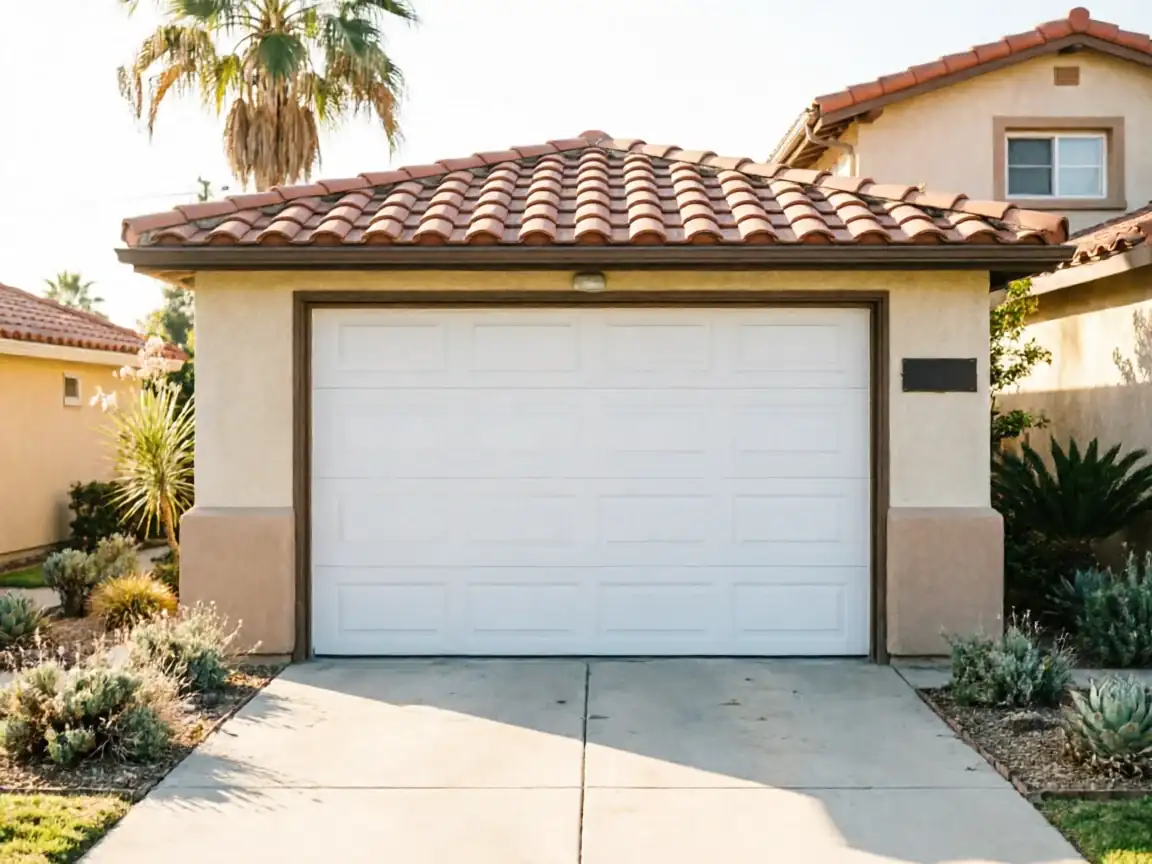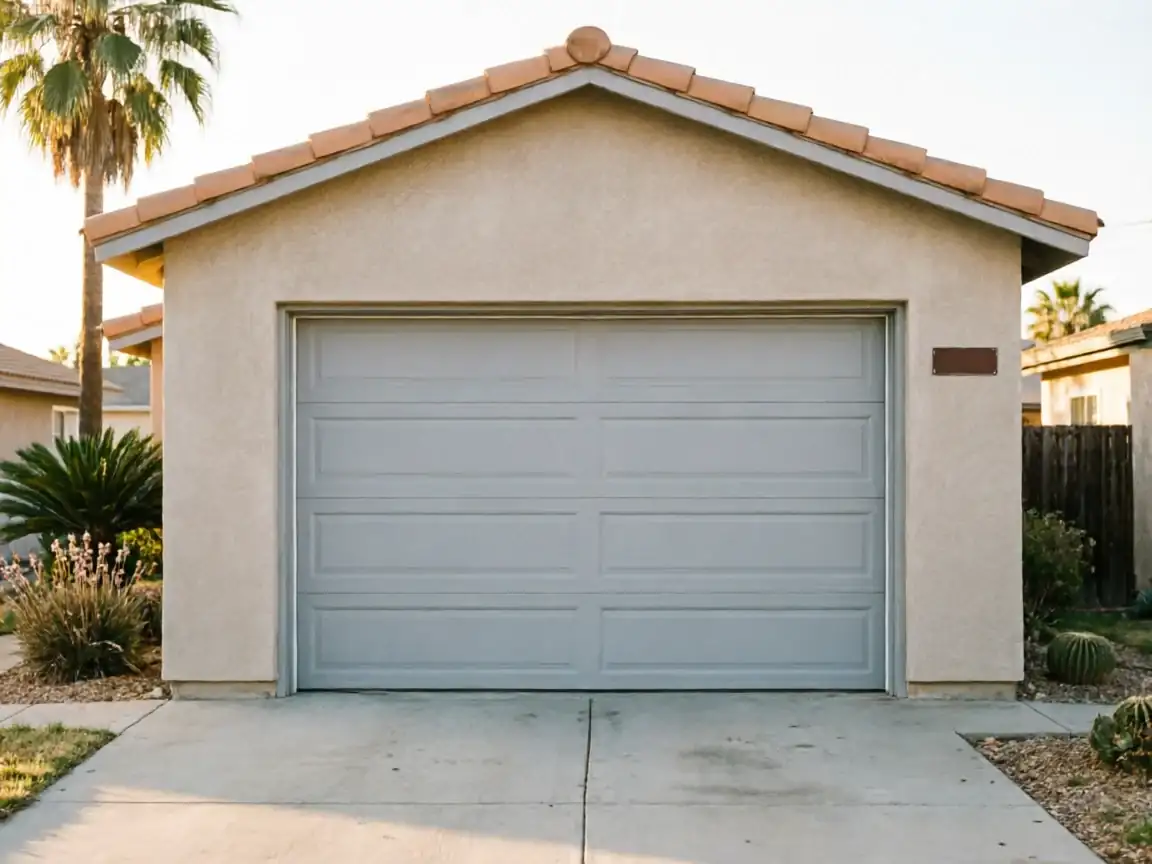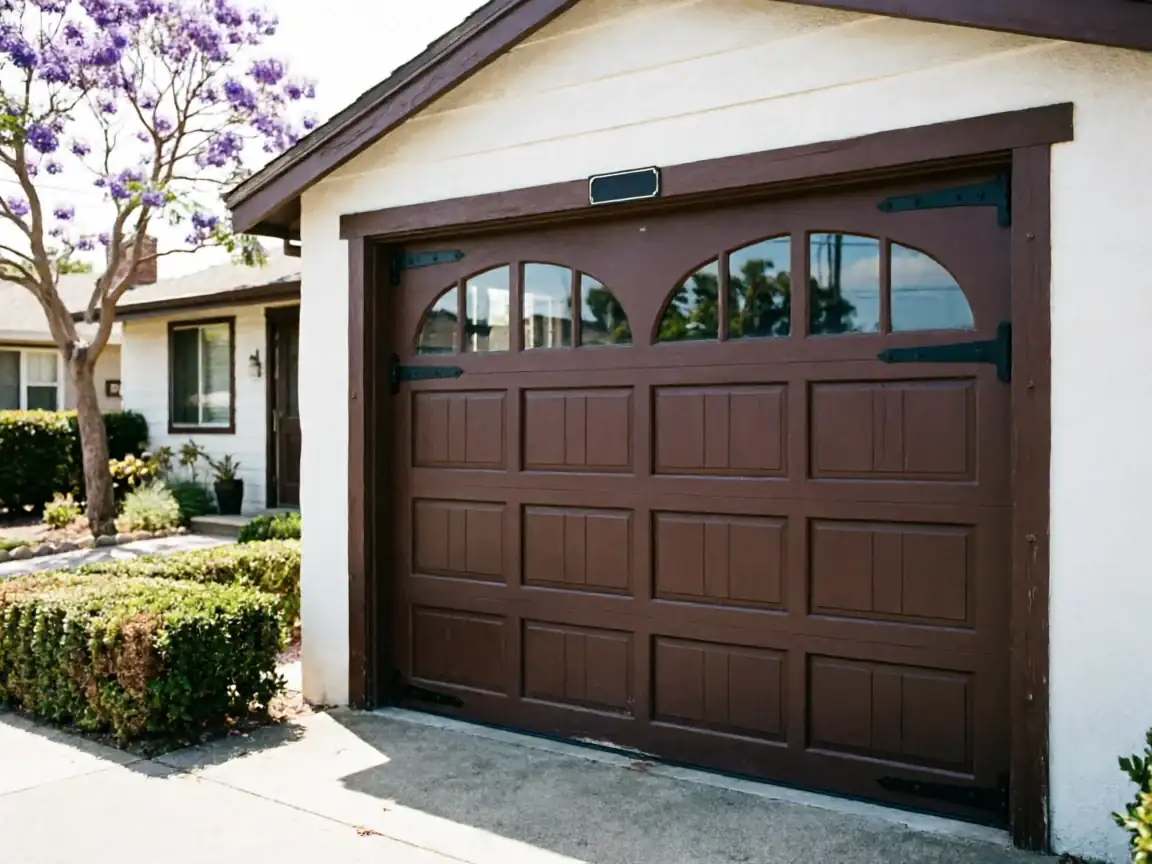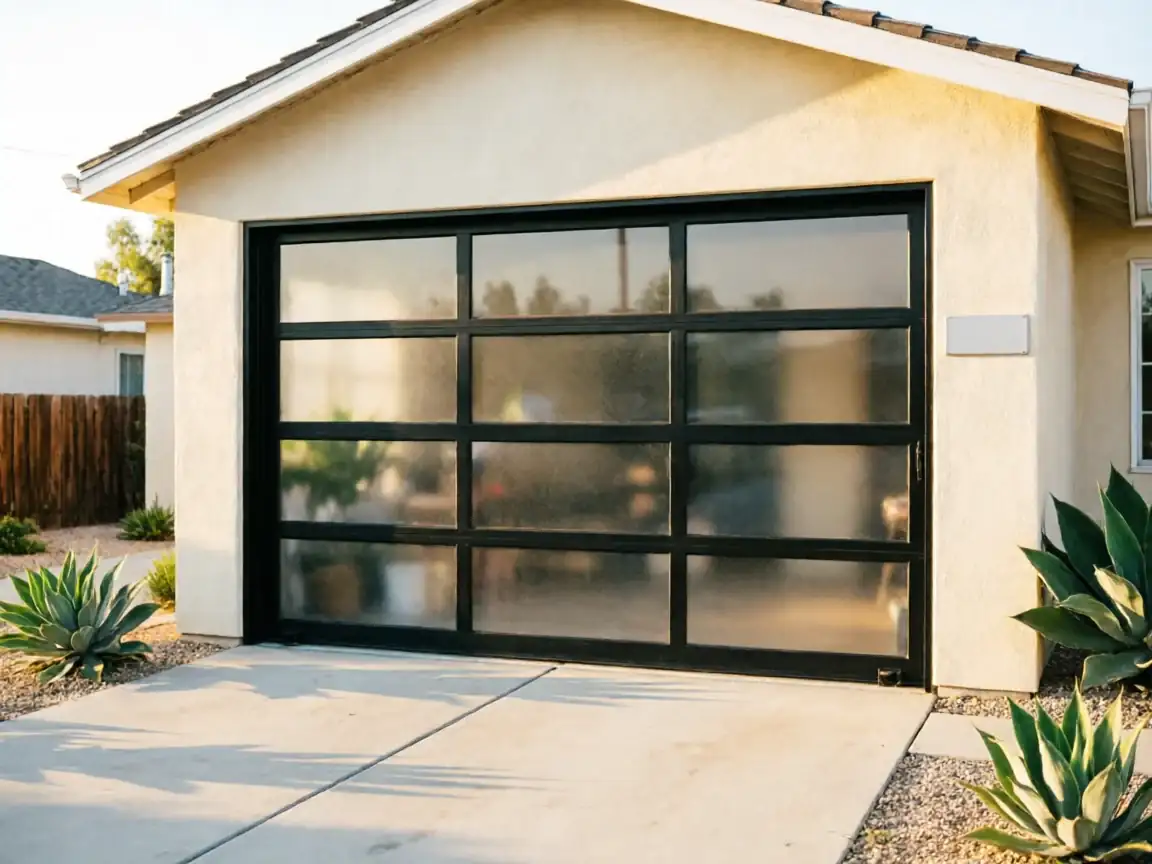
What You Are Seeing
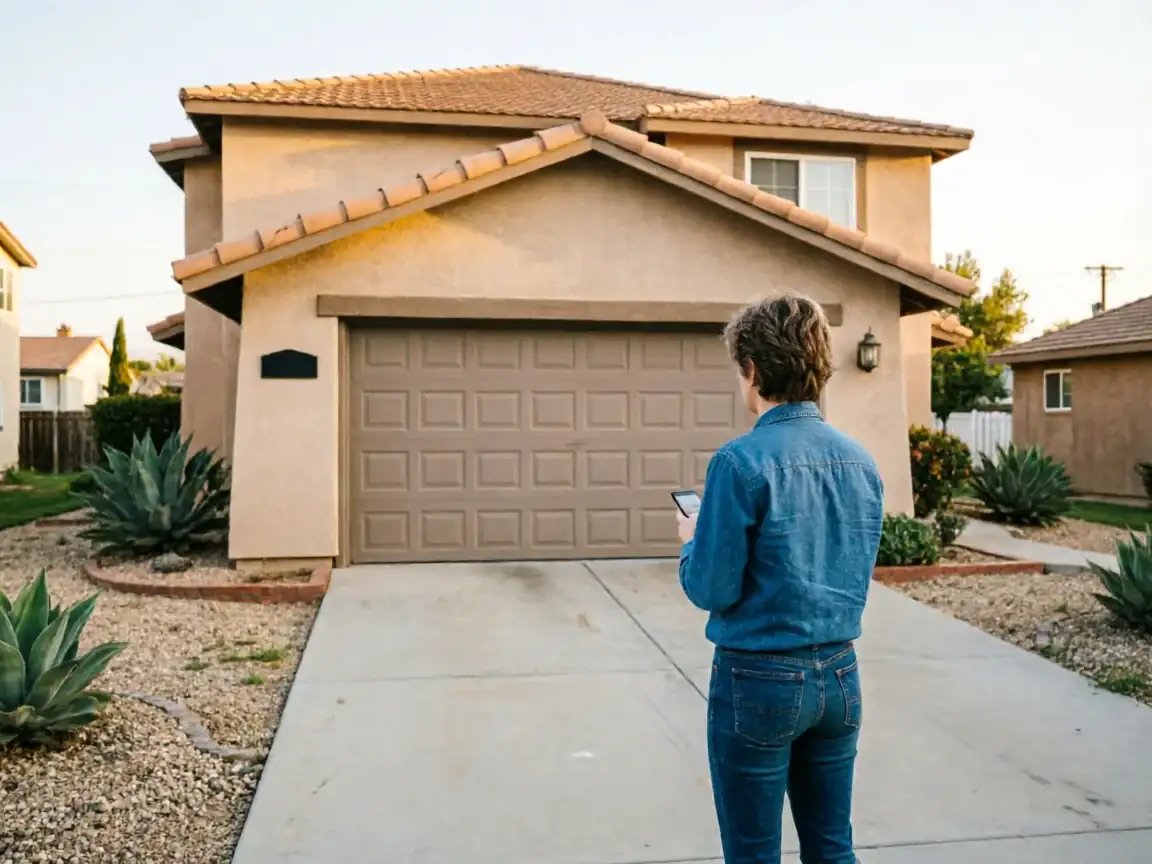
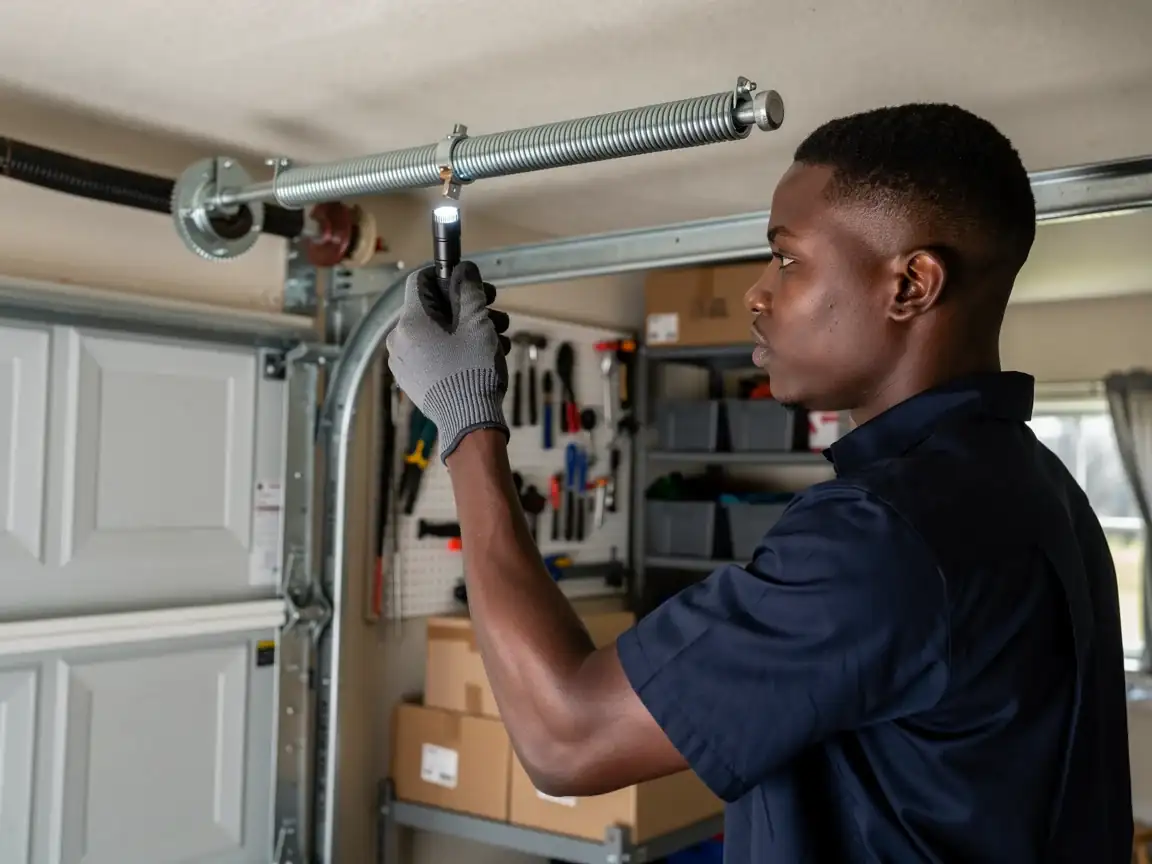
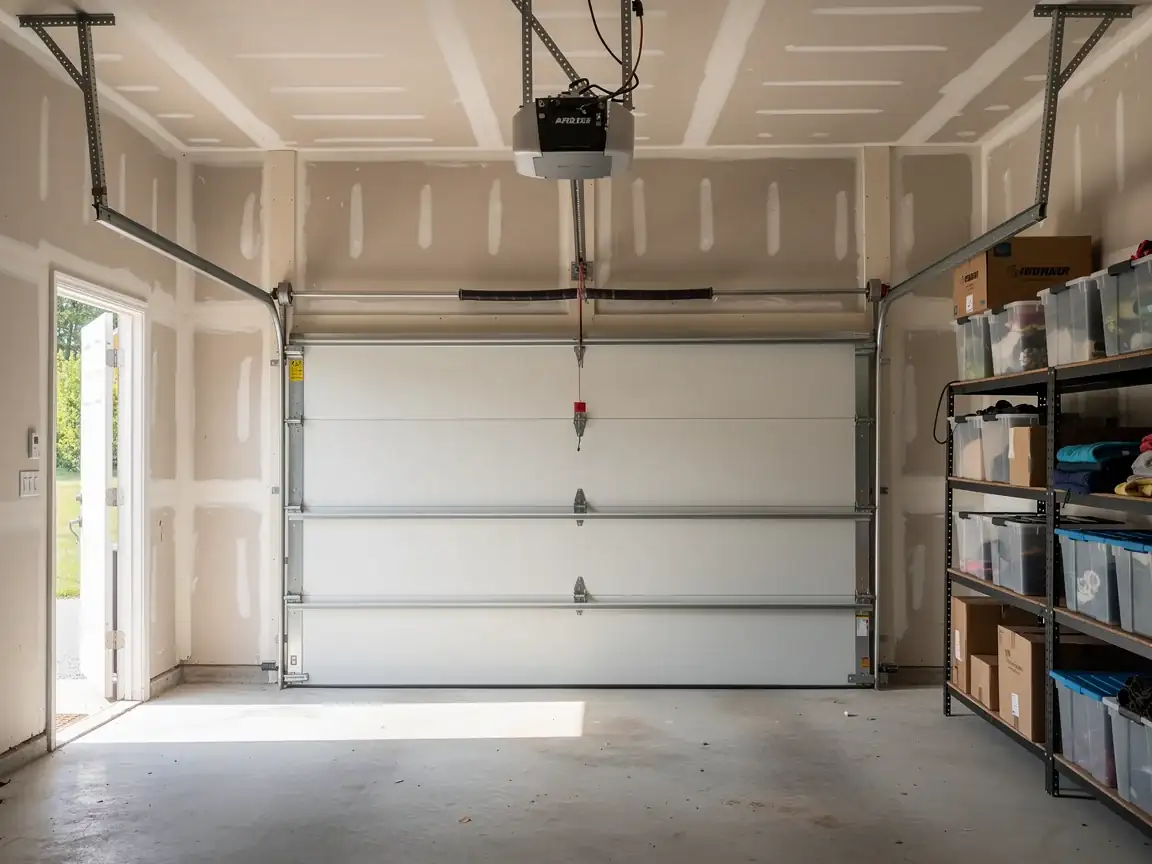
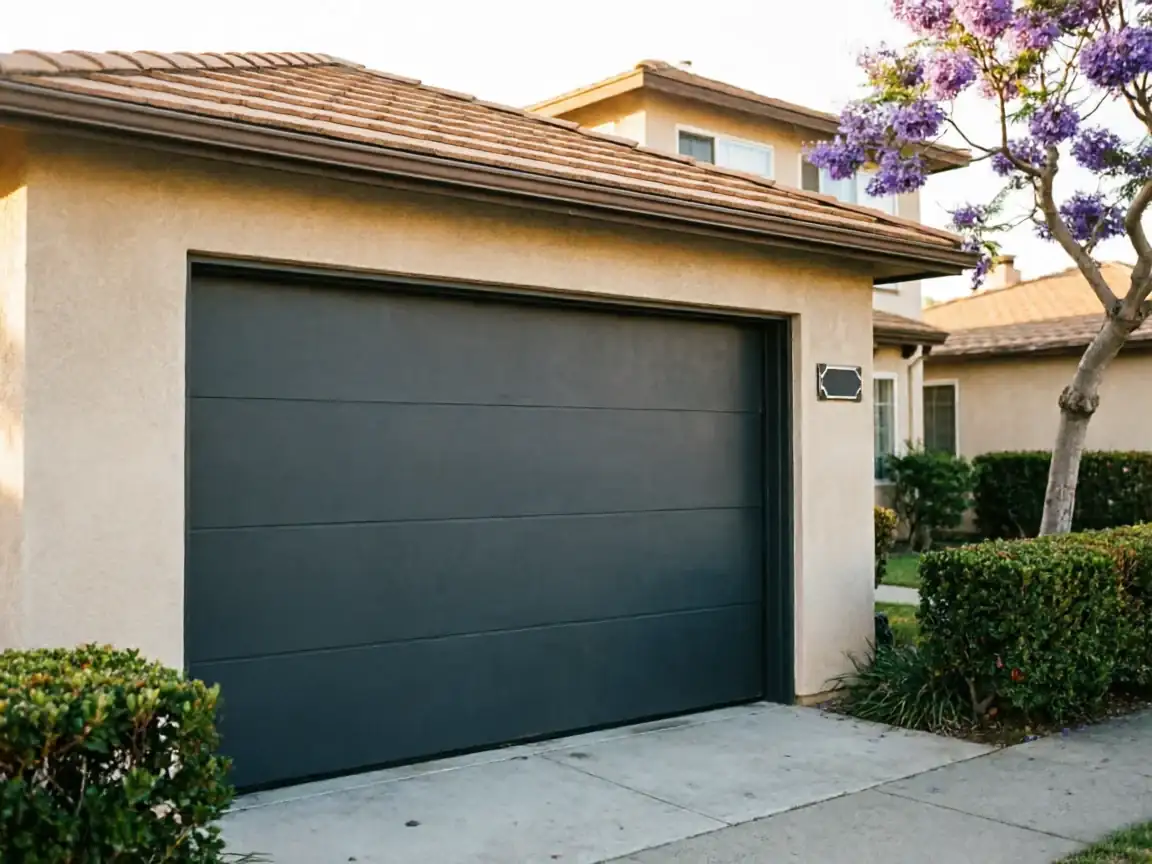
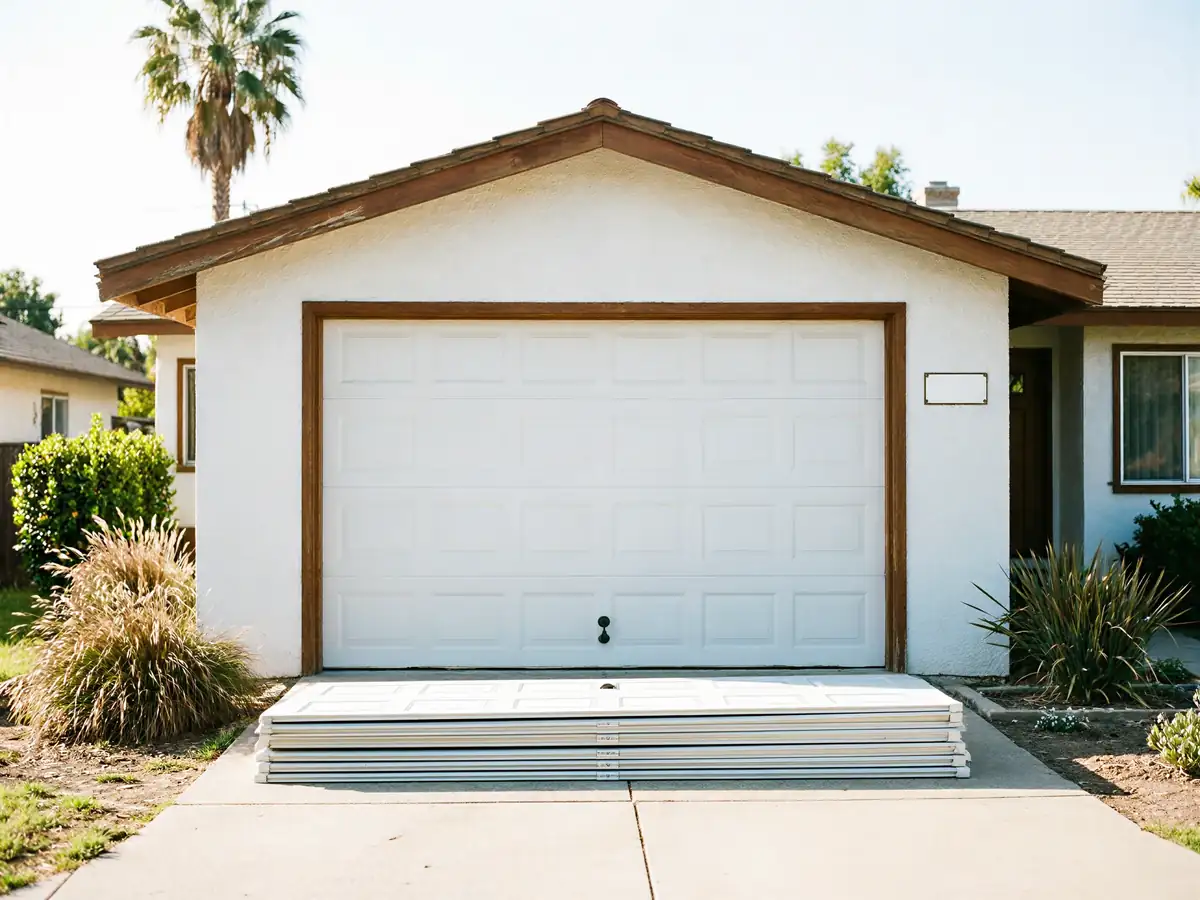
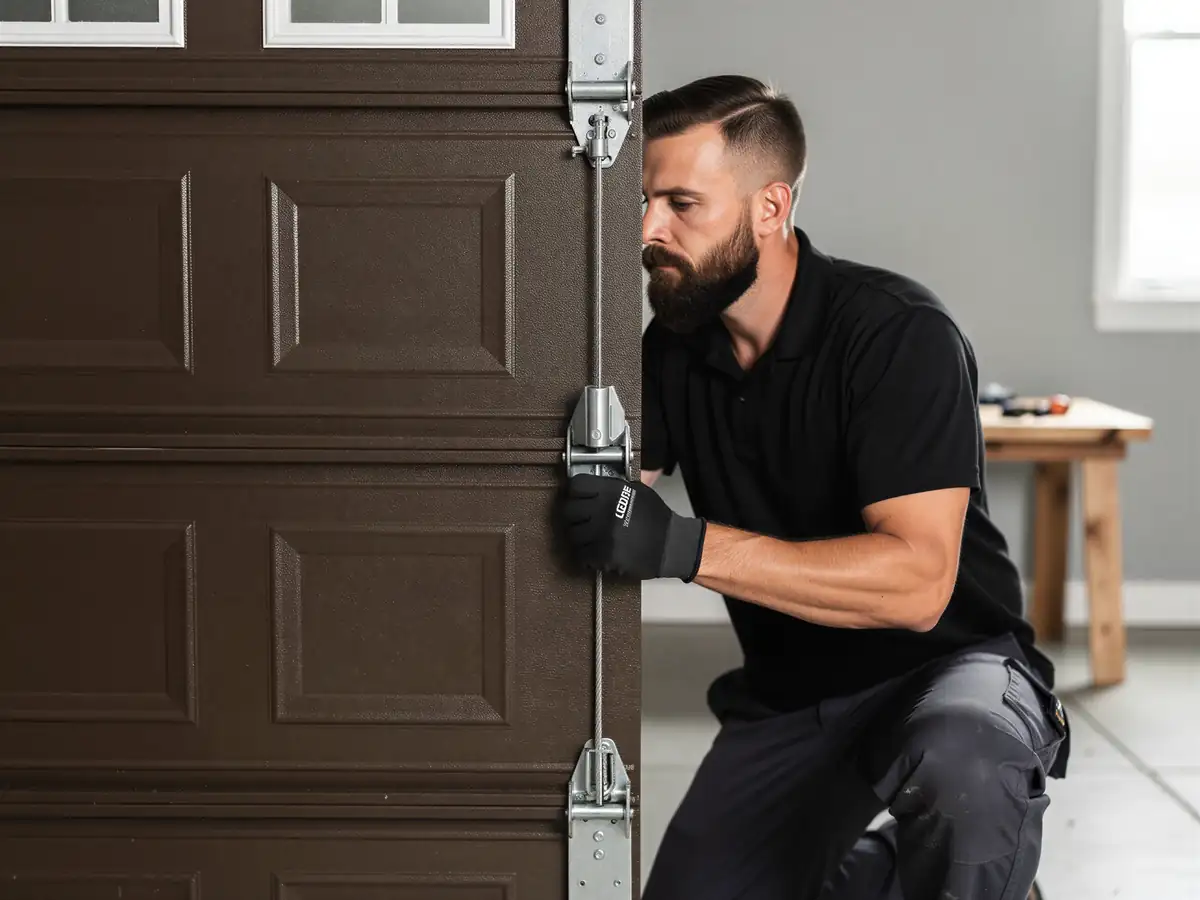
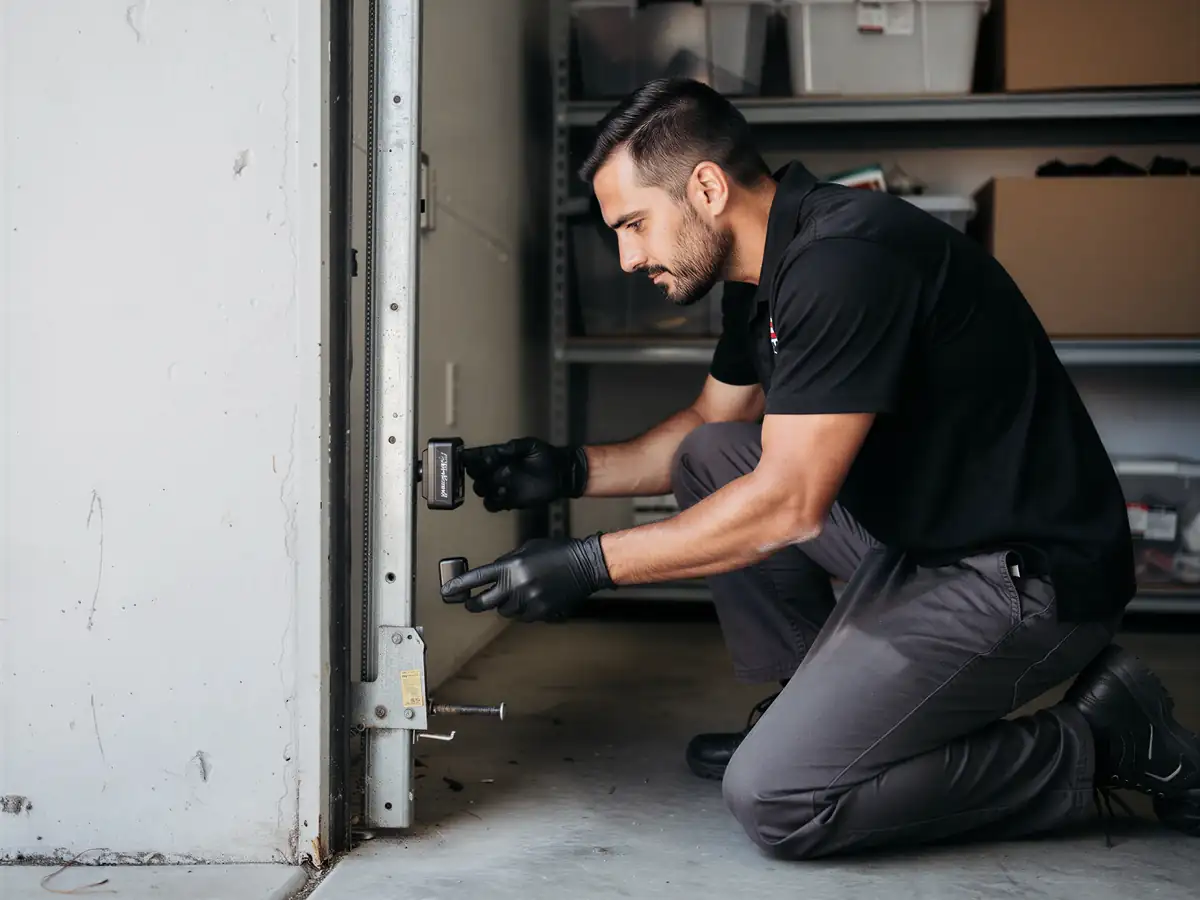
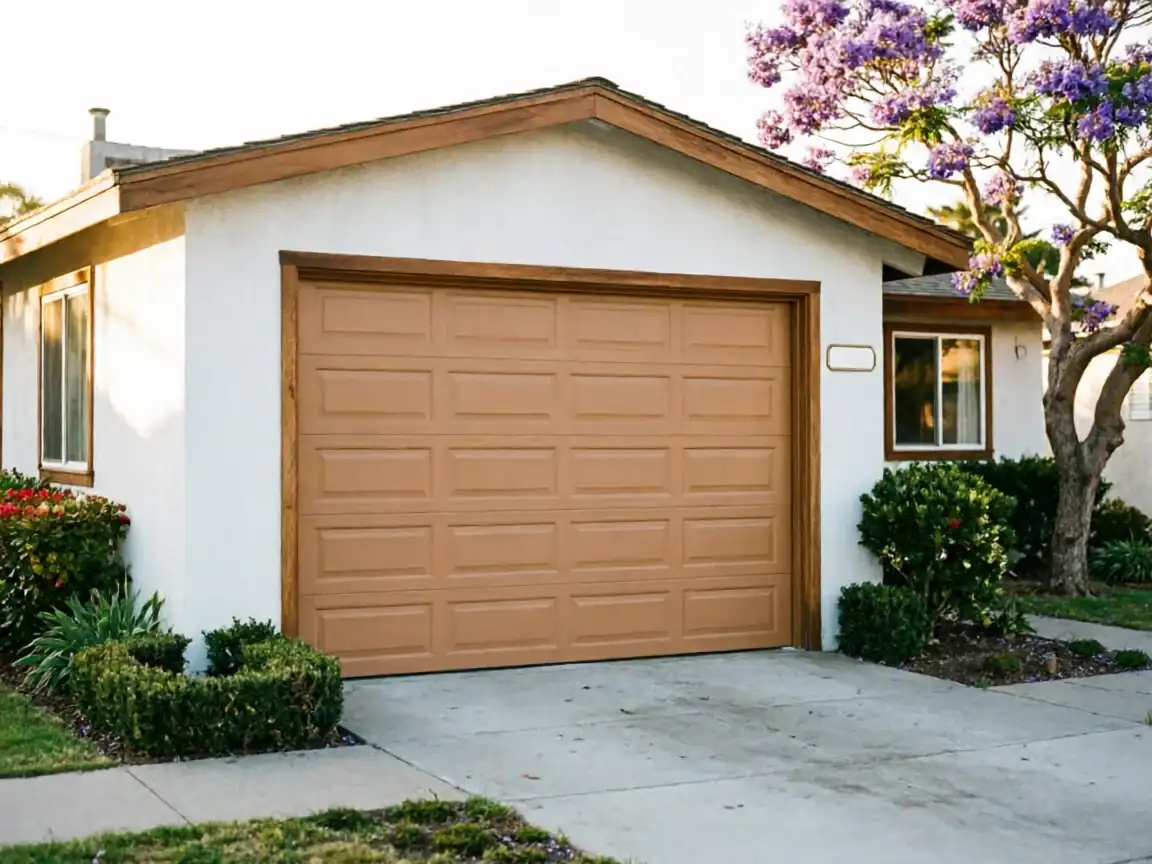
Old Fig Garden's median home was built in 1956, which puts it well ahead of most of the Clovis service area, where the typical house didn't go up until 1982. That gap matters on a garage door. A house framed in the mid-1950s was far more likely to get a single wide door on extension springs running along horizontal tracks bolted straight to the ceiling joists, not the center-mounted torsion bar that became standard once the area's newer tracts started filling in through the 80s and 90s. If your door still has two springs stretched out over the horizontal tracks instead of one spring on a shaft above the door, that's original-era hardware, or close to it, and it ages differently than what we see on newer stock. Extension spring systems rely on separate safety cables that get skipped more often than they should, and the pulleys they ride on wear a specific way after six-plus decades of sun and use. None of this is wrong or dangerous by itself. It just means the repair someone learned on a 1985 Clovis tract house doesn't always apply here, and the first thing worth checking is which system you actually have before anyone quotes a fix.
What Causes It Around Here
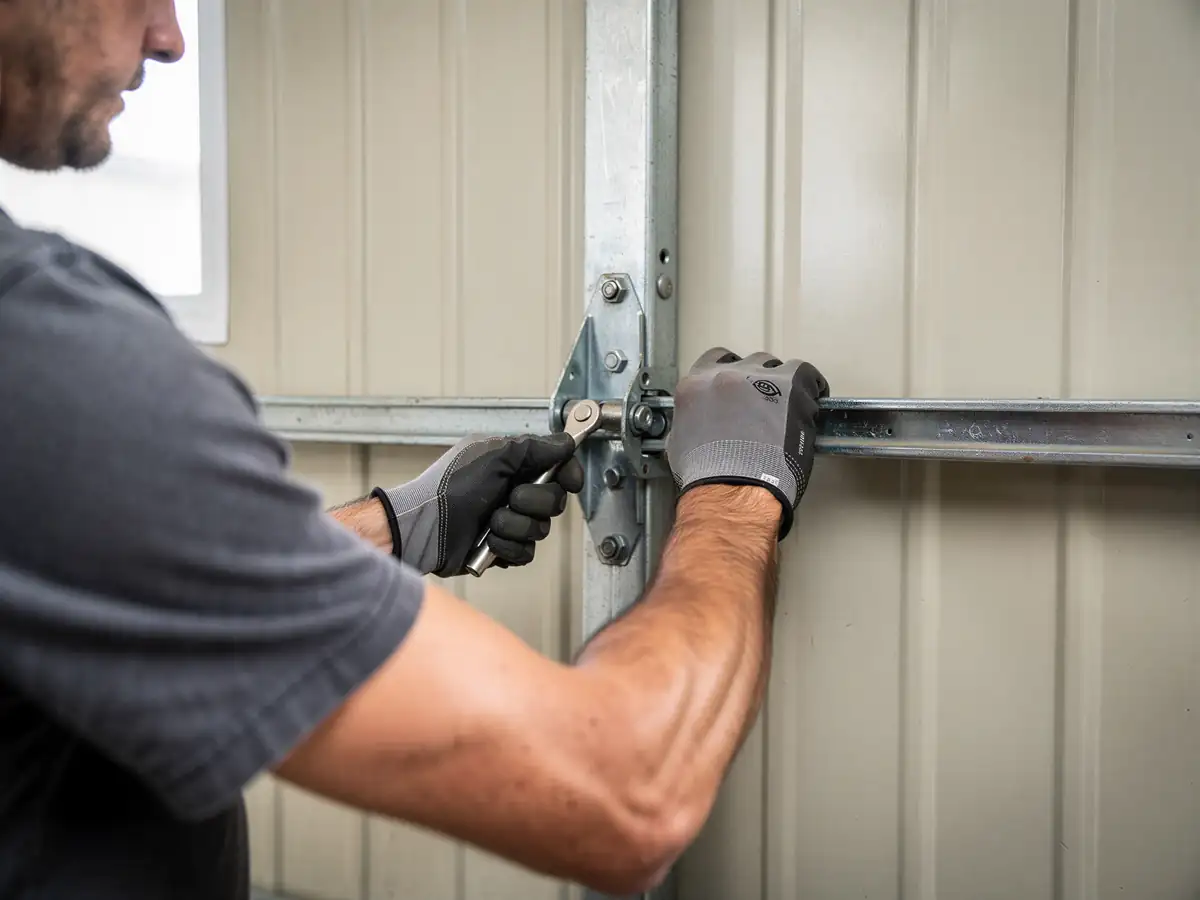
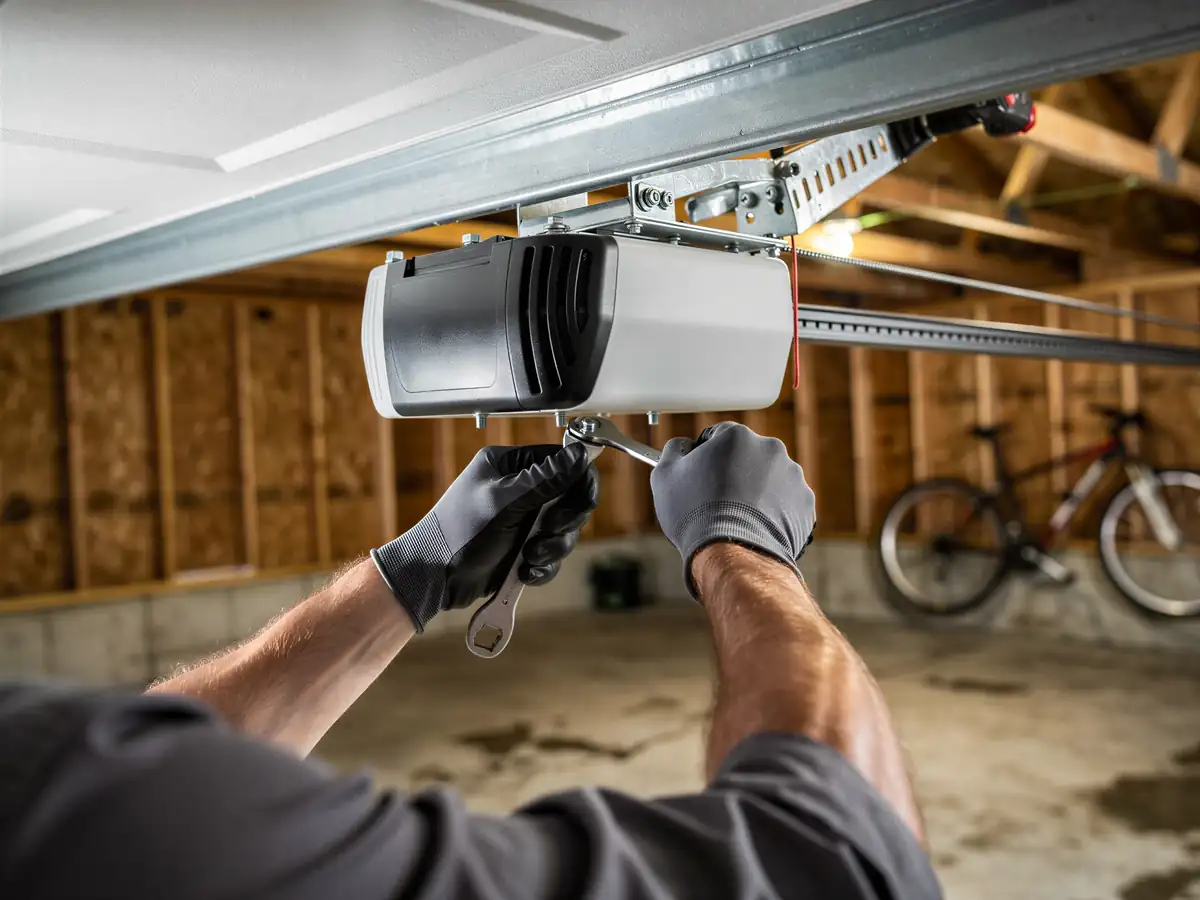
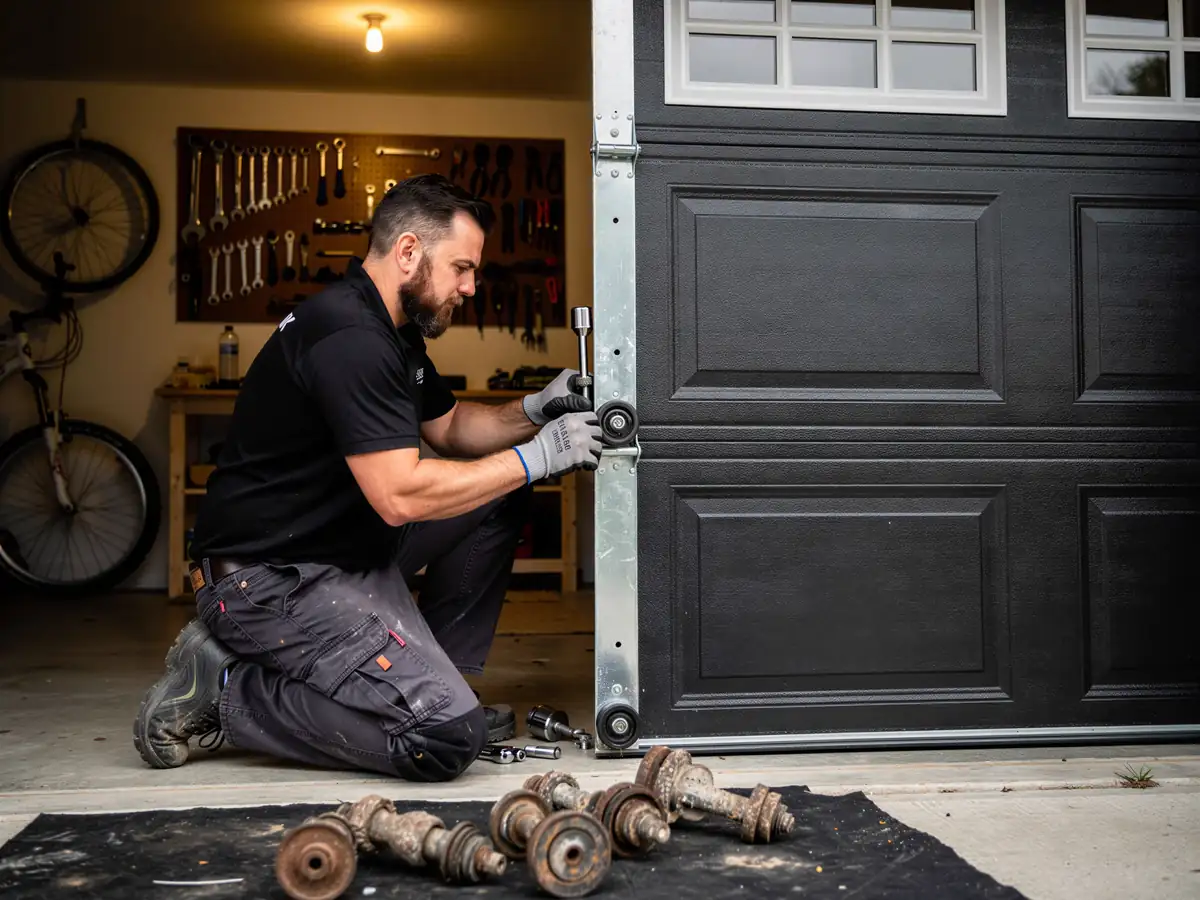
Heat is the bigger factor than age by itself. This area sits in a severe-heat climate band, and that punishes garage door hardware in two ways on an older setup. First, extension springs lose tension faster than torsion springs under repeated heat-cycling, since they're stretching and relaxing across a longer run of exposed track instead of coiling tight on a shaft. Second, the steel pulleys and cable guides original to 1950s-era installs weren't built with the UV-stable nylon bushings that came later, so they seize or crack instead of wearing smoothly. Add six decades of that cycle and you get the two failures we actually see out here: a snapped extension spring that lets the door drop hard, or a frayed lift cable that's been quietly losing strands every summer. Openers are the other weak point - a chain-drive unit installed decades ago on this kind of door often predates the load sensors and rolling codes that are standard now, and heat-stressed gears on an old motor tend to go out on the hottest days of the year, not the mild ones.
What You Pay
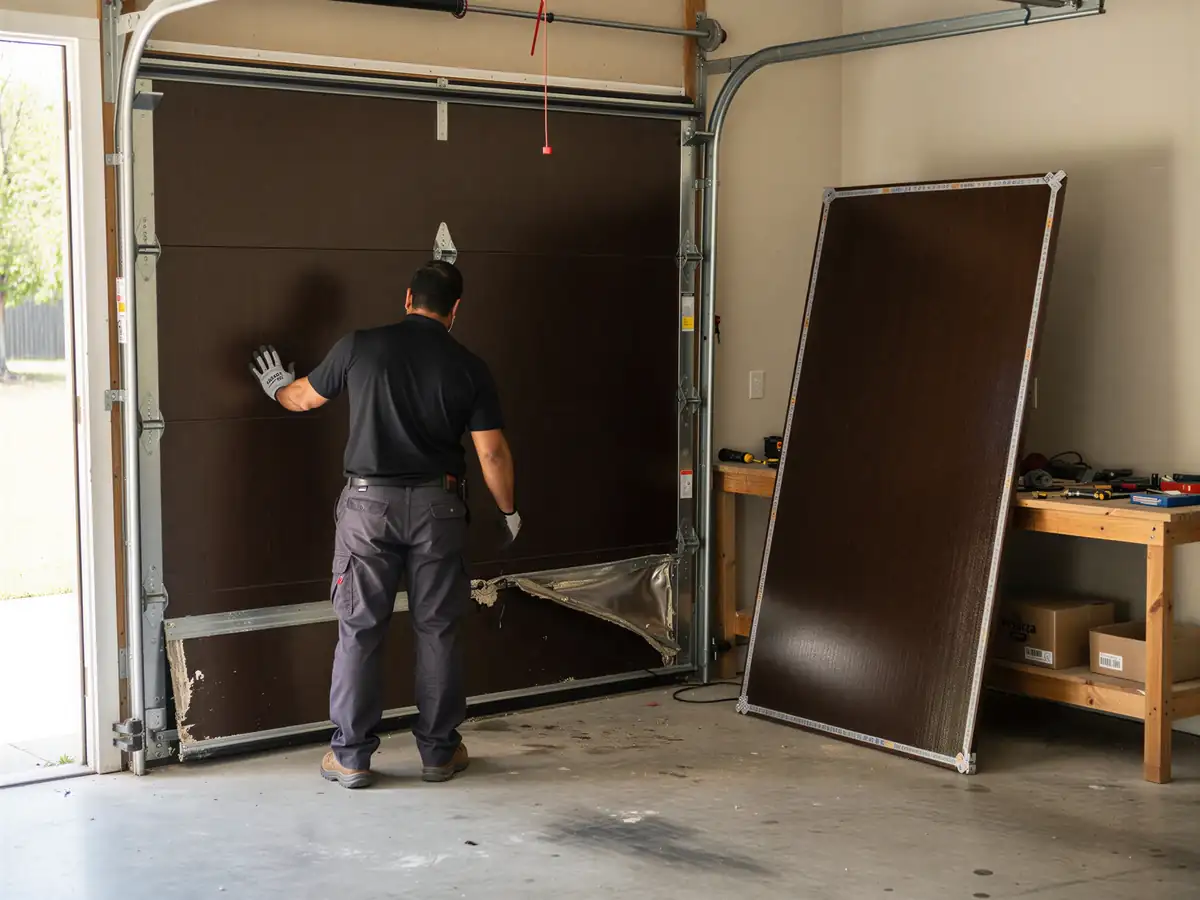
Old Fig Garden households run a median income of $100,833, noticeably higher than the $74,428 median across the wider service area, and that's reflected in what gets replaced here versus patched. We see more full opener upgrades and fewer stopgap fixes on this side of the coverage map, since owners tend to choose the door-and-opener replacement over repeated spring service once a door's original hardware starts failing. We don't post flat prices for extension-spring jobs here because the parts span a wider range - a straightforward double-spring and cable job costs less than sourcing an oversized original-width spring set, and we won't quote either sight-unseen. What we can tell you is that the run from our Clovis location is 7 miles, so travel isn't padding the bill the way it might for farther stops on our coverage list. Ask for the number for your specific door and spring size when we're on site looking at it, not before.