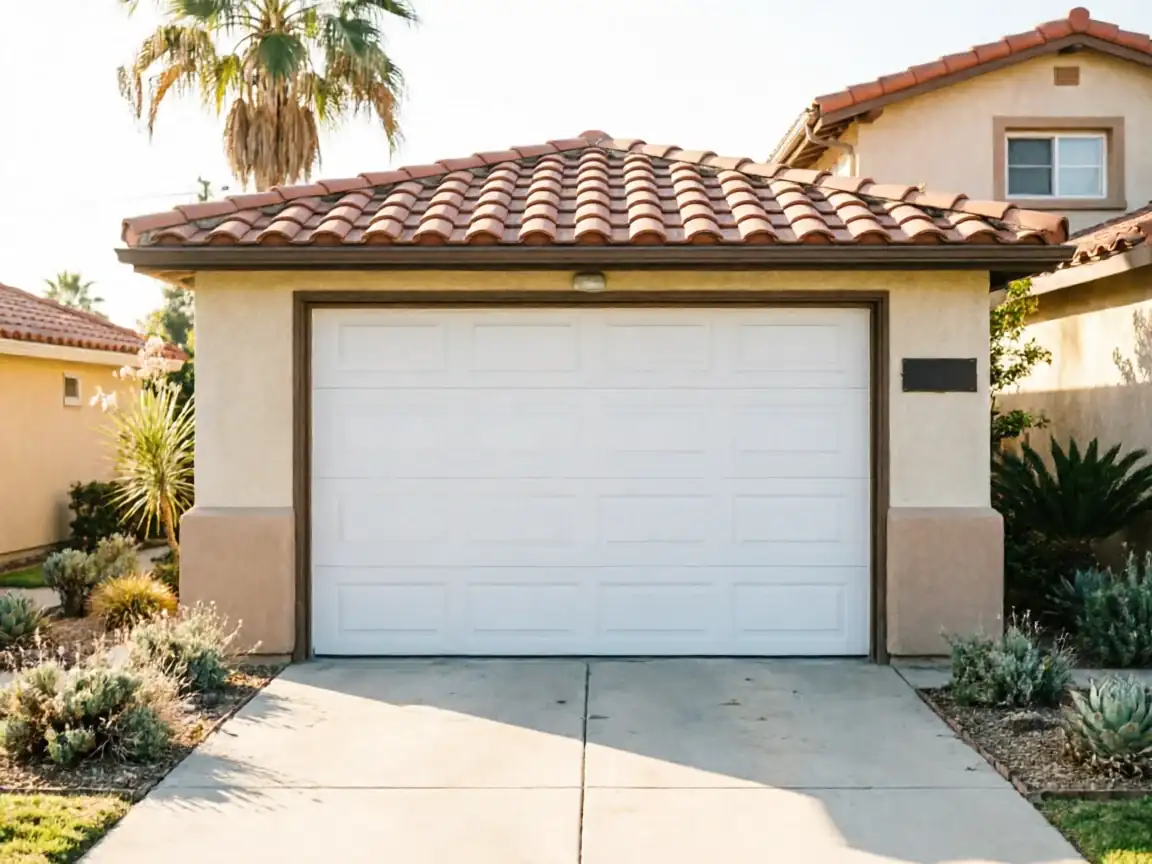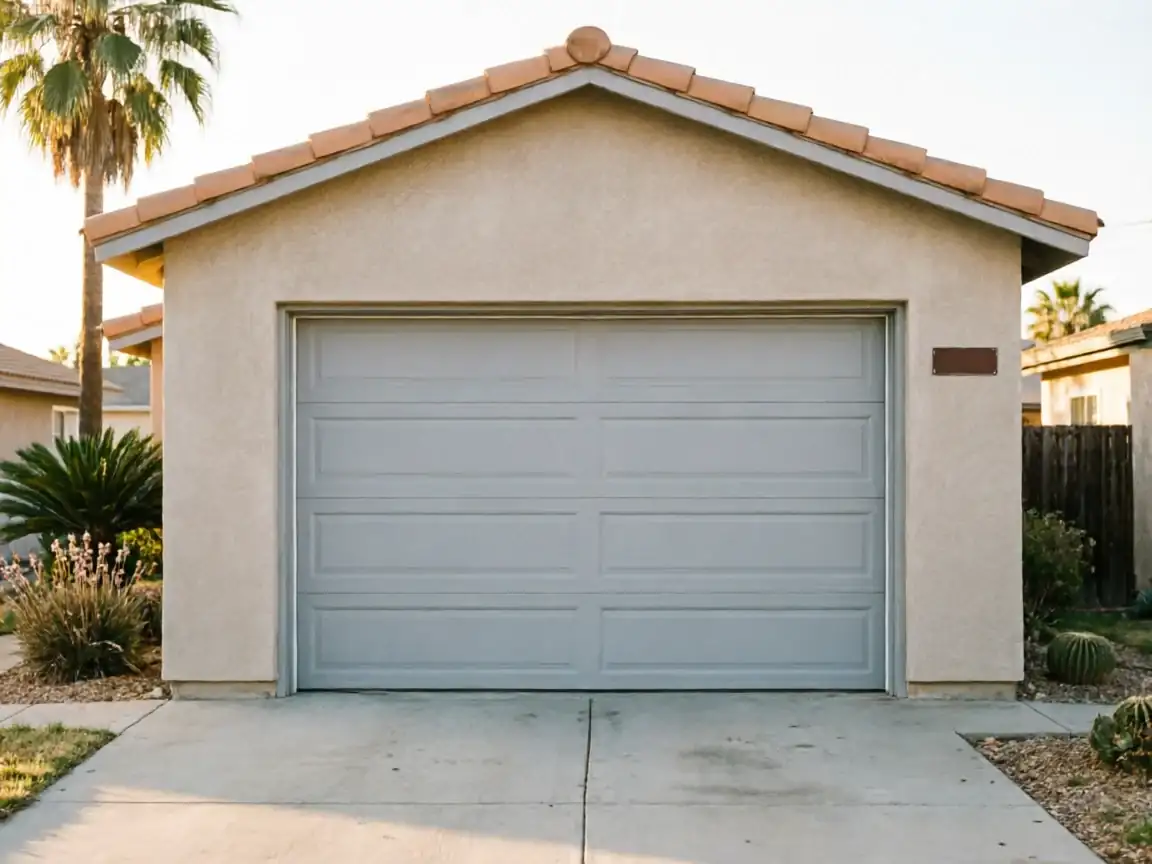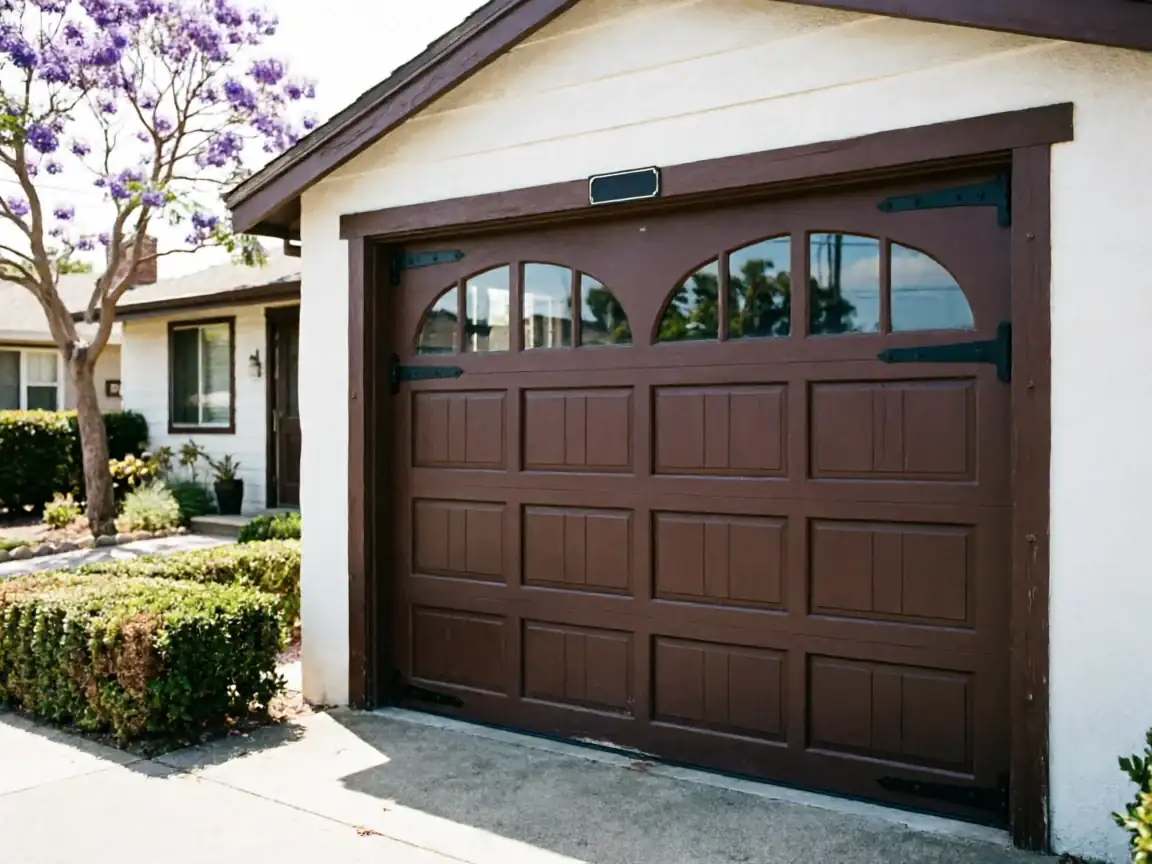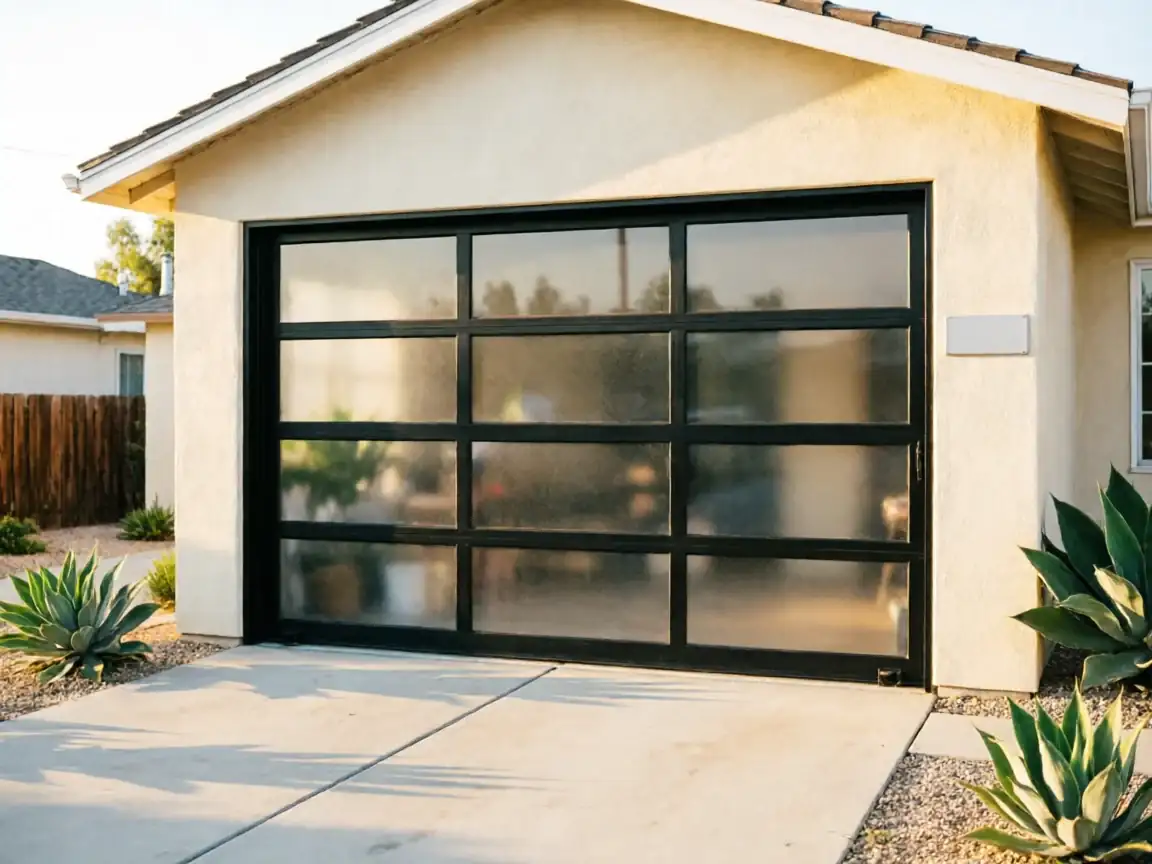
What You Are Seeing
Old Fig Garden has about 1,980 households, which is a small enough footprint that most of the springs and cables we replace here came off doors installed within a few years of each other. That matters because it means the failure you're looking at right now - a cable that's jumped the drum, frayed down to a few strands, or let go entirely and dropped one corner of the door - is probably happening to your neighbor's door too, just a year or two behind yours.
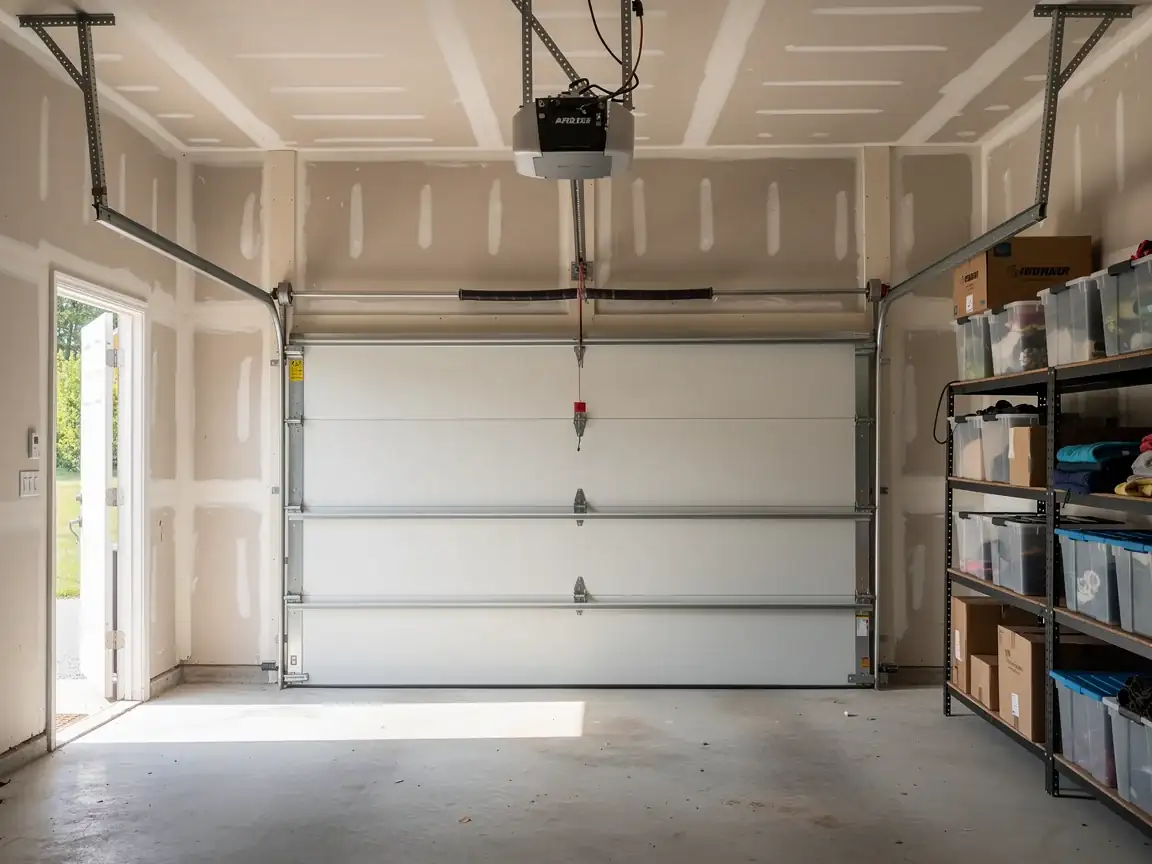
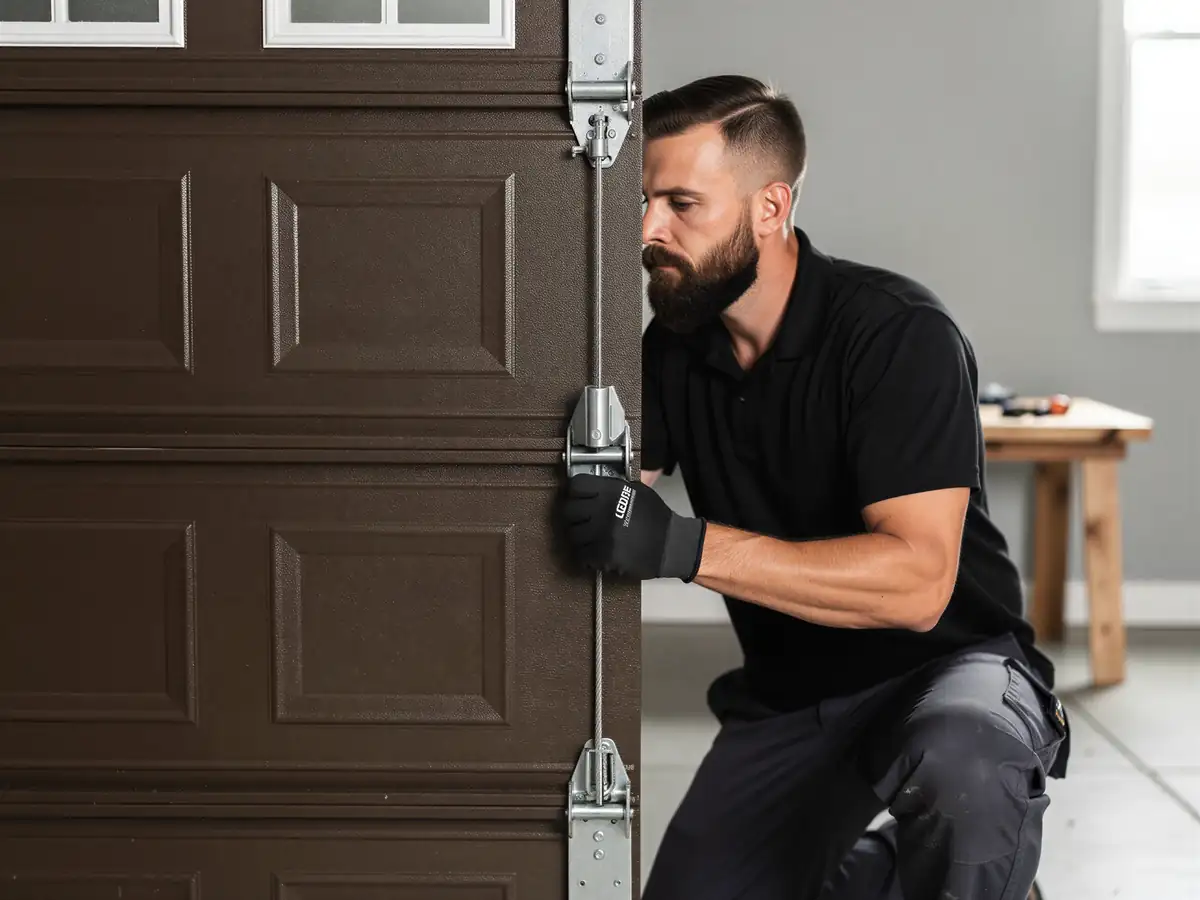
A cable that's slipped off the drum usually still looks intact; the door just sits crooked or won't move. A cable that's actually broken shows visible strands peeling back near the bottom bracket or up at the drum, and the door will drop hard on one side the moment you try to open it. Either way, don't force the opener. Running a motor against a dropped cable twists the track and can bend the bracket, turning a cable job into a bracket-and-track job.
What Causes It Around Here
Homes here cluster around a 1956 median build year, a generation older than the 1982 median across the wider service area. That age gap shows up in the hardware: older cable drums and stationary pulley setups that newer doors in the service area don't use anymore. Those drums wear cables at a different point than modern extension-spring hardware does, so the fraying pattern we see on an Old Fig Garden call often looks different from what we'd find on a 1990s door across town.
Summers here fall in the severe heat band, and that heat dries out galvanized cable lubricant faster than it would in a milder climate, which is why fraying shows up at the drum end first rather than down at the bottom roller. Combine 60-plus-year-old hardware with repeated heat cycles and the cable's working life just runs shorter than the rest of the door assembly.
What the Repair Takes
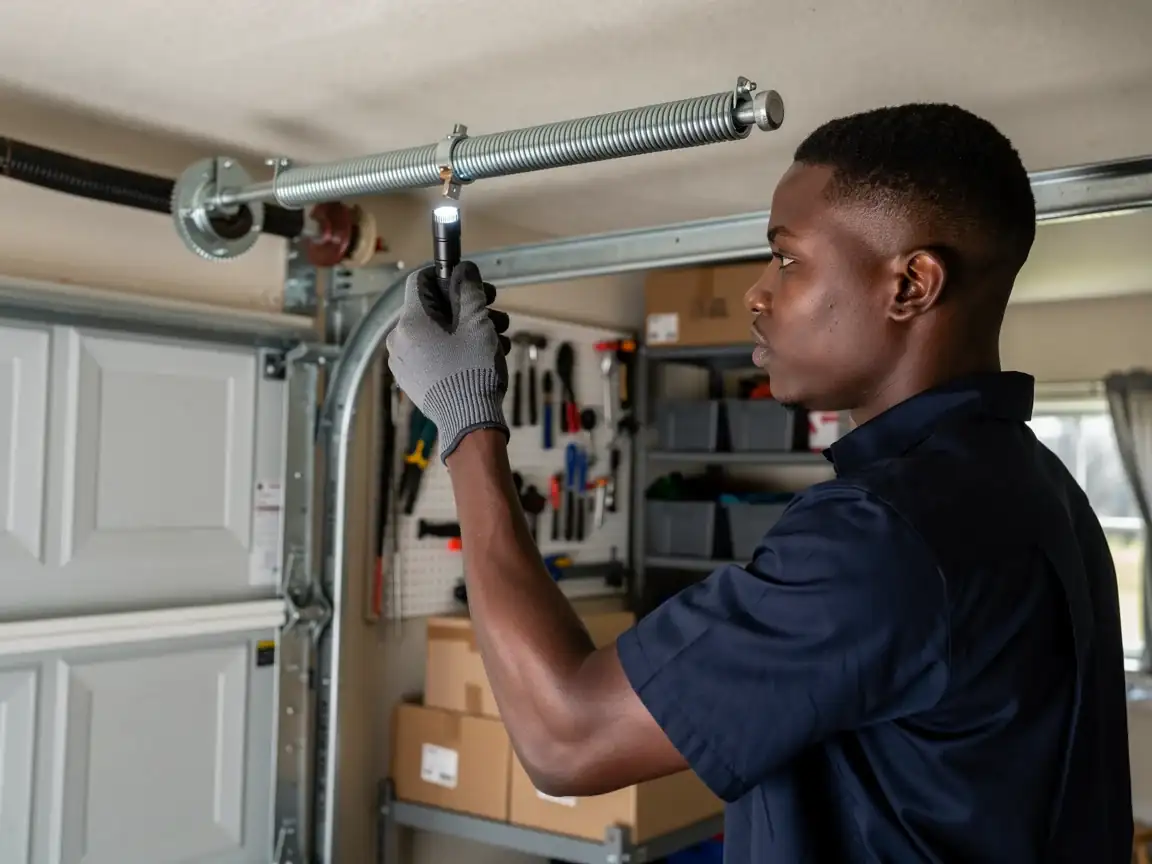
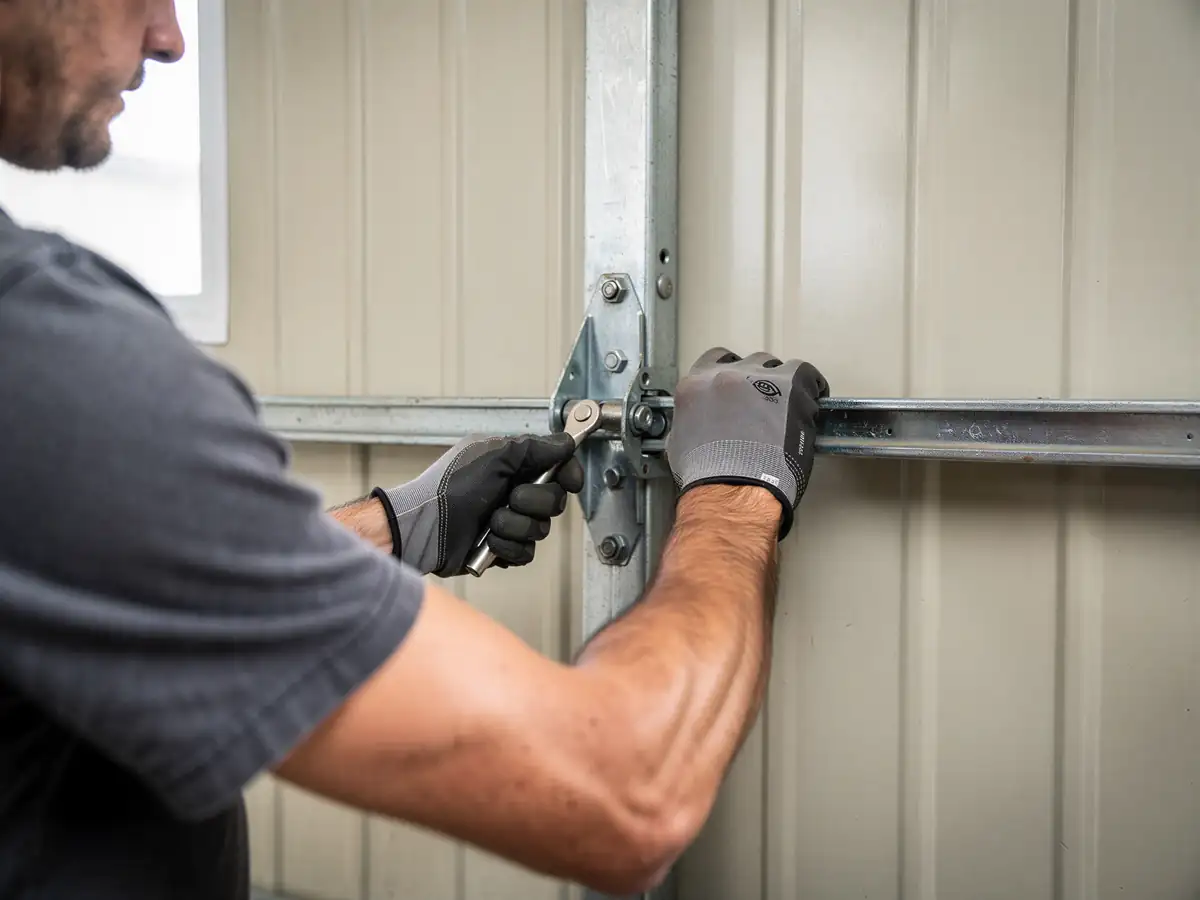
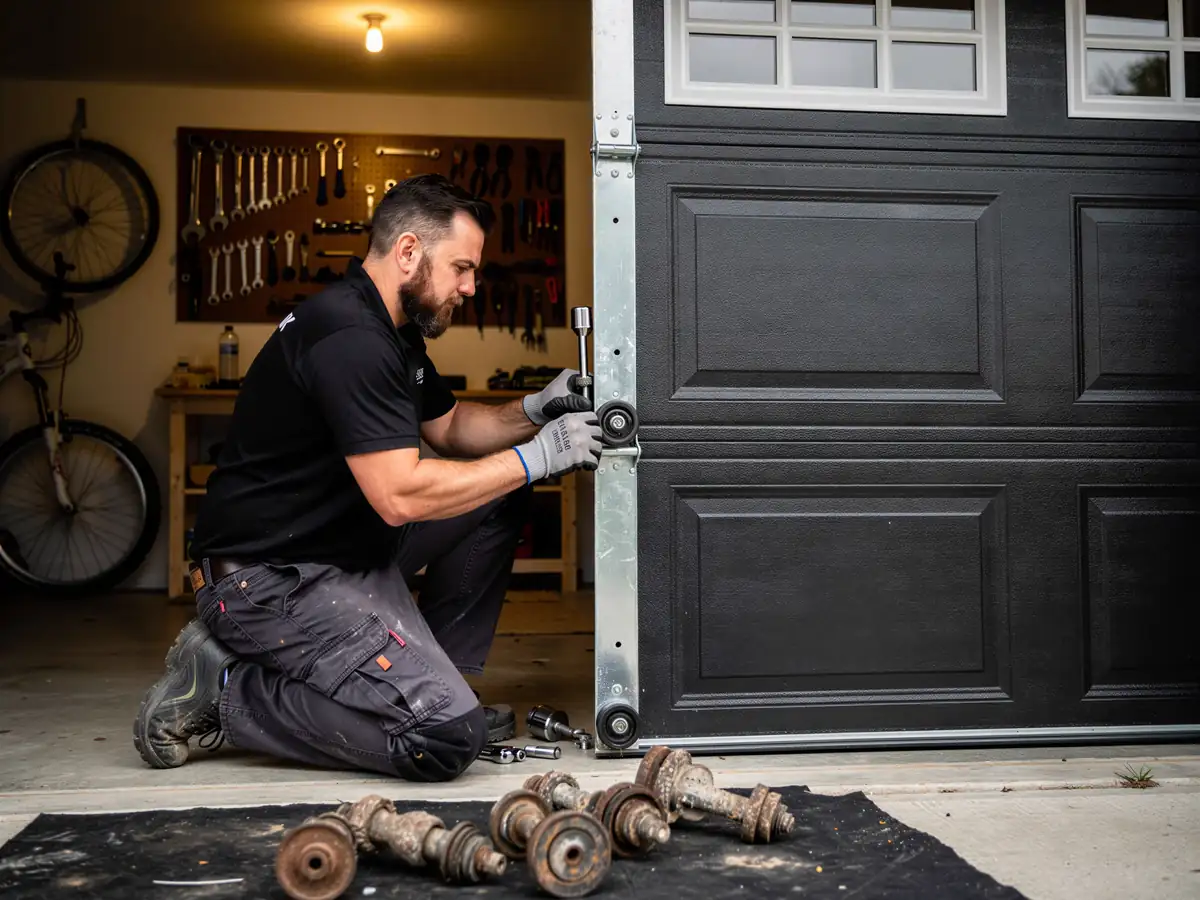
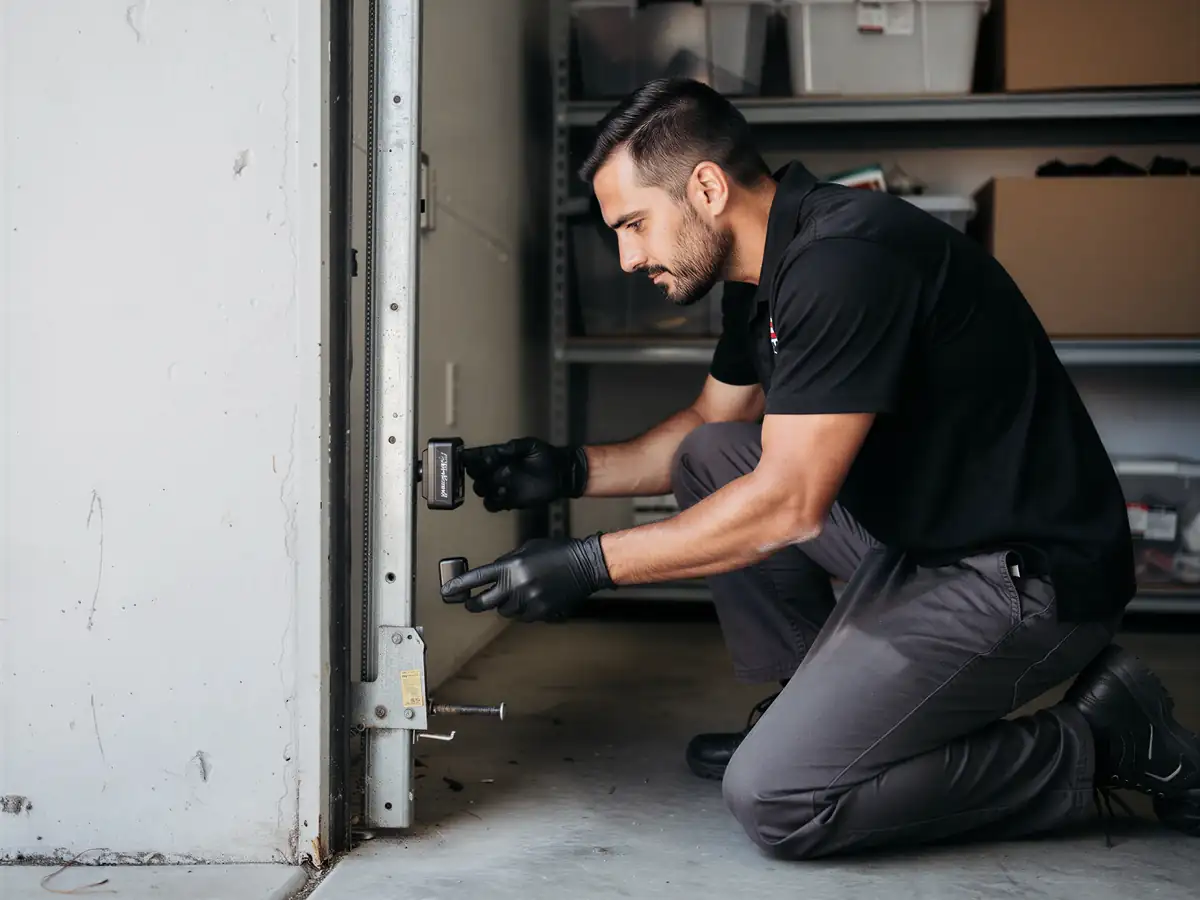
A straightforward cable replacement means releasing spring tension safely, pulling both old cables, and running new ones sized to the drum and door weight
We always do both cables together, even if only one broke, since the other is the same age and under the same wear. On the older drum-and-pulley setups common to this area's 1956-era housing, we sometimes find the drum itself worn enough that a cable alone won't hold; that's a part we replace rather than patch, since a worn drum will just cut the next cable too.
Here's the honest limit
If the track is bent or the bottom bracket has pulled away from the panel, cable work alone won't fix the door, and we'll tell you that on site rather than charge you for a cable that won't solve the real problem. At seven miles from our Clovis shop, Old Fig Garden is close enough that a cable swap doesn't turn into a half-day trip, but we still bring the stock for older hardware since big-box parts bins mostly carry current drum sizes.
What You Pay
With a median household income of $100,833, more owners in Old Fig Garden ask us for a full cable-and-drum replacement on both sides rather than a one-side patch, figuring they'd rather handle the matching side now than get a second call in a year. We don't carry a published flat rate here since the part needed depends on whether it's cable only or cable-plus-drum, and that's something we can only confirm once we're looking at the actual hardware on your door.
Across the broader service area the household income runs closer to $74,428, and we mention that only because it's part of why pricing conversations differ town to town - what a reasonable repair-versus-replace call looks like for one household isn't automatic for another. We'll always give you the number before we start, not after.