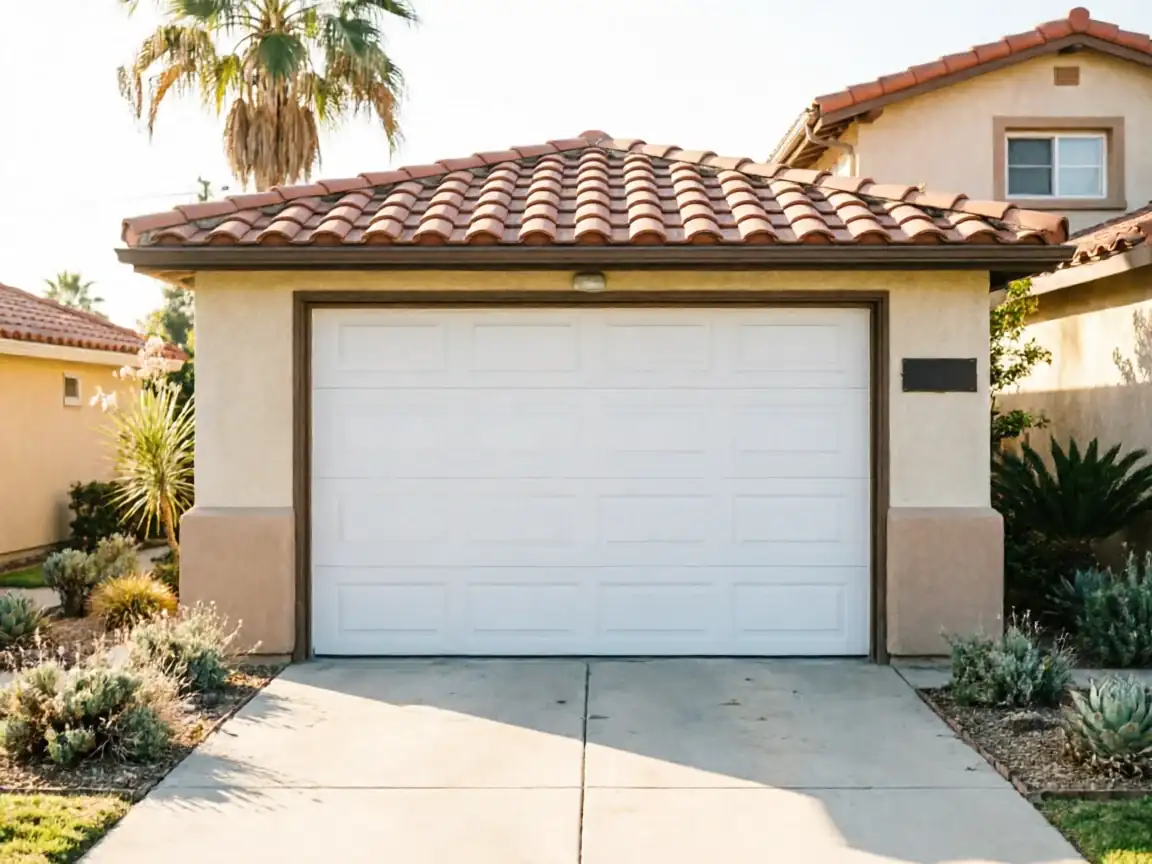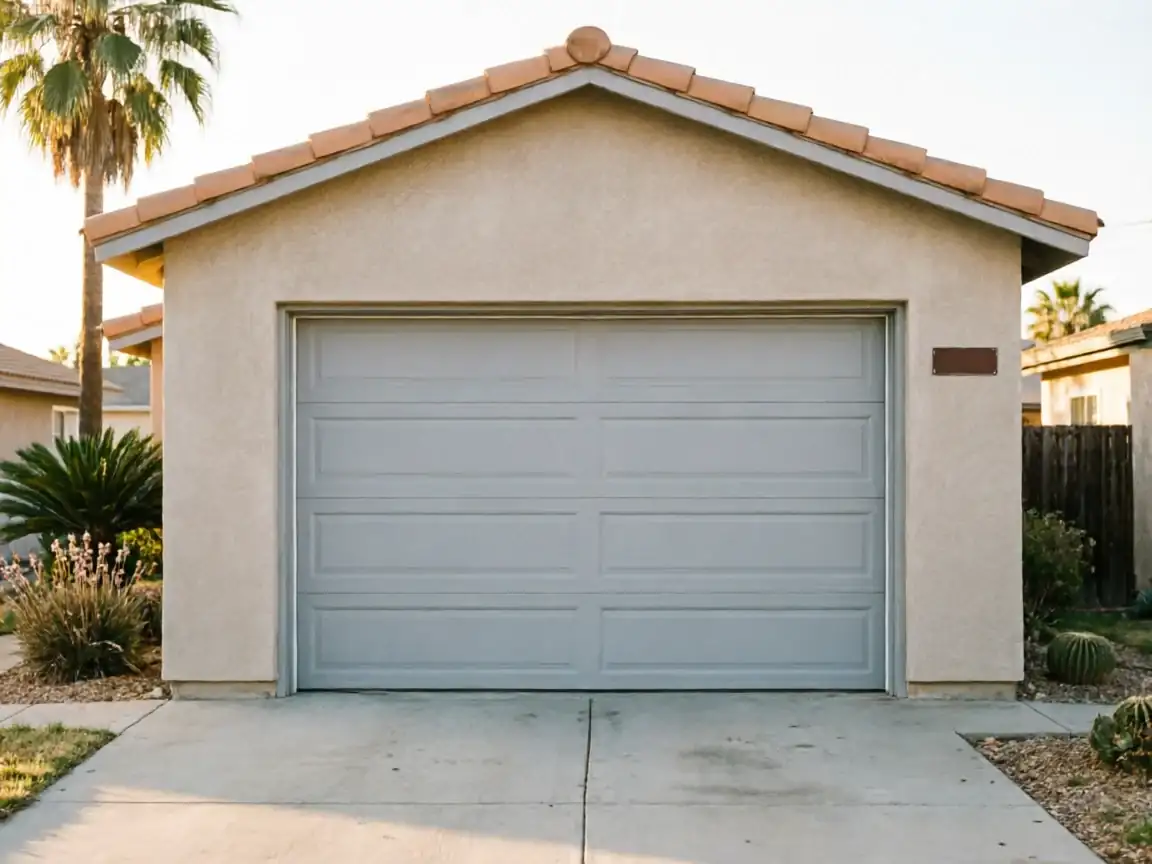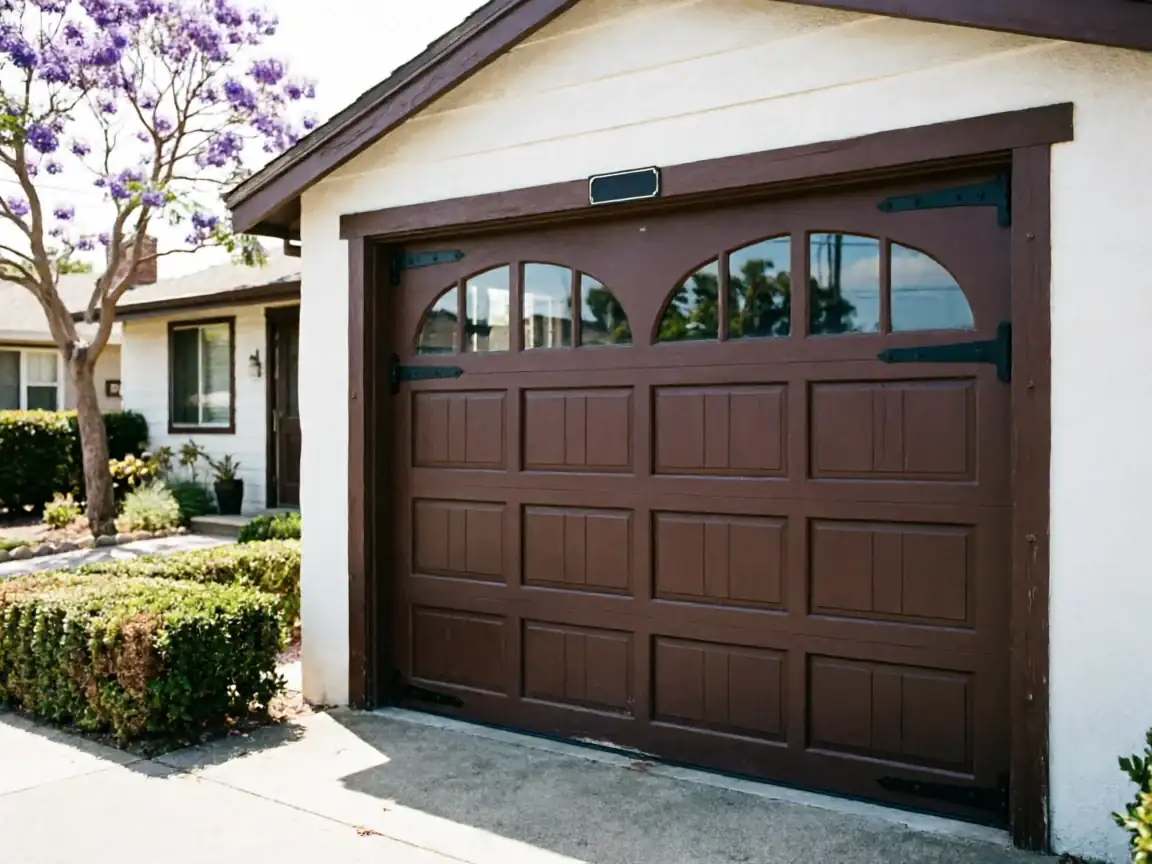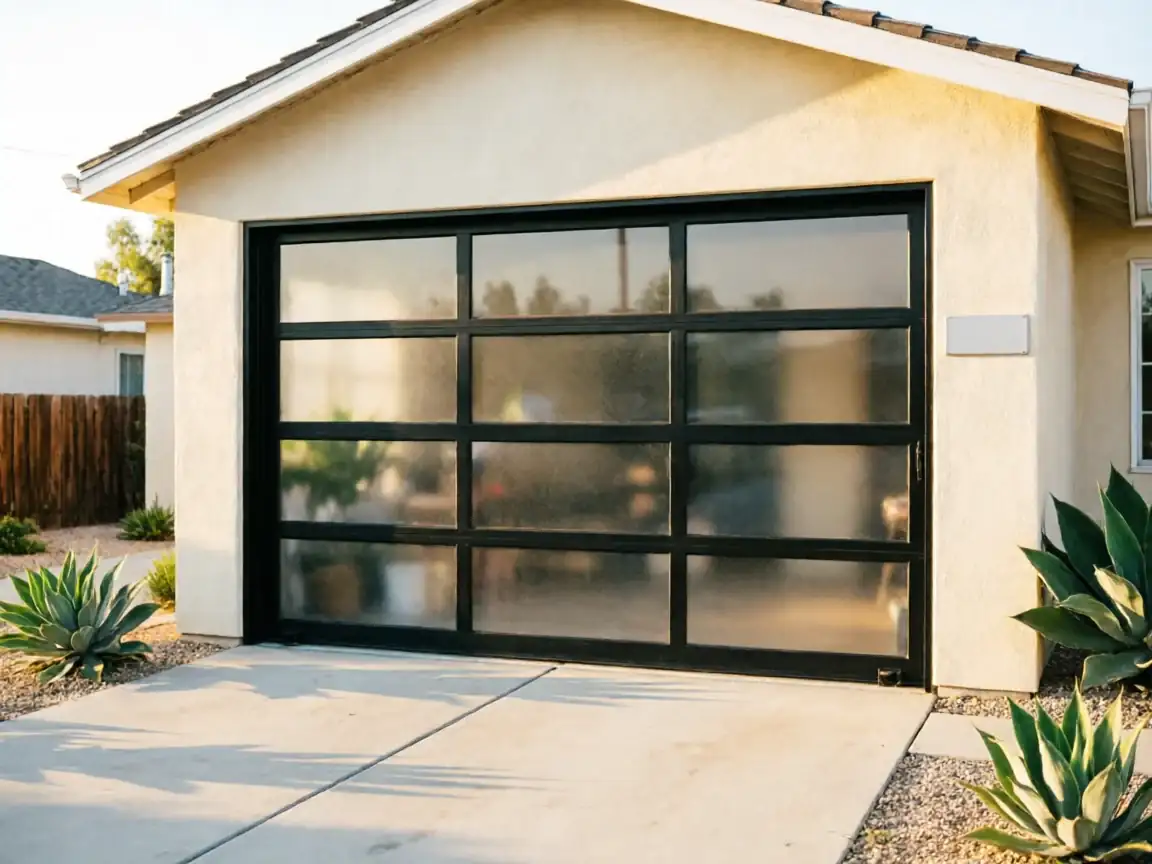
What You Are Seeing
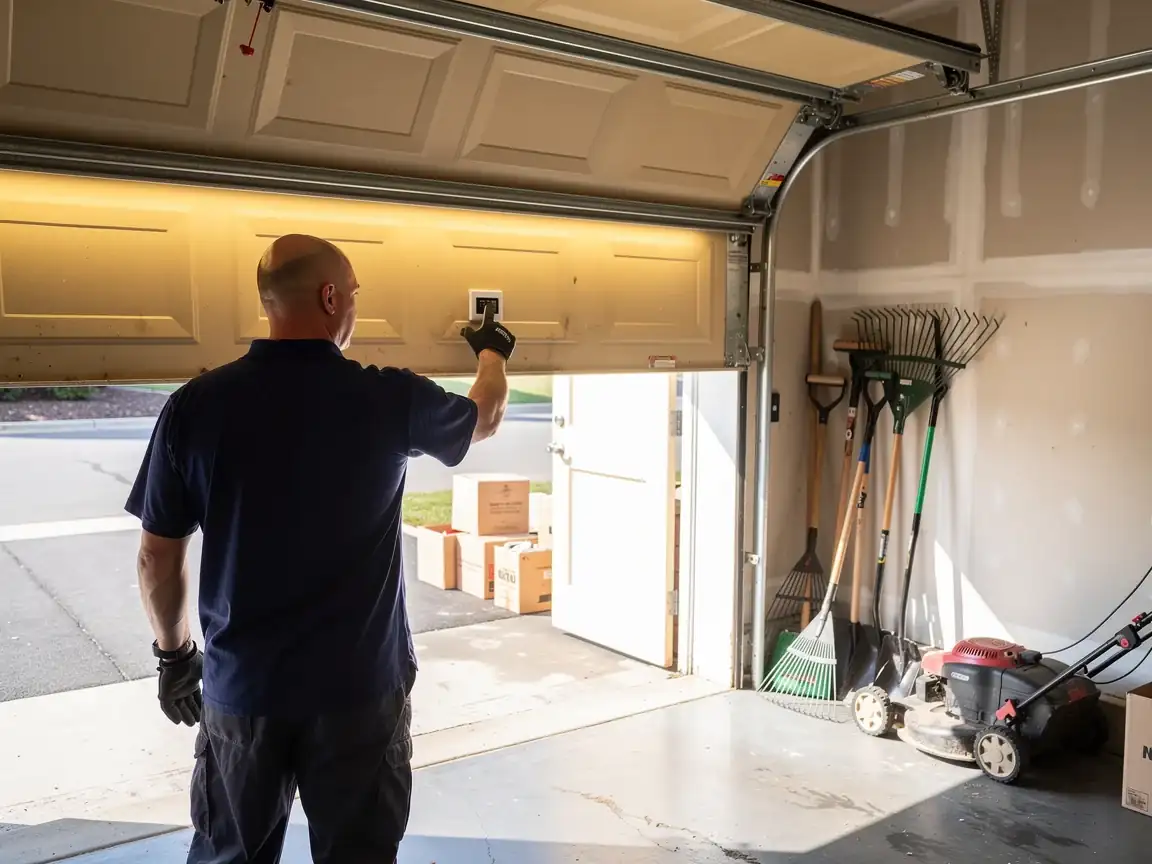
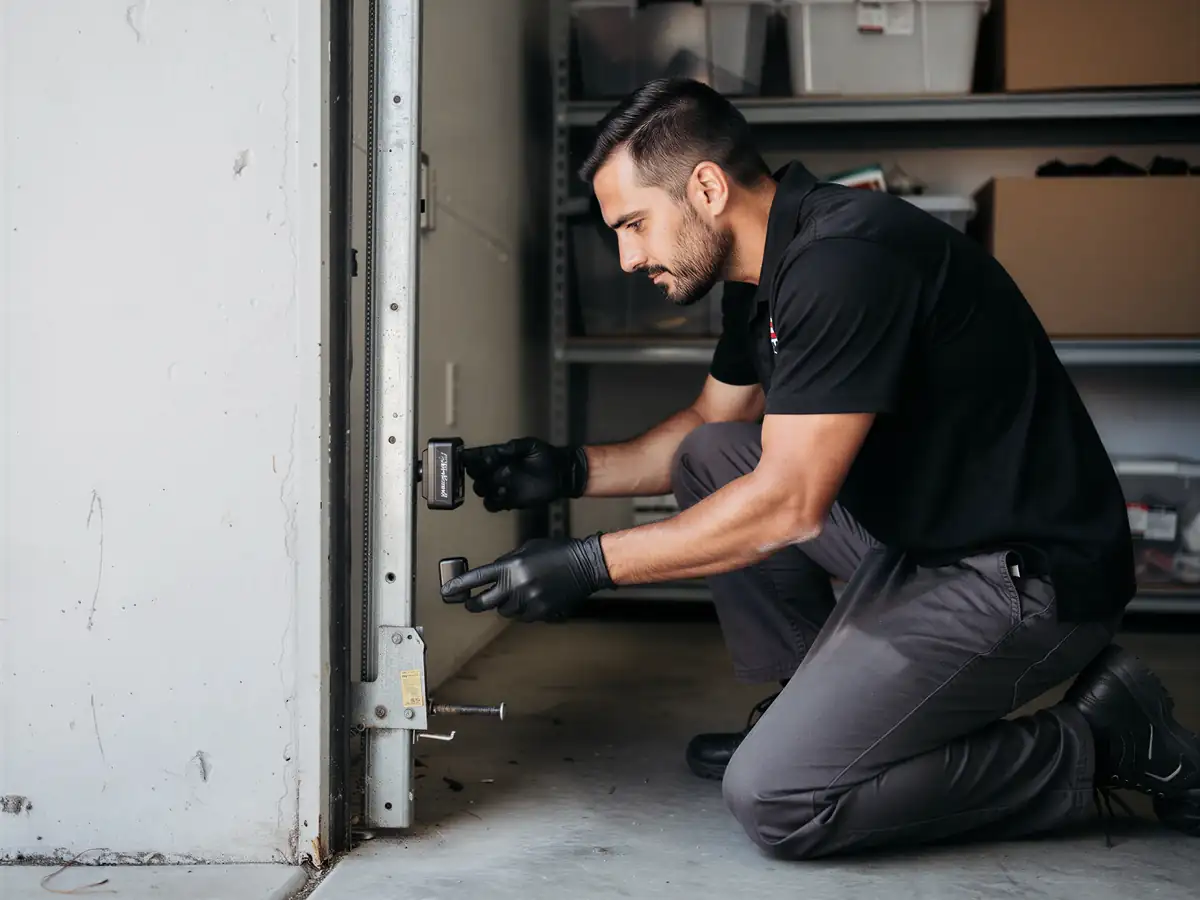
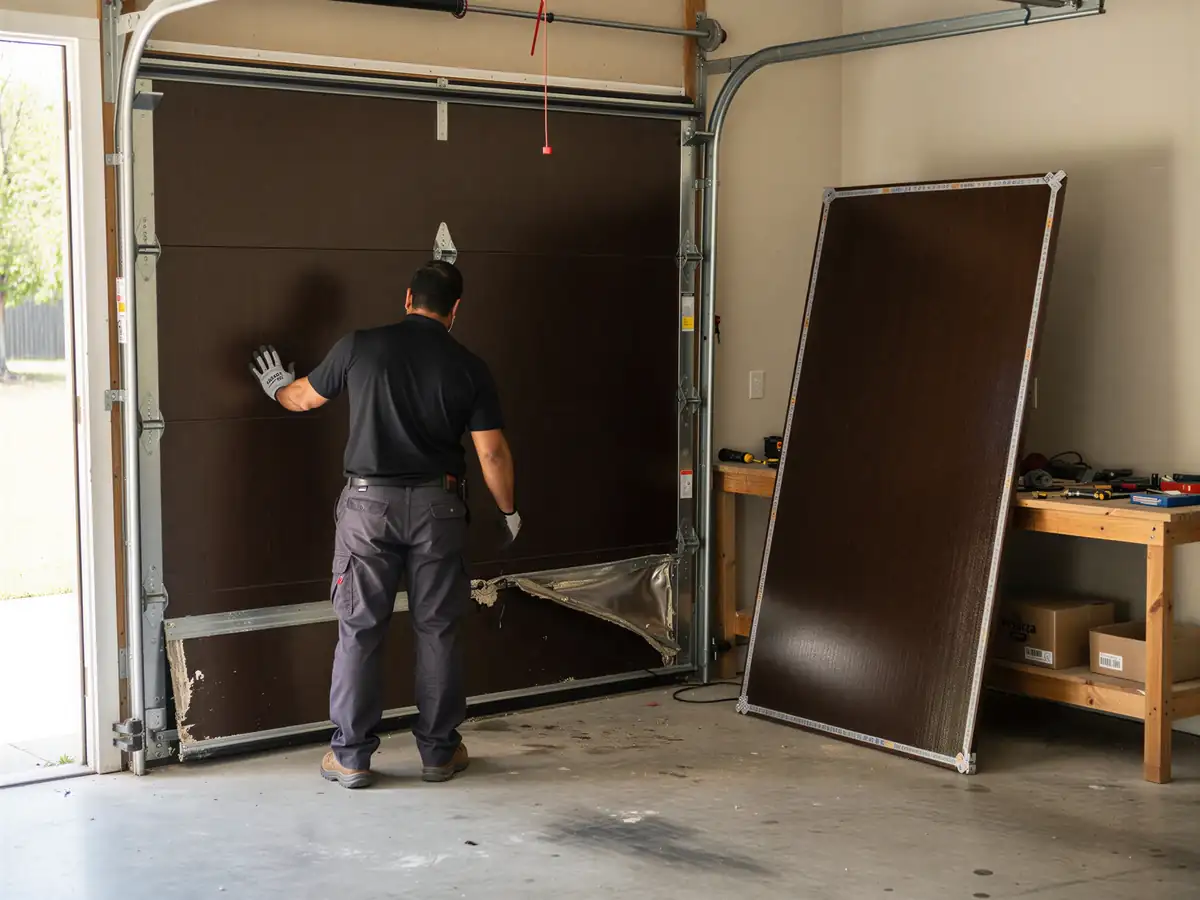
The fault we see most in Old Fig Garden is a dented or buckled bottom panel that's pulled a section of track with it, or a middle panel gone soft and bowed from years of sun. On a door this old, the panel doesn't fail alone - it takes the roller bracket or a stile with it, and that's the part homeowners miss until the door starts binding on the way up.
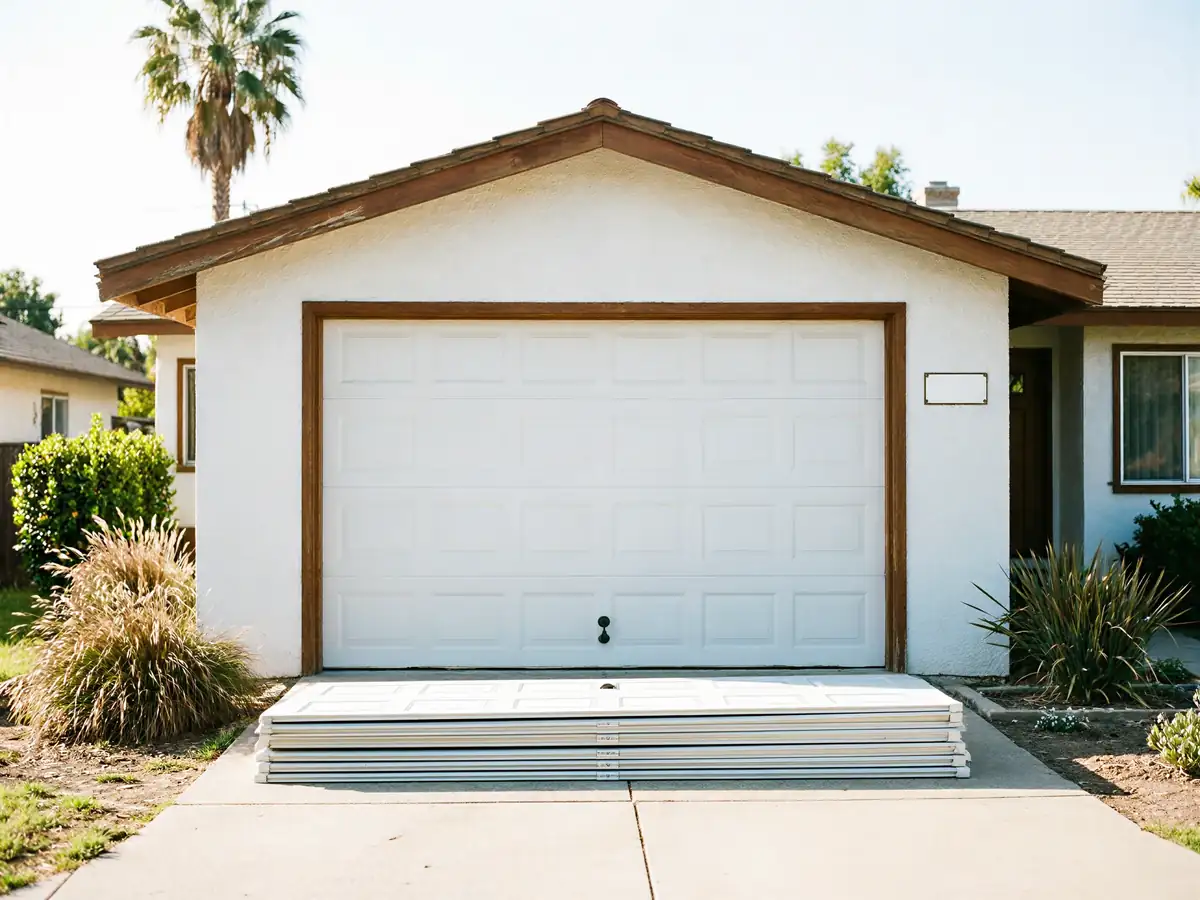
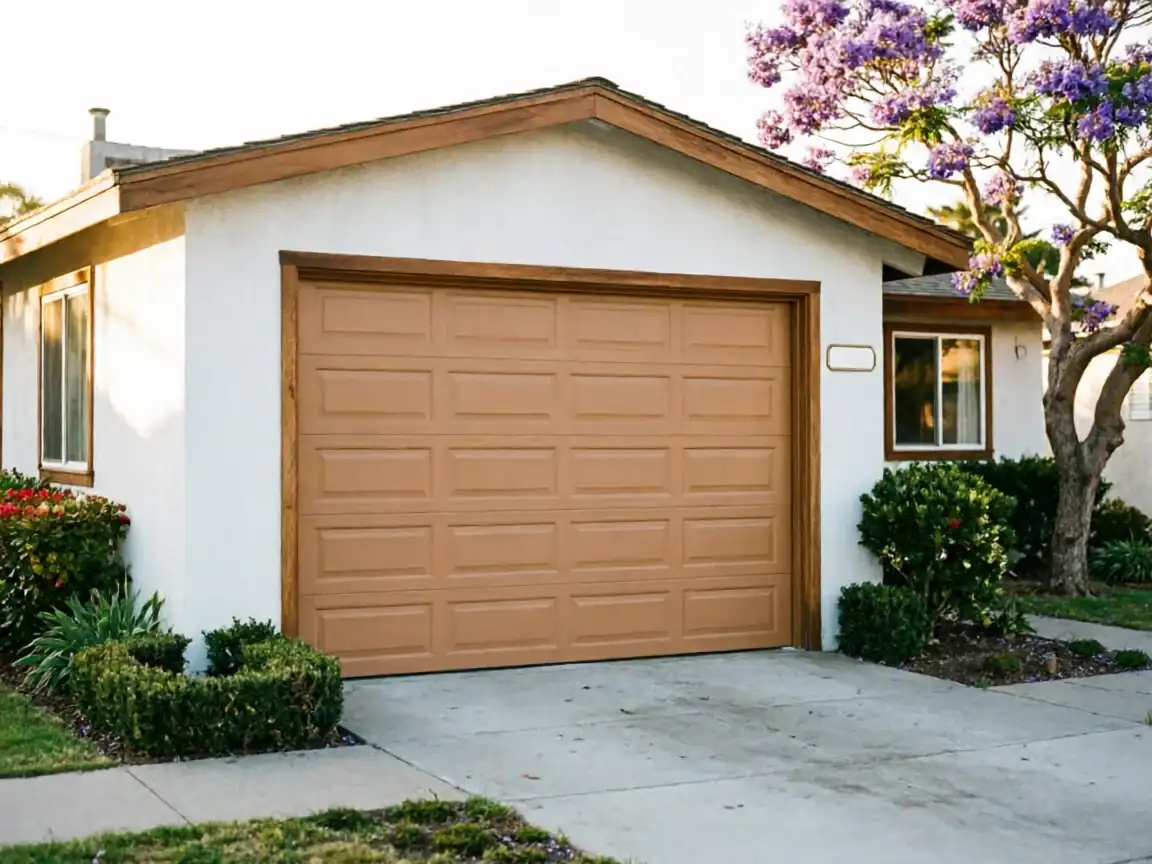
Old Fig Garden's median year built is 1956, well ahead of most of the Clovis service area, where the typical house went up closer to 1982. A door installed when this neighborhood was built, or even a mid-life replacement from the 1970s or 80s, is running steel or wood panel sections in dimensions and gauges that newer stock doesn't match. You can't walk into a big box store and grab a replacement panel that bolts straight onto a door from that era - the section height, the hinge spacing, and sometimes the stile width are all off from what's sold today.
That mismatch is the actual job here: finding or fabricating a panel that fits hardware this old without tearing out a perfectly good door just because one section is wrecked.
What Causes It Around Here
Heat is the other half of the story. This area sits in a severe heat climate band, and steel panels that have spent close to seven decades expanding and contracting in that heat develop stress points - usually along the seams and at the hinge bolts - long before a dent or an impact ever touches them. A panel that looks fine from the driveway can be thin and flexing at the hinge line, and that's where the next ding turns into a hole instead of a scuff.
Wood panels from this era have their own failure: decades of heat cycling dries and cracks the face veneer, and once water gets behind it, the panel delaminates from the inside. You often don't see it until you press on it and it gives.
We're driving in from Clovis, about 7 miles out, so we see this pattern across the whole stretch of older 1950s-60s stock on this side of the service area, not just one house. It's consistent enough that when a panel call comes in from Old Fig Garden, we already know roughly what hardware era we're walking into before we open the truck.
What the Repair Takes
First step is matching the panel, not just measuring the opening
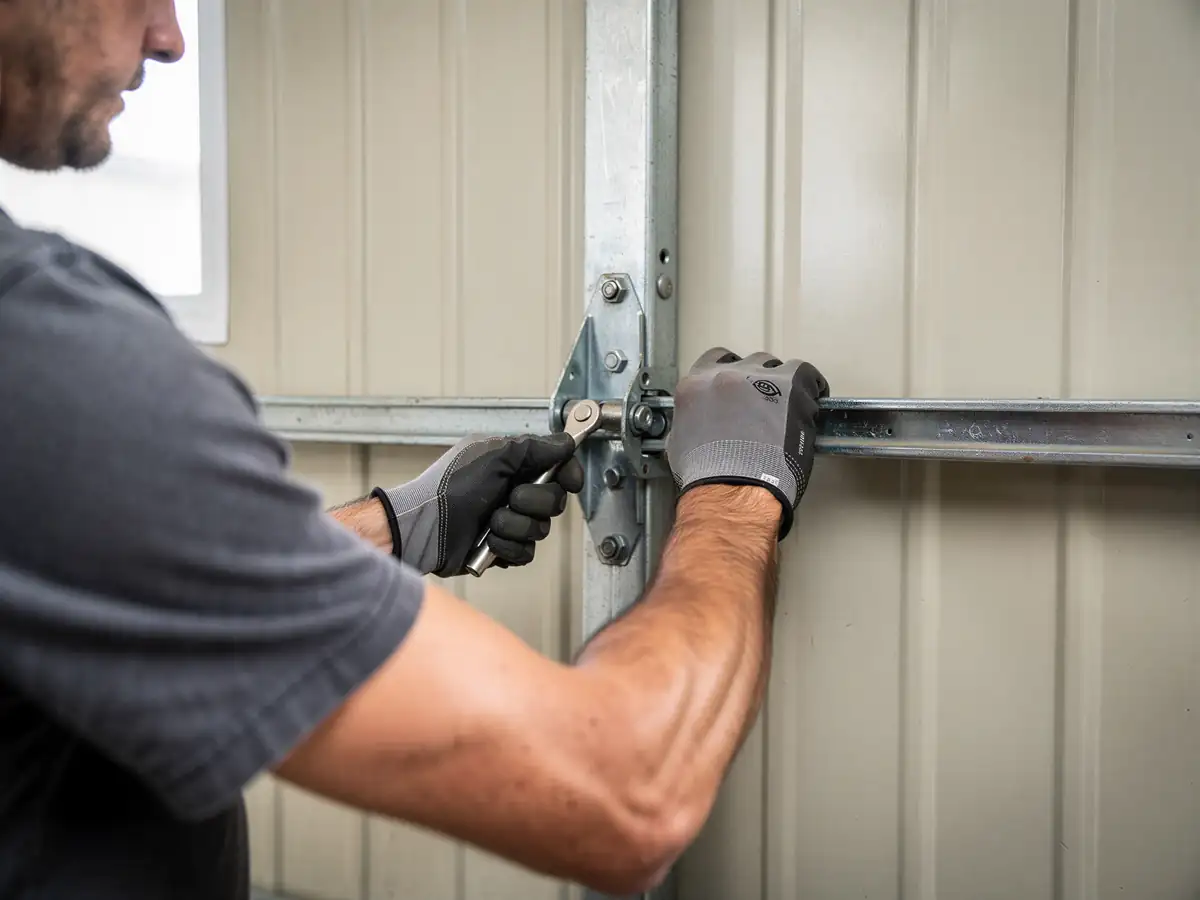
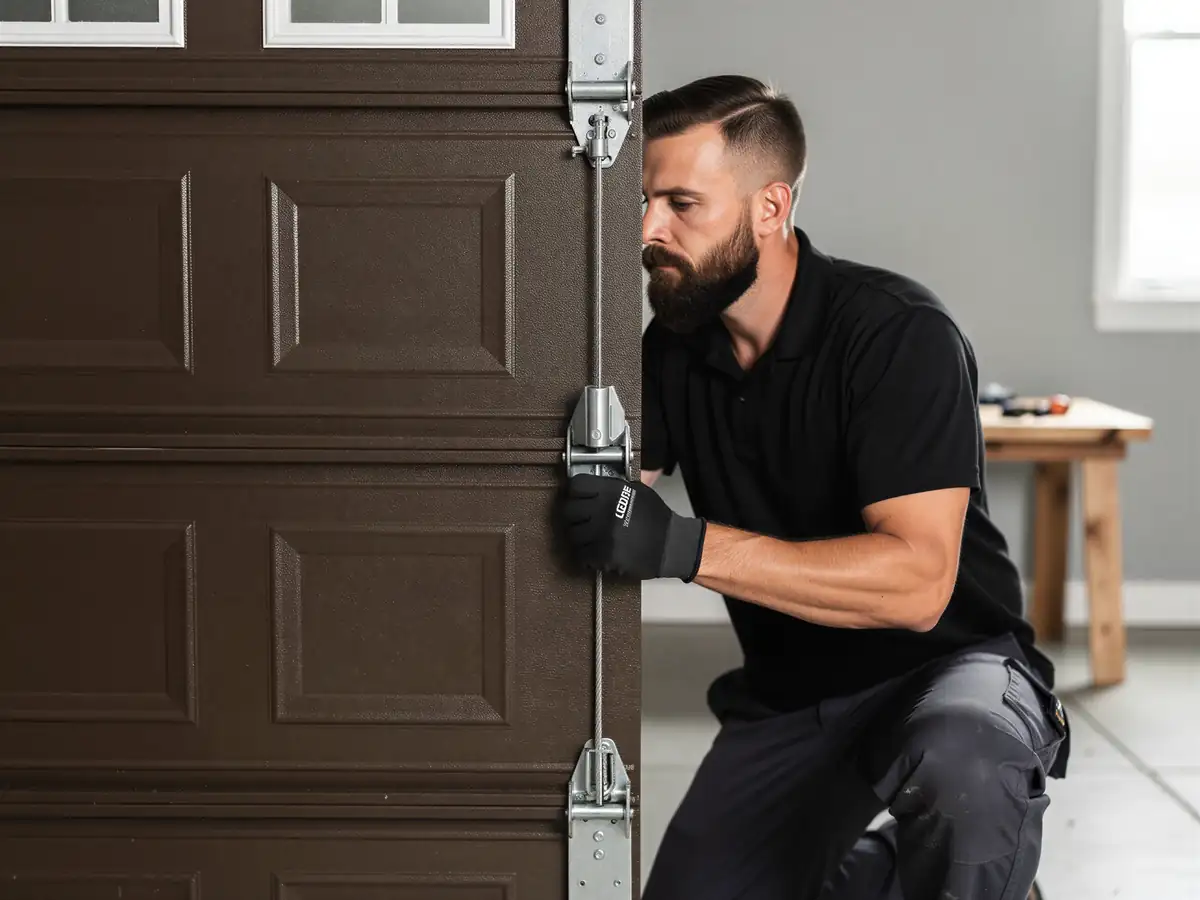
On a door built around 1956, we're checking stile width, section height, and whether the hinge pattern is a style still in production or something we need to source as an older match. Sometimes that means a close equivalent panel that we trim and re-drill to the existing hinge spacing rather than a factory-exact replacement - original parts for doors this old aren't stocked by anyone, Clovis Garage Door Pros included.
Second is the hardware around the bad panel
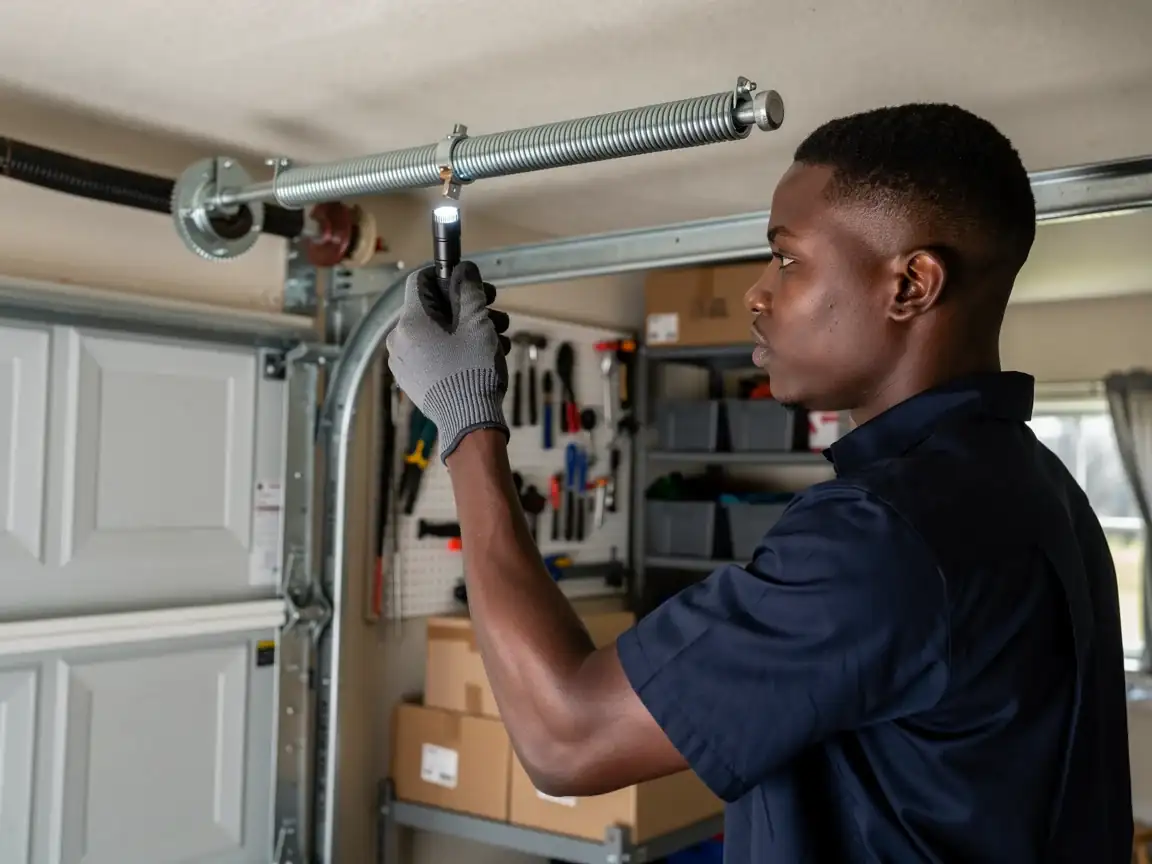
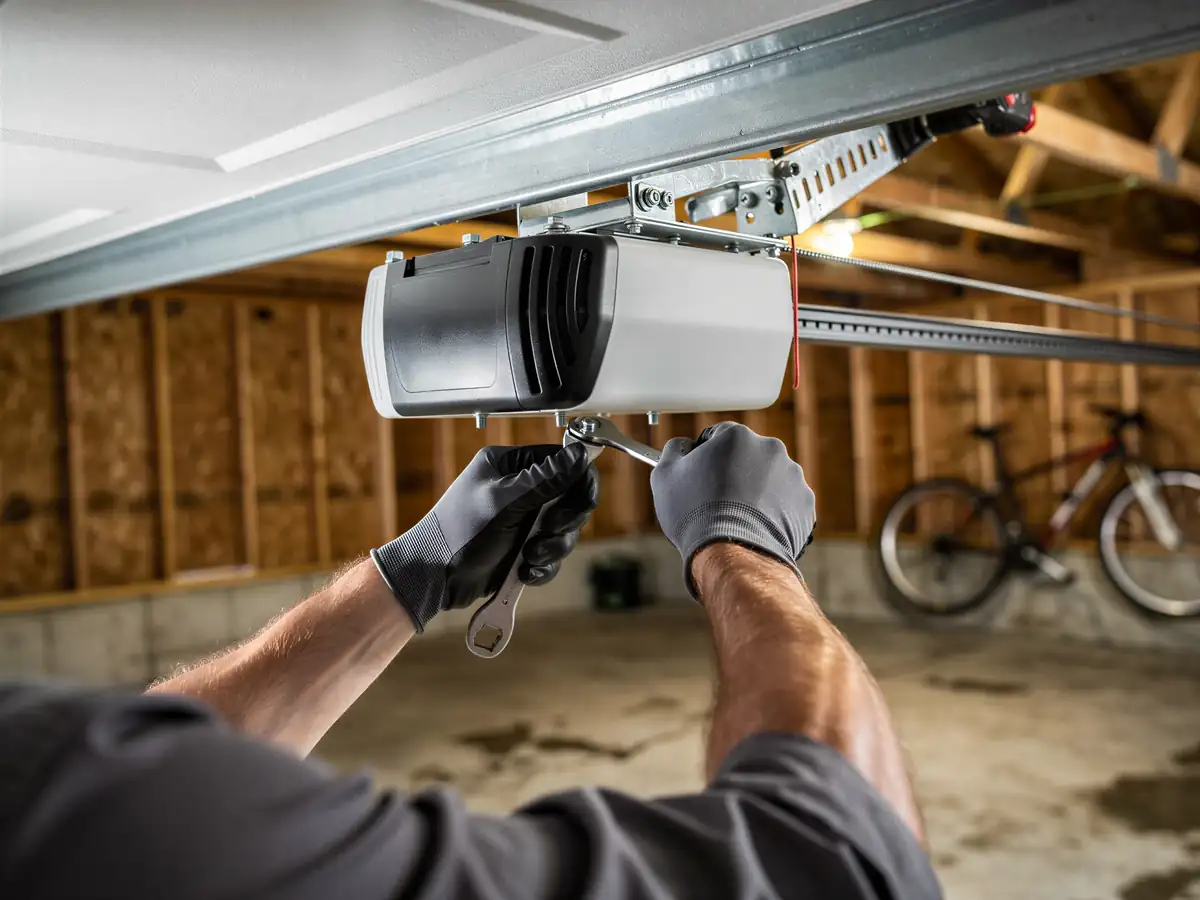
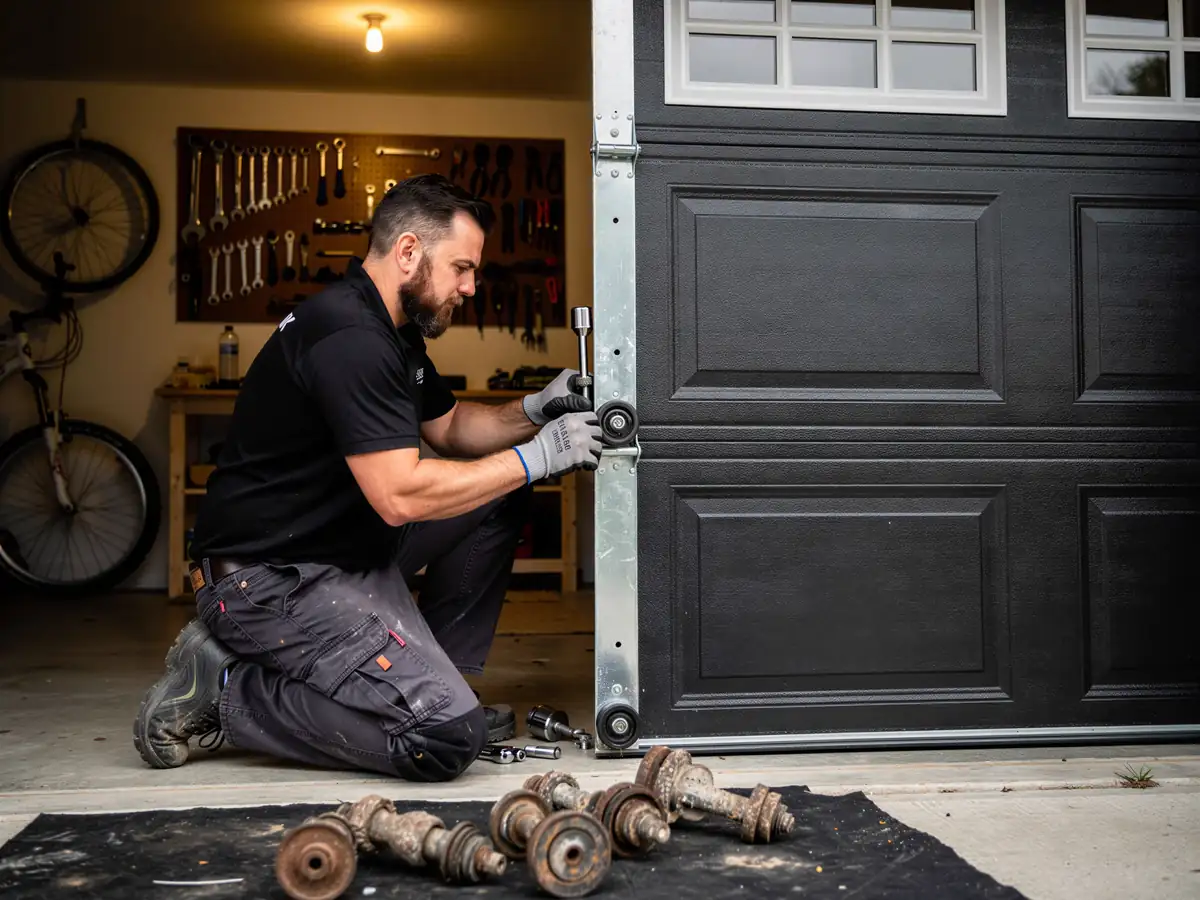
If a hinge or roller bracket has been bent by the same impact that took out the panel, that gets replaced too, not just straightened - bent steel that's been forced back into shape fails again, usually within the year.
The honest limit here
If two or more panels on the same door are cracked, warped, or badly rusted, we'll tell you straight that panel-by-panel replacement stops making sense. At that point you're paying section prices that add up to more than a full door, and we'd rather say that upfront than sell you three panel jobs over two years.
What You Pay
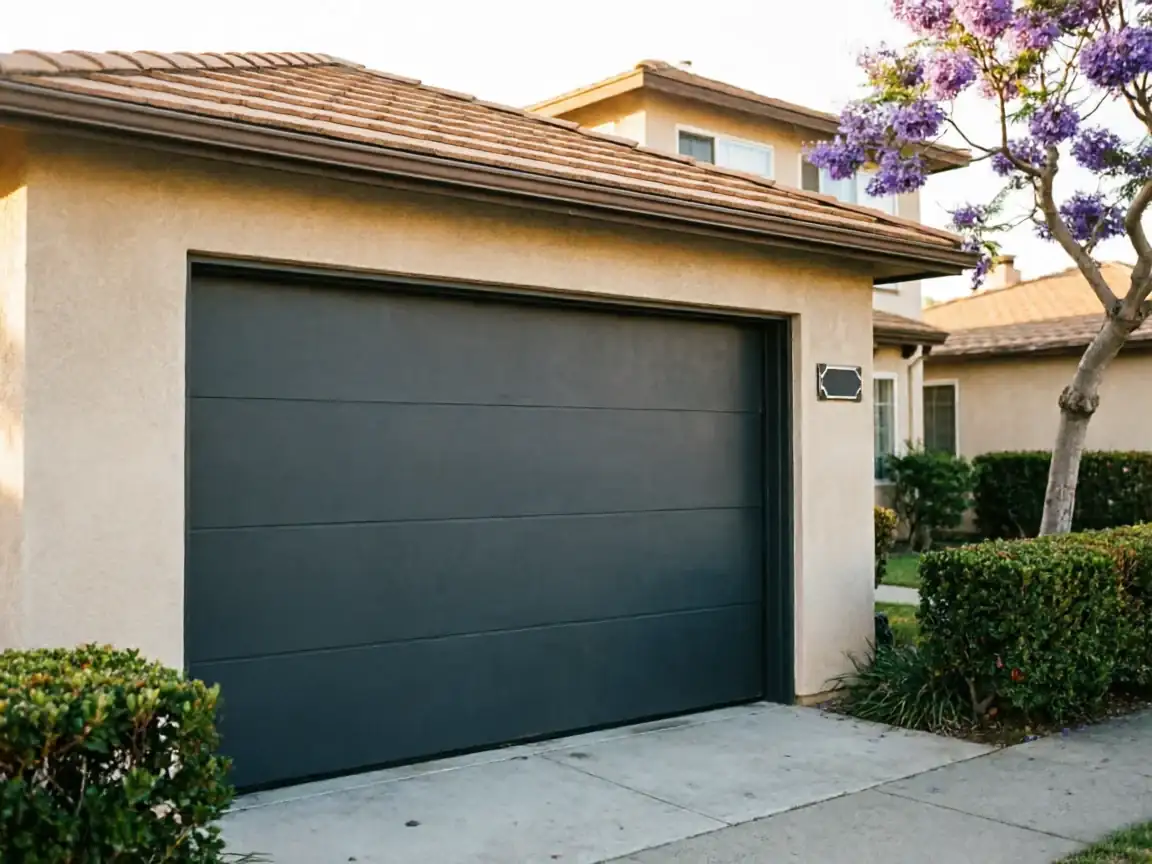
Old Fig Garden households run a median income of $100,833, noticeably higher than the broader service area's $74,428, but that gap doesn't change what a panel costs - it changes what gets asked for. We see more requests here for a matched, factory-grade panel finish rather than the cheapest compatible fill-in, since the door is often visible from the street on a lot with mature landscaping.
With 1,980 households in Old Fig Garden against roughly 15,223 owner-occupied houses across the full service area, this isn't a huge volume of door stock, so panel sourcing for the 1956-era doors here is case-by-case rather than something we keep shelved. That adds a small amount of lead time versus a panel for a 1980s door, where parts are common.
We don't quote a flat panel price on this page since it depends on whether your hardware is a standard match or needs a cut-to-fit section - that gets priced after we've seen the door and the hinge pattern in person.