What You Are Seeing
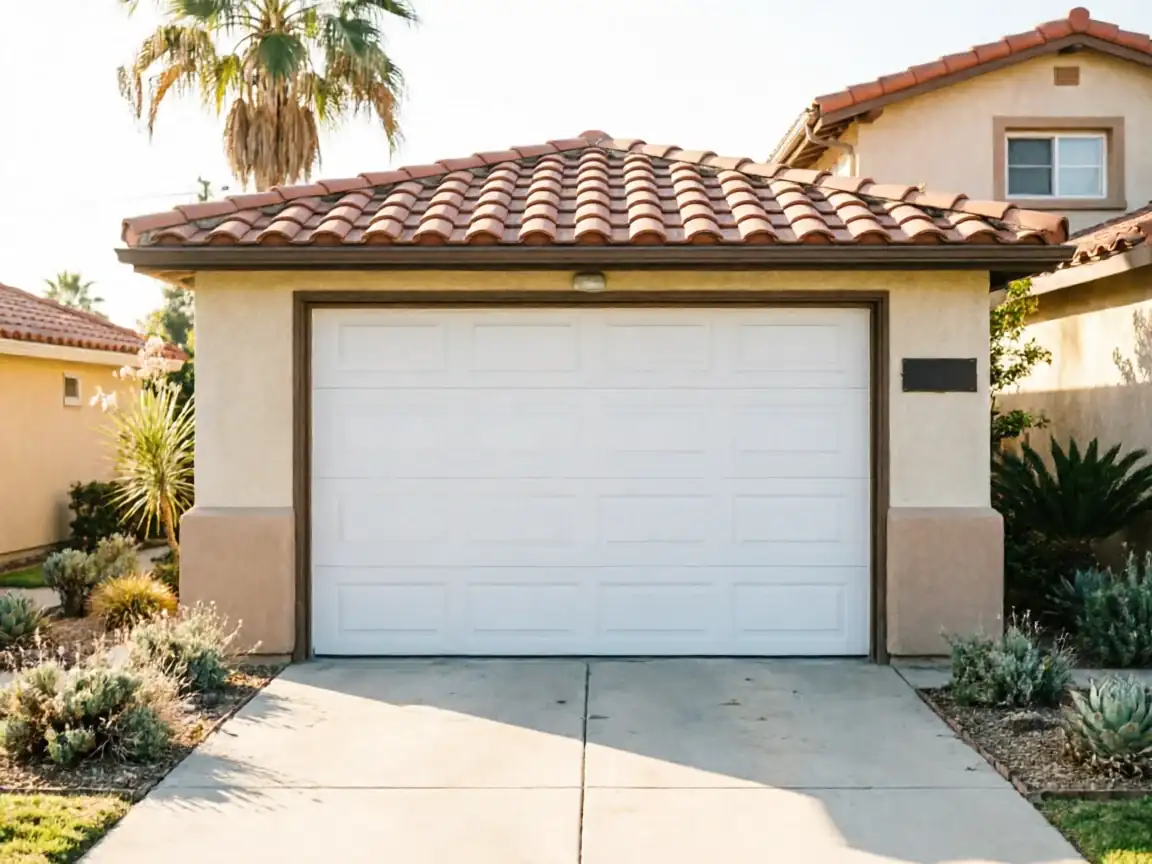
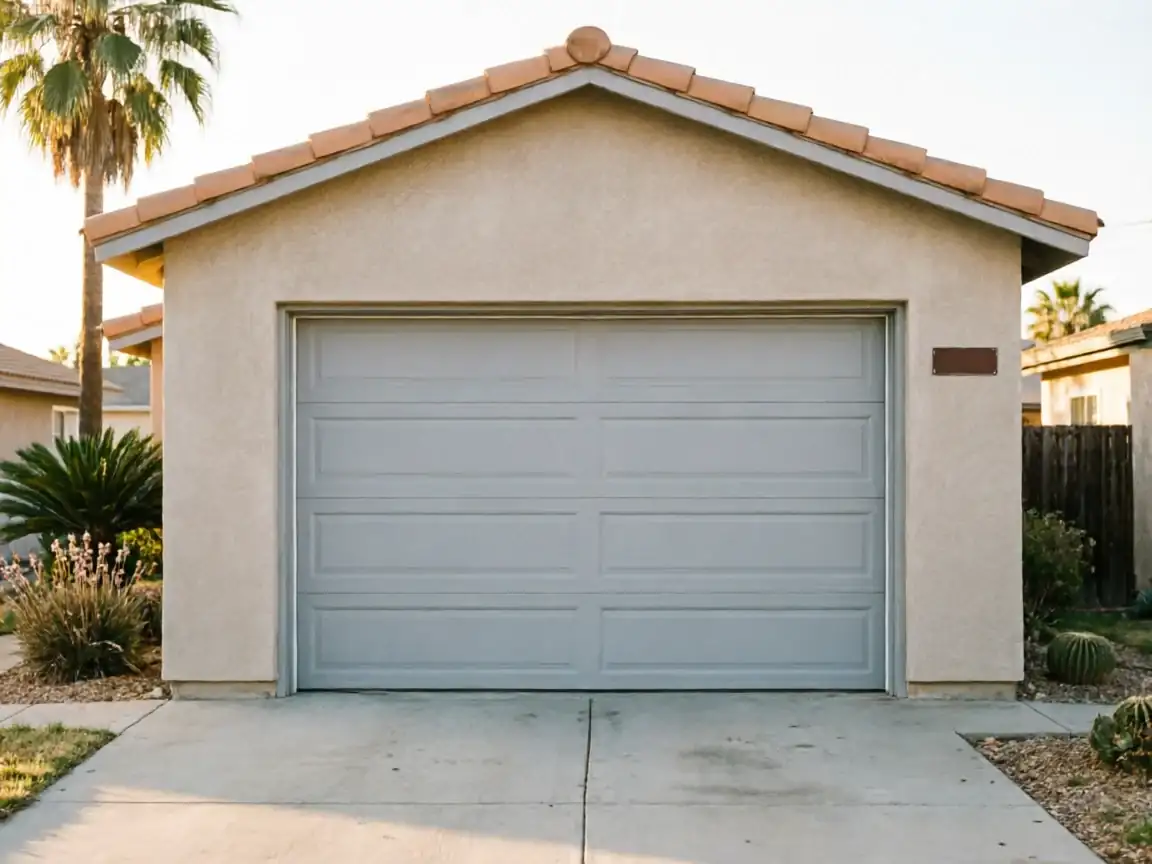
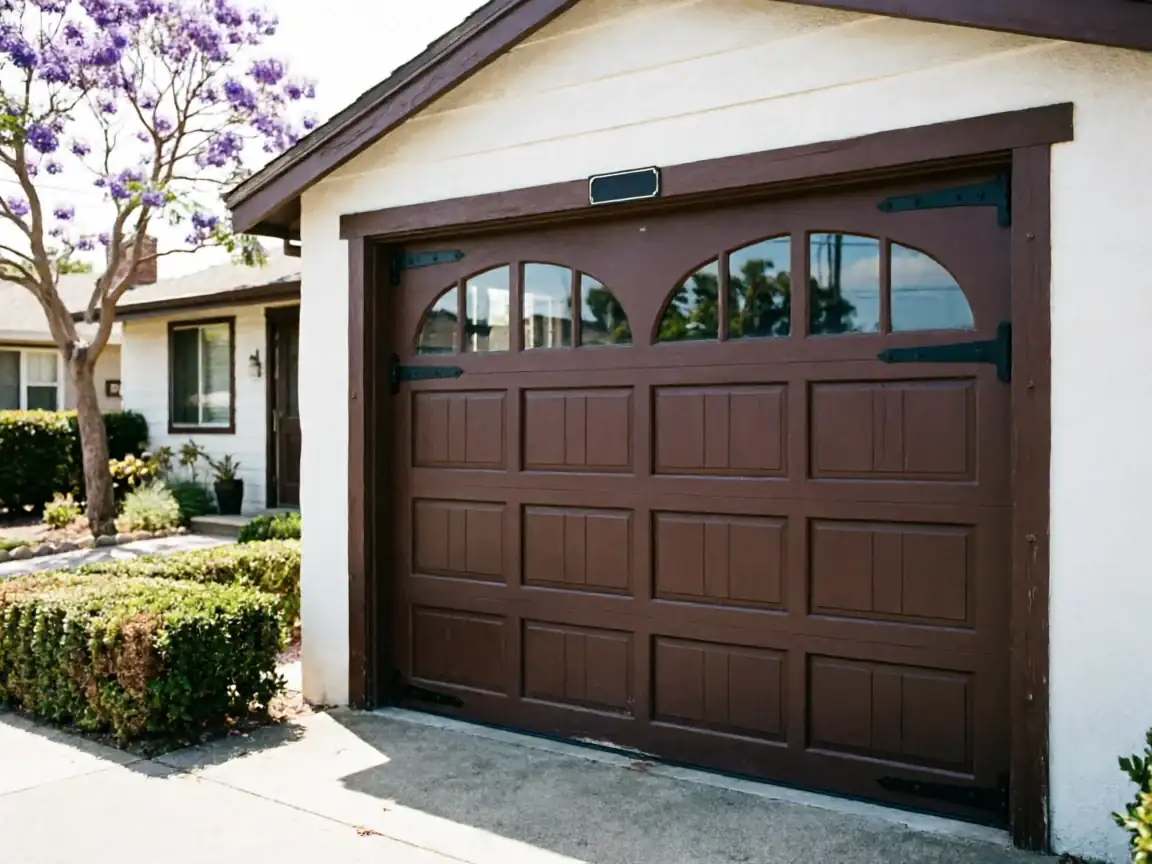
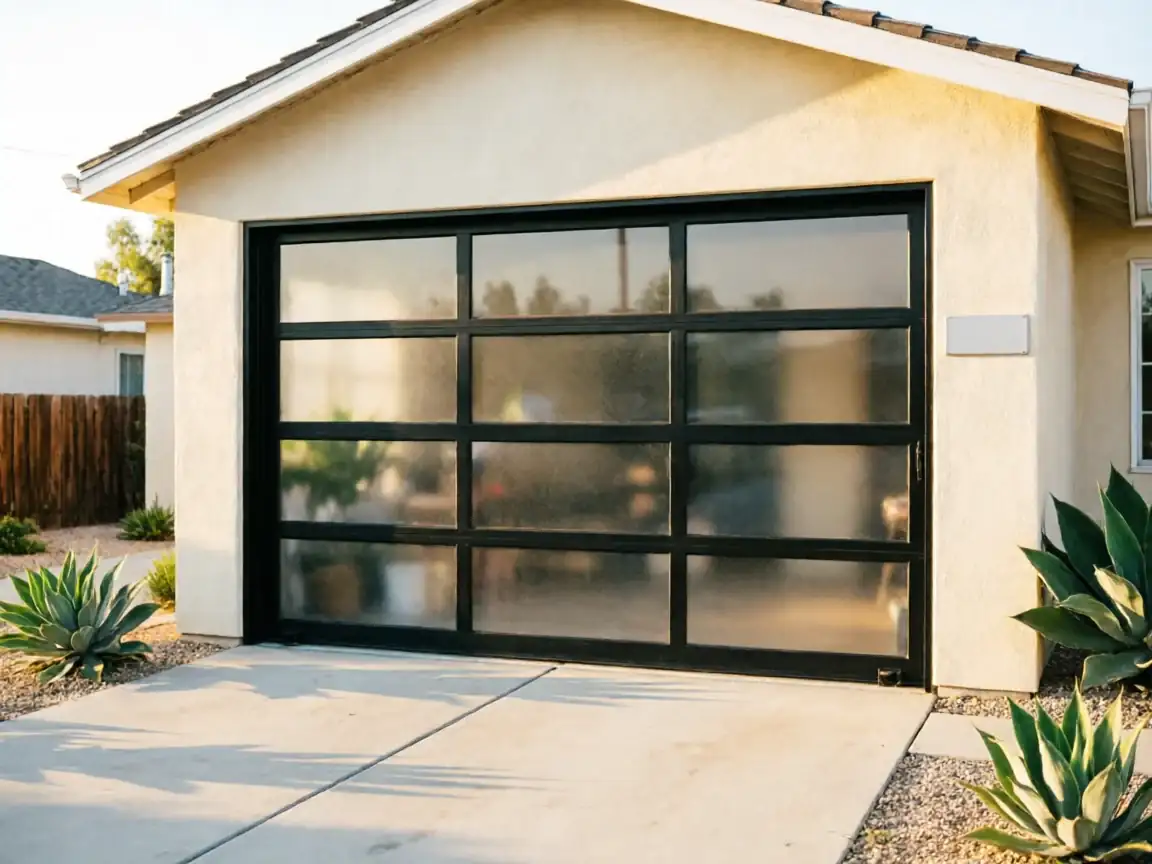
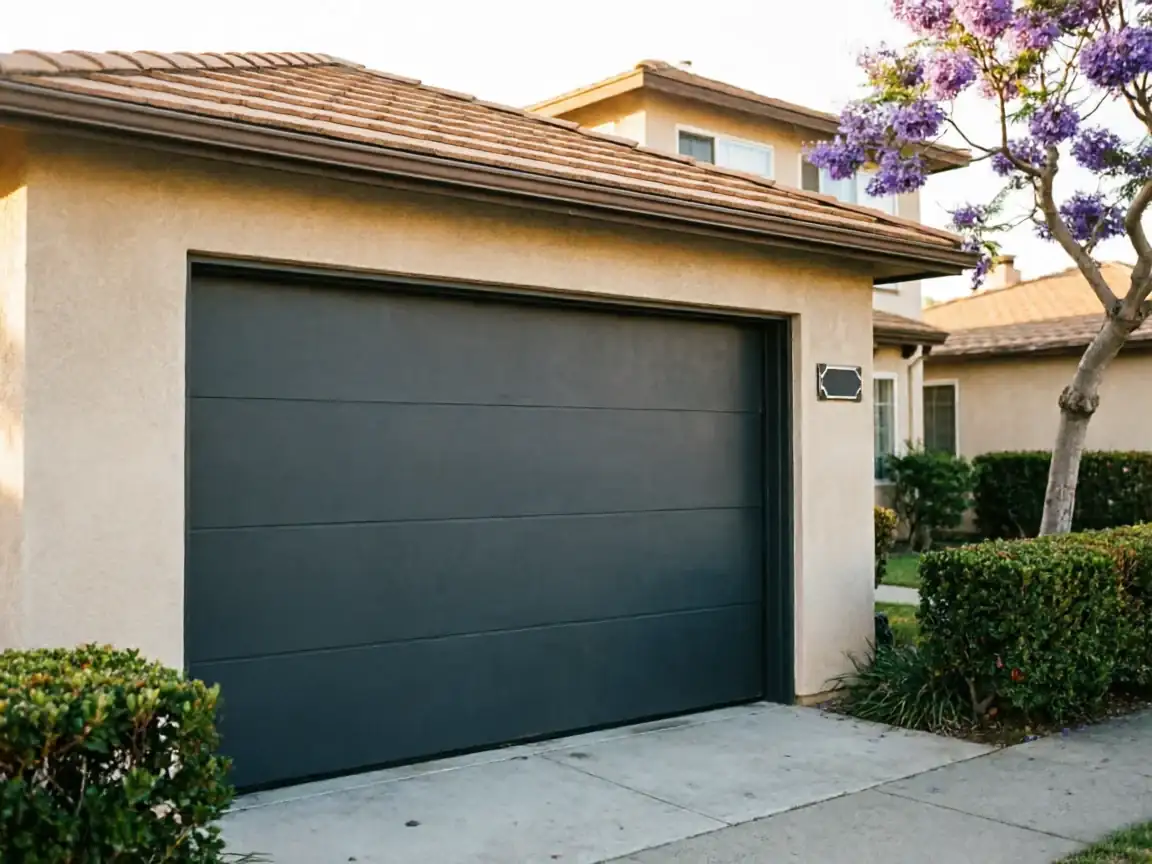
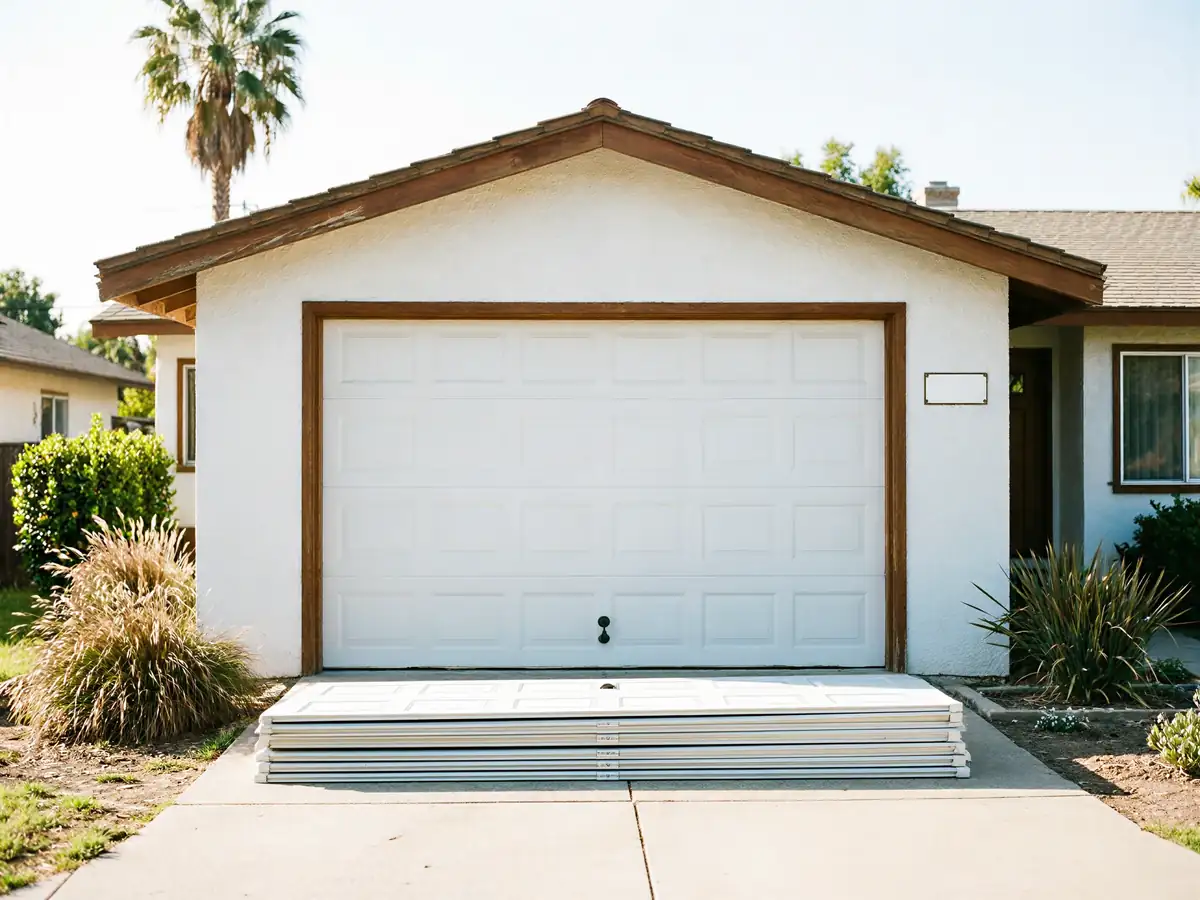
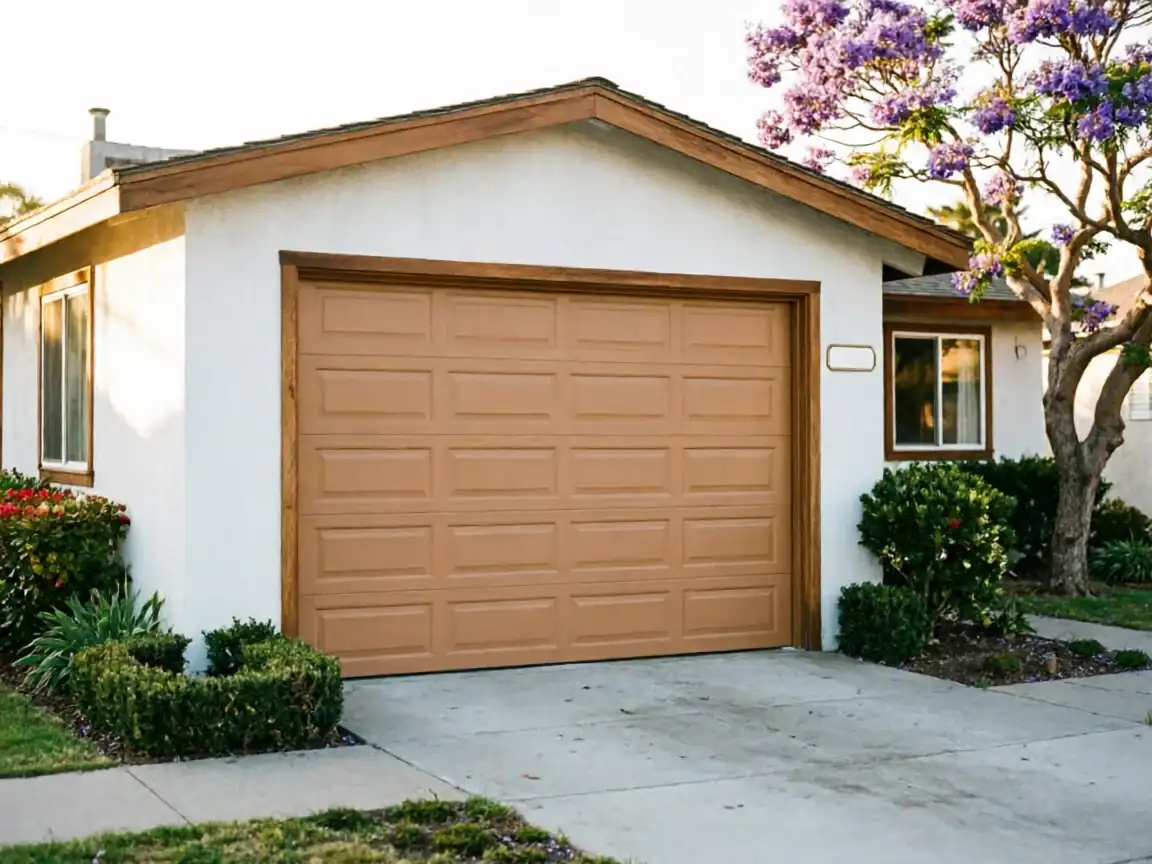
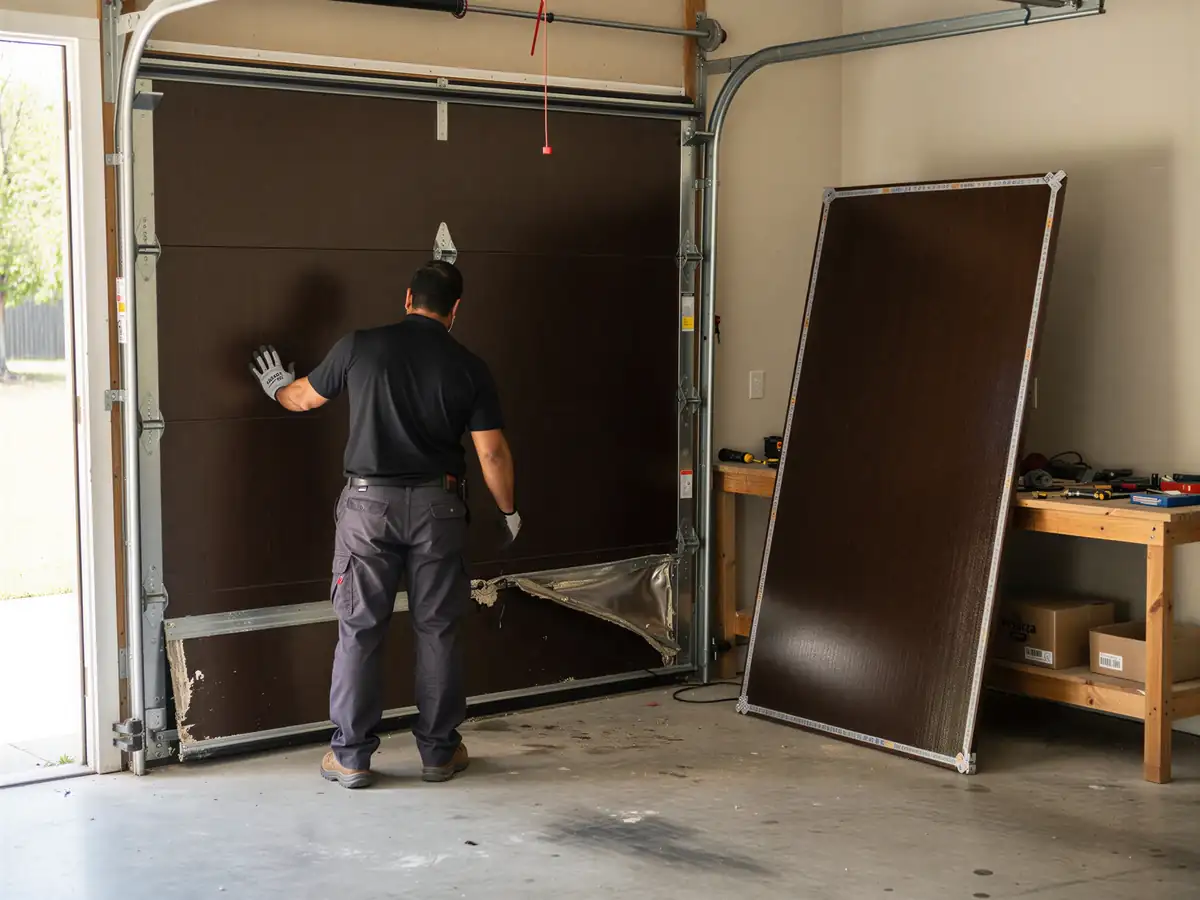
Old Fig Garden's housing stock traces back to 1956, which puts it at the leading edge of the whole Clovis-area build-out that mostly ran through 1993. That matters more than people think. A door built for a mid-1950s garage is almost always narrower than what went up in the 80s and 90s - single-car bays were common, and even the two-car garages from that era often got fitted with a pair of single doors rather than one wide door. If your garage still has its original opening, you may be running a door sized differently than what a big-box store stocks off the shelf, or hardware spec'd for a narrower track than what's standard now. When a panel warps, a roller binds, or a seal splits, the fix has to account for that opening before anything else gets discussed.
What Causes It Around Here
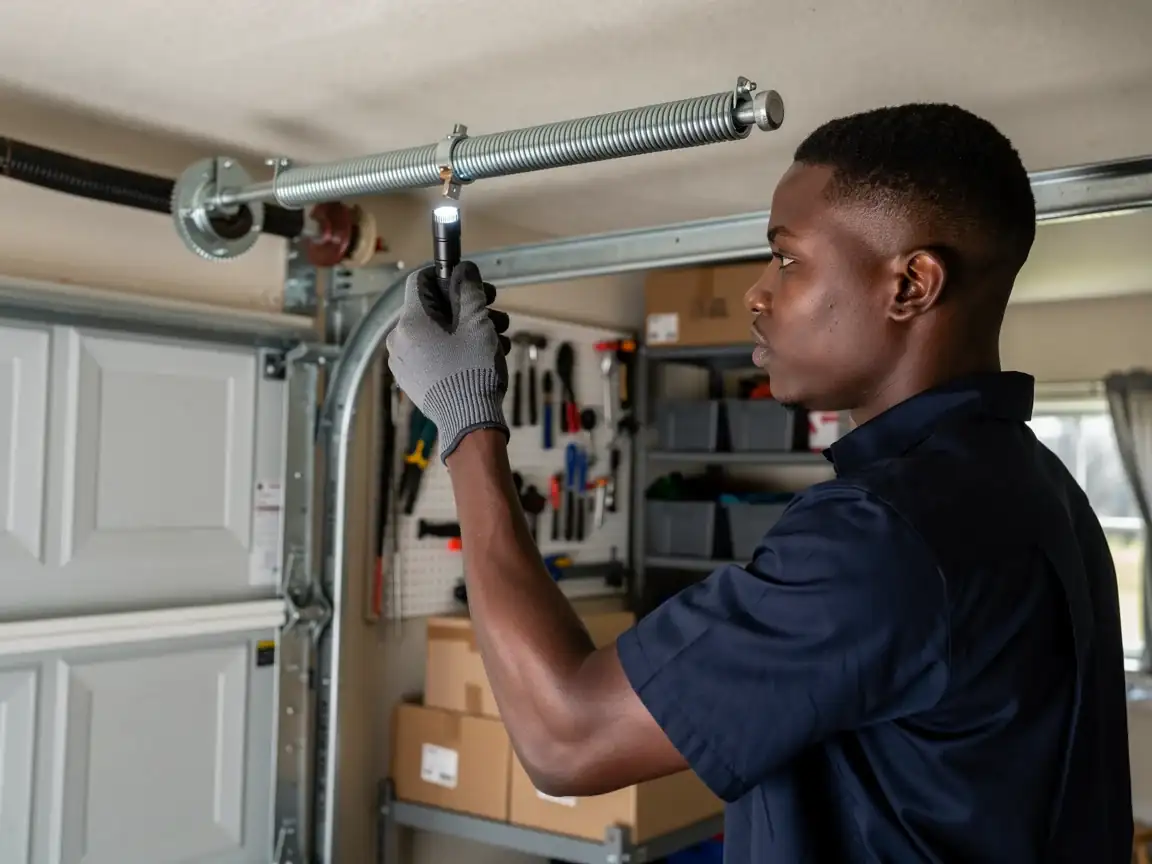
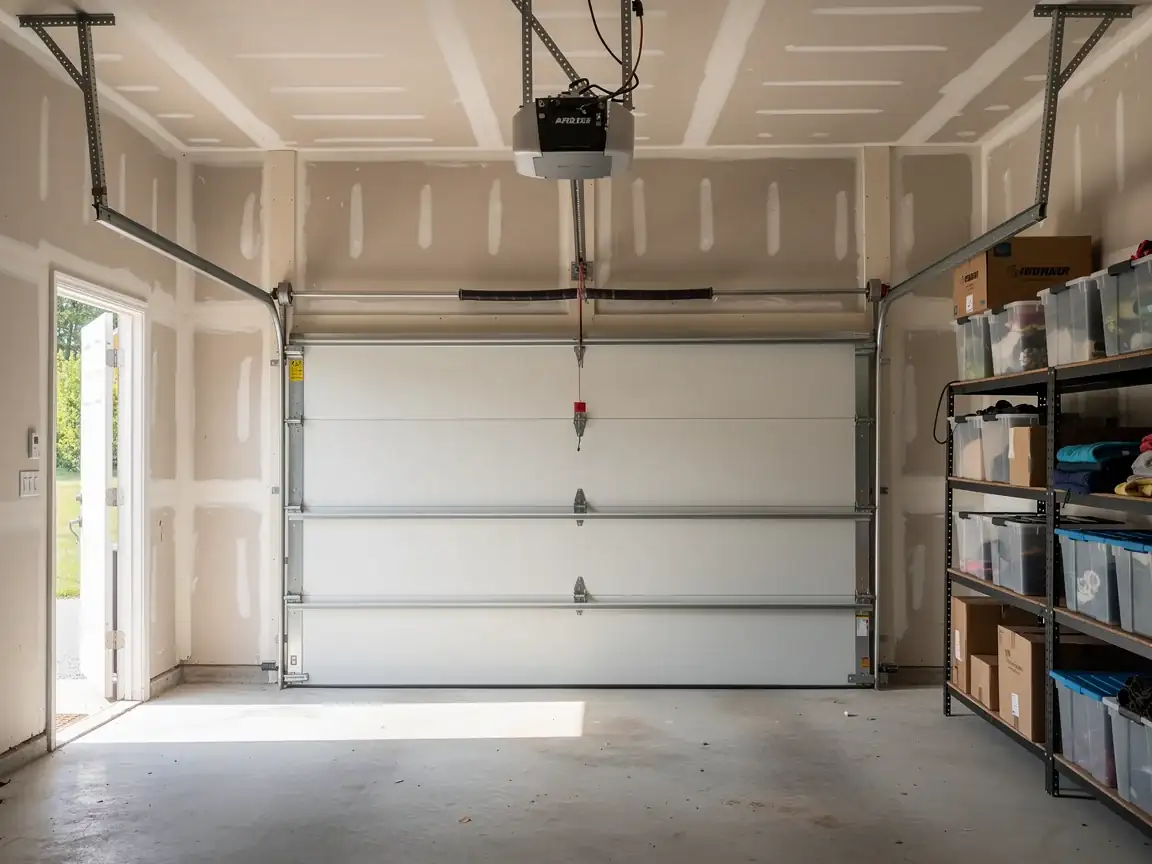
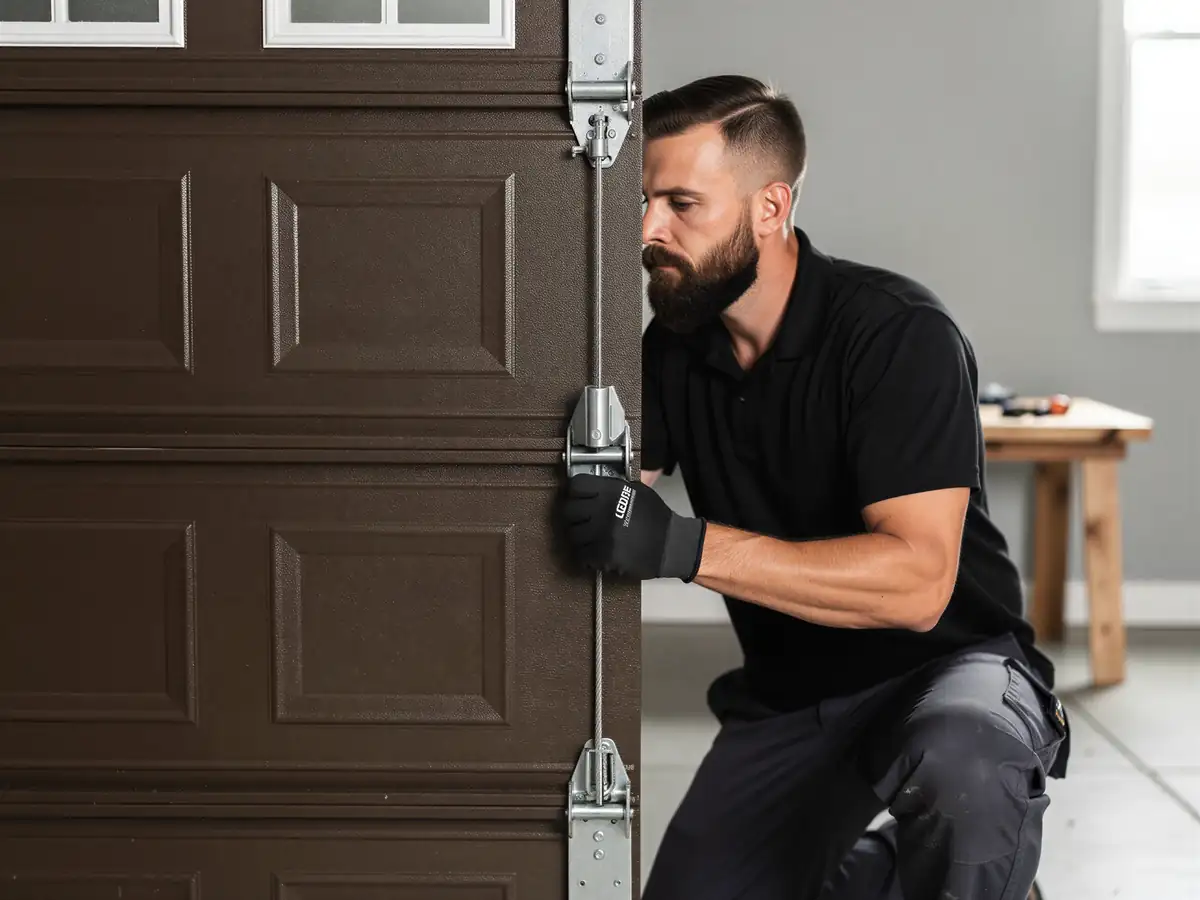
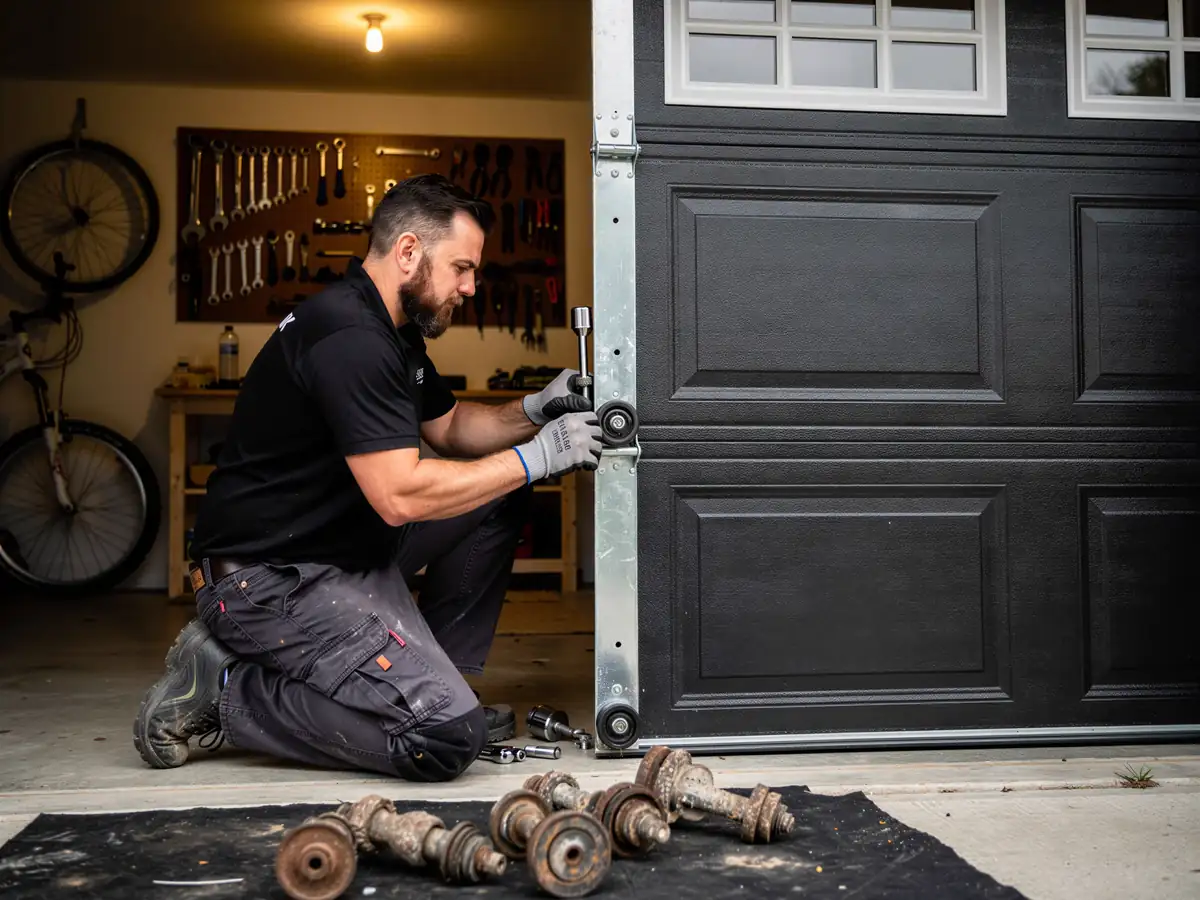
Two things stack up on a house this old: the age of the opening itself, and the heat. The service area sits in a severe-heat climate band, and on a door and track system that's been through close to seventy summers, metal fatigue shows up as springs that lose tension early, and track that's shifted slightly out of plumb from decades of thermal expansion and contraction. On a newer door that slack gets masked by looser tolerances built into modern hardware. On an older, narrower door, the margin is smaller, so a track that's a quarter-inch off reads as a door that binds, scrapes, or won't seat square at the bottom. None of that is a mystery - it's just what happens to steel and wood on a house this age, in this heat, year after year.
What You Pay
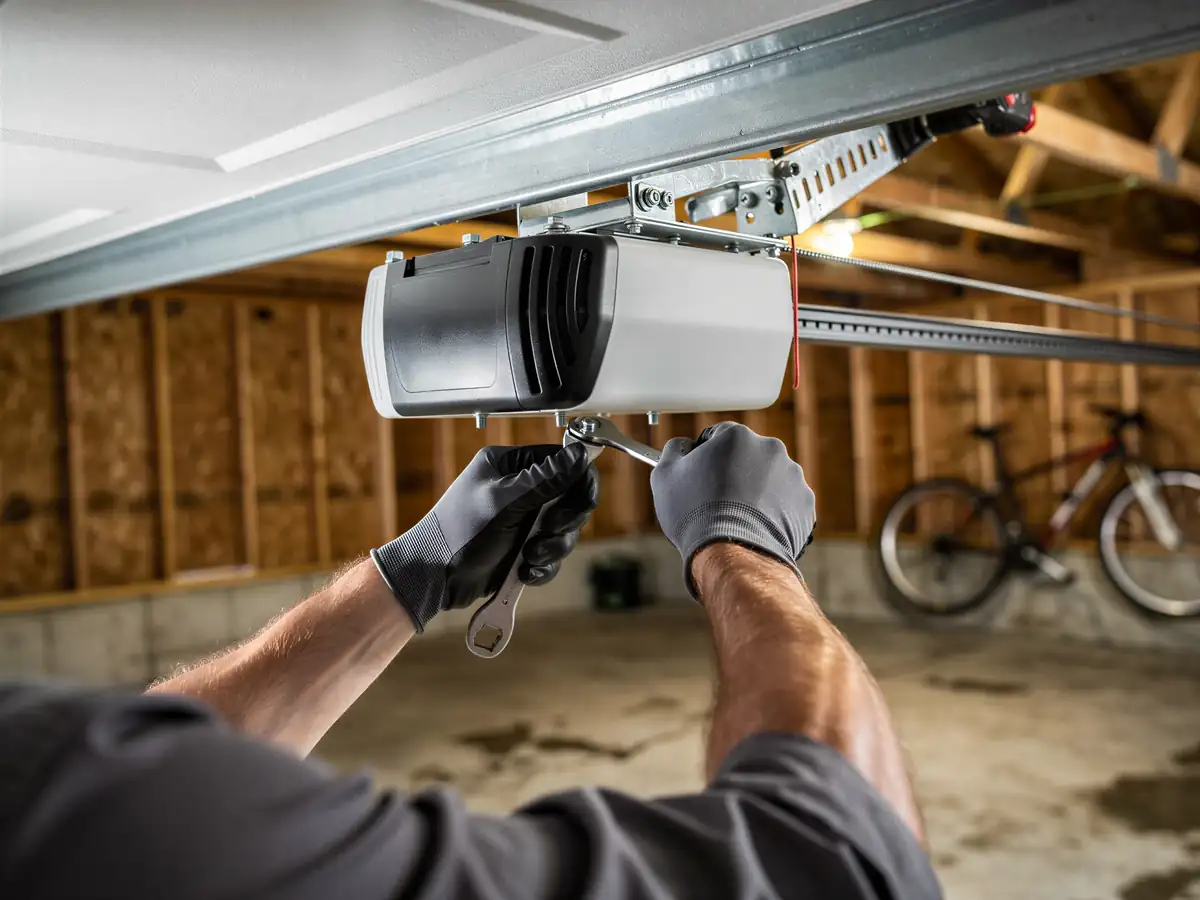
Old Fig Garden's median household income sits at $100,833, noticeably higher than the broader Clovis service area's $74,428, and across roughly 1,980 households here the mix leans toward owners who've either kept the original door running for decades or already put real money into a full replacement. That split shows up in the repair itself: a standard spring or roller job costs about what it would anywhere else in the area, but sourcing hardware for a narrower, older-style opening can add to the bill simply because the part isn't a common stock item. We'll tell you which situation you're in before any work starts, not after.