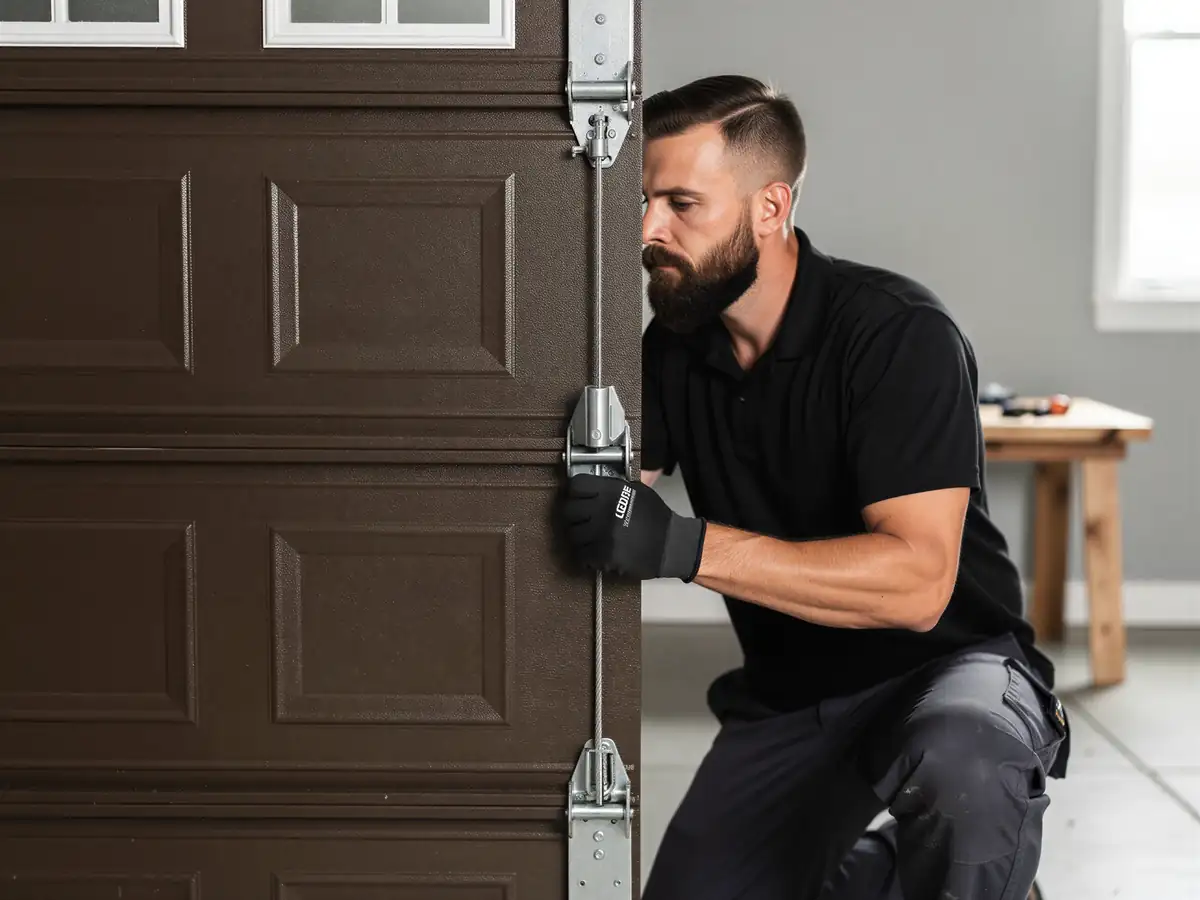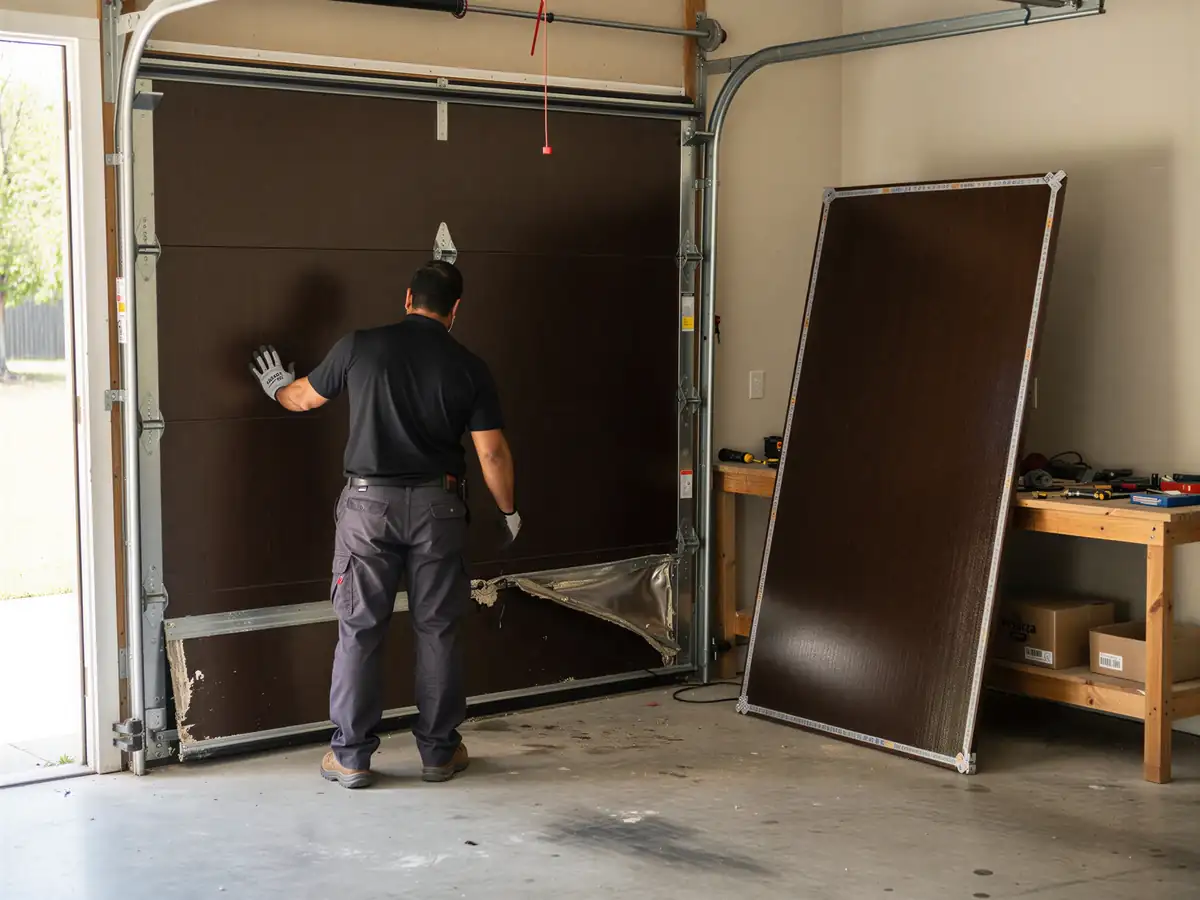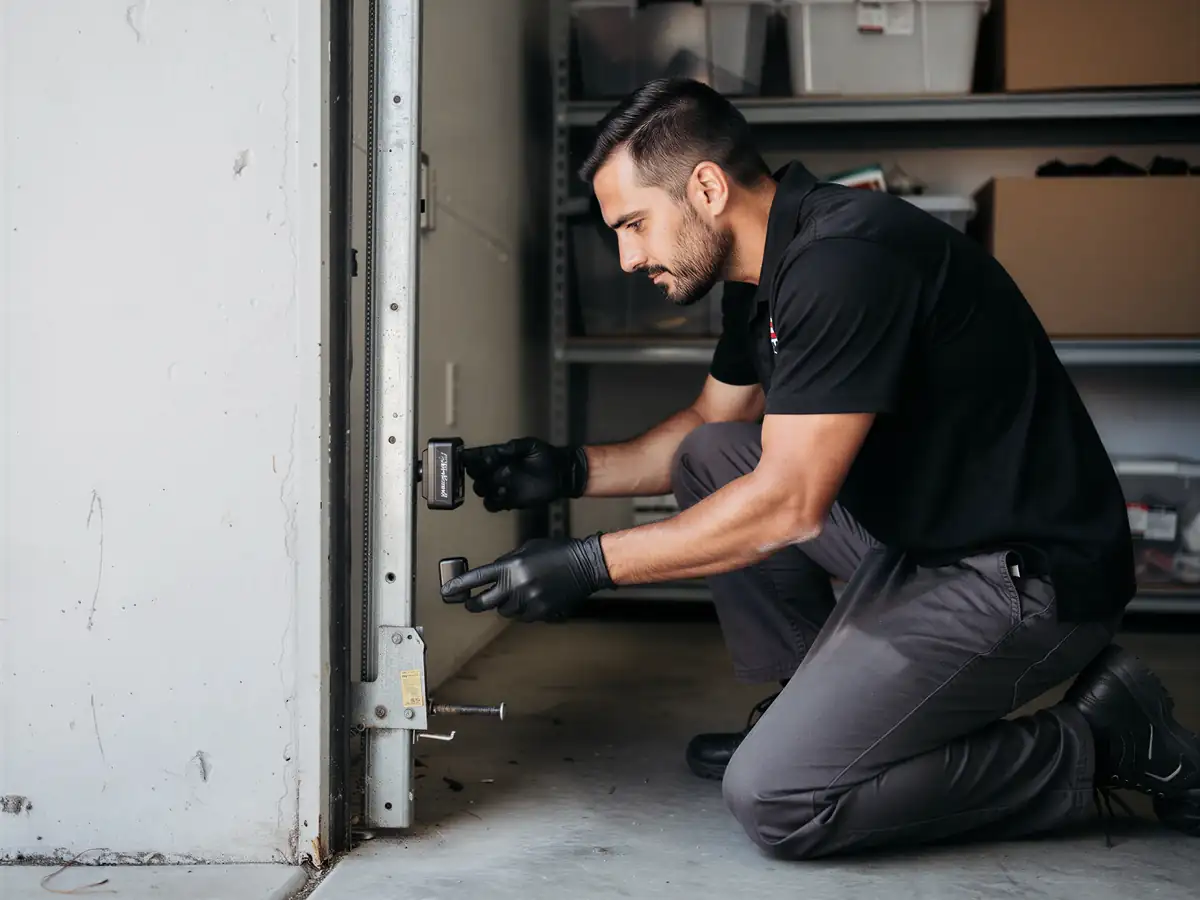
What Local Conditions Do
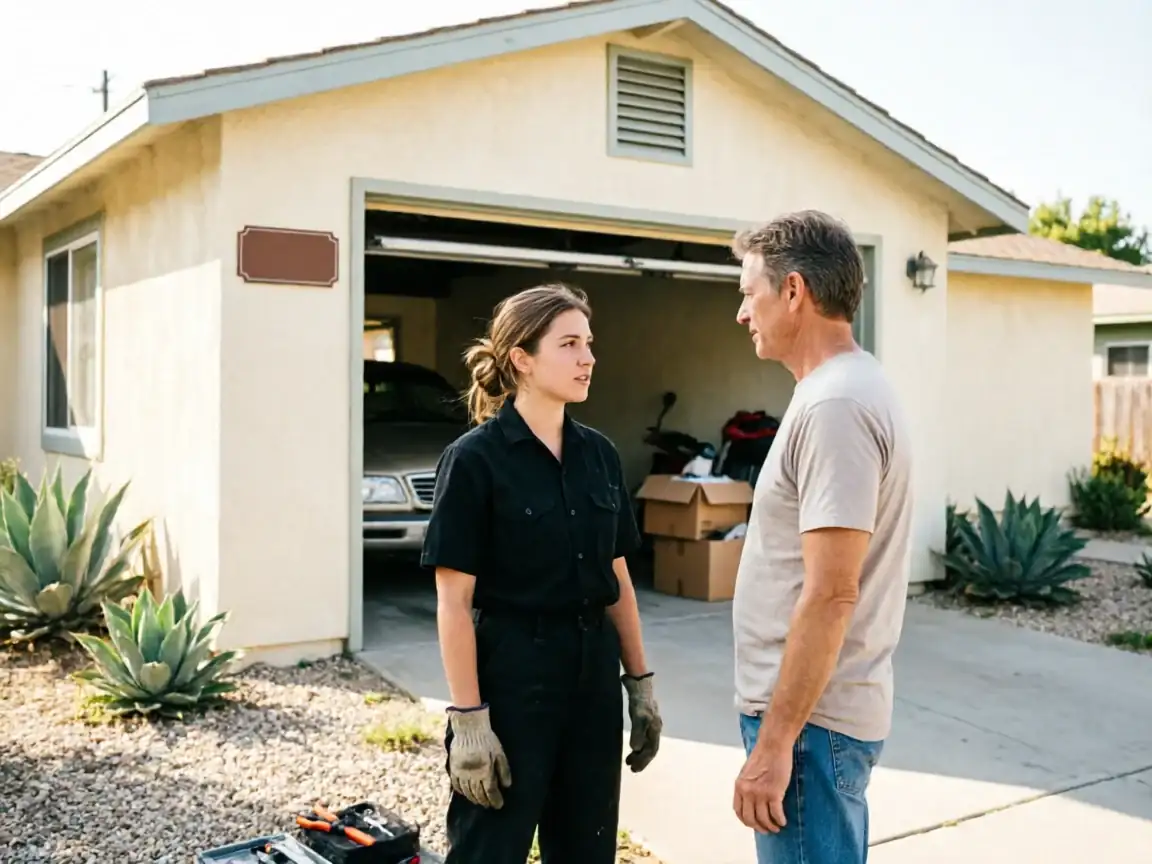
Clovis sits in a climate band the federal data flags as severe heat, and that heat does specific things to a garage door system that a mild-climate town never deals with. Steel panels expand and contract through a daily swing that can run from the 50s at night to triple digits by afternoon in summer. That cycle works on the welds at the top bracket, dries out factory lube on the rollers, and shrinks nylon idler bearings until they rattle loose. It also bakes the rubber bottom seal until it cracks and stops sealing the slab from heat and dust. Most of the housing stock here went up between 1956 and 1993, with the median build year landing around 1982, across the string of named areas - Sunnyside, Old Fig Garden, Rolling Hills, and the rest - that ring the city. A door installed in that window has had three or four decades of this heat cycle working on it, which is a different starting point than a door installed five years ago. When we get a call, the first thing we're accounting for isn't the symptom the homeowner describes, it's how many summers that hardware has already been through. That's the baseline every other finding on the call gets measured against.
What Is Going On
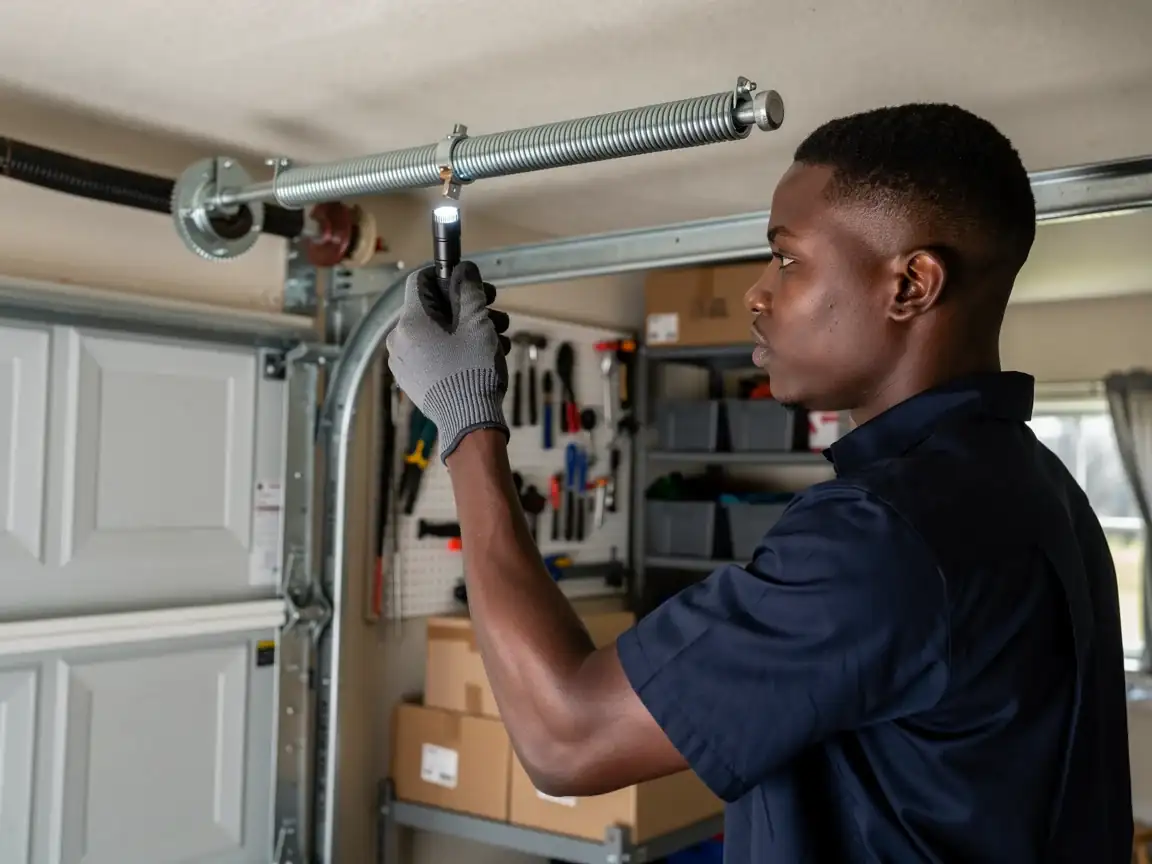
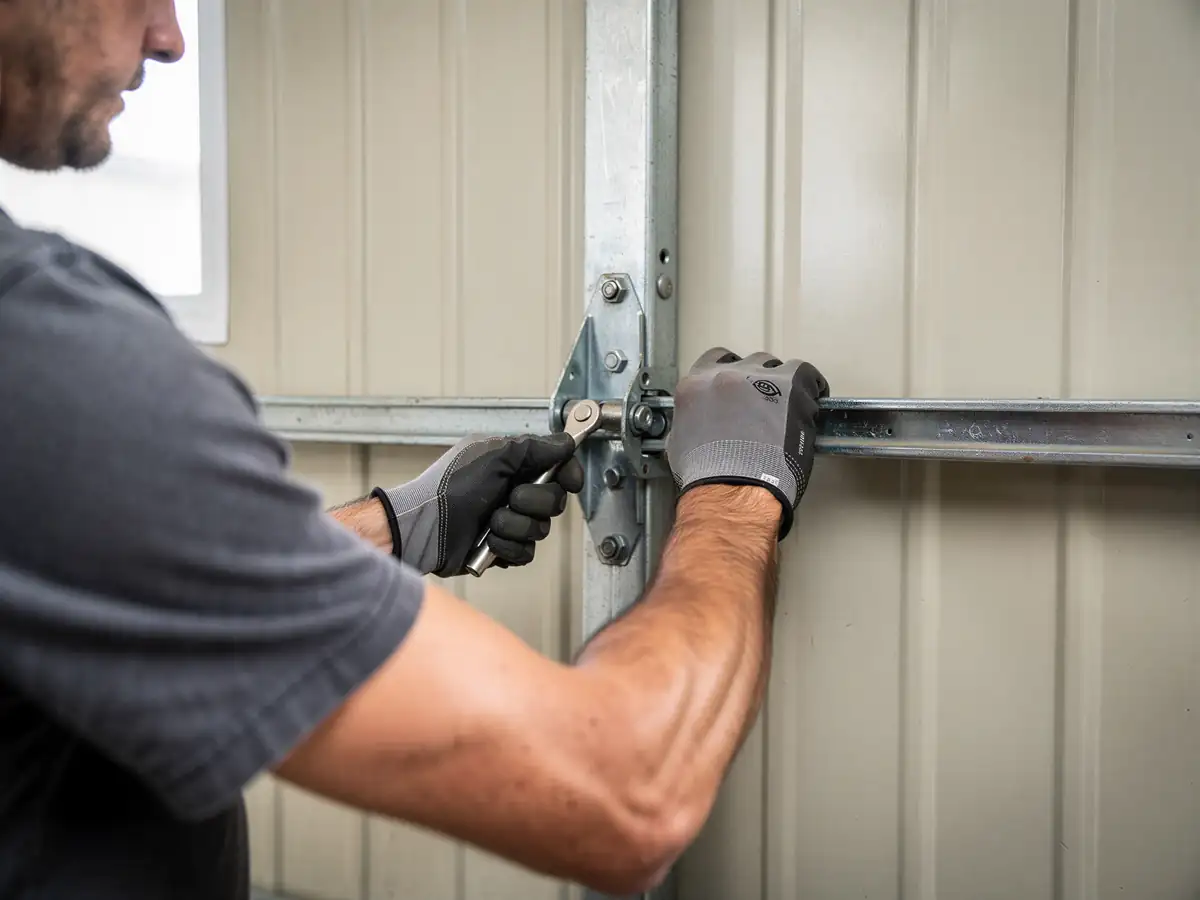
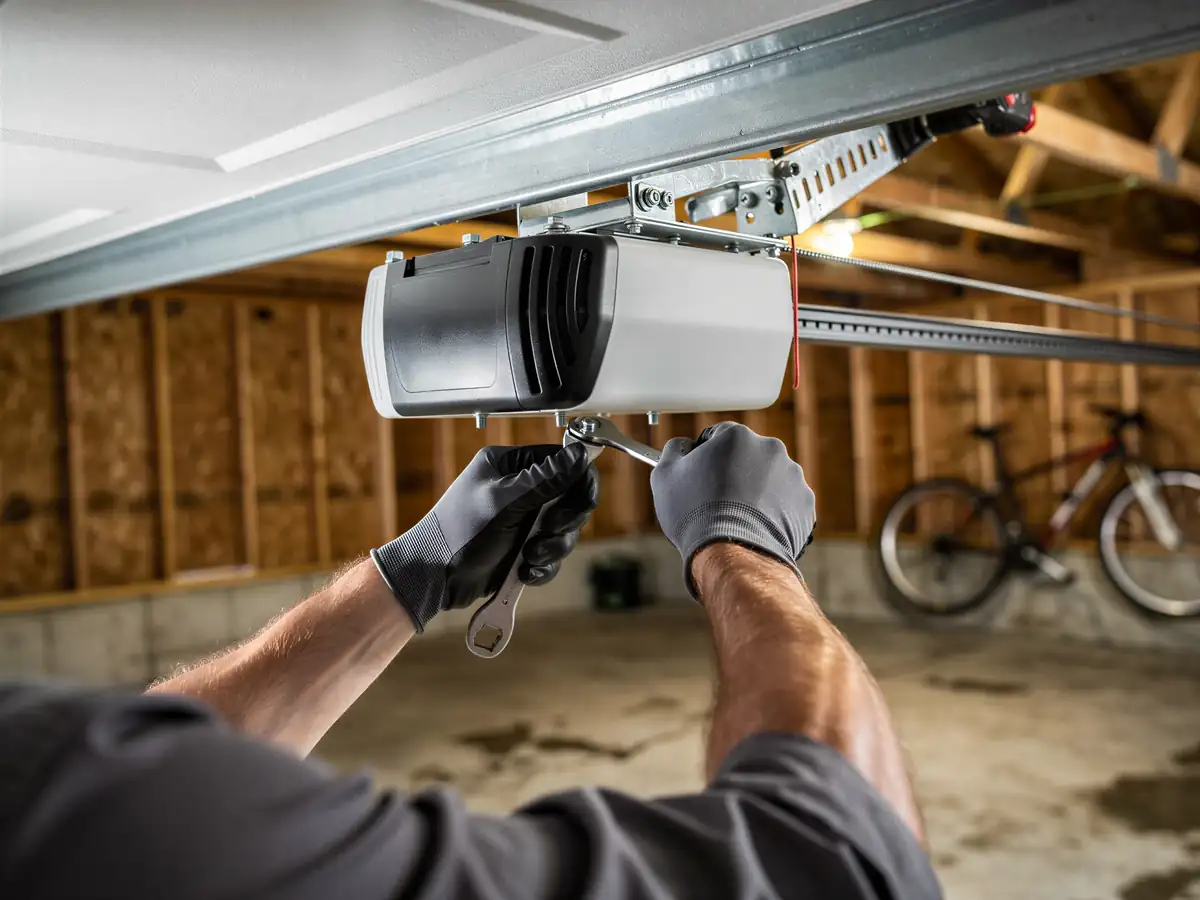
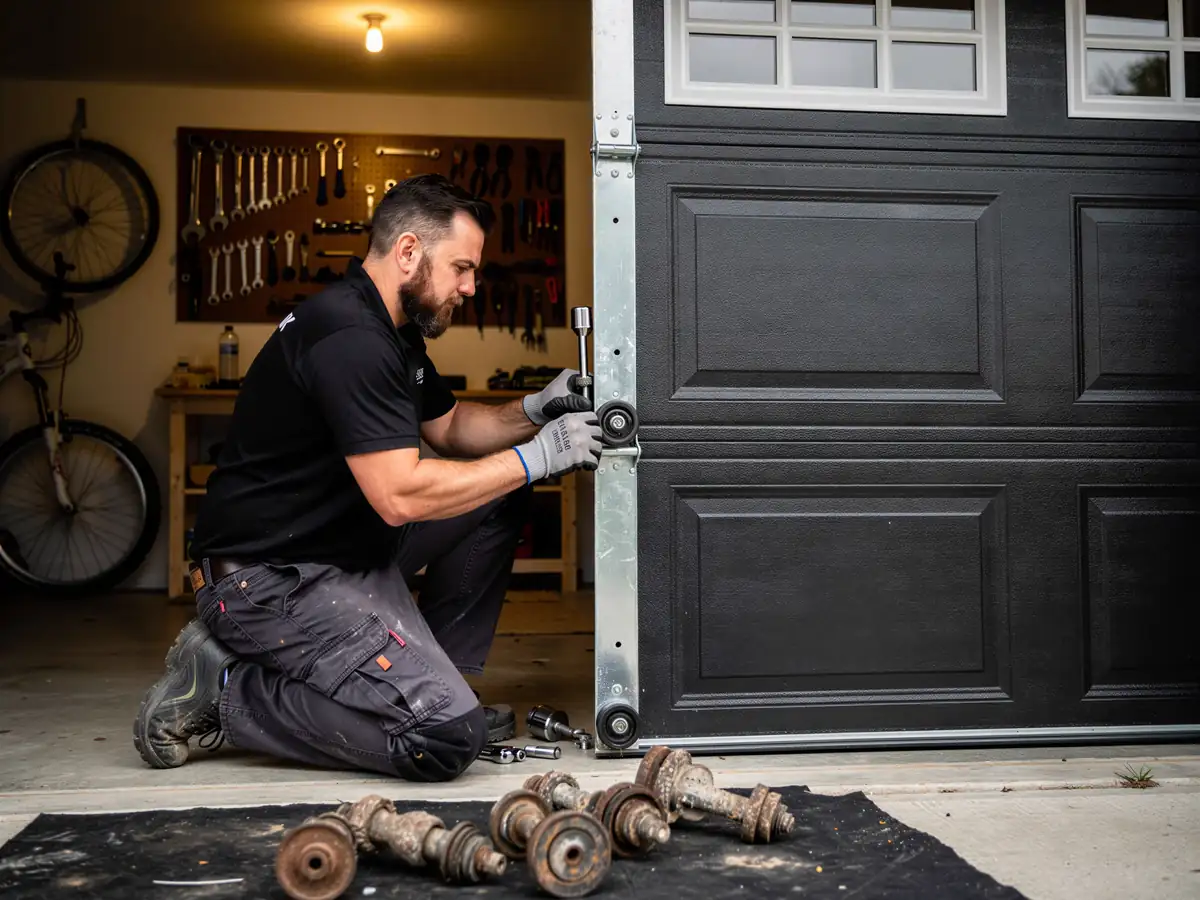
Most calls break into three categories once we're actually looking at the door. The first is a torsion spring that's lost tension - heat accelerates metal fatigue, so springs on older Clovis houses often give out sooner than the generic 7-10 year estimate you'll read elsewhere. The second is opener failure, usually a logic board or capacitor that's cooked from years in an attached garage that runs hotter than the house itself. The third is track and roller wear, which shows up as a door that shudders or binds partway through its travel - almost always nylon rollers that have gone brittle and started chipping. On a house built in the 1956-1993 window, we're also checking for the older style of hardware that doesn't match current parts without an adapter: single-strand cable systems, non-standard drum sizes, that kind of thing. None of this is exotic. It's what long-term heat exposure does to steel, nylon, and electronics on a predictable schedule, and the schedule runs faster here than in a coastal town with mild summers. The honest limitation: if a part is obsolete enough - some original 1960s and 70s hardware is - we may need to replace the section rather than hunt for a matching piece, because that stock isn't made anymore.
Checking It Yourself
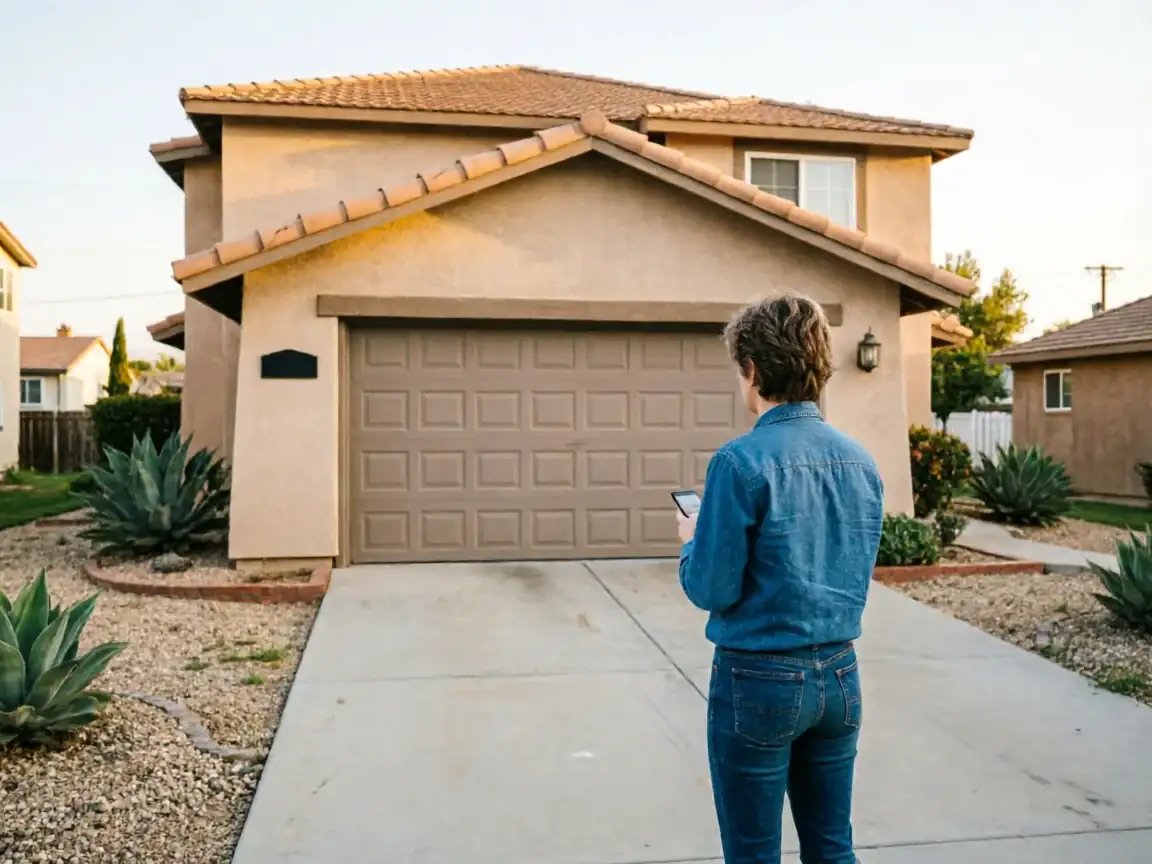
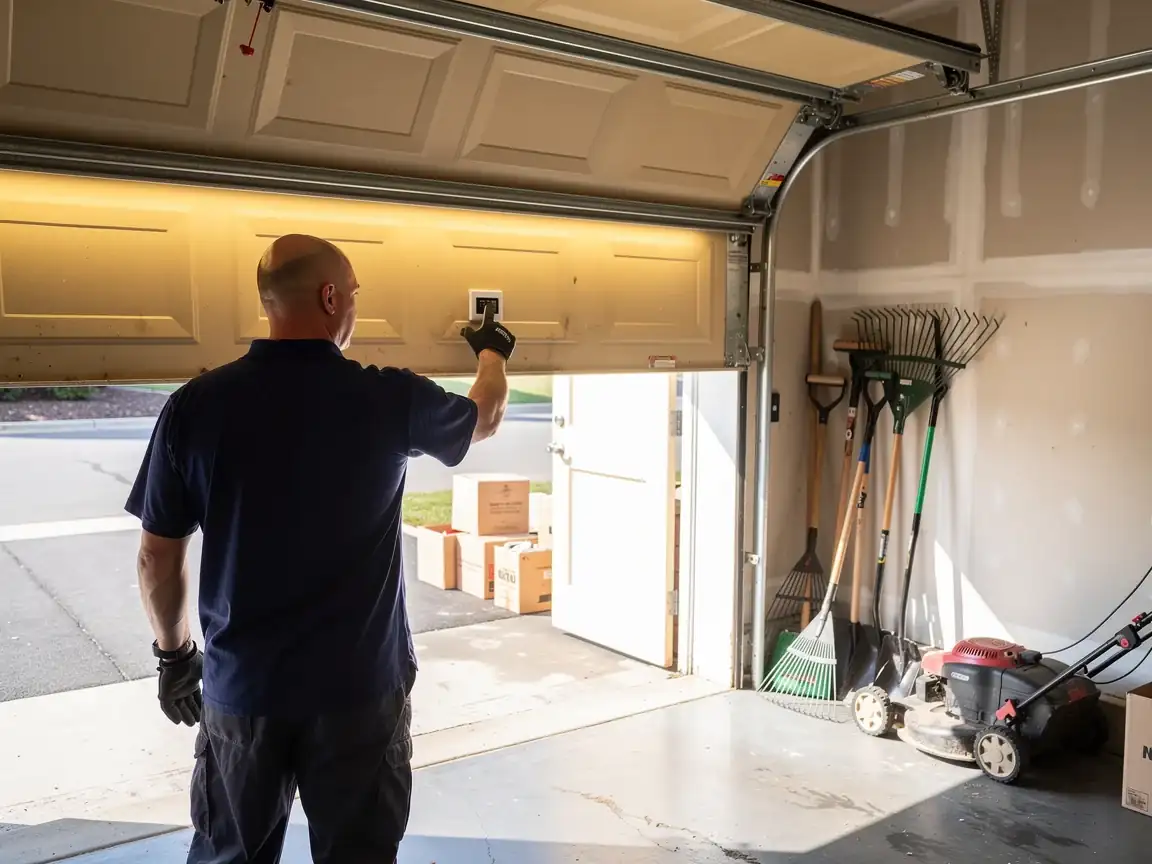
Before you call, a few things take five minutes and tell us a lot. Pull the release handle and lift the door by hand - if it's heavy or drops instead of staying up, that's a spring losing tension, and it's worth noting for the call rather than running it on the opener and burning out the motor. Look at the bottom seal; if it's cracked or has pulled away from the slab, that's heat-aged rubber, common on older Clovis doors that haven't had it replaced. Listen for grinding or popping as the door travels - that's usually a roller going bad, not an emergency, but worth mentioning so we bring the right parts. Check the tracks for visible gaps between the roller and the rail; a house that's shifted over 40-plus years sometimes needs a track realignment more than a parts swap. What not to do yourself: don't touch the torsion spring. It's under enough tension to cause a serious injury, and that's true whether the door is five years old or from 1960. Everything else on this list is safe to look at and worth doing before you pick up the phone.