What Causes It Around Here
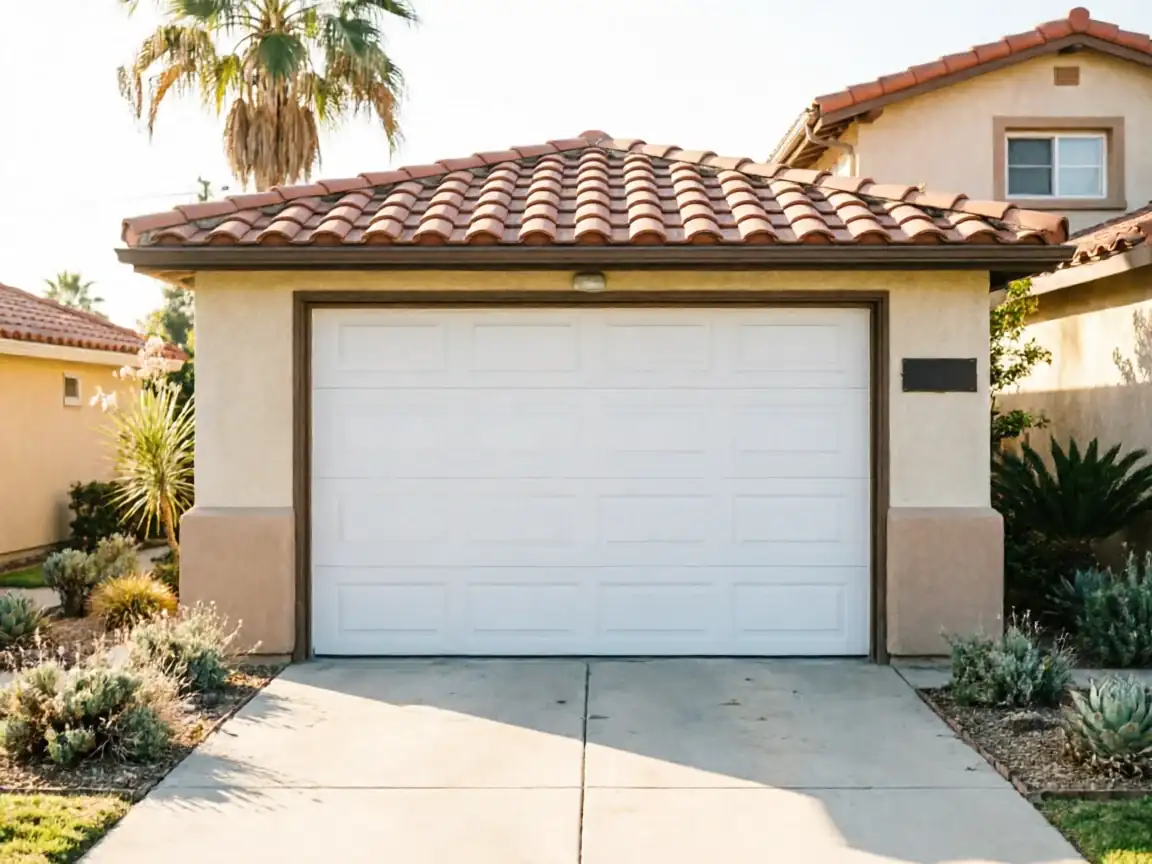
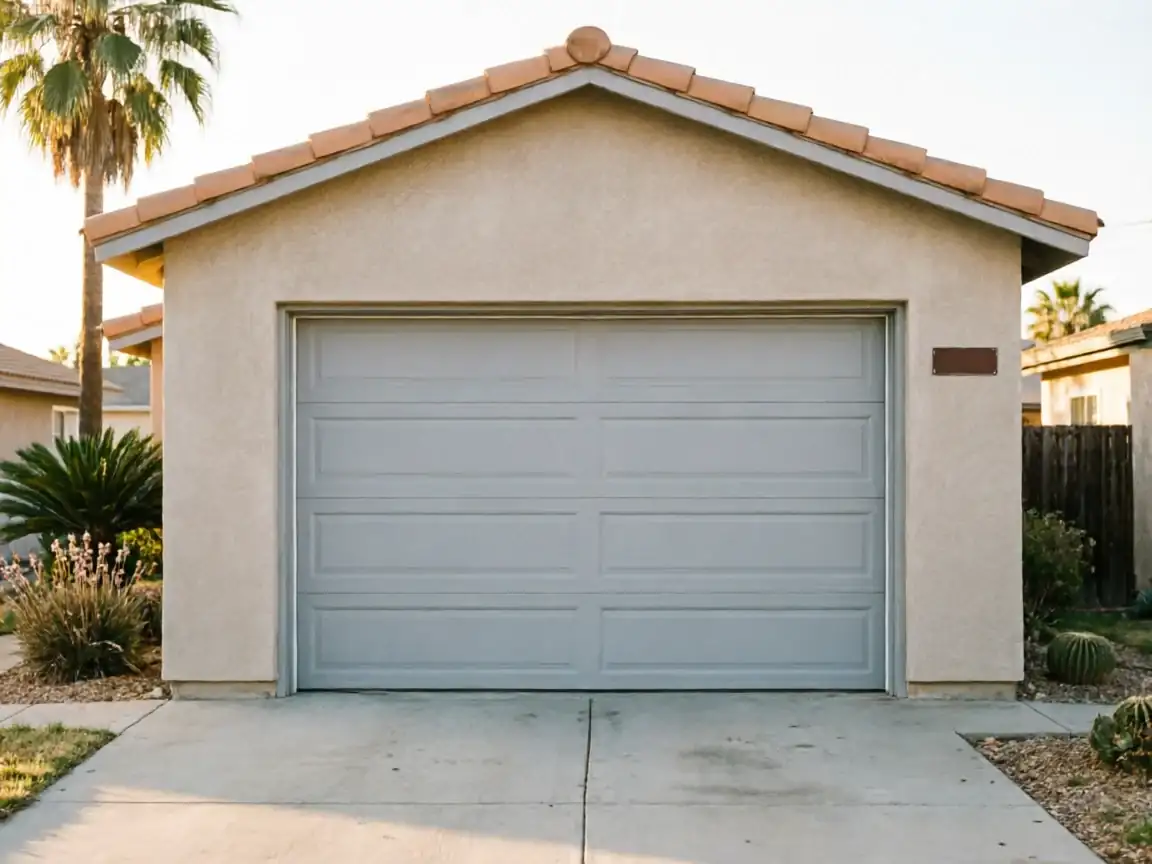
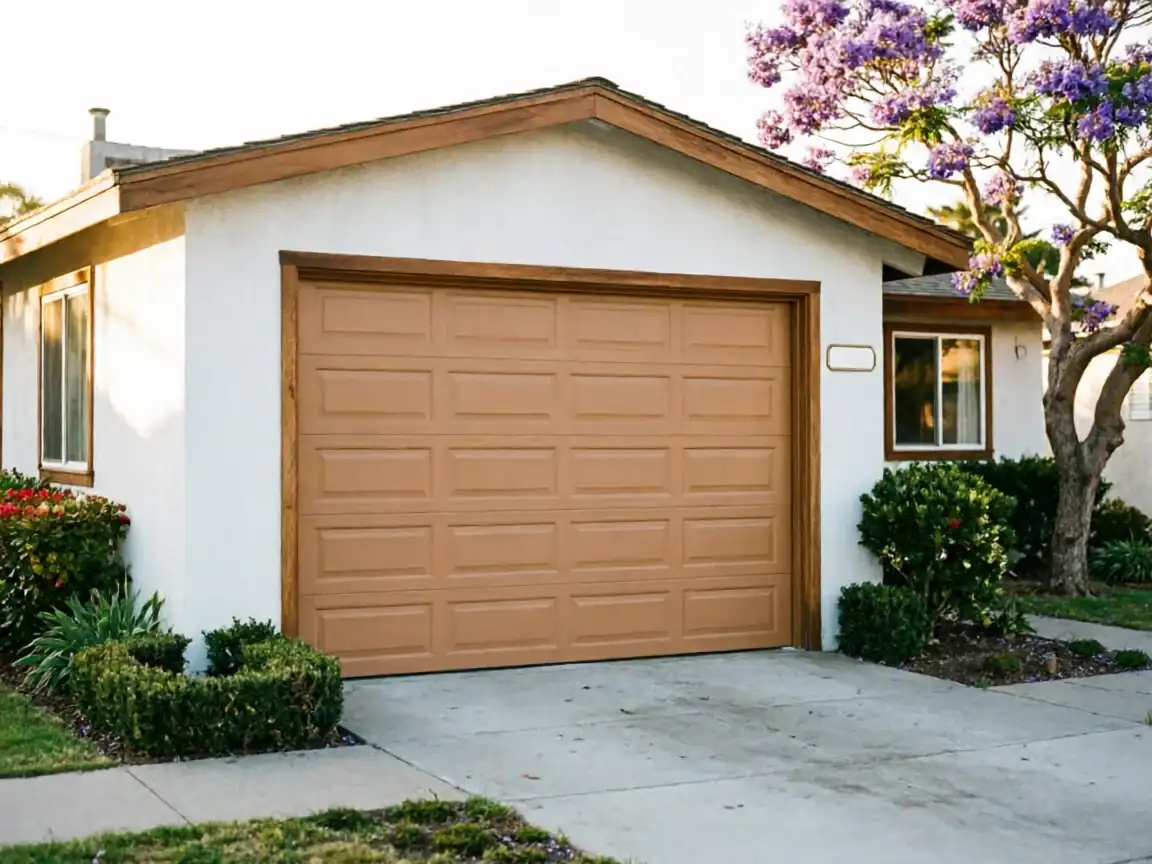
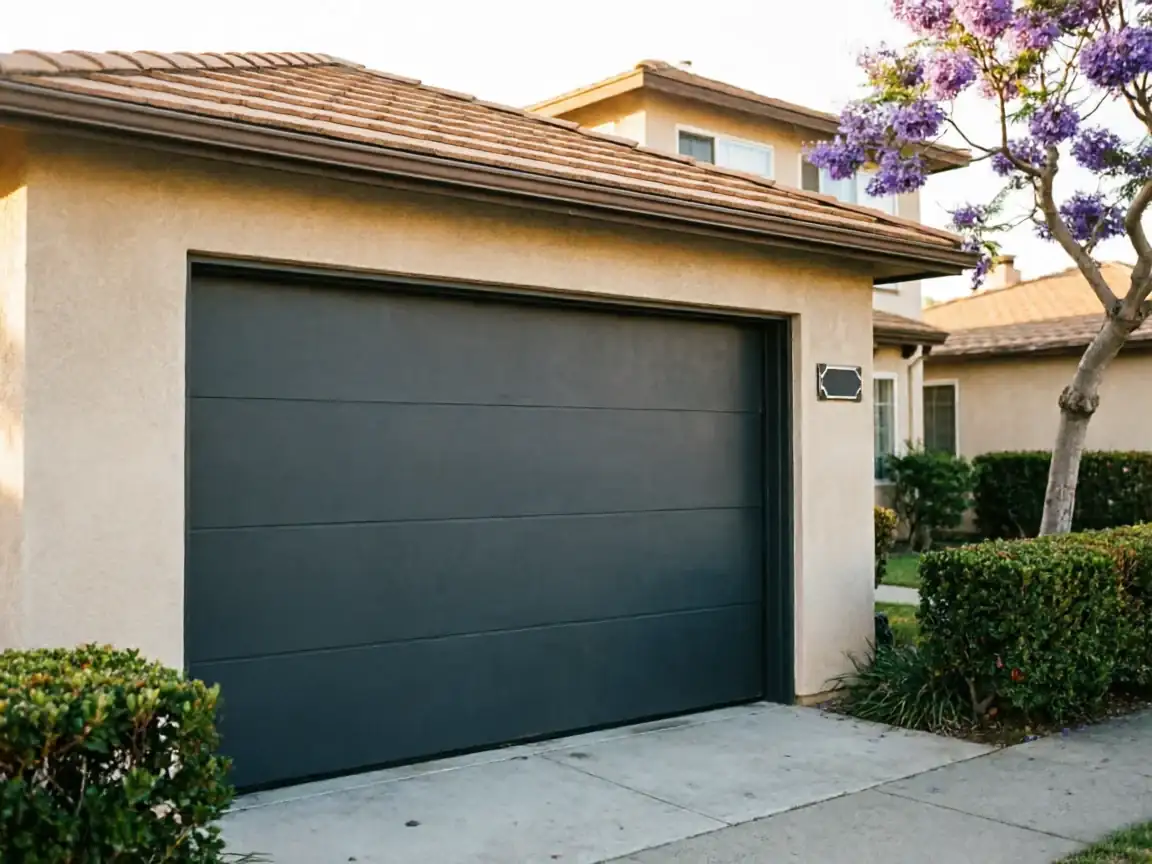
Most of the housing in this service area went up between 1956 and 1993, with the median build year landing around 1982, and the 14 named communities we cover are heaviest in 1980s and 90s stock. Doors from that era are steel sandwich panels on aluminum or steel frames, and after three or four decades the foam core separates from the skin, especially on the bottom section where sprinkler overspray and lawn equipment hit it most. Add in a severe heat climate band and you get a second failure path: UV and daily temperature swings between a 100-plus-degree afternoon and a cooler night cause the panel skin to expand and contract until the seams crack or the paint checks and lets moisture in behind it. A dent from a bike or a trailer hitch does the initial damage, but it's the heat cycling afterward that turns a small ding into a panel that bows, binds in the track, or pulls away from its hinges. Homes built before the mid-80s often have panel profiles and hinge spacing that don't match what's sold today, which is part of why a single-panel repair sometimes turns into more work than expected.
What You Are Seeing
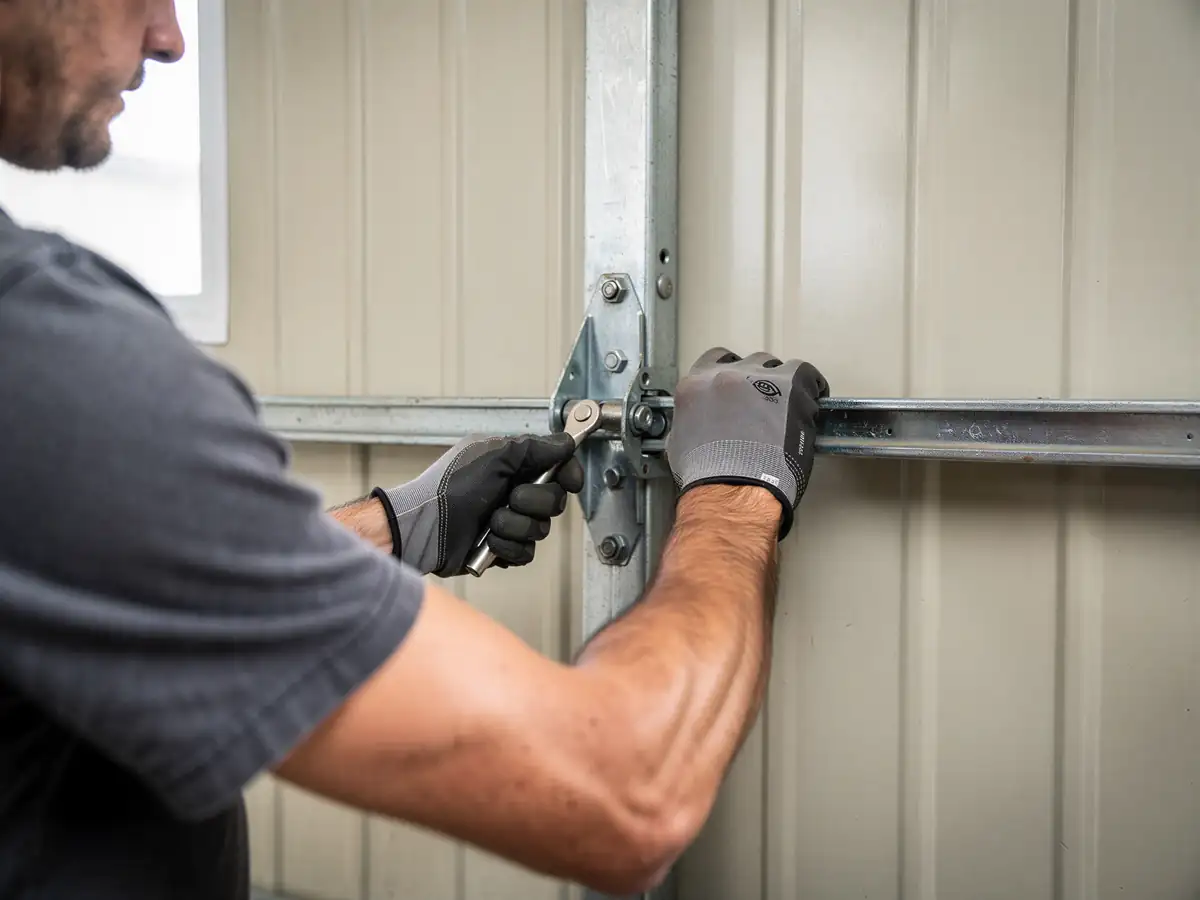
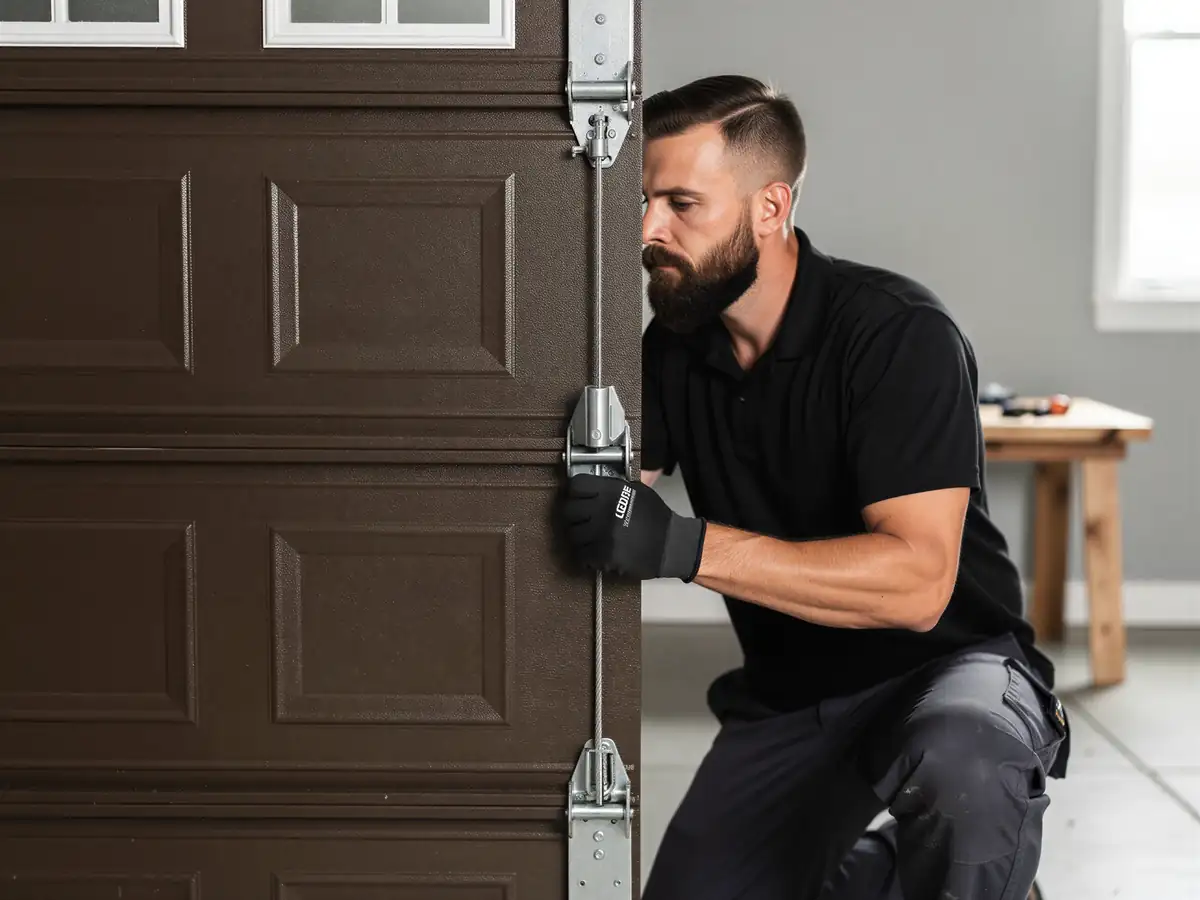
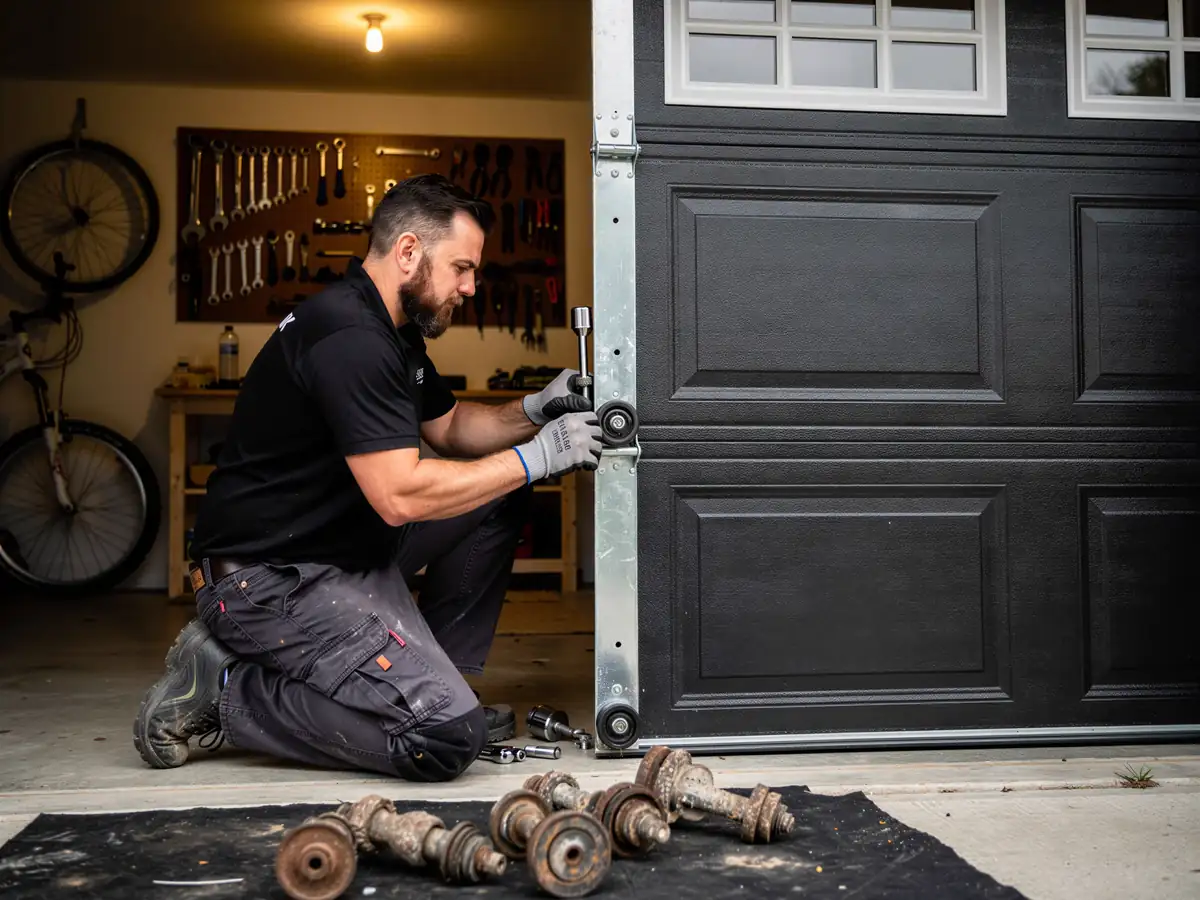
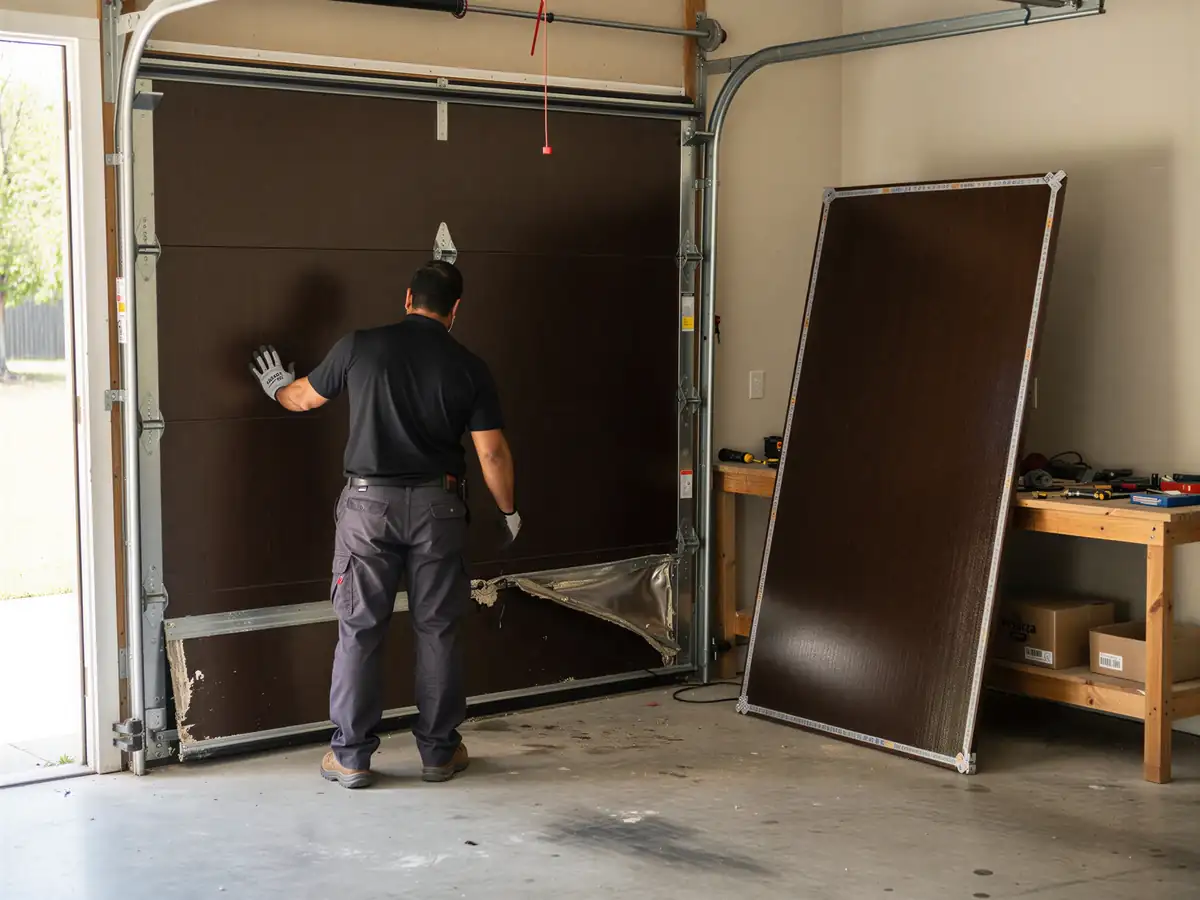
A single bowed or caved-in section, usually the bottom or second-from-bottom panel, is the most common call. You might notice the door running rough through that spot, a visible gap at the panel seam, or daylight showing through a hairline crack that wasn't there last summer. Sometimes it's not impact damage at all - it's a panel that's delaminated from heat exposure, where the steel skin has started to separate from the foam insulation and the panel feels soft or flexes when you push on it. On older doors across this area's 1980s-90s stock, we also see panels that have faded or chalked unevenly compared to the rest of the door, which tells you the finish has broken down even if the panel itself still holds shape. If the track rollers are catching on a bent panel edge, that's worth addressing before it wears the roller or stresses the opener.
What You Pay
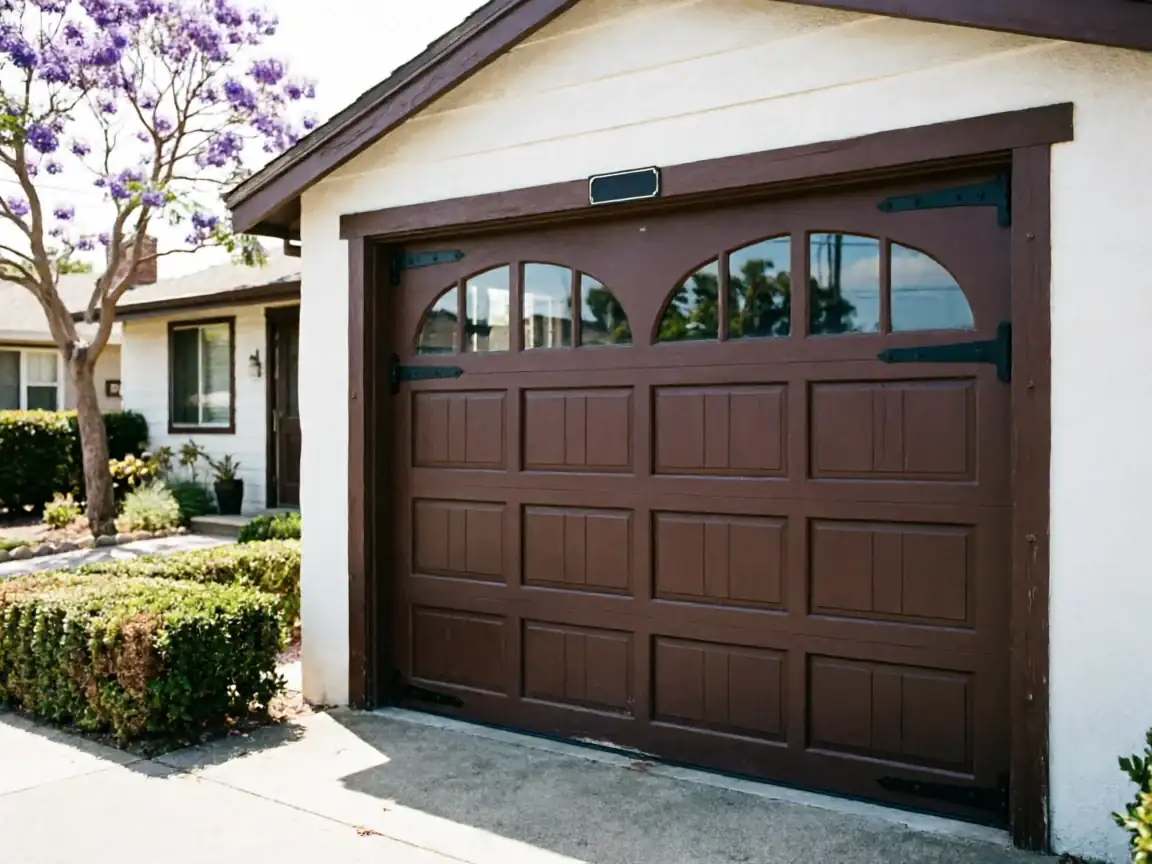
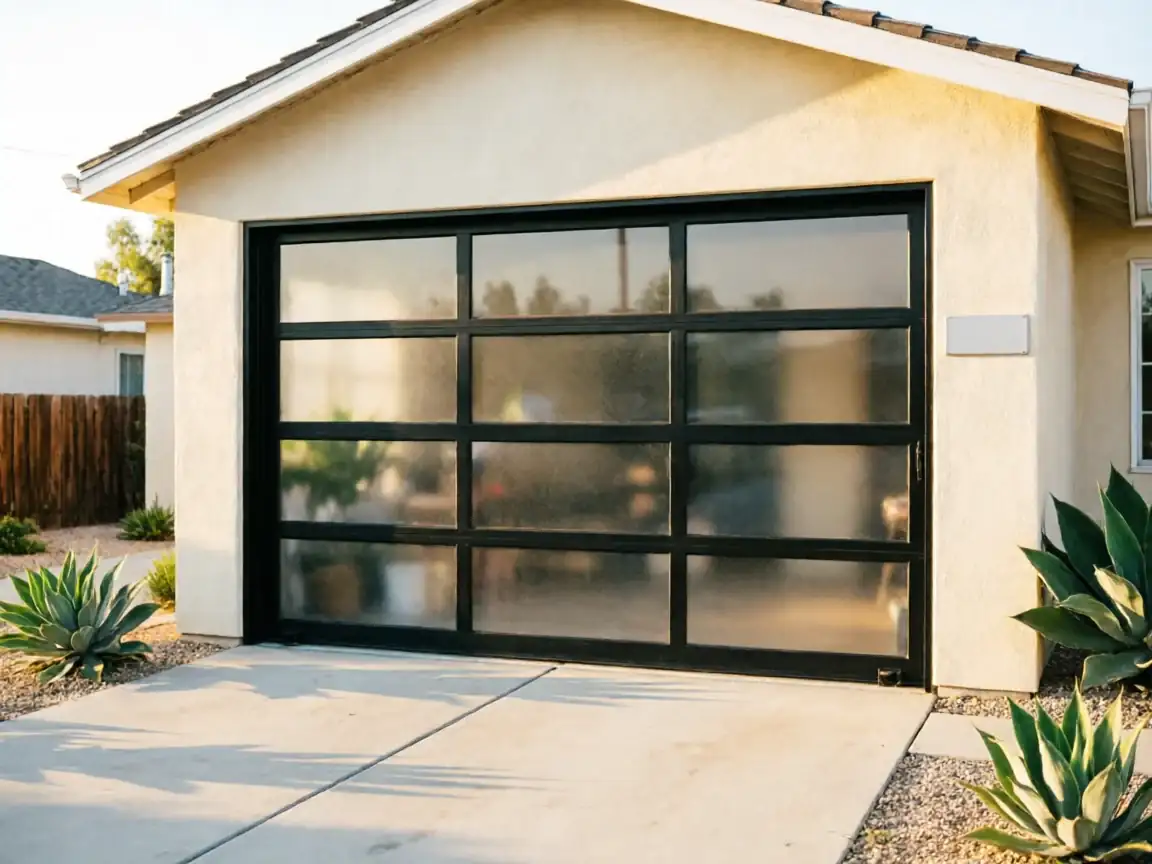
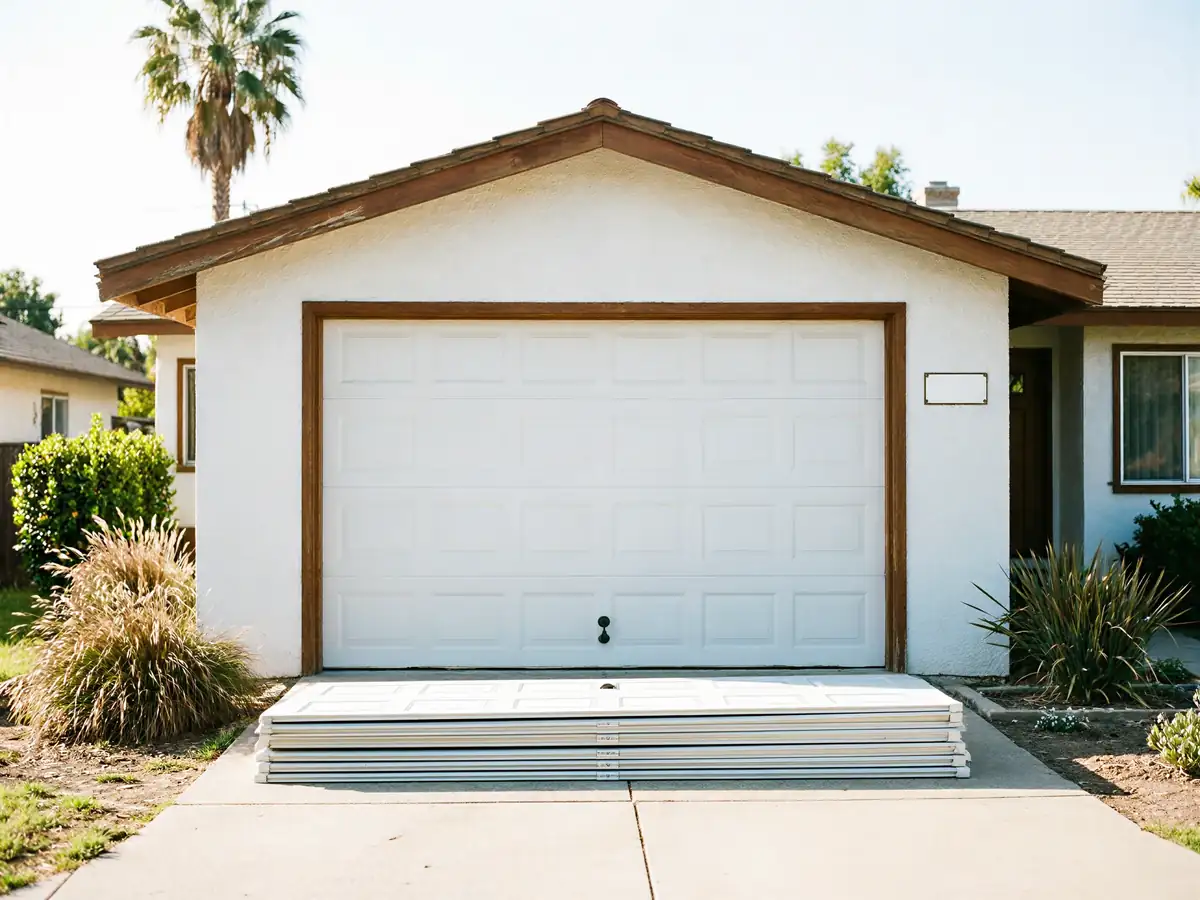
Panel replacement cost depends on how many sections need work, whether the panel includes a window or decorative insert, and whether your door's age means we're sourcing a direct match or adapting a current panel to older hardware. A single plain steel panel costs less than a panel with glass or a full-door color match. We'll tell you upfront if your door's age makes a panel-only repair impractical compared to replacing the full door - that's a judgment call we make on-site, not over the phone, since photos don't always show whether the track and hinges are still square.