What Causes It Around Here
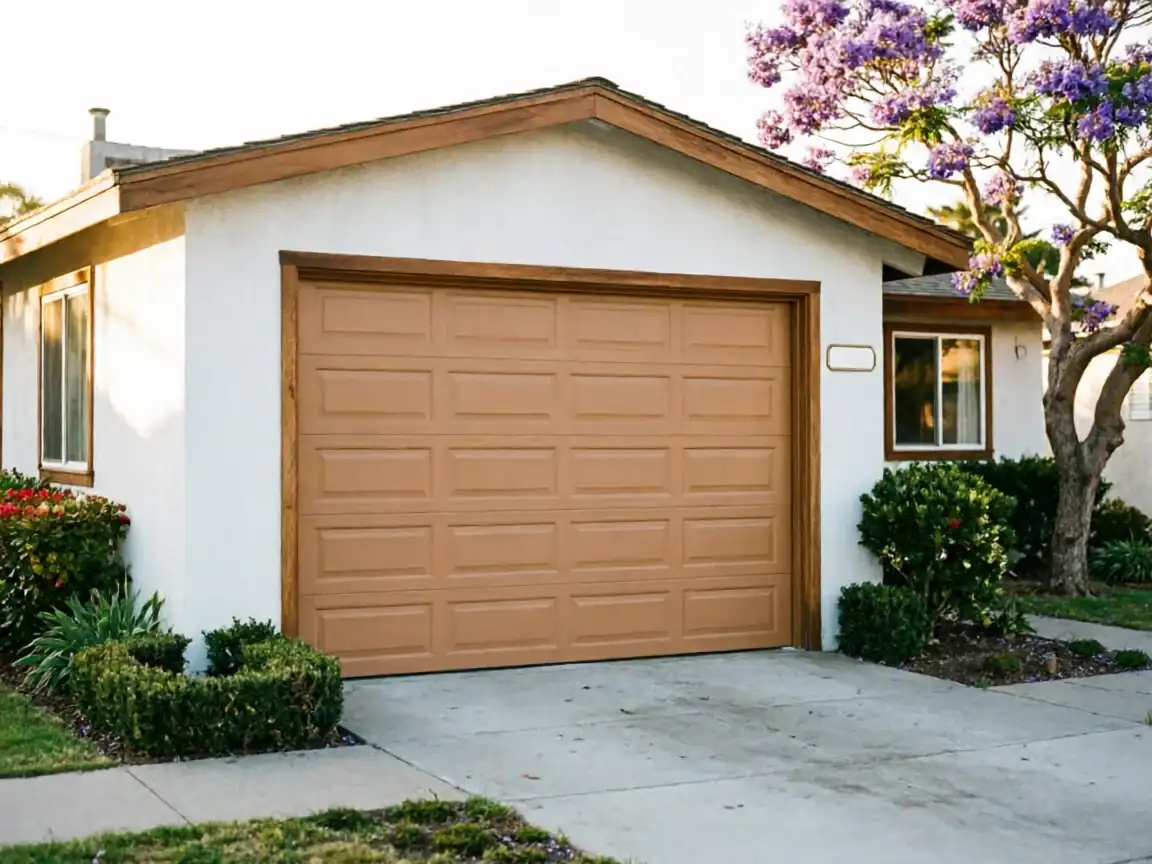
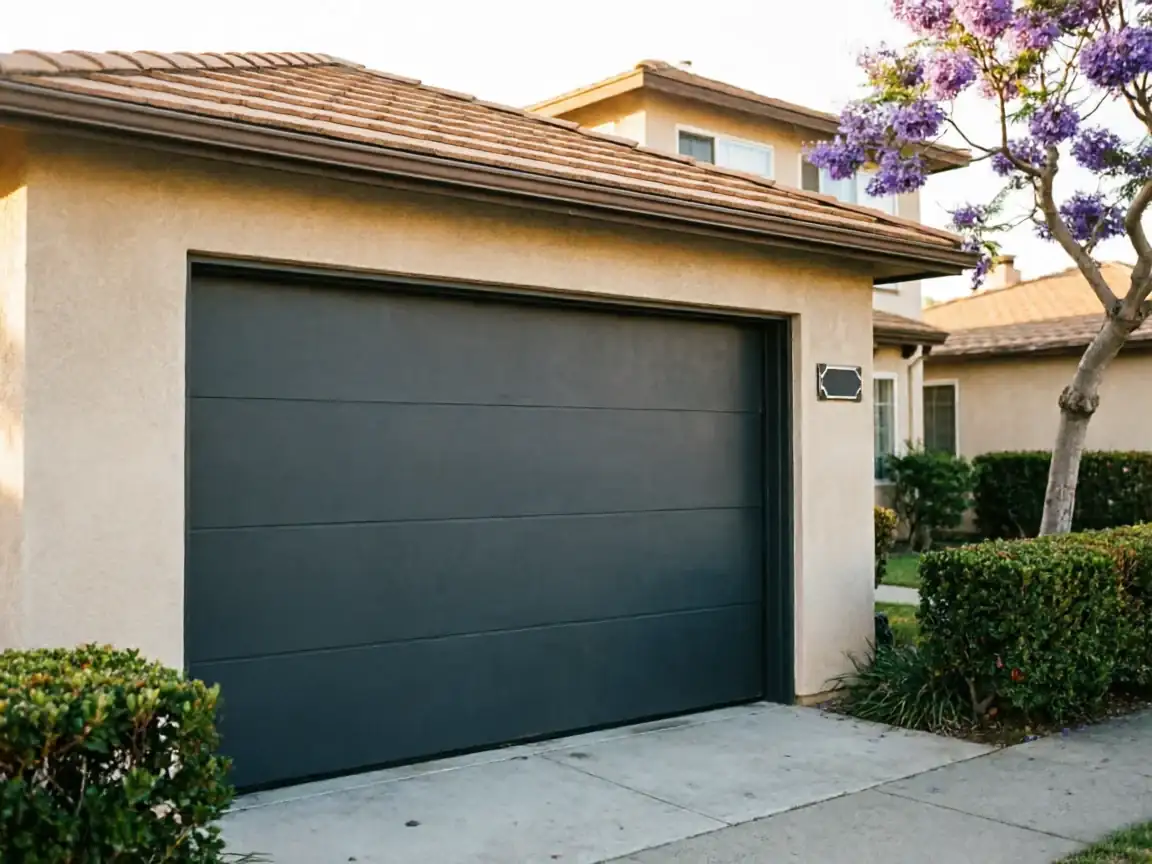
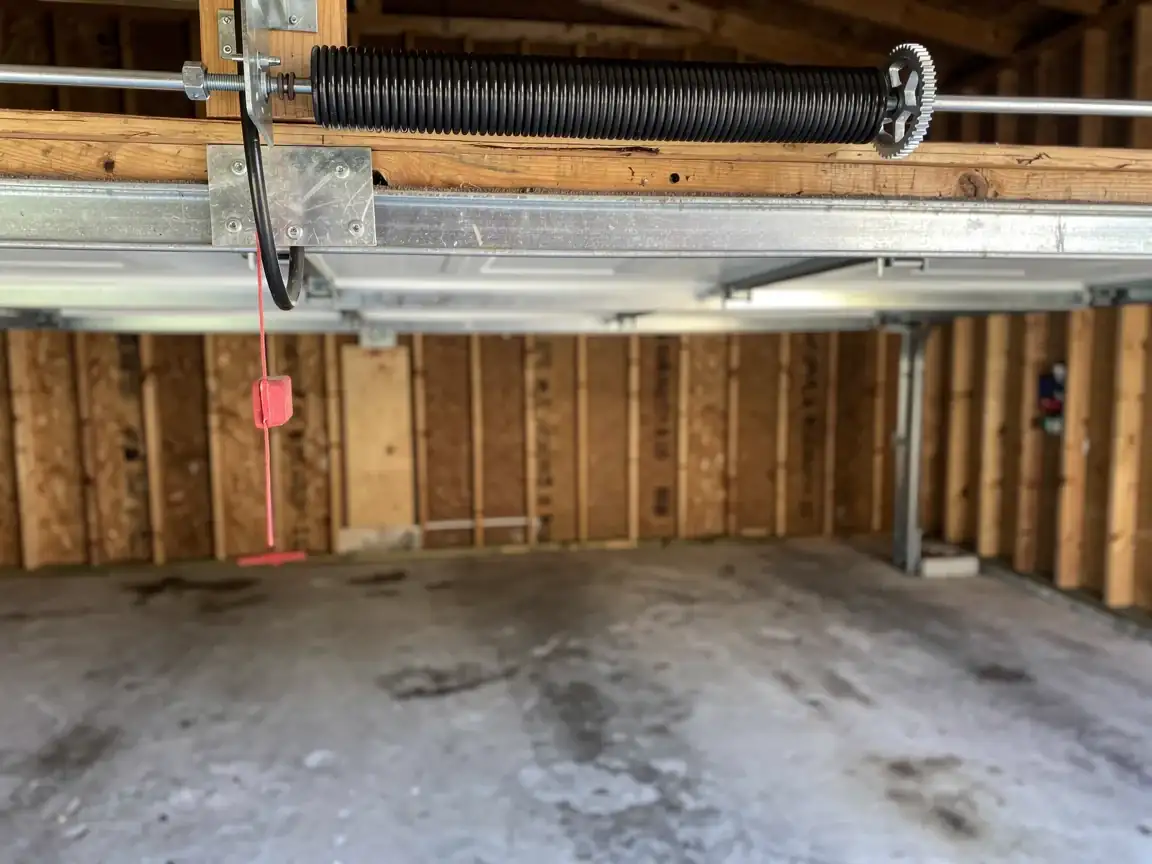
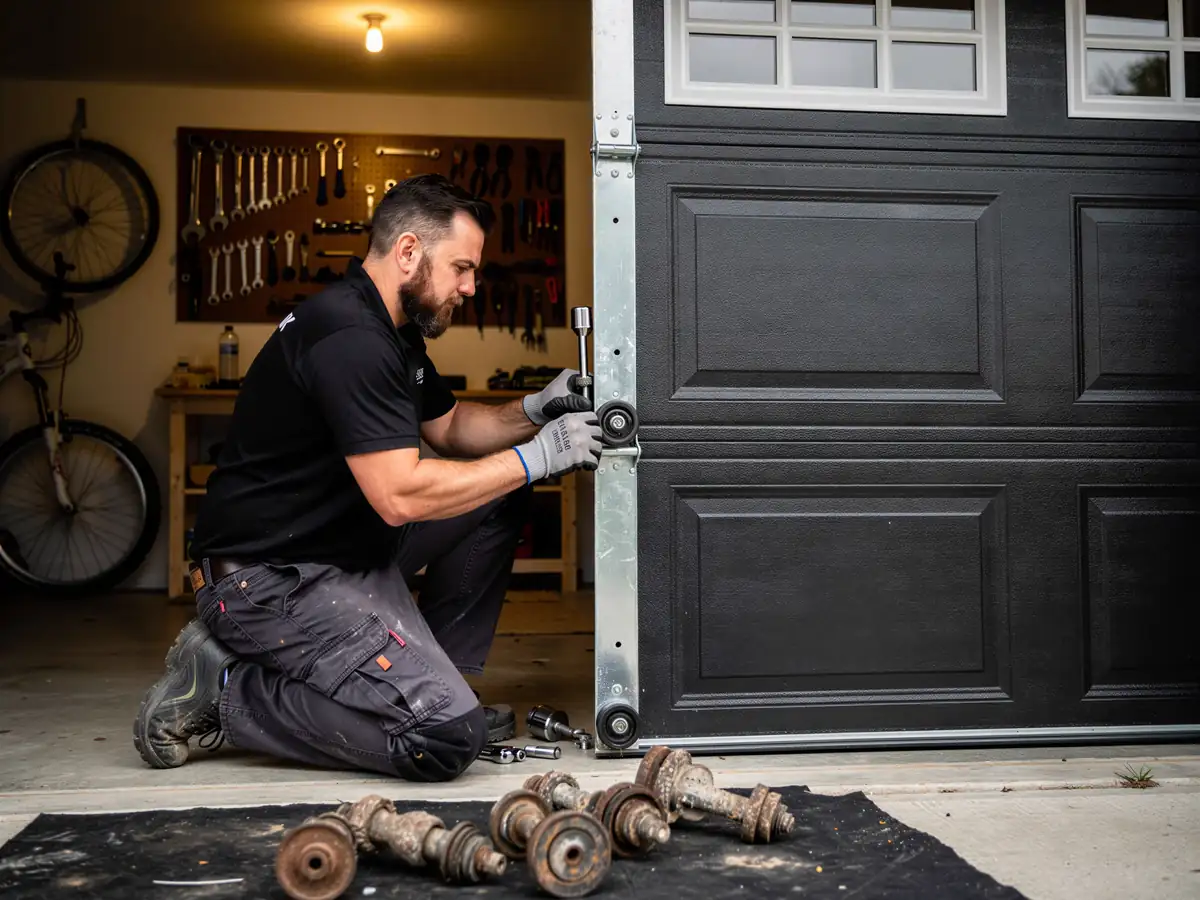
Most houses in Clovis went up between 1956 and 1993, with the median build year sitting around 1982, and that matters more than people think. A door installed when a house was built is usually still carrying its original torsion spring and the same steel rollers, just worn down by four decades of cycles. Add Clovis's severe heat band on top of that and you get a specific kind of failure: steel expands and contracts all summer, lubricant on the track dries out faster than it would in a milder climate, and nylon rollers that were fine in year twenty start cracking by year thirty-five. Across the 14 named areas we work in, from the older stock near Sunnyside and Old Fig Garden to the newer builds out toward Madera Ranchos, the pattern repeats: the door that worked fine in spring seizes up the first hot week of summer because the spring has finally given out. It's not bad luck. It's a 40-year-old spring doing one cycle too many on a 100-degree day. Houses built closer to 1956 are more likely to still have the original hardware than ones from the 1990s, which tend to be on their second or third opener already.
What You Are Seeing
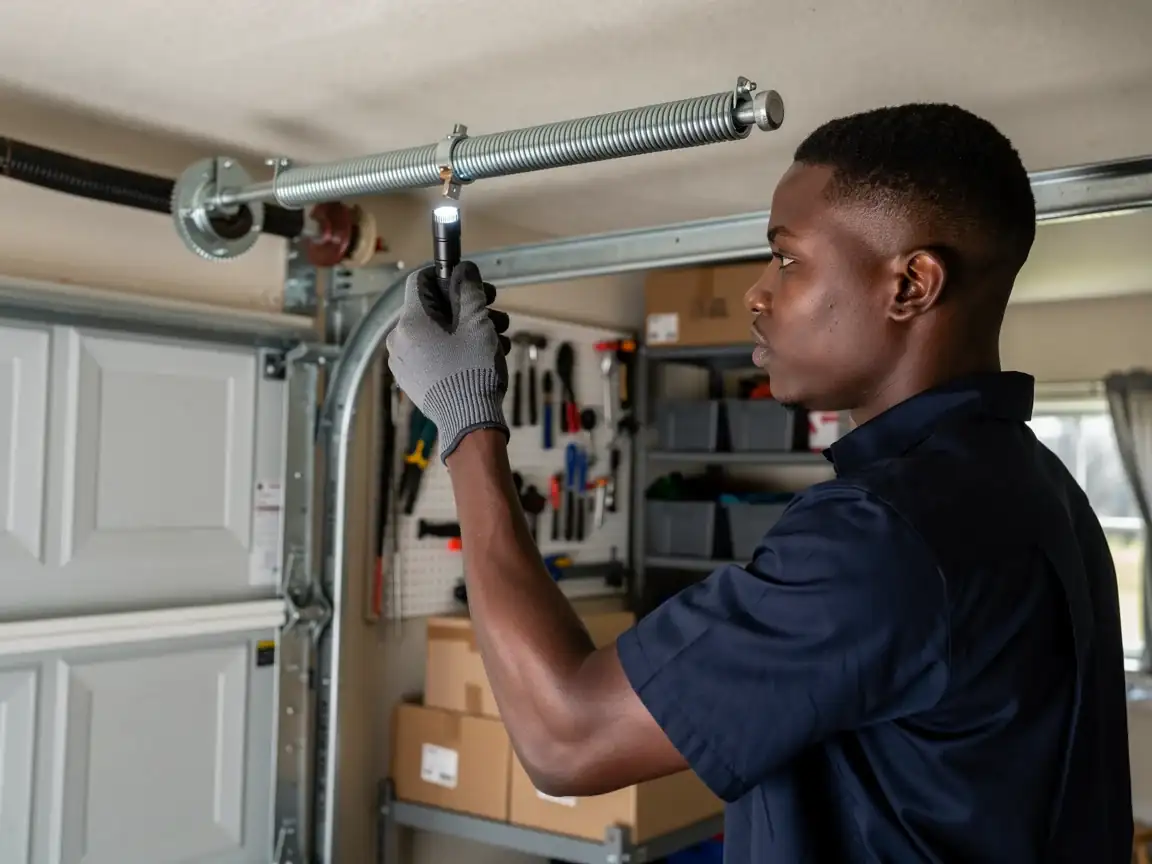
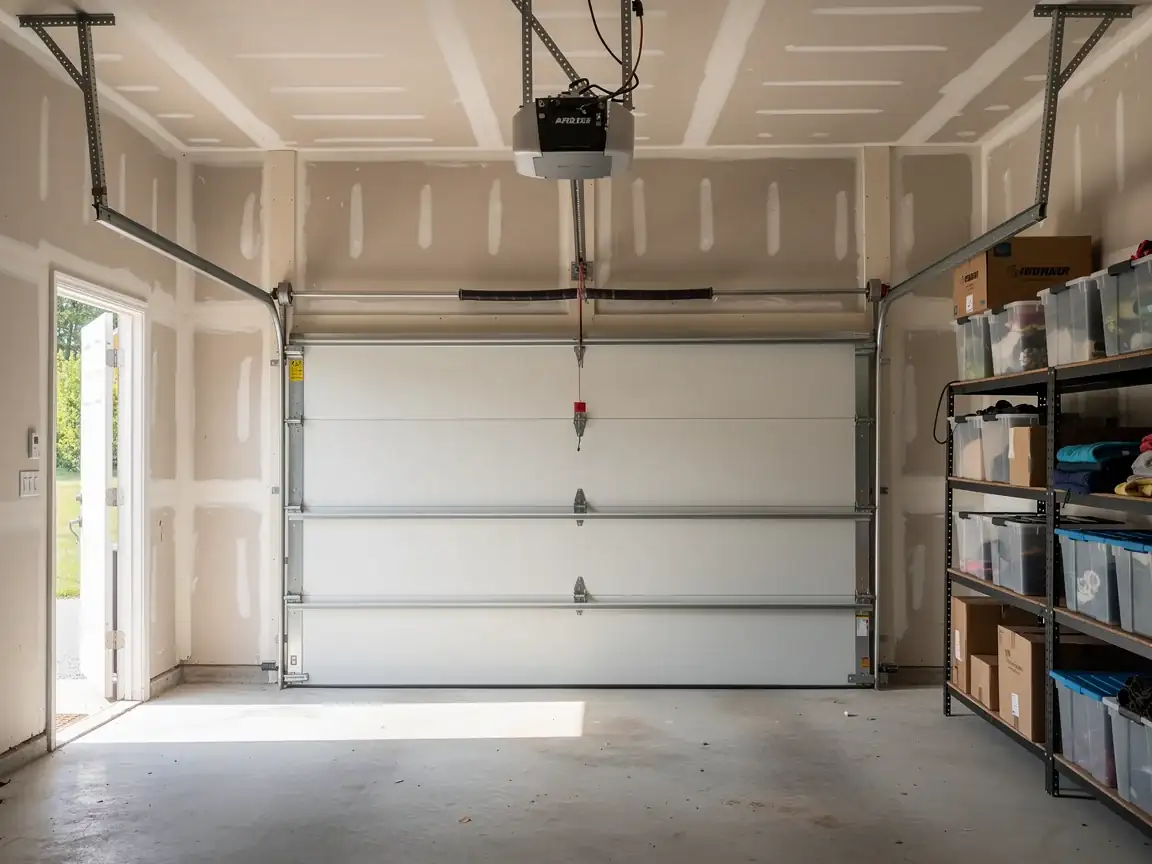
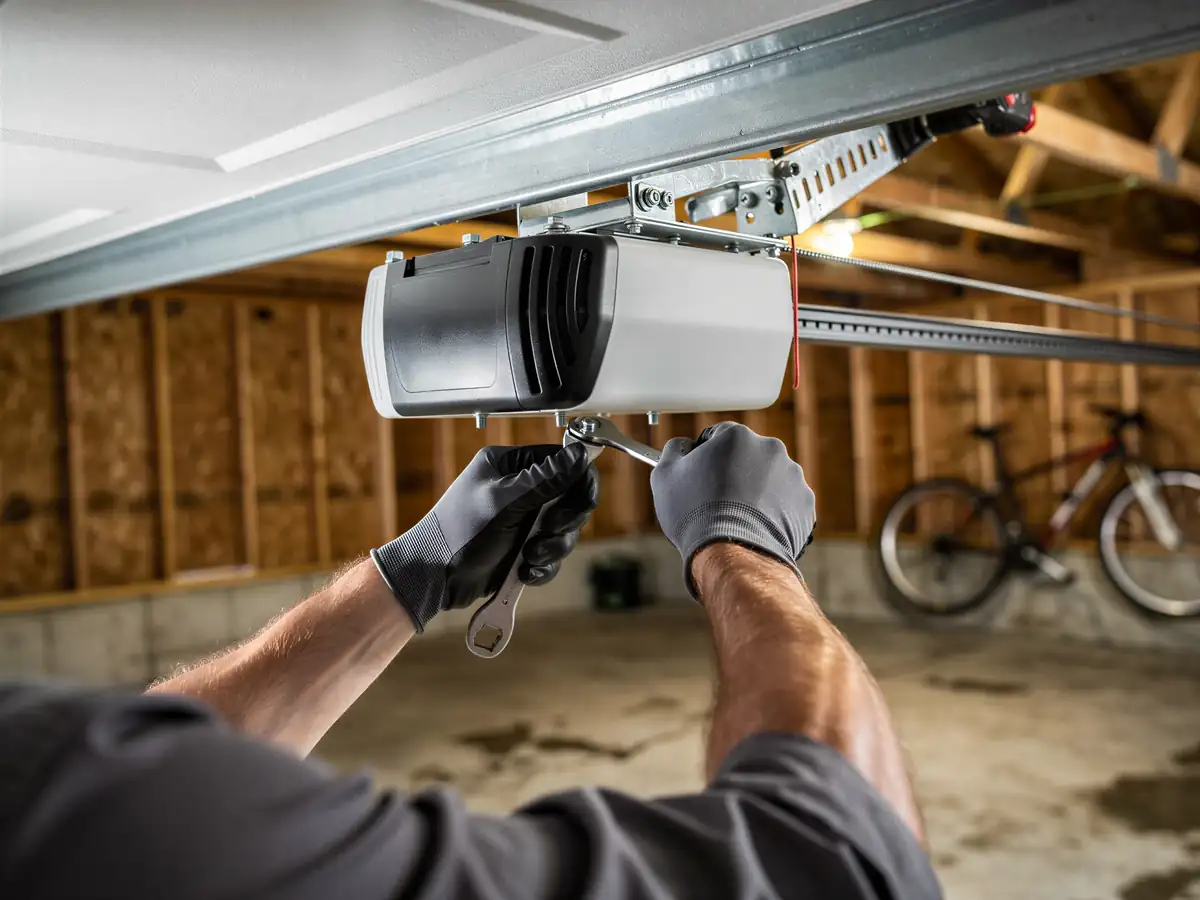
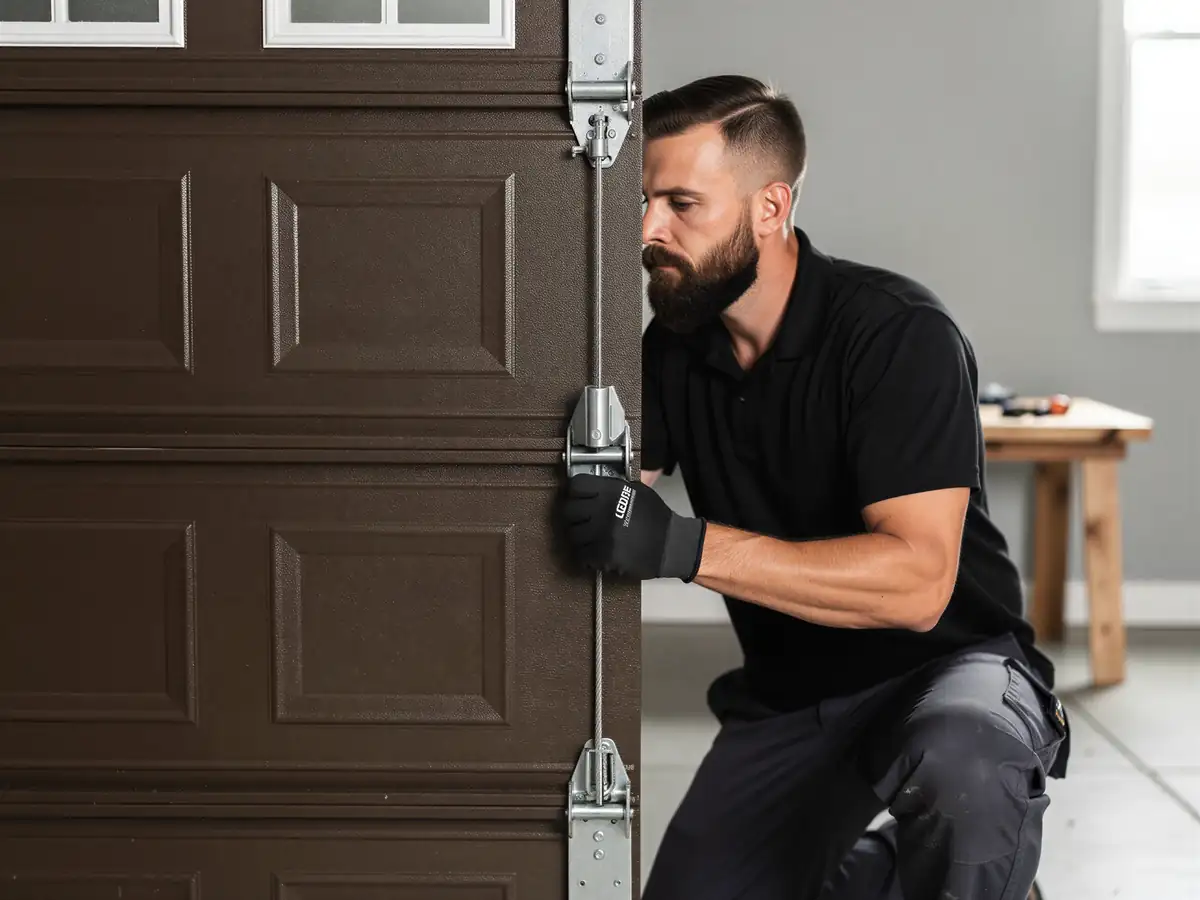
The door won't open, or it opens a few inches and stops. You hear a bang from the garage and now the door won't budge at all - that's usually a torsion spring letting go, and it's common on doors from the older end of Clovis's 1956-1993 housing stock that never got the spring swapped. Sometimes the door opens fine but shudders or scrapes partway up, which points to a bent track or rollers that have worn down from years of summer heat cycling the steel. If the opener runs but the door doesn't move, check the chain or belt before assuming the motor is dead - on older units the connection between opener and carriage is often the actual failure point, not the motor itself. A door that closes on its own or won't stay open usually means the spring tension is off, not that something is broken outright. None of these symptoms tell you the exact part without a look at the door, but the age of the house is usually your best first clue to what's worn out.
What You Pay
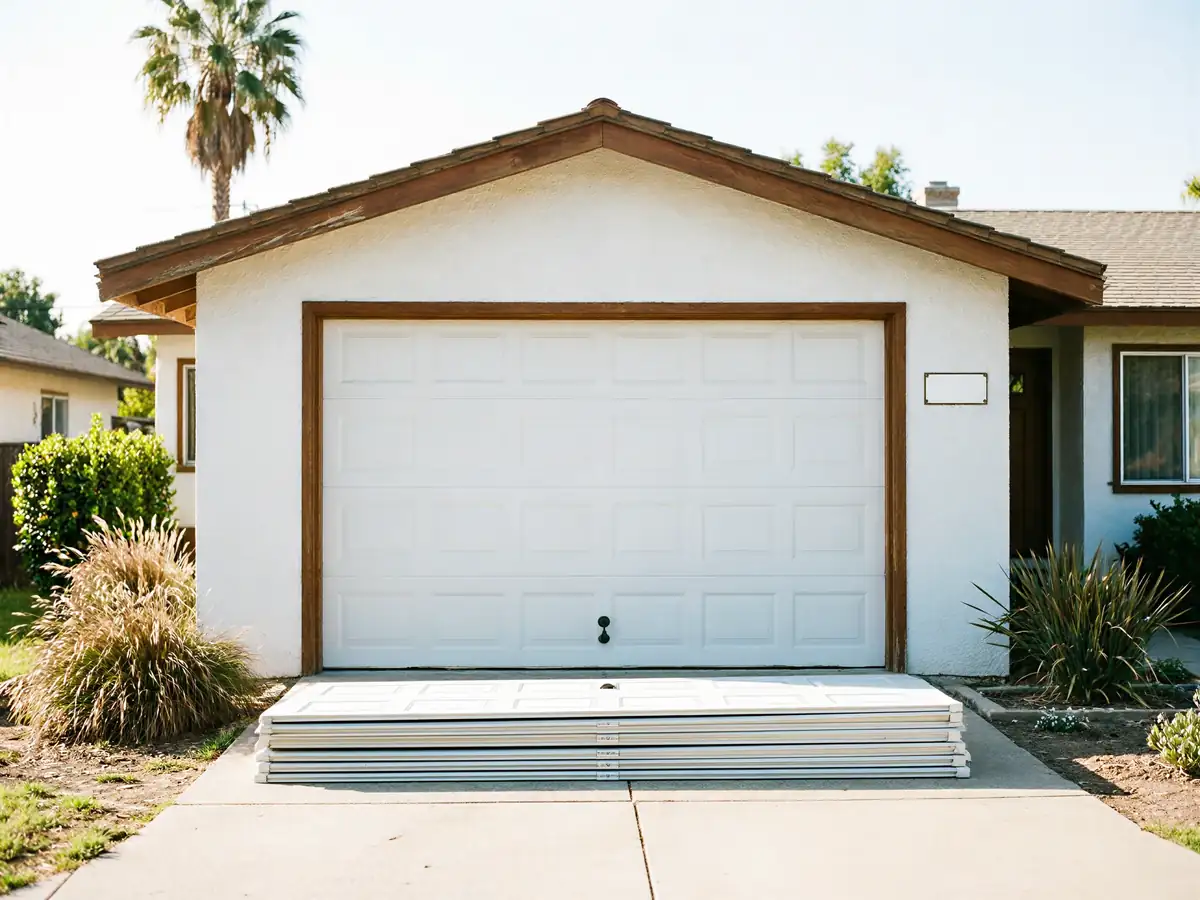
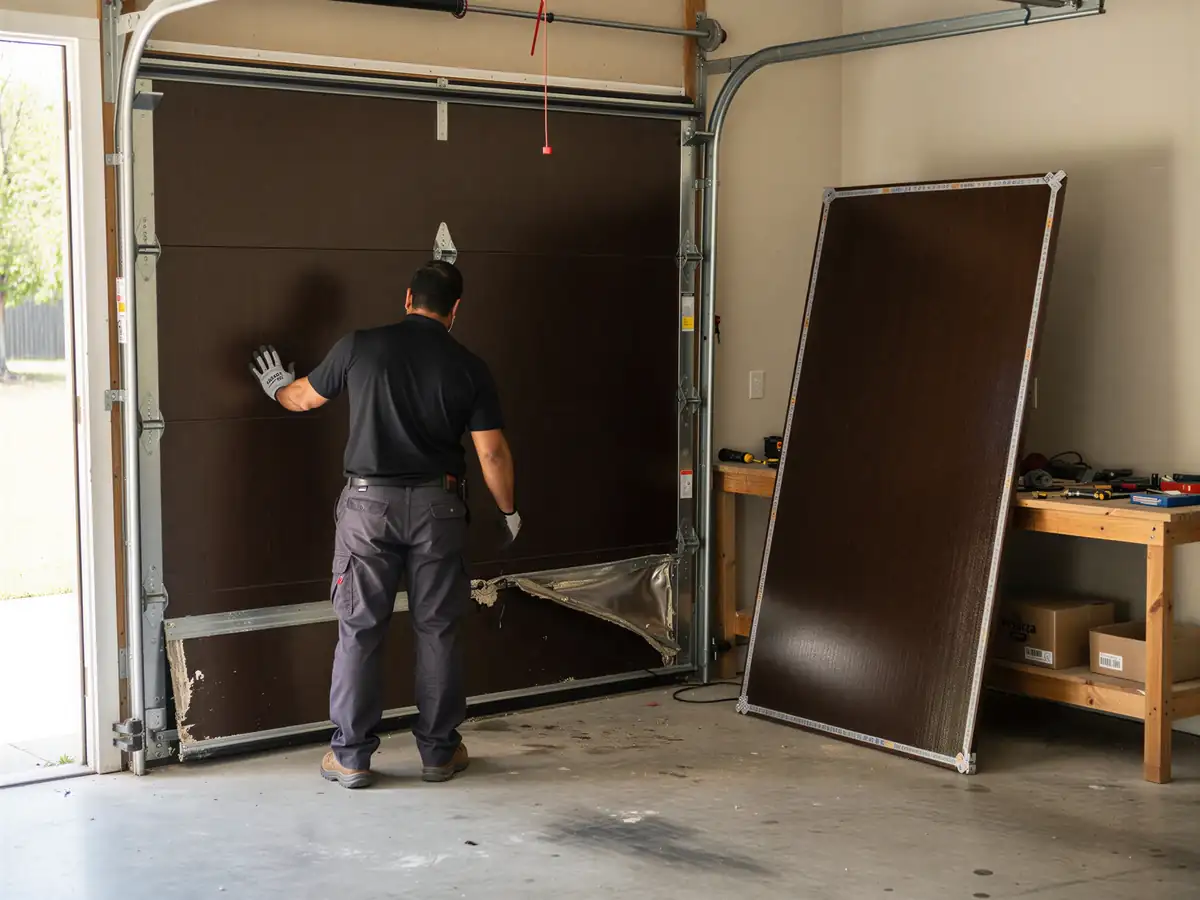
We don't publish a flat number here because the fix depends entirely on what's actually wrong and how old the hardware is - a roller adjustment on a newer door and a full spring and cable replacement on a house built in the 1960s are not the same job or the same bill. What we can tell you is that in a service area where median household income runs around $74,000 and most of the housing is 30 to 60 years old, the repairs we see most are driven by age and heat, not by anything unusual about one house versus another. We'll give you a real number after we look at the door, not before. If you're on the fence about repair versus replacement, we'll tell you straight which one makes more sense for your situation rather than defaulting to whichever pays better.