What Causes It Around Here
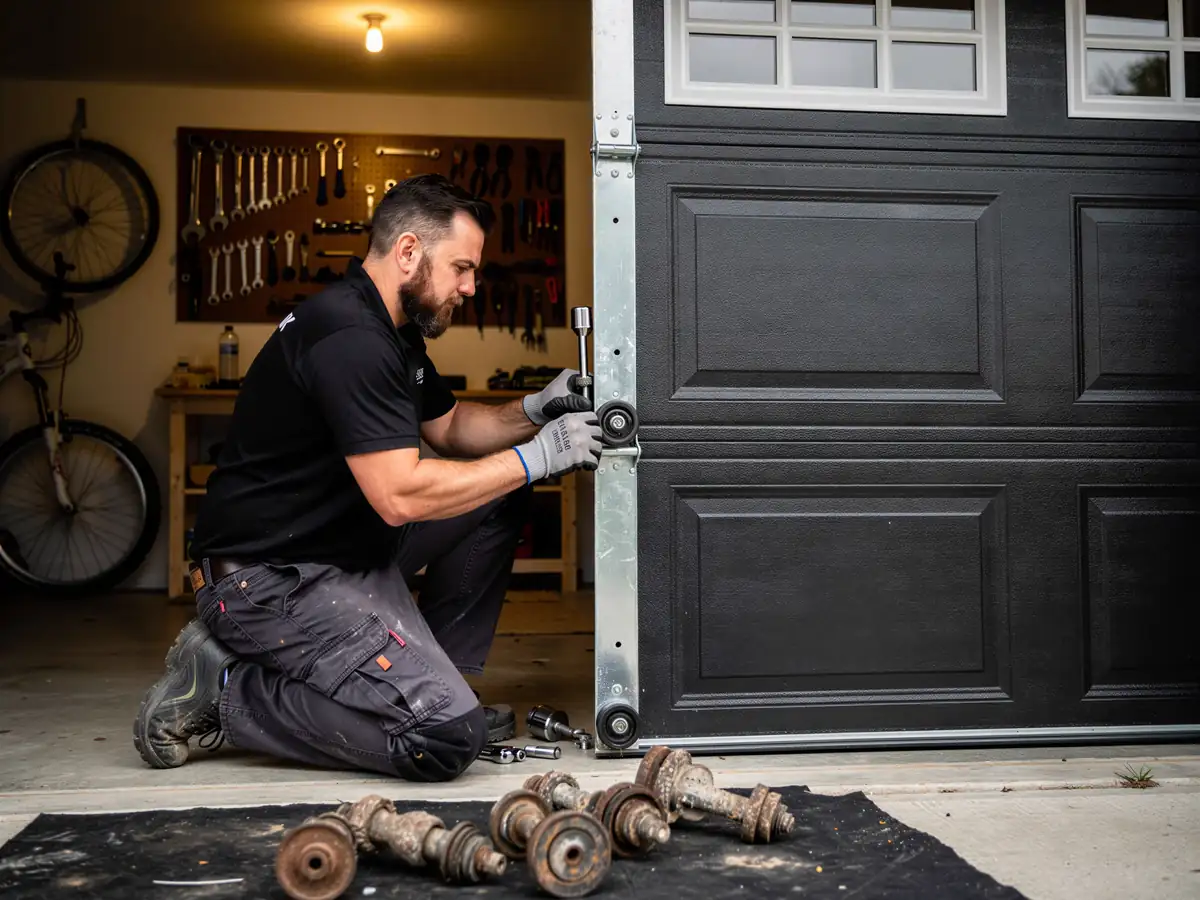
Most of the housing across this service area went up between 1956 and 1993, with the bulk of it dating to the 1980s and 90s across the fourteen named neighborhoods we cover. That matters for maintenance because a door built in that window is old enough that its original spring, rollers, and hinges have seen three or four decades of cycles, but the house itself usually hasn't been touched - no upgrade, no re-balance, nothing.
The bigger factor is heat. This area sits in a severe heat climate band, and a garage with a steel door and no insulation turns into an oven for half the year. Lubricant on tracks and hinges cooks off faster than it would somewhere milder. Nylon rollers get brittle. Metal expands and contracts enough, day over day, that fasteners back out of tracks and brackets slowly loosen without anyone noticing until the door starts binding.
Put those two things together - decades-old hardware plus sustained heat load - and you get the two failure patterns we see most: springs that lose tension faster than their rated cycle count suggests, and track alignment that drifts out of square over a season instead of failing all at once. Neither one is a defect. It's just what happens to this kind of door, in this kind of housing stock, under this kind of sun.
What You Are Seeing
If your door is loud going up where it used to be quiet, that's usually dry rollers or a hinge that's lost its lubrication to heat, not a motor problem. A door that reverses on its own partway down, or that feels heavier than it used to when you lift it by hand with the opener disconnected, points to a spring that's lost tension - common on houses from this 1956-1993 window where the original spring is still in place.
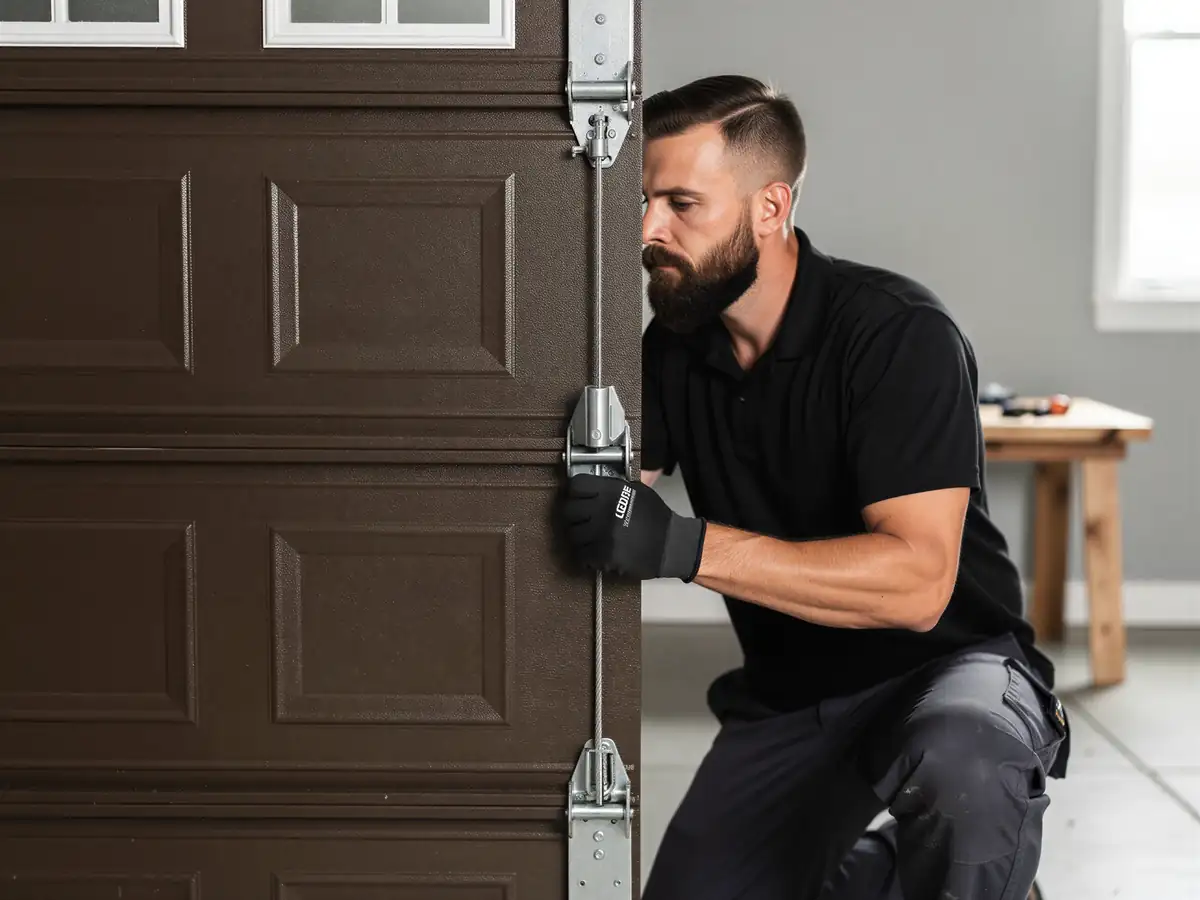
Track misalignment shows up as a door that shudders or seems to chatter in one spot every time, usually the same six inches of travel. That's often a bracket that's walked loose from repeated thermal expansion, not a bent track needing replacement.
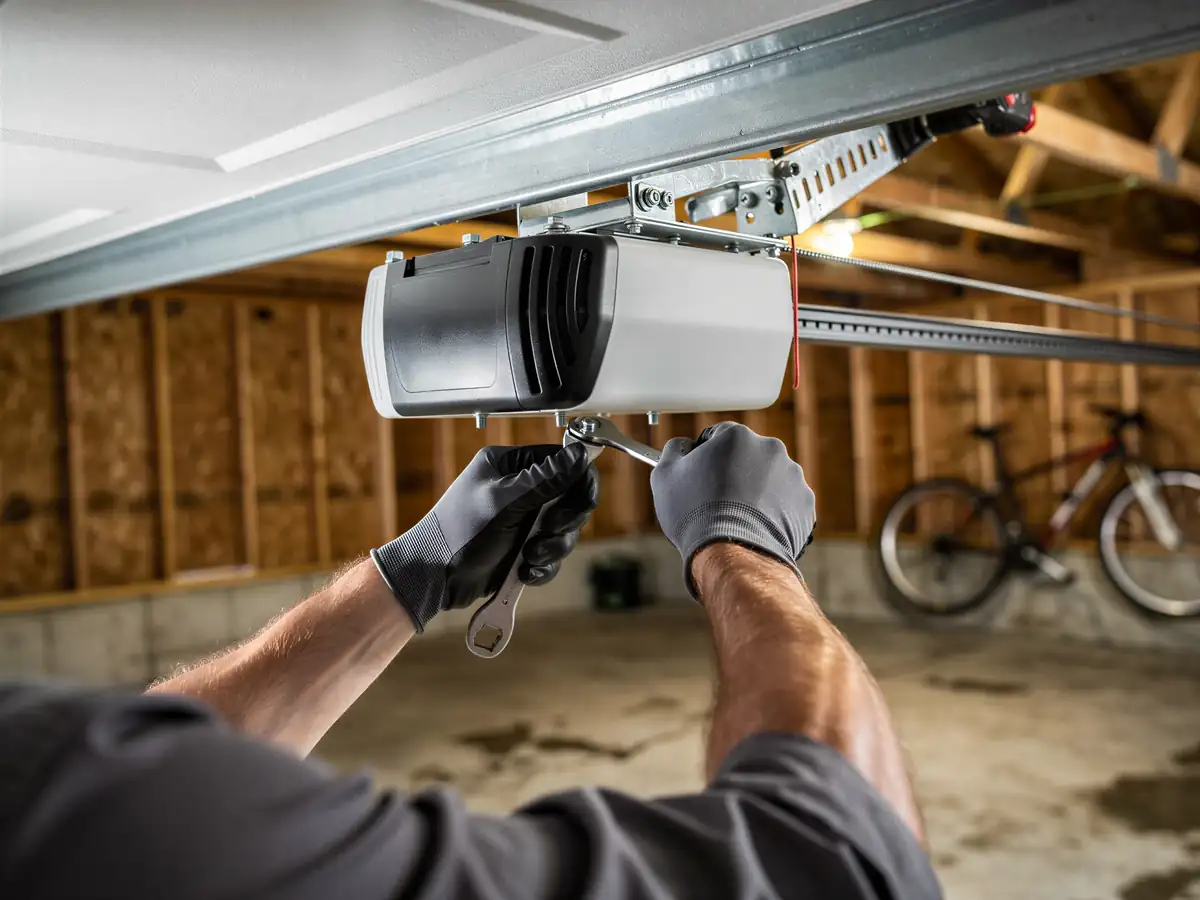
A slow opener, or one that strains and hums before the door moves, can mean the chain or belt needs tension adjustment, or it can mean the door itself is harder to lift than it should be - which sends you back to the spring. These things overlap, which is why a once-a-year check catches problems while they're still adjustments instead of replacements.
Doing It Yourself
Some of this is reasonable to do yourself
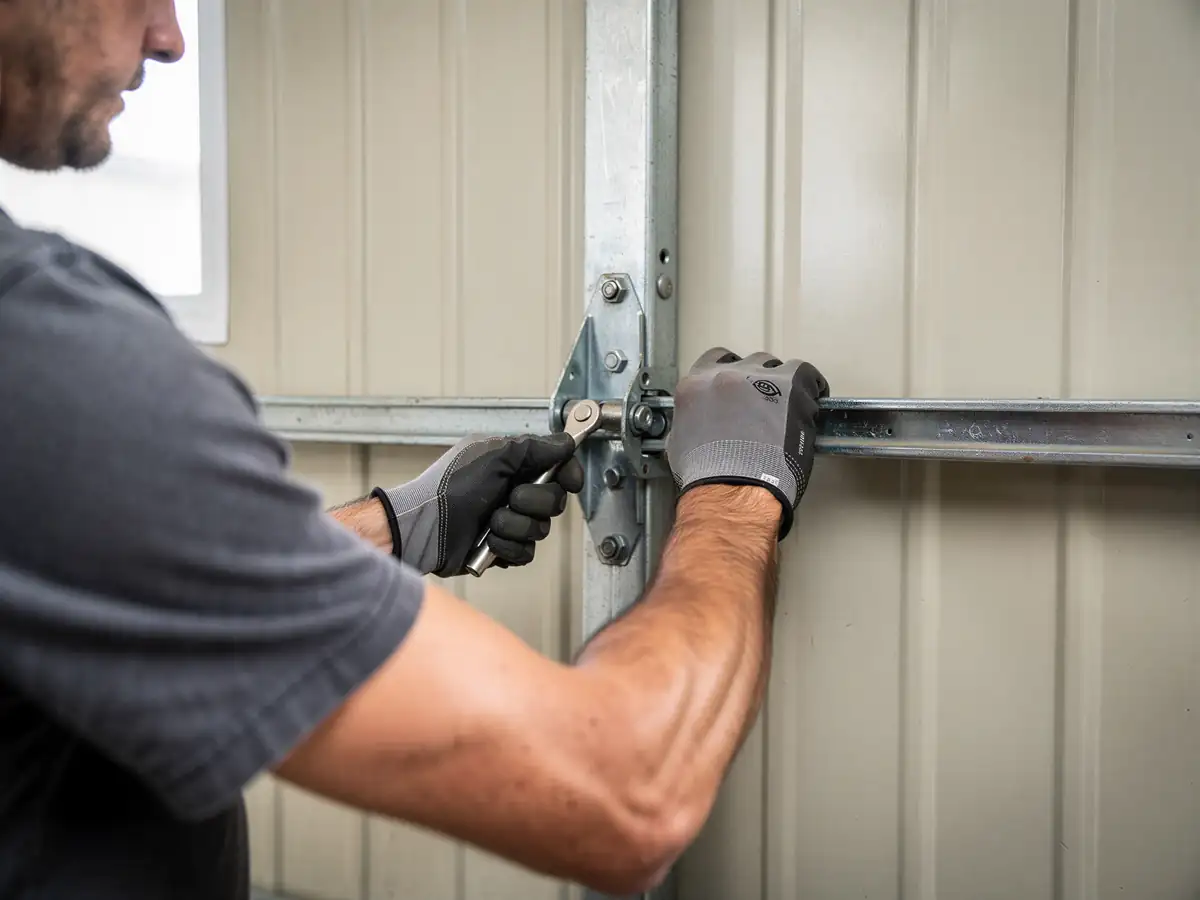
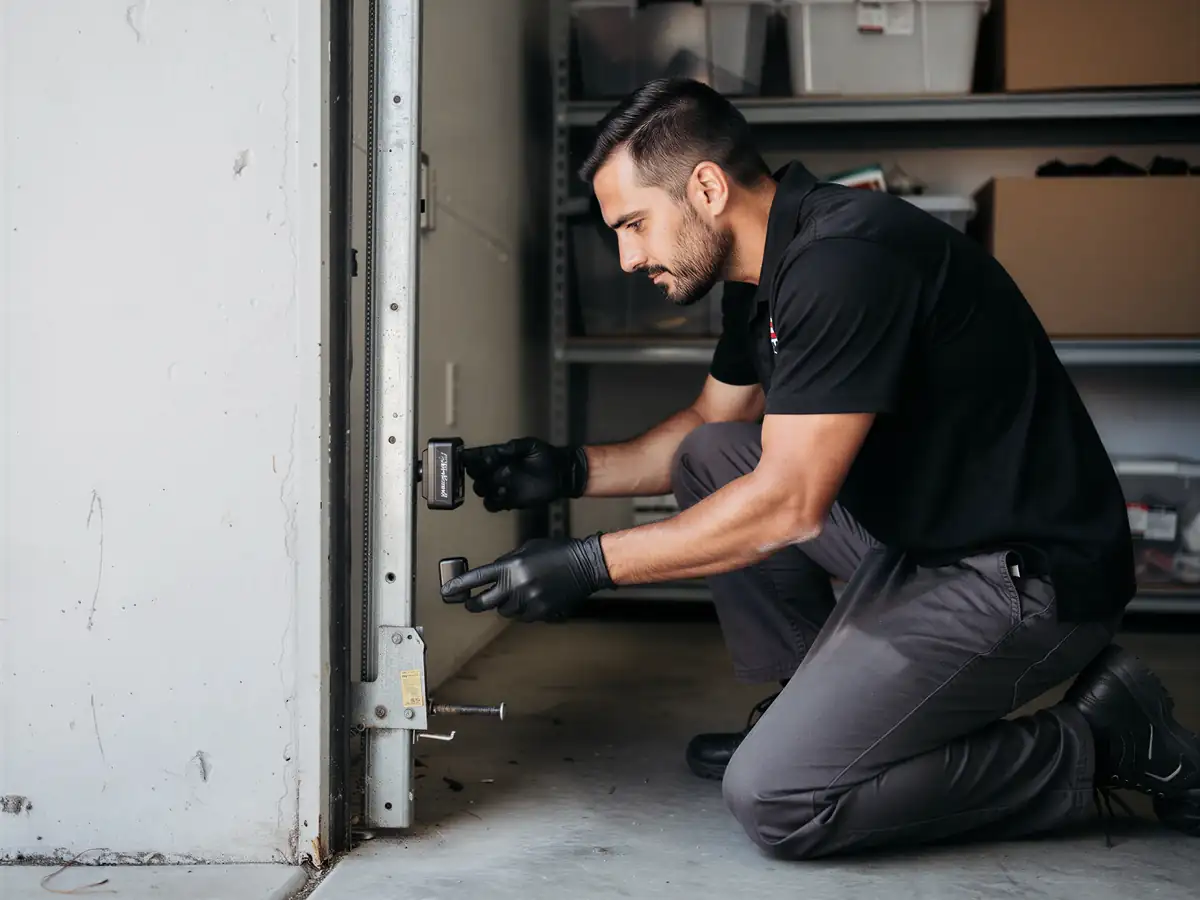
Wipe down and lubricate rollers, hinges, and the spring itself with a garage-door-rated lubricant (not WD-40, which washes grease out rather than adding it) twice a year given how hard the heat here is on it. Check that the photo-eye sensors near the floor are clean and aligned. Tighten visible bolts on the track brackets - a nut driver and ten minutes.
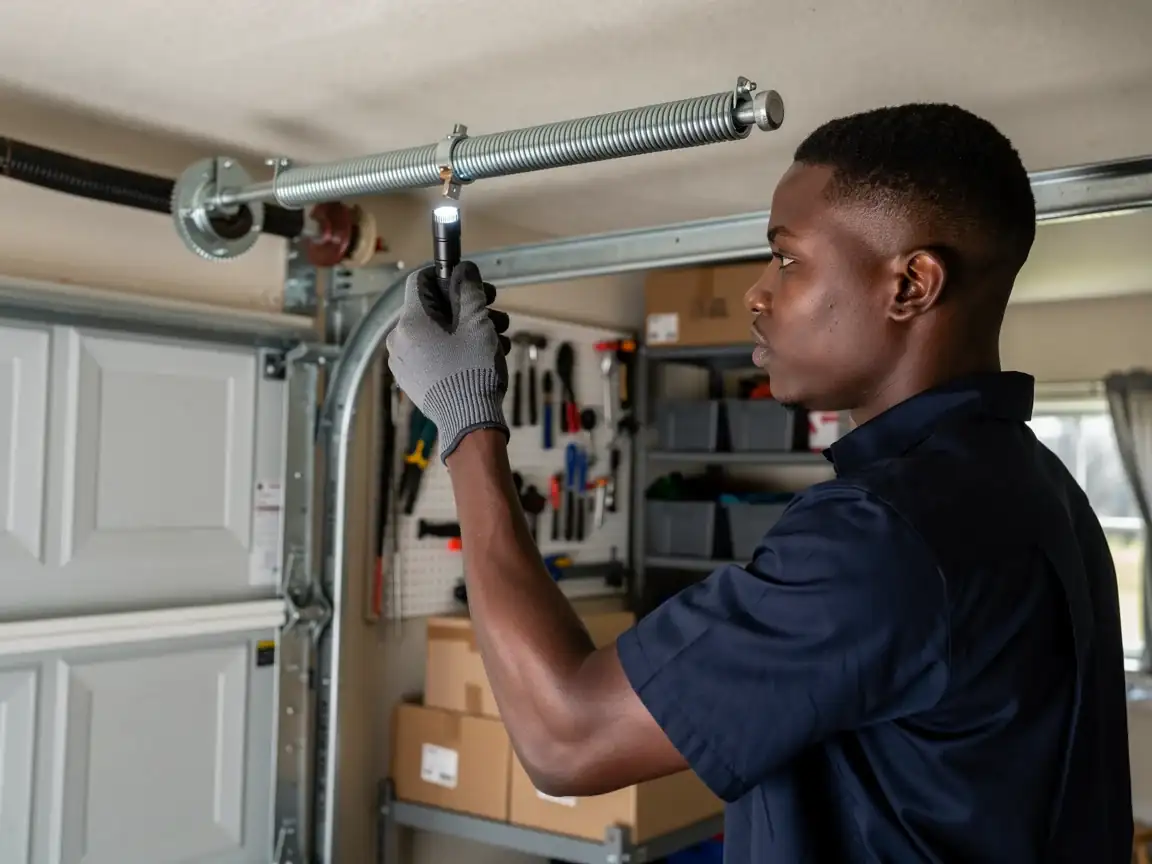
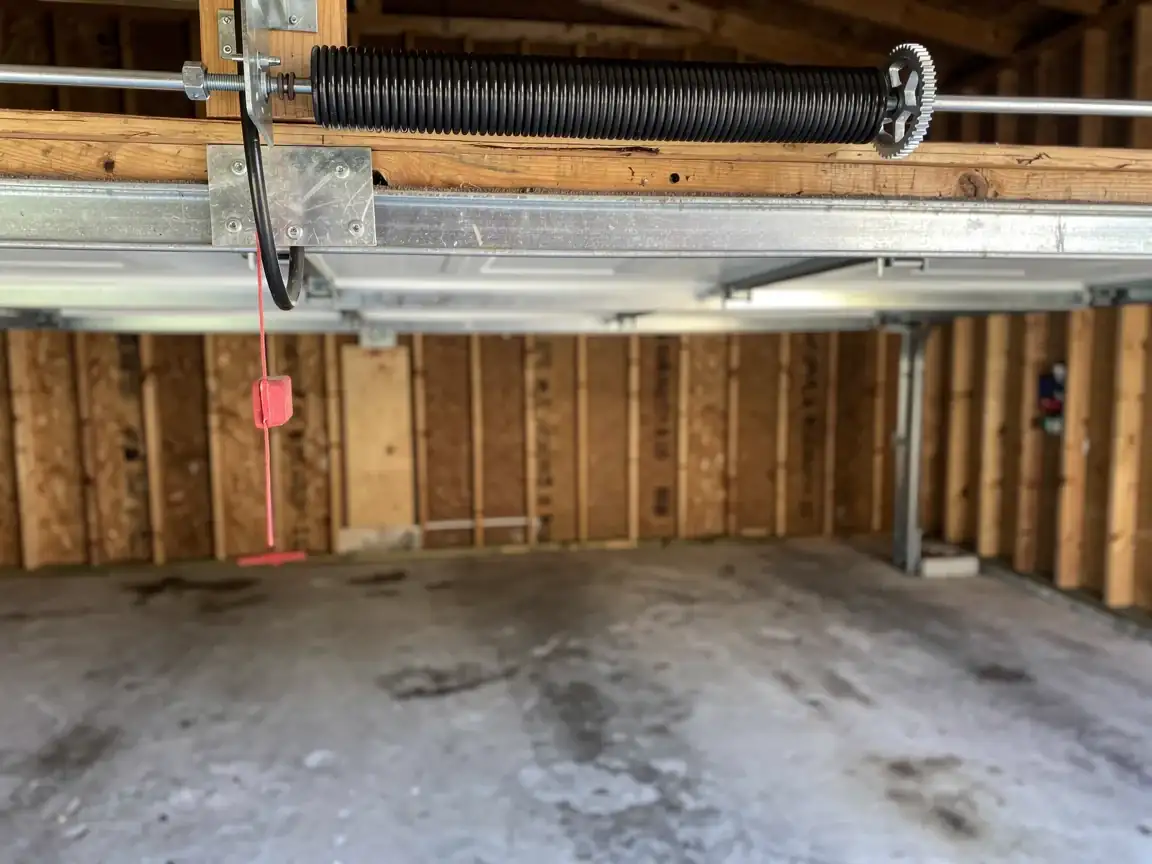
What you should not do yourself is touch the torsion spring
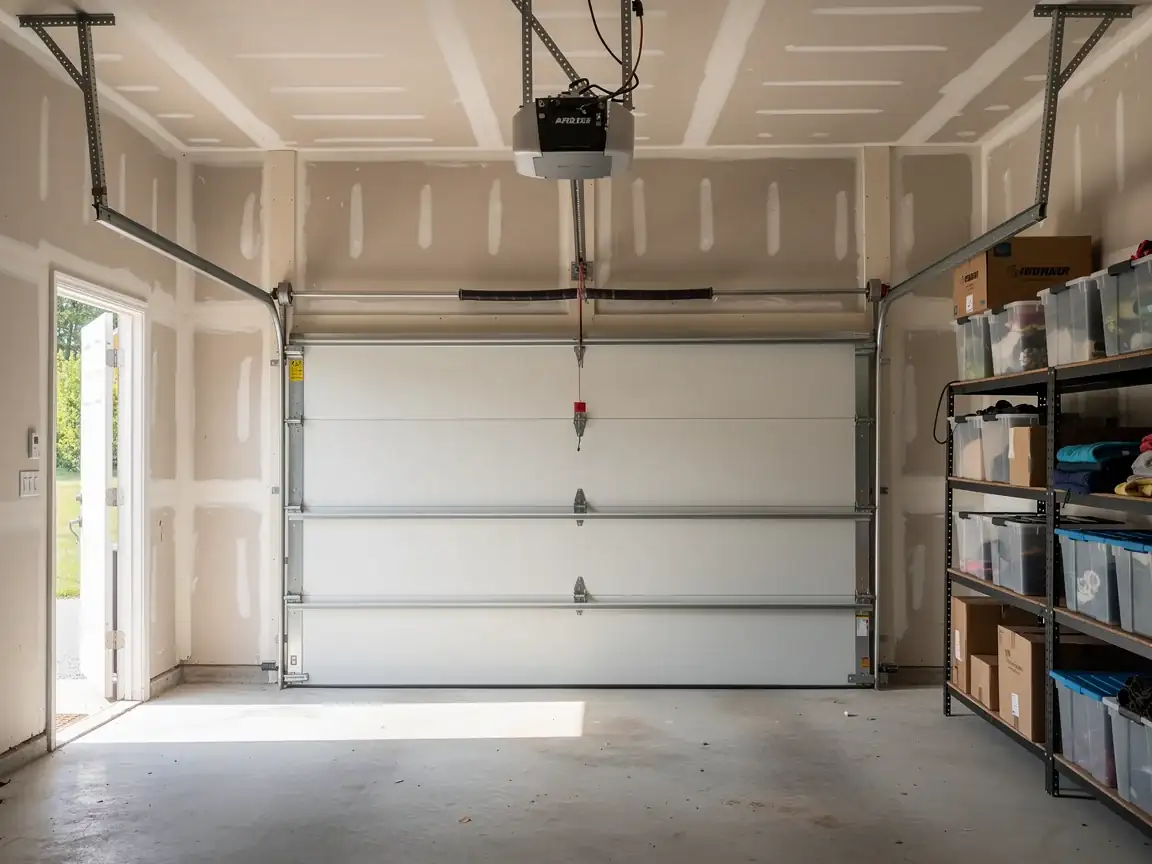
It's under enough stored tension to cause a serious injury if it lets go while you're working on it, and on a 1980s or 90s door that spring has likely never been replaced. Balance testing is fine to do yourself - disconnect the opener, lift the door halfway, and see if it holds. If it drops or shoots up, that's a spring job, not a DIY one. If you're not sure which category something falls into, that uncertainty is itself the signal to call rather than guess.
What You Pay
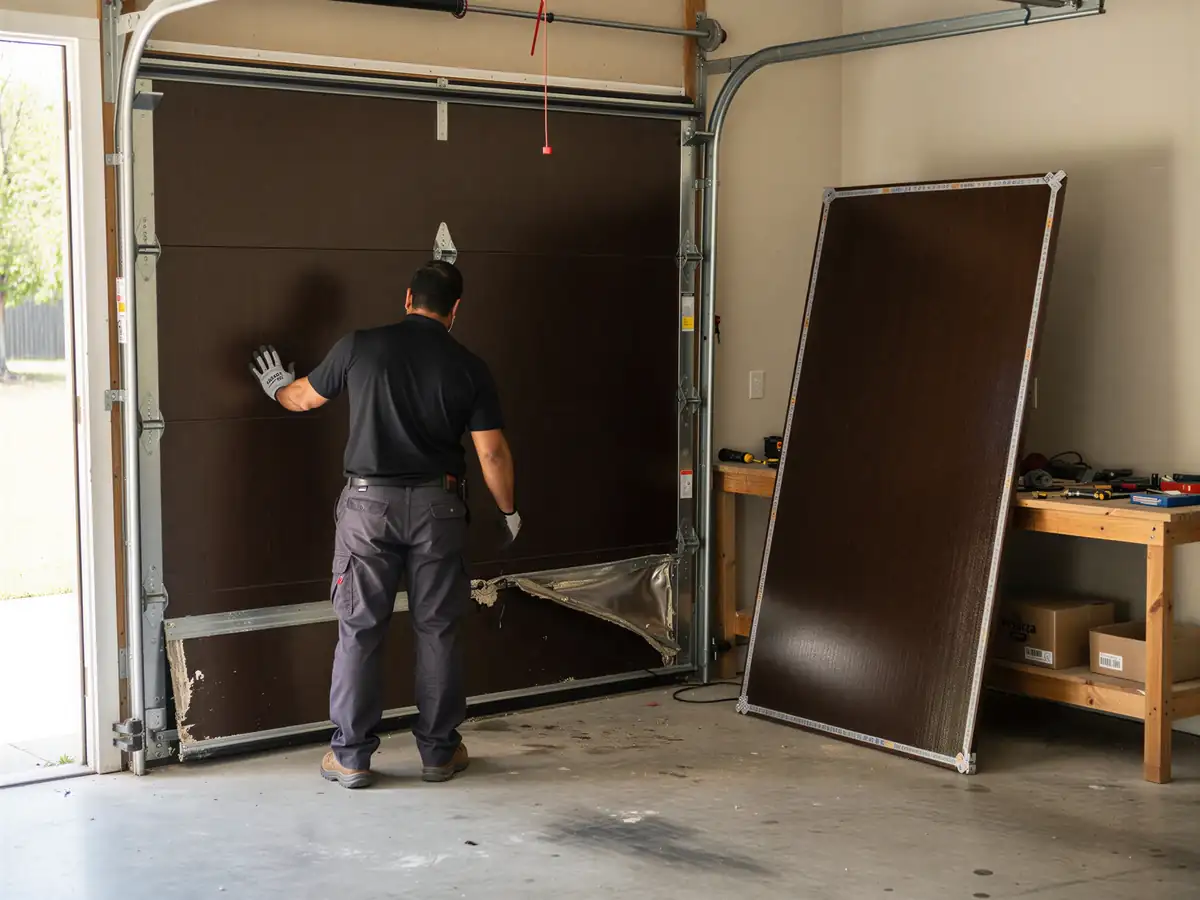
We don't publish flat maintenance pricing here because the honest answer is that it depends on what we find - a lube-and-adjust visit on a door that's been maintained before costs less than a first visit on a door that's never had one, especially on older houses across this area where rollers and hinges are often original. What we can tell you is that a straightforward maintenance call is cheaper than waiting for a spring to fail or a track to need full replacement, and we'll quote any repair work before we do it, not after.
Given the median household income across this service area sits around $74,428, most homeowners we see treat maintenance as a once-a-year line item rather than something deferred indefinitely - it's a smaller bill now instead of an emergency repair bill later. If you want an exact number for your door, that takes a look at the actual hardware, not a guess over the phone.