What Causes It Around Here
Most of the housing stock across this service area went up between 1956 and 1993, with a lot of it clustered in the 1980s and 90s across the fourteen named areas we work in. That matters for rollers because the original hardware on doors from that era is almost always steel rollers running in steel tracks, sometimes with a thin nylon sleeve if the house was updated once along the way. Neither holds up well under a severe heat climate like this one.
Heat does two things to a roller. It dries out whatever grease was packed into the stem bearing, and it expands and contracts the track just enough, day after day, to wear a groove pattern into the roller wheel itself. Steel-on-steel does this faster than anything with a nylon tire. A door that gets worked through a Clovis summer, opened and closed while the slab and the track are both radiating heat, puts more cycles of thermal stress on that stem than the same door would see in a mild climate. Add 30-plus years of that and the wheel edge rounds off, the bearing seizes, and the roller starts riding sideways in the track instead of straight through it. That's the mechanism, not bad luck, and it's why this failure shows up on schedule across houses of the same age rather than randomly.
What You Are Seeing
A grinding or rumbling sound as the door travels is usually the first sign, especially right near the bottom of the track where the door picks up speed. If one side sounds worse than the other, that's usually your answer - one roller is wearing faster than its twin, often because that track gets more direct sun or more daily cycles.
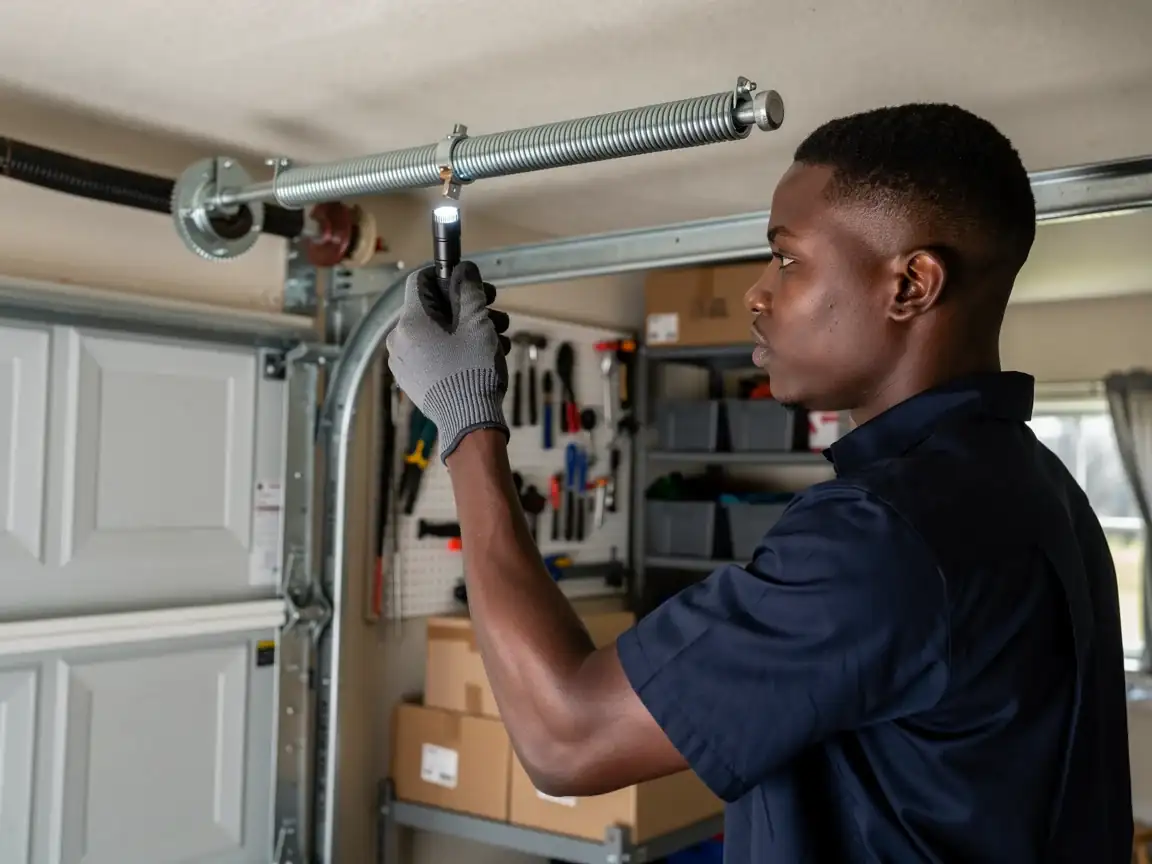
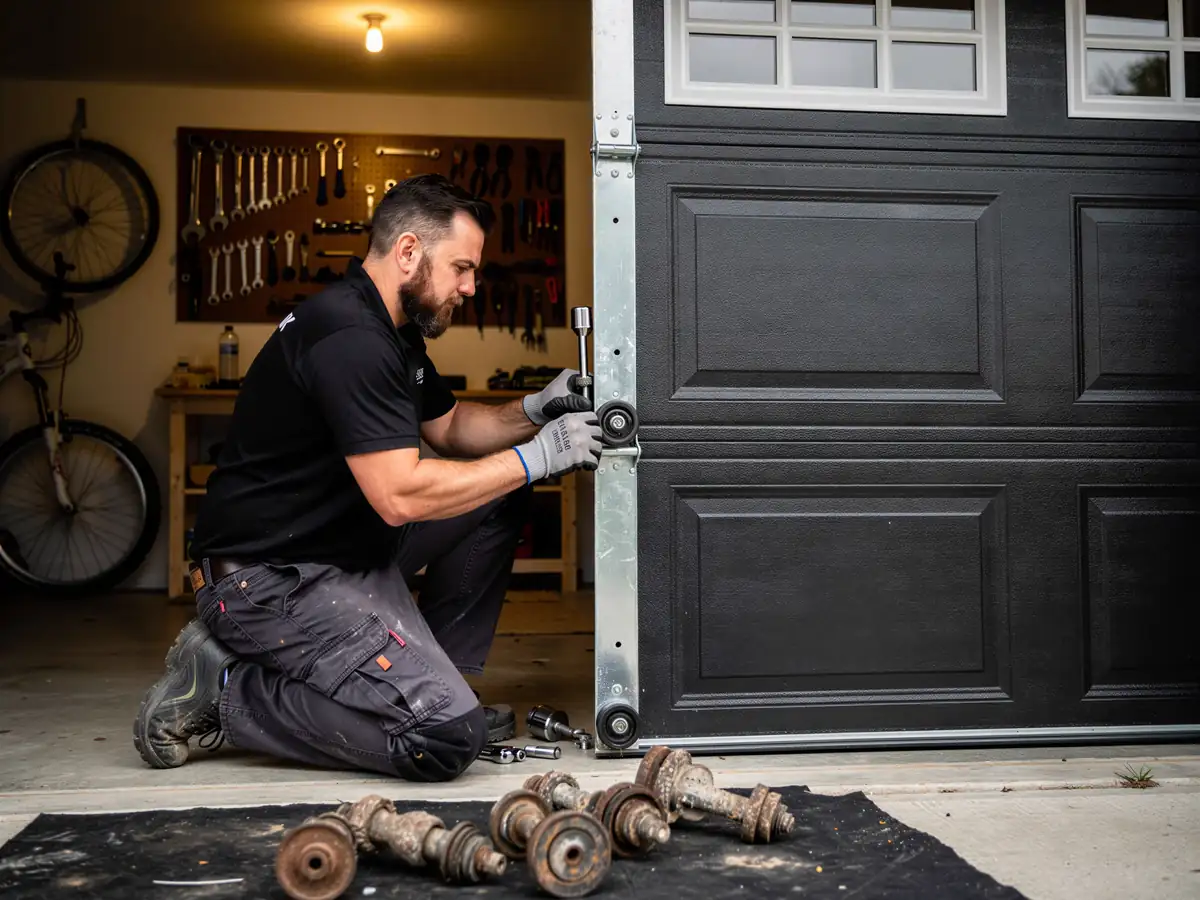
Look at the rollers themselves with the door open. A steel roller that's supposed to be round but shows a flat spot or visible pitting on the wheel face is done. If you can wiggle the roller side to side in its stem by hand, the bearing's gone. You might also notice the door hesitating or jerking at one point in the travel - that's the roller hitting a worn section of track where it's been riding off-center for a while.
The one thing we won't tell you is that every noisy door needs new rollers. Sometimes it's just a track that's gone dry and needs lubricant, or a bent track section from a bump, not worn rollers at all. If the rollers still look round and spin freely when you turn them by hand, the noise is probably coming from somewhere else - the hinges, the opener chain, or a loose track bolt - and replacing rollers won't fix it.
Doing It Yourself
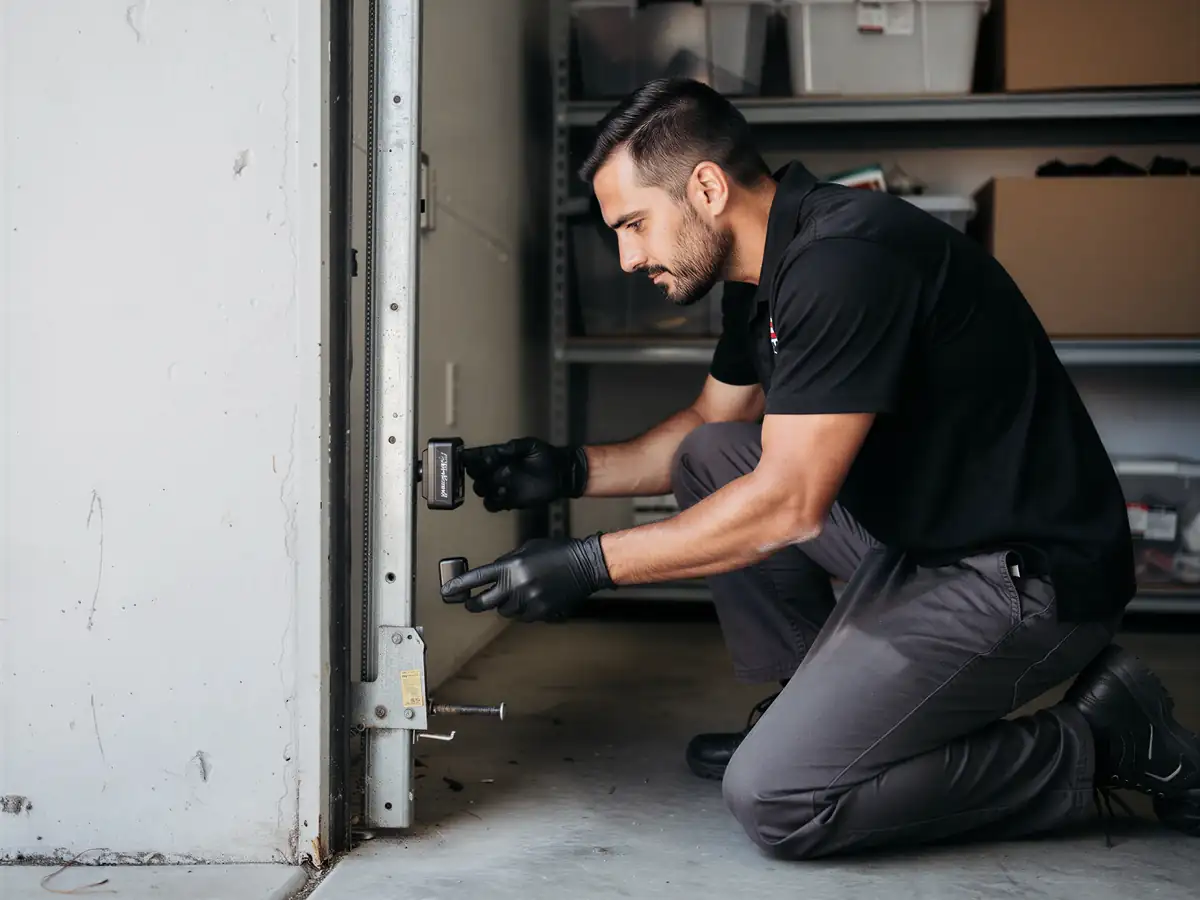
Rollers are one of the more approachable DIY jobs on a garage door
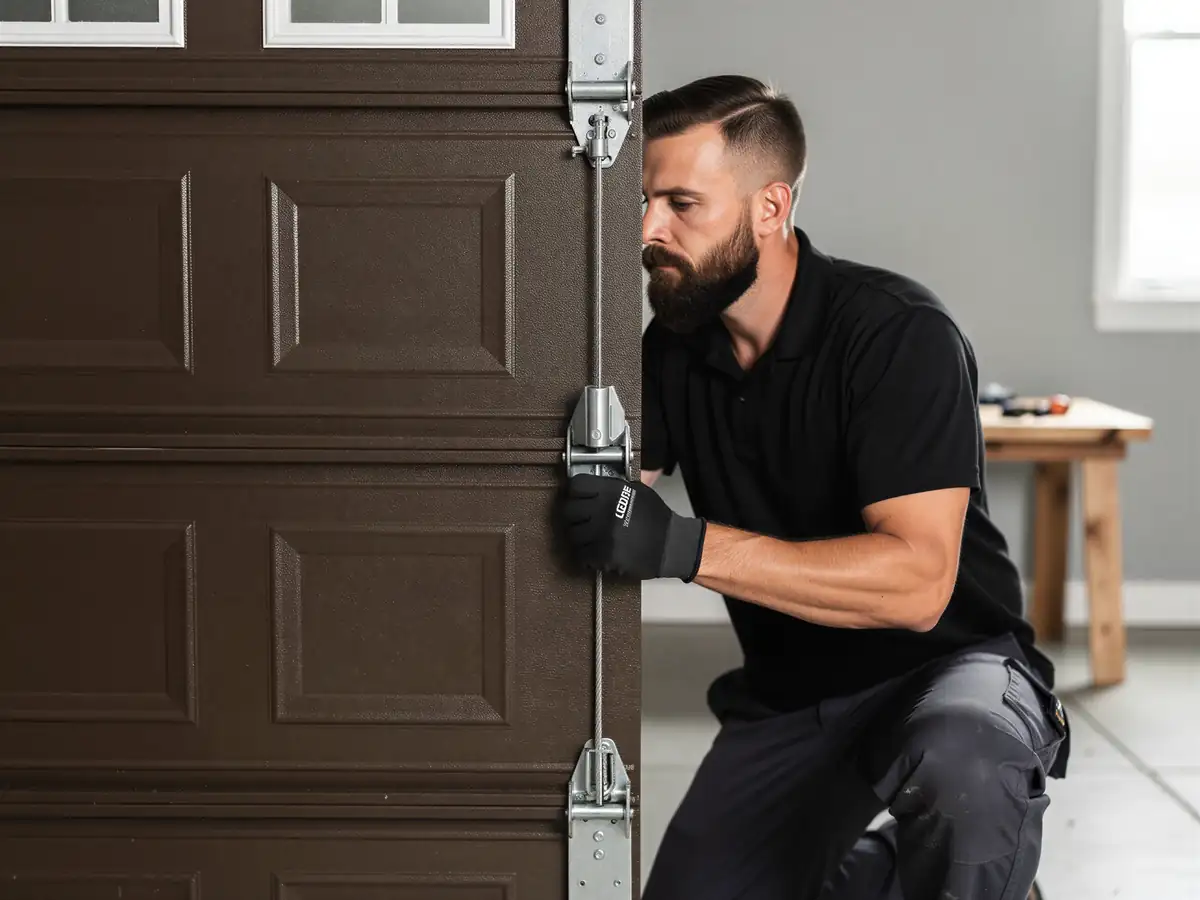
With one big exception: the two rollers on the bottom bracket, next to the cables. Those brackets are under spring tension through the cable system, and pulling the wrong bolt there can let a bracket snap loose under load. Leave the bottom two to a tech.
The rollers in the middle and top sections are a different story
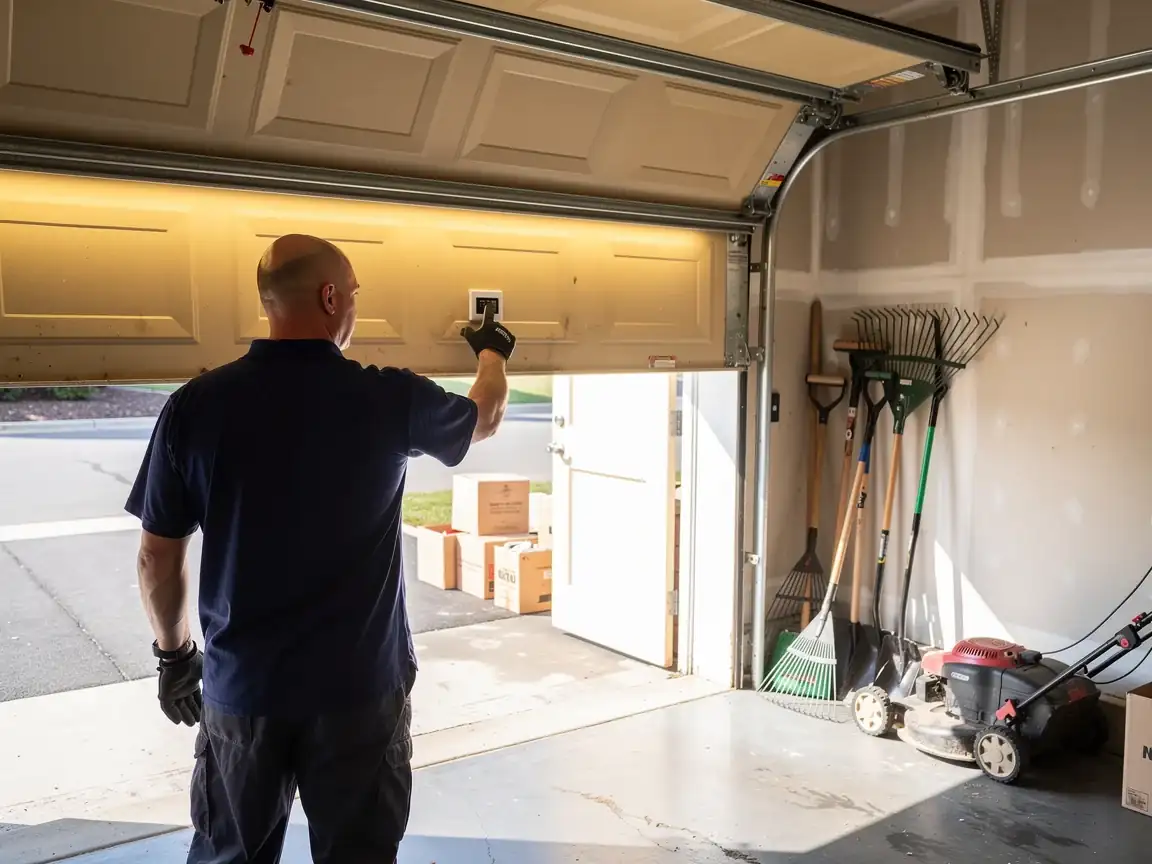
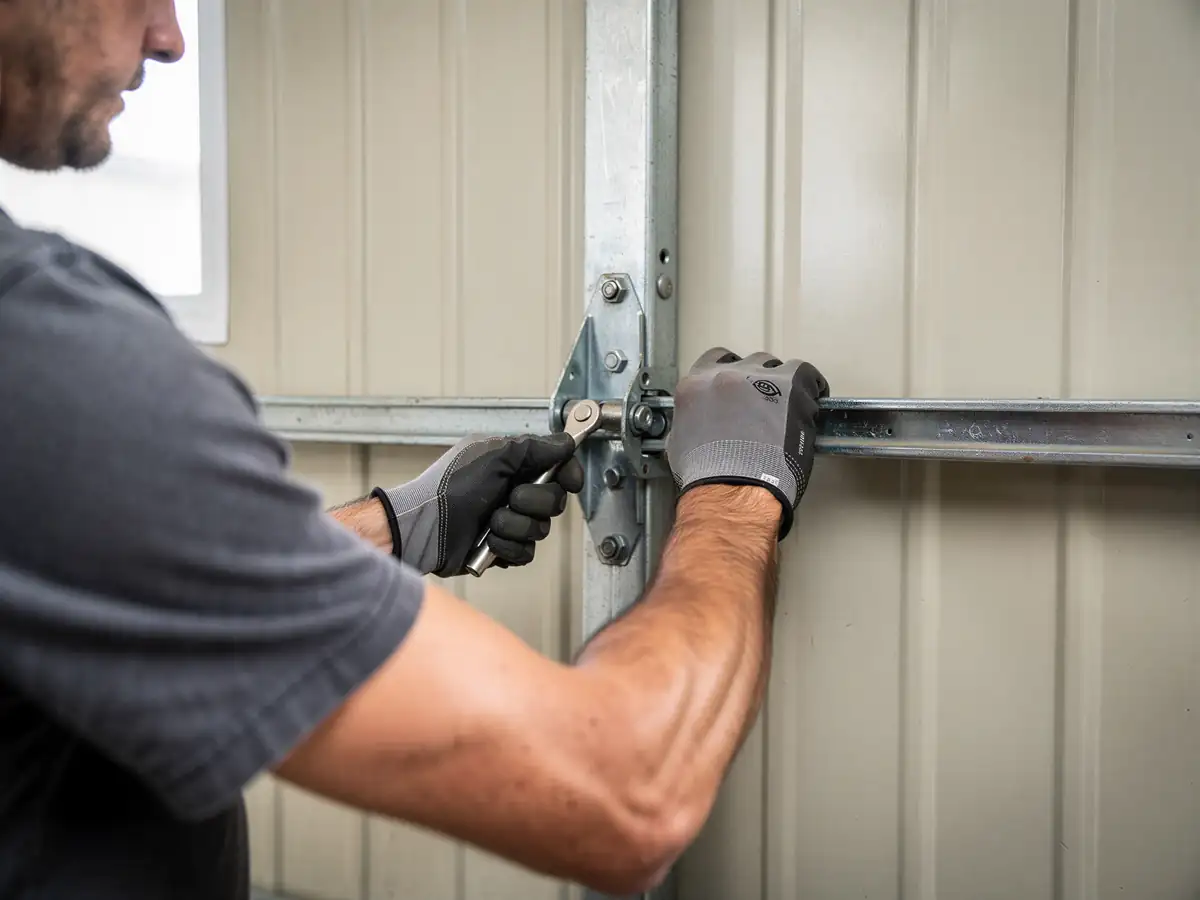
With the door closed and the opener disconnected, you can usually slide a worn roller stem out of its hinge bracket, swap in a new one, and reseat it without touching anything under tension. Nylon rollers with sealed bearings are the upgrade most people reach for here, since they run quieter and don't wear the way steel does under the heat cycling this area sees.
Where people get into trouble is matching roller stem length and wheel diameter to their existing track and hinge setup
Get that wrong and the door binds or won't seat right in the track. If you're not sure which size came on your door, that's worth a call before you buy anything.
What You Pay
We're not going to put a number here that doesn't hold up once a tech actually opens your panel up. What drives the cost on a roller job is how many rollers need replacing, whether it's nylon or steel, and whether the track itself has worn enough from those bad rollers that it needs truing or replacing alongside them - which is common on doors that have been grinding for a while before anyone calls.
A full roller set replacement is cheaper done all at once than piecemeal, since a tech is already in there with the door off its track. If only one or two rollers are shot and the rest still spin clean, there's no reason to replace a full set that's got years left in it - we'd rather tell you that than run up a bill. Ask for the breakdown by roller count and track condition when you call, and get it in writing before the work starts.