Serving Clovis, CA & nearby
(559) 338-7805
Clovis, CA

Why Clovis Garage Doors Fail the Way They Do

Clovis homes built between 1956 and 1993 push springs and openers hard through valley heat. Here's why, what to check, and what repair involves.

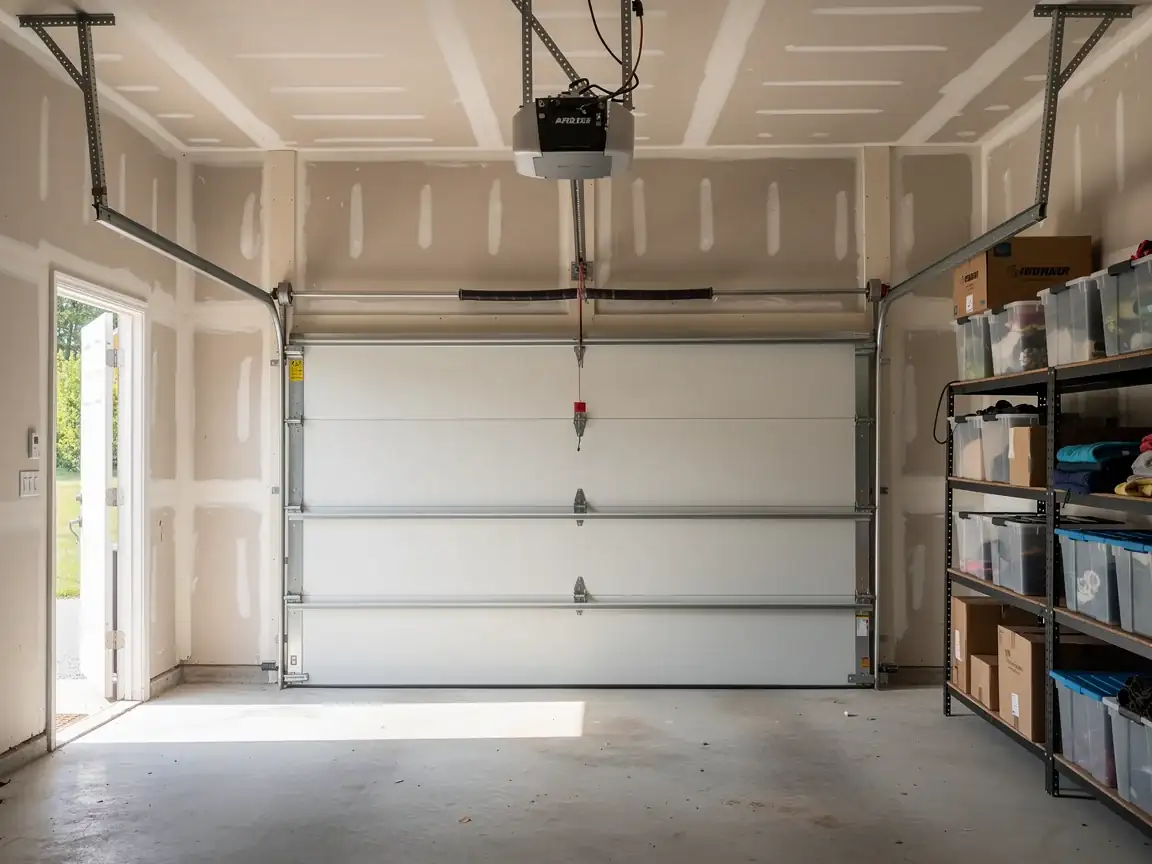
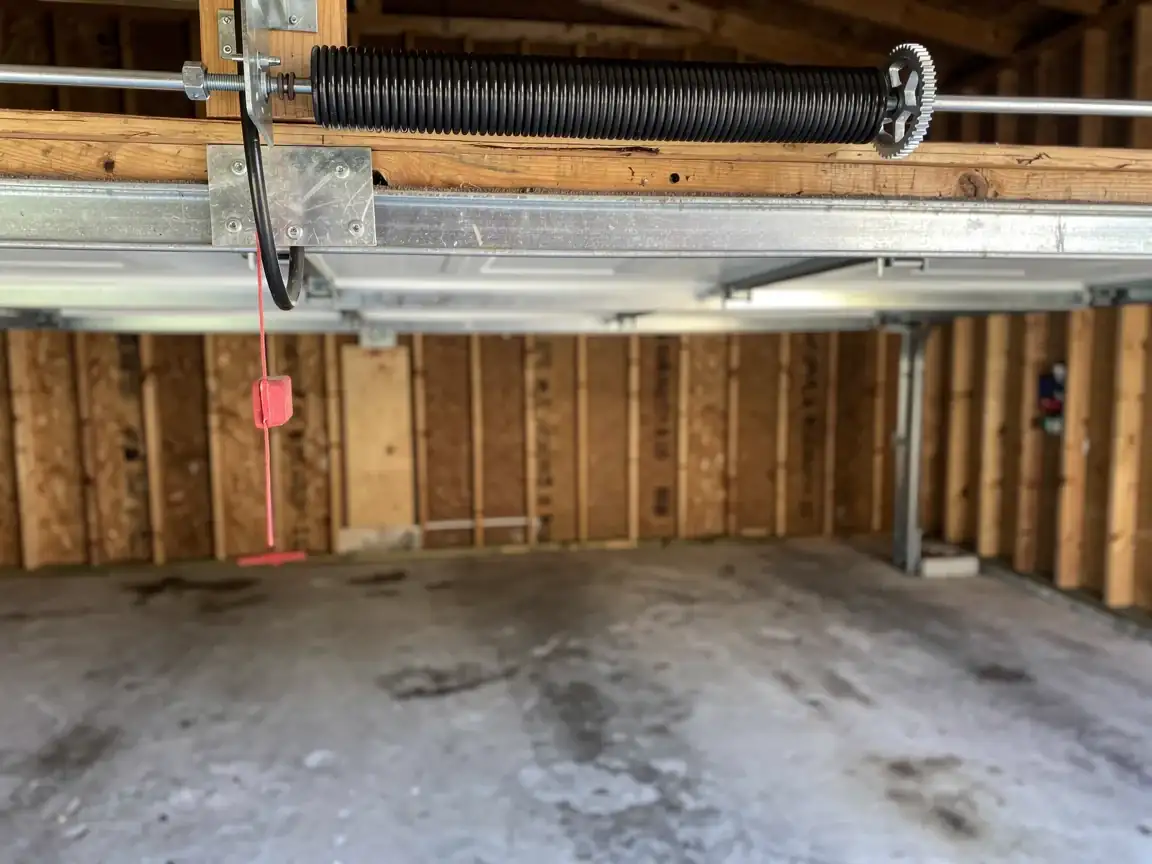
A black torsion spring is mounted above a white garage door in an empty garage.
Clovis, CA
8 services
6 service areas
Diagnosis first, then the fix

What Causes It Around Here

Most houses in Clovis's service area went up between 1956 and 1993, with the median landing around 1982. That means a huge share of the doors out there are original or one replacement removed - extension or torsion springs rated for a load and a climate that's been grinding on them for forty-plus years. Pair that housing age with a severe heat band and you get a specific failure pattern: steel spring wire fatigues faster when it spends summer afternoons at garage temperatures well above what the metal was spec'd for, and the oil in older openers thins out the same way. Across the 14 named areas in this part of the valley, from Sunnyside and Old Fig Garden on one side to Sanger on the other, the pattern repeats because the building stock is the same era and the heat exposure is the same. It's not that Clovis doors are built worse. It's that a 1980s torsion spring doing its three-thousandth heat cycle is closer to the end than a spring in a cooler climate at the same age. We see this most on doors that haven't had a spring or opener touched since the house was built.

What You Are Seeing

If the door is from that 1956-1993 stock, the signs show up as: the opener straining and groaning before it moves the door, a spring that looks stretched or has a visible gap in the coil, or a door that drops fast instead of lowering under control. Heat makes lubricant on tracks and rollers gum up or dry out faster than it would in a milder climate, so a door that was smooth in spring starts binding by August. On older torsion setups specifically, you'll sometimes hear a loud bang from the garage - that's the spring letting go, usually on the hottest stretch of the day when the metal is most stressed. On extension-spring doors, which are common in the older part of this housing stock, the failure is quieter: the door just gets heavier to lift by hand, panel by panel, over a season rather than snapping all at once.

Doing It Yourself

You can do some of this safely. Clean and lubricate rollers and tracks with a garage-door-rated lubricant (not WD-40, which washes out and attracts grit) every few months given how dry and hot it gets here. Check the auto-reverse safety feature by placing a 2x4 flat under the door and making sure it reverses on contact. Tighten loose bolts on the track brackets. What you should not do yourself: touch a torsion spring. It's under enough tension to break bones or worse, and on a 1980s-era setup the winding cones have usually corroded or loosened from decades of heat cycling, which makes them less predictable than a new one. If the door is dropping fast or you hear a bang, that's a spring job, not a DIY afternoon.

What You Pay

We don't have a published price list to quote here, and giving you a number without seeing your door - spring size, opener type, how many panels - would be a guess dressed up as a fact. What we can tell you is what drives the cost on a typical job in this service area: whether it's one spring or a matched pair (if one broke from heat fatigue, the other is usually close behind), whether the opener needs attention too, and whether the hardware is original enough that parts have to be matched rather than swapped off a shelf. A straight spring swap on a standard setup is usually less involved - and less costly - than a full opener and spring replacement on a door that's been limping along since the 1980s.
How it works

From “it’s stuck” to “it’s fixed”

1
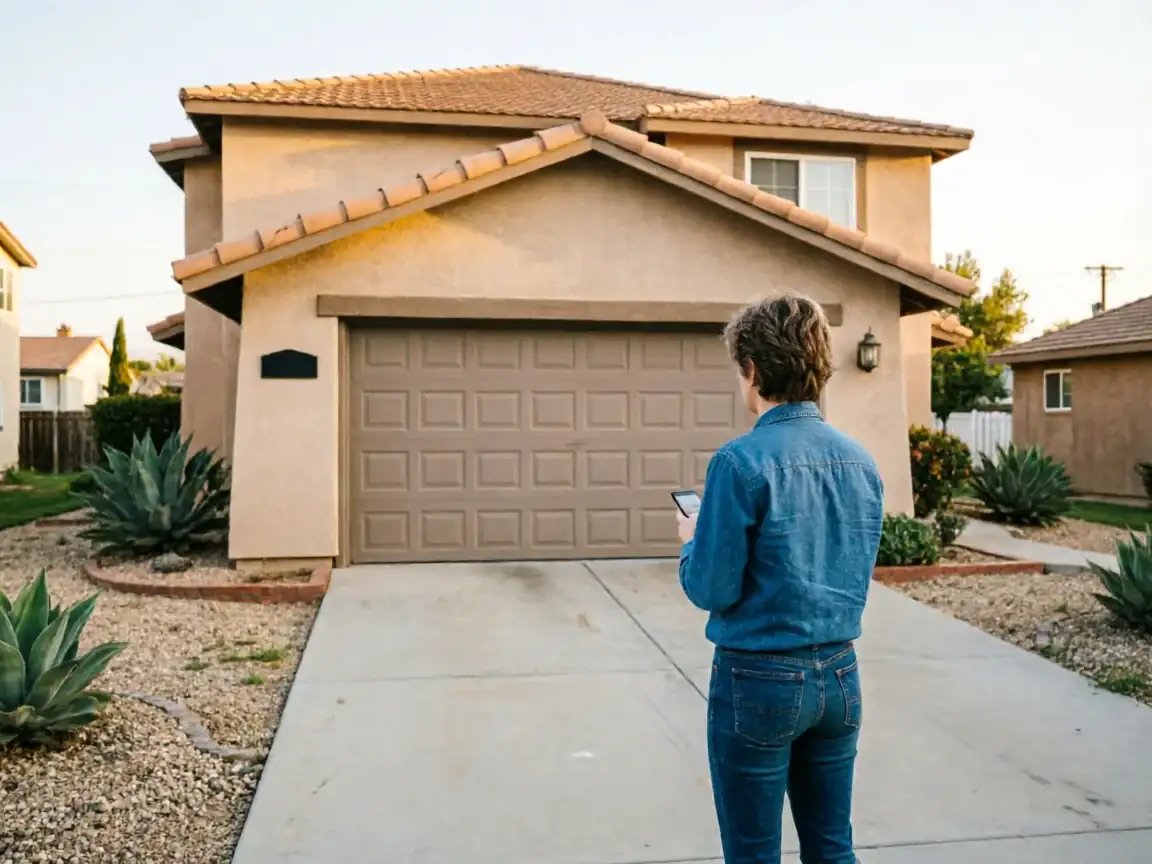
A person in a denim shirt stands in a driveway, looking at a phone.

Tell us what’s wrong

Describe the symptom - won’t open, loud bang, opener runs but the door won’t move.

2
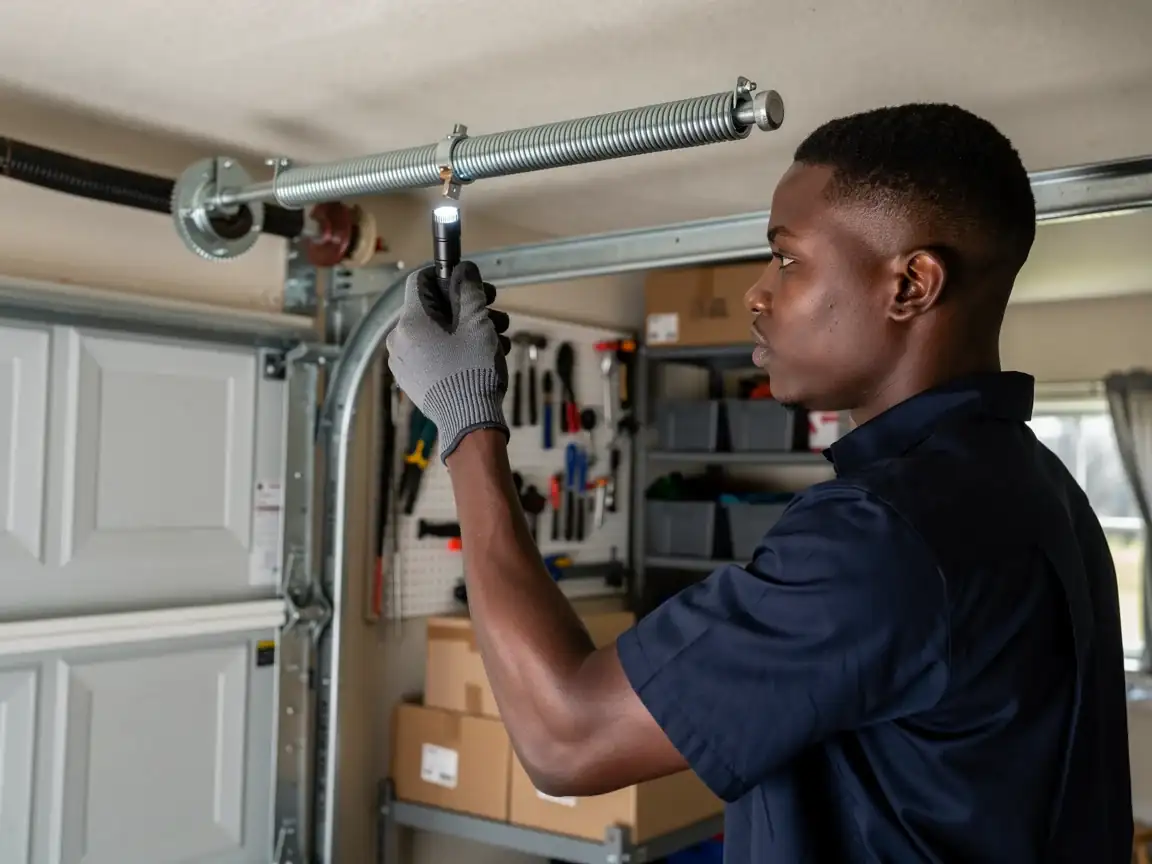
A technician in a dark blue shirt inspects a garage door torsion spring with a flashlight.

On-site diagnosis

A technician tests the door under power and by hand and finds what actually failed.

3
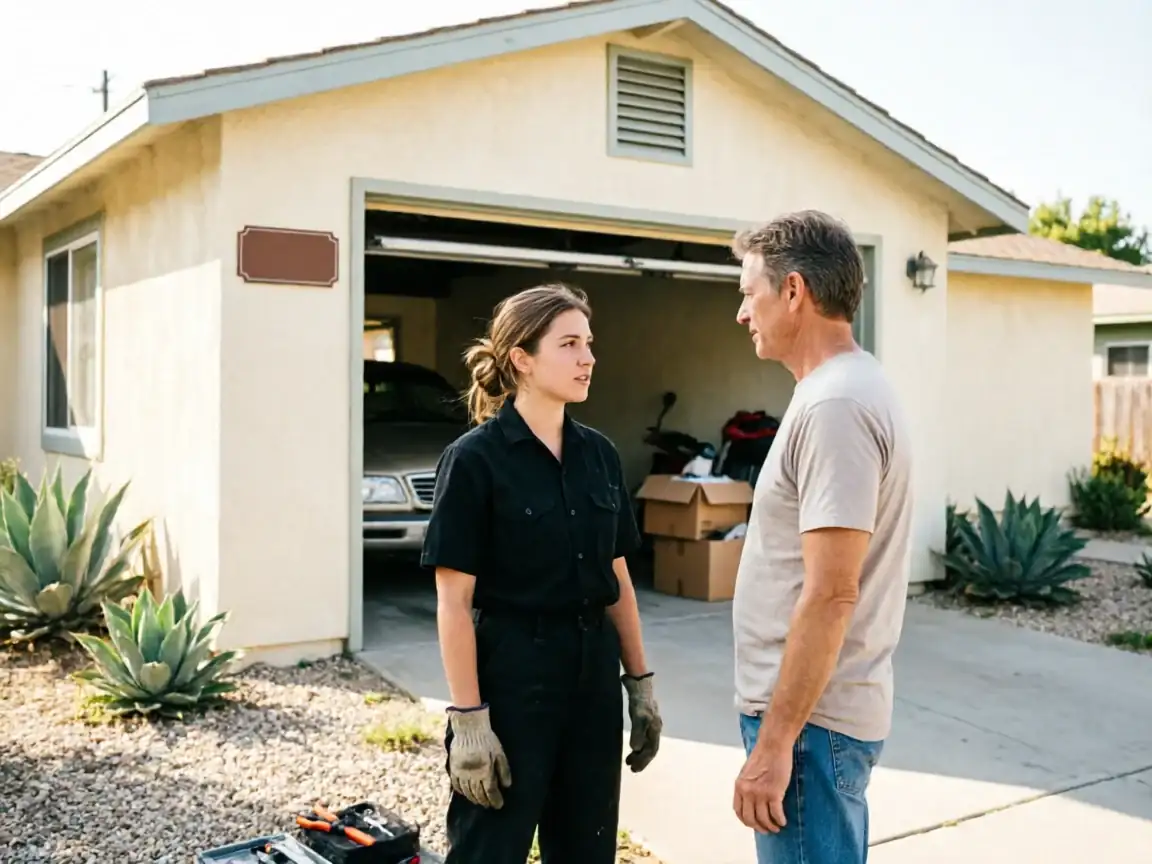
A technician talks to a man in front of an open garage.

Clear, up-front plan

You get the fix that’s needed and what drives the cost - before any work starts.

4
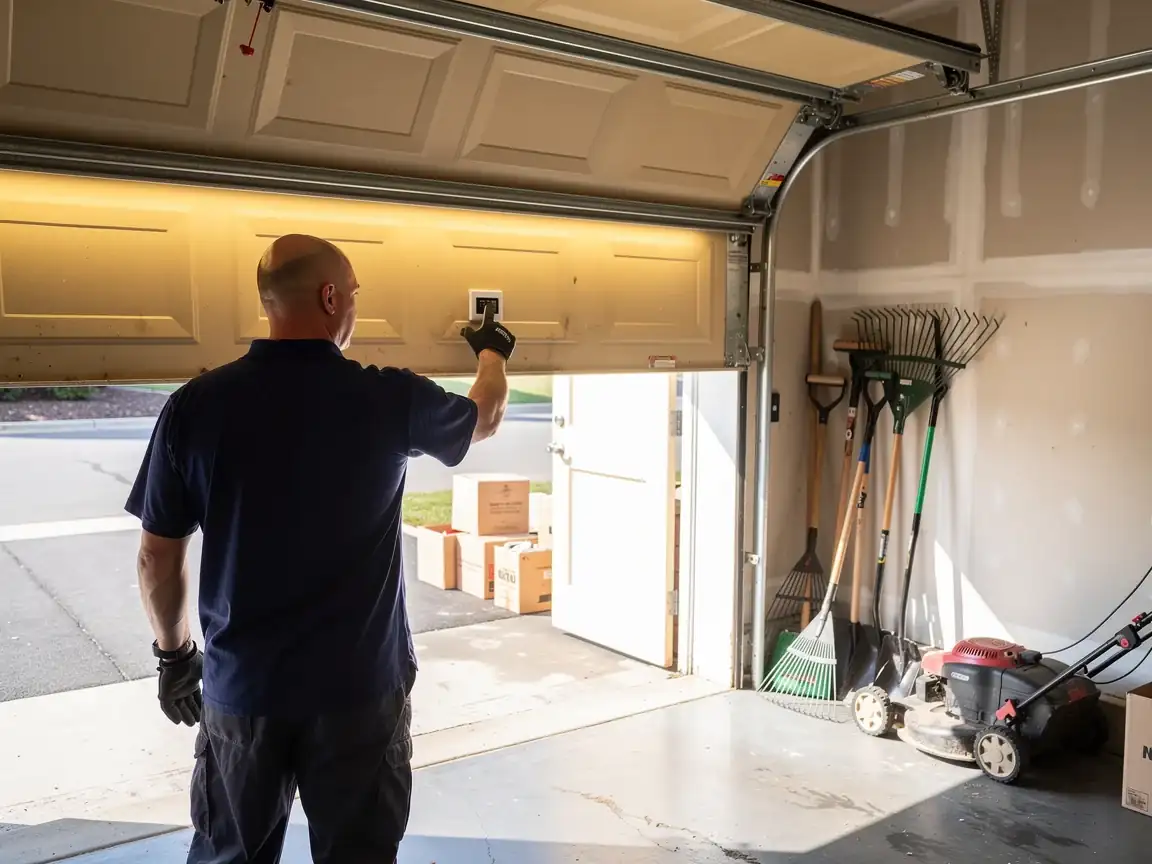
A technician in gloves adjusts a light strip on an open garage door.

Repaired & tested

The repair is done, the door is set true and tested, and the work area left clean.

Not sure which repair your door needs in Clovis, CA? Describe what it’s doing - every job starts with a diagnosis.

How we work

What to expect

Diagnosis first

Every visit starts by finding what actually failed - not a pre-written parts list.

The right part for the door

Springs and openers matched to the door’s weight and age, so the fix holds up.

Straight answers

When a repair makes more sense than a replacement - or the reverse - you hear it plainly.

Clean, careful work

Tension released safely, hardware set true, the door tested under power before we leave.

104,180
Residents in Clovis
8
Garage door services
6
Neighborhoods & suburbs
CA
Serving Clovis, CA
What we do

Garage Door Services

Repair and installation work for Clovis homes and businesses.

Where we work

Serving Clovis & nearby

Local garage door service across 6 Clovis-area neighborhoods and communities - is your street on the list?

6

Clovis-area neighborhoods & nearby communities we cover

Questions

Frequently asked

Straight answers about garage door repair in Clovis. Still unsure? Ask us directly.

Why do garage door springs fail so often in Clovis?

A big share of homes in this service area were built between 1956 and 1993, so a lot of springs are original or one generation old. Combine that age with a severe heat climate band - garages here run hotter than the ambient temperature most of the year - and the metal fatigues faster than it would in a milder spot. That's why spring failure here tends to cluster on the older end of that housing stock.

Is it normal for my opener to strain on hot days?

Yes, and it's often the first sign something's about to go. Heat thins lubricant and makes a weakening spring do more of the lifting work the opener was never meant to handle alone. If the strain started this summer and the door's original to a house from the 1960s-80s era, get the spring looked at before the opener motor burns out trying to compensate.

Can I replace a torsion spring myself to save money?

We'd advise against it. Torsion springs carry enough stored tension to cause serious injury, and on hardware from the 1956-1993 era the winding cones are often corroded or loosened from decades of heat cycling, which makes the job less predictable than on new equipment. This is one of the few jobs worth paying someone for.

Ready to get your garage door sorted?

Tell us what it’s doing and where you are in Clovis - we’ll take it from there.

Request a QuoteCall