What Causes It Around Here
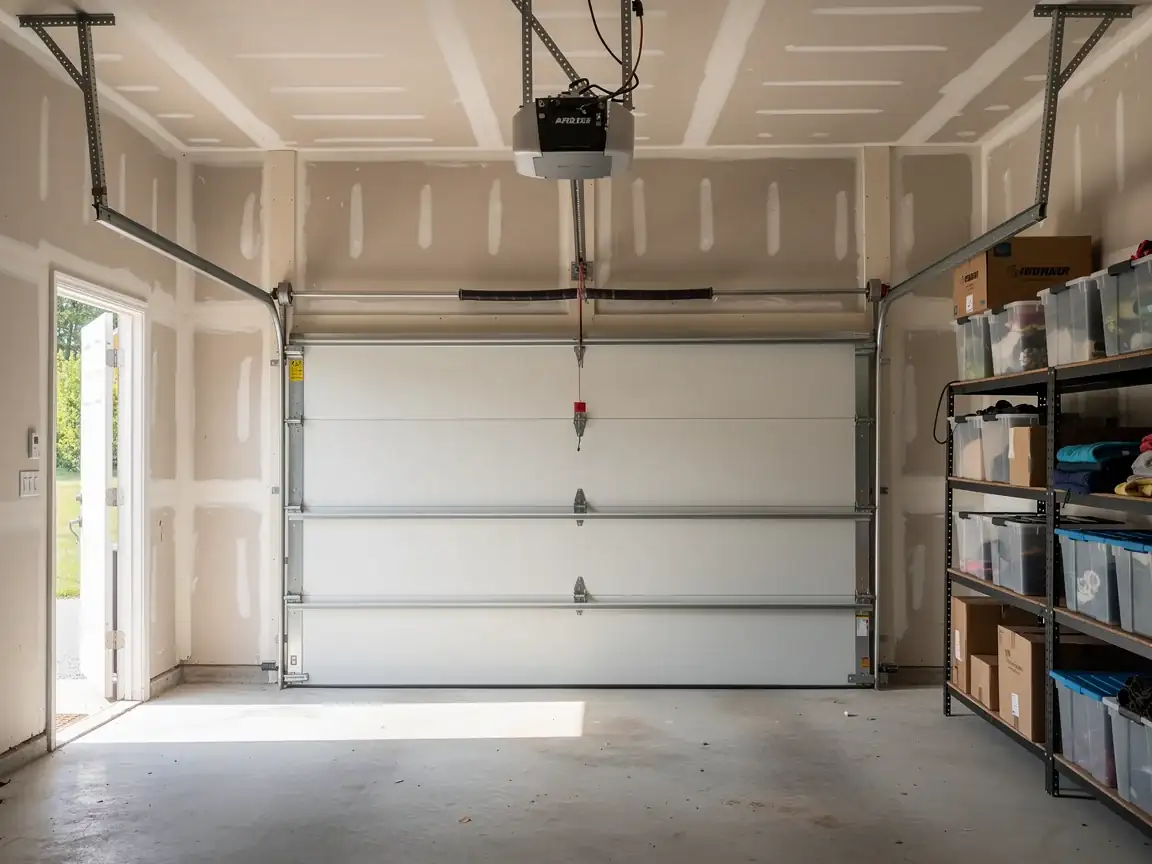
Most of the housing stock across this part of the valley went up between 1956 and 1993, with the median landing around 1982, and the 14 named communities we cover run heavy on 1980s and 90s construction. That matters for openers because a house built in that window usually still has its original chain-drive unit, or a first-generation replacement bolted to the same bracket, running on a motor and gear set that were never built for 40 years of service.
The bigger factor is the heat. This area sits in a severe heat climate band, and that's hard on an opener in ways you don't see from the driveway. The rubber drive belt dries out and starts to crack. The capacitor that gives the motor its initial push loses capacity faster when it's baking in an attic-adjacent garage all summer. Grease inside the gear housing thins out, runs, and leaves metal-on-metal contact that grinds down the gear teeth. None of this is dramatic until the day the opener just won't lift the door, and by then the wear has usually been building for years.
What You Are Seeing
The most common complaint is an opener that hums or clicks but the door doesn't move - that's usually a stripped gear, a common failure in units that have logged a decade or more of cycles in this heat. Close behind that: a light that blinks a set number of times and then stops, which on most residential units is the unit telling you which safety circuit failed, often the photo-eye sensors near the floor.
Shortened remote range is another one we hear a lot, especially from owners who assume it's a dead battery first. Sometimes it is. Other times the receiver board inside the opener head has degraded enough that it's only picking up a signal from a few feet away. You'll also see openers that reverse the door partway down every time, which almost always traces back to misaligned safety sensors or a travel limit that's drifted out of adjustment rather than anything wrong with the door itself.
Doing It Yourself
Some of this is fair game for a homeowner with a ladder and a Saturday morning
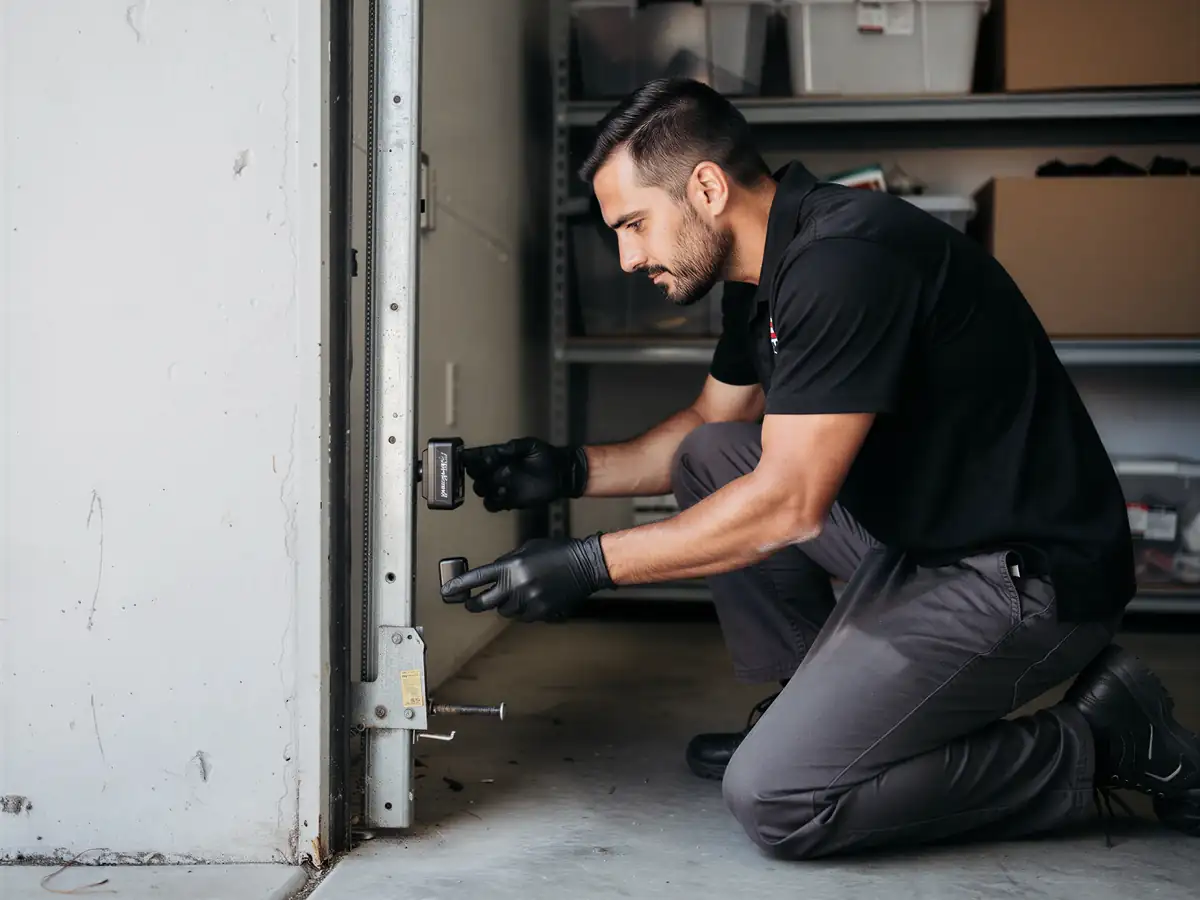
Check that the two safety sensors near the bottom of the track are aimed at each other and that the little indicator lights are solid, not blinking - a knocked sensor is the single most common reason for a door that won't close all the way. Swapping remote batteries and re-syncing a remote to the receiver is also usually a five-minute job with the manual.
Where we'd tell you to stop
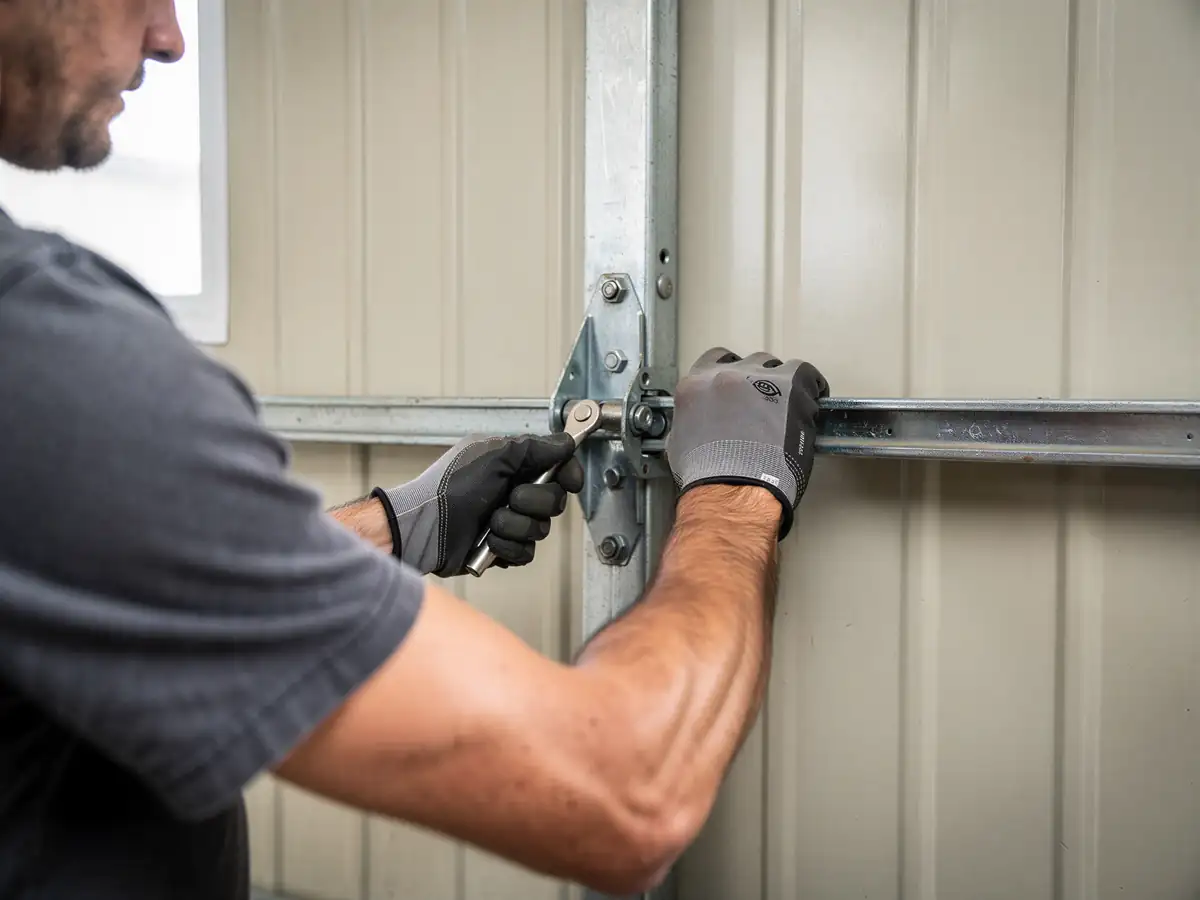
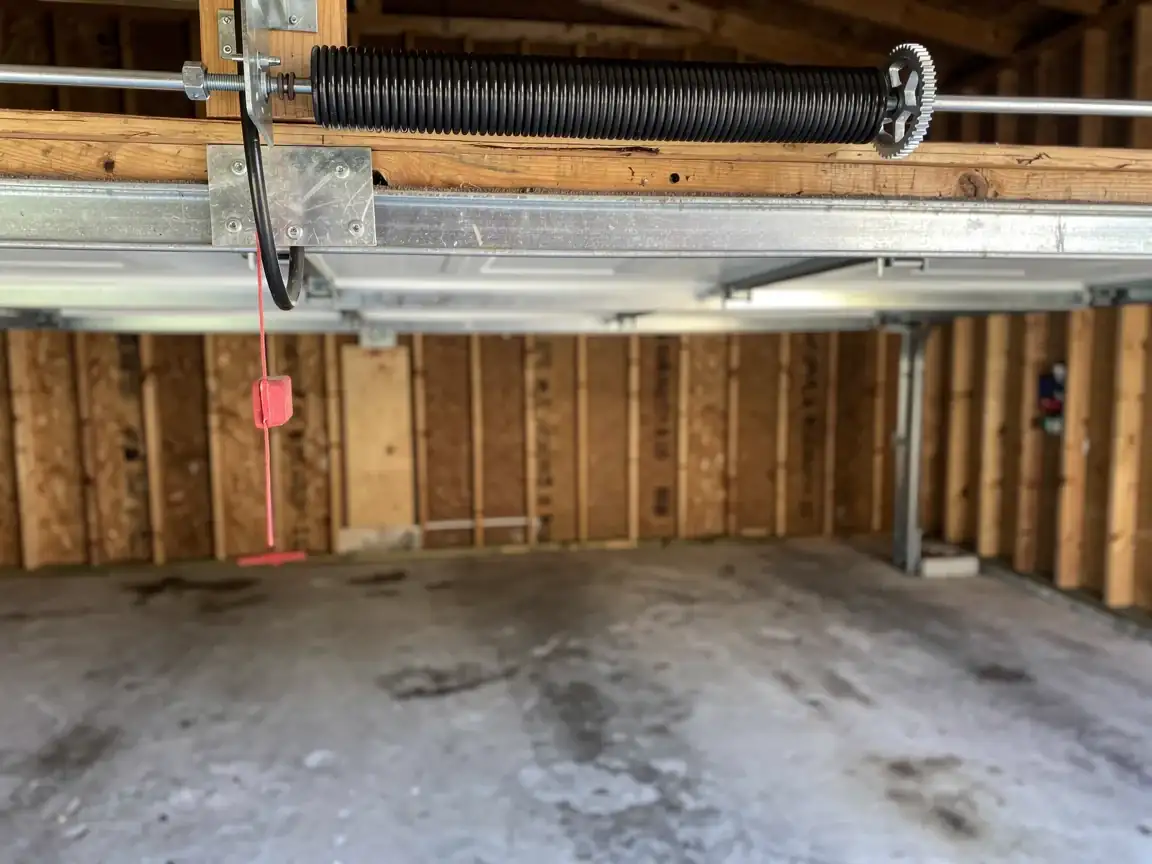
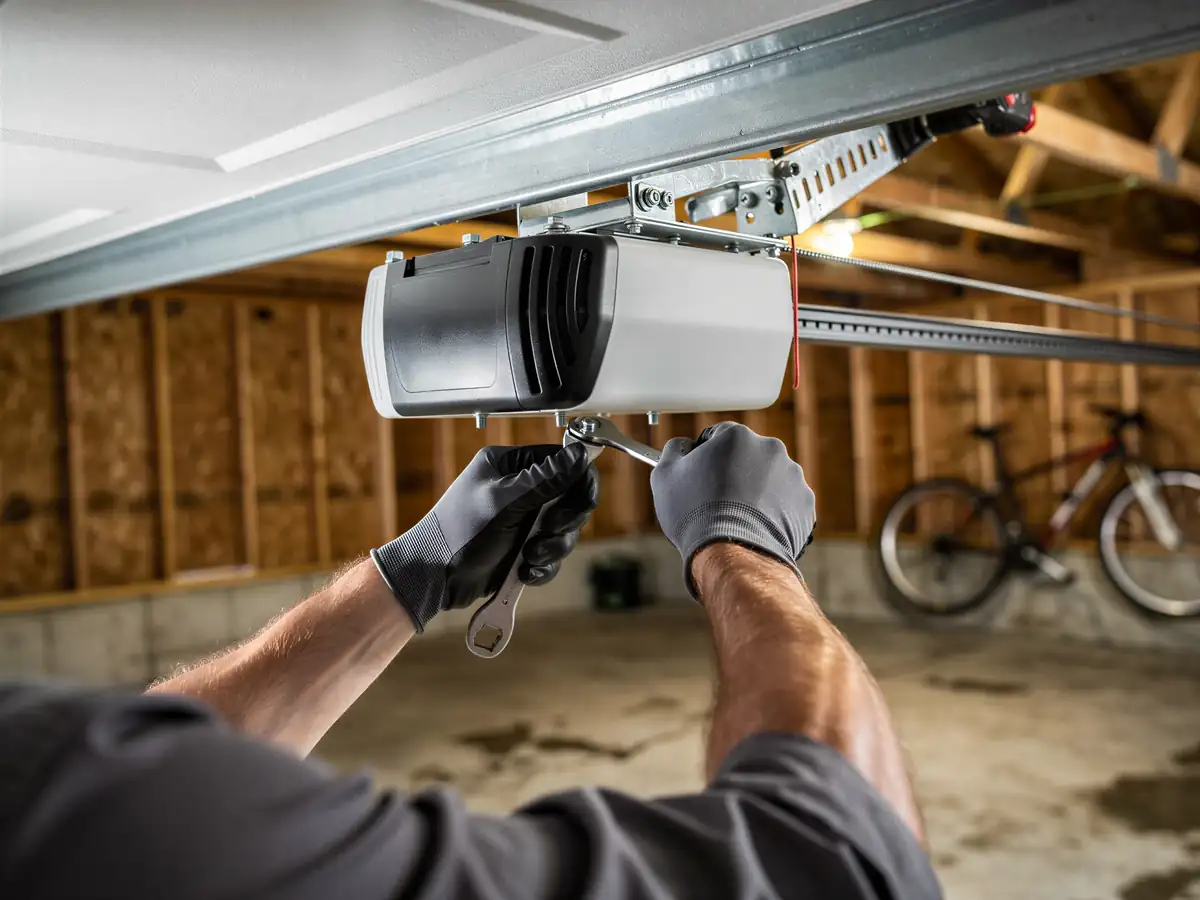
Anything involving the torsion spring system, and anything where the opener itself needs to come down and go back up. Openers are heavy, under spring tension from the door they're lifting, and mounted into ceiling framing that varies house to house. If you get the mounting wrong, the unit can work loose over time and come down - not a repair we want anyone learning on a ladder. If your opener is original to a house from the 1960s or 70s, we'll also tell you straight that replacement is usually the better call than trying to source parts for a motor that old.
What You Pay
We don't publish a flat number here because opener installation isn't one job - it depends on horsepower, drive type, whether we're reusing existing wiring and wall controls, and whether the old unit needs to come out first. What we can tell you is how owners in this area tend to think about the decision. Median household income across the service area runs around $74,428, and with roughly 15,223 owner-occupied houses among 28,893 households, most of the calls we get are owners weighing a repair against a full swap, not landlords managing a rental.
Given the heat this area sees, we usually steer people toward a drive type and motor rating that holds up to daily cycling in a hot garage rather than the cheapest unit on the shelf, since a bargain opener that fails again in three summers isn't actually the cheaper option. Ask us for a number once we've seen the door, the opener age, and the mounting - that's the only way to quote it honestly.