What Causes It Around Here
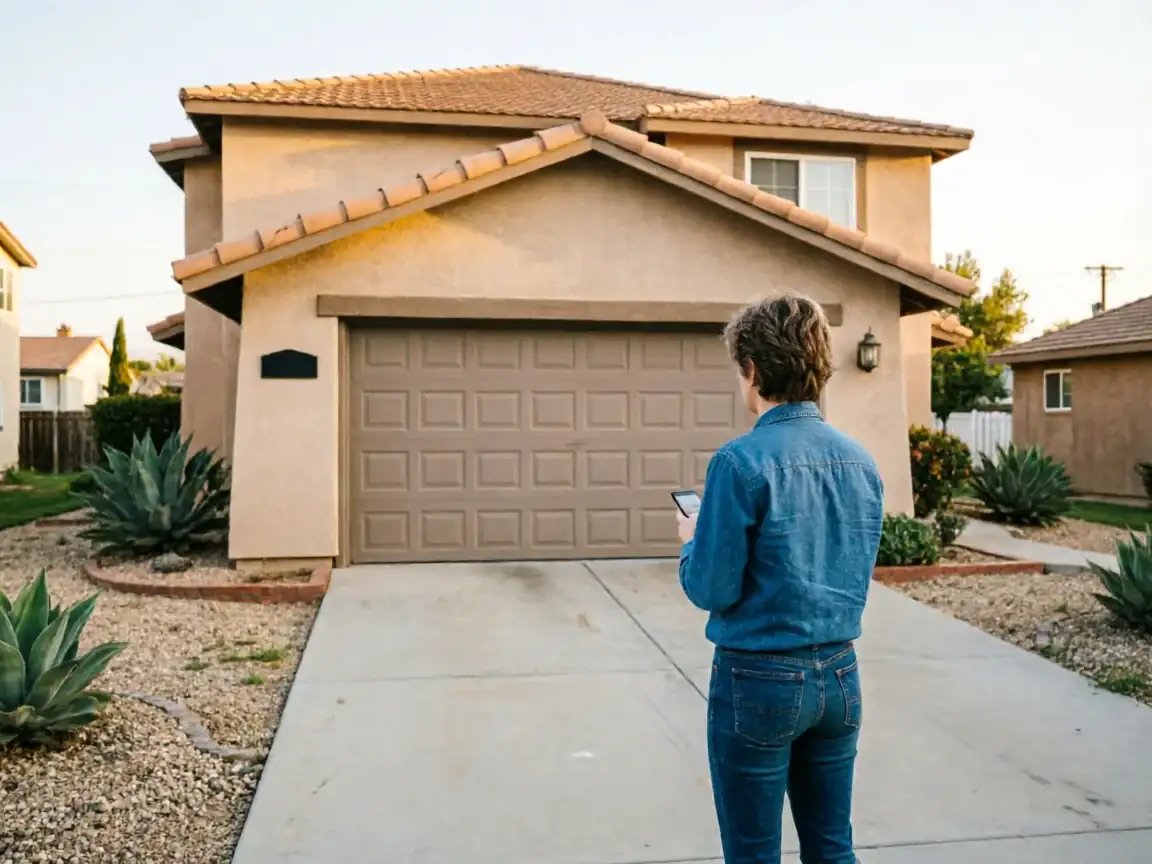
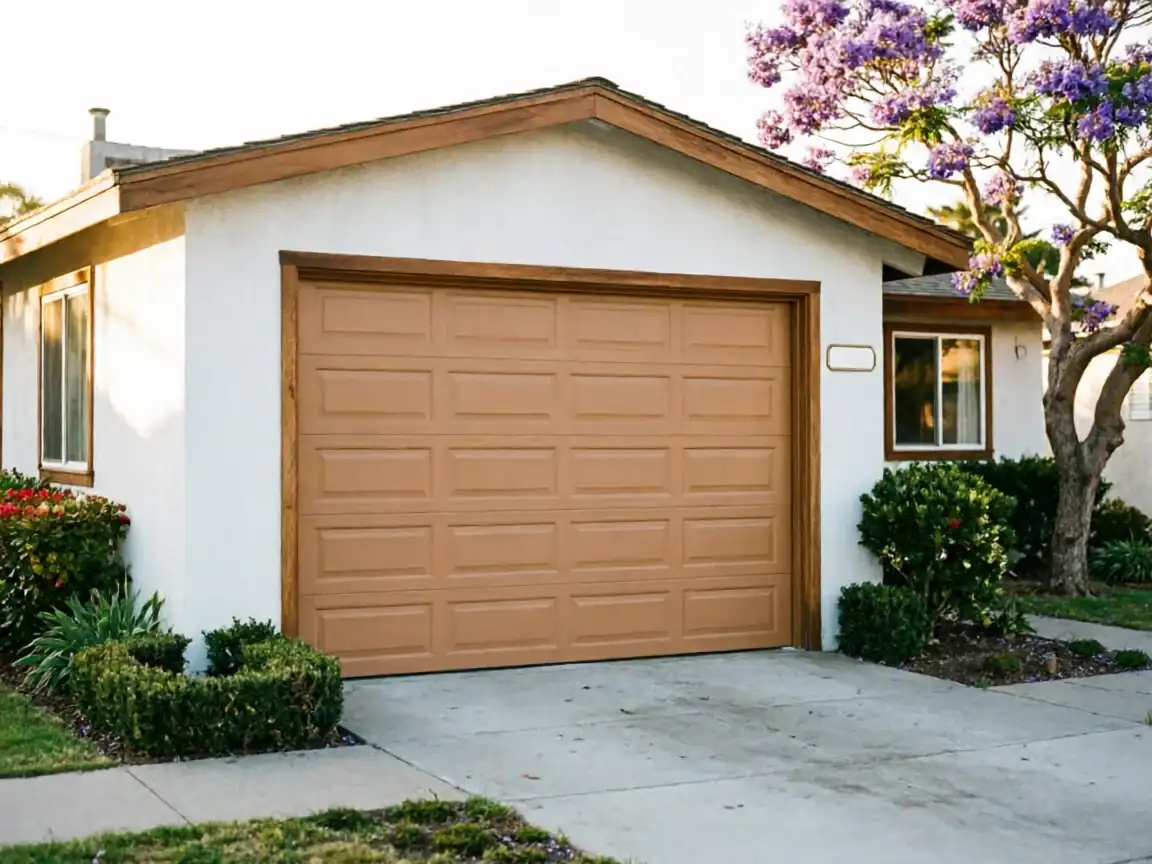
Houses across this service area went up mostly between 1956 and 1993, with the median build year sitting at 1982, and that puts a lot of garage doors on the galvanized lift cables that were standard through the 1980s and 90s across the fourteen named areas we work in. Those cables are aircraft-grade steel wire wrapped in a thin zinc coating, and the coating is what actually wears out first, not the steel underneath it.
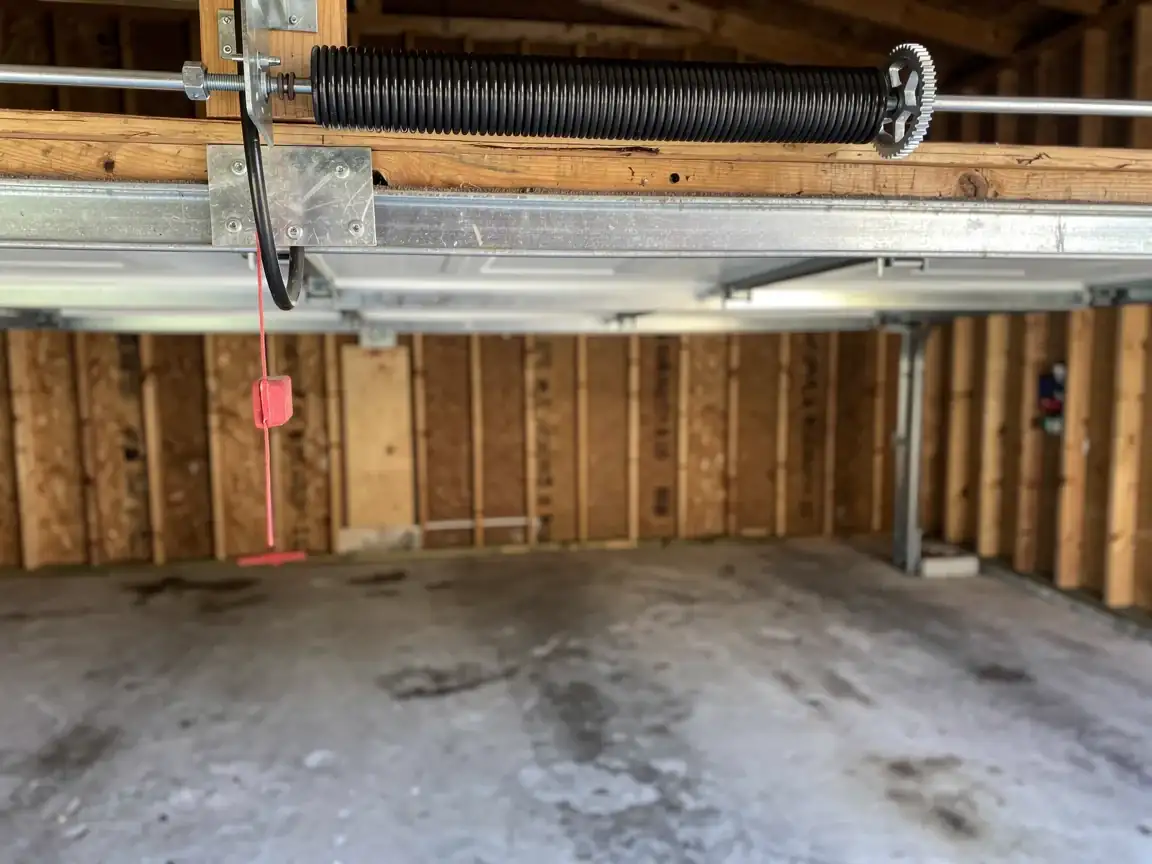
This region sits in a severe-heat climate band, and heat is hard on that coating. Summer after summer, the metal expands and contracts as the door cycles through a hot garage, and the drum and bottom bracket where the cable wraps tight get the most friction. Over three or four decades that friction wears a groove into the coating, rust gets a foothold on the exposed steel strands, and the cable starts shedding thin wire fragments near the drum long before it actually lets go.
It's rarely one dramatic snap. It's usually a slow fray that nobody notices until the door starts hanging crooked or a strand finally gives under tension.
What You Are Seeing
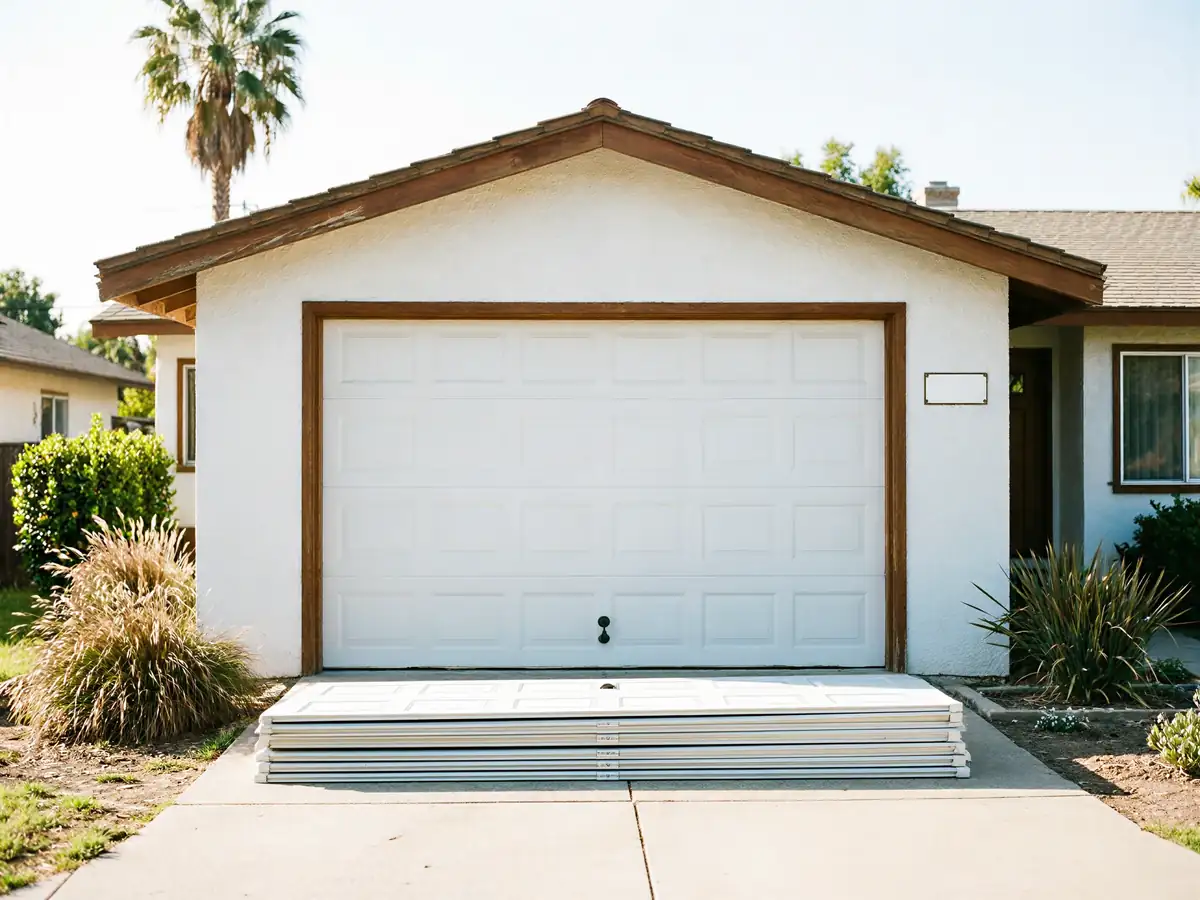
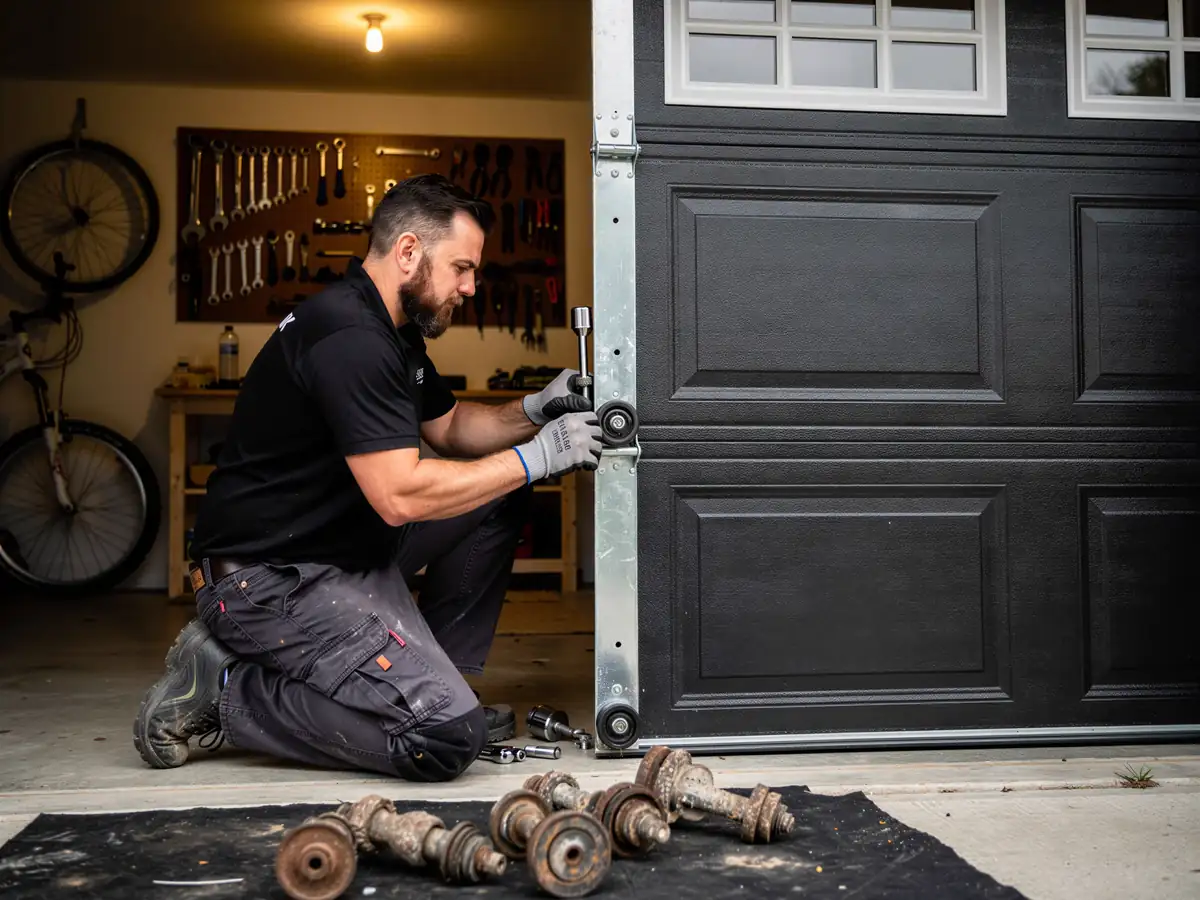
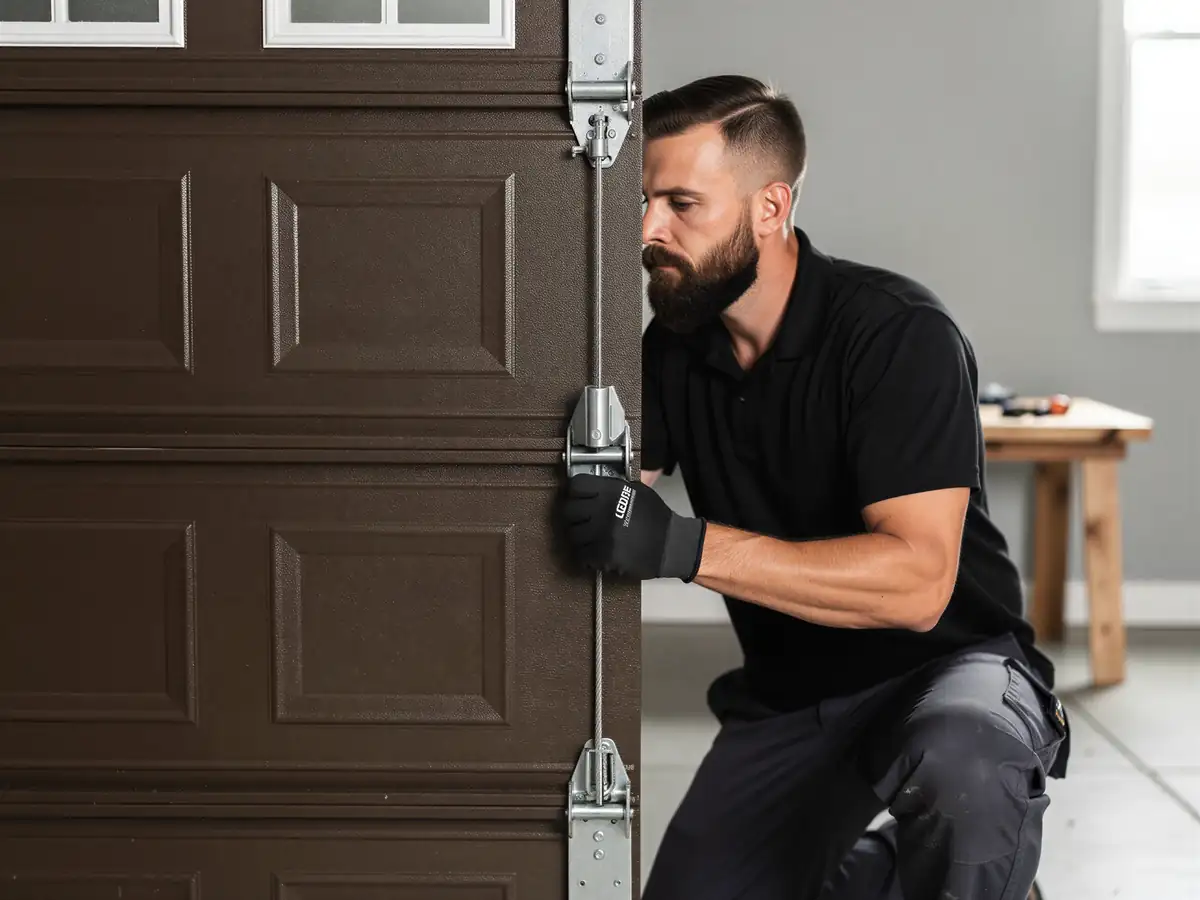
The most common sign is a door that hangs unevenly, lower on one side than the other, because one cable has stretched or partly let go while the other is still holding its full share of the weight. Sometimes you'll see the cable itself has come off the bottom bracket entirely and is just dangling or coiled loose near the track.
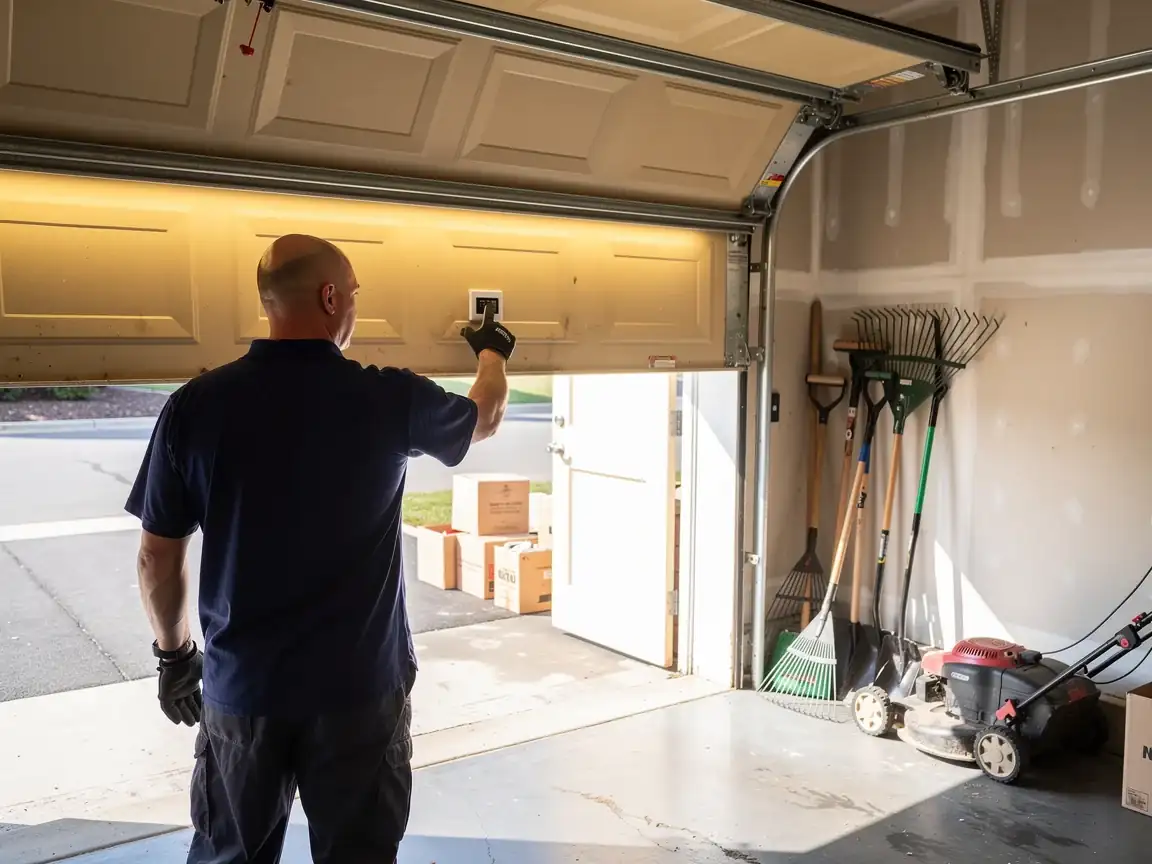
If a cable fully snaps while the door is moving, you'll usually hear a loud bang and the door will drop hard and fast on that side, sometimes jamming sideways in the track. If it happens while the door is down, you might not notice until you try to open it and it won't move evenly, or it grinds against the track on one side.
A frayed cable near the drum, little wire whiskers sticking out where it wraps, is an early warning sign worth catching before it fails outright. Once you see that, the cable is on its way out even if the door is still opening fine for now.
Doing It Yourself
We're going to be straight with you here
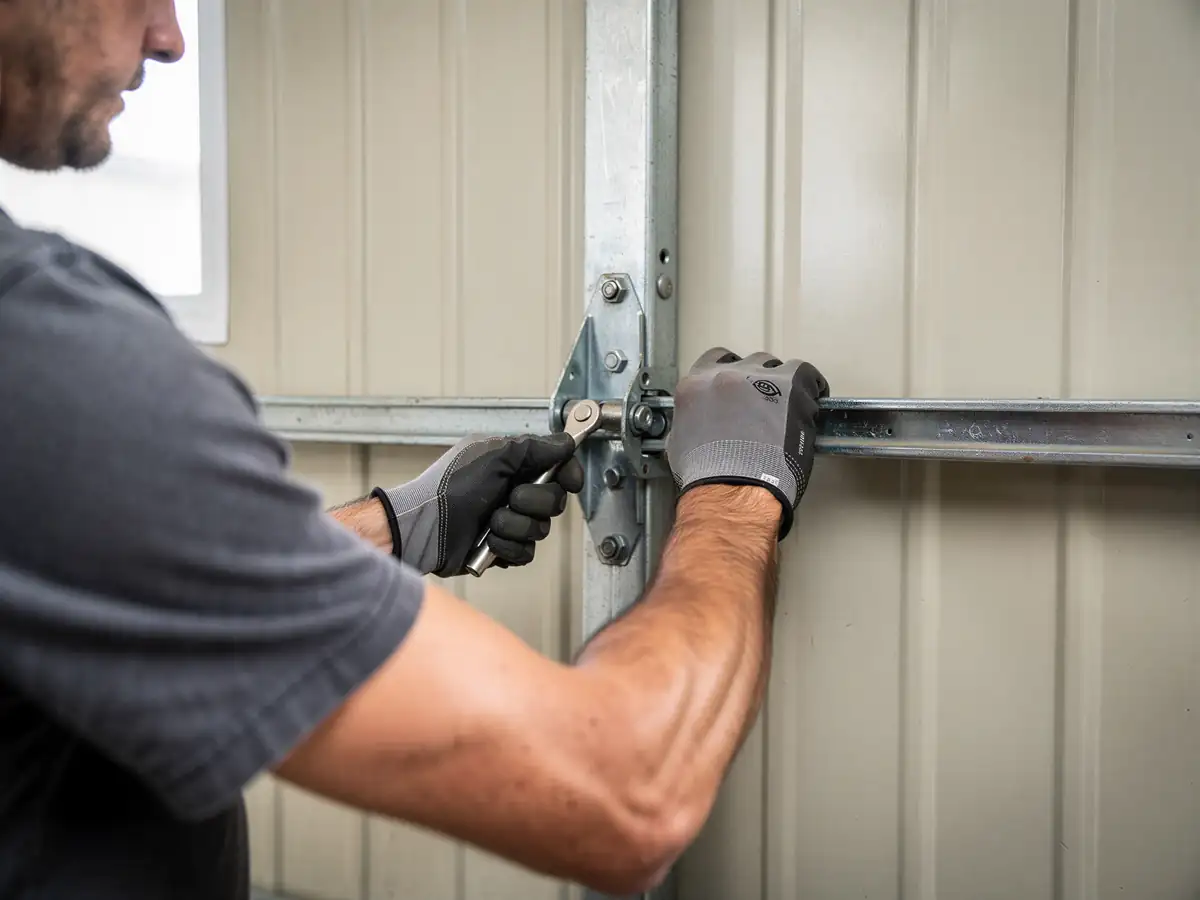
A garage door cable is part of a system under serious spring tension, and that's true whether it's a torsion setup overhead or an older extension-spring setup along the tracks. Pulling a cable off a drum or a bracket without releasing that tension first is how people get hurt, not scraped-hurt, actually hurt.
What you can safely do is look
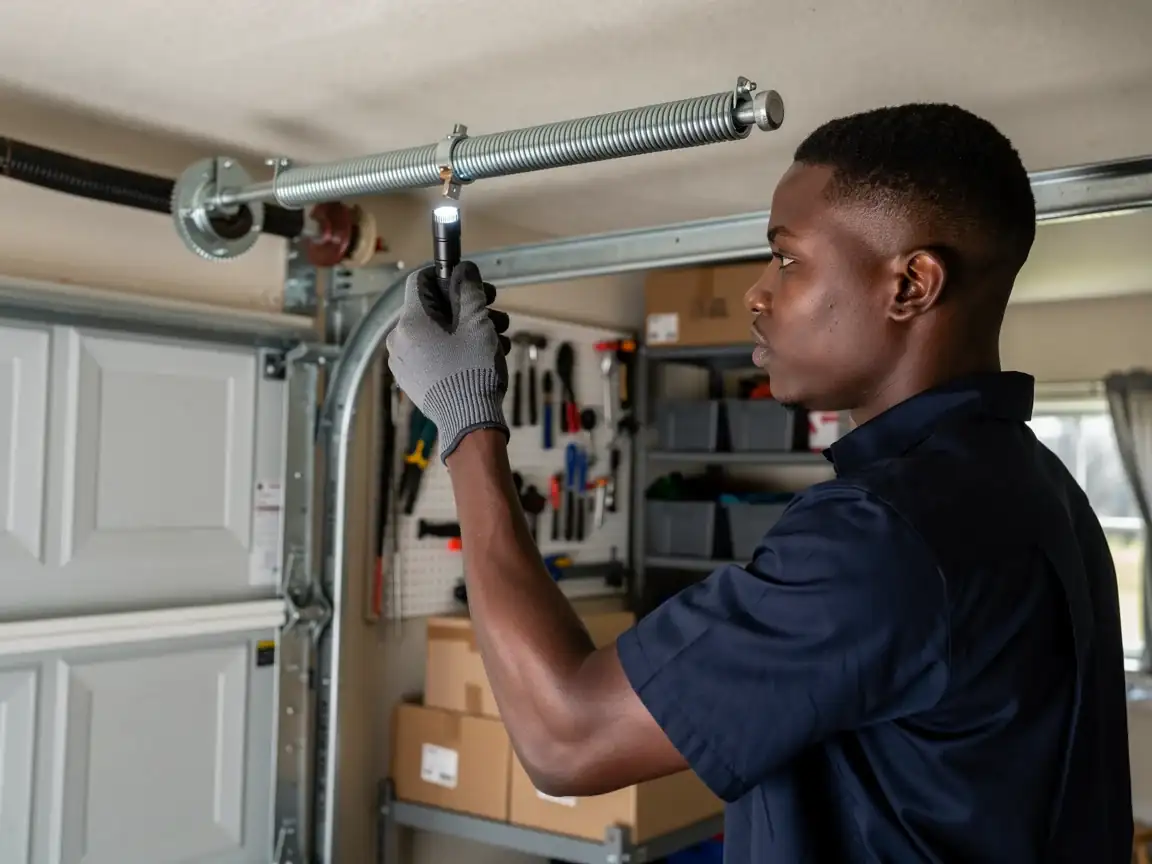
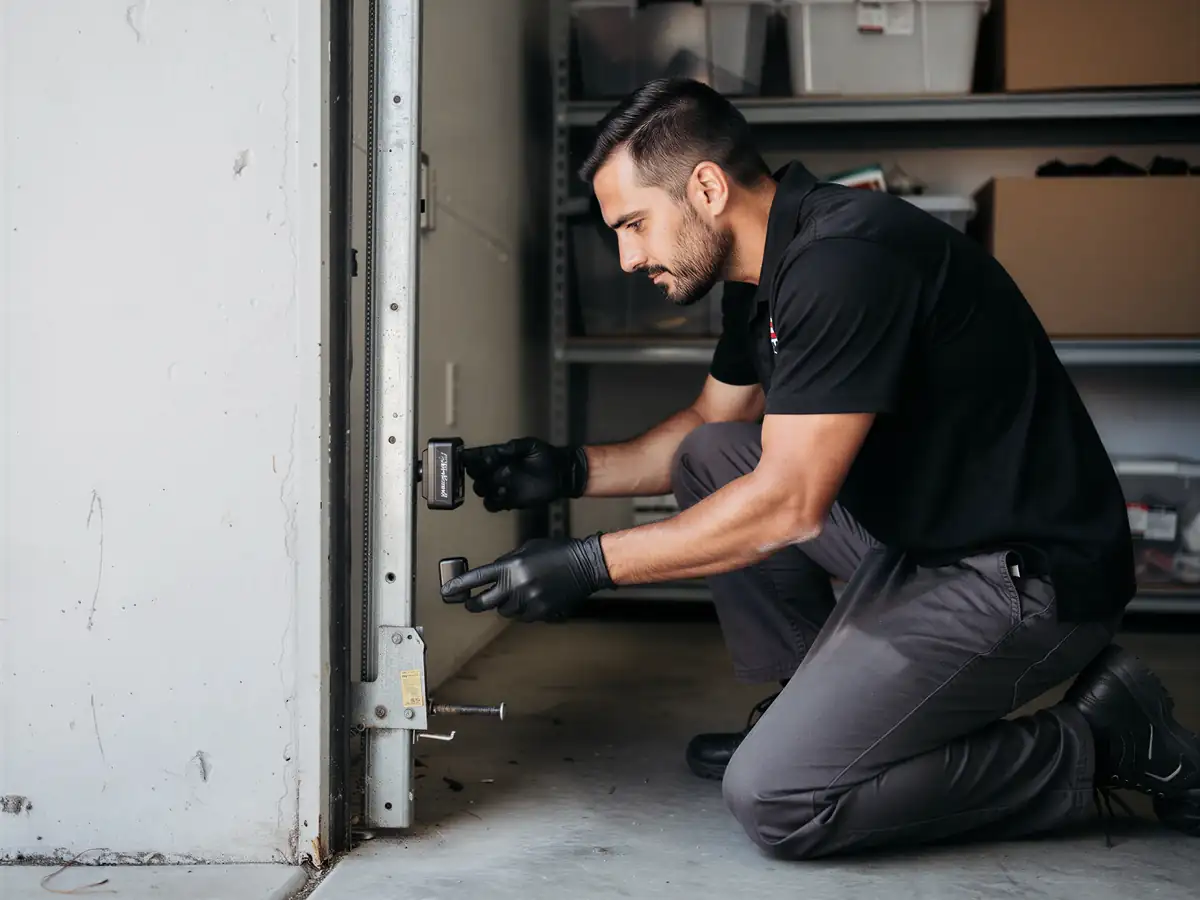
Pop the garage light on, check the cable where it wraps the bottom bracket and where it winds onto the drum near the spring, and look for fraying, rust, or kinks. If the door is visibly crooked or a cable is hanging loose, don't run the opener. Running it with a bad cable can bend the track or crack a panel, turning a cable job into a bigger one.
We don't say that to upsell you
It's just true that the tools and the know-how to safely unwind a wound spring system are worth having someone handle, and it's not a weekend project the way replacing a roller or a weatherstrip is.
What You Pay
We're not going to put a number here that doesn't hold up, because cable repair cost depends on a few things that vary door to door: whether you've got one cable or a matched pair that both need replacing, whether it's a single door or a double, and whether the drums or bottom brackets also need attention because of the wear that caused the cable to fail in the first place.
In practice, most owners in homes from this era end up replacing both cables at the same time even if only one failed, since the other one has usually seen the same years of heat and friction and is close behind. That's a judgment call we make on site after looking at the actual wear, not a blanket upsell.
If you want a number before we're standing in your garage, we can't give you an honest one over the phone, there's too much that depends on what we find once the door is off tension and the drums are visible.