What Local Conditions Do
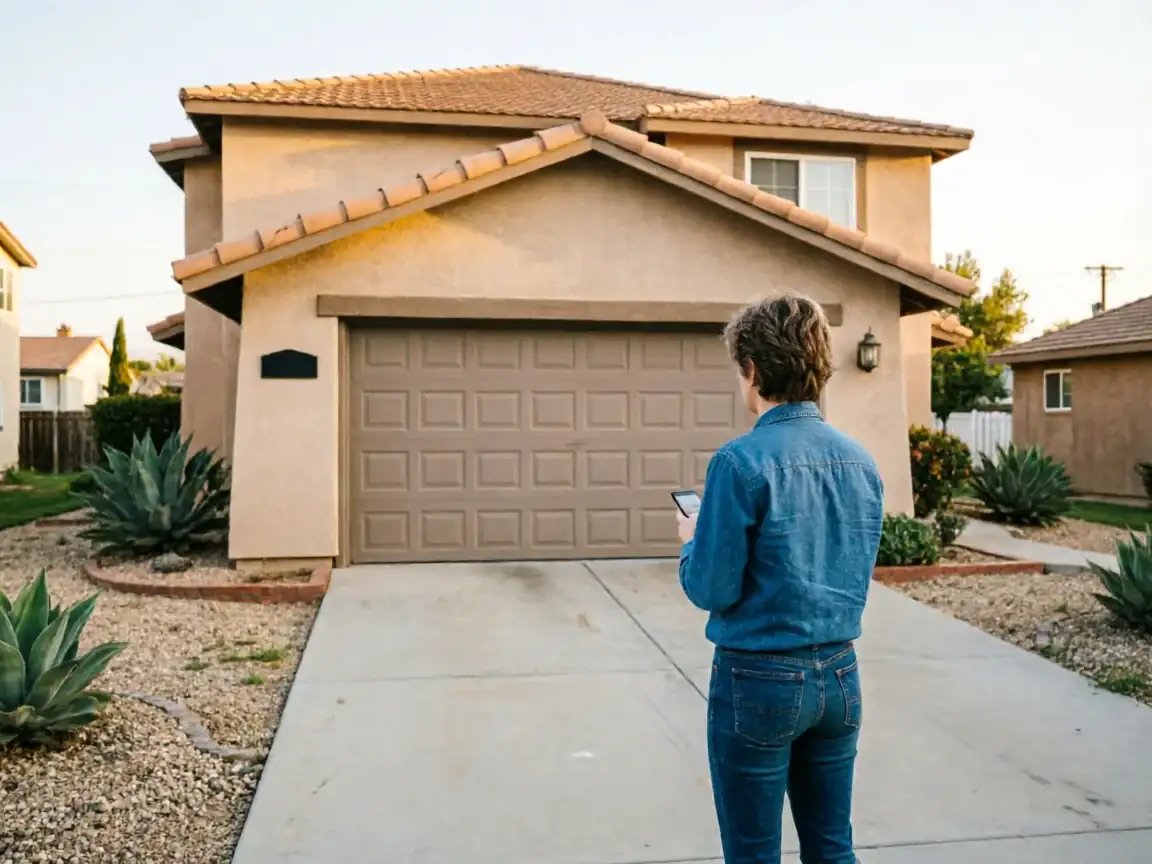
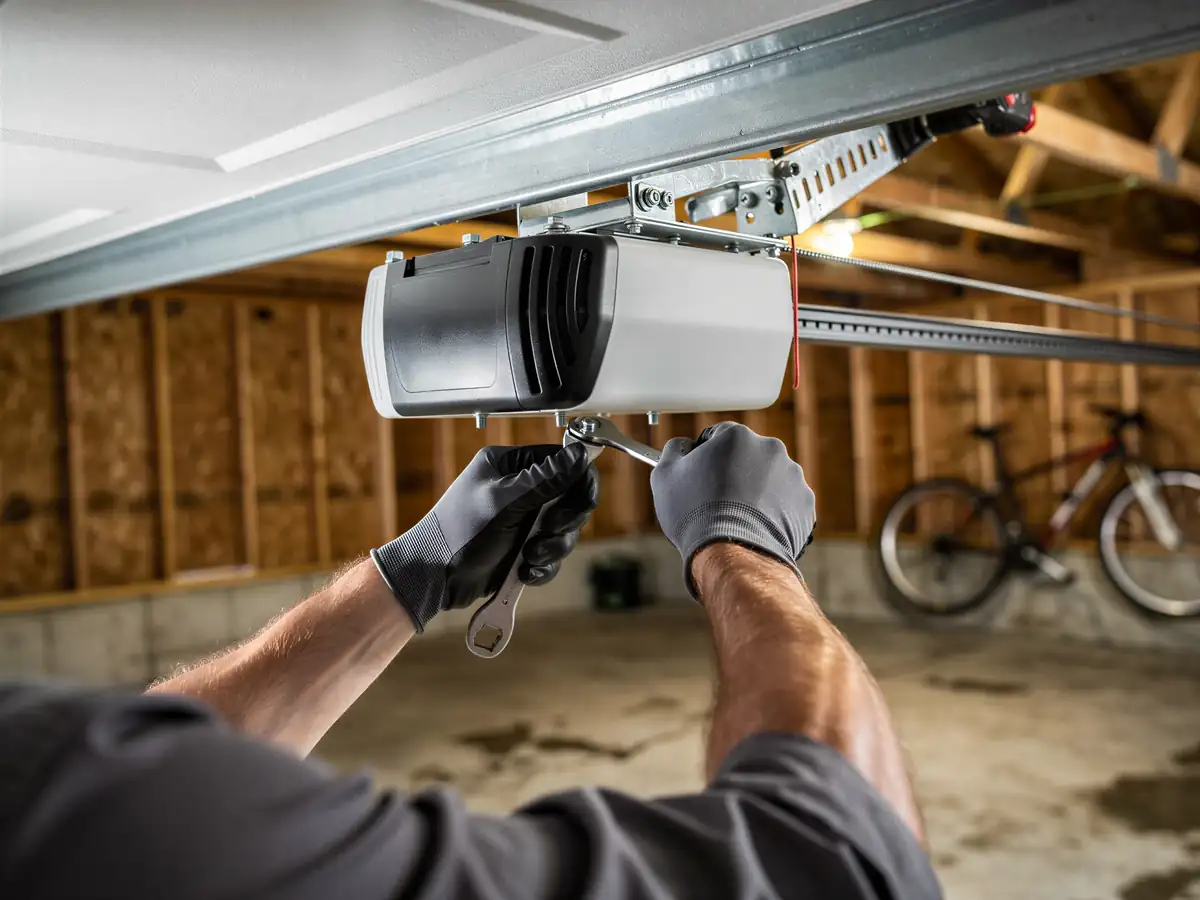
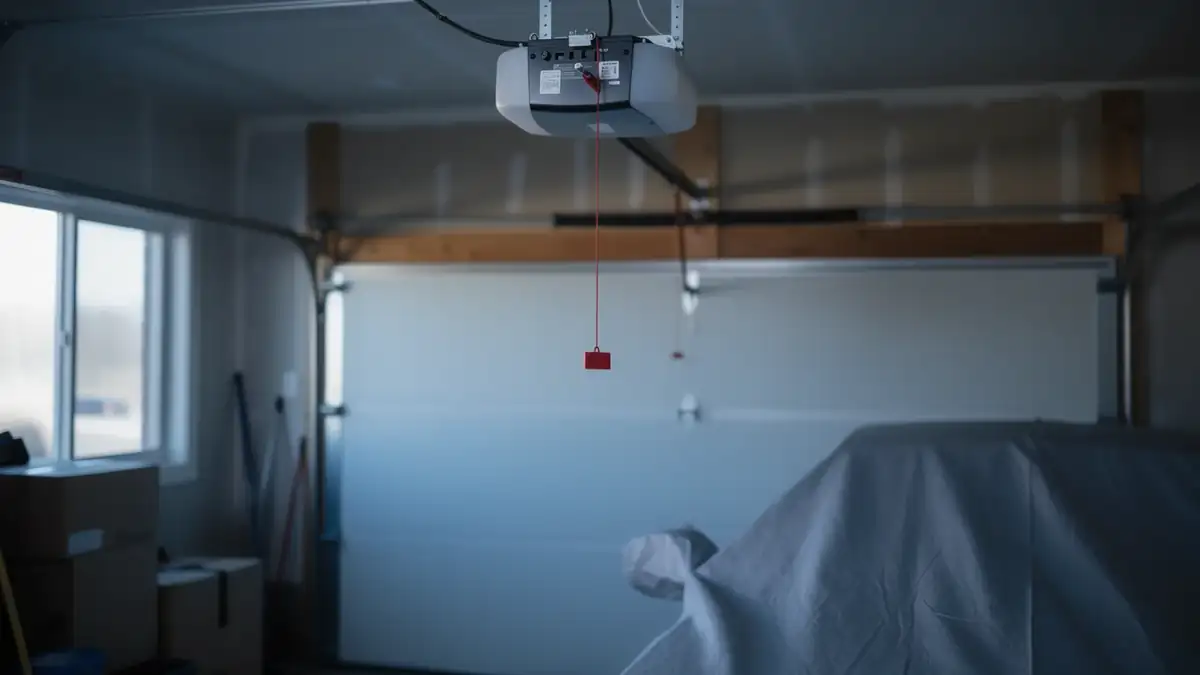
Clovis sits in a severe heat band, and that matters more for a garage than people think. A garage facing west or south bakes all afternoon, and anything with a circuit board - your opener's logic board, the capacitor that kicks the motor over, the photo-eye sensors - sits in that heat for hours. Plastic gears inside the opener head soften and strip faster than they would in a mild climate. Rubber belt drives stretch. Lubricant in older chain-drive units cooks off and the chain runs dry, which is why you hear grinding before anything actually breaks.
Most of the houses in this service area were built between 1956 and 1993, with the bulk of the stock dating to the 1980s and 90s across the fourteen named neighborhoods we cover - from Sunnyside and Old Fig Garden out to Sanger and Fowler. That means a lot of original or first-replacement openers are now old enough that their boards were never designed for this many summers of attic-level garage heat. When a power cut hits during a heat wave - and summer brownouts do happen when the grid is under load - those aging boards are the first thing to glitch, lose their programming, or just not come back up clean.
None of this is dramatic. It's slow wear from heat cycling, and it shows up as an opener that works fine in January and starts acting strange by August.
What Is Going On
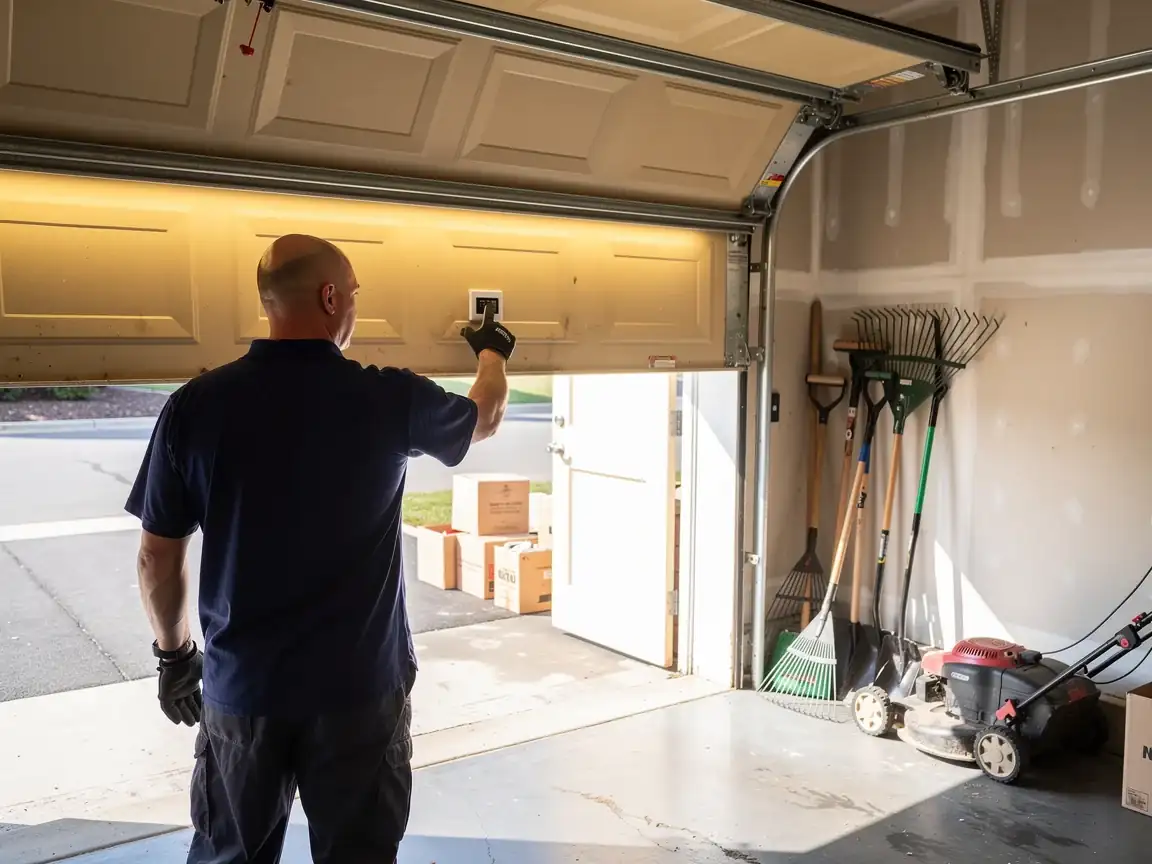
Two separate problems get lumped together as "the opener's broken," and they fail differently. The first is straight heat damage: a board that's been through enough 100-plus-degree garage days develops cracked solder joints or a capacitor that swells and loses capacity. You'll see the opener hesitate, reverse for no reason, or stop responding to the remote before it fails outright. The second is the power cut itself - the opener loses power mid-cycle, the door stops half-travel, and when power returns the unit doesn't always re-sync with where the door actually is. That's a safety issue, not just an inconvenience, because the travel limits and the photo-eye both depend on the board knowing where the door is.
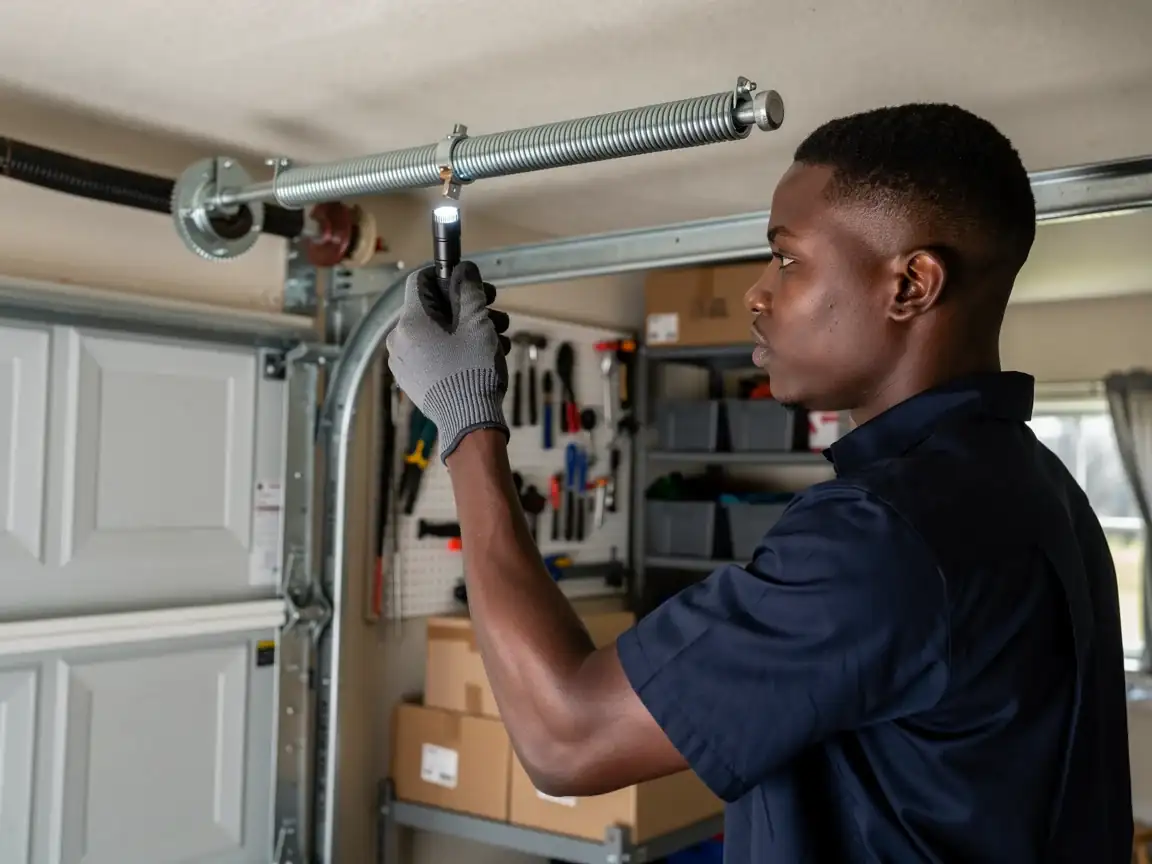
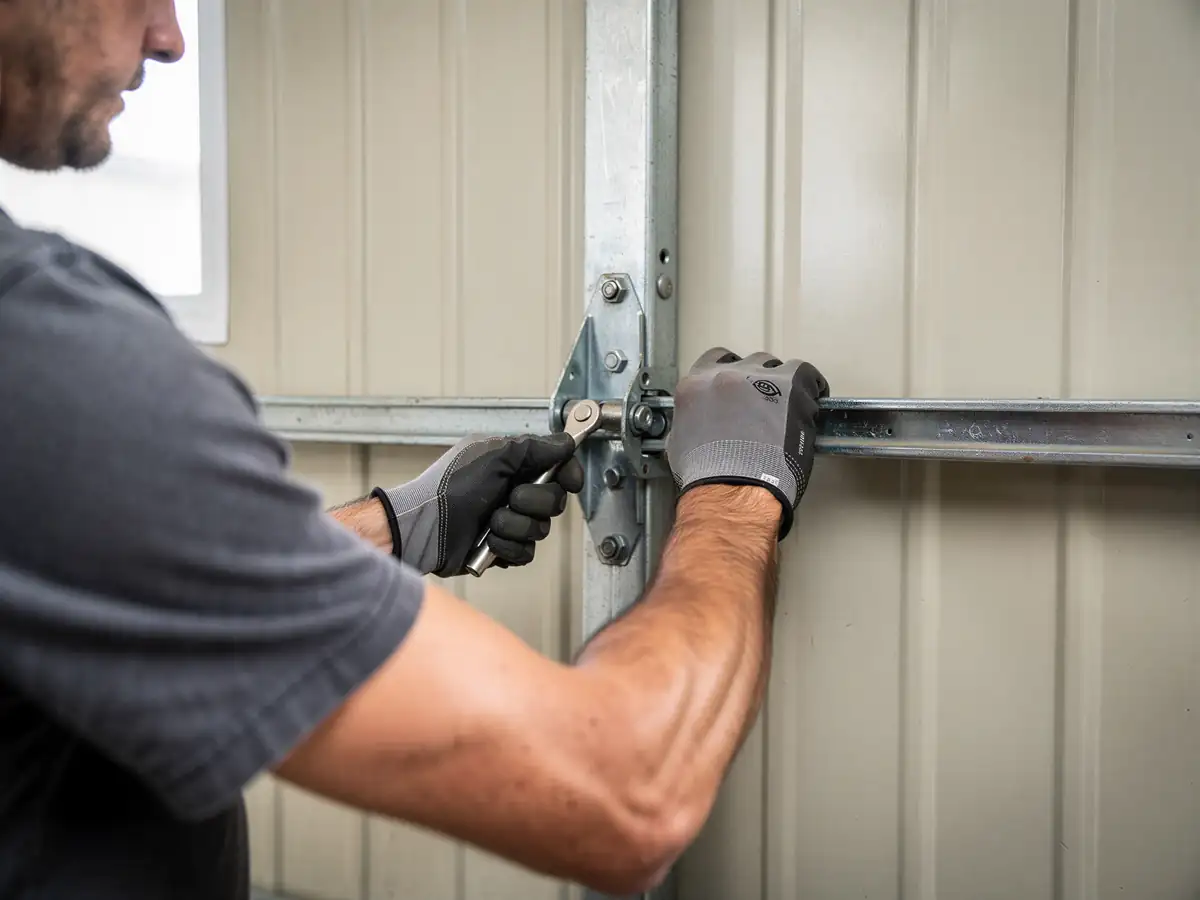
Houses built in the 1980s and 90s commonly have openers that have been replaced once already, but the second unit is now old enough to be hitting the same heat-driven failure window. If your door predates that - built closer to 1956-1970 on this side of town - you may still have the original torsion hardware even if the opener itself is newer, and that hardware doesn't like heat cycling either. Springs lose tension faster when they expand and contract daily through a severe-heat summer.
A power cut alone rarely destroys an opener. It's a power cut on top of a board that was already heat-stressed that takes it down.
What You Pay
I don't have pricing figures I can quote here, and I'm not going to make one up
What I can tell you is how the decision usually breaks down for this area. With median household income around $74,428 and roughly 15,223 owner-occupied houses in the territory we serve, most of what we see is a repair-first call: board replacement, capacitor swap, or resetting travel limits after a power cut, rather than a full unit swap.
- $74,428 median household income
- 15,223 owner-occupied
Full opener replacement becomes the right call when the board failure is the second one in a few years
Or when the unit is old enough that parts are getting hard to source - which happens more often on openers original to the 1956-1993 housing stock than on anything installed in the last decade. If your door is still running on its original torsion spring from that era, heat-cycled hardware that's forty-plus years old usually isn't worth patching piece by piece; replacing the spring set costs less in the long run than repeat emergency calls.
I'd rather tell a homeowner their fifteen-year-old opener has another few summers in it than sell a replacement it doesn't need
That said, if your board has already failed twice from heat and you've had a power cut strand the door mid-travel even once, that's the pattern where repair stops being the cheaper option.
Checking It Yourself
Before you call anyone, there are a few things worth checking yourself, especially after a summer power cut. First, unplug the opener, wait thirty seconds, and plug it back in - this forces a clean reboot and sometimes clears a confused travel limit on its own. Second, look at the opener head for a swollen or discolored capacitor; it's usually a small cylinder near the main board, and if it's bulging at the top, that's heat damage, not a mystery.
Third, check the photo-eye sensors near the floor on each side of the door. Heat and dust both knock these out of alignment over a season, and a misaligned sensor after a power cut will make the door refuse to close at all, which people often mistake for a dead opener. A quick wipe and realignment fixes more of these calls than you'd expect.
Finally, if your house is on the older end of the 1956-1993 range and you've never had the opener serviced, check whether it has battery backup. A lot of originals don't, which means any power cut - heat-driven brownout or otherwise - stops the door wherever it happens to be. That's worth knowing before it happens, not after.