What Causes It Around Here
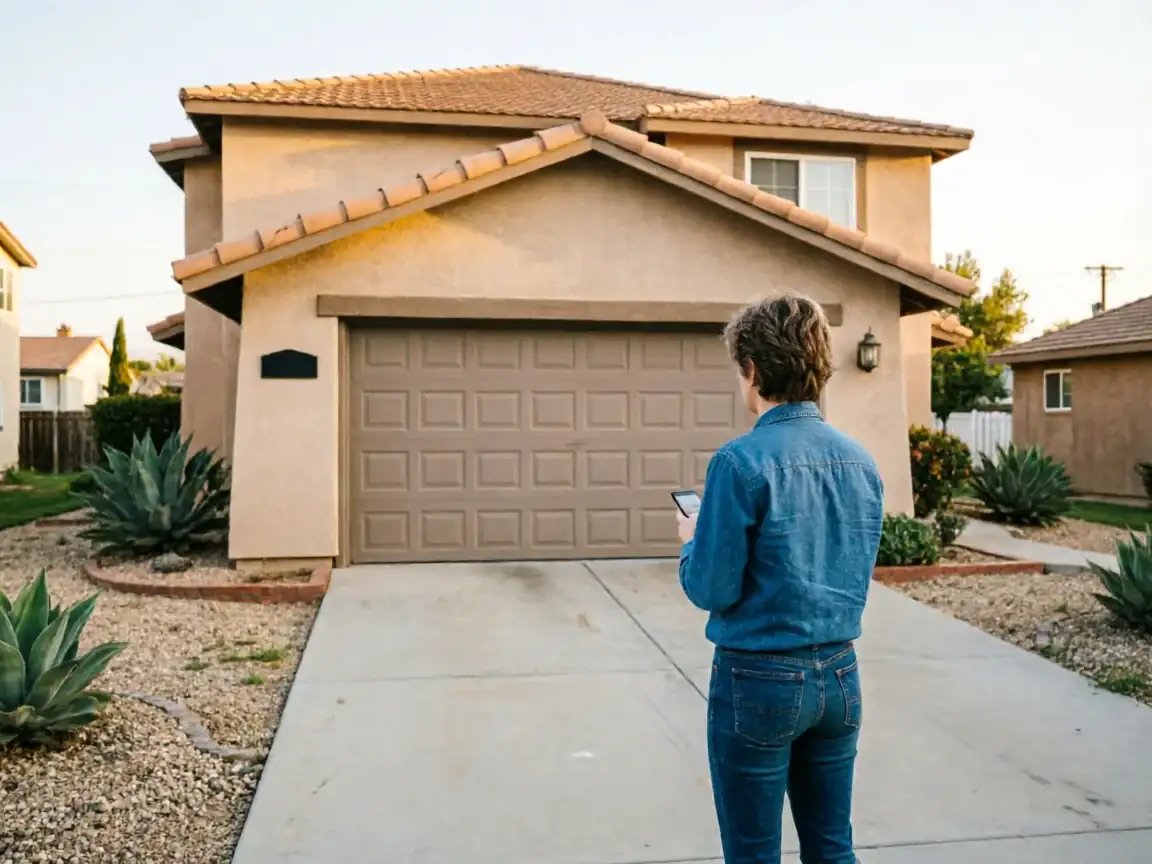
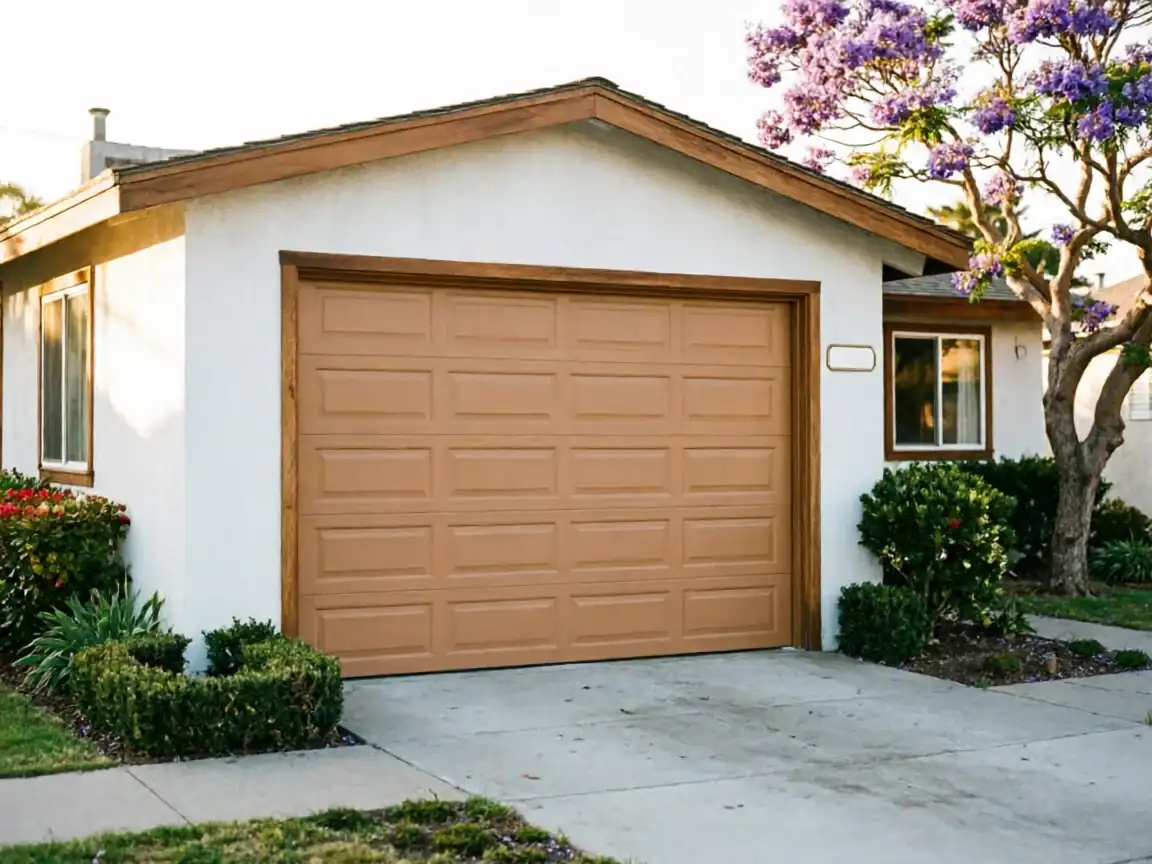
Most houses in Clovis went up between 1956 and 1993, with the median landing around 1982, so a huge share of the garage doors and openers in this city are original or close to it. That's not a maintenance problem anymore, it's an age problem. Steel doors from that era were built thinner, torsion springs were sized for lighter panels, and track hardware was bolted to jamb framing that's now four decades old and has settled. Across the 14 named areas that make up the service area, the 1980s-90s stock is consistent, which means the same basic door design shows up street after street. The second driver is heat. Clovis sits in a severe-heat climate band, and an uninsulated steel door takes a beating every summer - the panel expands and contracts daily, the weatherstrip dries out and cracks, and the lubricant in rollers and hinges breaks down faster than it would somewhere cooler. Put a 40-year-old door through 40 summers like that and the failure isn't a surprise, it's overdue. By the time a homeowner calls about a door that won't seal, binds on the track, or just looks tired, the honest answer is usually replacement, not another repair.
What You Are Seeing
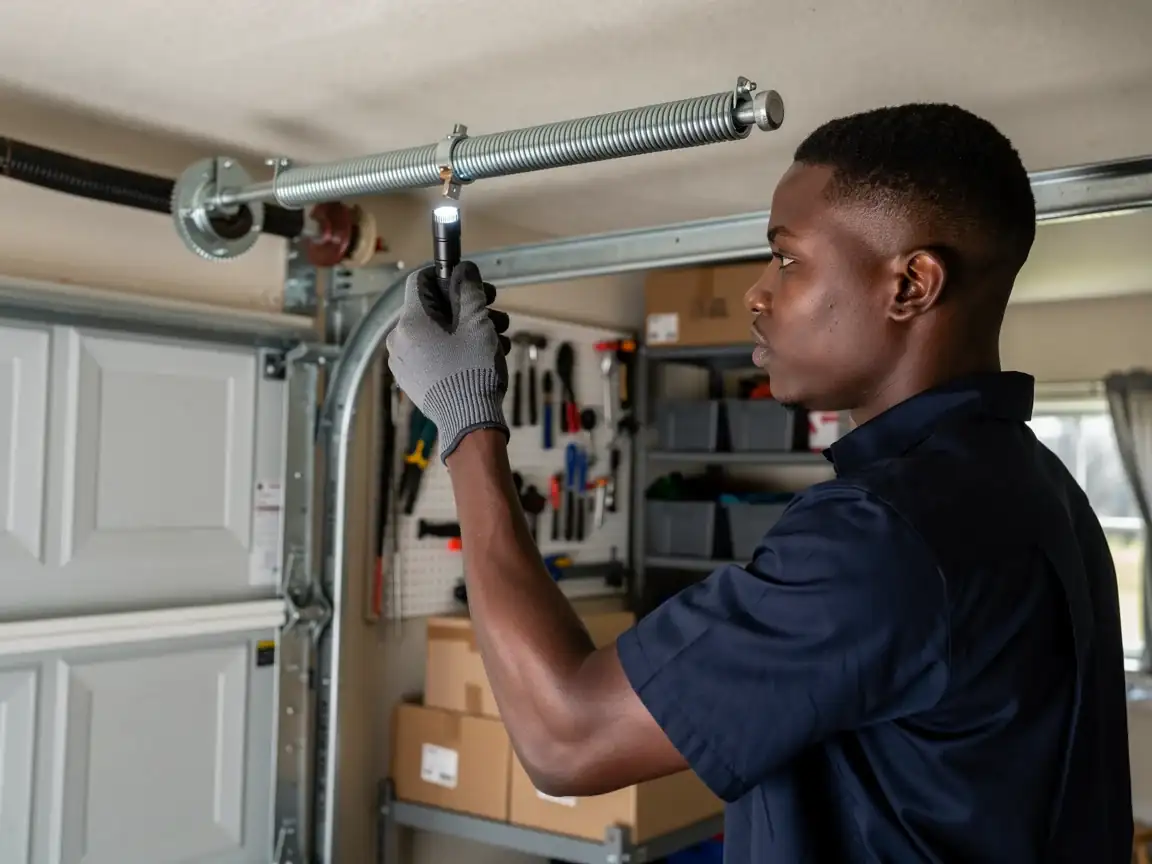
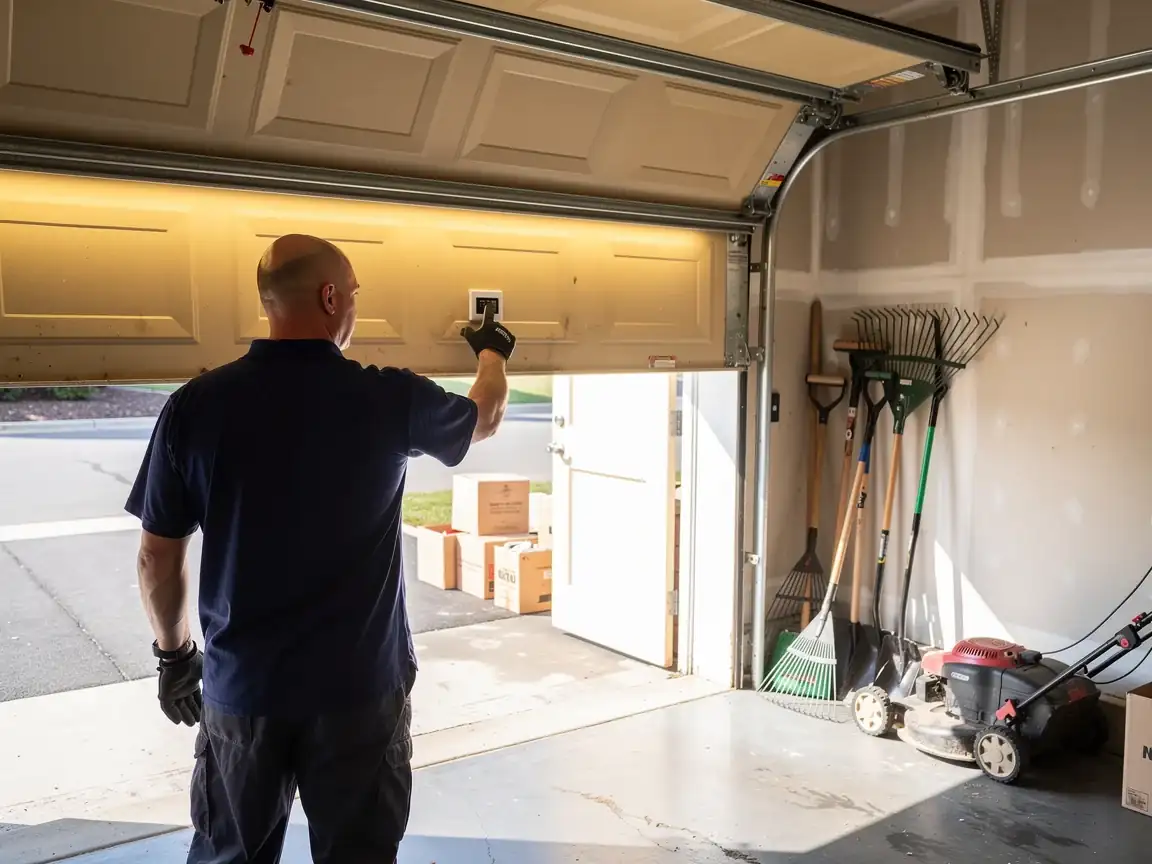
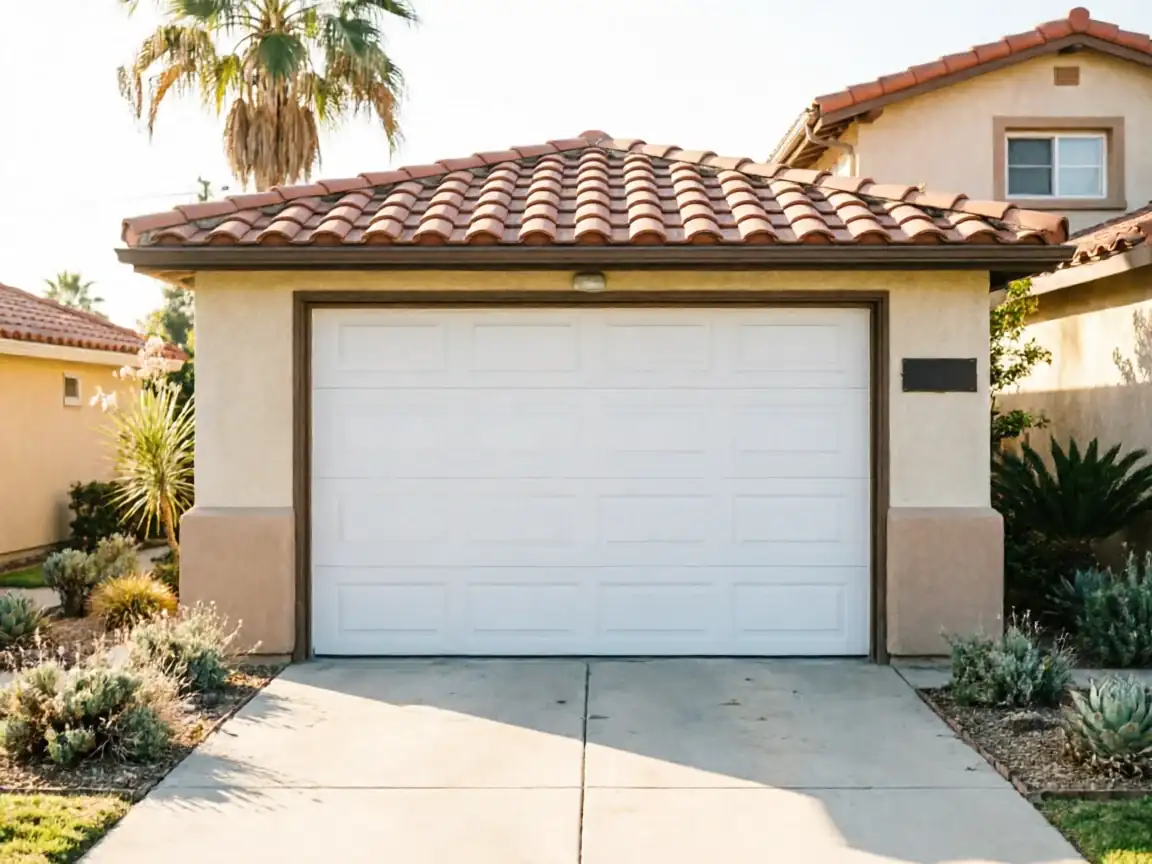
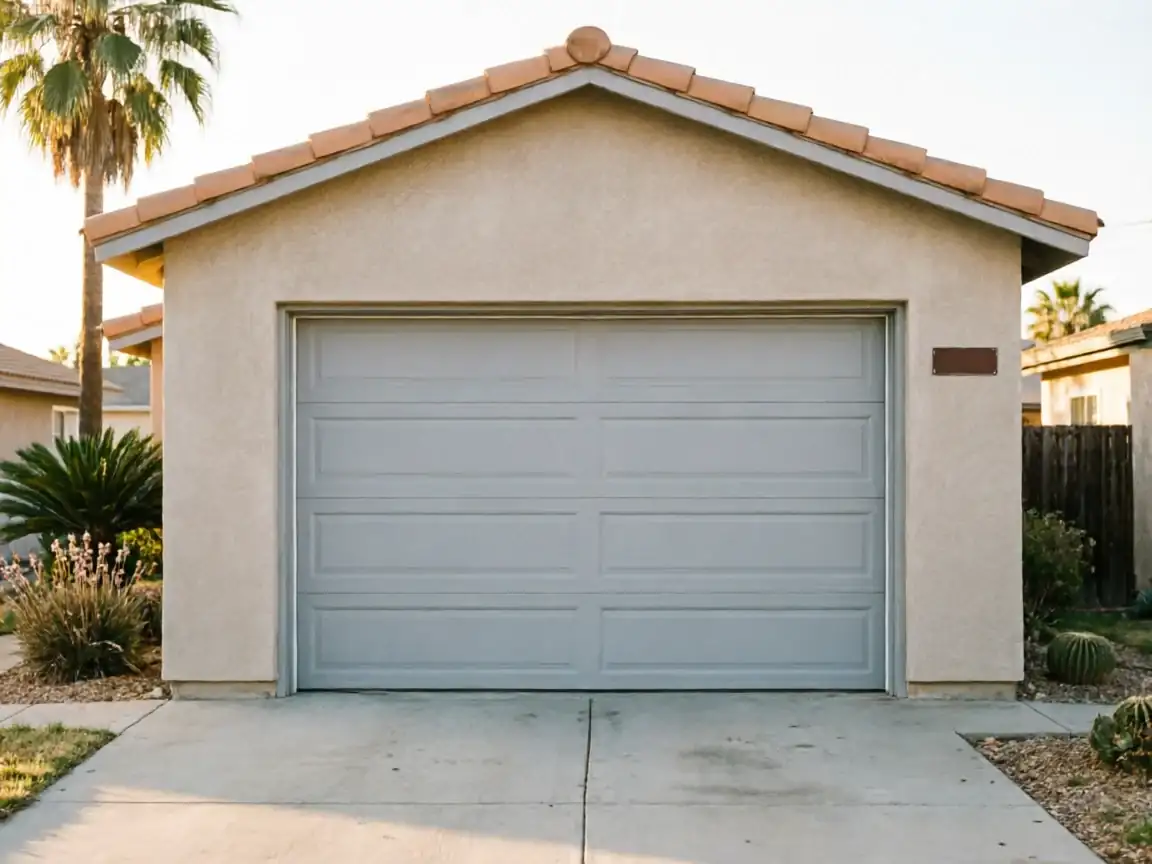
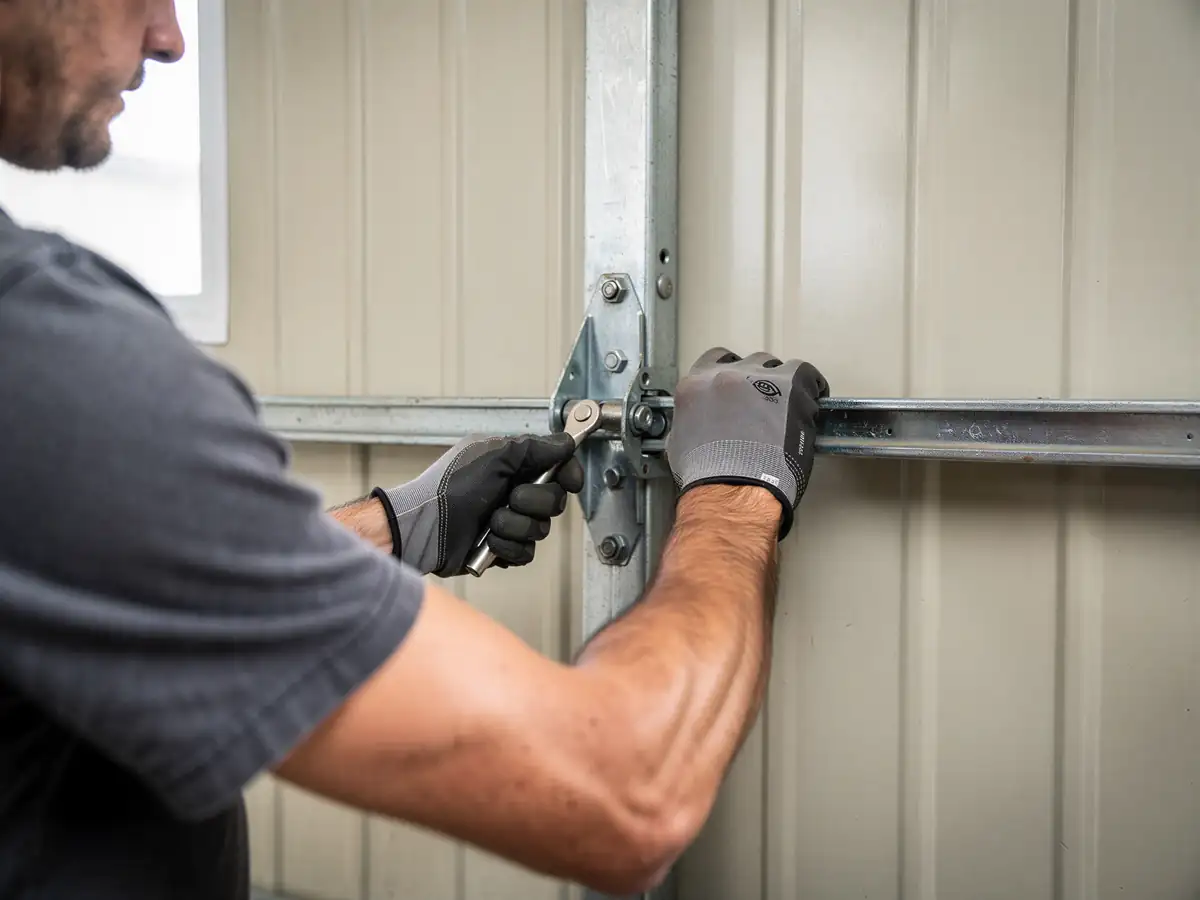
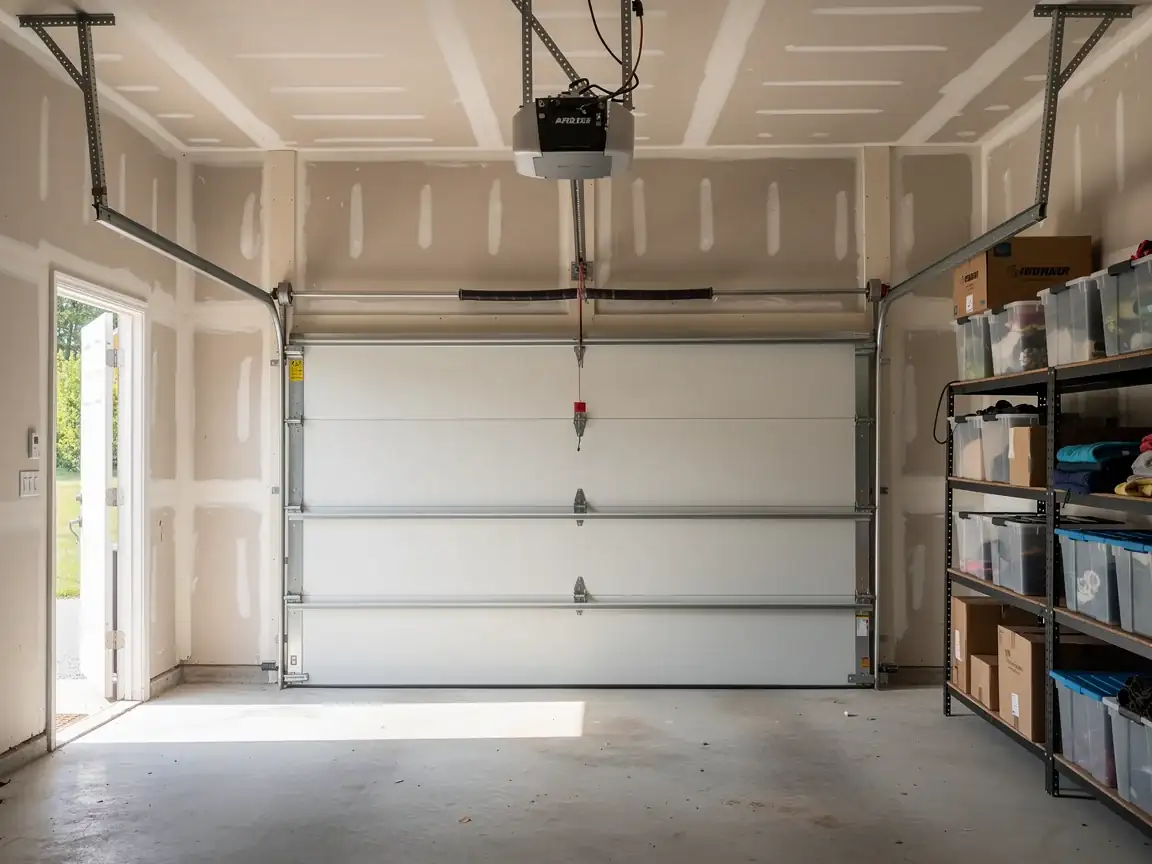
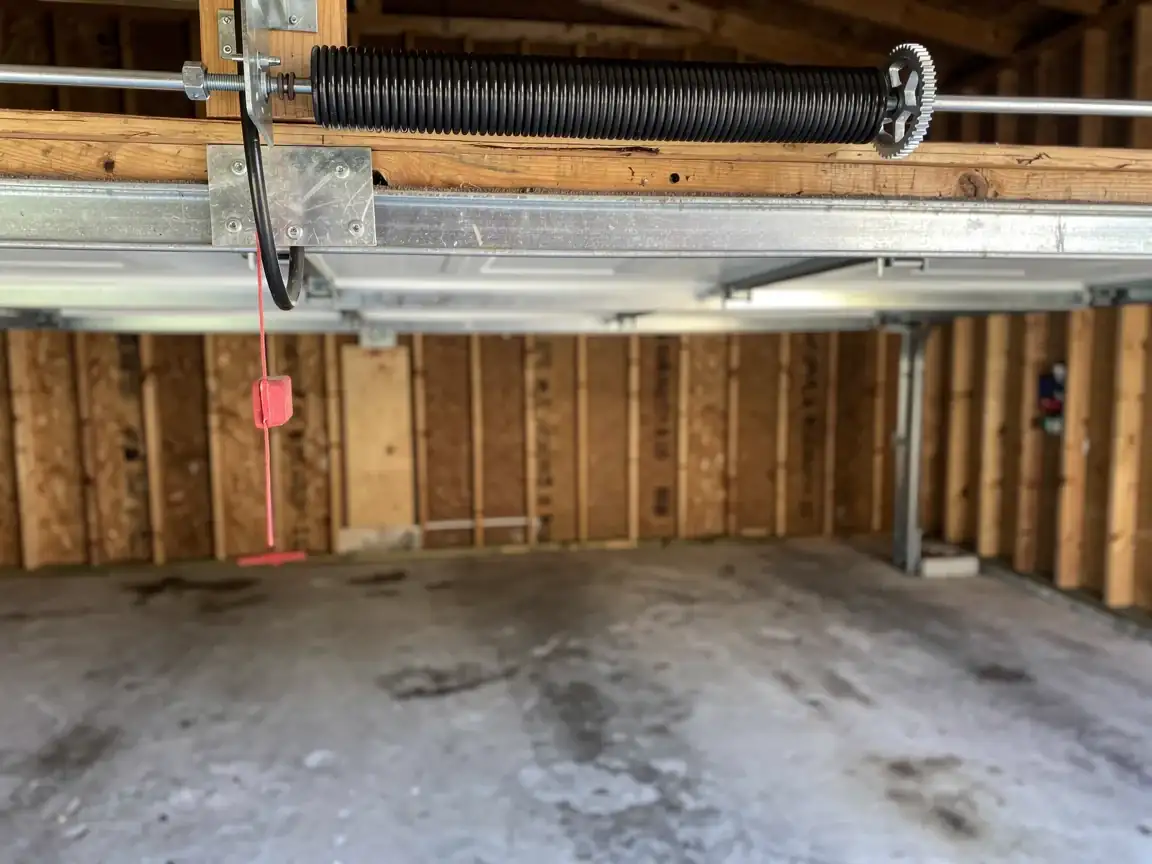
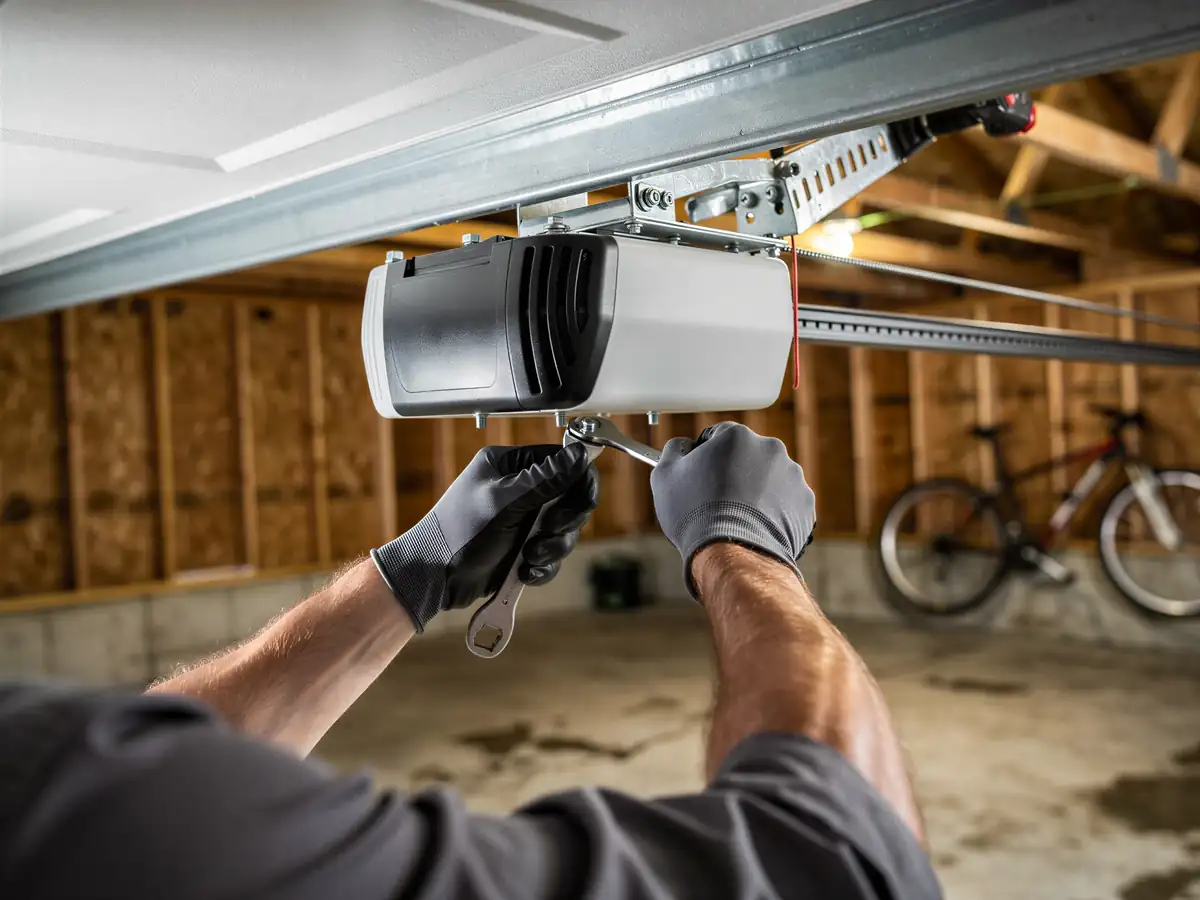
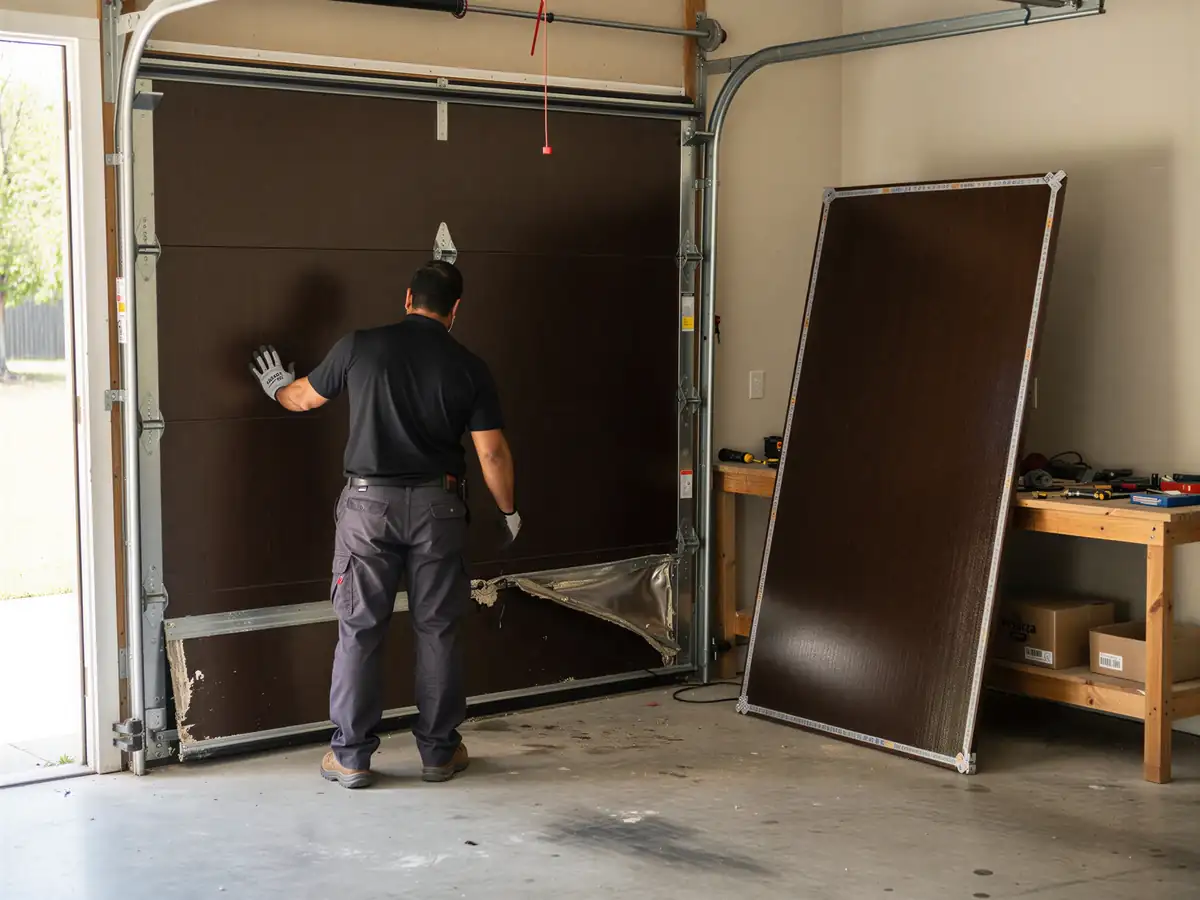
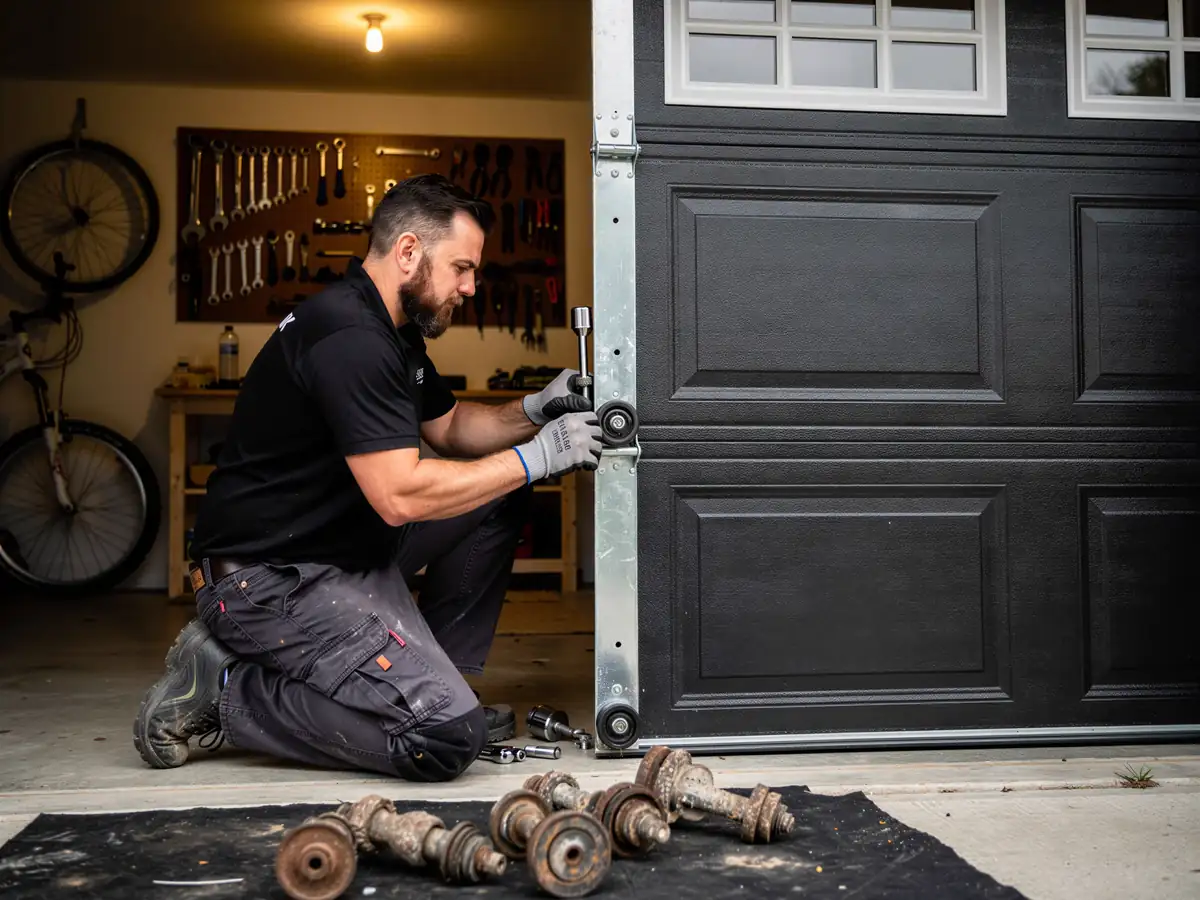
The signs that it's time for a new install instead of another patch: the door sags visibly at the bottom corners when it's down, daylight shows along the sides even after the weatherstrip's been replaced, or the opener strains and reverses before the door seats. On original 1980s doors, you'll often see single-layer steel with no insulation backing - cold to the touch in winter, hot enough to warp slightly by late afternoon in summer. Panels on these older doors are also a non-standard width compared to what's sold today, so a cracked or dented section can't just be swapped - the whole door gets replaced to match. Another common sign: the torsion spring has been replaced once or twice already, but the drum and cable are original, and the shop that services it says the track is rusted from decades of this valley's dry, hot cycles rather than corrosion. If the opener is a chain-drive unit from the same era as the house, it's usually been rebuilt at least once and is due again. None of this means the door is unsafe sitting still - it means it's at the point where another repair costs real money for a door that was never built to the specs of what's available now.
What You Pay
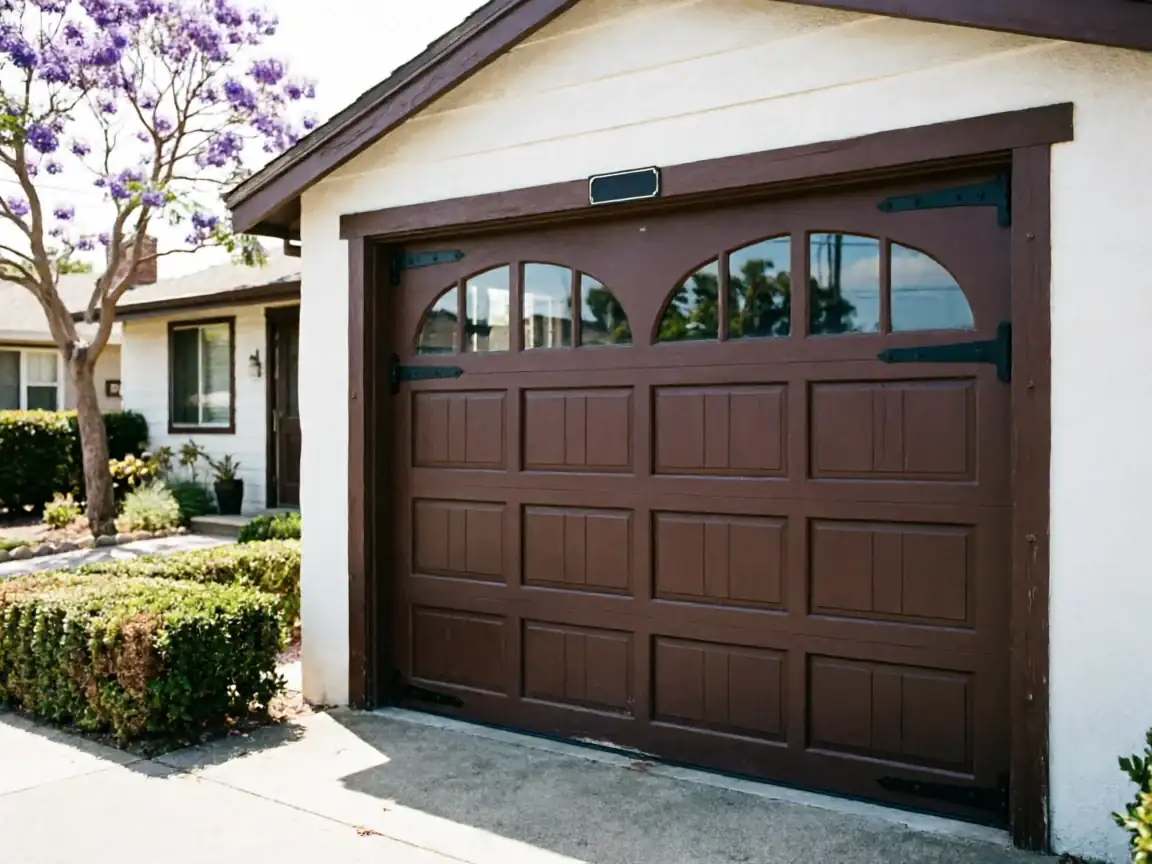
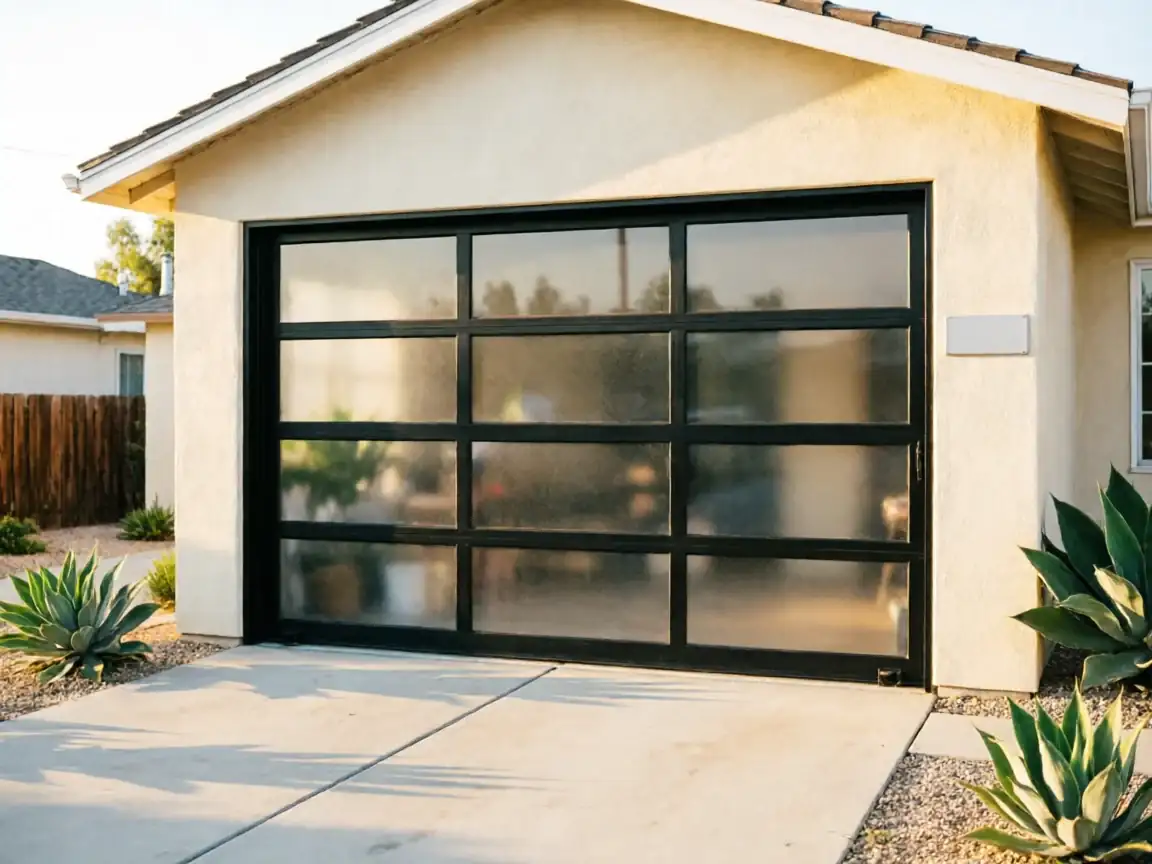
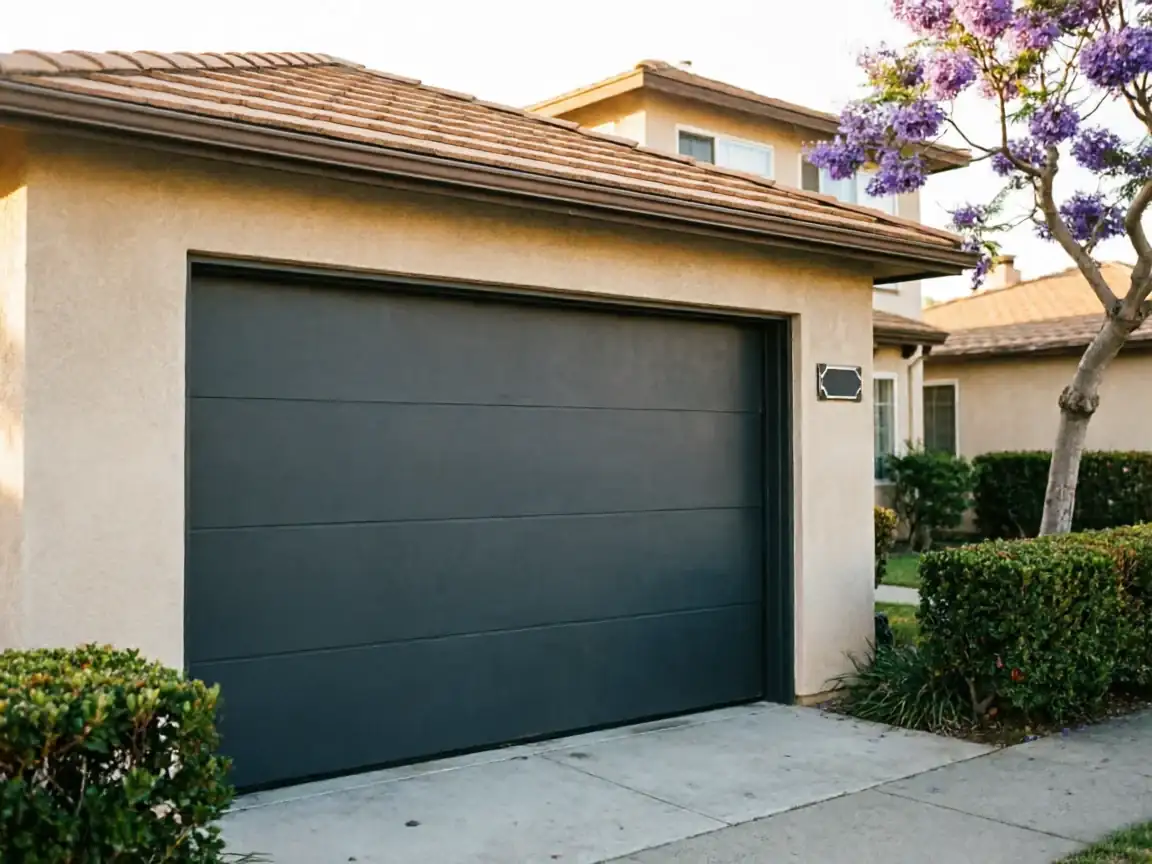
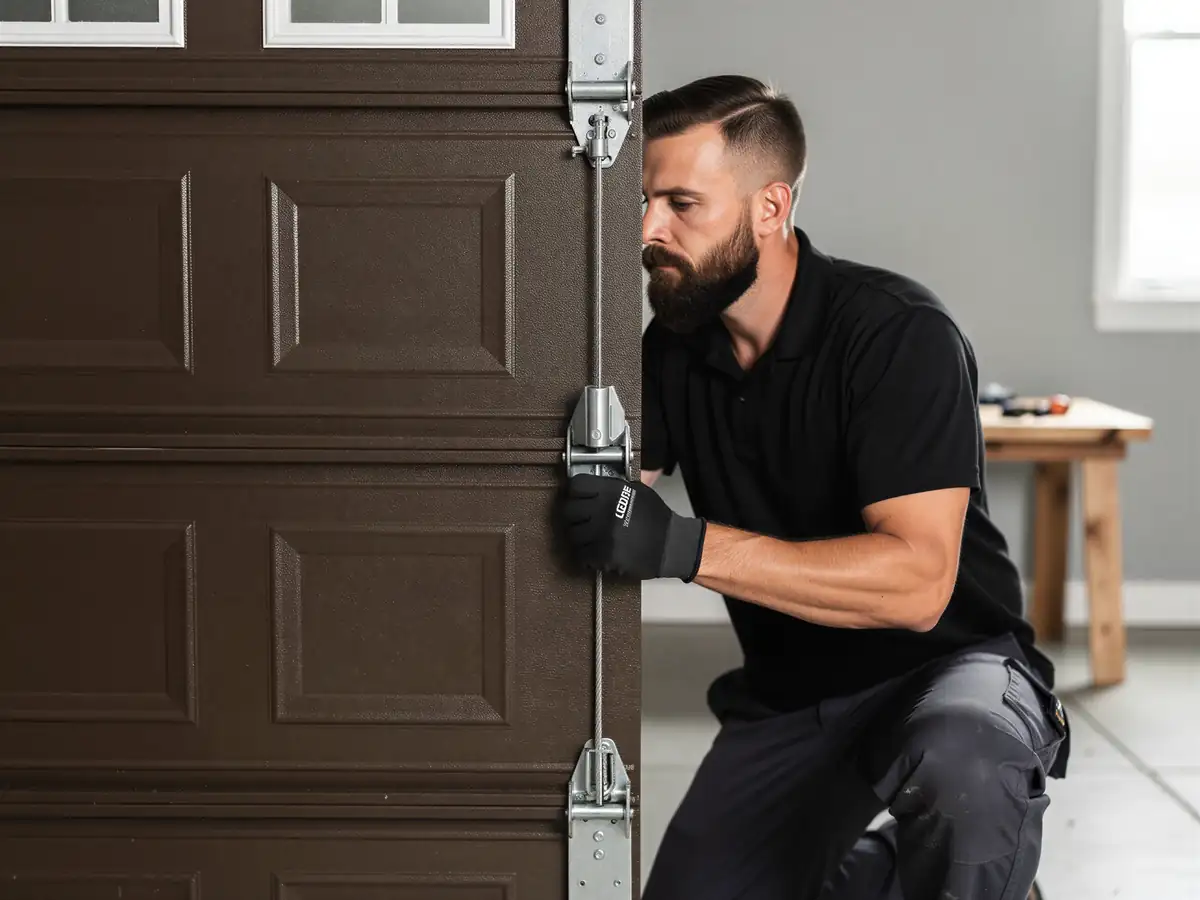
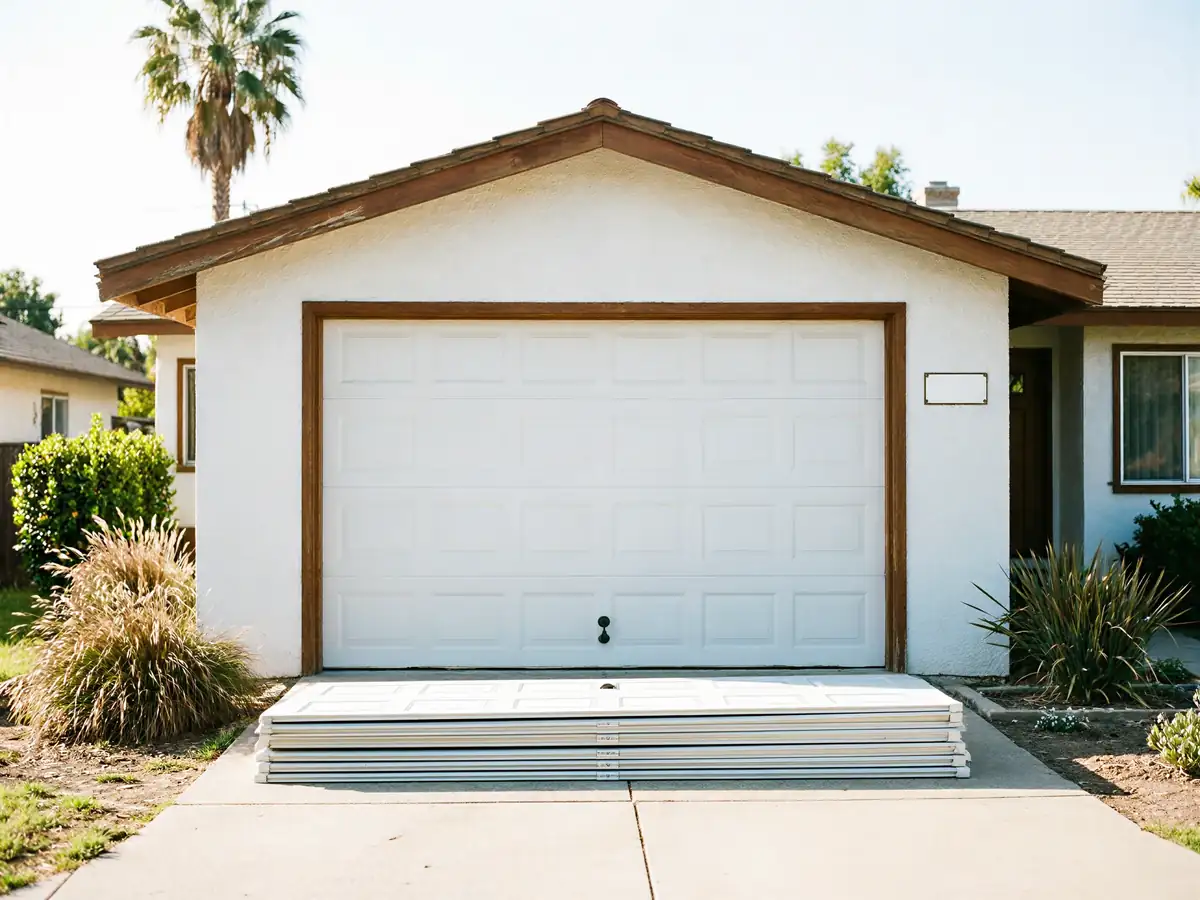
We don't have a flat number to hand you here, because cost on an install depends on door size, insulation level, and whether the opener and track get replaced along with it - and quoting a price without seeing the opening would be a guess, not a fact. What we can say: with 15,223 owner-occupied houses and 28,893 households across the service area, and a median household income of $74,428, most of the installs we price out land as mid-range steel doors rather than custom wood or high-end glass-panel units - that's what fits the housing stock and what most owners are asking for. If you're further out, toward places like Friant or Sanger at 11 miles at 12, travel time factors into scheduling more than it does into the quote itself. The only way to get a real number is a look at the opening, the track run, and what's currently installed.