What Local Conditions Do
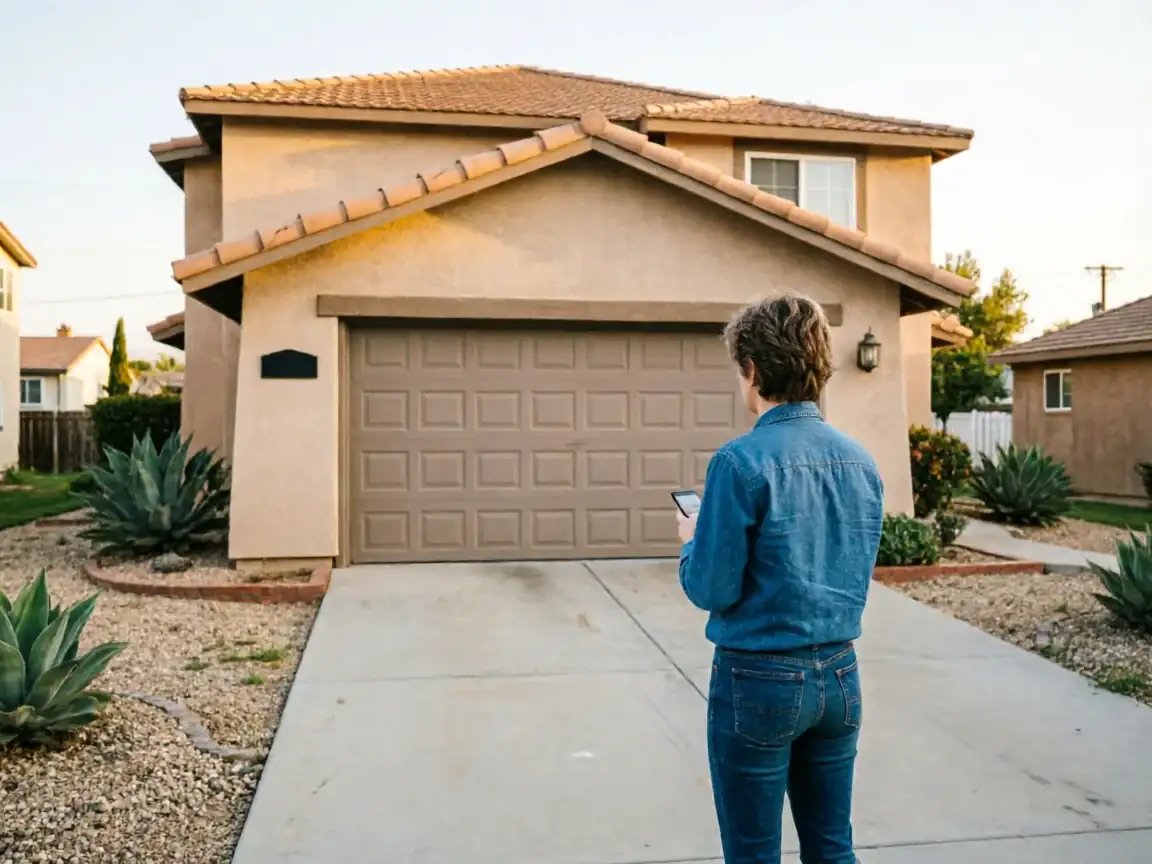
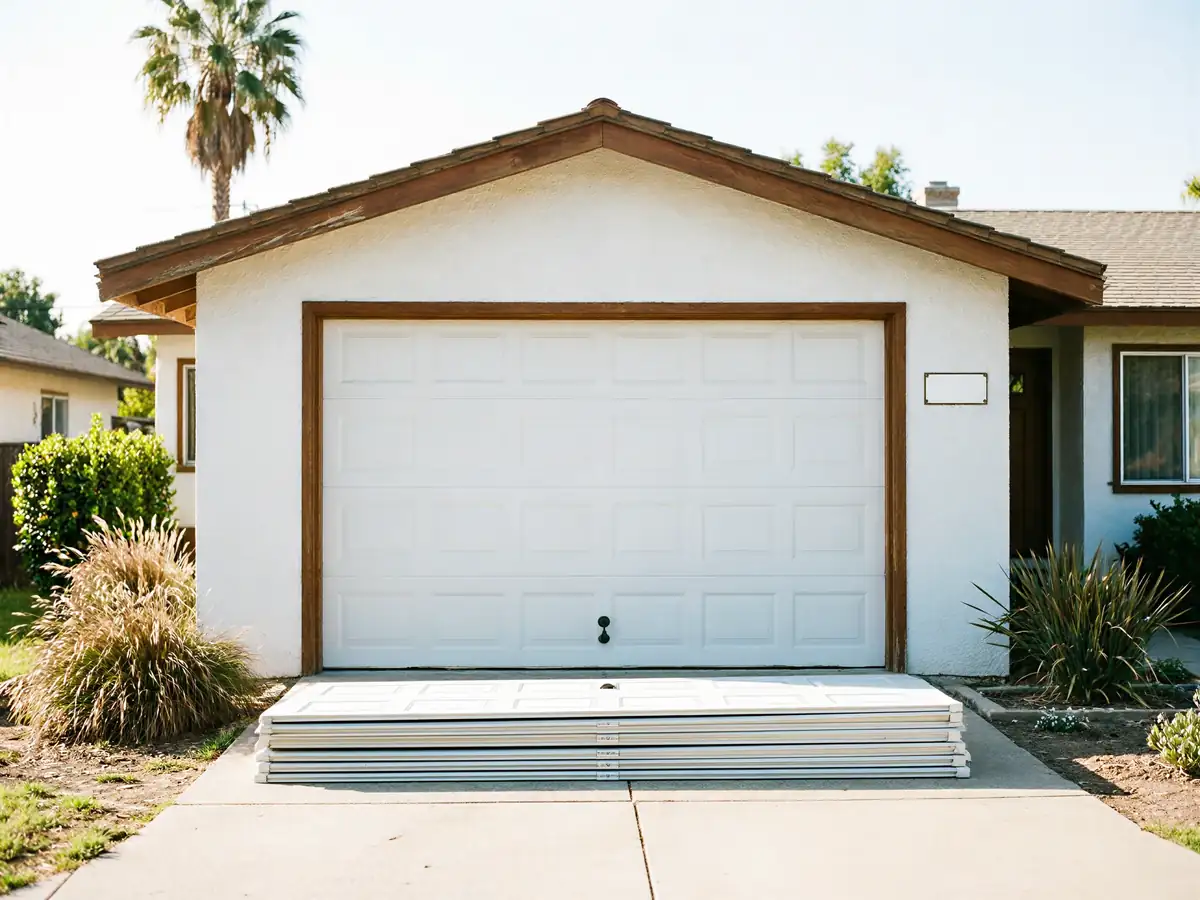
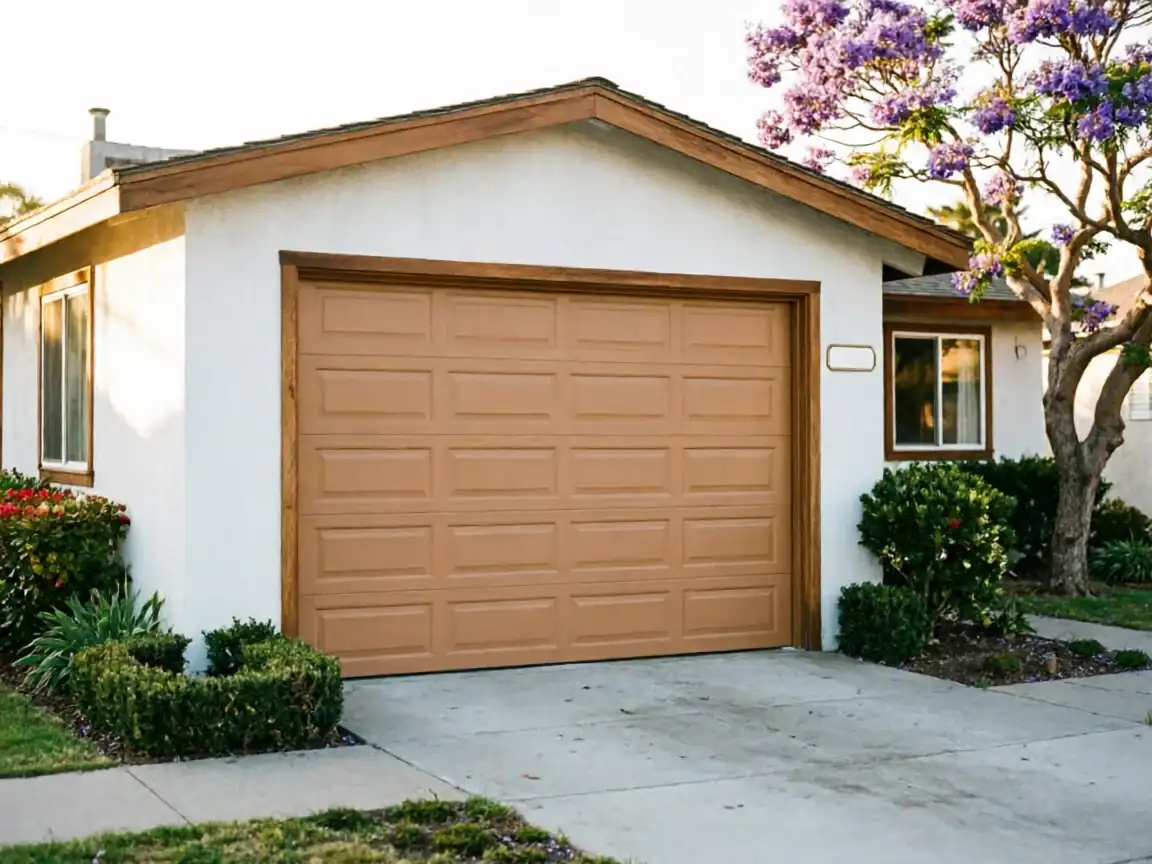
Most of the houses this company works on in Clovis went up somewhere between 1956 and 1993, with the typical build year sitting around 1982. That one fact tells you more about your garage door than any sticker on the opener. A door and track system installed decades ago wasn't built for the kind of summer heat this part of the Central Valley carries year after year, and the stock that followed in the 80s and 90s wasn't engineered much differently. Across the roughly 15,223 owner-occupied houses in the wider service area, the hardware behind the door - the torsion spring, the hinges, the roller brackets - has had decades to work in conditions the manufacturers rated for something milder. Clovis sits in a severe-heat climate band, and heat doesn't just make the garage hot. It cycles steel through expansion and contraction every single day, loosens the grease in bearings, and dries out the nylon rollers that were common on doors from this era. None of that shows up on a visual inspection from the driveway. It shows up as a sound. The age of the stock and the heat band together are why a door that looked fine in April starts grinding by August - not because something broke overnight, but because thirty-plus summers of expansion finally wore a part past its tolerance.
What Is Going On
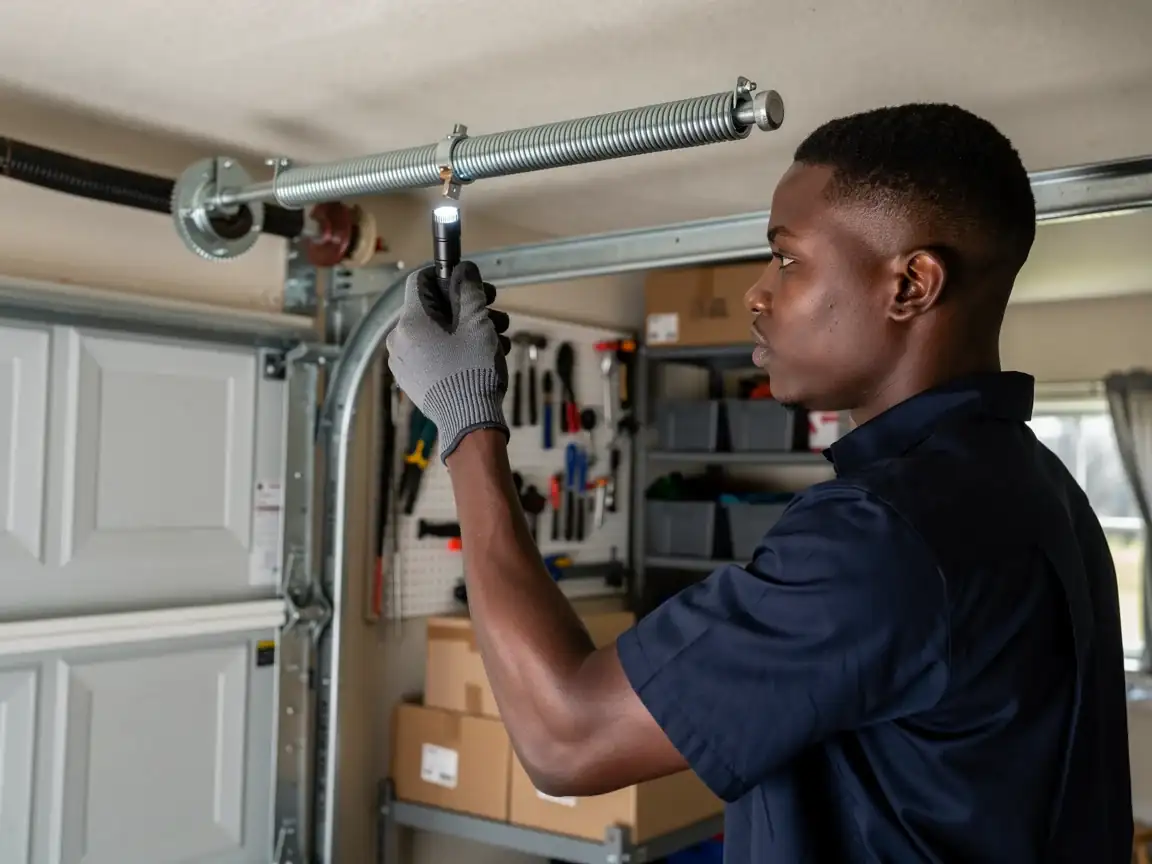
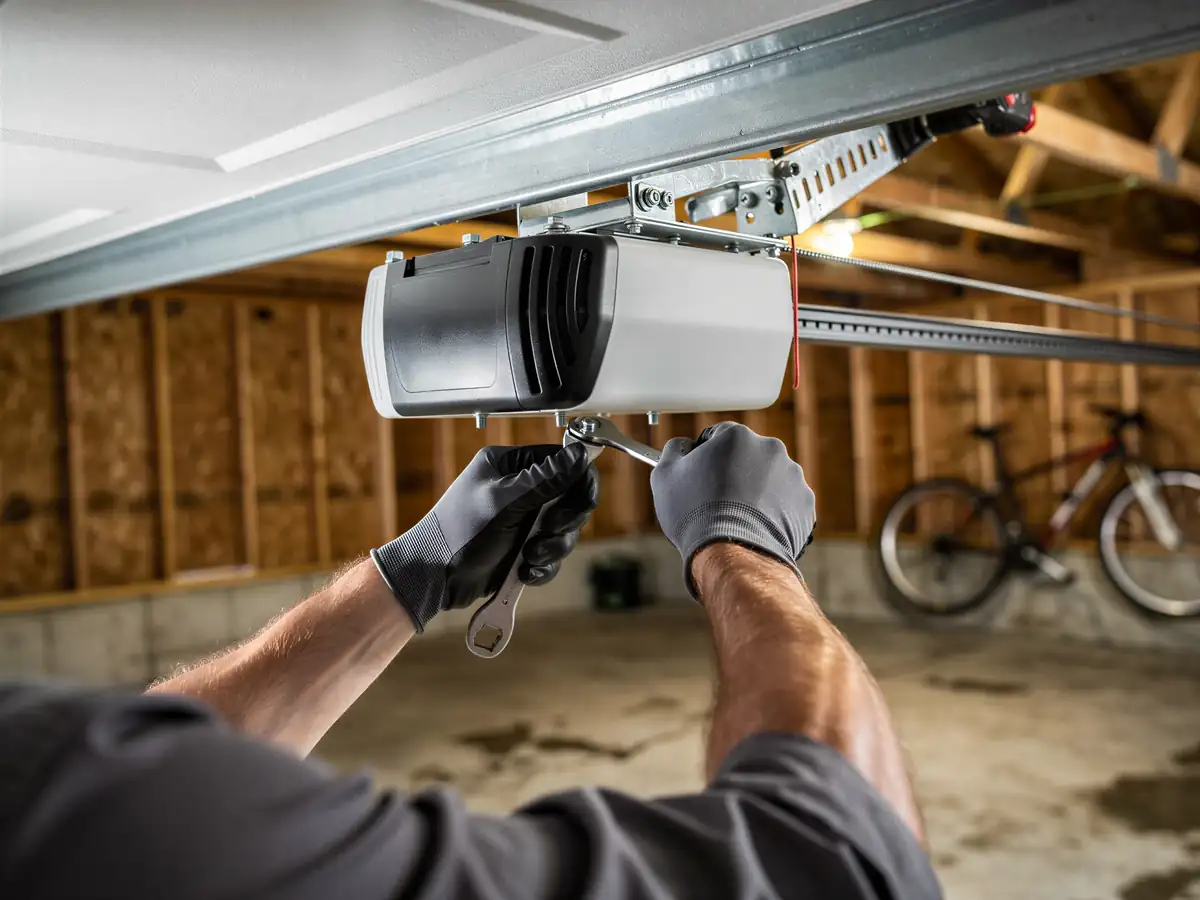
The sound your door is making usually traces back to one of three things, and all three get worse because of how old the hardware is and how hot it gets here. A torsion spring that's cycled through decades of heat-driven expansion loses temper faster than the same spring would in a cooler region - it starts to squeal before it breaks, not after. Rollers made of the nylon common in 1980s and 90s builds harden and crack under sustained heat, and a hardened roller in a worn track makes a rattle that sounds like something loose, when really it's something brittle. Openers from that same construction window often ran on belt or chain drives that stretch slightly as heat expands the housing, which shows up as a knock at the same point in every cycle. None of these are mysteries once you know the house's age and the climate it's sat in. What's harder to say from a description over the phone is which of the three is actually happening in your garage - a grinding spring and a dry roller can sound almost identical to someone who isn't underneath the door watching it move. That's the honest limit here: noise alone tells you something's wearing out, it doesn't reliably tell you which part, and guessing wrong means paying for a part that wasn't the problem.
Checking It Yourself
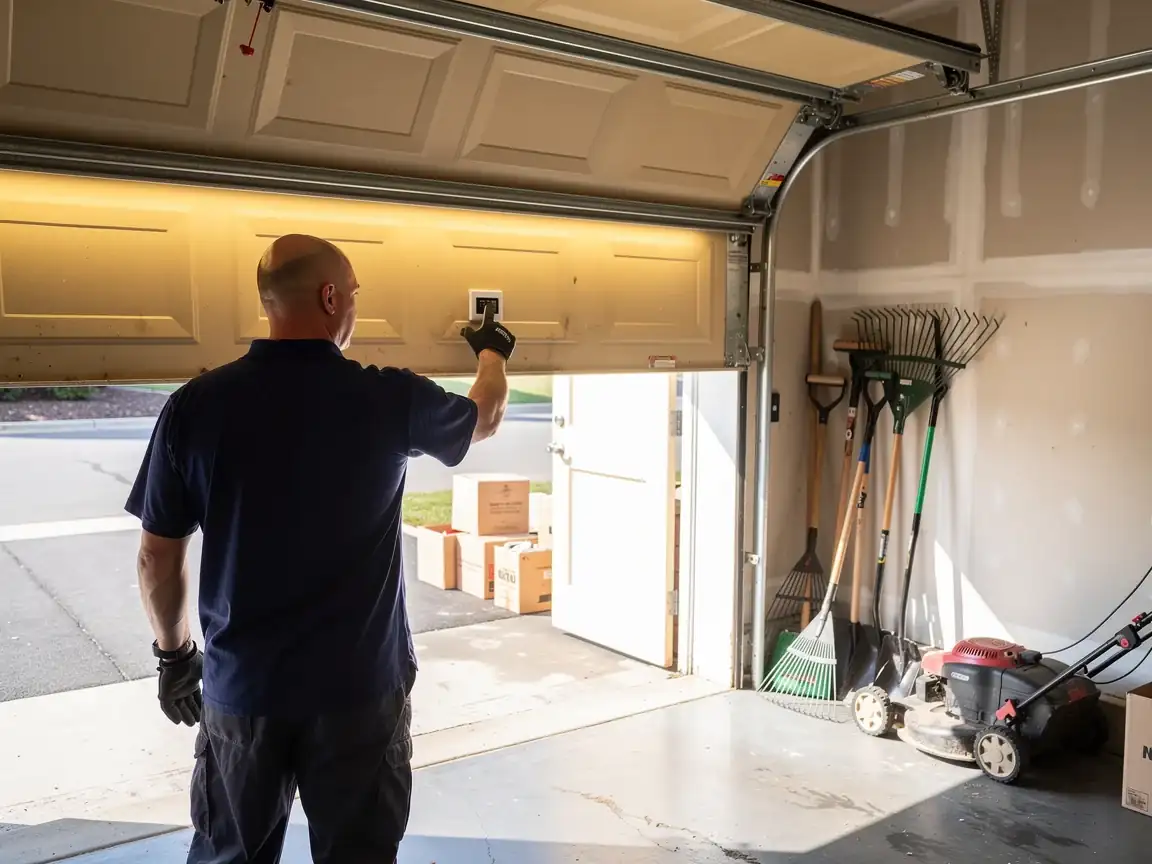
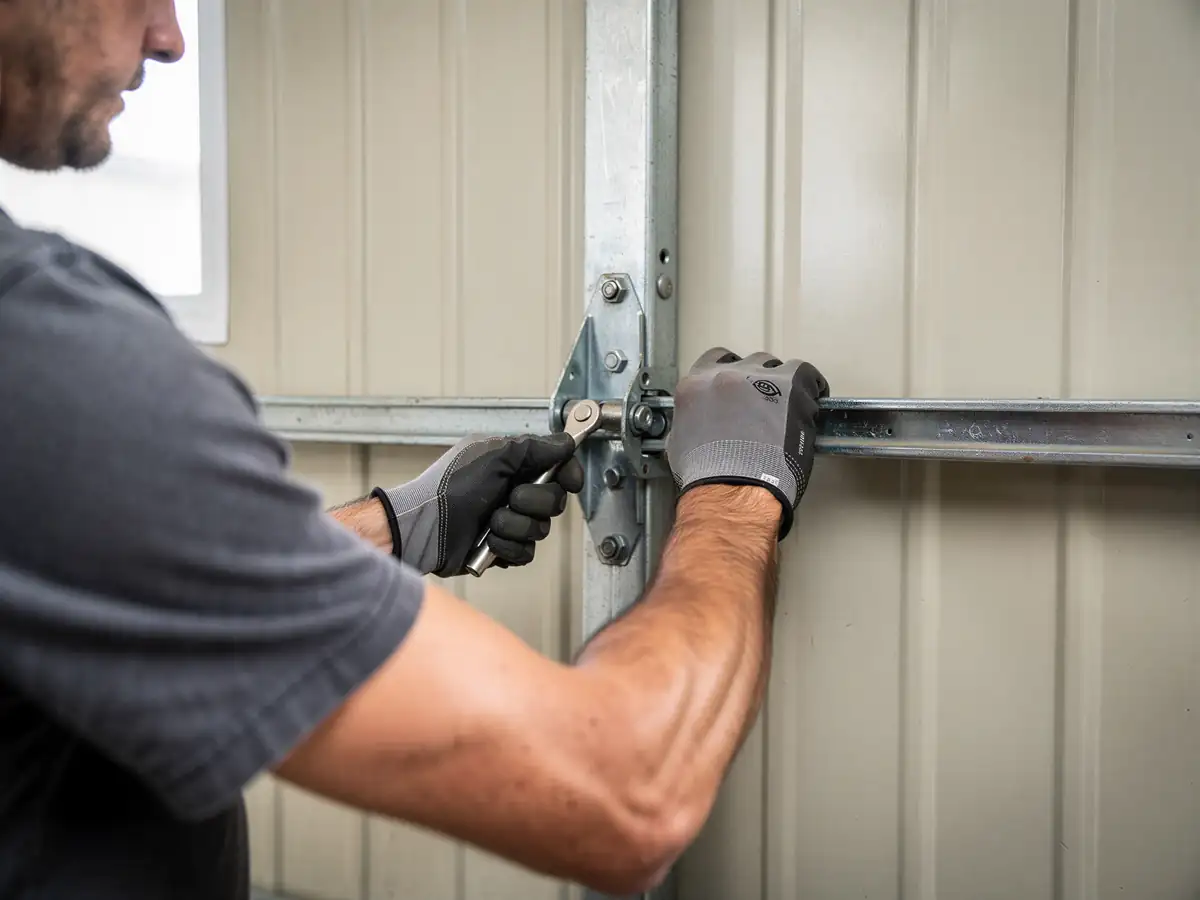
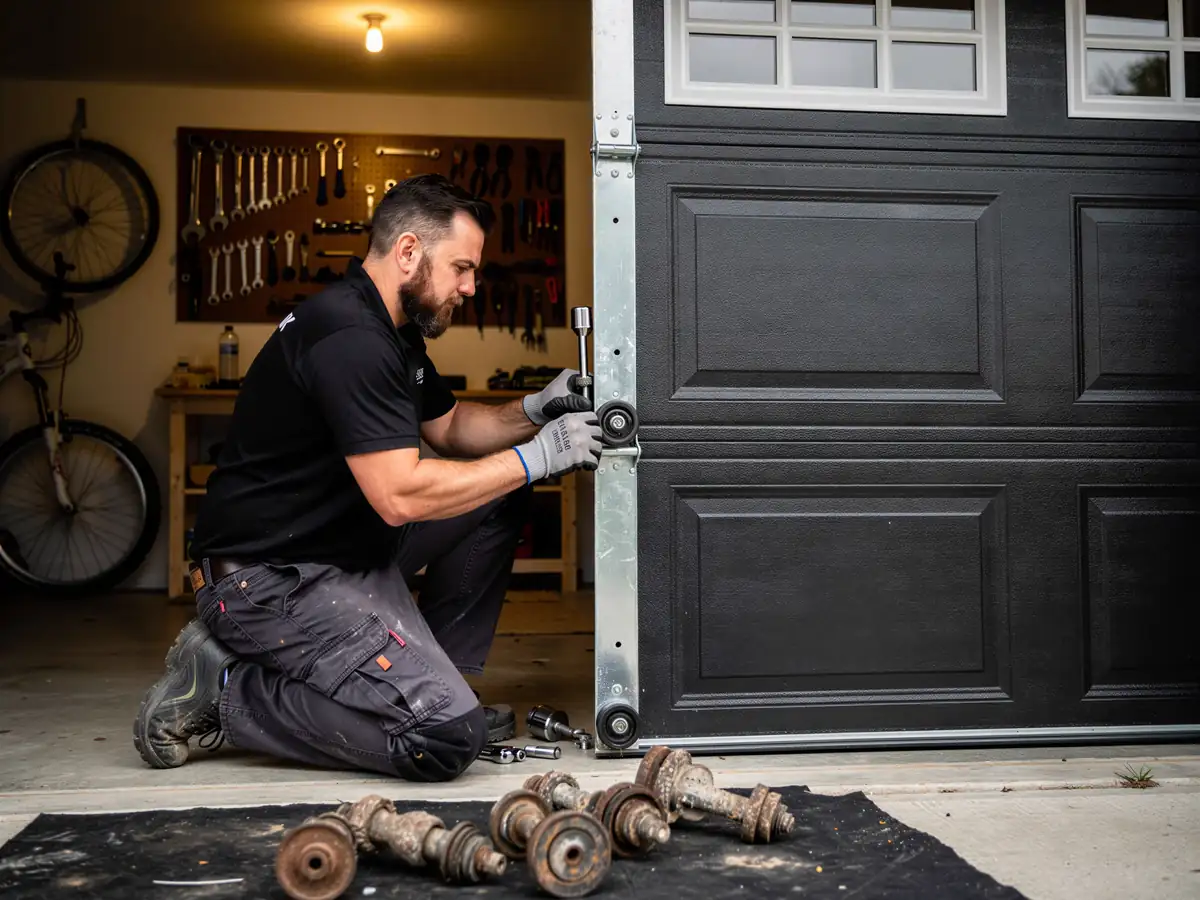
Before you call anyone, there's a five-minute check that tells you something real. Pull the release cord, lift the door by hand to about waist height, and let go. If it drops, the spring has lost tension from age and heat cycling and that's not a DIY fix - torsion springs under load can cause real injury. If it stays put, listen to the sound it made on the way up: a rhythmic squeal that gets louder with speed points to a dry or hardened roller, common in doors from the 1956-1993 stock this area has a lot of. A knock at the same spot every cycle, rather than a continuous noise, points to the opener's drive mechanism rather than the door itself. Check the rollers you can reach without climbing a ladder - if they're the hard nylon type and you can see a crack or flat spot by eye, that's your answer and it's a part, not an opener problem. What you can't safely check yourself is spring tension or anything involving the torsion bar at the top of the door. That part of the system holds enough stored force to cause serious injury, and in a climate that's already fatigued the steel faster than a milder one would, guessing wrong there is the one mistake worth paying someone to avoid.