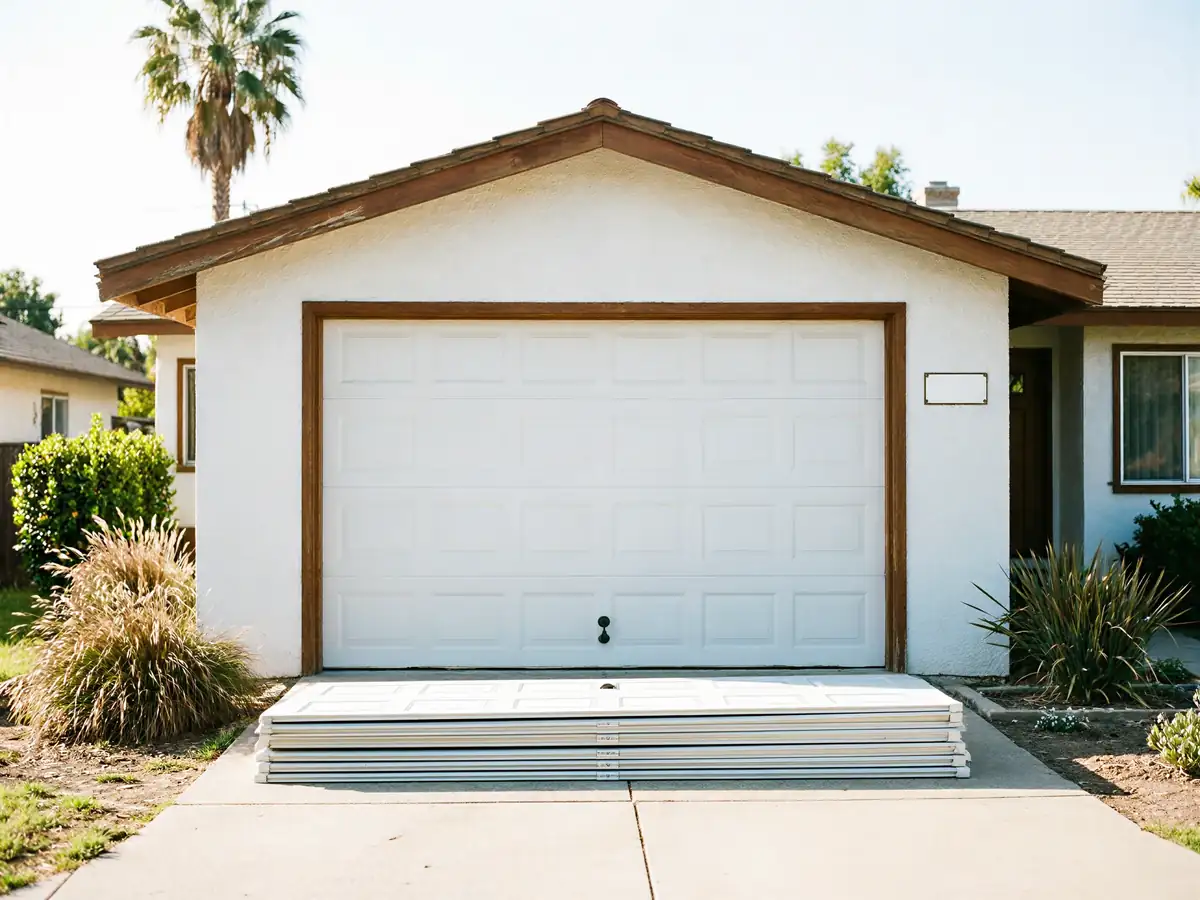
What You Are Seeing
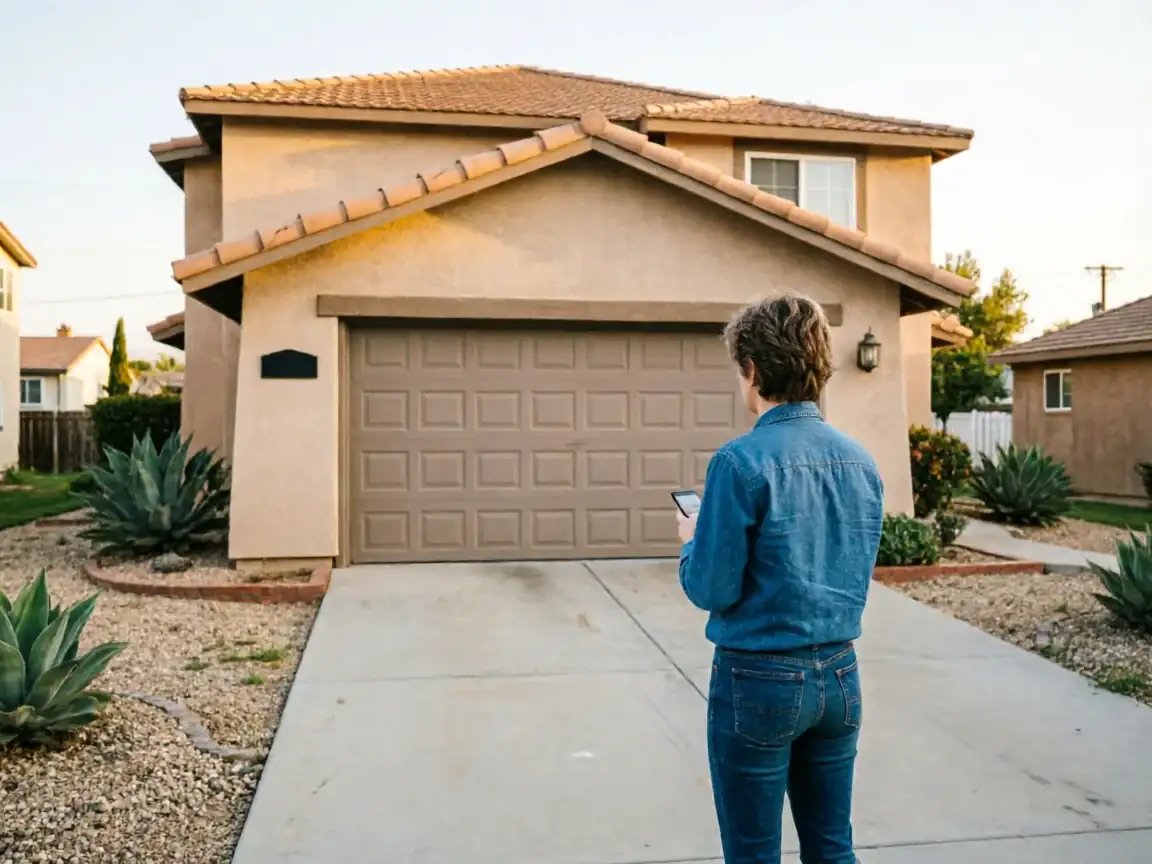
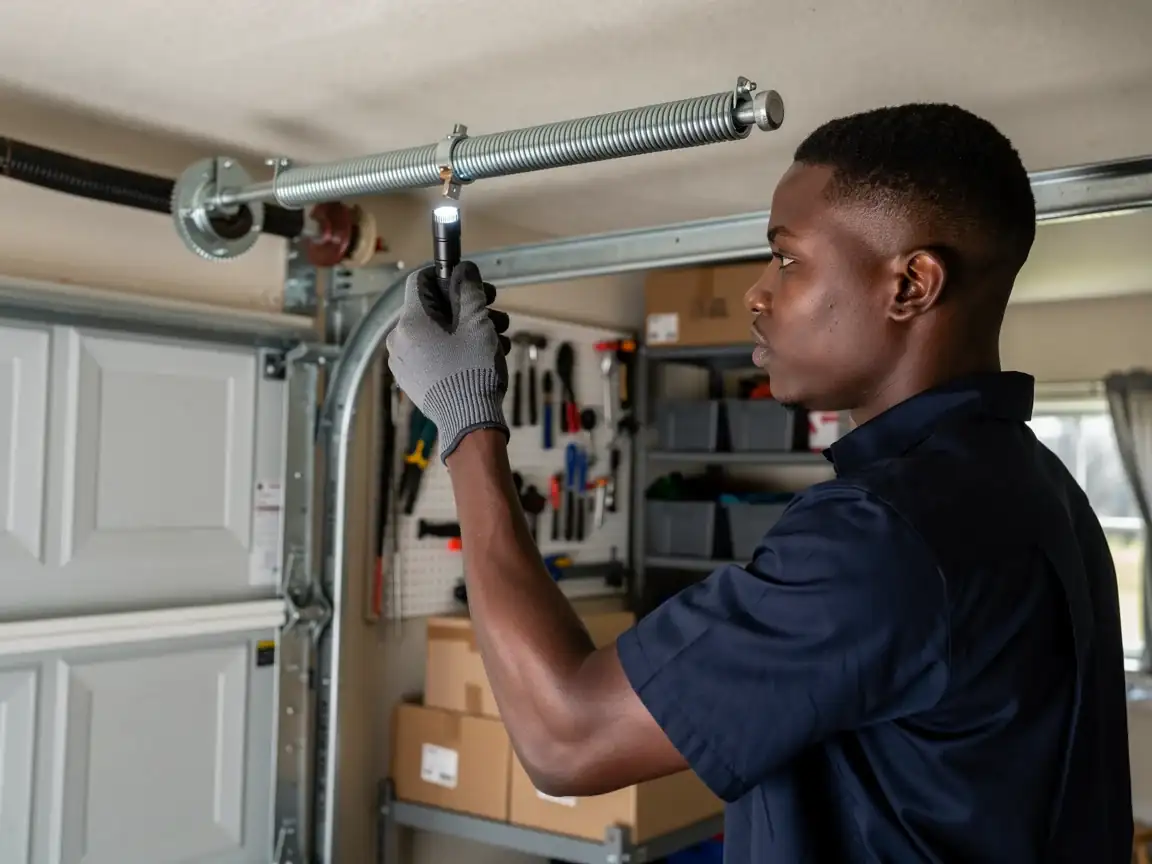
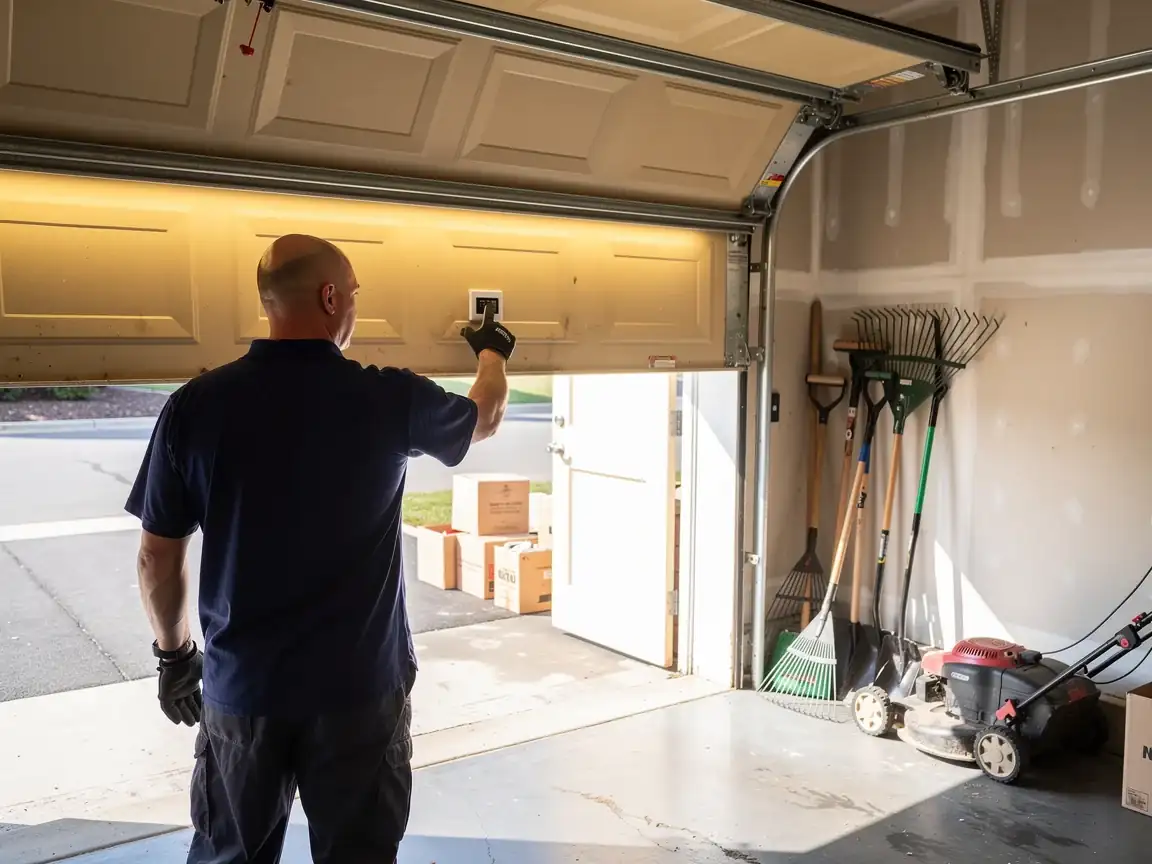
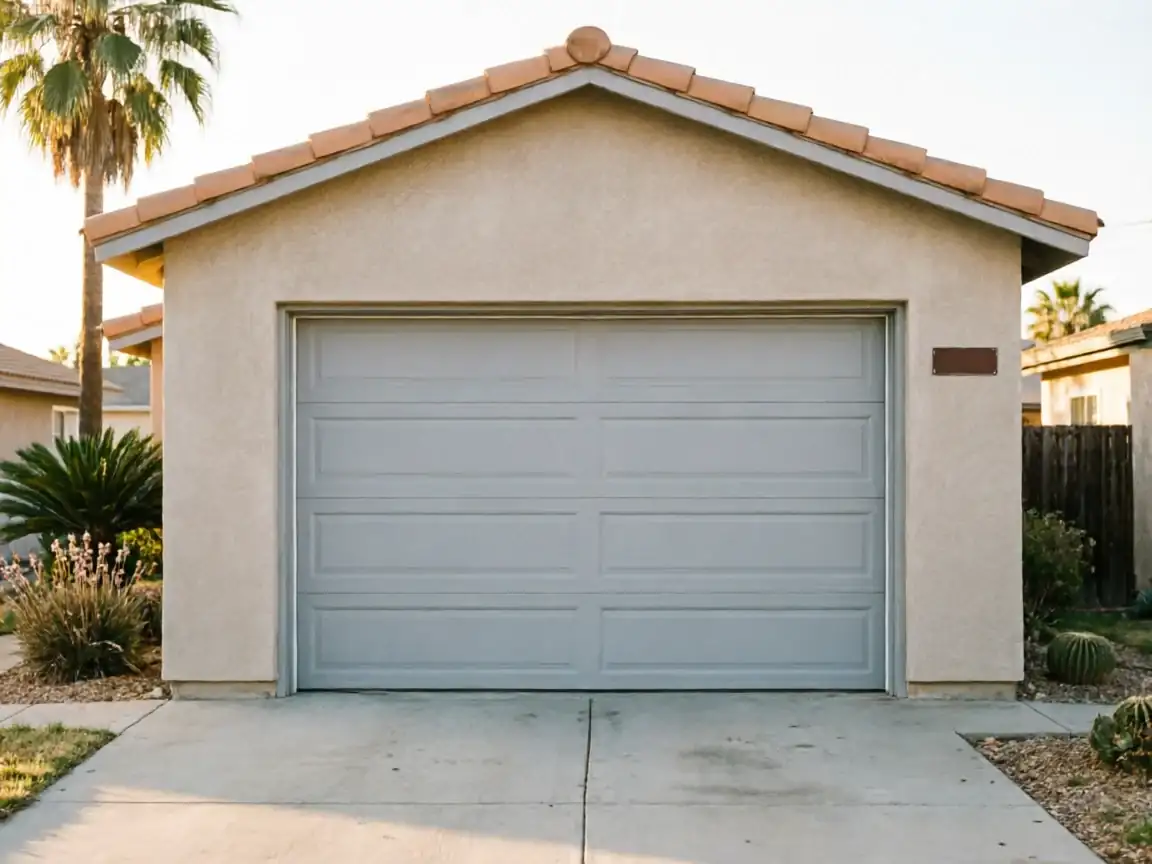
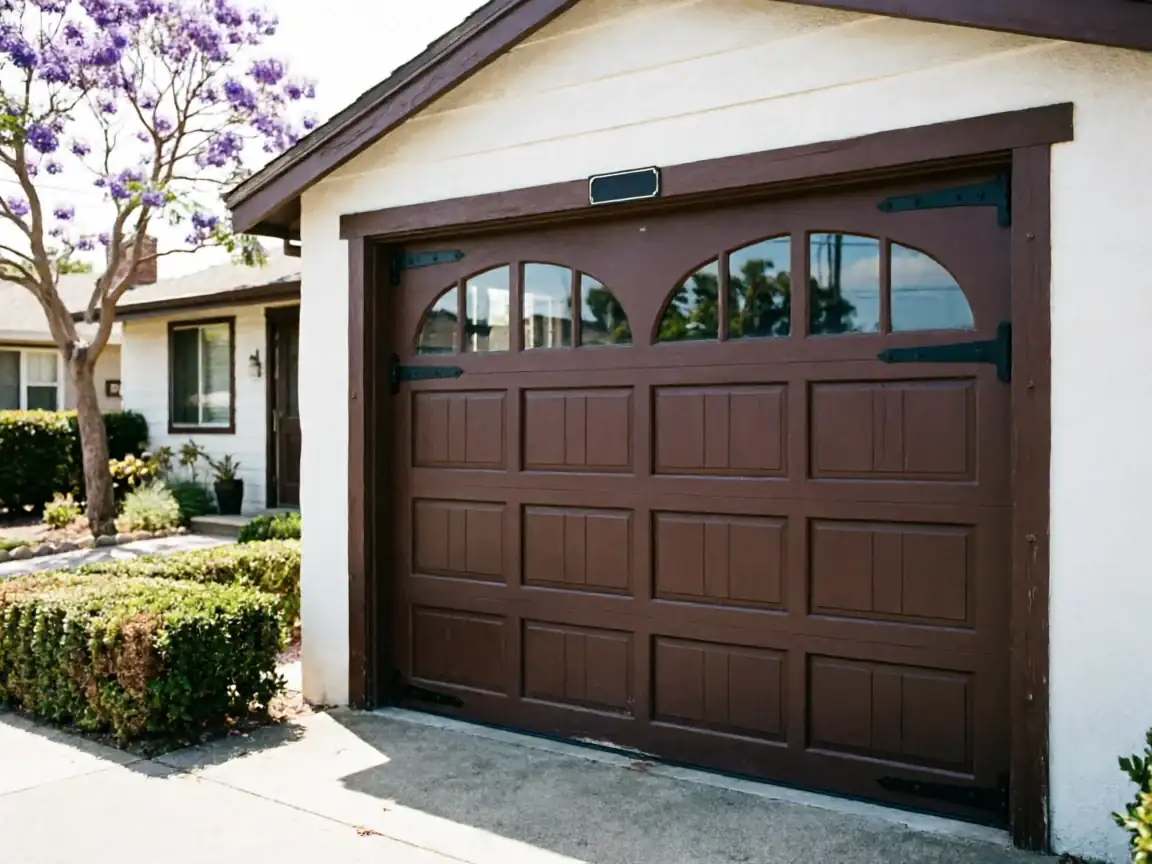
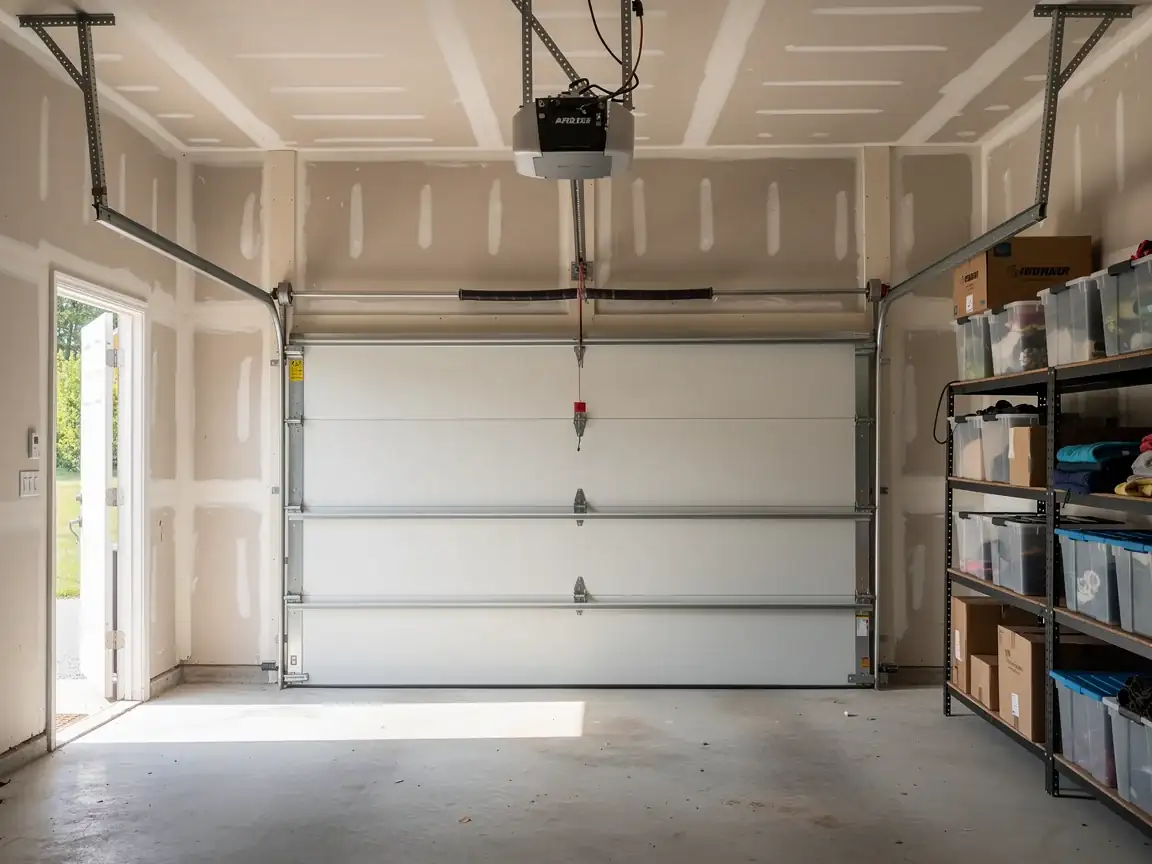
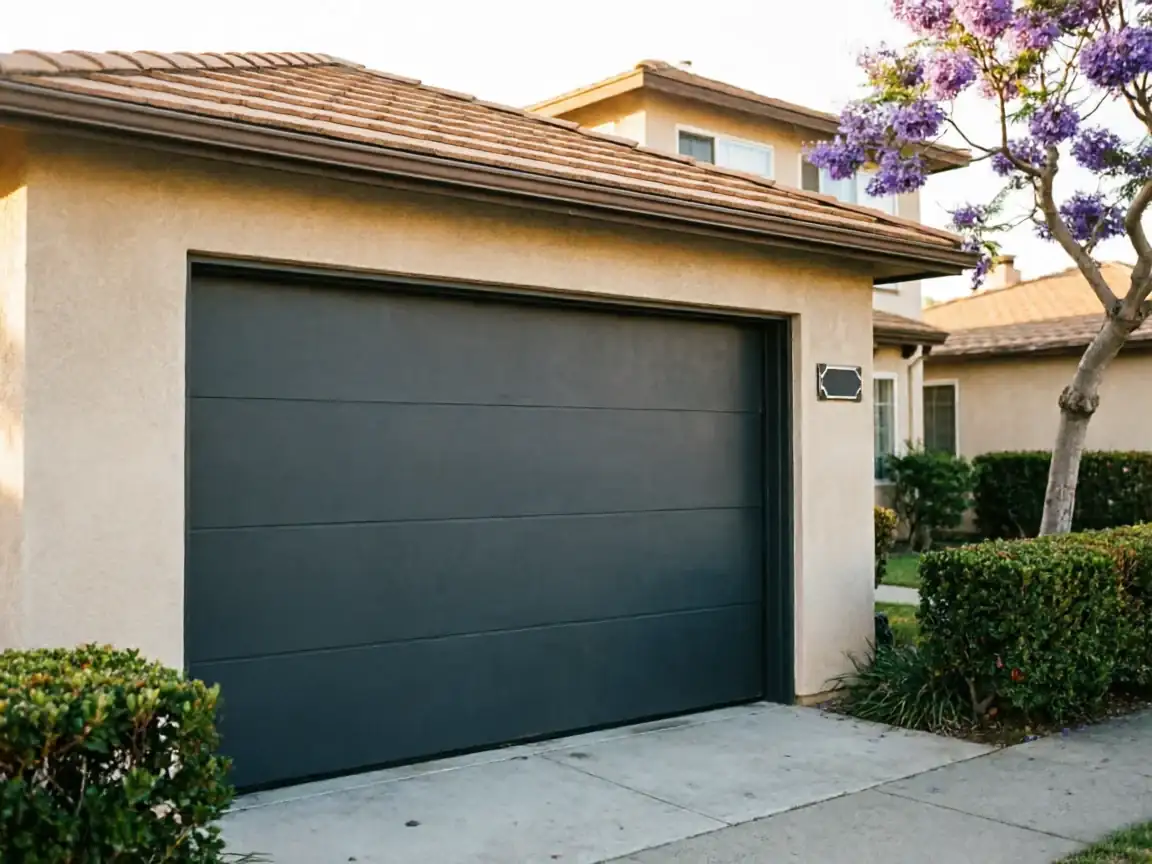
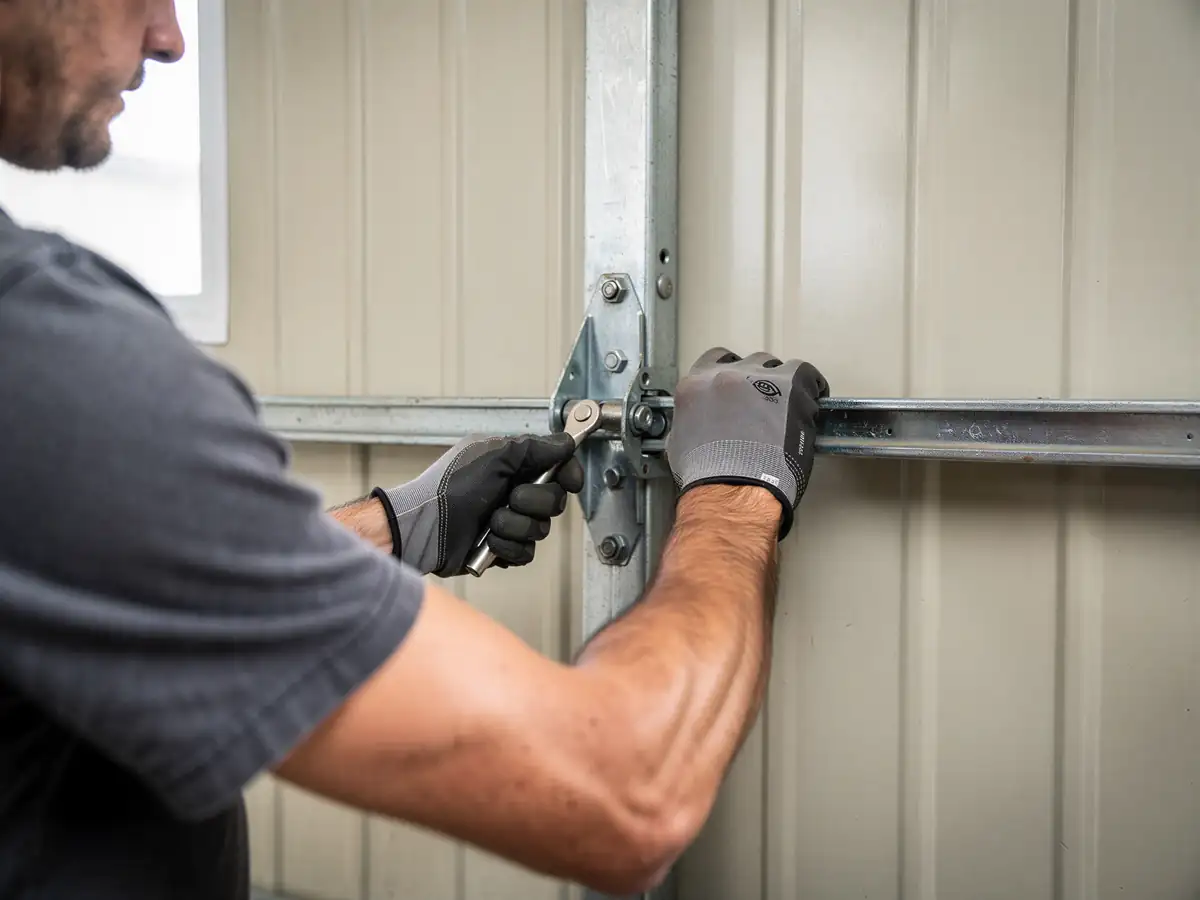
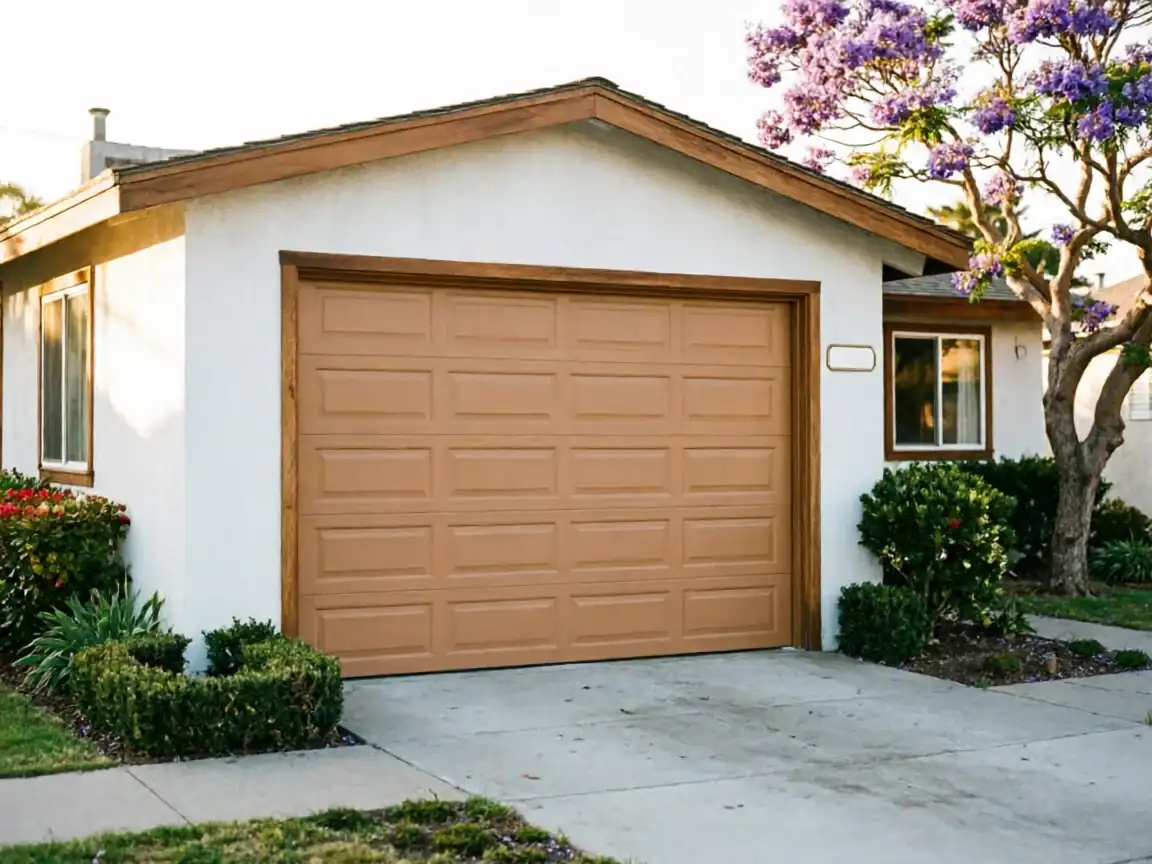
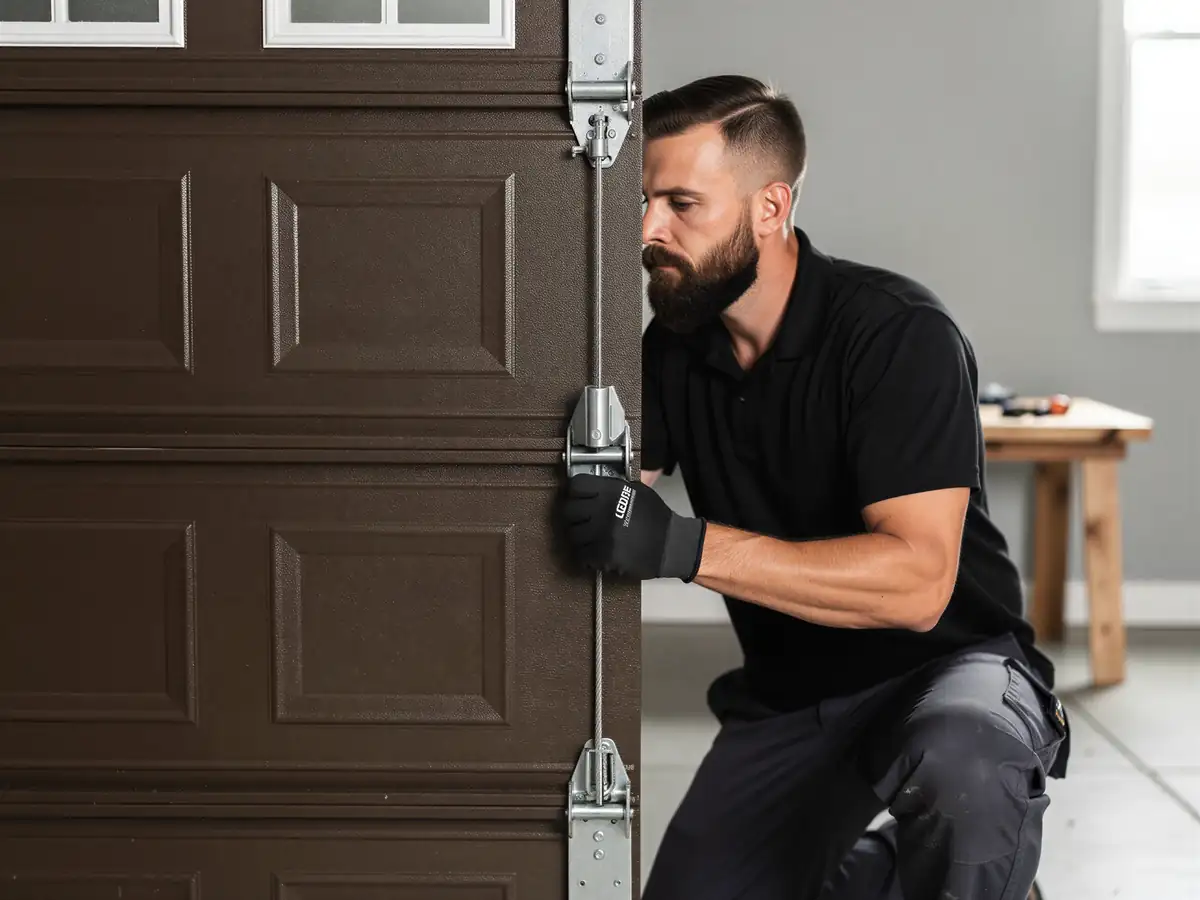
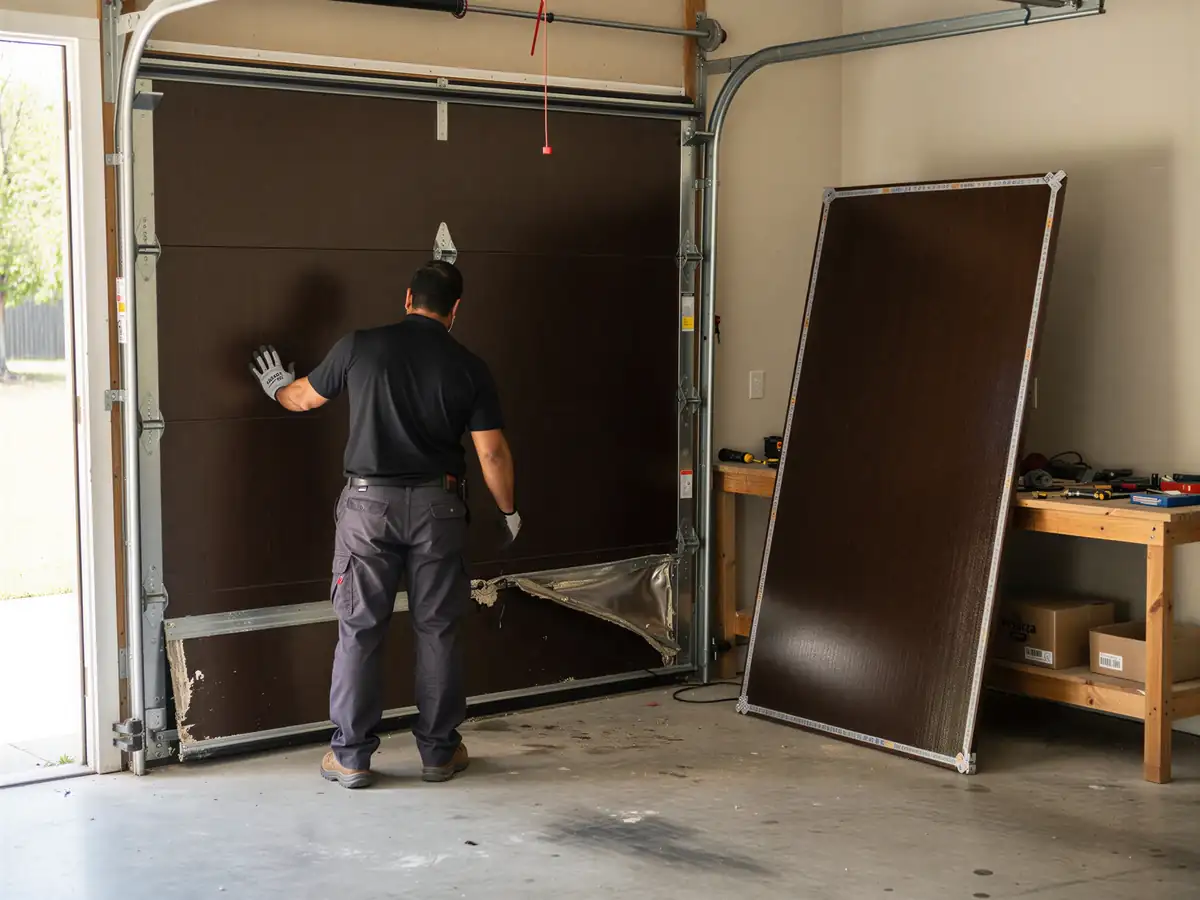
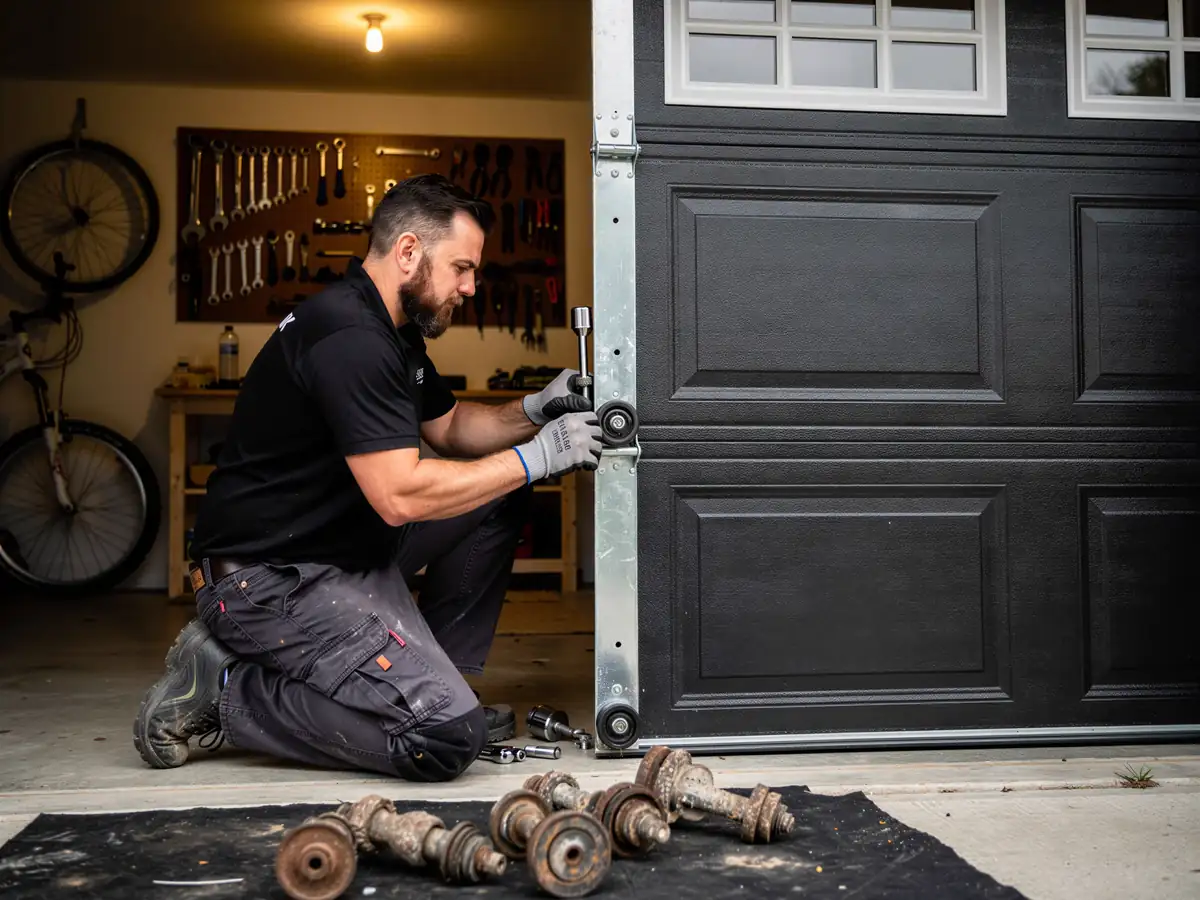
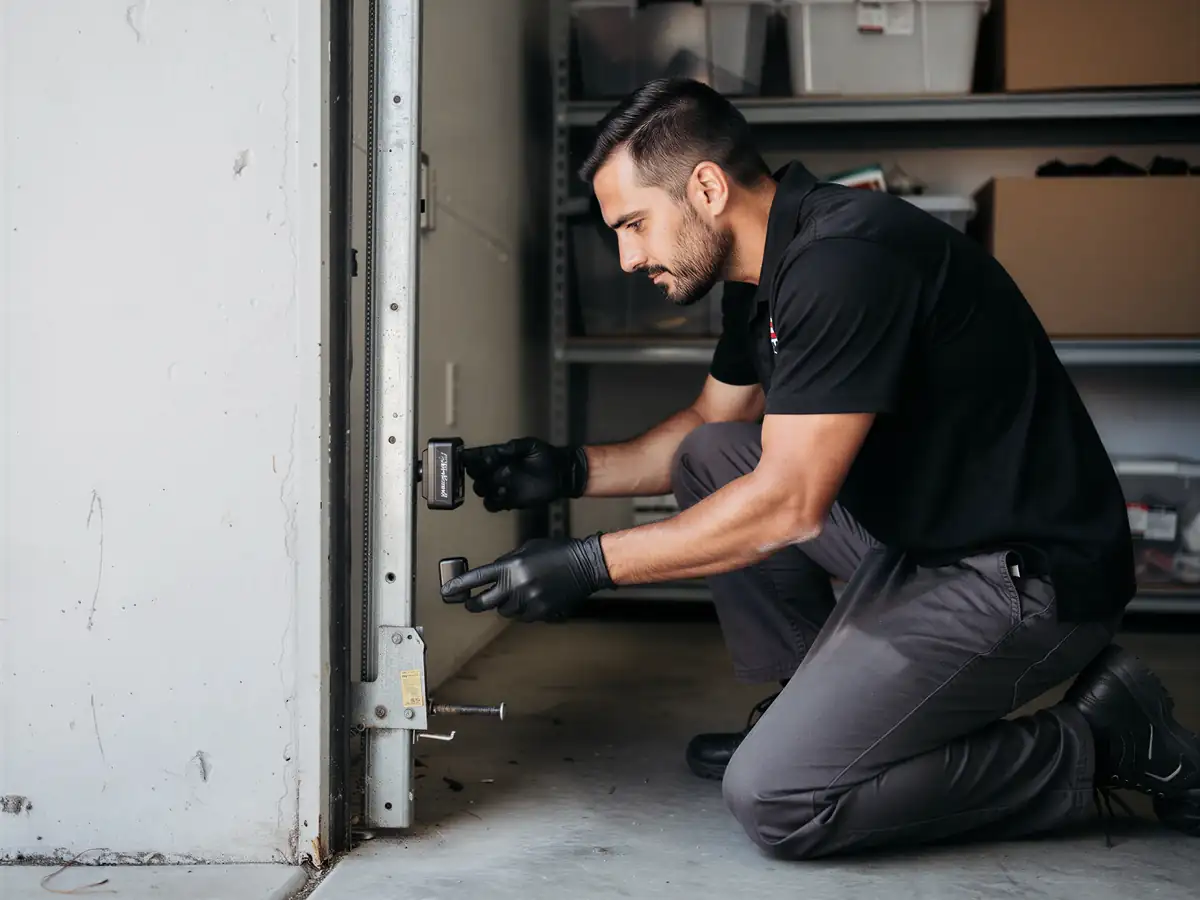
The drive out to Old Fig Garden is about seven miles from our shop in Clovis, short enough that a measure-and-quote visit and the install itself can usually happen on the same trip rather than two separate windows. That matters more here than it sounds, because a lot of the openings in this neighborhood were framed for a door size and track clearance that doesn't match what's sold off the shelf today. If you're calling about a new installation rather than a repair, it's often because the original door - the one that came with the house - has finally reached the point where patching it stops making sense. You might be looking at a door that still runs but rattles on every cycle, a panel that's dented enough to throw the track out of square, or an opener bracket that's been re-shimmed more than once. None of that is unusual for a house this age. The job is figuring out whether the frame opening itself needs anything done to it before a new door goes in, since many of these openings were never squared to modern tolerances in the first place.
What Causes It Around Here
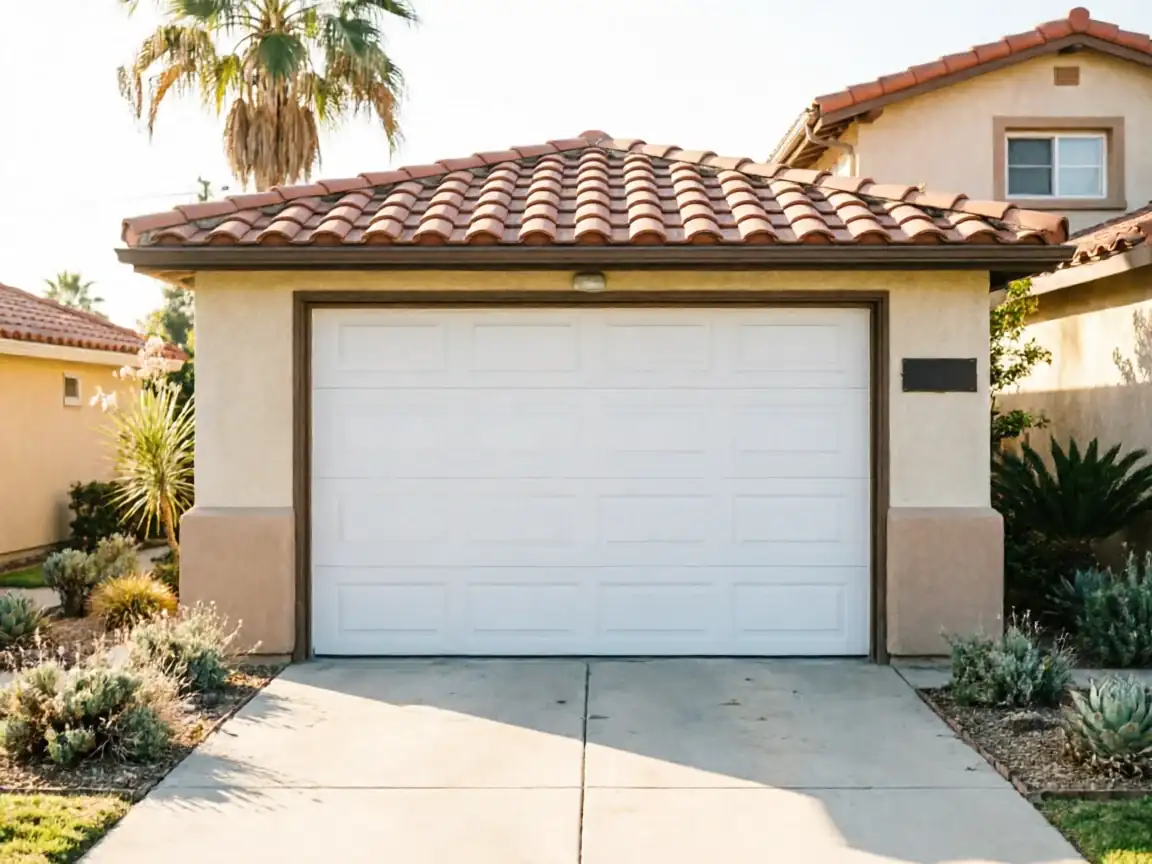
Most of Old Fig Garden went up around 1956, which puts it on the early edge of the broader 1956-1993 build window across the service area. Doors from that period were typically sized and hung for lighter steel or wood panel construction, on hardware that predates the torsion-spring standards used in new doors now. When a homeowner here wants a true new installation - not a swap of the same size door - we're usually dealing with a frame that's slightly out of plumb from six decades of settling, trim that was never meant to hold modern weatherstripping, and an opening height that can be an inch or two off nominal. On top of that, this area sits inside the severe heat band that covers the wider region, and steel doors here spend a lot of summer hours absorbing direct sun. That heat load is part of why we pay attention to panel material and insulation rating when we're quoting a replacement, not just the size of the hole in the wall. A door that looks fine in a showroom can underperform fast against a west-facing opening that bakes all afternoon.
What You Pay
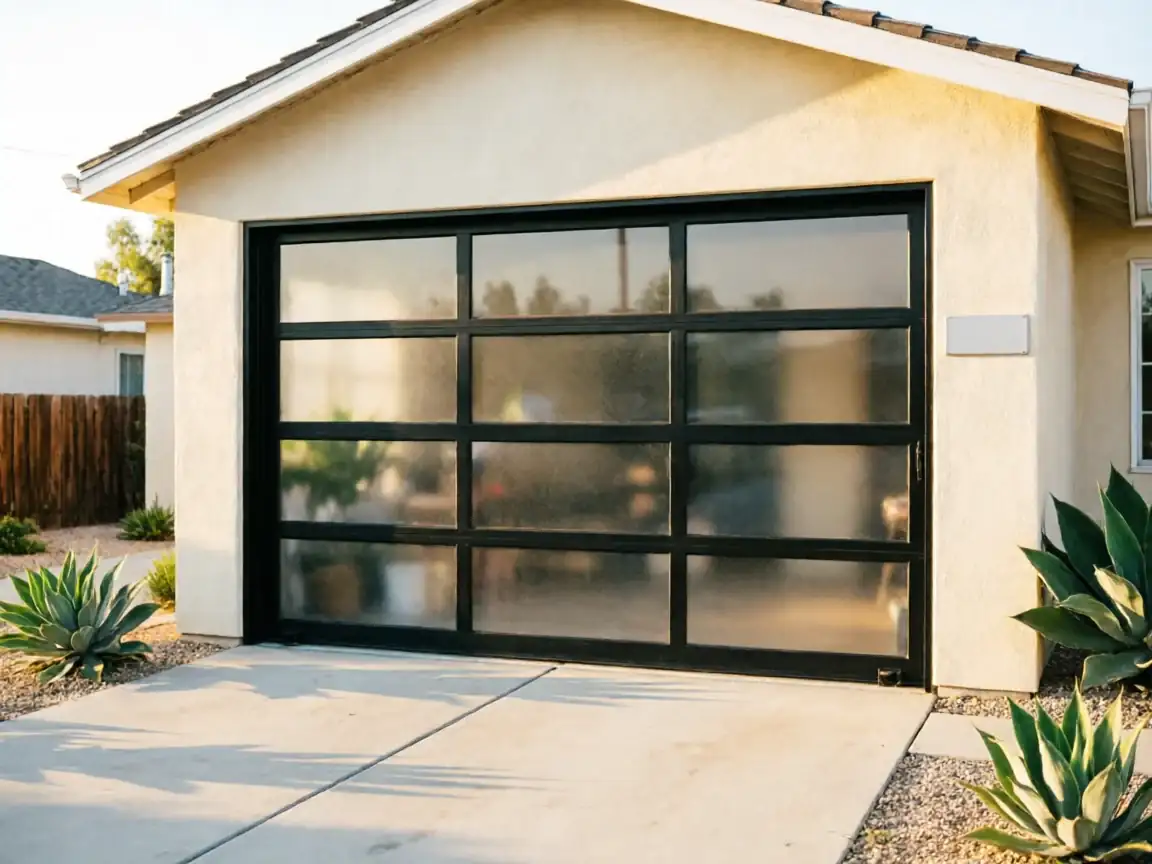
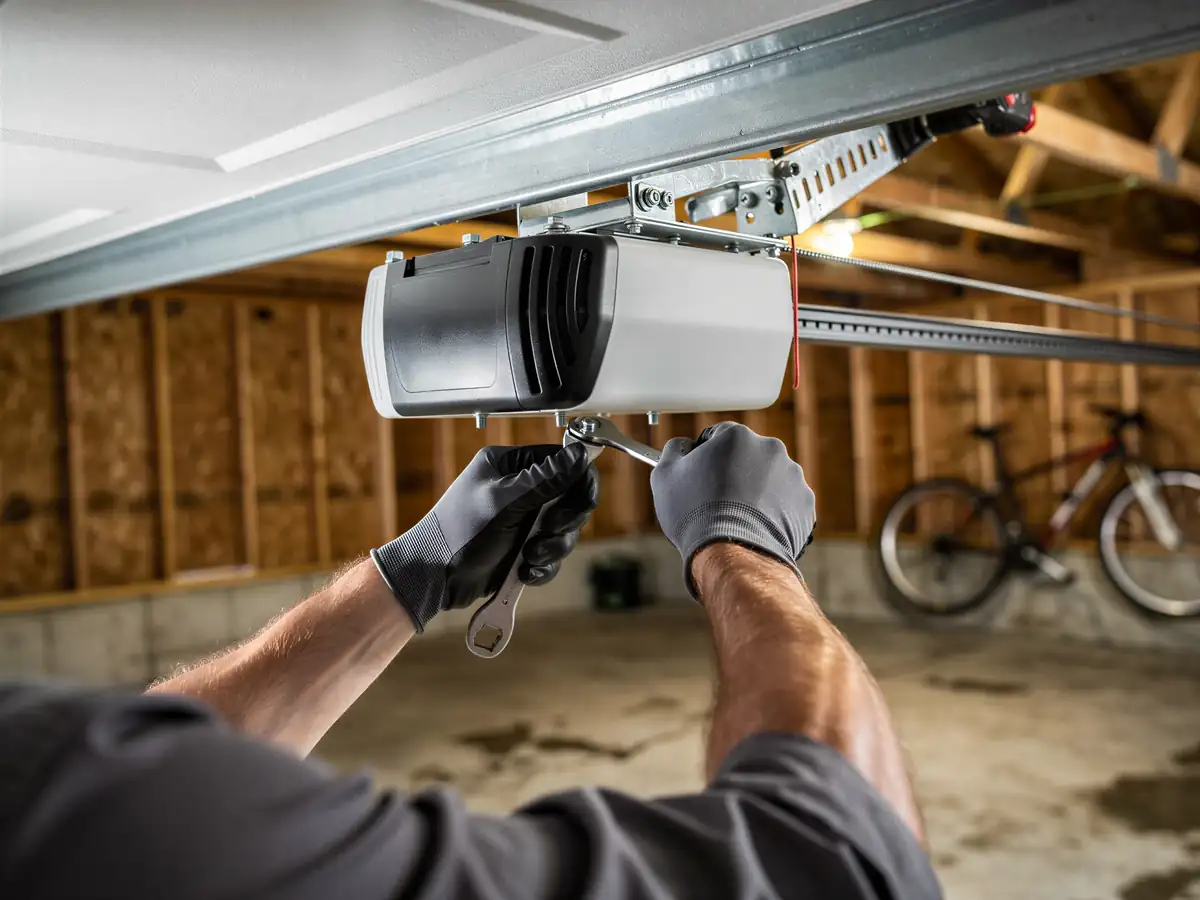
We don't post a flat price here because door size, panel material, insulation level, and whether the opener gets replaced too all move the number, and none of that is set until we've measured the actual opening. What we can say is that Old Fig Garden runs a higher median household income than the wider service area - just over $100,000 here against roughly $74,000 across the broader coverage footprint - and that shows up in what homeowners tend to choose: insulated steel panels and quieter belt-drive openers come up more often as the preferred option than the base-tier door, though both are available. Across roughly 1,980 households in this pocket, most built the same era, the quotes we write tend to cluster around similar opening sizes, which makes estimating faster once we're on site. We'll give you a written number before any work starts, tied to the door and hardware you actually pick, not a range pulled from a general price sheet.