Stocked Parts
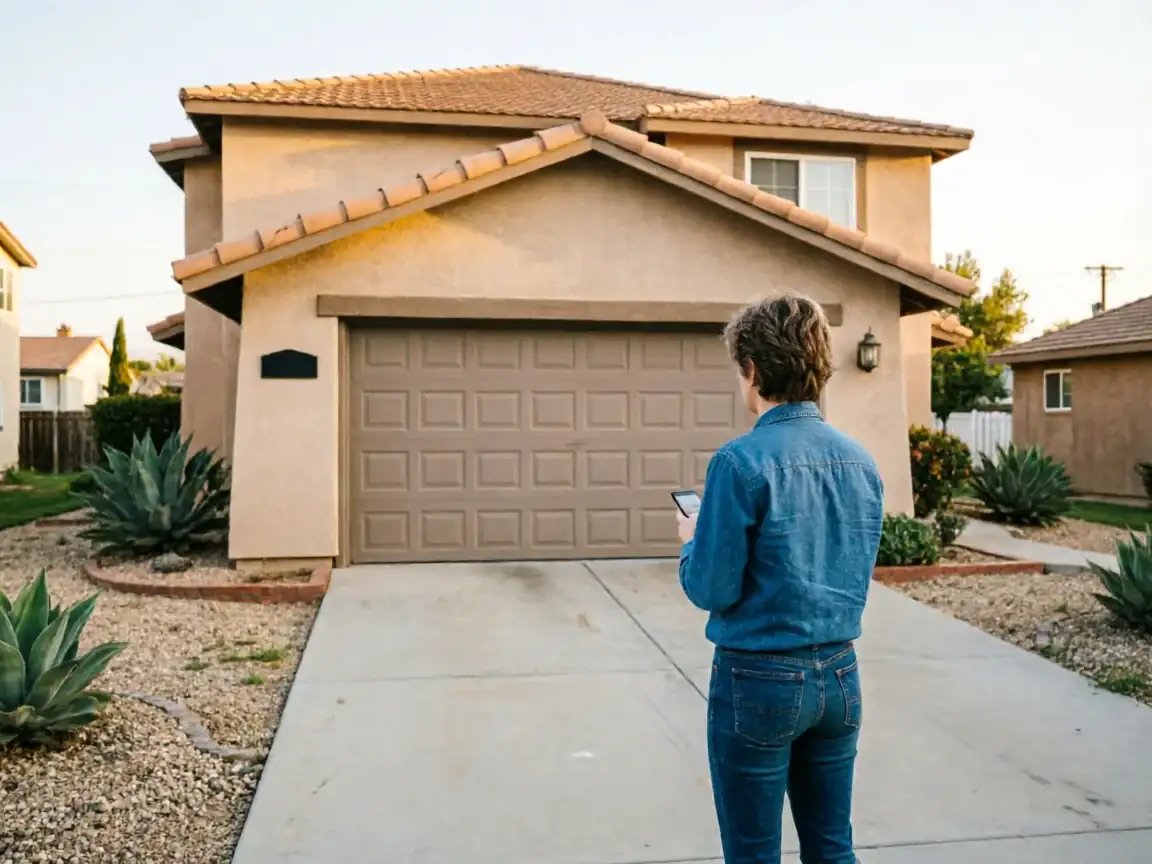
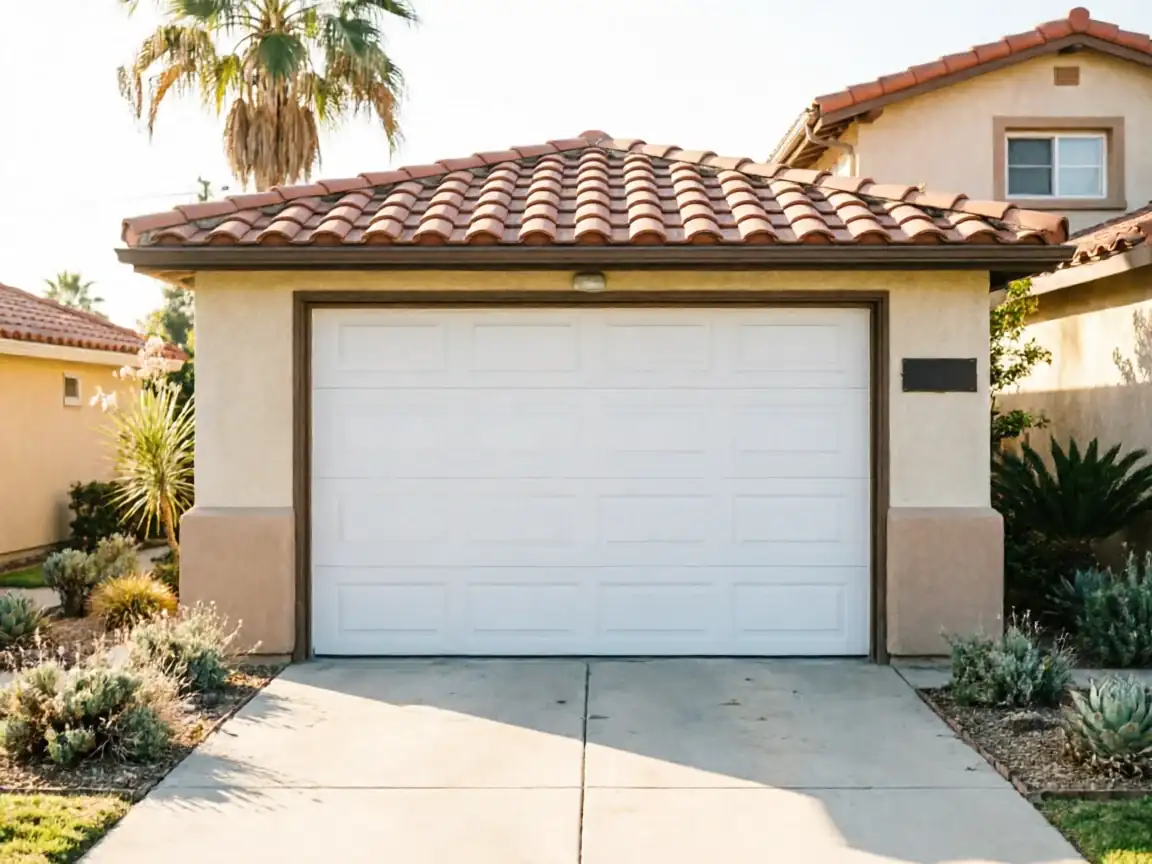
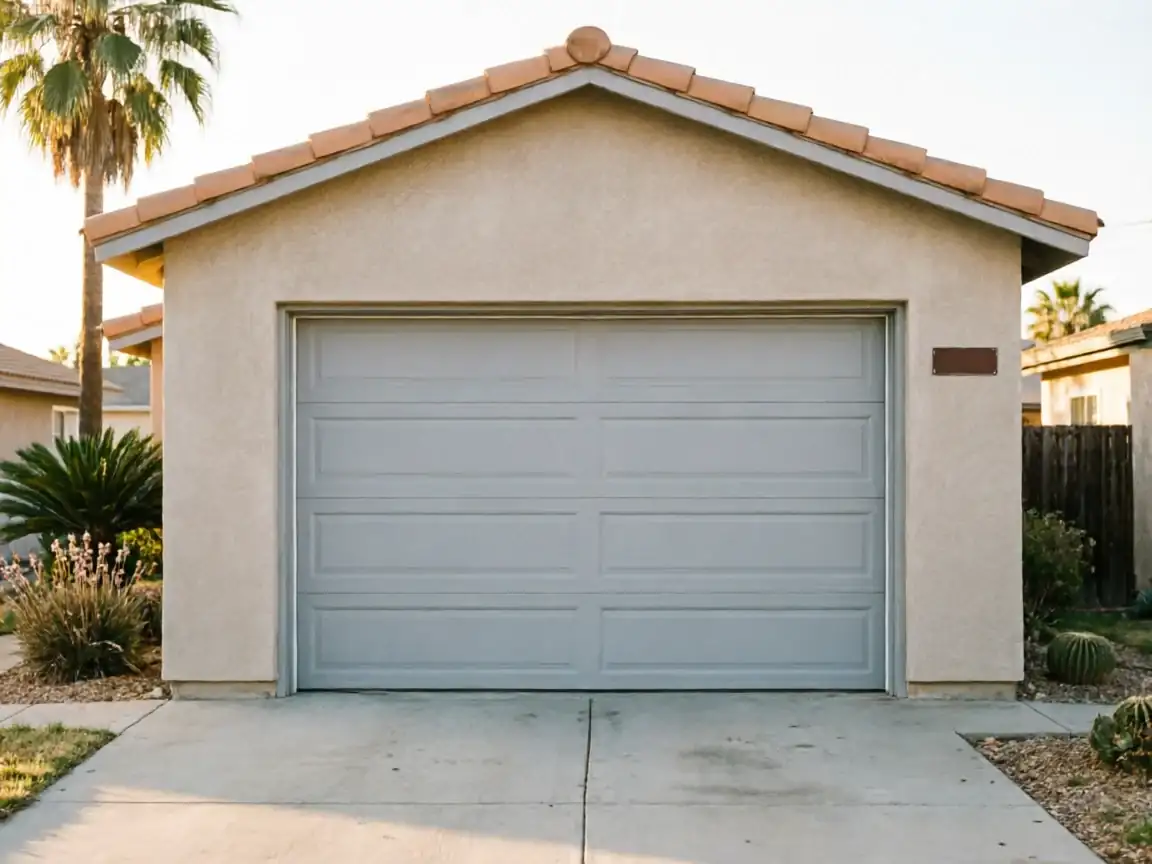
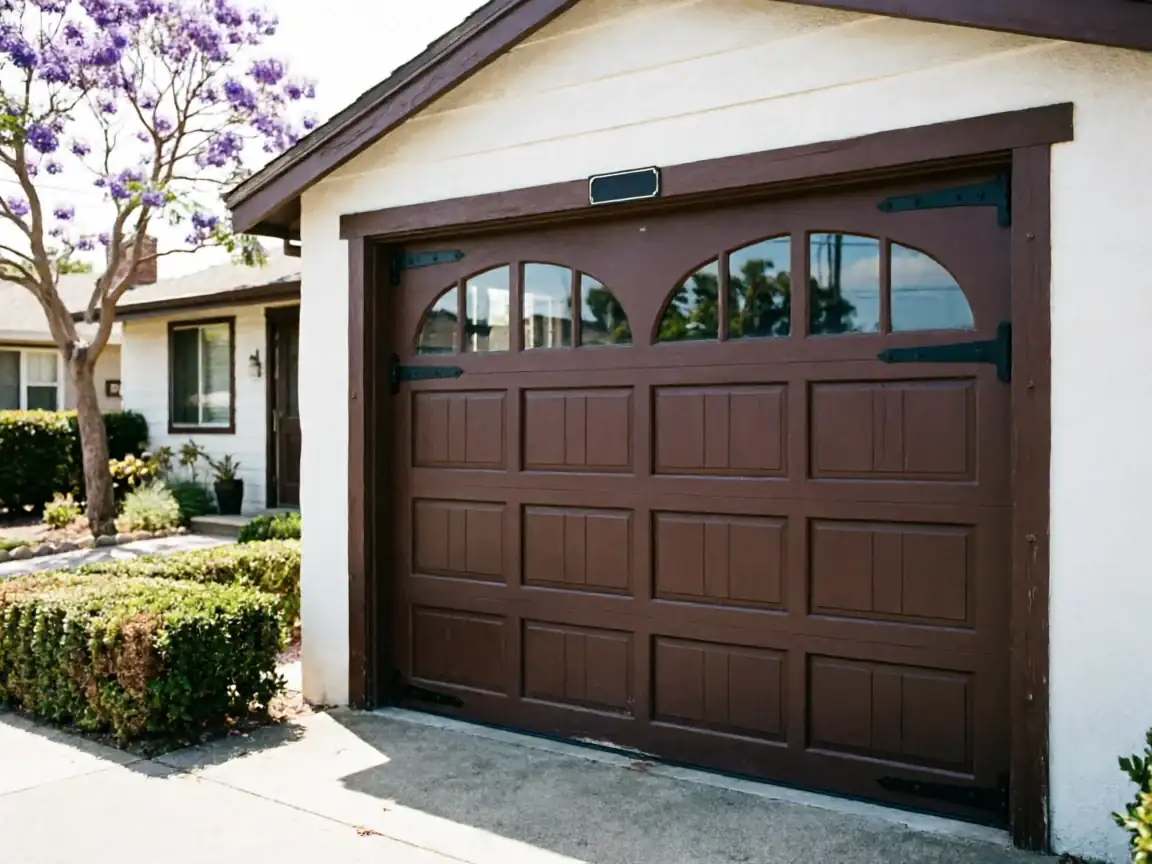
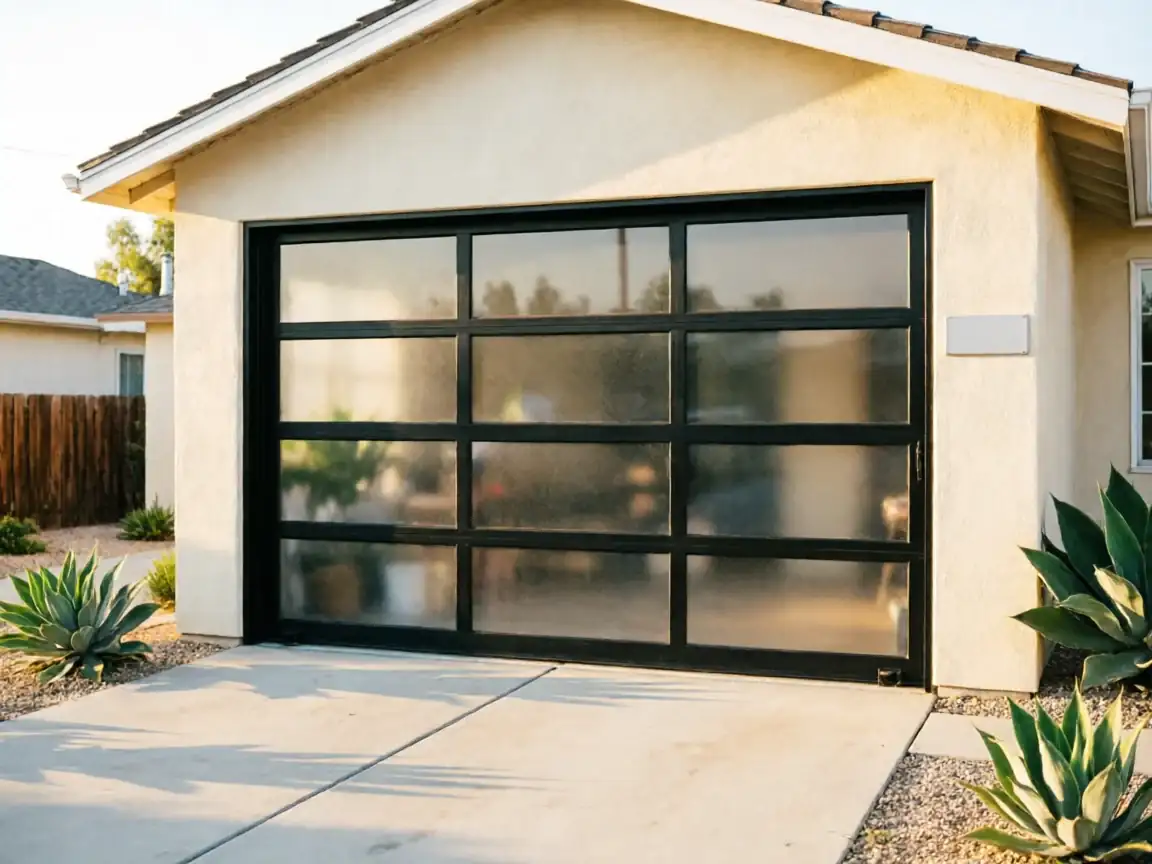
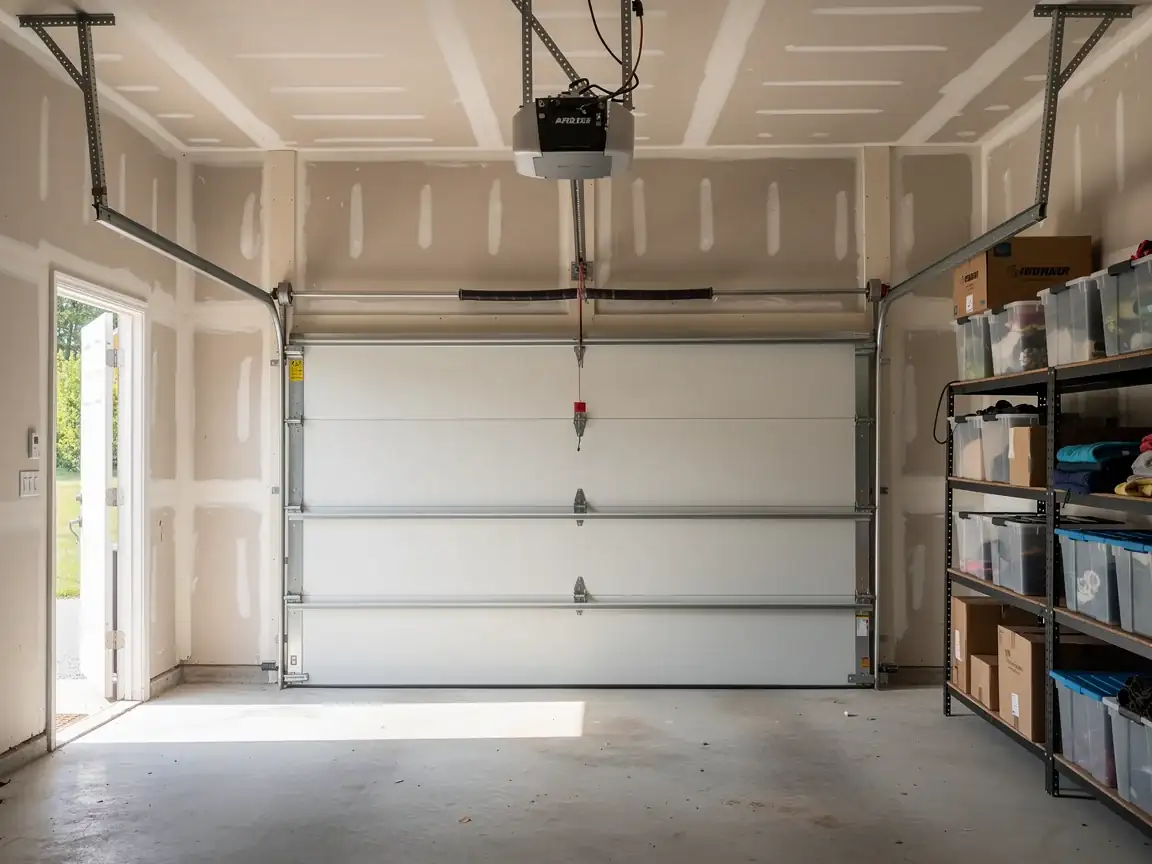
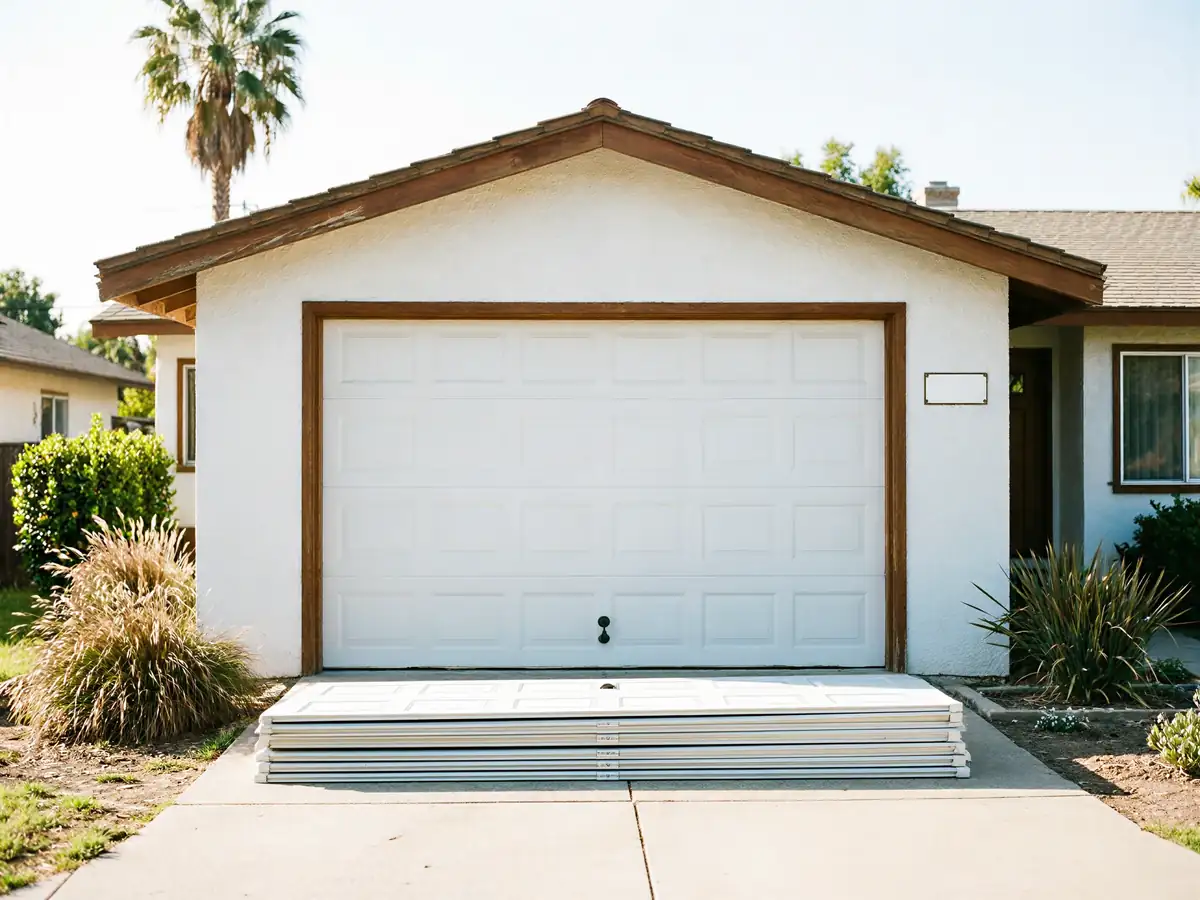
Sanger is 11 miles from our shop in Clovis, and we load the truck for the job before we ever see the driveway. That matters here because the houses in this part of town were mostly built between 1956 and 1993, with the median build year landing at 1982. A lot of those openings were framed for single-layer steel doors on hardware that newer big-box kits don't match without an adapter bracket or a cut-down track. We carry the sizes and spring weights that cover that window of construction, plus the heavier-gauge panels that hold up to Valley heat without us having to special-order a section mid-job. What we don't carry on the truck is anything custom - a non-standard width, a carriage-style door with glass inserts, or a smart opener outside our usual line. Those get ordered ahead, and we'll tell you the lead time before we book the install, not after we've pulled the old door off the wall.
What You Are Seeing
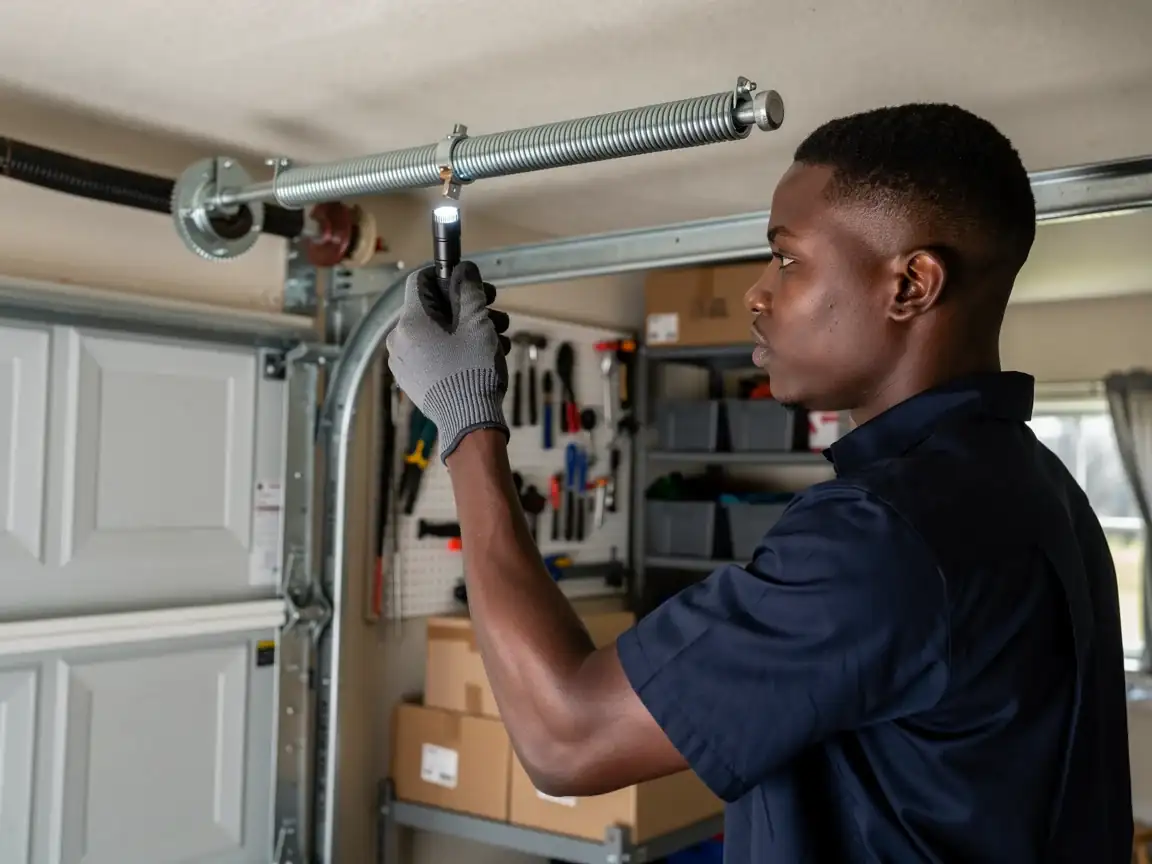
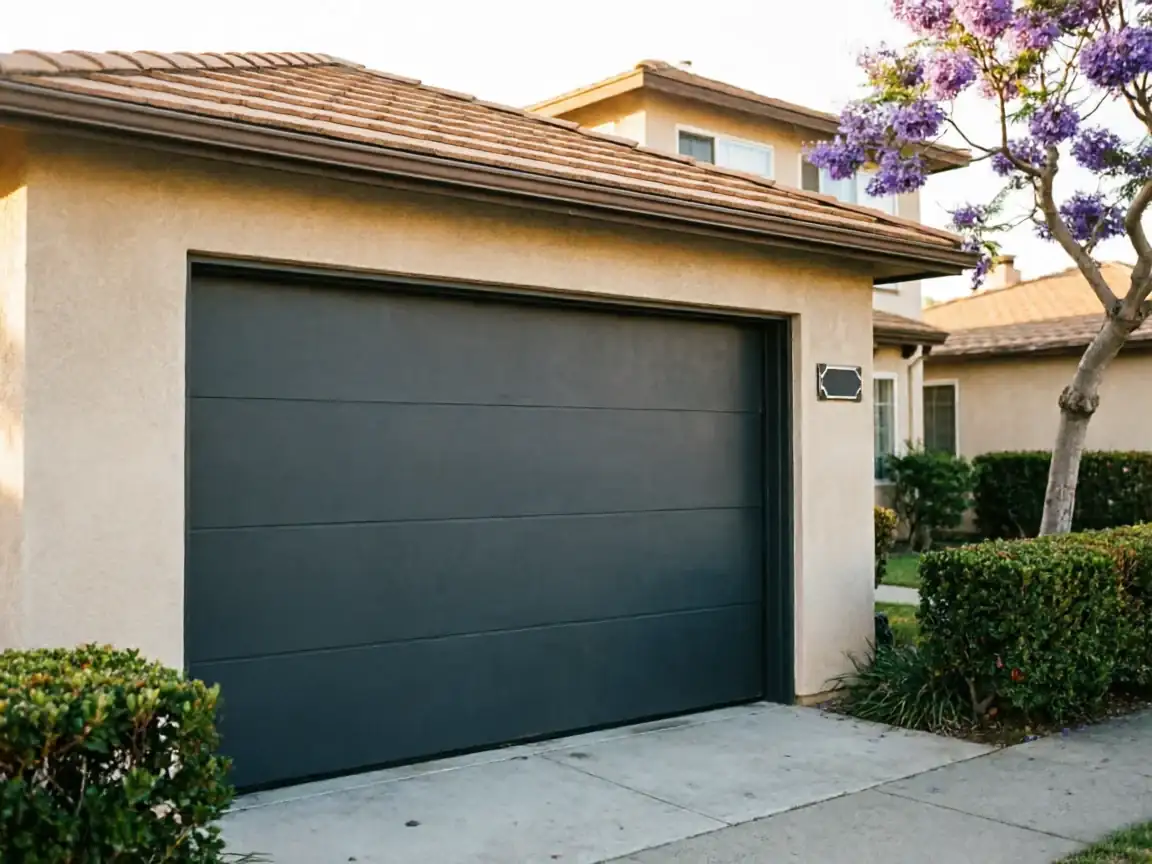
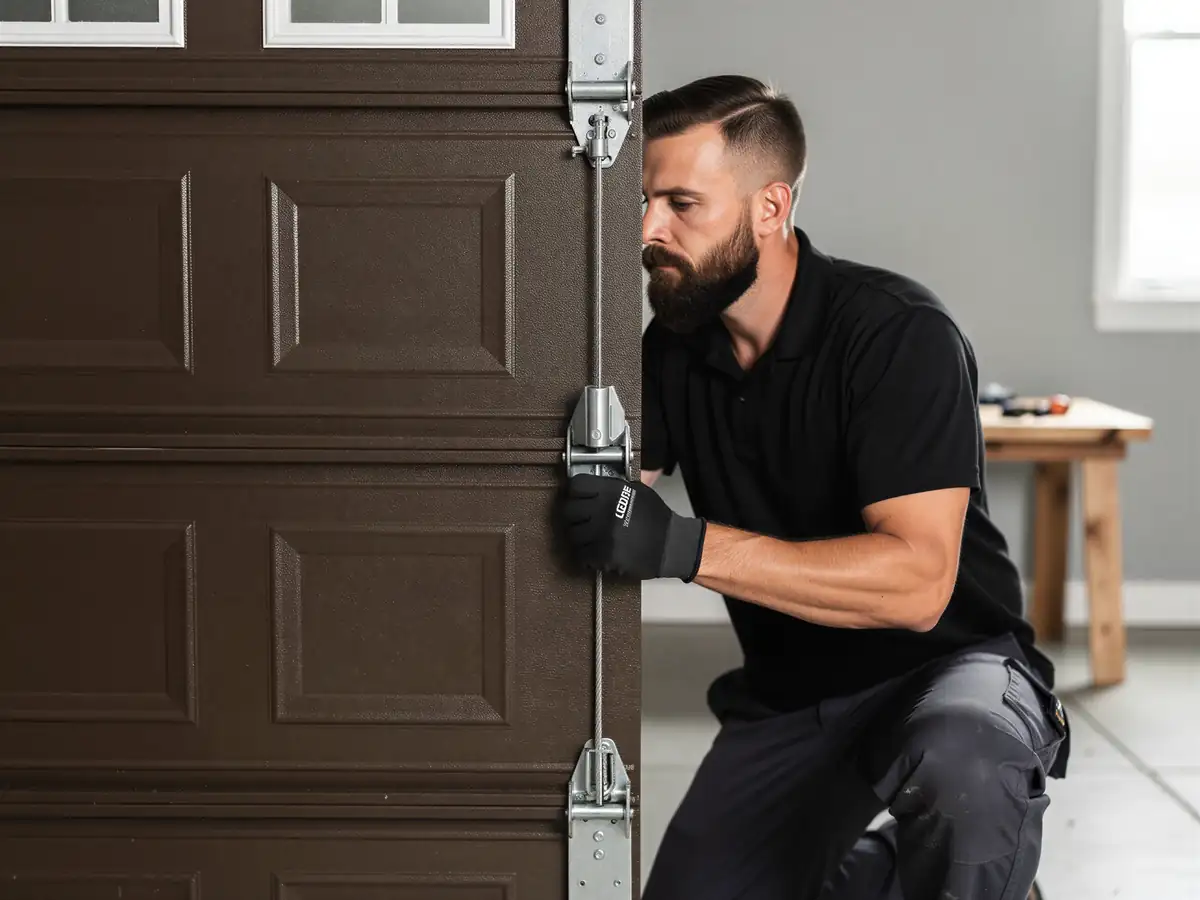
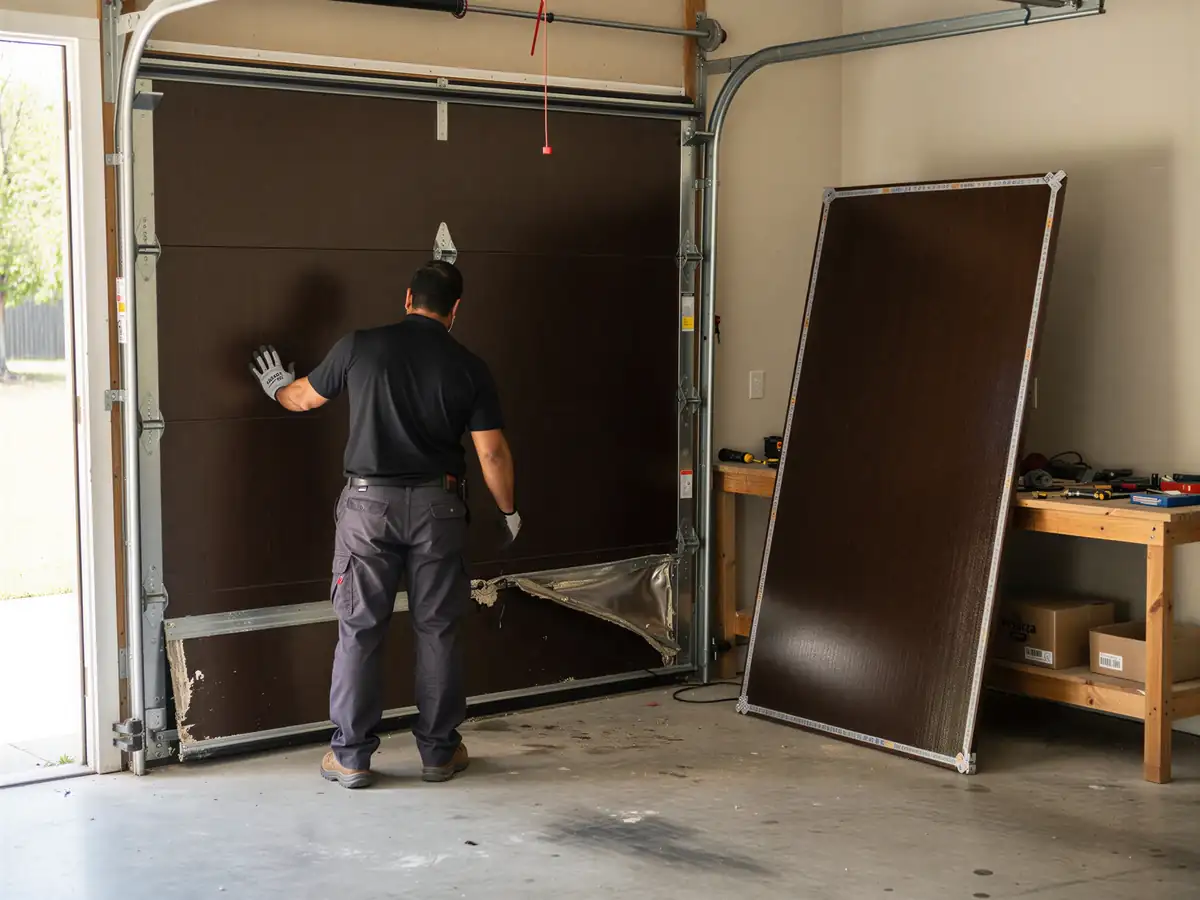
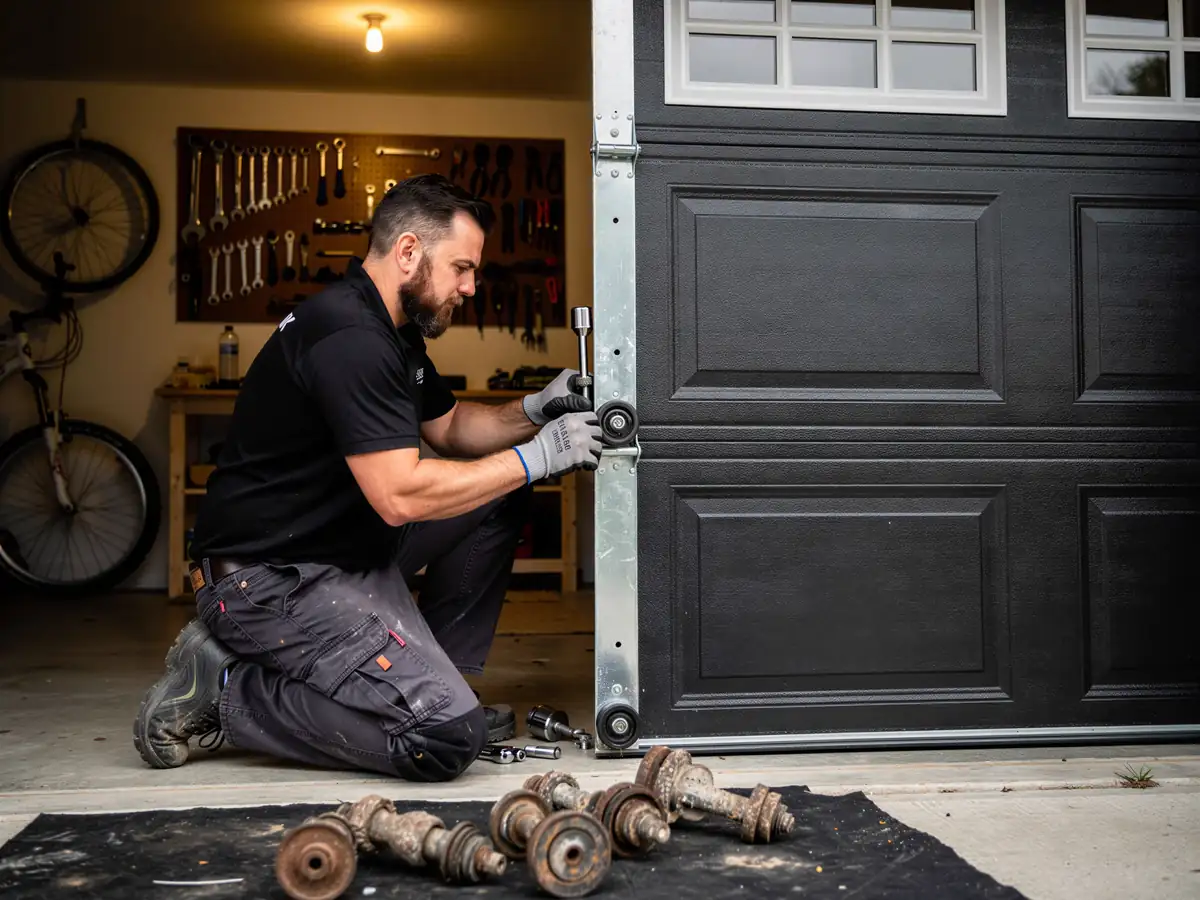
If your door is original to a house built anywhere near 1982, the symptoms are predictable: a panel that's bowed from decades of direct sun, a torsion spring that's lost tension and makes the opener strain on lift, or rollers that have worn their track grooves wide enough to let the door walk sideways as it travels. Summer heat here runs severe, and steel expands and contracts enough each year that seams loosen and paint cracks along the panel edges well before the door is mechanically dead. None of that means a repair won't hold for a while longer. But when the spring, the rollers, and the bottom panel are all failing in the same year, patching one piece just means you're back out here in six months for the next one. That's usually the point where a full new door, matched to the actual opening and not whatever was standard forty years ago, costs less over three years than another string of repairs.
What You Pay
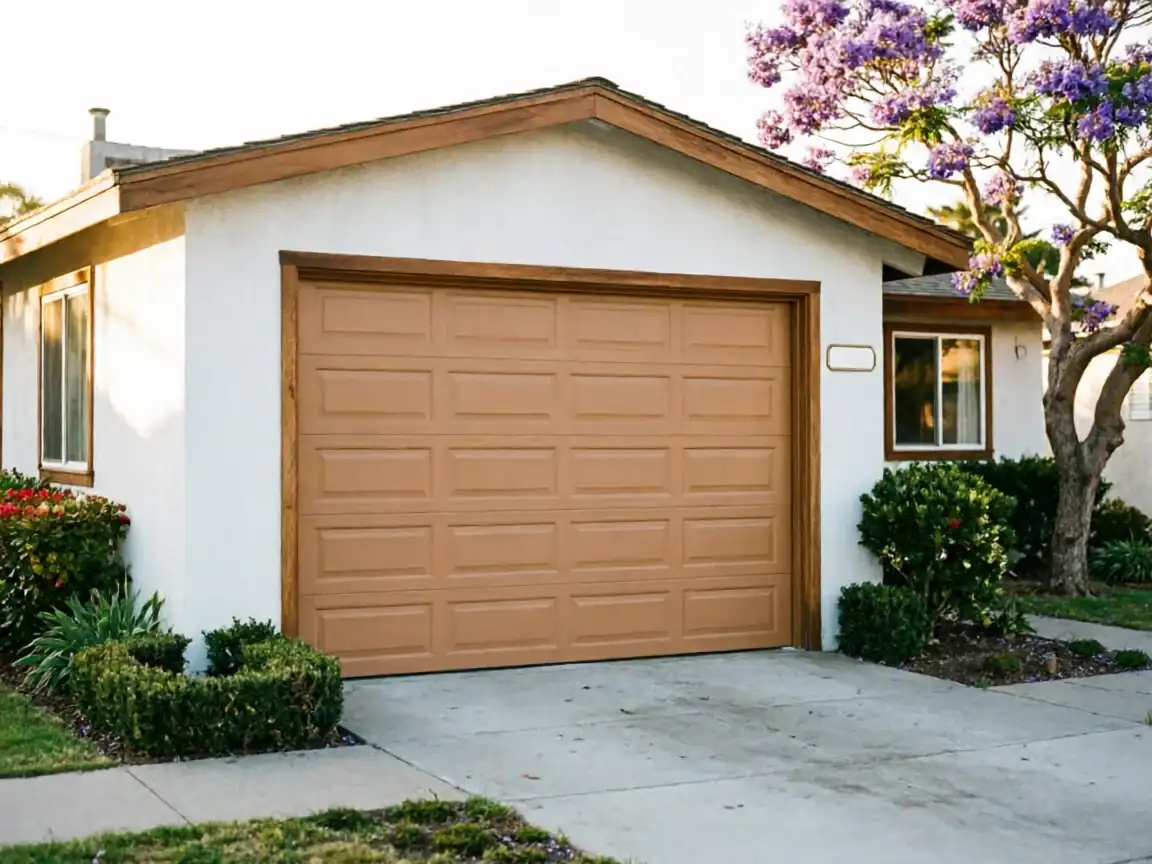
We don't quote a number here without seeing the opening, the header clearance, and what's left of the old track, so we're not going to pretend otherwise. What we can tell you is the context: median household income in this service area runs $74,428, and most of the calls we get from this side of town are from owners replacing a door for the first time since the house was built, not people shopping for an upgrade. That tends to mean a straightforward single or double door swap rather than a custom order, which keeps the job closer to the simple end of the range. Across the wider area we cover, 15,223 of 28,893 households own their home outright - that's the group actually paying for a full replacement instead of asking us to stretch one more year out of a cracked panel. We'll give you a firm number on-site before any work starts, and it won't change once we're in the garage.
What the Repair Takes
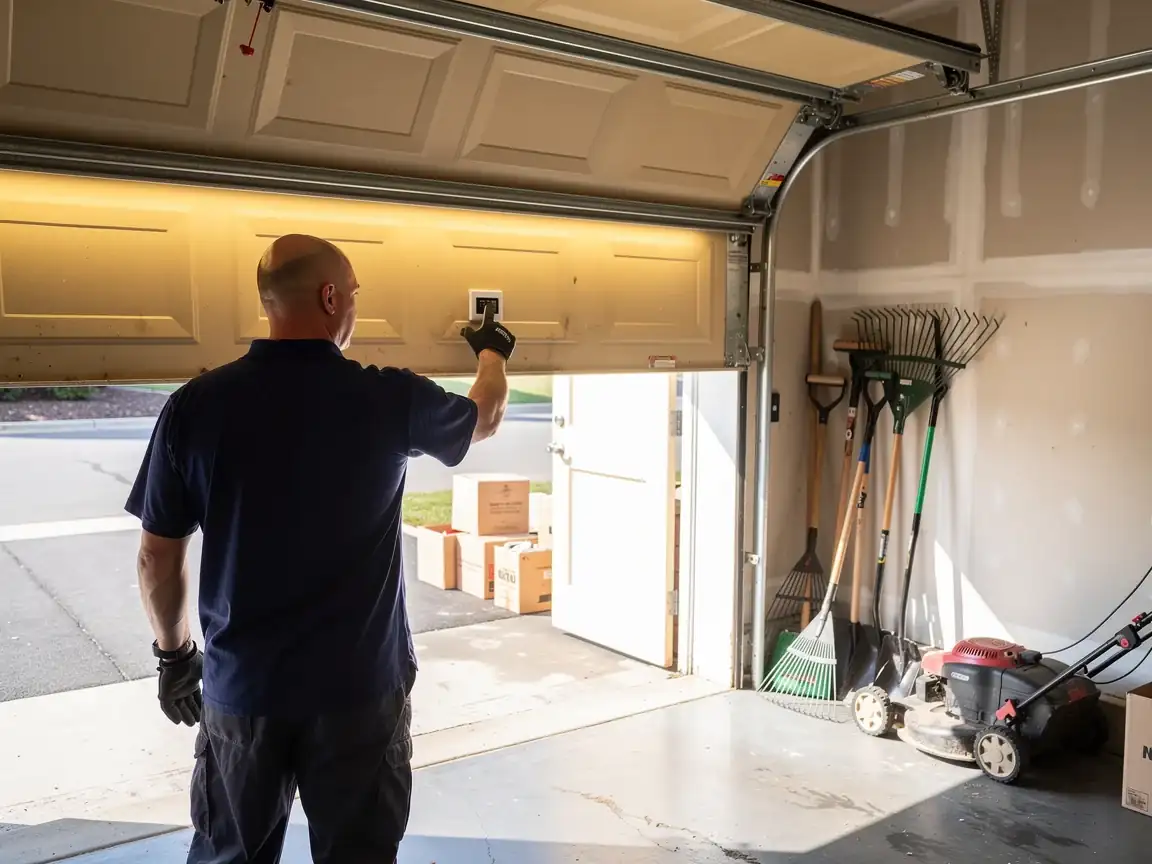
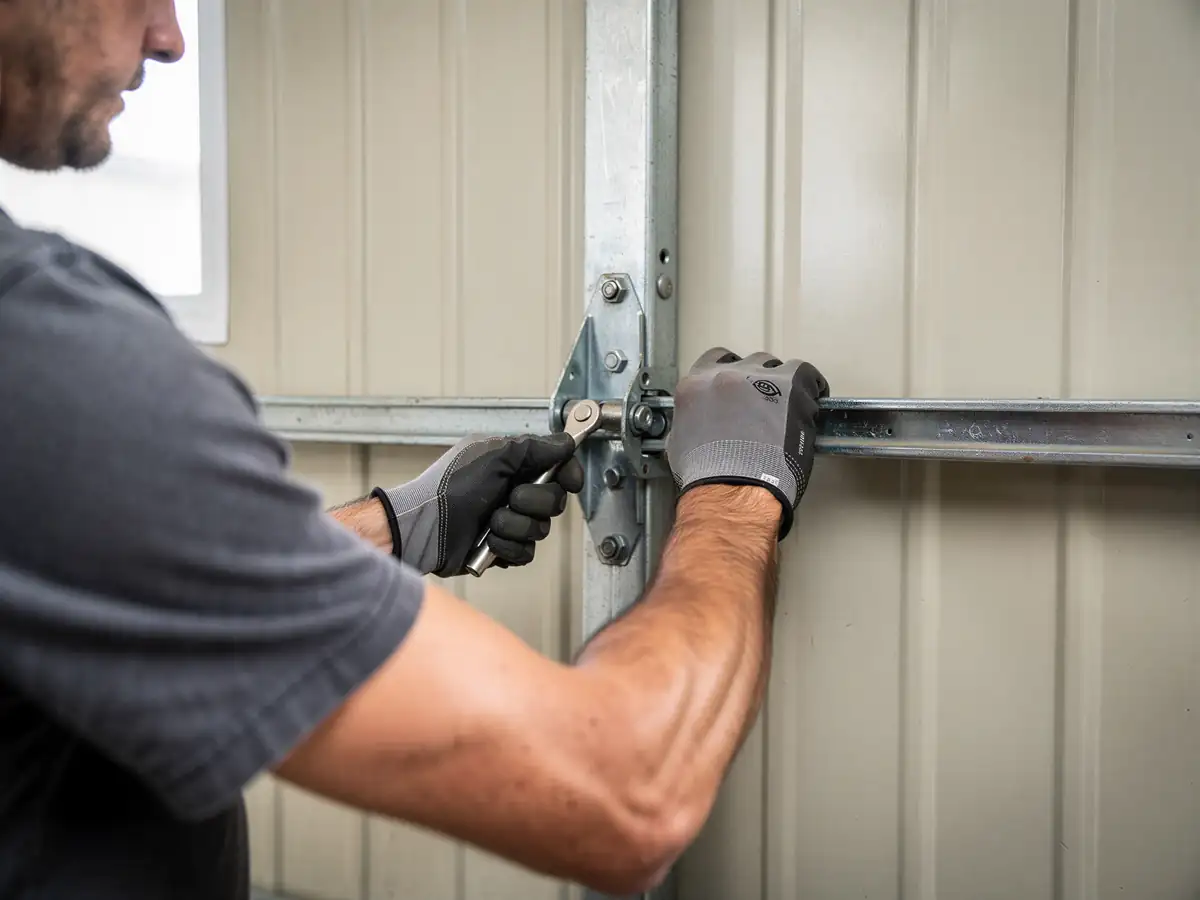
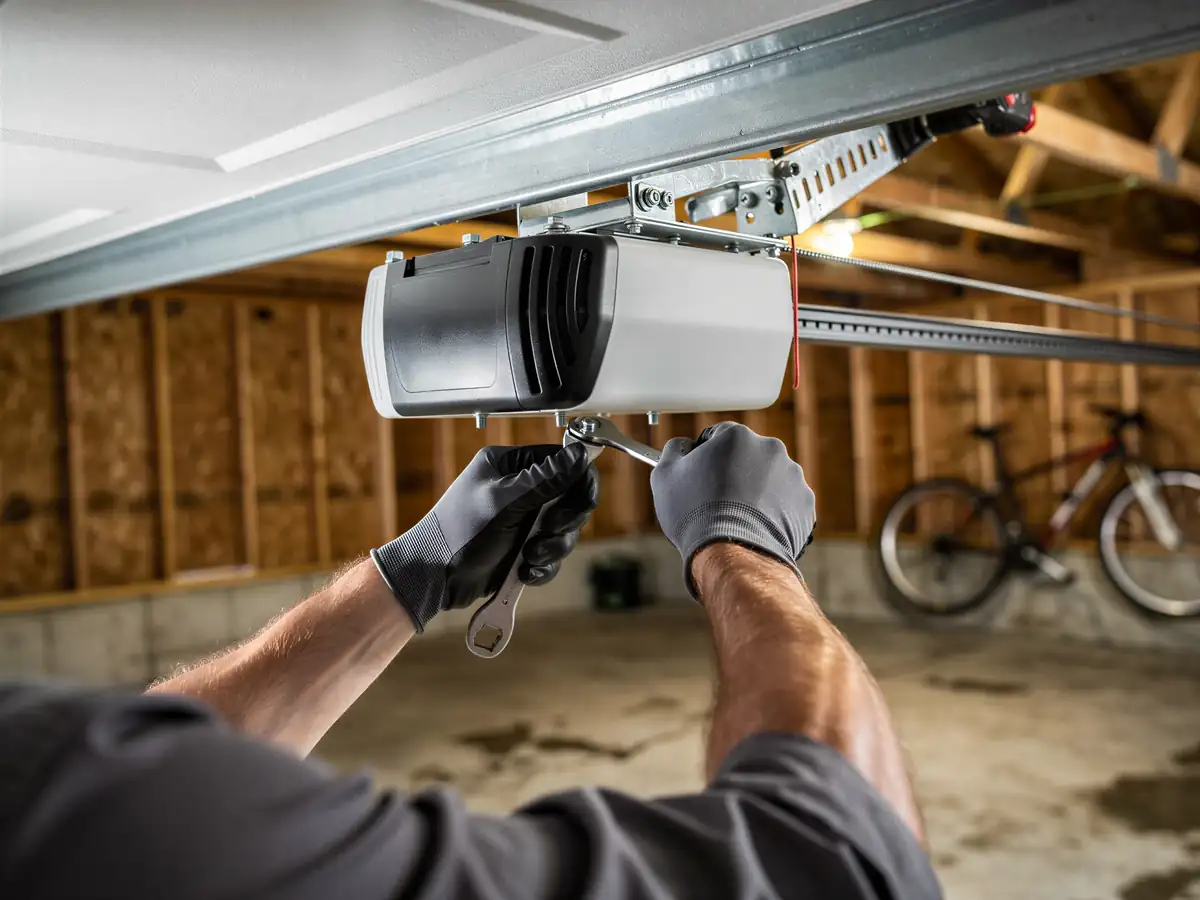
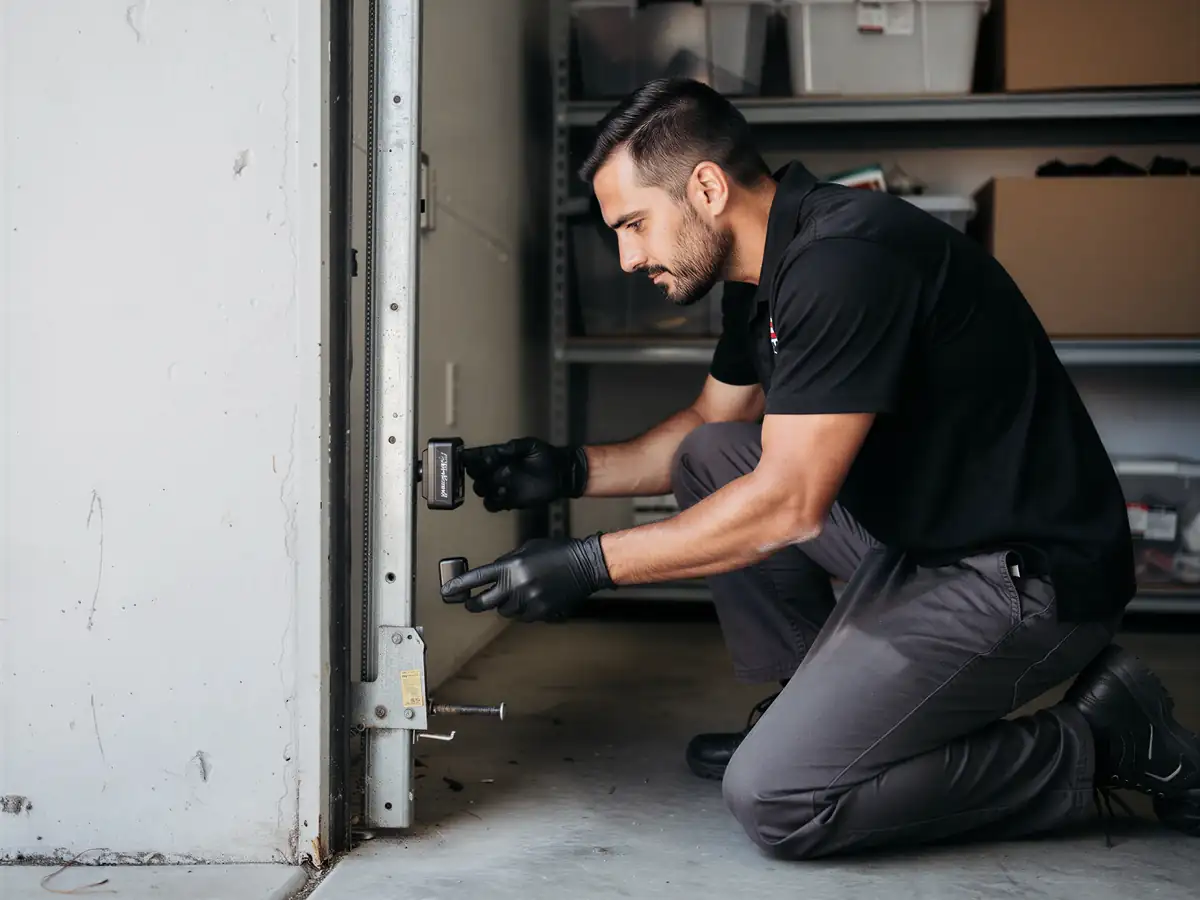
A straight installation on a standard single door - old door and track out, new door, track, and springs in, opener reconnected and balanced - is a one-visit job in most cases. Where it stretches is the stuff tied to the age of the house: headers that were framed for a lighter door and need reinforcing, track mounts that have to be relocated because the old bracket pattern doesn't match the new hardware, or wiring for the opener that was never run to code when the house went up in the early '80s. We check header clearance and wall framing before we commit to a one-visit timeline, because telling you it's a half-day job and then finding a framing problem halfway through helps nobody. If the opening needs structural work, we'll say so up front and you decide whether to fix it now or wait.