Stocked Parts
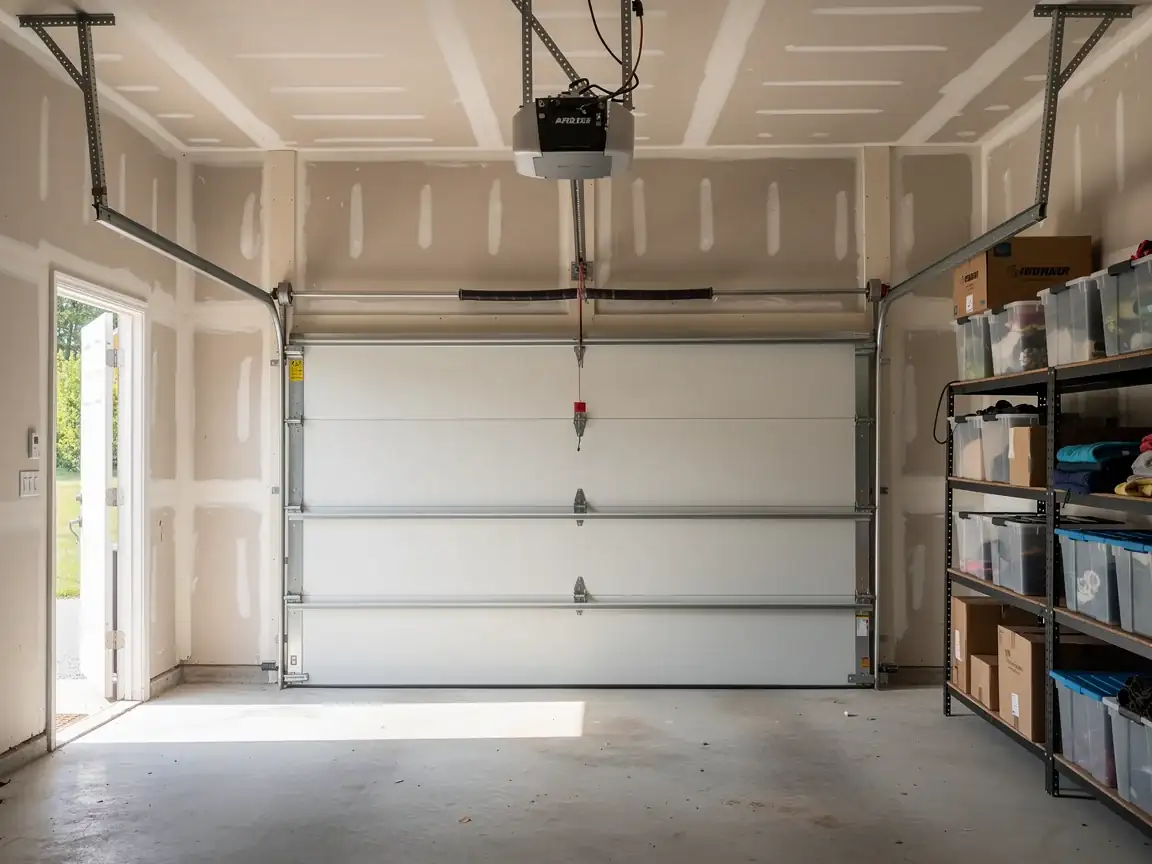
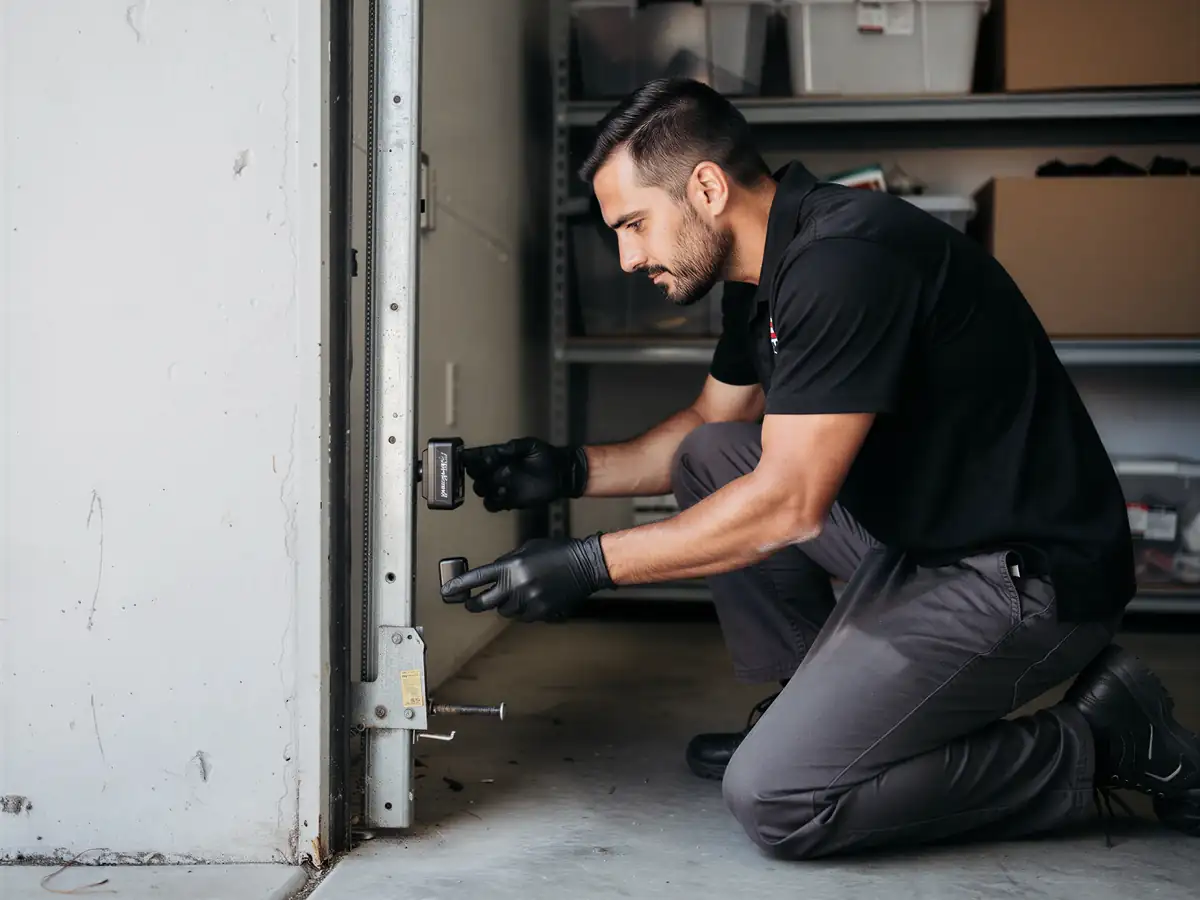
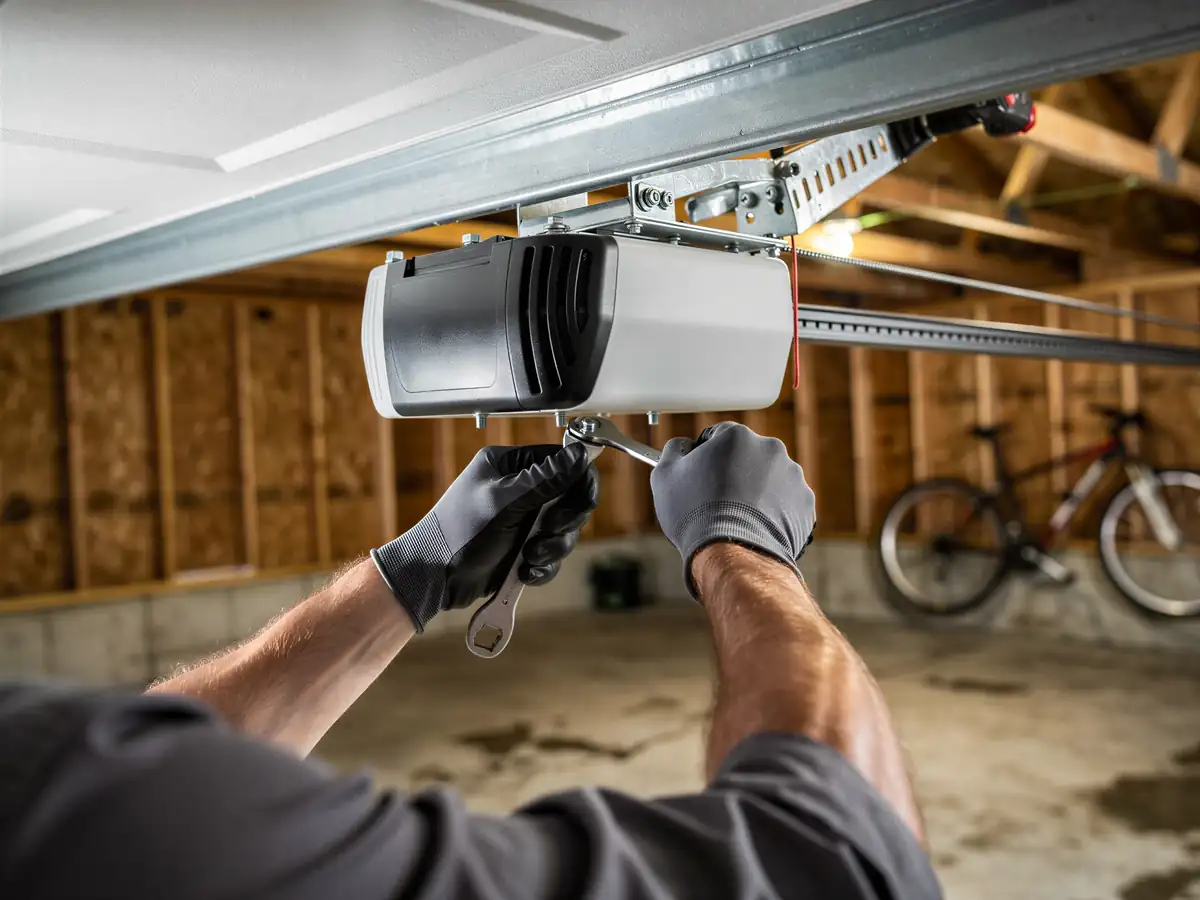
We carry the parts that actually fail on openers installed when Sanger's housing stock went up. The median build year here is 1982, which means a lot of these garages started with a 1/3-horsepower chain-drive unit bolted to a wood header, no photo-eye sensors, no battery backup, nothing resembling what's sold today. When we swap one of those out, we bring the standard belt-drive or chain-drive replacement units, the safety-sensor brackets that never existed on the original install, new rail sections, and the wall console hardware that matches current code. What we don't carry on the truck is obsolete control boards for openers that stopped being made decades ago - if your unit still runs on one of those, replacement is usually faster and cheaper than hunting a part nobody stocks anymore.
What You Are Seeing
The opener itself might still run fine, but a lot of Sanger homeowners find out the hard way that their door reverses on contact unpredictably, or doesn't reverse at all. That's not a malfunction so much as an installation that predates the 1993 federal rule requiring auto-reversal safety sensors. Houses with a median build year of 1982 almost never came with that hardware from the factory. A retrofit sensor kit gets bolted on later, sometimes correctly, sometimes aimed wrong, sometimes wired around entirely by a previous owner trying to stop false reversals. If your opener clicks and hums but the door doesn't move, or the lights blink without a visible reason, the drive gear has usually stripped - a common failure on units this age, worsened by how much heat these motors take on through a Central Valley summer.
What You Pay
Cost here comes down to what the house gives us to work with. A straight swap on a garage that already has working sensor brackets and a sound header costs less than a job where we're adding sensors, upgrading the circuit, or reinforcing a header that was never built for a heavier insulated door. With Sanger's median household income at $74,428, most of the installs we see are standard chain-drive or belt-drive replacements rather than premium Wi-Fi units - people want a door that opens reliably, not a smart-home showpiece. We don't have a flat number to quote here because header condition, wiring age, and whether the old unit left usable brackets all change the job before we ever touch the opener itself.
What the Repair Takes
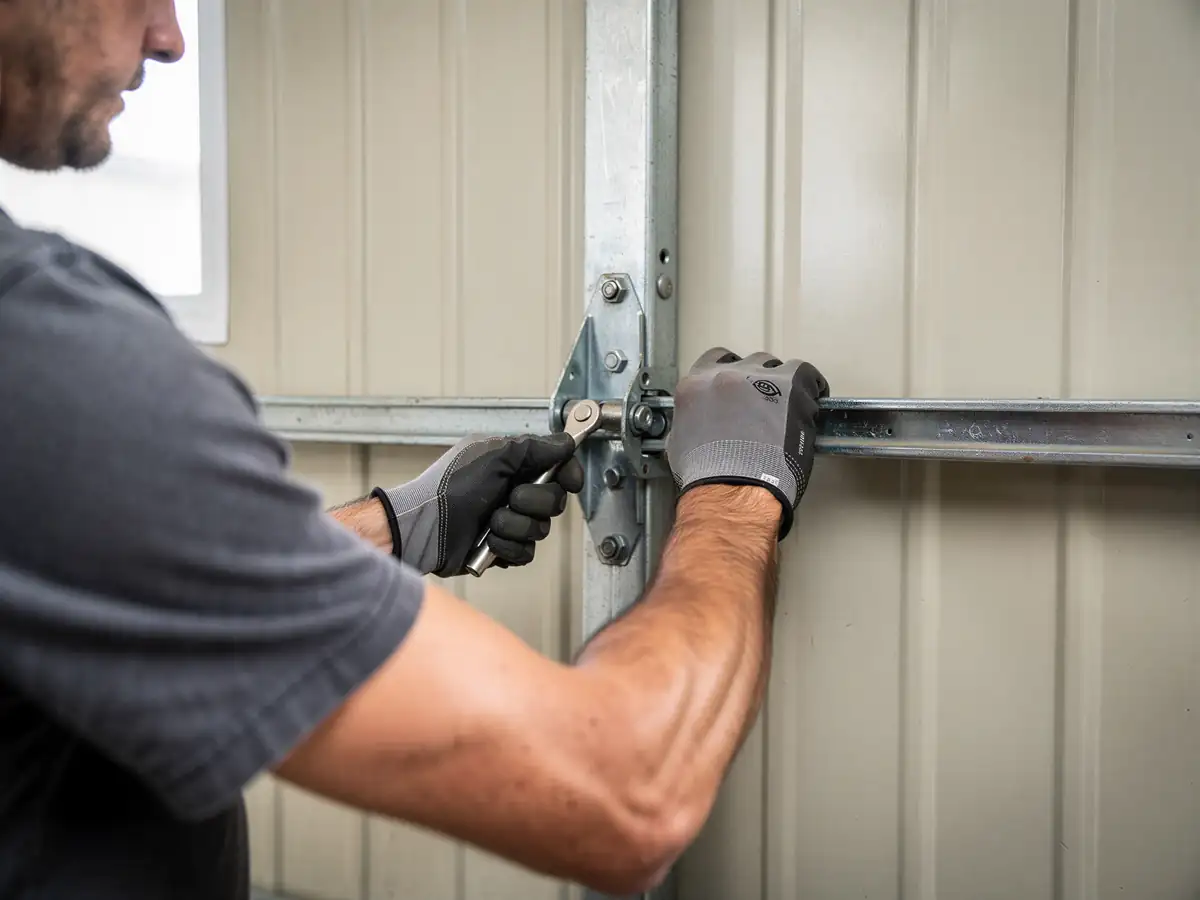
Most opener installs in homes from this era take one visit, but the visit runs longer than it would on a newer house. Pulling a chain-drive unit that's been bolted to a wood header since the early 1980s usually means the mounting hardware has to come out too, not just the motor head. If the original owner never added safety sensors, we're running new low-voltage wire across the ceiling and setting brackets from scratch, which adds time but isn't optional - a door that doesn't reverse on contact is a liability nobody should live with. Severe summer heat in this part of the valley also means lubricant and belt tension on older units wear faster than they would in a milder climate, so we check drive components for heat fatigue even on jobs that started as a simple swap.