Stocked Parts
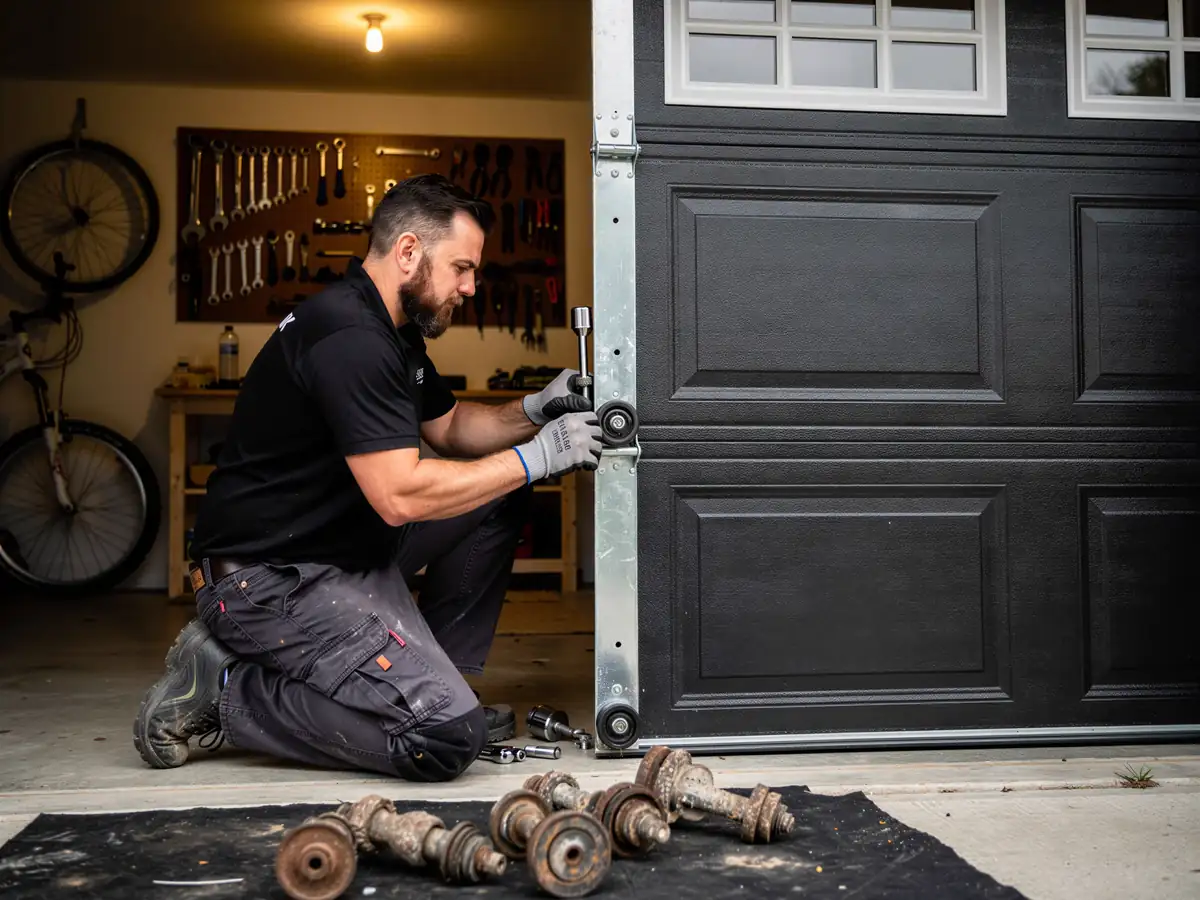
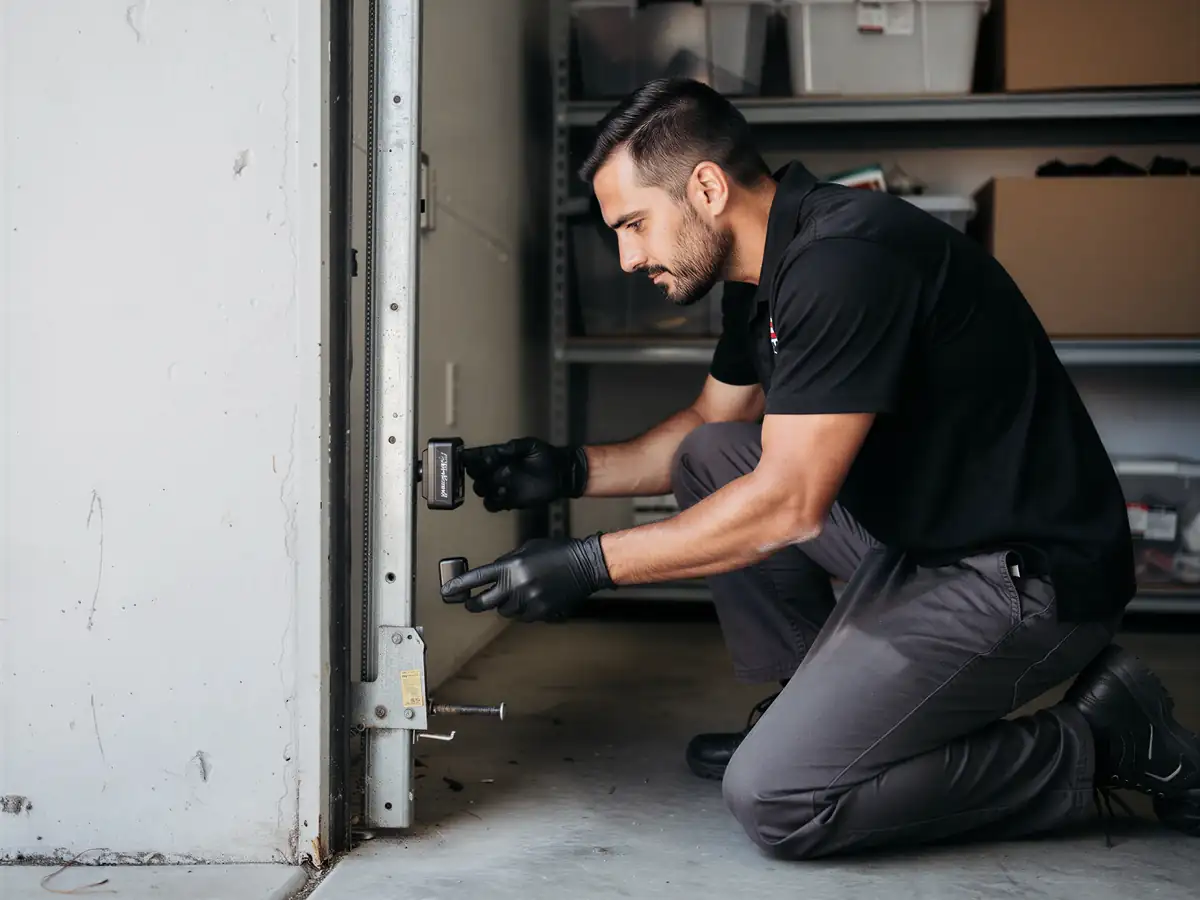
The drive from Clovis to Sanger runs about 11 miles, and that number shapes how a call here actually works. There's no branch in town, so the truck that shows up is loaded before it leaves Clovis, not after. Because Sanger's housing stock mostly went up between 1956 and 1993, with a median build year around 1982, we stock torsion springs, rollers, and extension-style hardware sized for that era's standard sectional doors. That's a narrower window than a newer subdivision would need, and it means most Sanger calls don't require a second trip to find a part that isn't on the shelf. We can't carry every obscure bracket or a panel for a door that's been discontinued for decades, but the common failure points on a 1980s-vintage door are usually sitting in the truck already.
What You Are Seeing
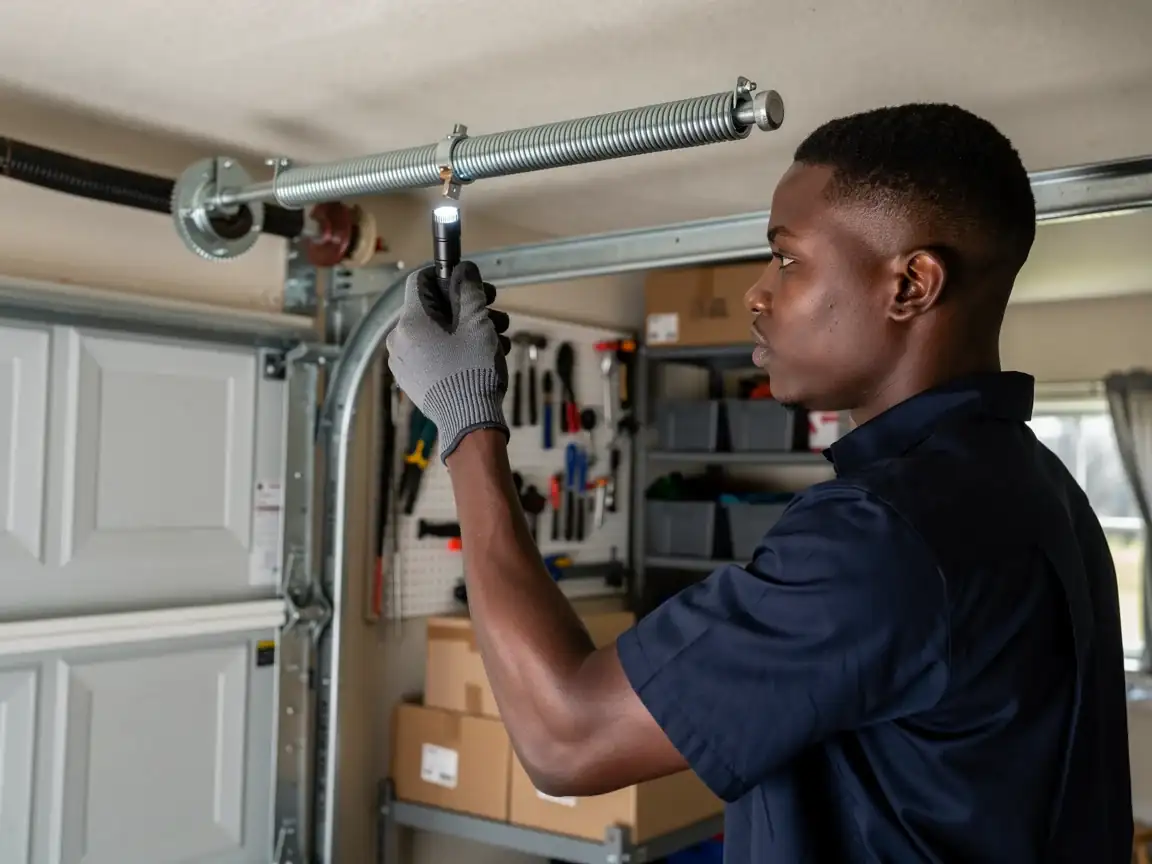
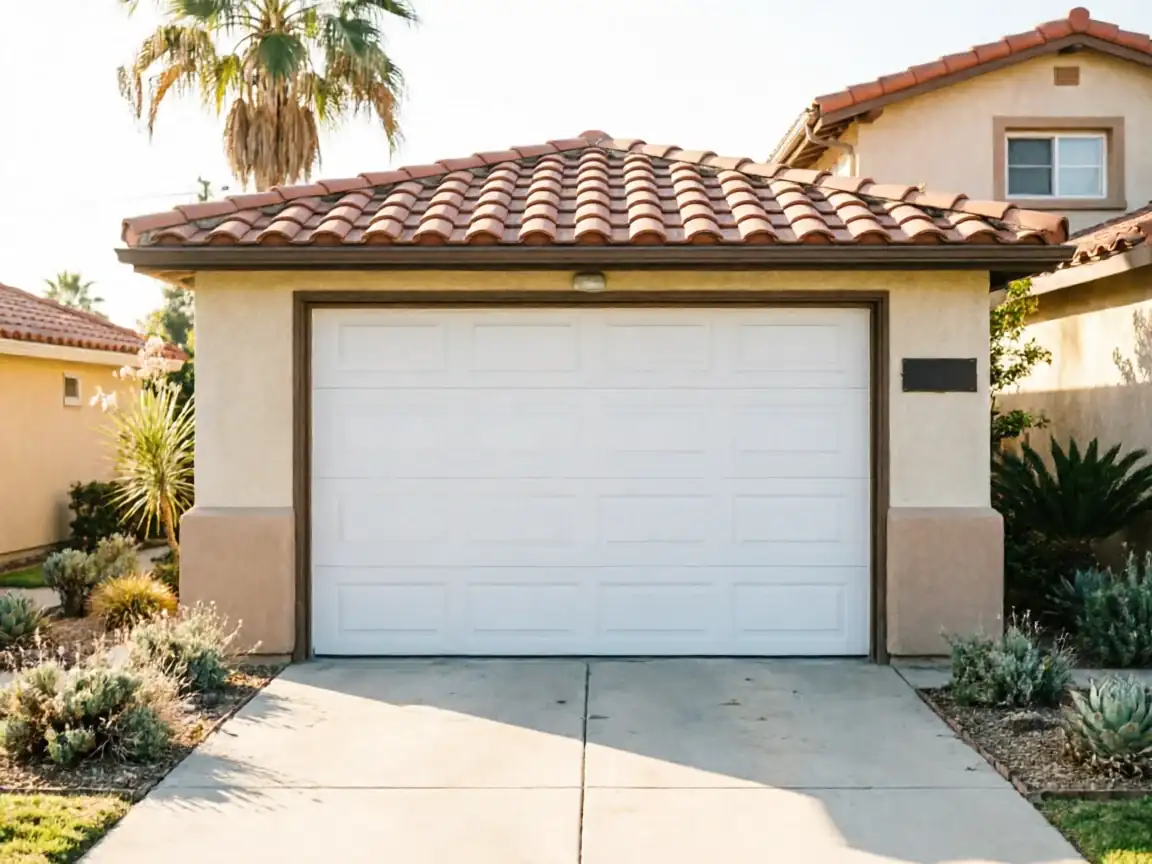
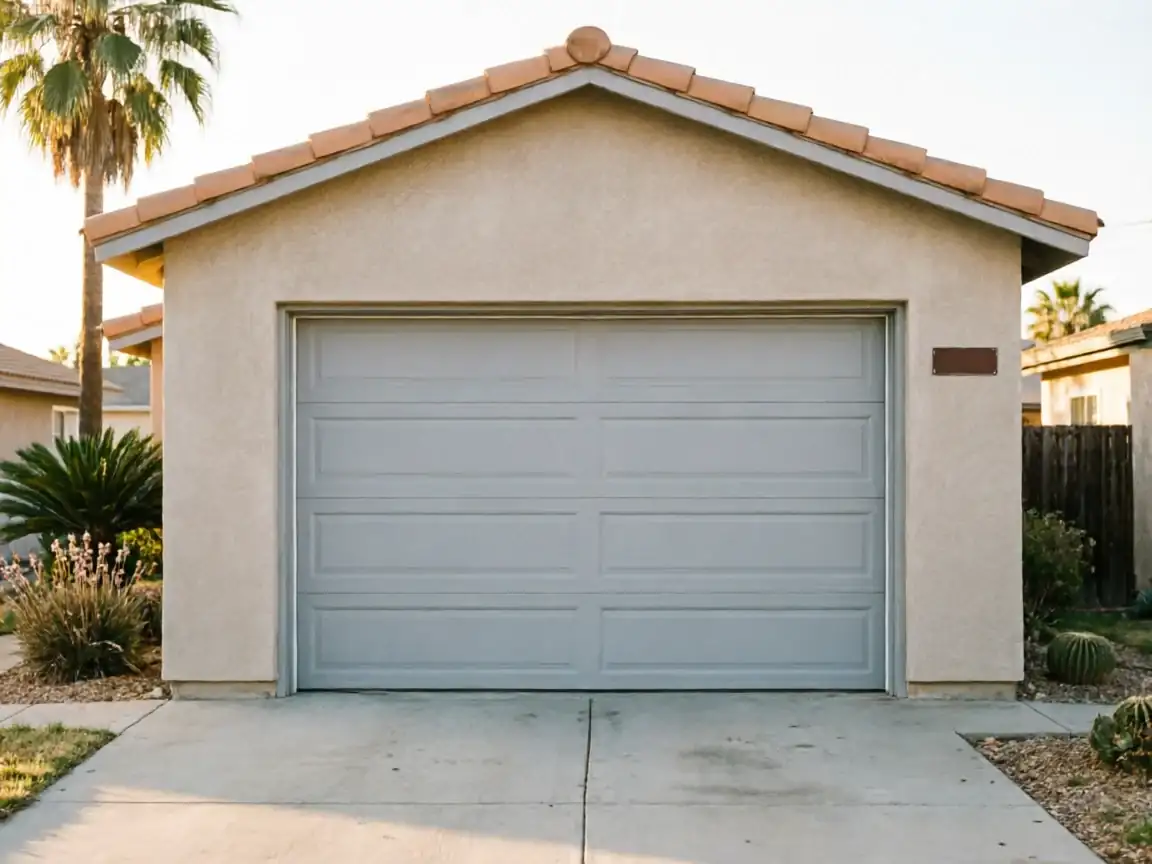
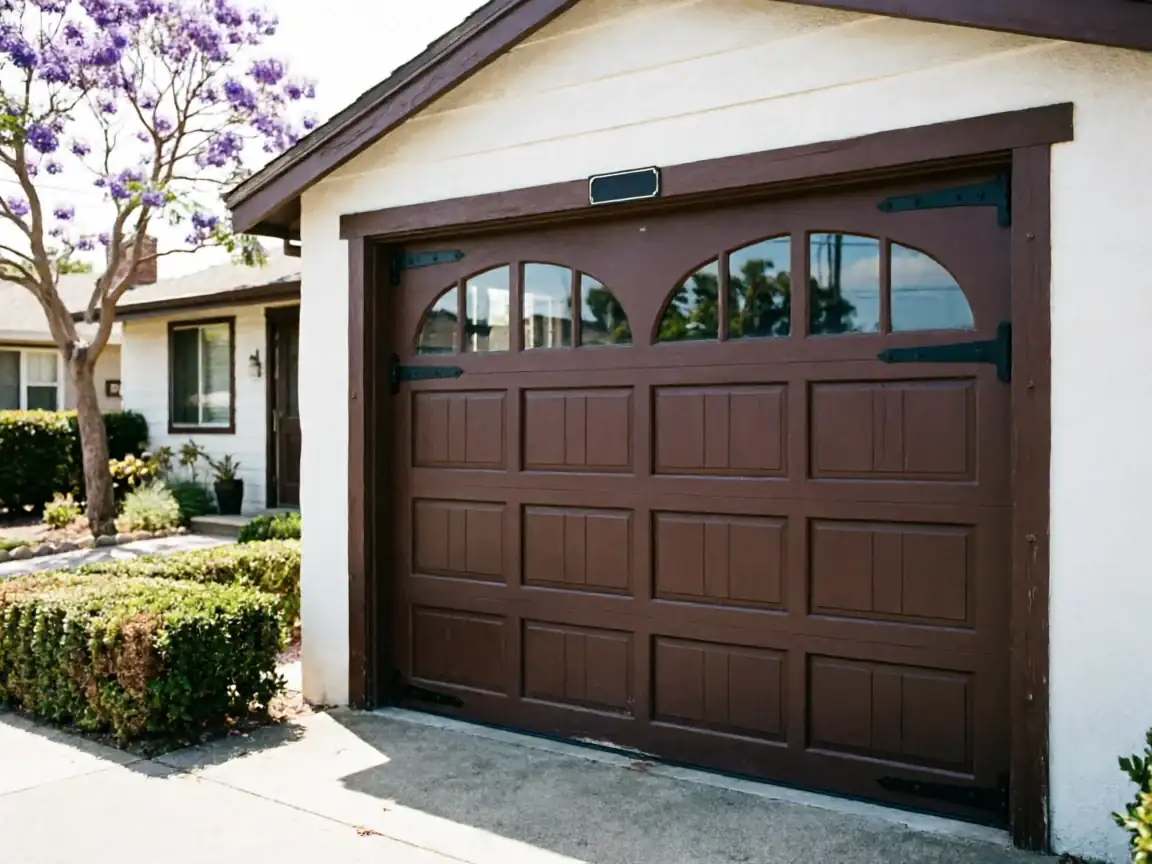
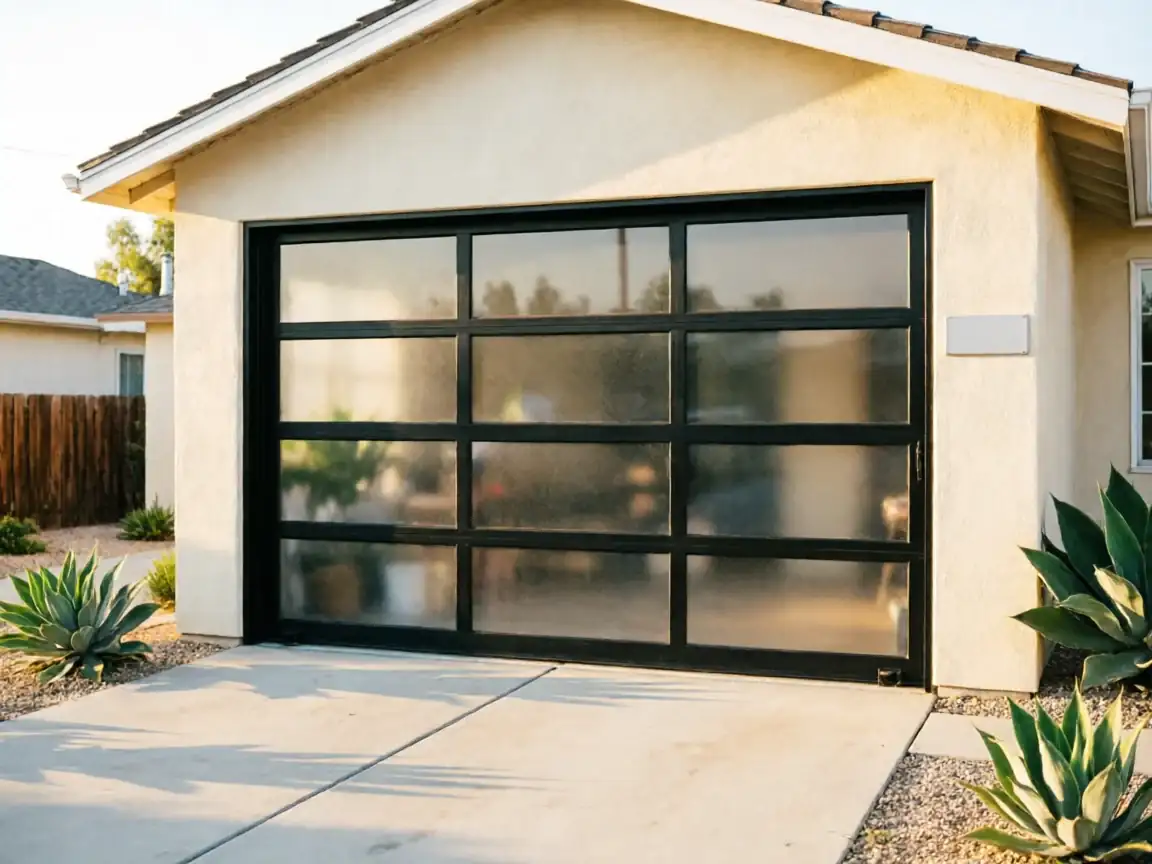
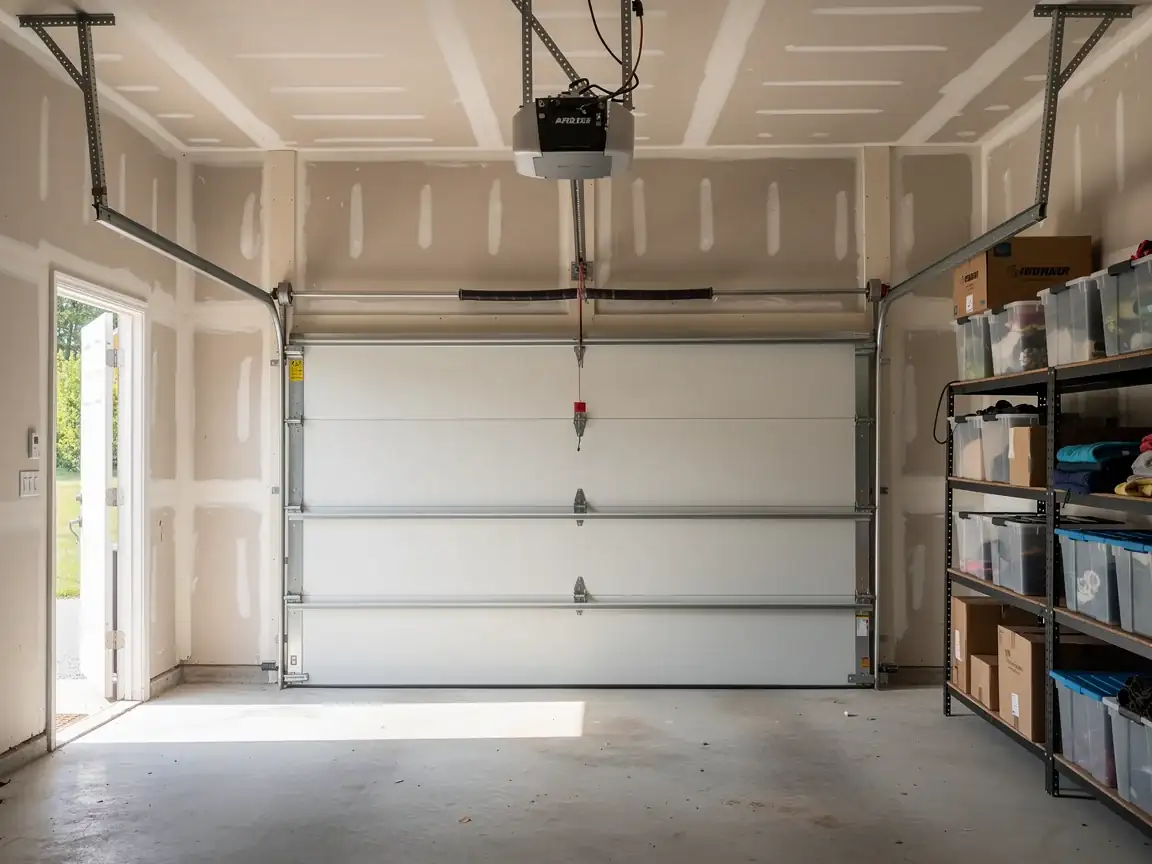
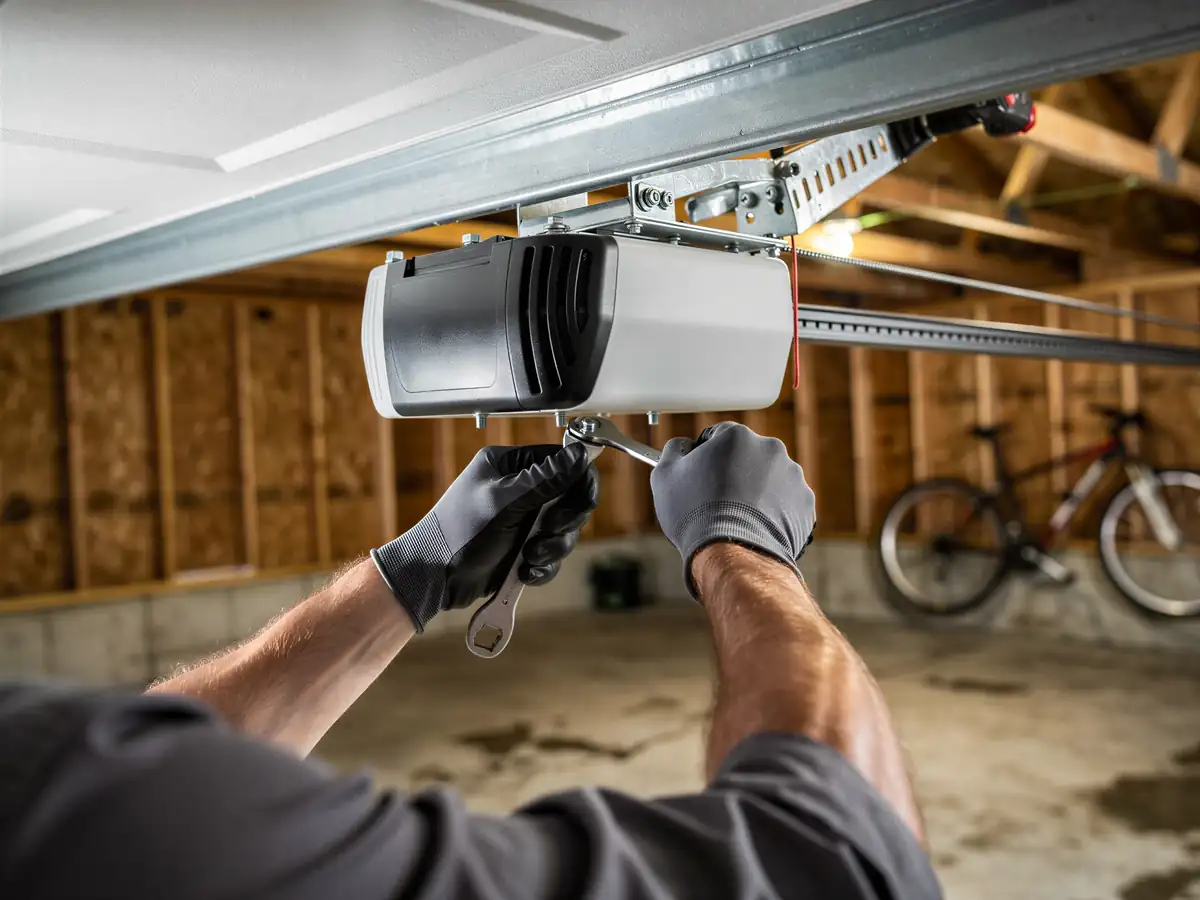
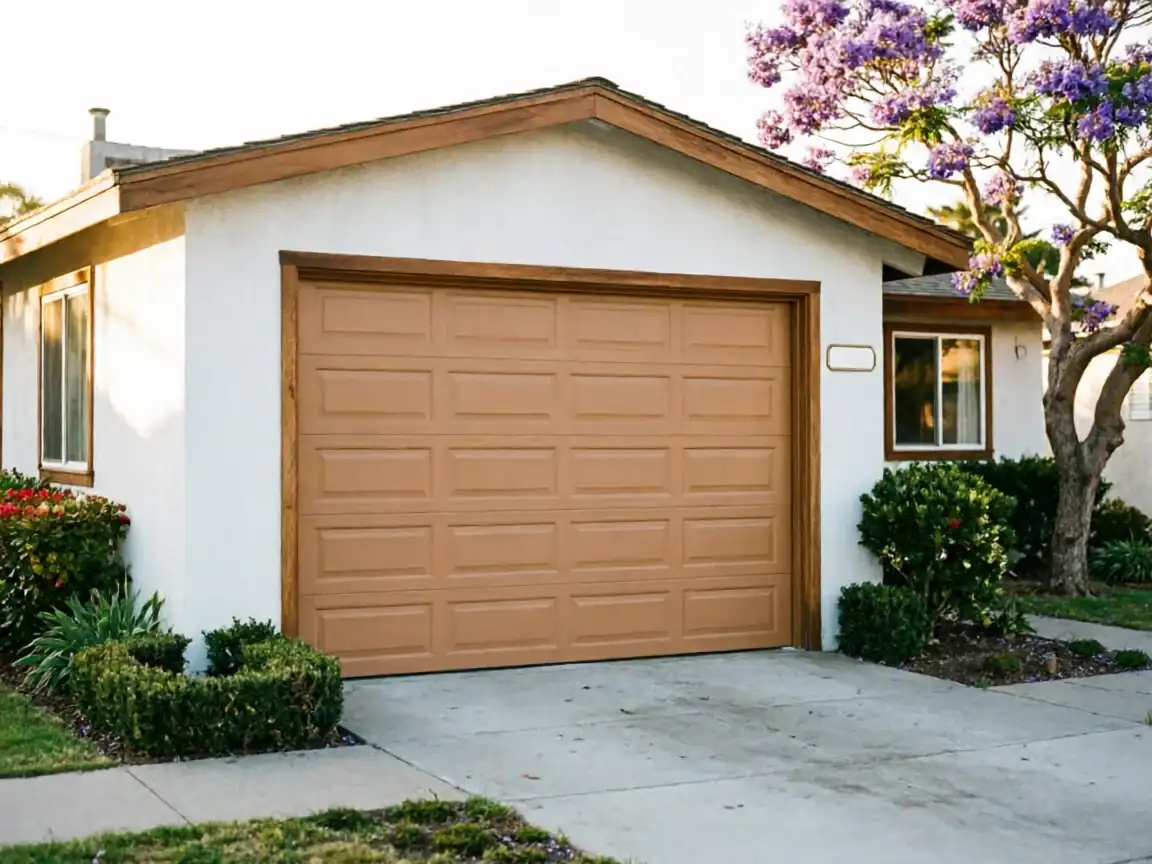
A door installed in the early 1980s has had four decades of Central Valley summers to work on its springs, and that's the failure we see most from this part of town. Torsion springs lose tension gradually, then snap without much warning, usually on a hot afternoon when the metal has already expanded. Extension springs from that same build era tend to go the same way, just louder, with the door slamming down instead of easing. Openers from that generation are often chain-drive units nearing or past their expected life, and heat-cracked plastic gears are a common complaint. None of this means every Sanger door is failing at once, just that the hardware installed when these houses were built is reaching the point where parts fatigue, not misuse, is the usual cause.
What You Pay
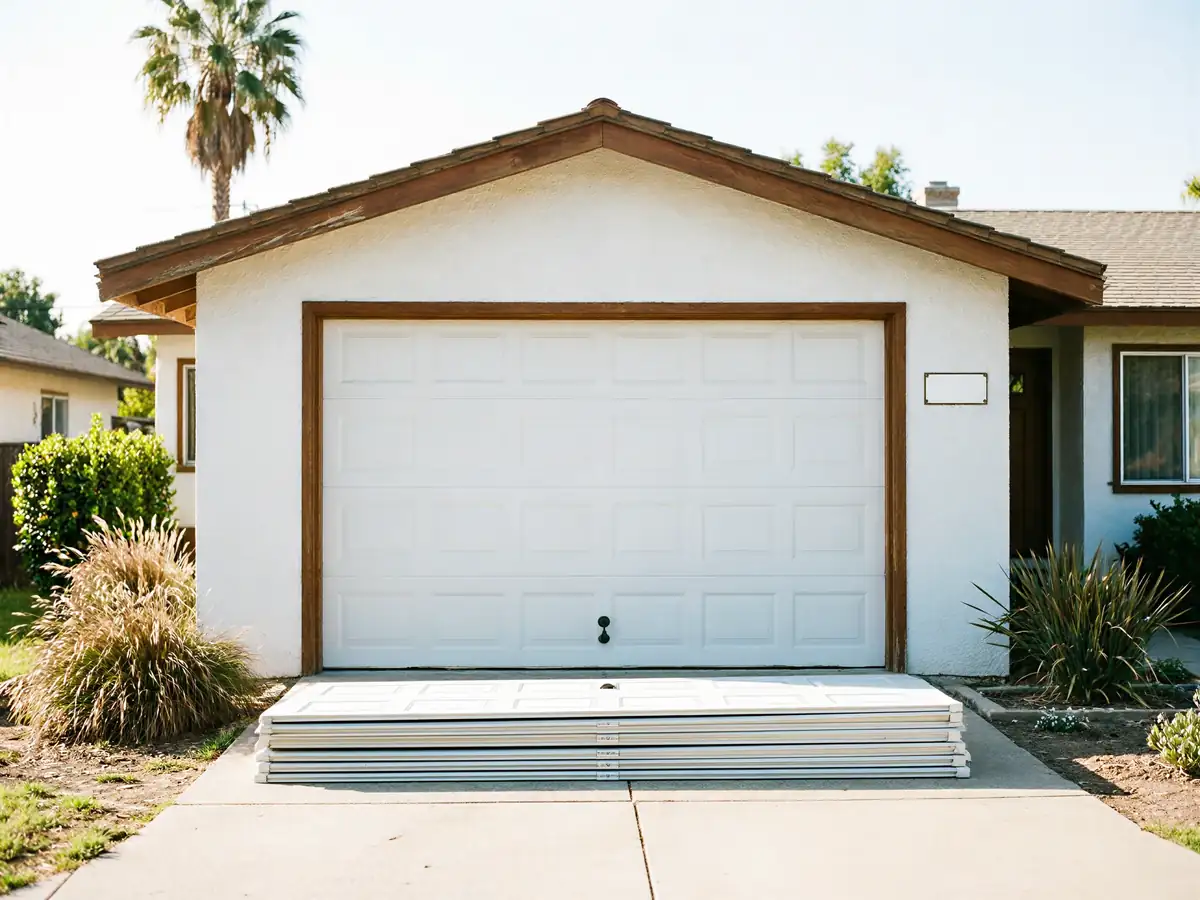
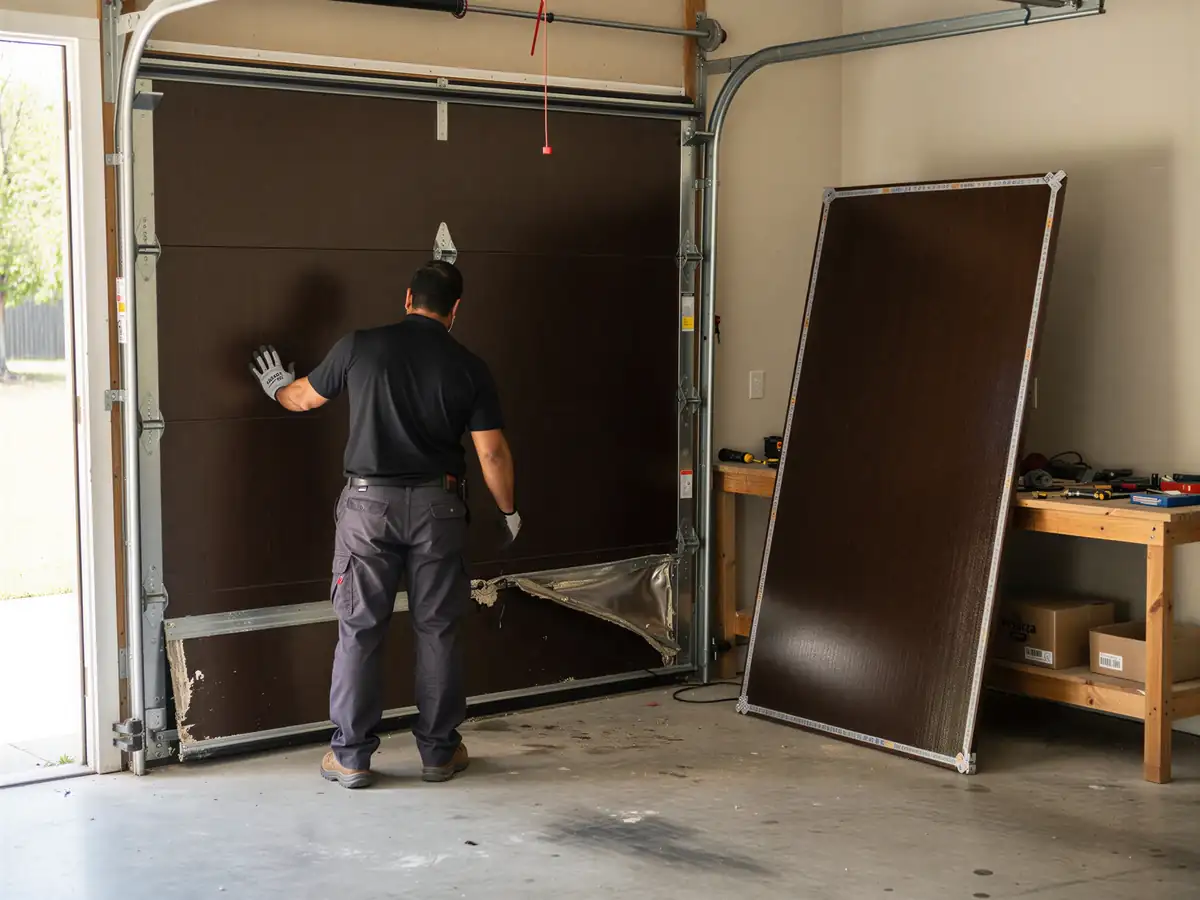
We don't publish a flat number here because what a Sanger job costs depends on what's actually broken and whether the door is a repair or a replacement candidate. What we can say is that for a door built when most of this area's housing went up, parts and labor usually land well under a full replacement, since the hardware is common enough that we're not special-ordering anything. Replacement makes more sense once the door itself is warped, the panels are rusted through, or the track has been bent and re-bent one too many times. We'll tell you straight which category your door falls into before any work starts, not after.
What the Repair Takes
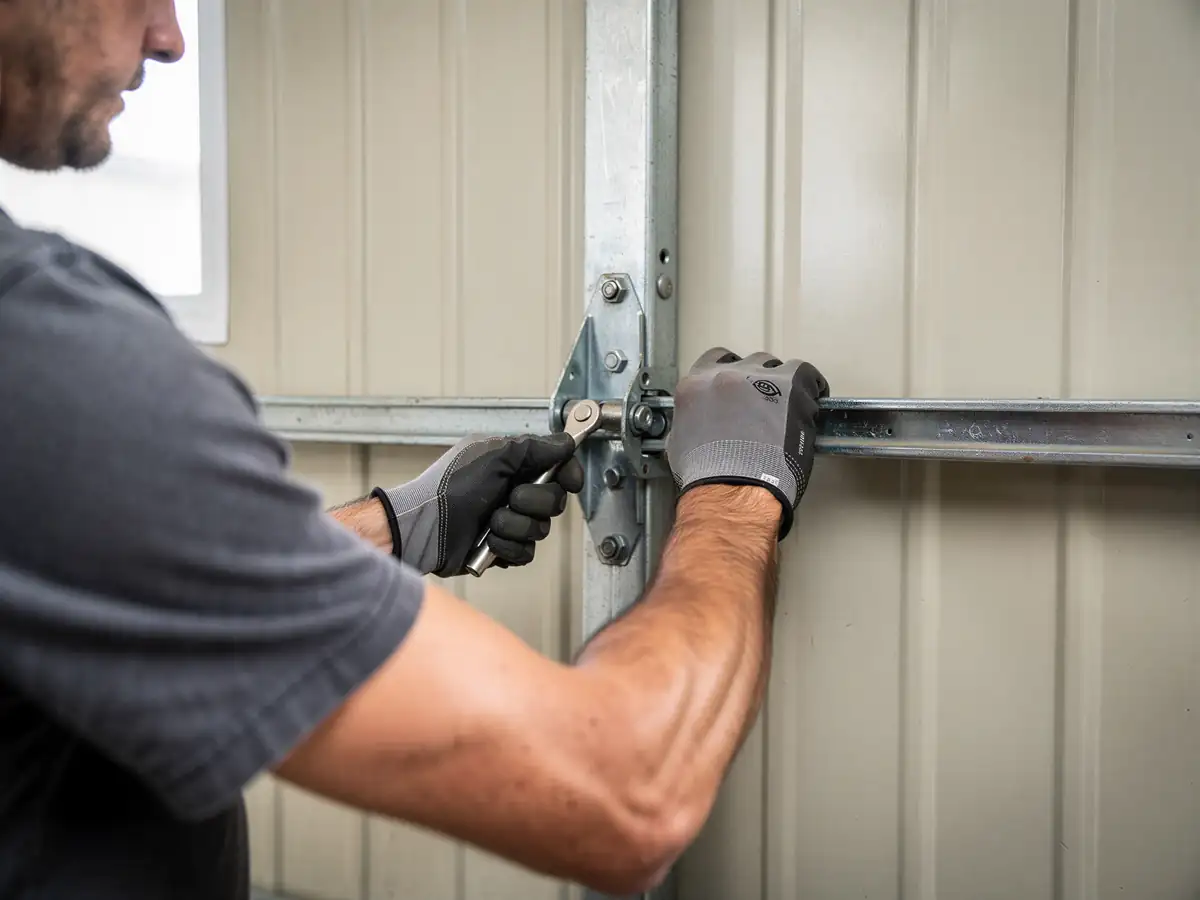
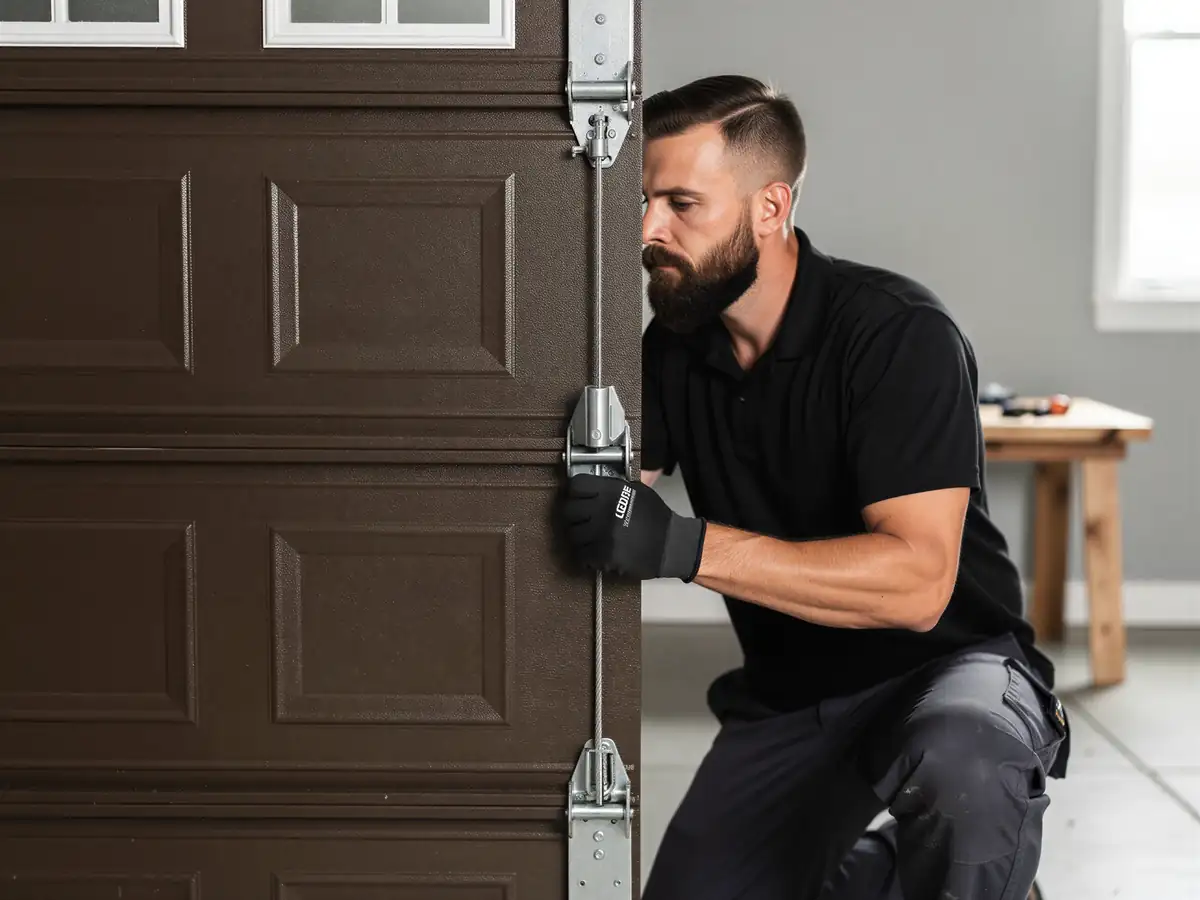
Most Sanger repairs are spring, cable, or opener jobs, and because the truck already carries parts sized for the 1956-1993 housing stock common here, the repair itself usually doesn't stall waiting on a shipment. A torsion spring swap on a standard double door is a same-visit job once we're on site. Anything outside that range, an odd opener model or a custom panel someone added later, is where we'd need to check availability before promising a timeline. That's the honest limit: common hardware from this era, we handle on the spot; uncommon hardware, we tell you up front it might take longer.