Stocked Parts
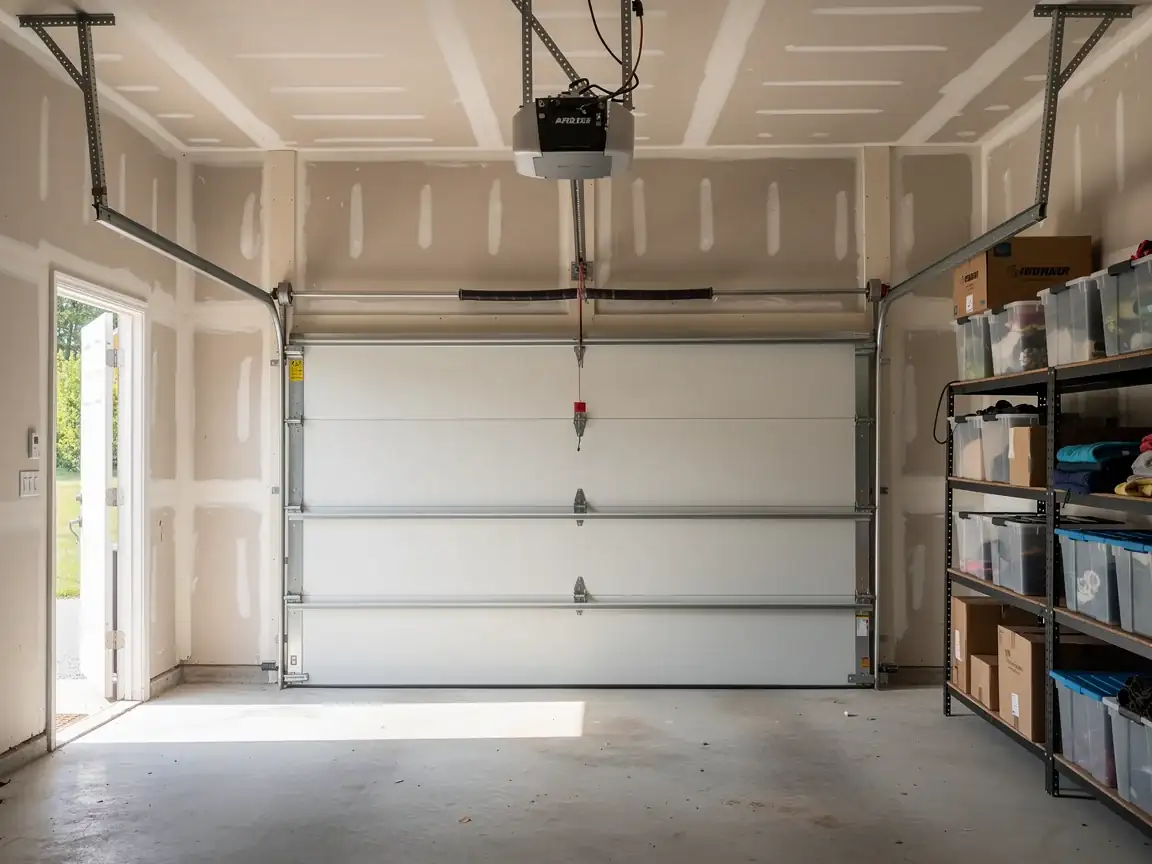
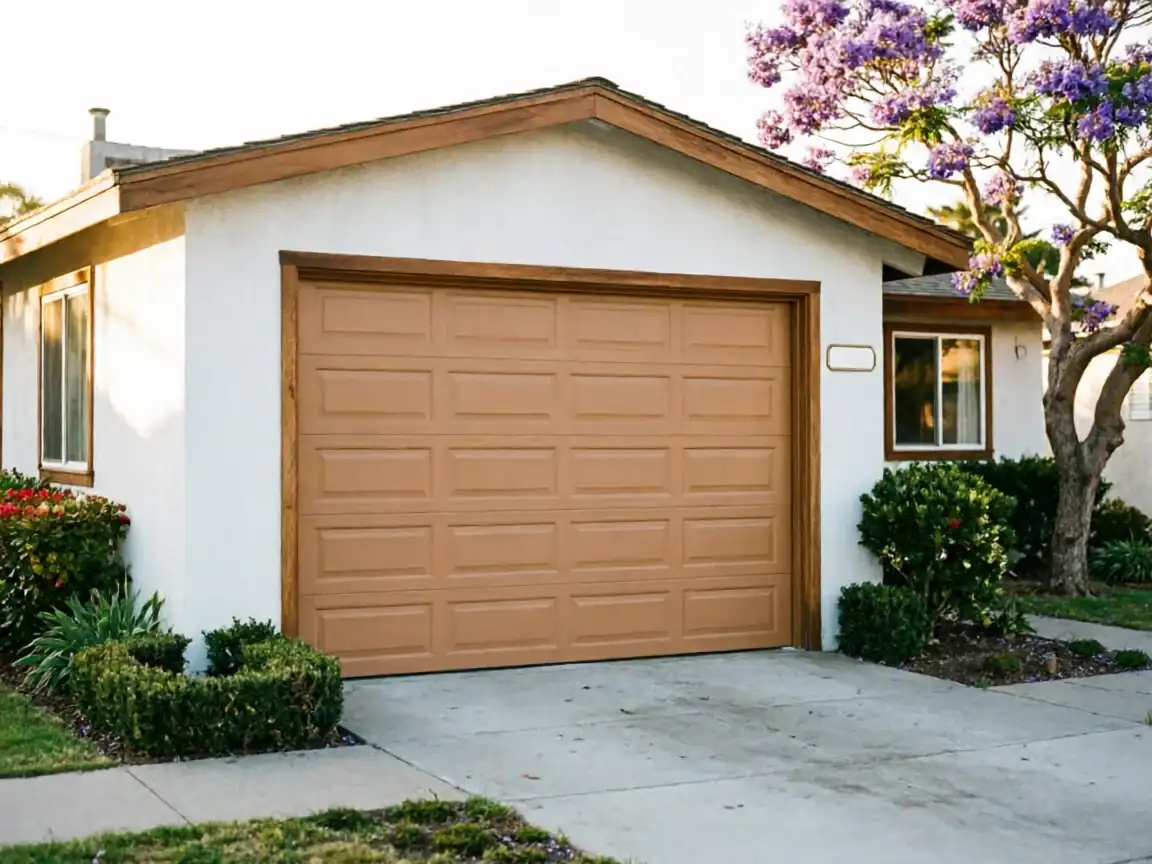
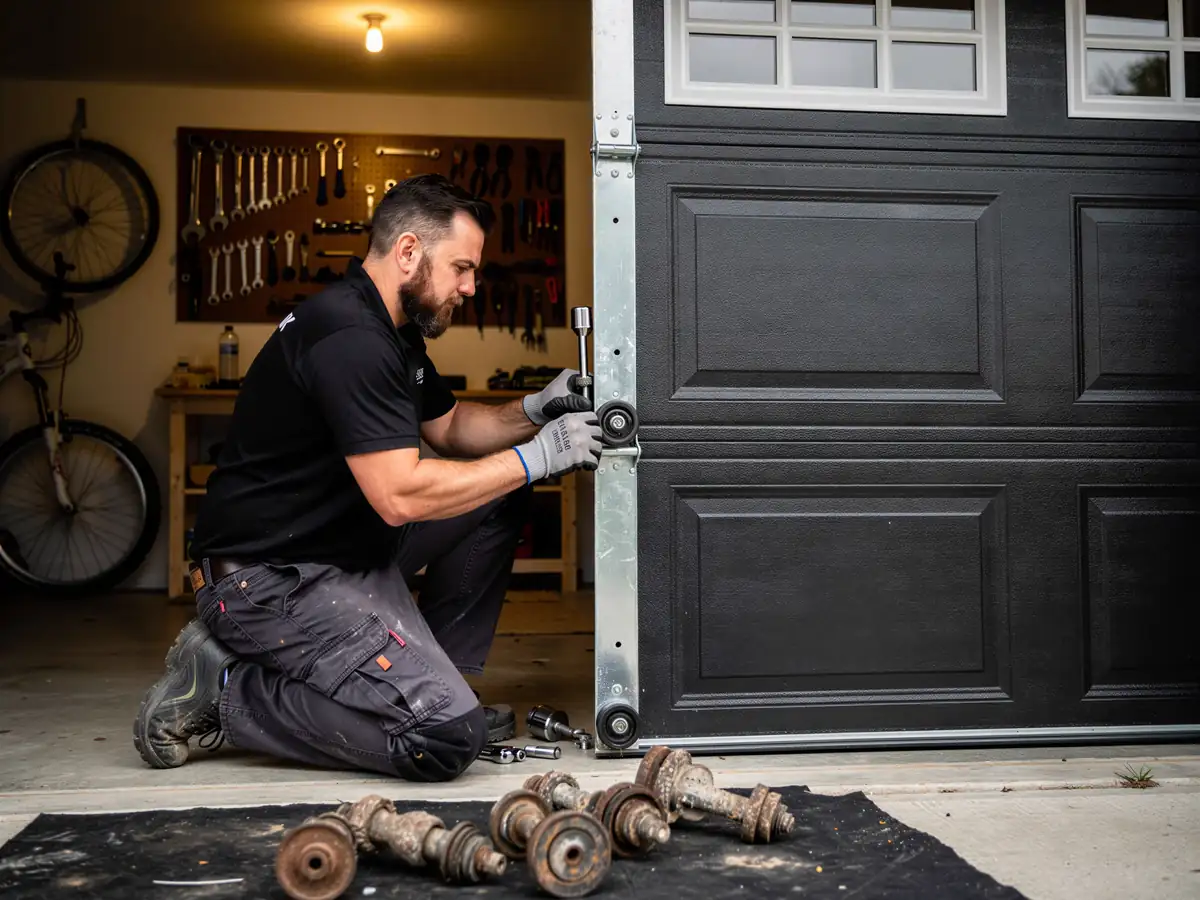
Most of the garage doors we see in Sanger went up when the house did, and the median year built here is 1982. That means steel sectional doors, usually on steel rollers running in steel track, not the nylon-and-ball-bearing setup you'd find on anything built in the last fifteen years. The stem length and bearing count on those original rollers isn't something we guess at over the phone, but we carry the common sizes on the truck because we see this exact door generation across the wider service area, not just here.
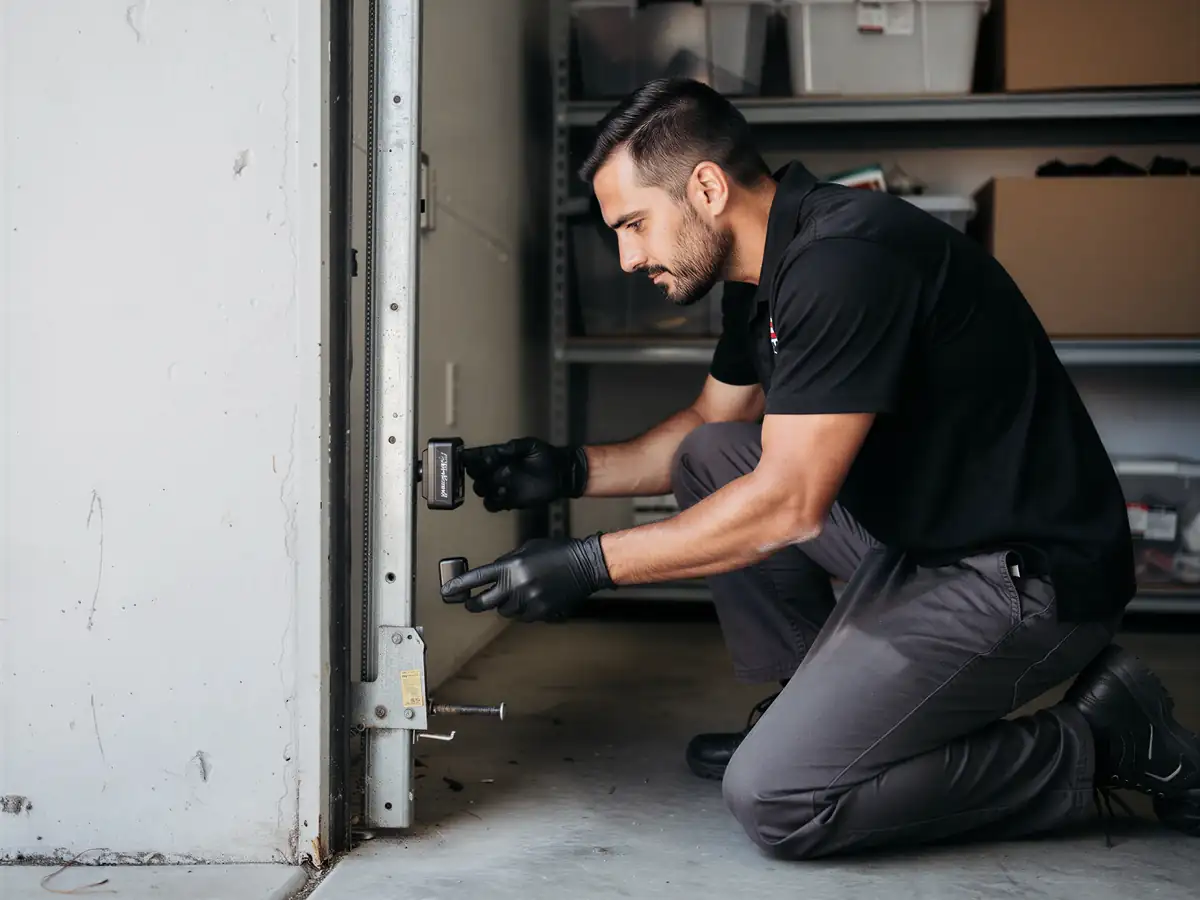
When a roller fails on one of these doors, it's rarely just the roller. The steel track it's been grinding in for forty-plus years is often worn in the same spot, and the bracket holding that track can be bent from years of a roller dragging instead of rolling. We check all three before we quote the job, because swapping the roller and leaving a pitted track means you're back to the same noise in six months.
We stock nylon rollers with sealed bearings as the standard replacement now - quieter, and they don't need the oiling steel rollers do.
What You Are Seeing
A door from this era usually tells you it's failing before it fails completely. You'll hear a grinding or popping sound as the door travels, especially right as it clears the bottom section, which is where the roller carries the most weight. Steel rollers that have run dry for years develop flat spots - you can sometimes see the door hesitate or jerk at the same point in the track every single time it opens.
The Central Valley's heat is part of what's working against these doors. In a climate this hot, grease and lubricant on old steel rollers cooks off faster, and the metal itself expands and contracts more than it would somewhere milder. That cycle loosens roller brackets and widens the gap where the roller rides in the track, which is exactly what produces that off-center rattle a lot of Sanger homeowners describe as the door sounding 'loose' even when the opener and springs are fine.
If you're hearing a single sharp pop rather than a grind, that's more often a cable or hinge, not a roller - worth mentioning so you're not chasing the wrong part.
Doing It Yourself
Replacing a bottom roller on a door this old is sometimes within reach for someone comfortable with tools
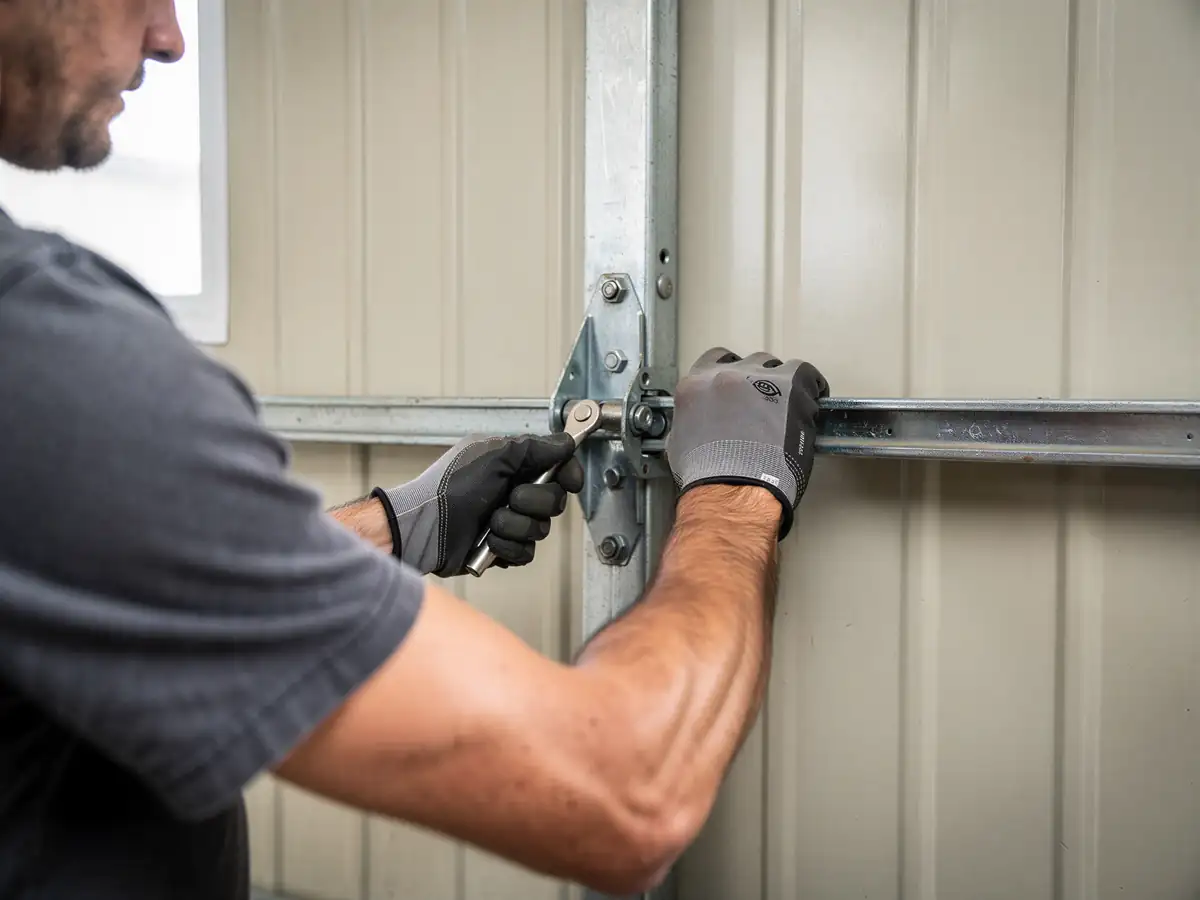
Provided the door is disconnected from the opener and the springs aren't under load you're fighting against. The risk is the top rollers and the track alignment - on a steel door this heavy, a track that's slightly out of plumb after decades of settling can pinch a hand fast, and realigning it isn't a one-person job.
We're not going to tell you it can't be done
We will tell you that on doors built in the early 1980s, the hardware was never designed to be serviced piece by piece forever, and once one roller has failed from age, the others on that same door are usually close behind. Replacing one and leaving the rest is a repair you'll likely redo within a year or two.
If you do it yourself, at minimum check every roller bracket for rust-through before reusing it
A roller is cheap. A bracket that lets go while the door's in motion is not.
What You Pay
We don't post a flat price here because the job varies with how many rollers need replacing and whether the track needs correcting along with them - on a door from 1982, it's rarely just the one roller that failed. What we can tell you is that Sanger households have a median income of $74,428, and across the roughly 7,313 households in the area, this is one of the more common calls we get on doors from this build era, right alongside spring and opener work on the same vintage hardware.
What the Repair Takes
A straightforward roller swap on a door with sound track and brackets is a short job once we're on site. Where it runs longer is when the track itself needs to come out and be reset, or when a bracket has rusted to the point it needs replacing rather than reusing - common enough on houses from the early 1980s that have never had the hardware touched since the house was built.
We come out from Clovis, about 11 miles away, so we schedule the trip rather than treat it as a drop-in stop. That's worth knowing up front: we're not a branch office in Sanger, we're a crew that travels here, and the job itself is quick once the truck's in the driveway.
Time on the Job
Most roller jobs on these older doors run under two hours door to door, including the drive
If we find the track needs full correction on both sides, or the door's heavy enough that we're replacing every roller rather than just the failed one, it runs longer - we'll tell you that before we start, not after.
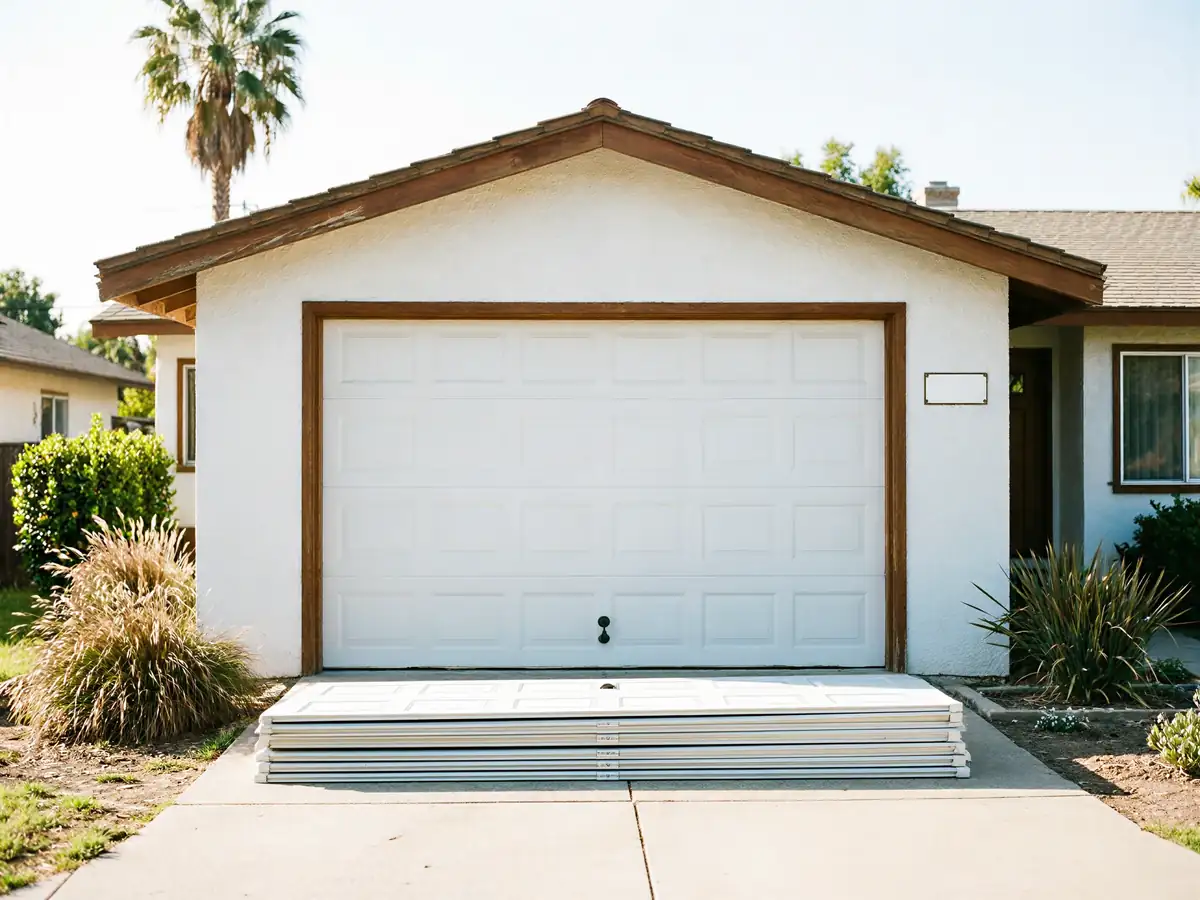
One honest limit: if the door itself is original from 1982 and the panels are rusted or the seams have separated
Roller and track work is a patch, not a fix. At that point we'll say so rather than keep billing hours on a door that's due for replacement anyway.