Stocked Parts
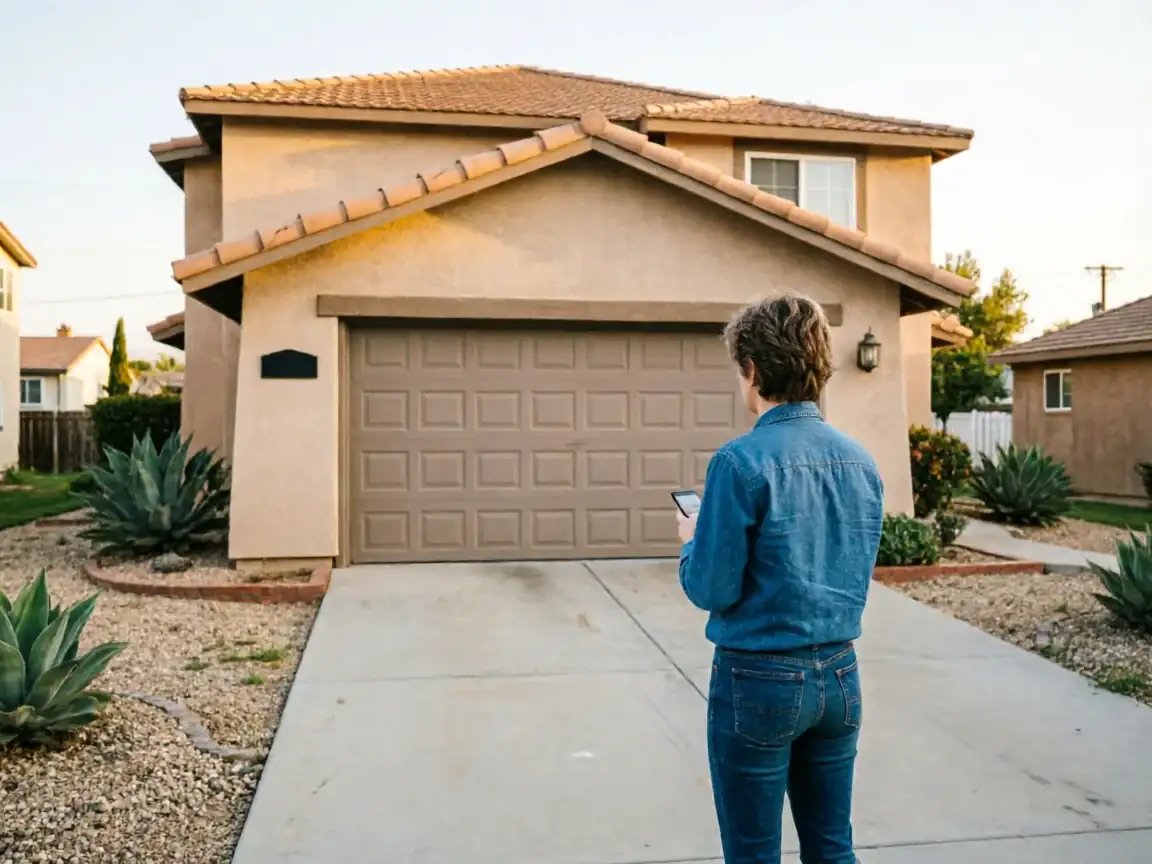
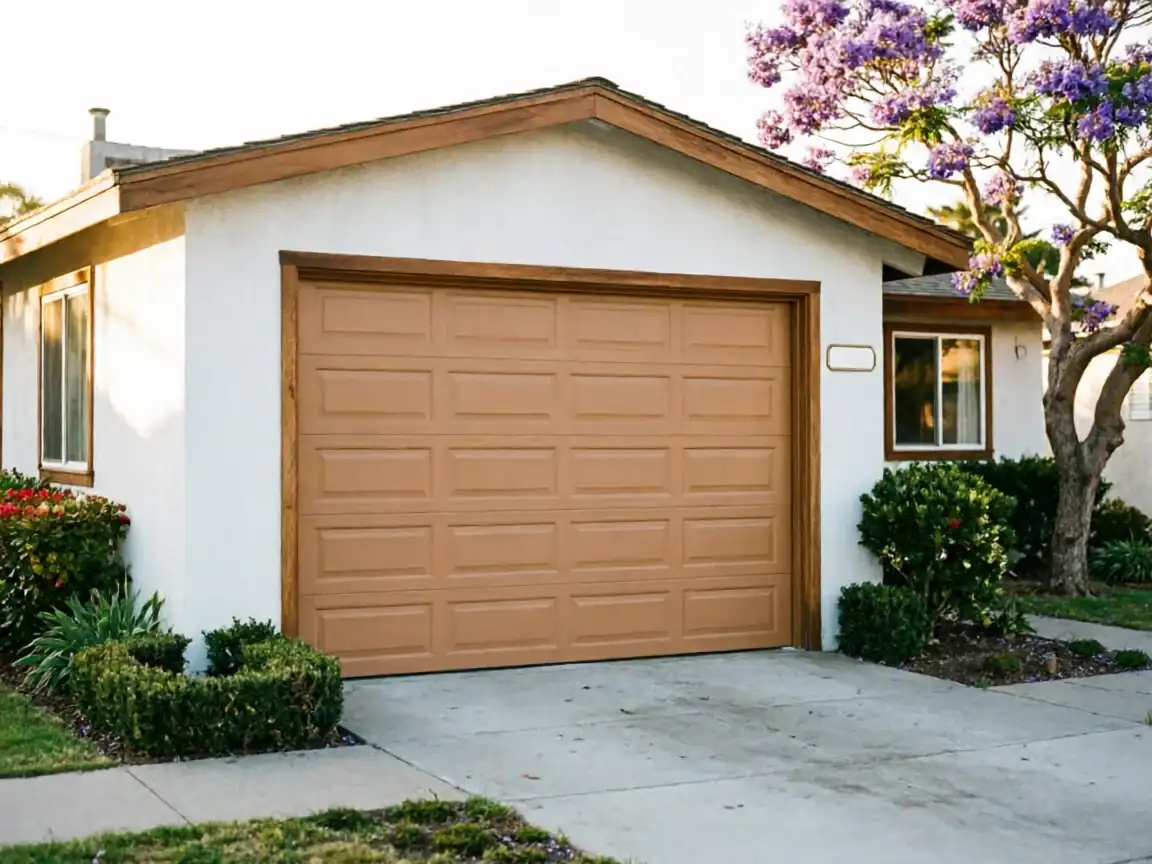
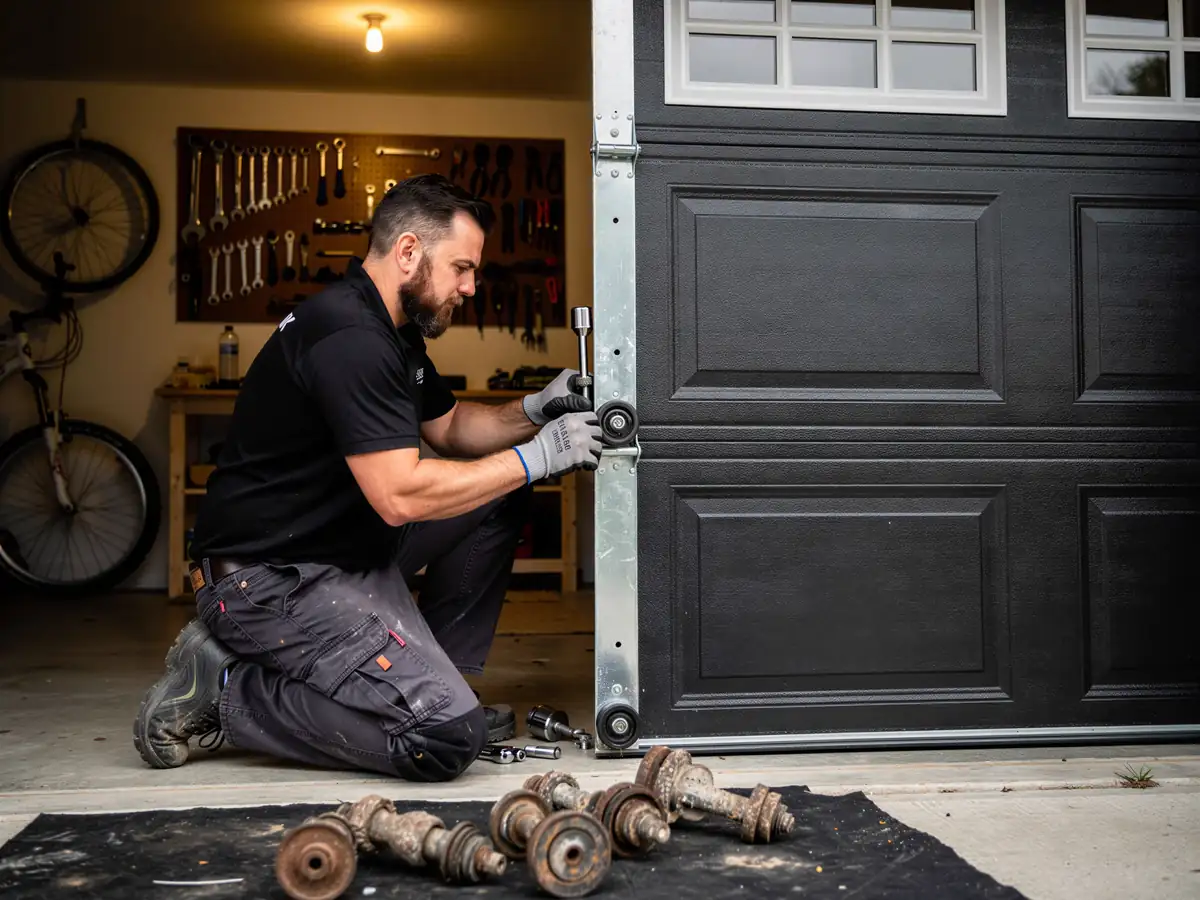
Sanger is an 11-mile run from our Clovis shop, so what goes on the truck before we leave matters more than it would for a job five minutes away. Most houses in Sanger were built right around 1982, smack in the middle of the 1956-1993 range across the wider service area. That means extension and torsion springs sized for doors from that era, the rollers and hinges that match 1980s track gauge, and the openers that tend to fail after four decades of use. We carry the common spring sizes and roller sets for that build window rather than loading up for newer construction we rarely see out here. The one thing we don't carry standard is anything proprietary to a door installed in the last five years - if your door is a recent replacement with a newer bracket system, we may need to order that part, which adds a day or two. For the 1980s stock that makes up most of Sanger, we're usually set up to finish in one visit.
What You Are Seeing
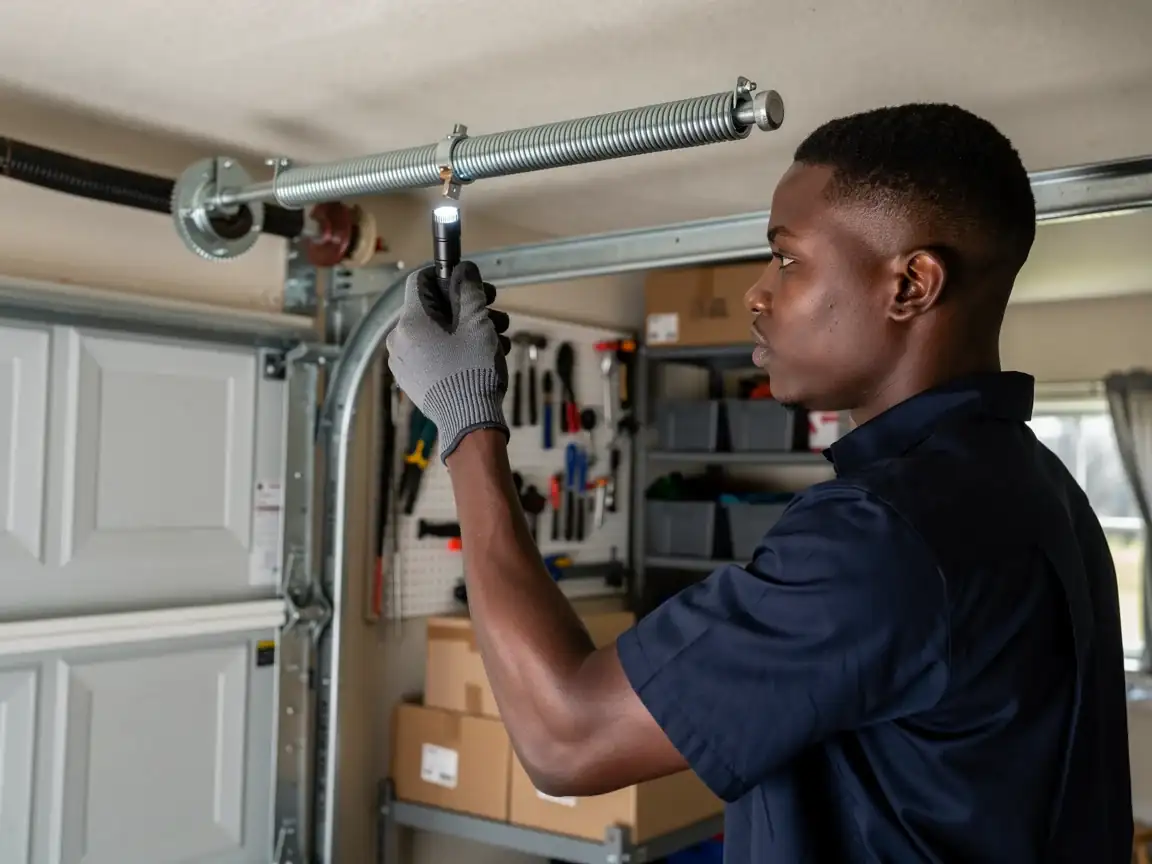
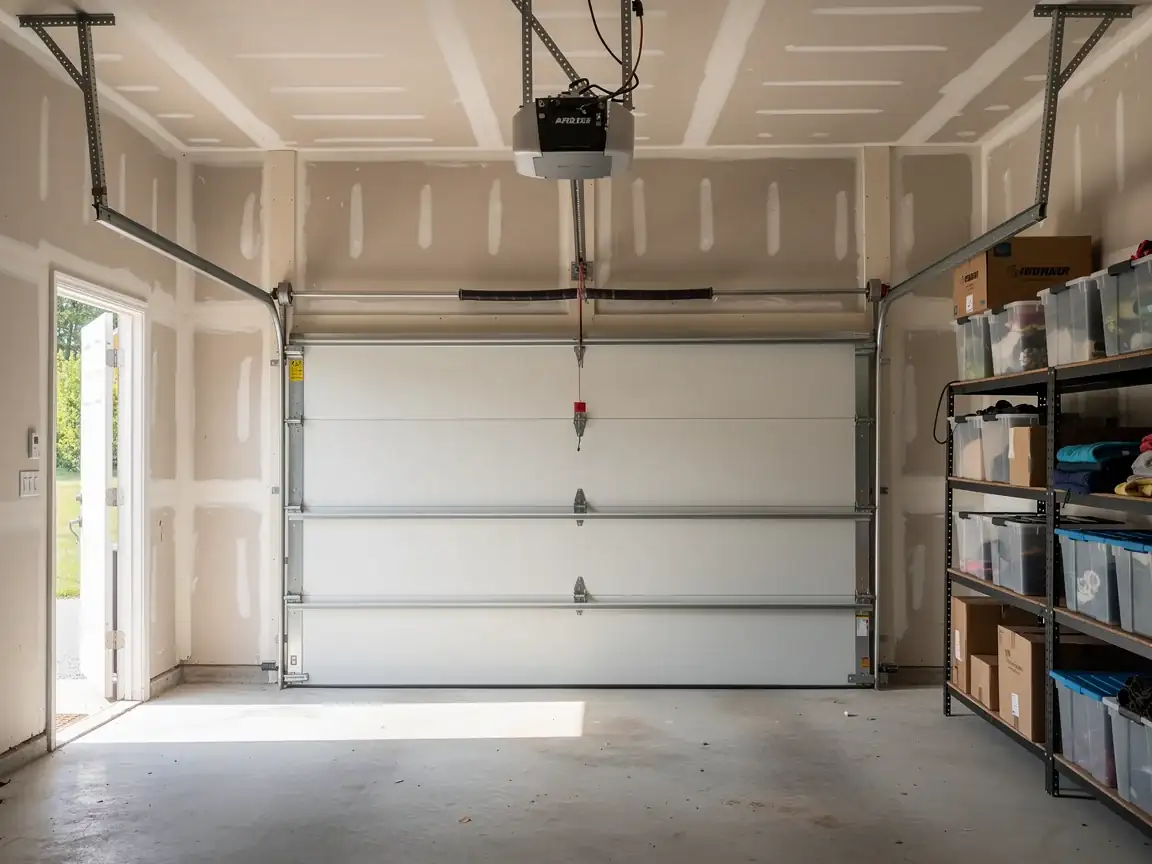
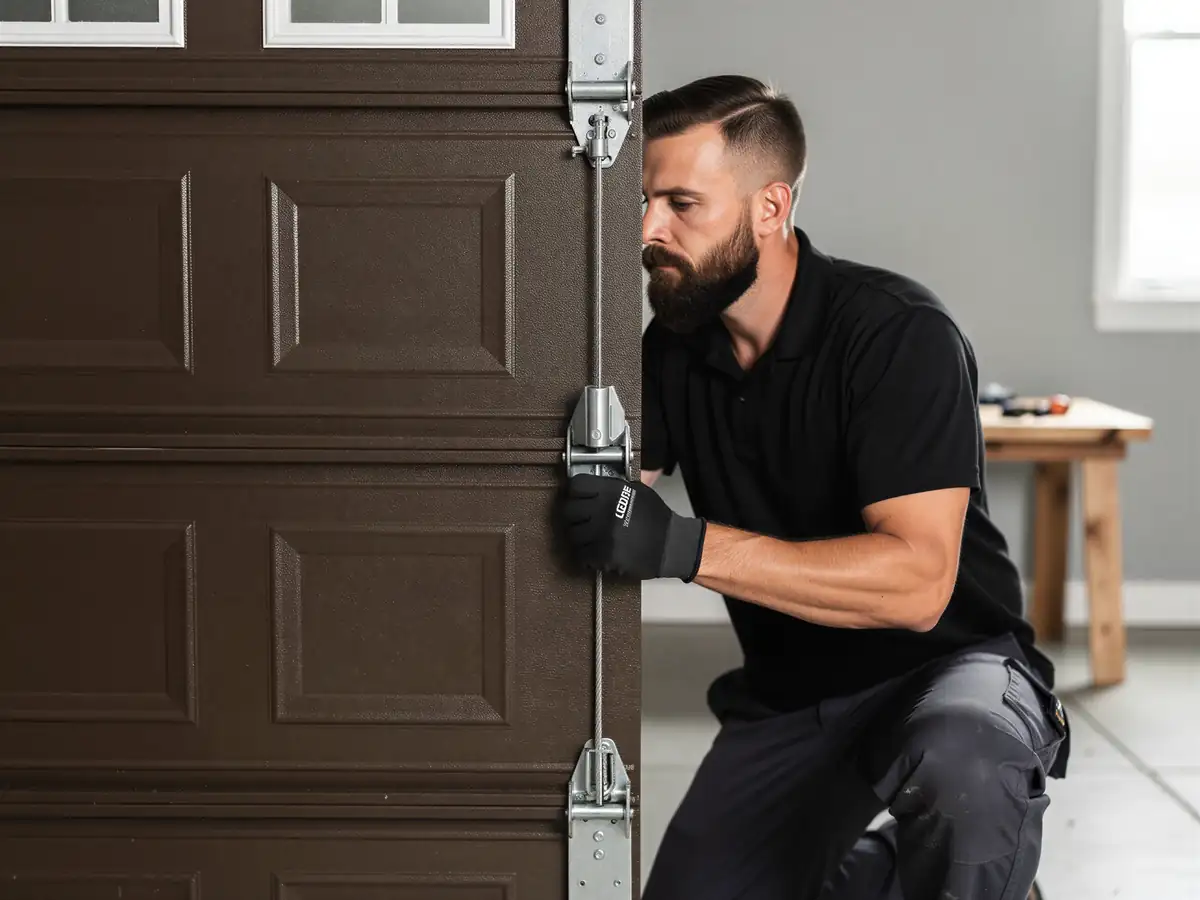
A door built or installed around 1982 has had roughly four decades of cycles on its hardware, and in a climate with severe summer heat, that hardware ages faster than the manual says it should. Heat cycles your garage door spring daily - expansion in the afternoon, contraction overnight - and over enough years that fatigues the metal until it breaks, often without warning. On a 1980s double door, that usually shows up as a torsion spring snapping clean, or a cable fraying where it wraps the drum. Tracks from that era were also set with looser tolerances than current standard, so you'll often see horizontal track pulling away from the wall studs before anything else fails. If your door is sticking only in the afternoon heat and running fine in the morning, that's your opener or track telling you it's near the edge, not a motor problem.
What You Pay
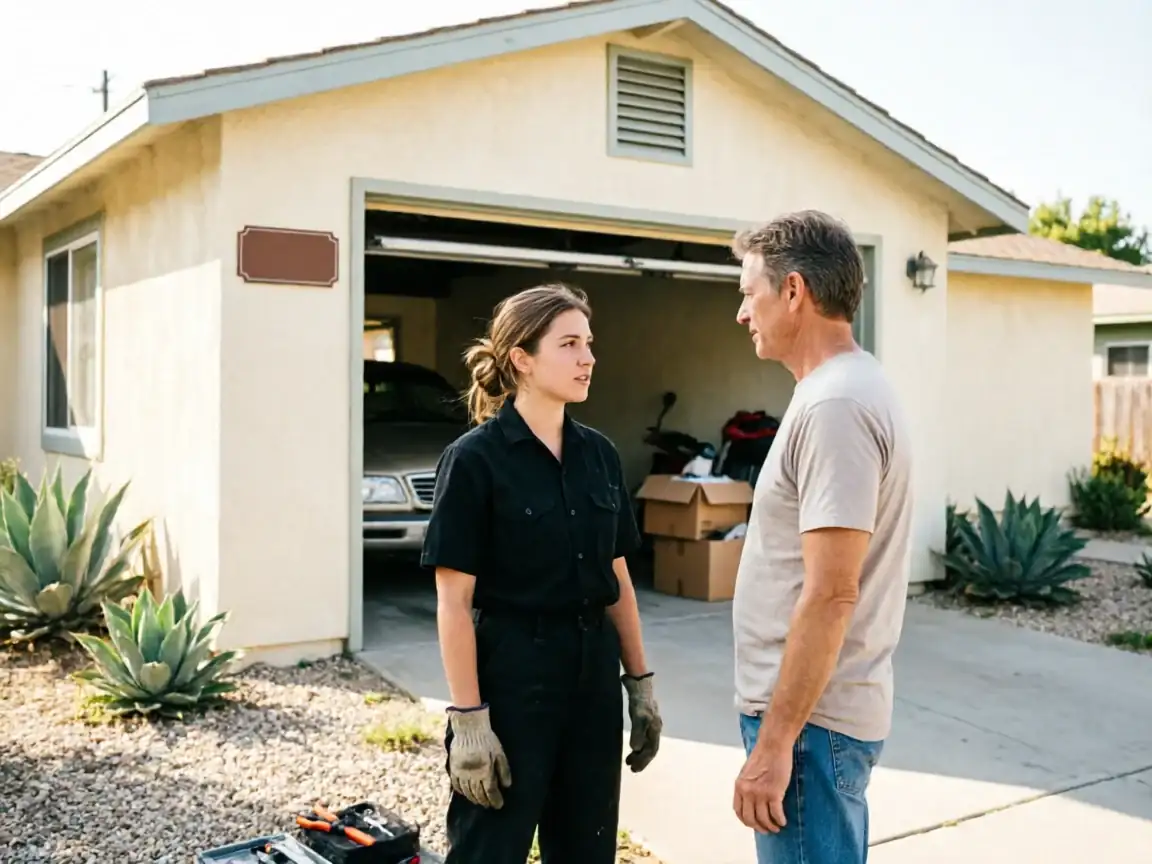
We don't have a published flat rate to quote here, since a tune-up on a well-kept door runs different than one where the track has pulled from the wall or the opener gear is stripped. What we can tell you is that Sanger households have a median income of $74,428, which puts most maintenance work here in the range of a planned expense rather than an emergency one - most owners catch the wear before it becomes a breakdown. The honest trade-off: a basic tune-up and lube job costs far less than replacing a snapped spring plus the service call that comes with it, so the timing of when you call us matters more to your wallet than anything else on this page.
What the Repair Takes
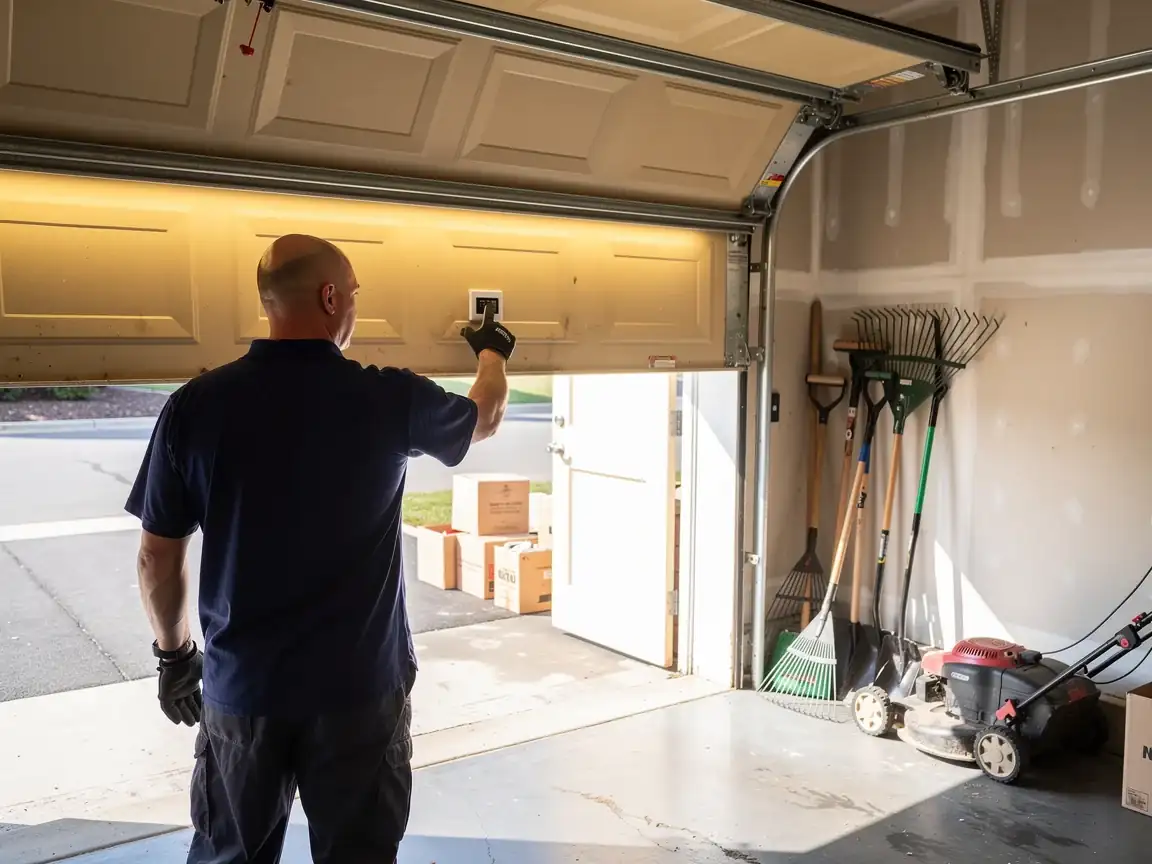
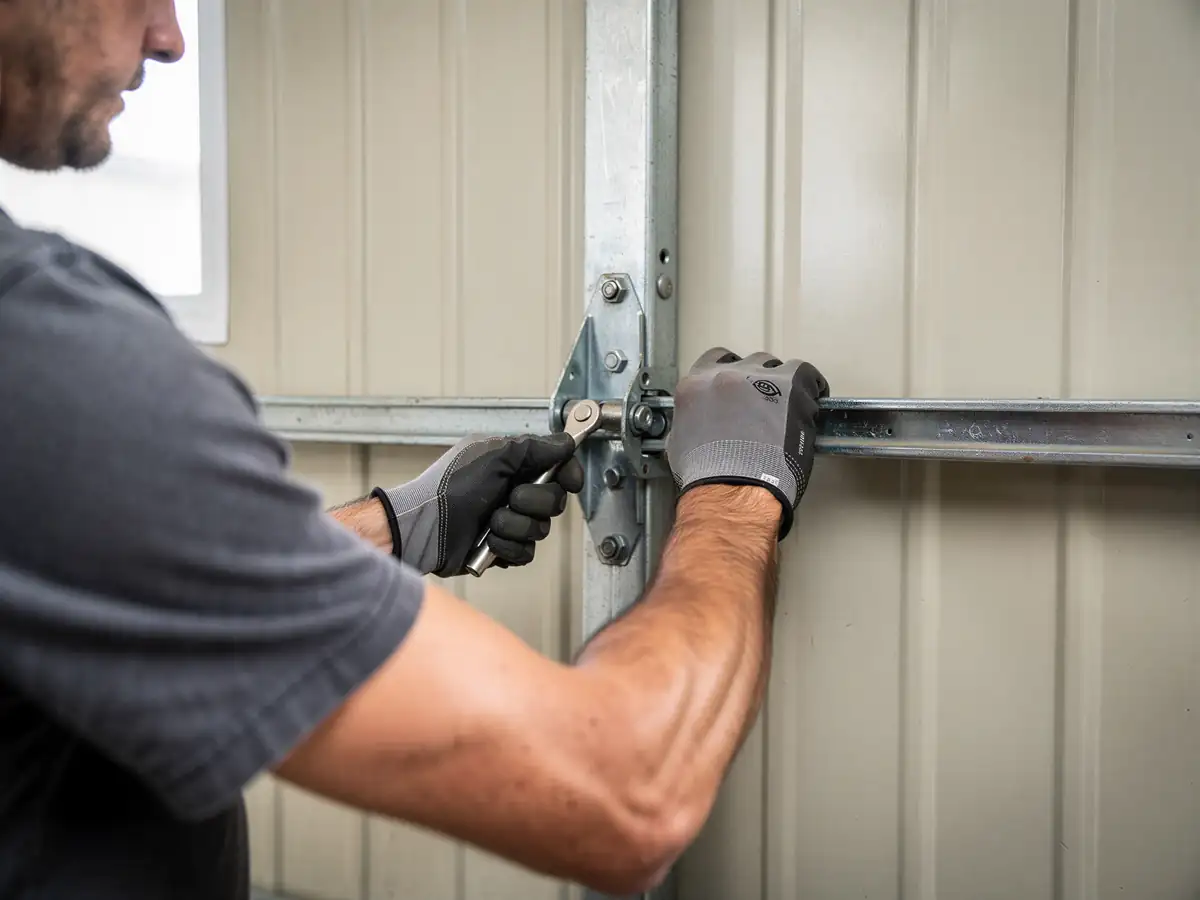
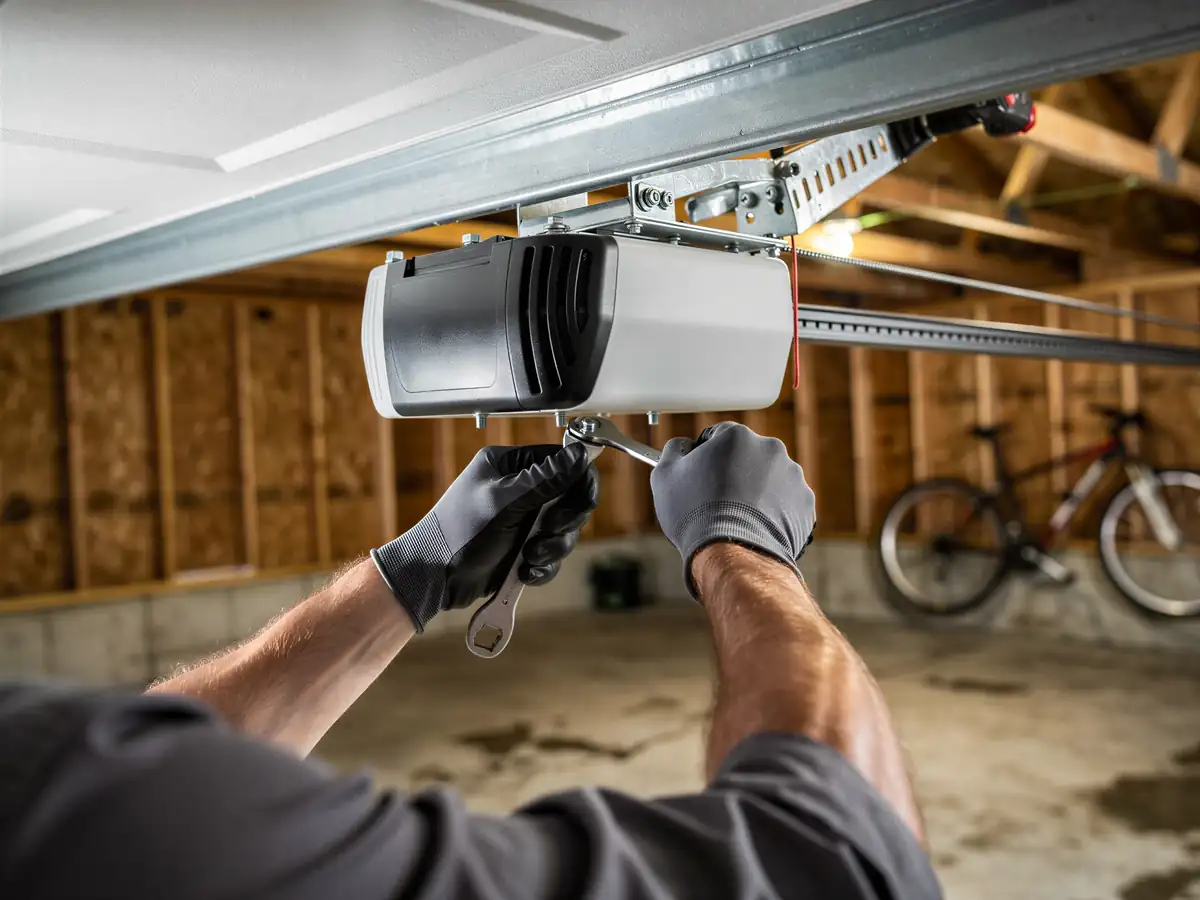
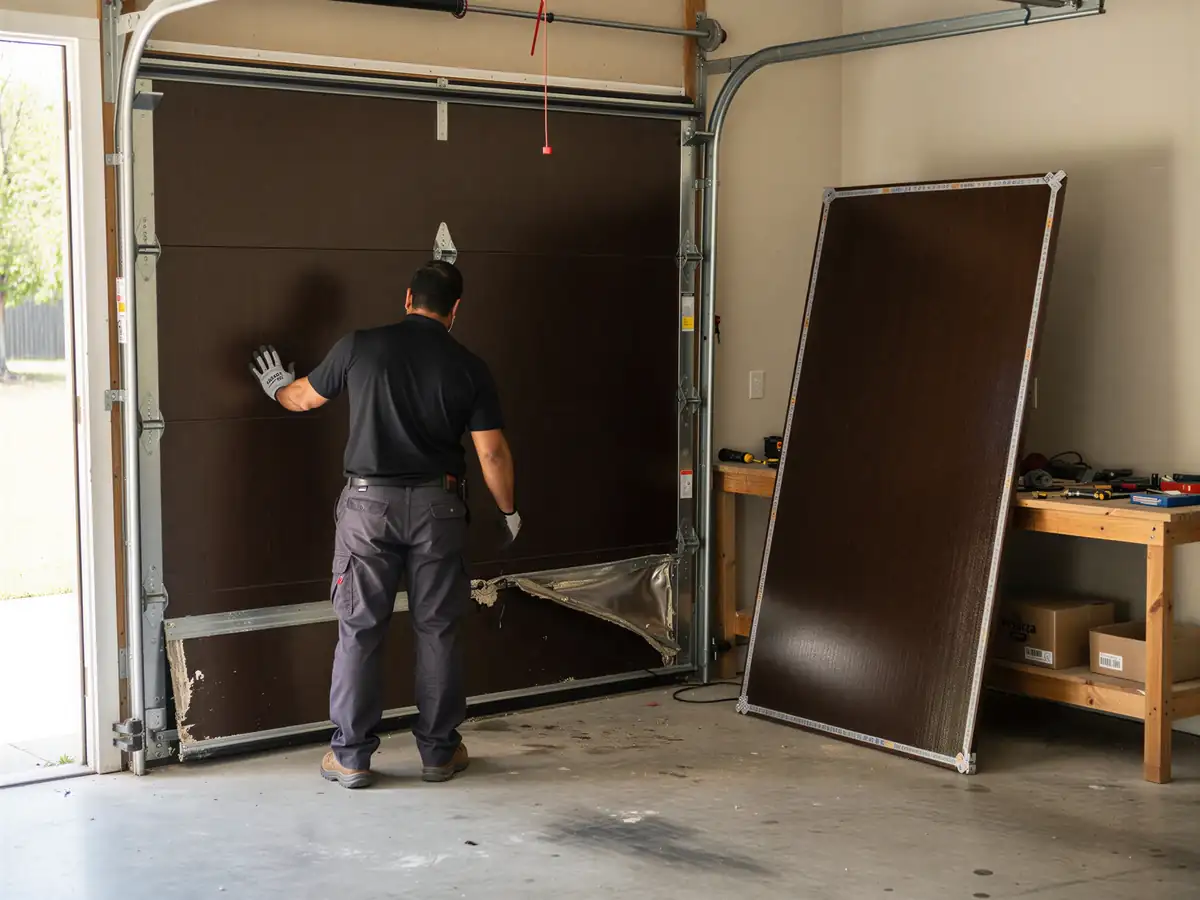
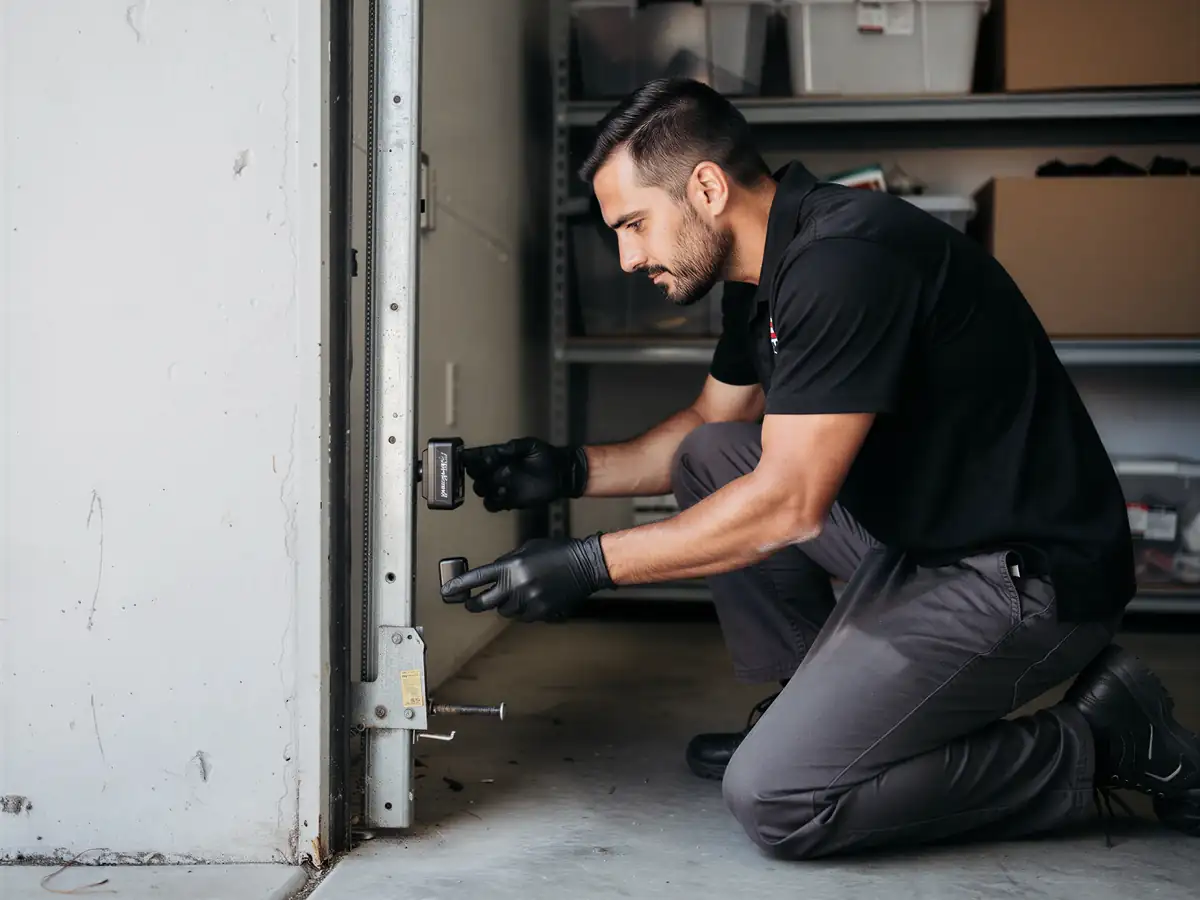
On a door from the 1982 build era, a standard maintenance visit covers lubrication, hardware inspection, spring tension check, track alignment, and opener force settings. If the track has pulled from the studs - common on houses this age - that gets re-anchored during the same visit. Where we run into delays is when the door uses an opener model that's been discontinued; parts for openers from the 1980s and early 90s sometimes have to be special-ordered, and that can push a same-day job to a few days out. We'll tell you up front if that's the case rather than let you wait and wonder.