Time on the Job
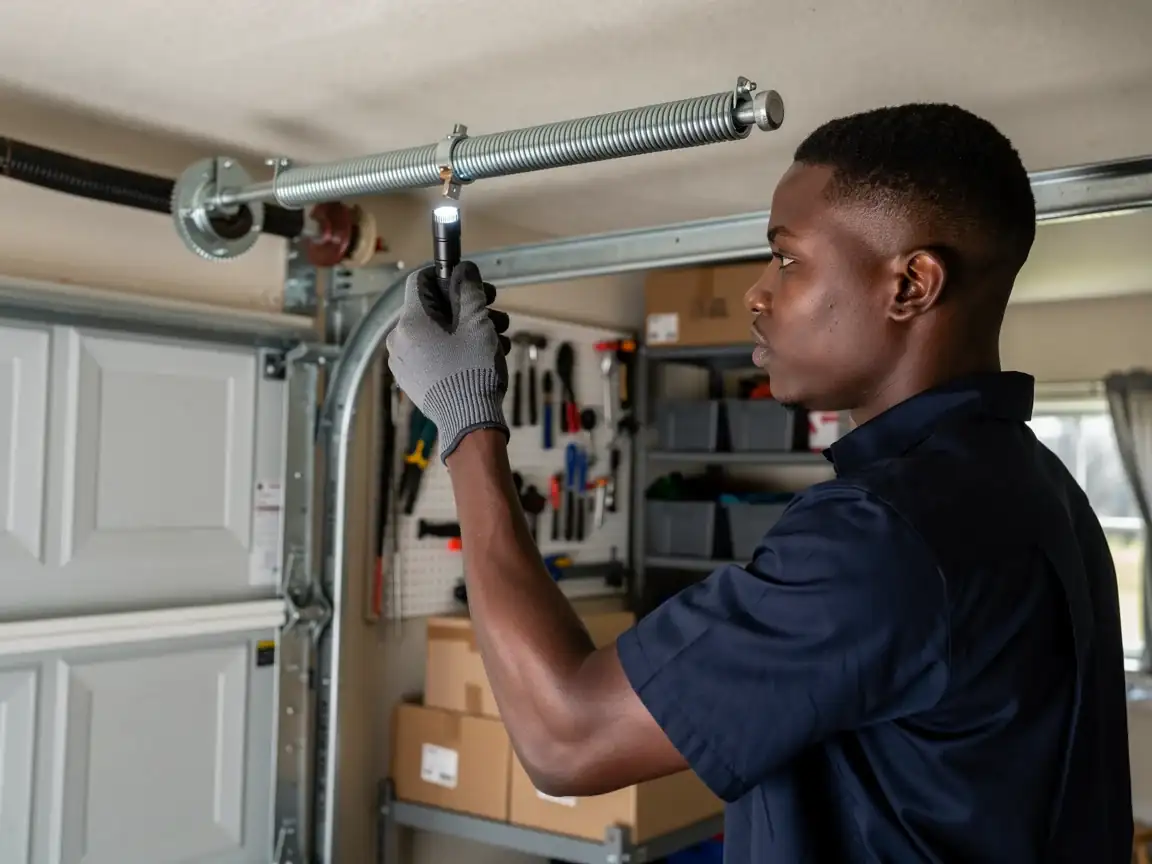
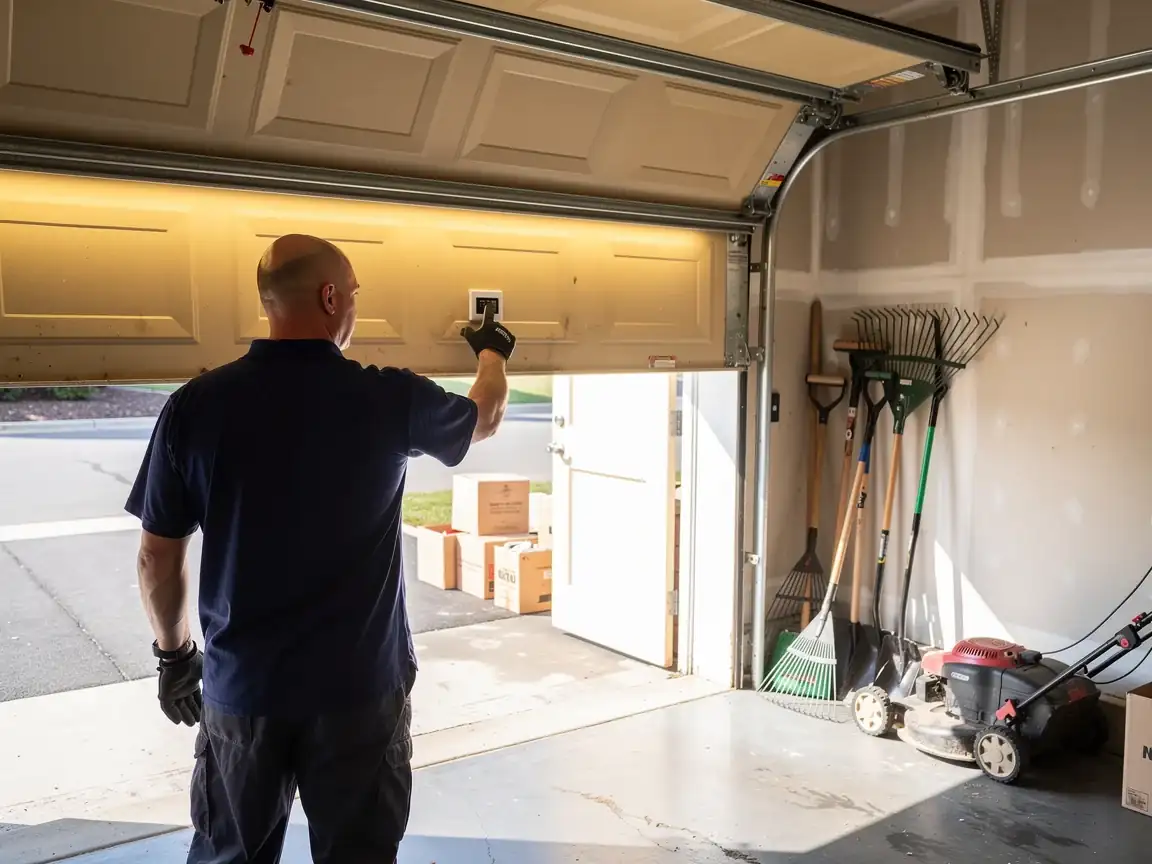
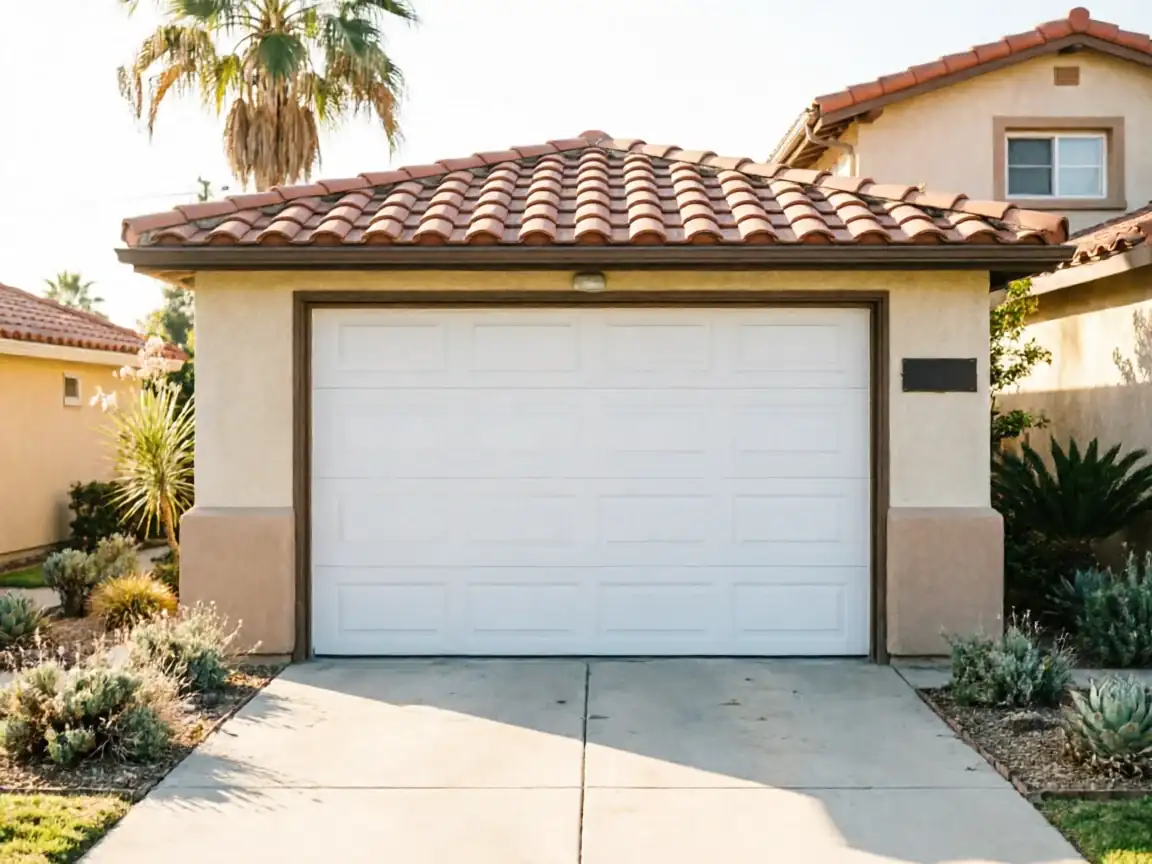
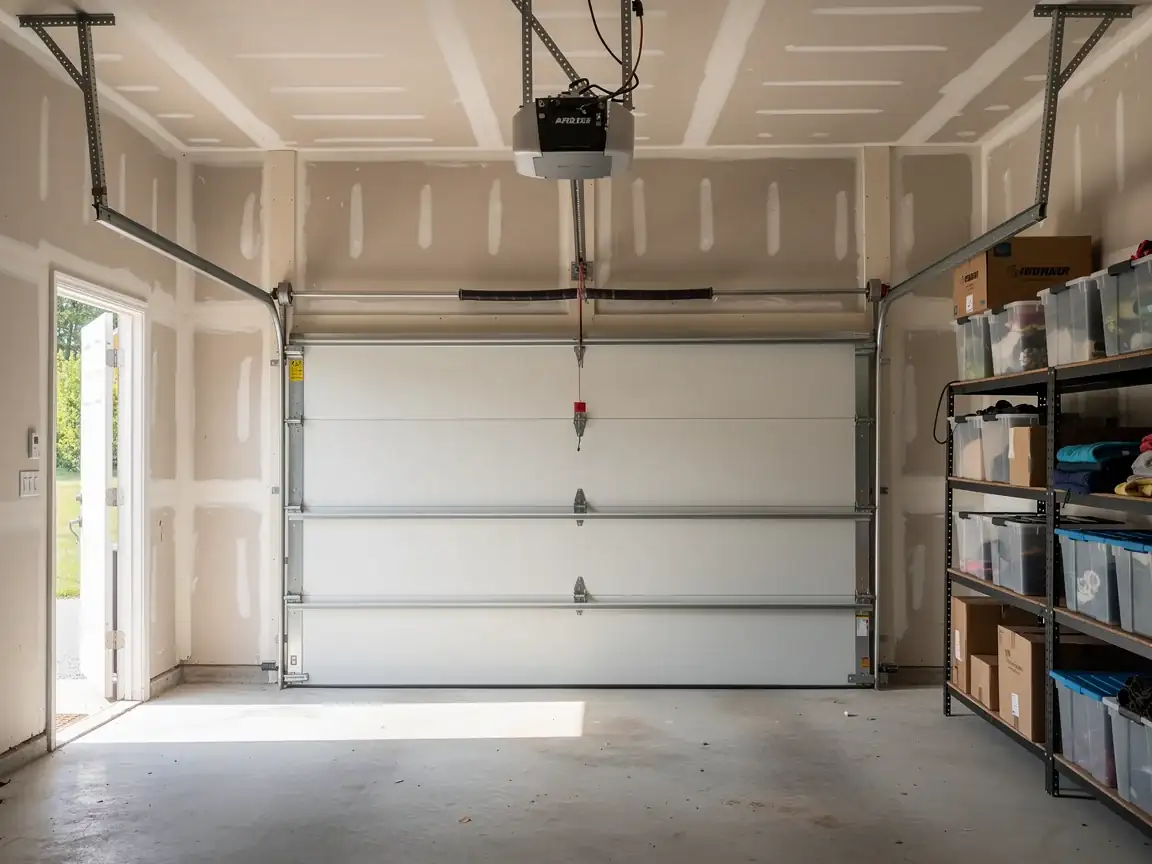
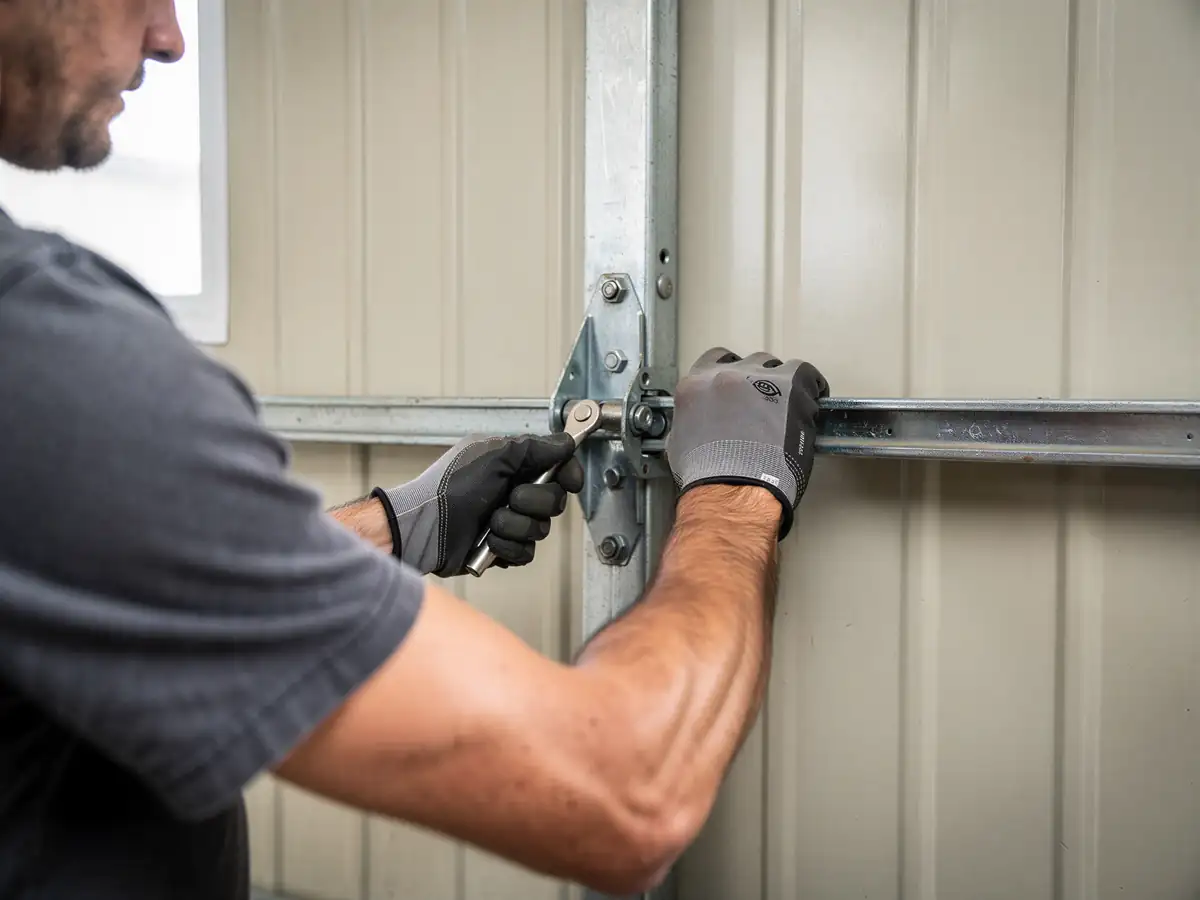
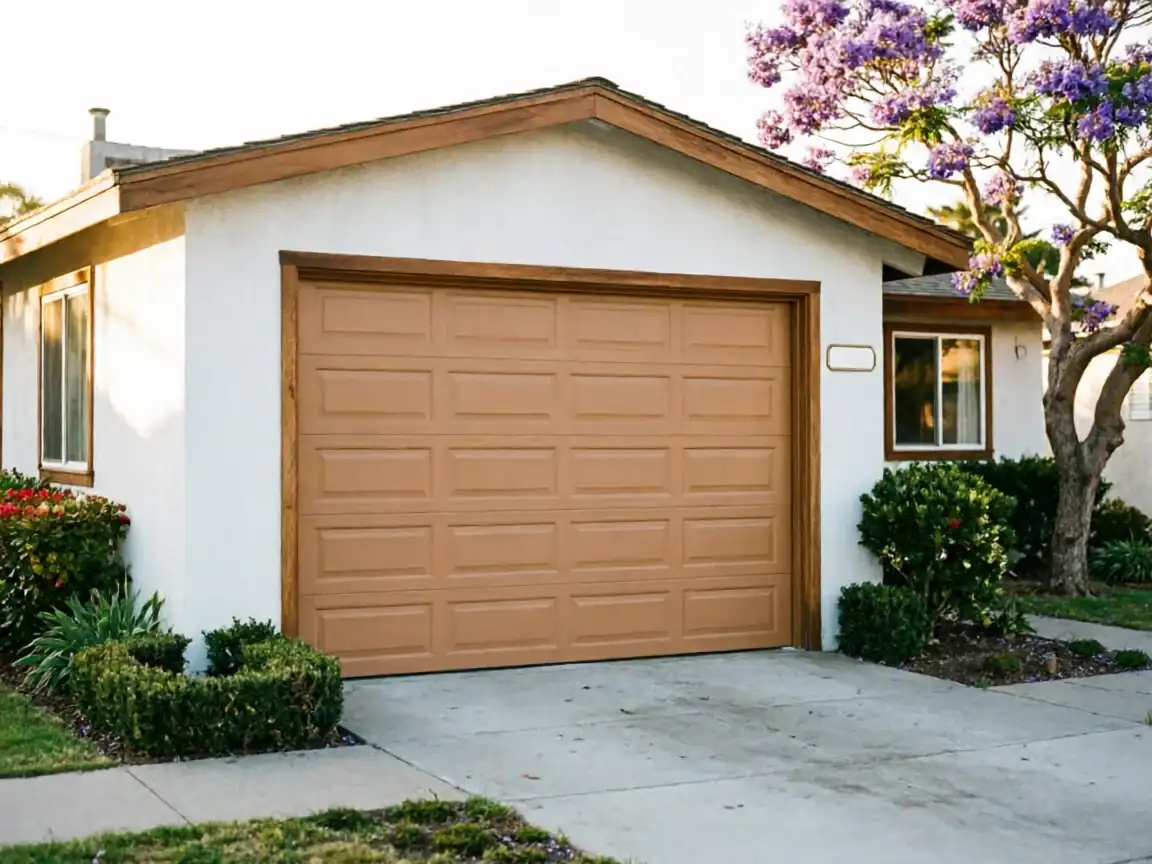
Selma's houses mostly went up around 1979, which puts most of the original garage doors here on extension springs with cables that run back to a pulley bolted to the wall, not the torsion drums that became standard a few years later. That distinction matters before a wrench comes out, because the two systems fail differently and get fixed differently. We run this job out of Clovis, eighteen miles off, so a Selma call isn't a quick trip across town - it's built into how the day gets routed, not a same-hour promise. Once the truck is on site, a straight two-cable swap on a single door is usually a shorter job than diagnosing why a cable kept jumping the drum in the first place. The honest limitation: if the pulley bracket itself has pulled loose from the header, or the track is bent from years of a dragging cable, that's more than a cable swap and we'll say so before any part gets ordered. Nobody wants a callback six weeks later because the real problem got papered over the first time.
Stocked Parts
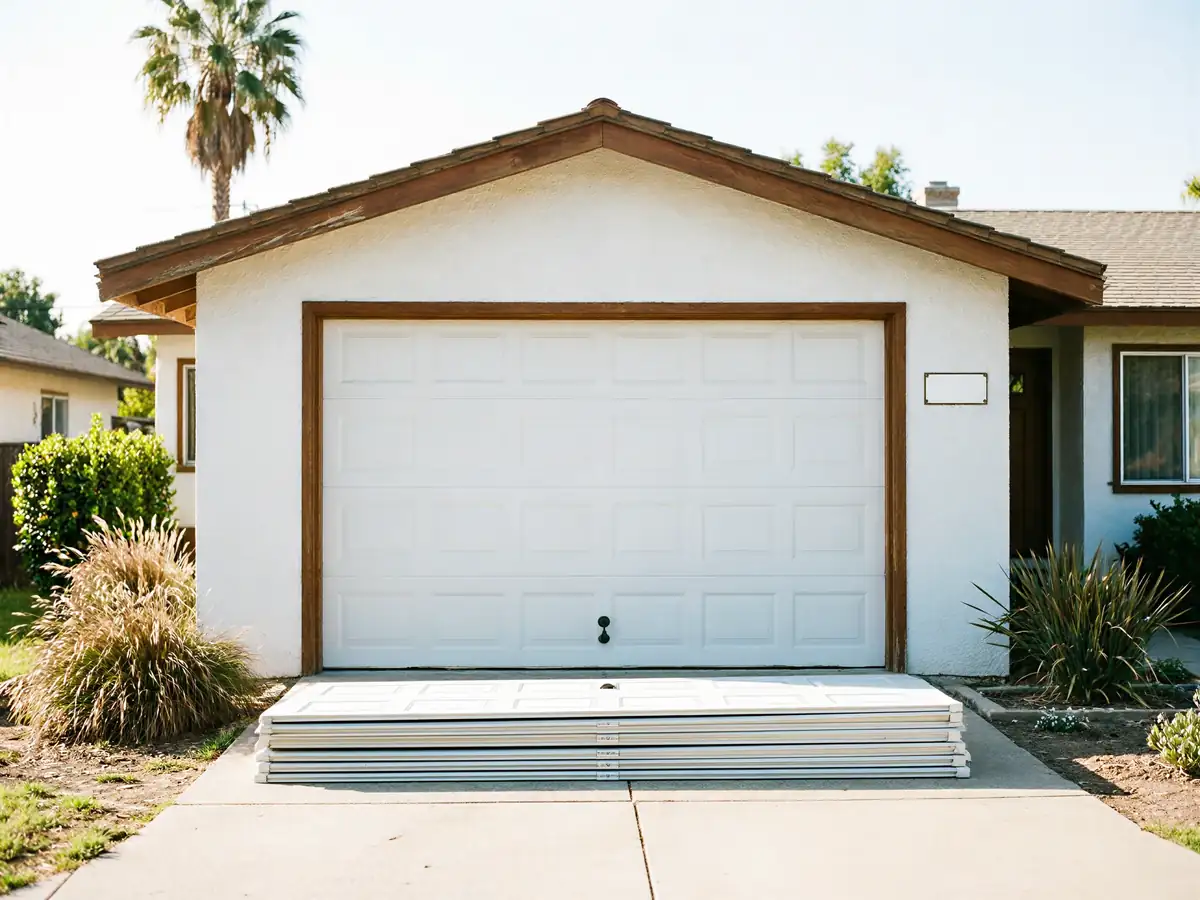
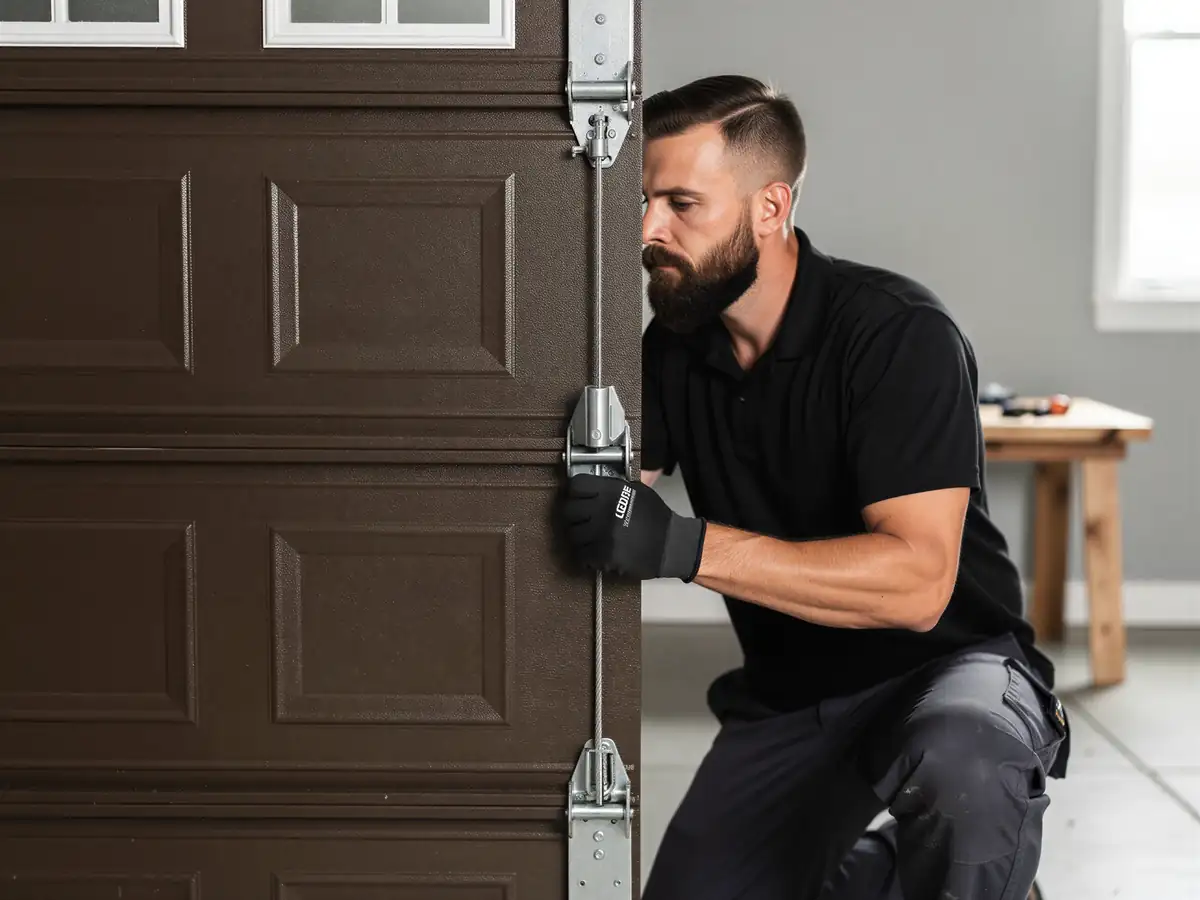
The cable sizes that fit a late-1970s extension-spring door are common enough that we carry them on the truck most days - it's the pulleys, the safety cables, and the odd drum that sometimes need a second trip. Selma's housing clustered into that build window hard enough that we see the same two or three cable gauges over and over, which keeps most jobs to a single visit. Where it gets slower is a door that's had a mismatched replacement panel at some point - heavier glass-lite inserts or a steel panel swapped onto an original aluminum door changes the spring math and sometimes the cable size needed to hold it safely. We won't guess on that; if the door's been modified, we measure before we quote. That's the limitation worth saying out loud: a stocked part fits the door it was built for, not the door someone else already changed.
What Causes It Around Here
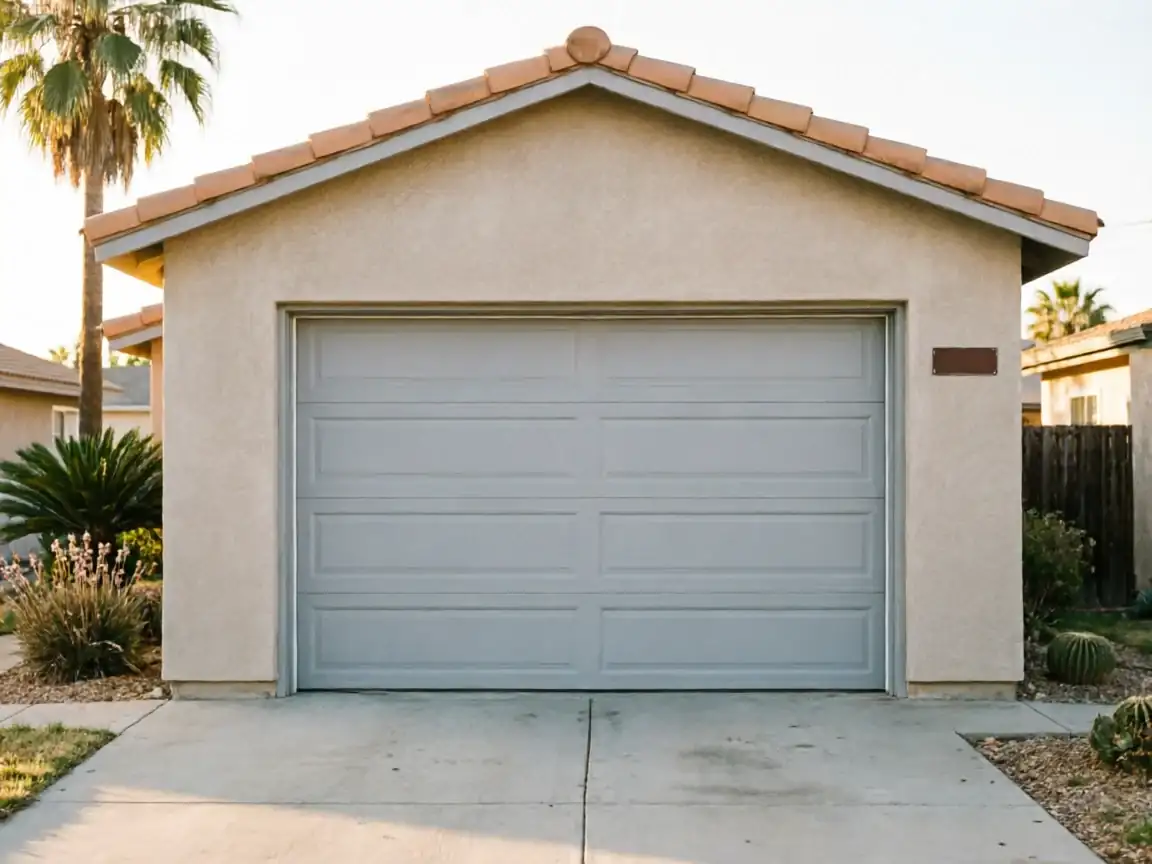
This area sits in a severe-heat climate band, and heat is hard on galvanized steel cable over a long Central Valley summer - the coating breaks down faster than it would somewhere milder, and a frayed strand shows up here years before you'd expect it in a cooler region. Combine that with houses built around 1979, now well past forty years old, and most of these cables are on their second or third set, not their first. Selma's stock falls right at the early edge of the 1980s-90s run that defines most of the wider service area, so the hardware here is often a hair older than what we see a few miles north. Dust and heat cycling also dry out the pulley bearings, which is the other half of the cable-fray problem - a stiff pulley doesn't turn smooth, and a cable that doesn't run smooth doesn't last.
Doing It Yourself
Don't do this one yourself if the spring is still loaded. An extension spring holds real stored energy, and disconnecting a frayed cable without releasing that tension first is how people end up in an ER with a hand or a face in the way. If the door is already down and the spring has relaxed because the cable already let go on one side, it's safer to leave it exactly where it sits and call rather than try to walk it back up. What's reasonable to check yourself: whether the cable fray is at the pulley or further down near the bottom bracket, and whether the track itself looks straight. That's useful information to have ready when you call, and it costs nothing to look. Beyond that, cable and spring work on these older extension systems isn't a project for a Saturday afternoon.