Time on the Job
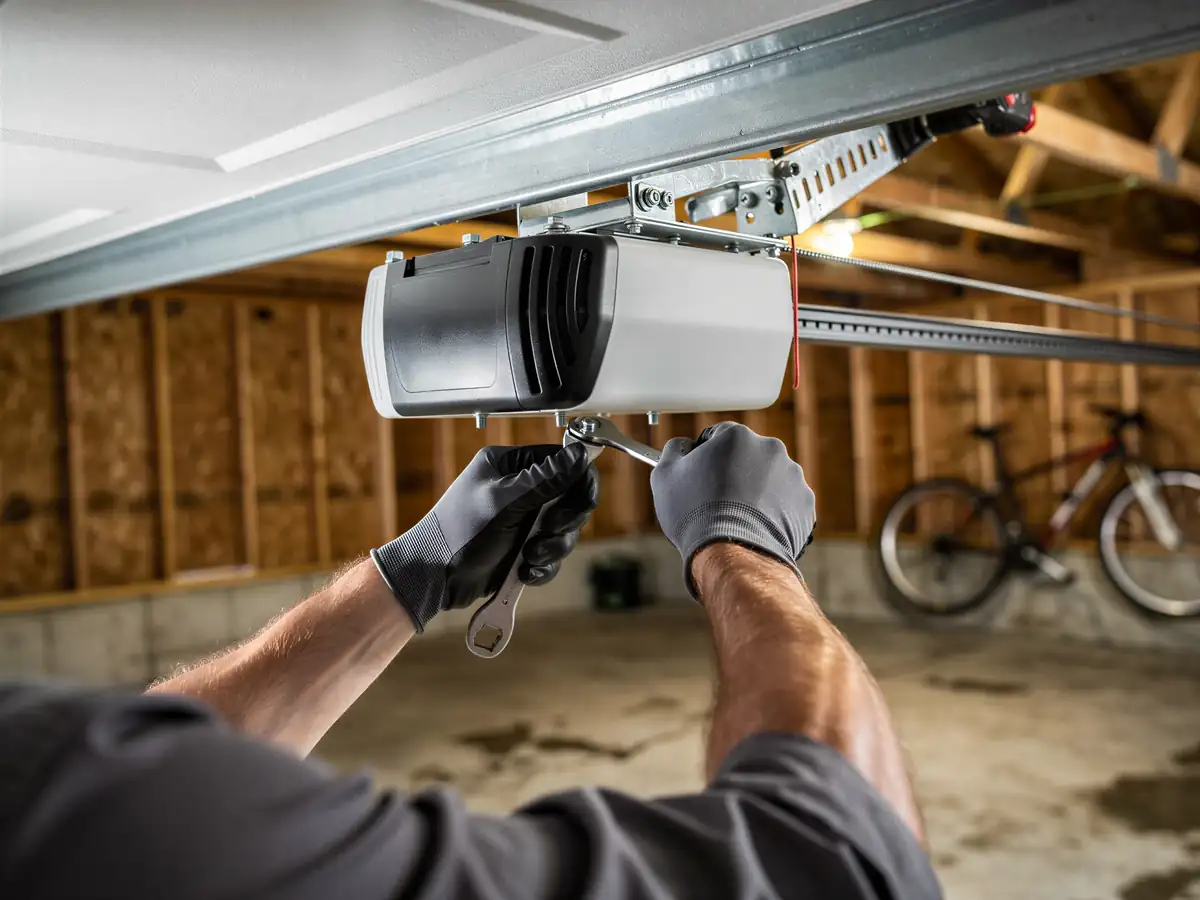
Selma's median home went up in 1979, a few years ahead of the 1982 median for the rest of the area we cover. That gap matters on an install more than people expect. A door and opener put in during the late 1970s has usually been through at least one replacement cycle already, but the opening itself - the jamb, the header, the track mounting points - is almost always still the original rough framing from the build year. We come out from Clovis, which is an 18-mile run to Selma, so we don't carry a local stock of odd-sized panels or legacy track hardware on the truck. If your opening is a non-standard width from that era, we measure it on the visit and order to fit rather than guess. We don't claim a same-day install here - the distance and the order lead time on anything outside a stock size both factor into timing, and we'd rather tell you that up front than promise a date we can't hit.
Stocked Parts
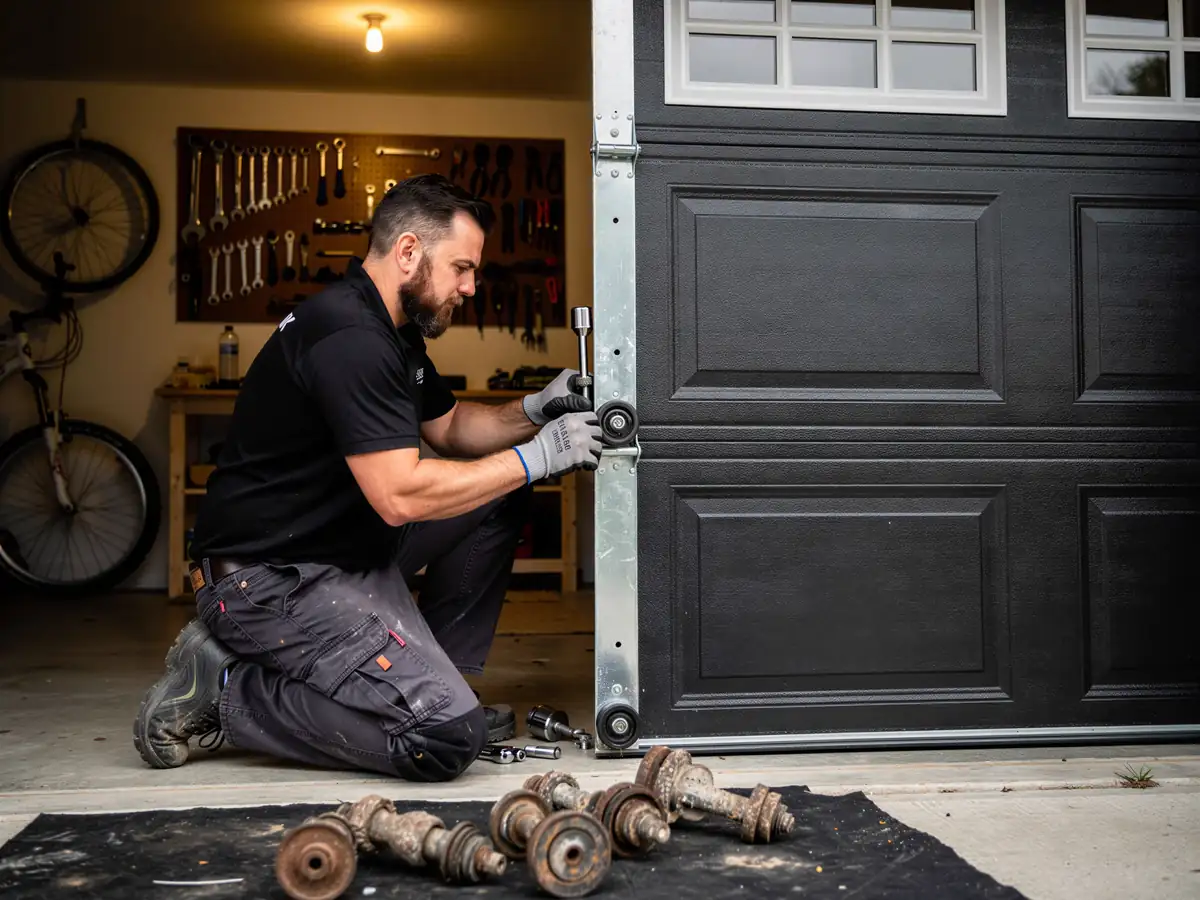
The valley's climate band runs severe on the heat side, and that's the number that drives what we put in the truck for any Selma job: galvanized hardware over painted steel, nylon rollers rated for high-cycle heat rather than the softer plastic ones, and weatherstrip compounds that don't go brittle after a few summers of pavement-level heat. On a new install we're not working around rust from moisture the way a coastal crew would - here the failure mode is UV and thermal cycling, so the parts list leans toward heat-stable seals and springs sized with that cycling in mind rather than standard catalog defaults.
What Causes It Around Here
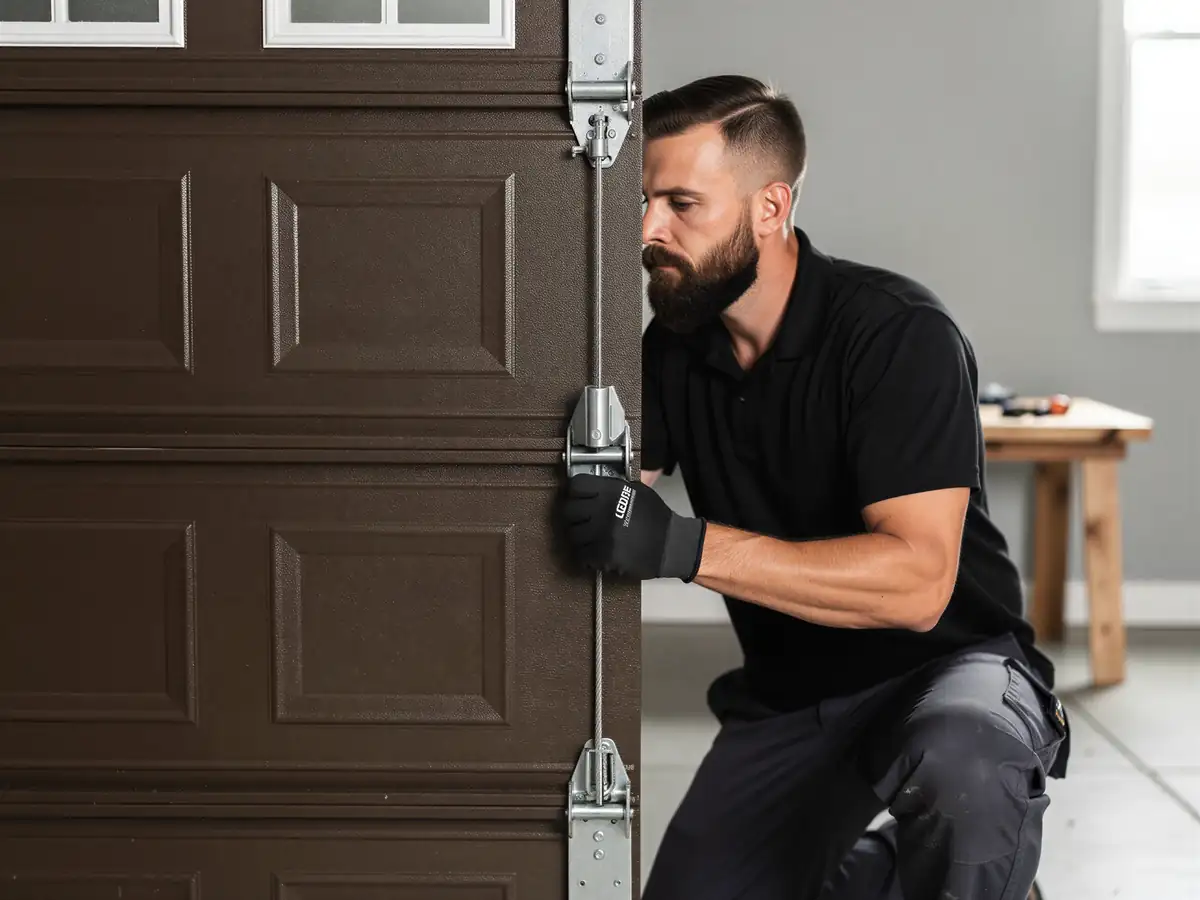
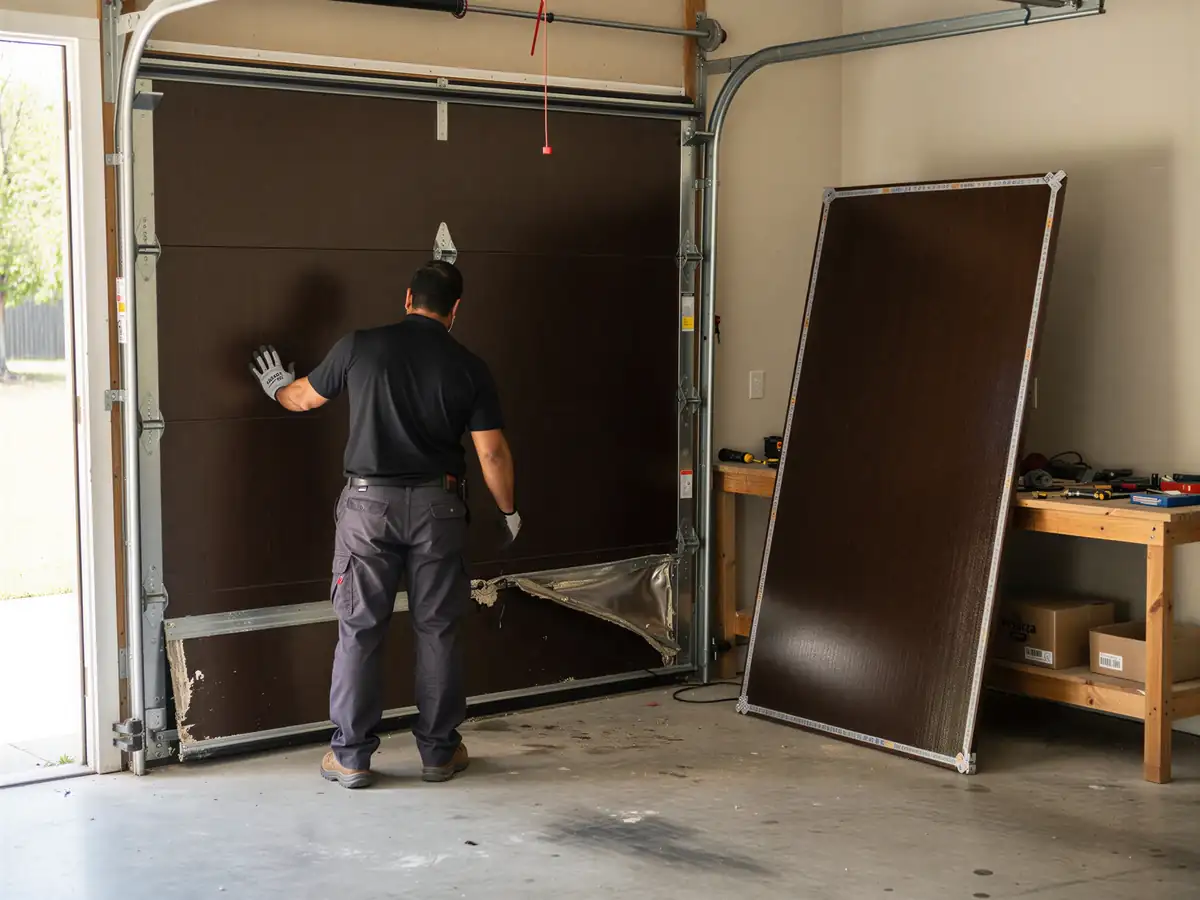
Severe heat doesn't crack a door open the way a storm would - it works slower. A steel panel installed in 1979 has absorbed decades of afternoons over 100 degrees, and even a well-built door from that period will show panel bow or warped seams by now if it hasn't already been swapped once. On a new install, that same heat load is why we don't push the cheapest non-insulated panel option for anyone replacing an original Selma-era door - the single-layer steel that was standard then doesn't hold up the same way under this area's heat band, and most owners end up replacing it again sooner than they'd like.
Doing It Yourself
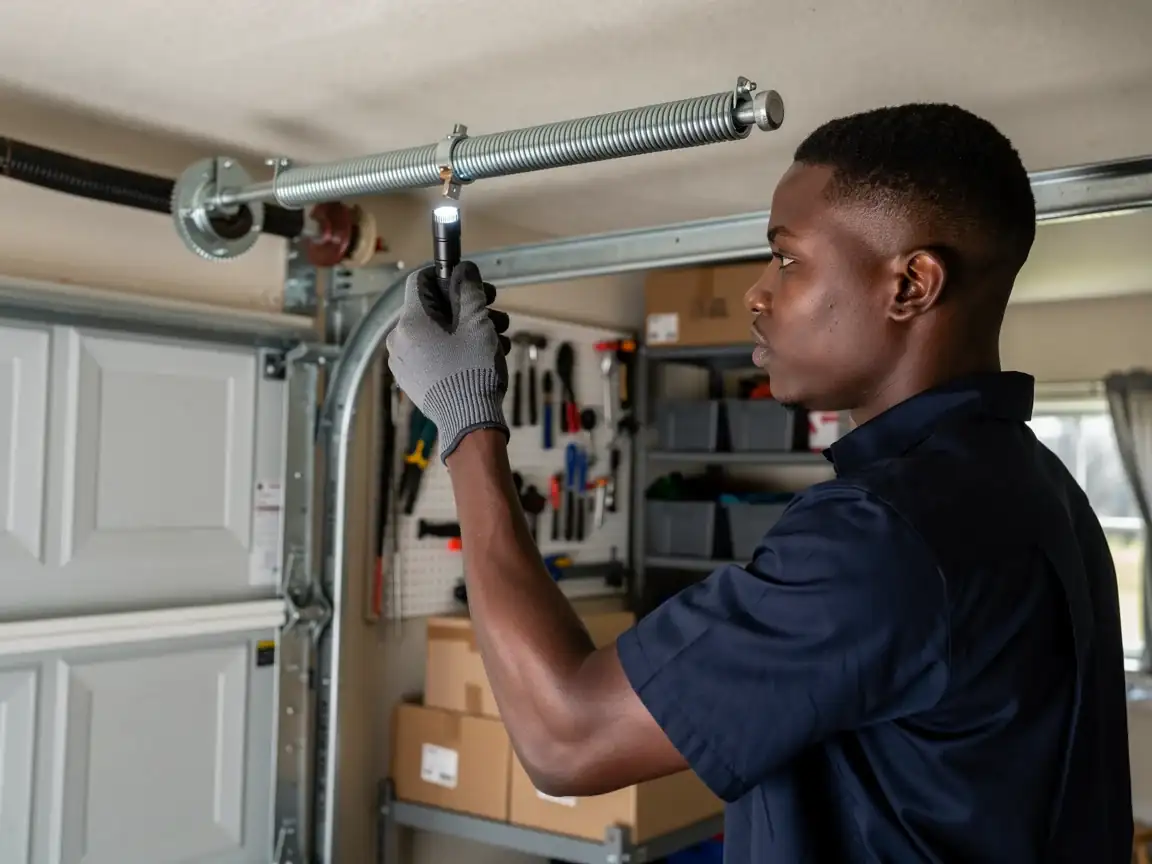
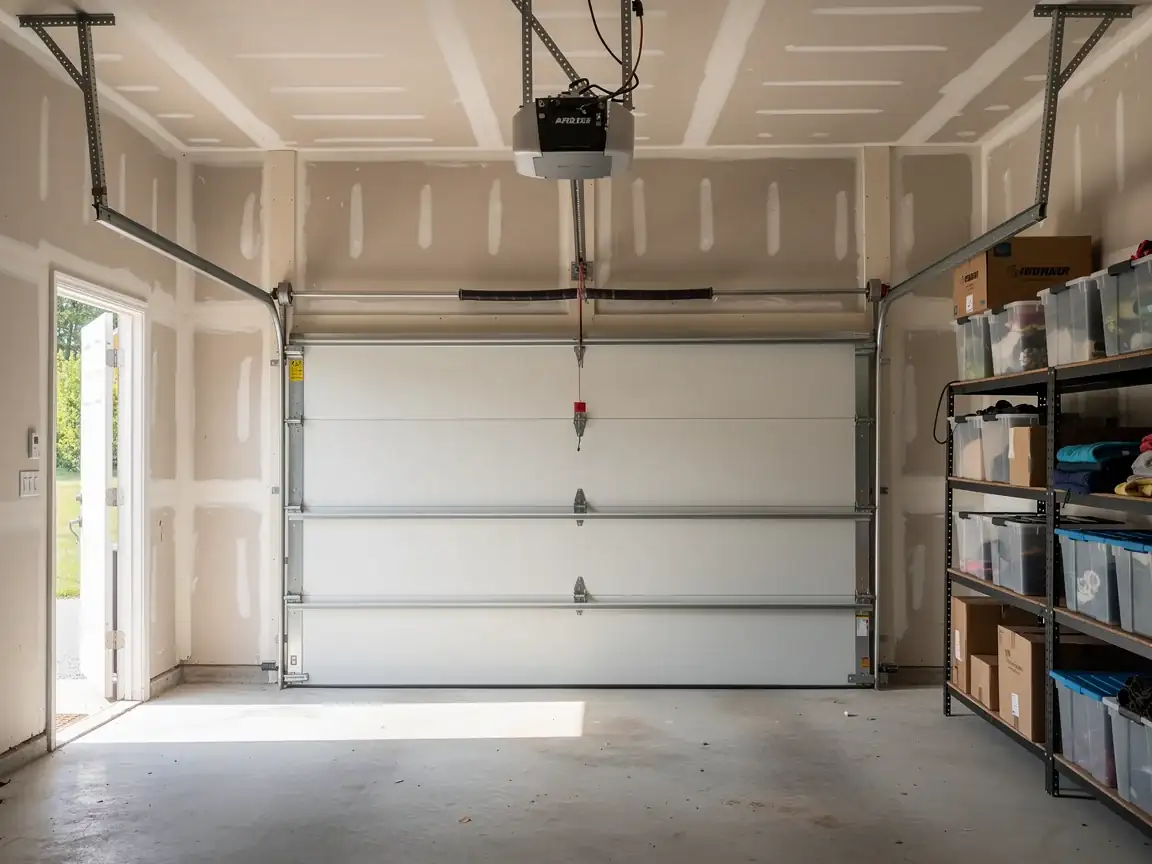
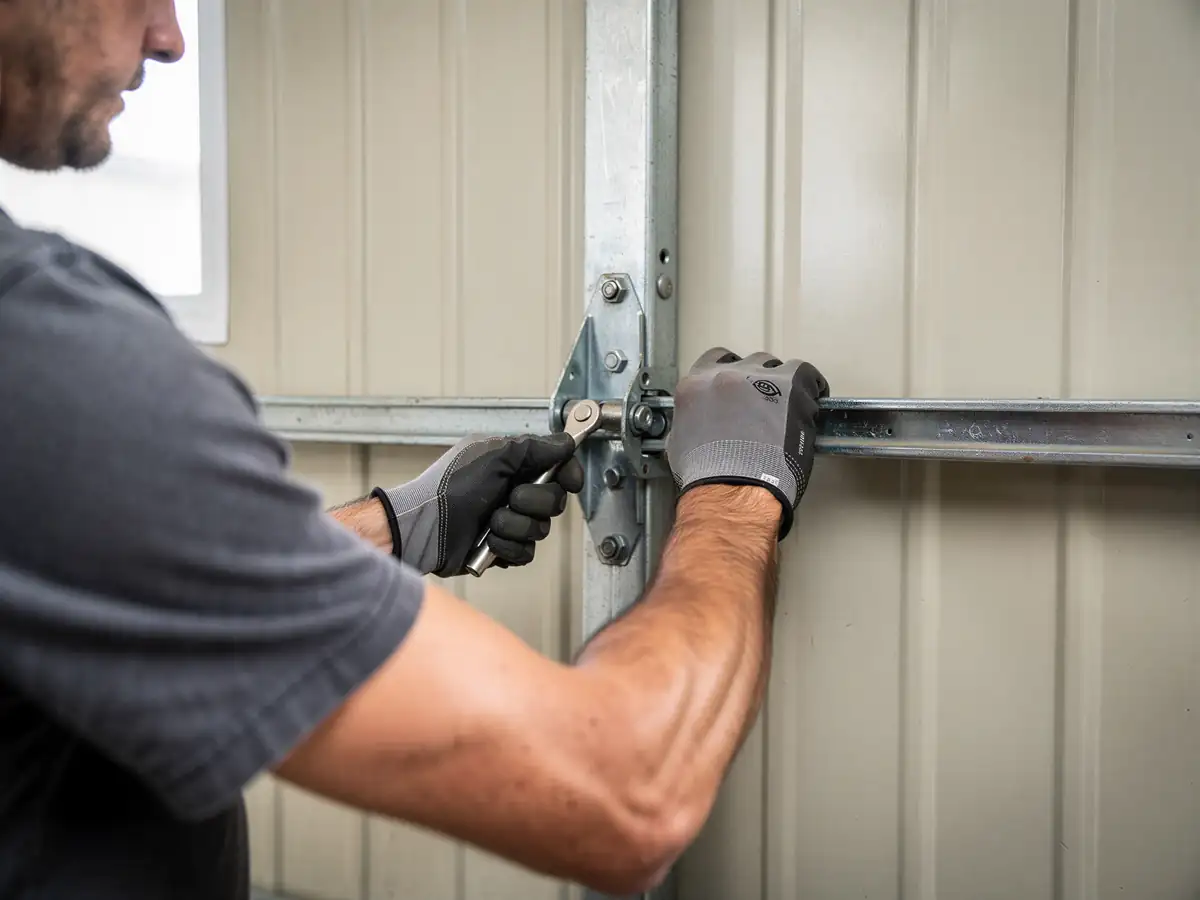
A new garage door install isn't a bolt-together weekend project, and the spring side of it is where people get hurt - a wound torsion spring holds enough force to do real damage if it lets go while you're working on it. If you're set on doing the panel and track work yourself, at minimum leave the spring system to someone who does it regularly. Where DIY genuinely makes sense is cosmetic: hardware, handles, weatherstrip swaps on a door that's otherwise sound. We'd rather tell a Selma homeowner that than sell a full install they don't need.