Time on the Job
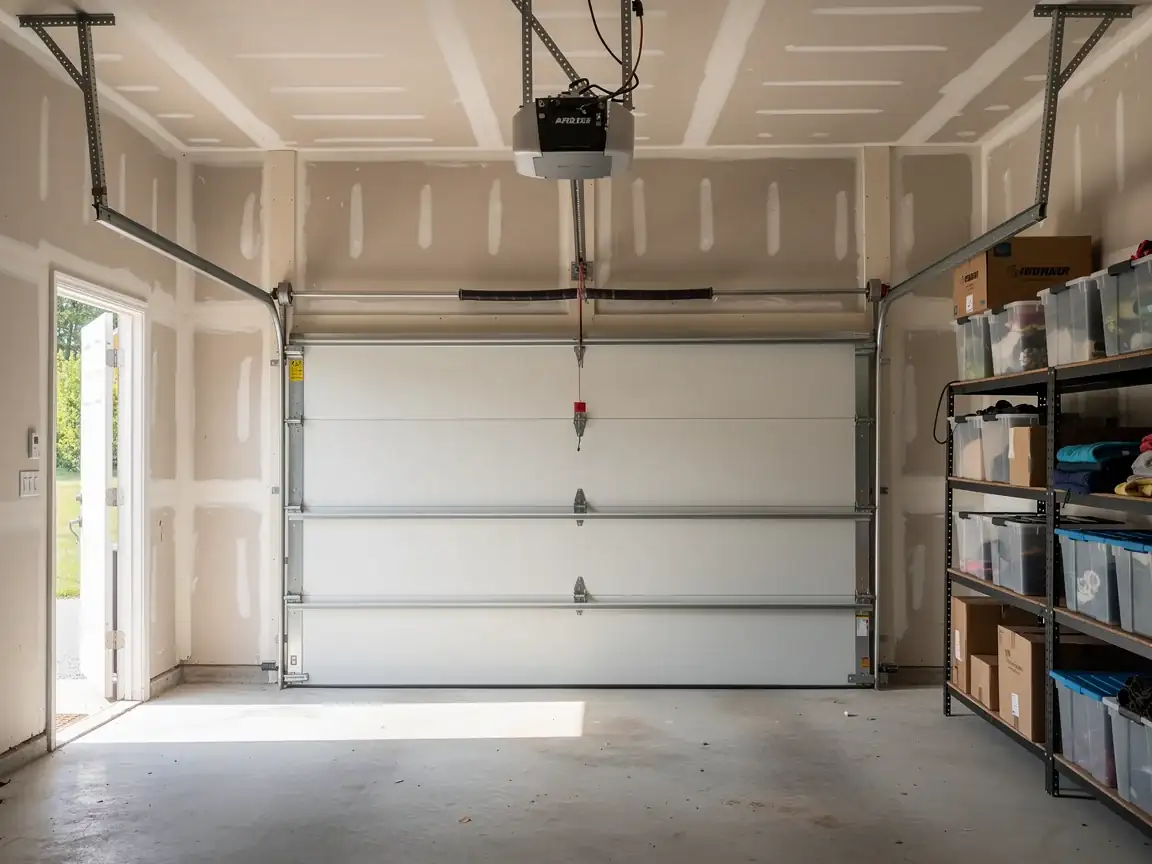
Selma sits 18 miles from our Clovis shop, and that distance matters less than what's behind the door when we get there. The median home here was built in 1979, a few years ahead of the 1982 median across the rest of our service area. That gap sounds small until you're staring at hardware. A door installed in the late 1970s is more likely to carry an older extension-spring setup or a single torsion spring sized for a lighter panel than what you'll find in a house built in the mid-80s. We don't guess at this on the phone - we ask the year the house was built, because it tells us what's probably hanging over your car before we ever load the truck. Selma's 7,642 households include a good share of owner-occupied places from that same era, which is why the same type of call tends to repeat out here: an original spring or opener nearing the end of a long run, not a part that failed early.
Stocked Parts
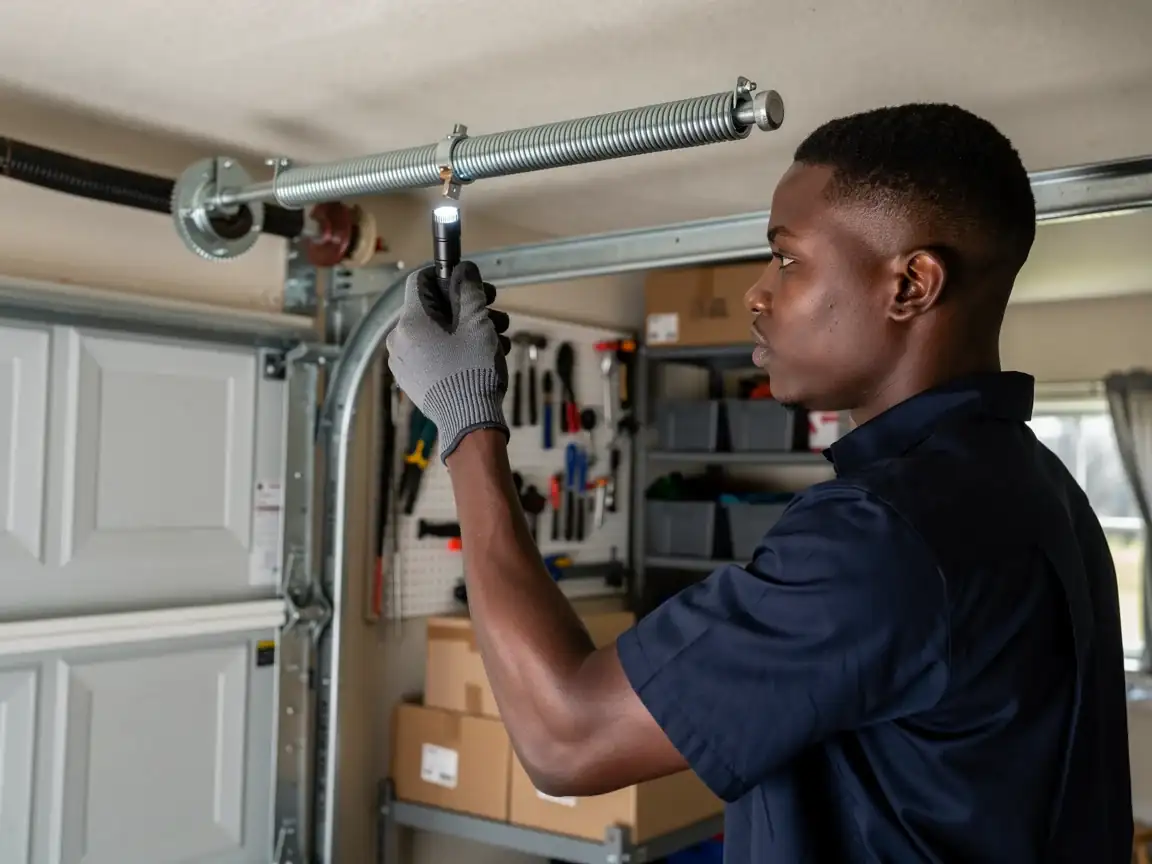
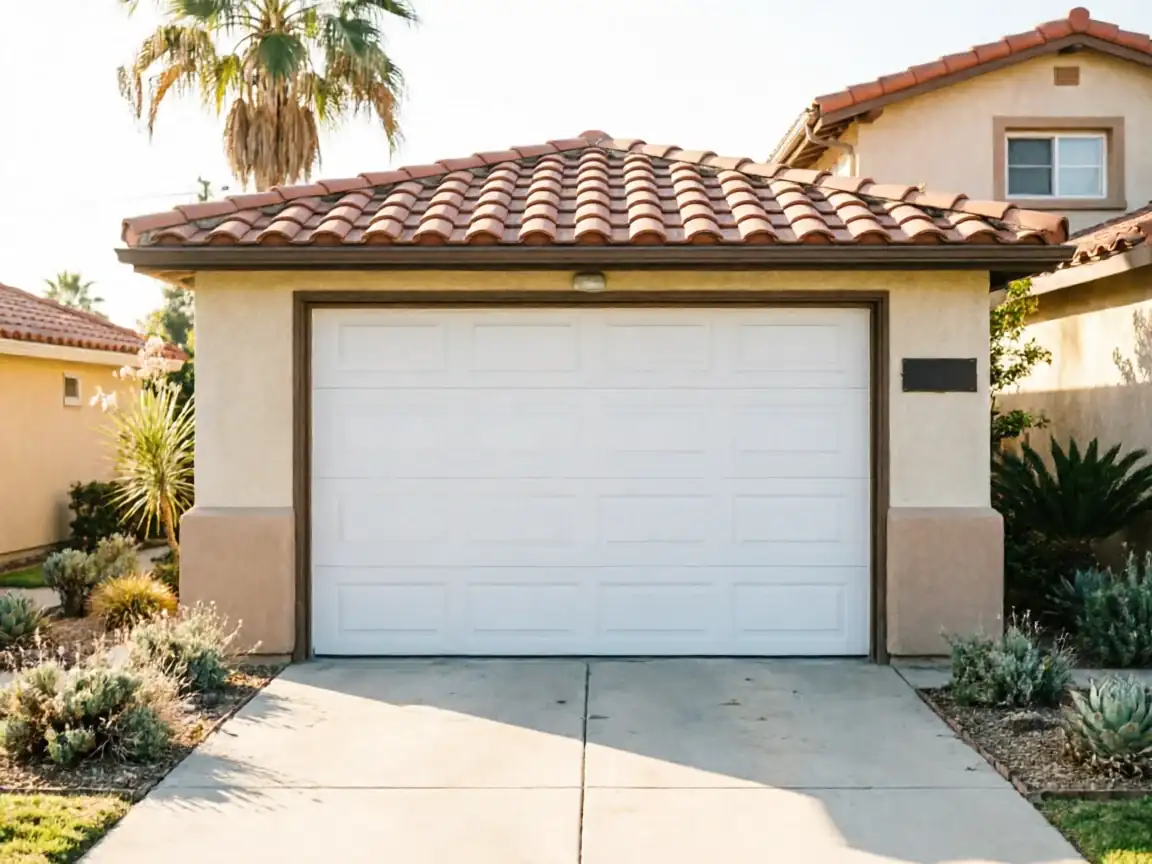
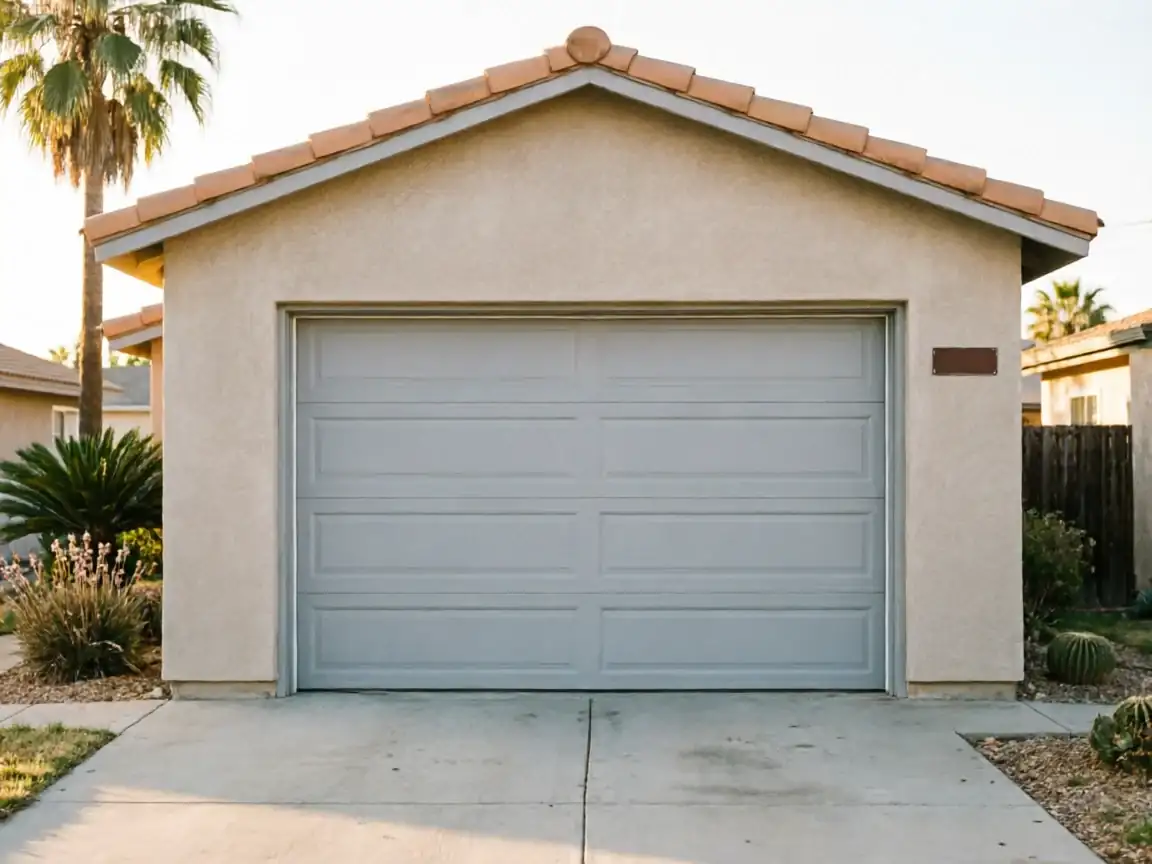
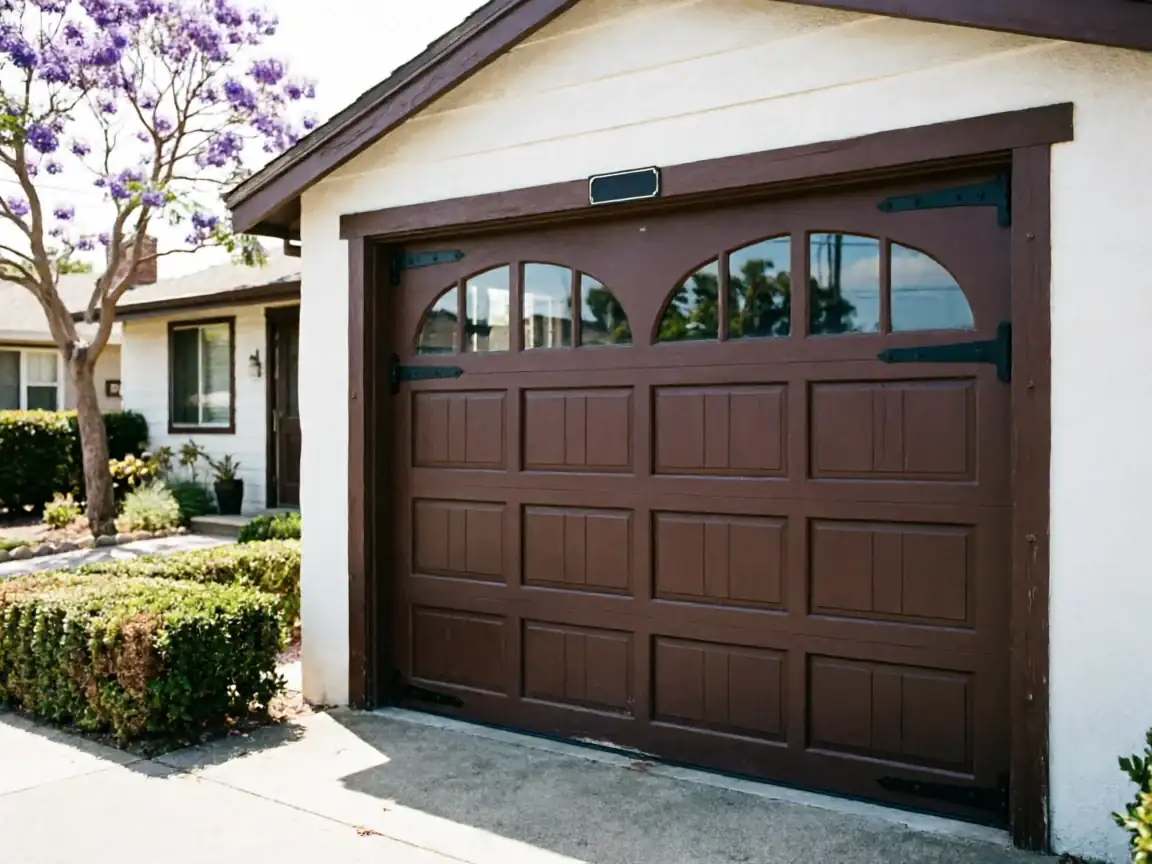
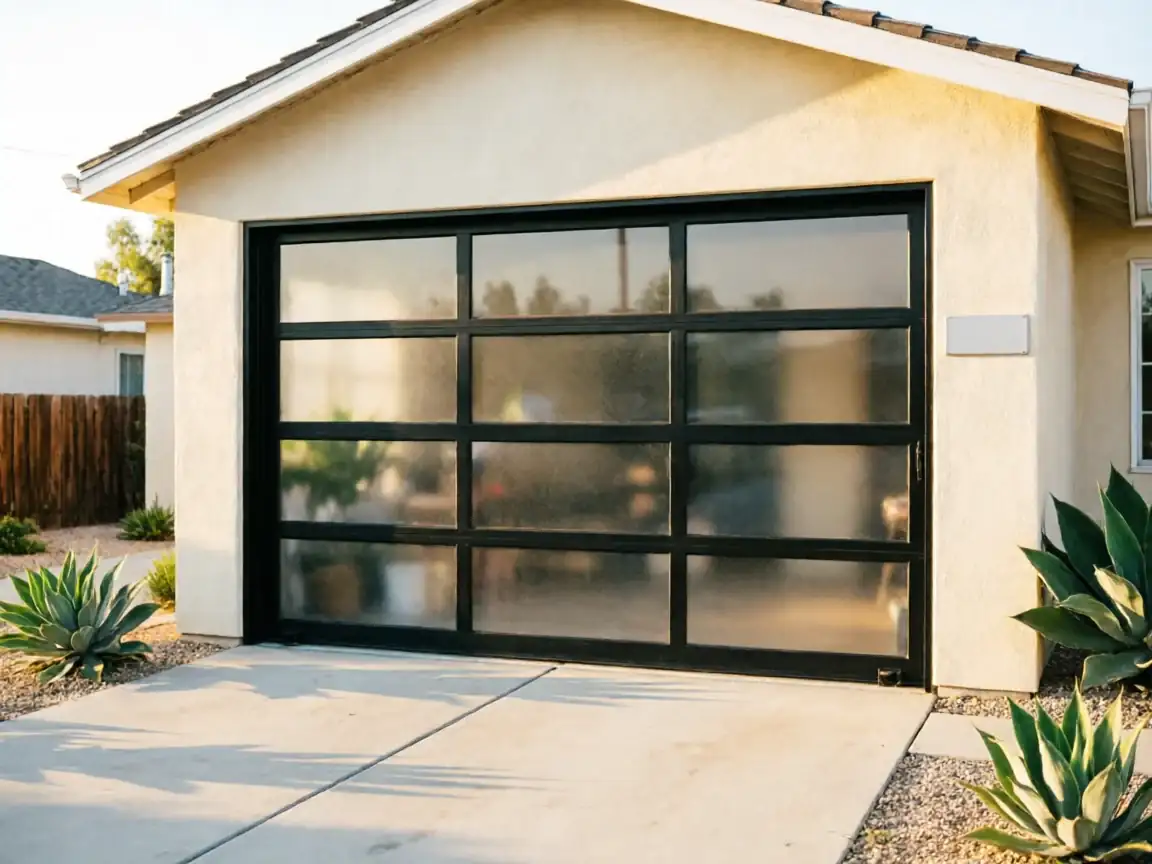
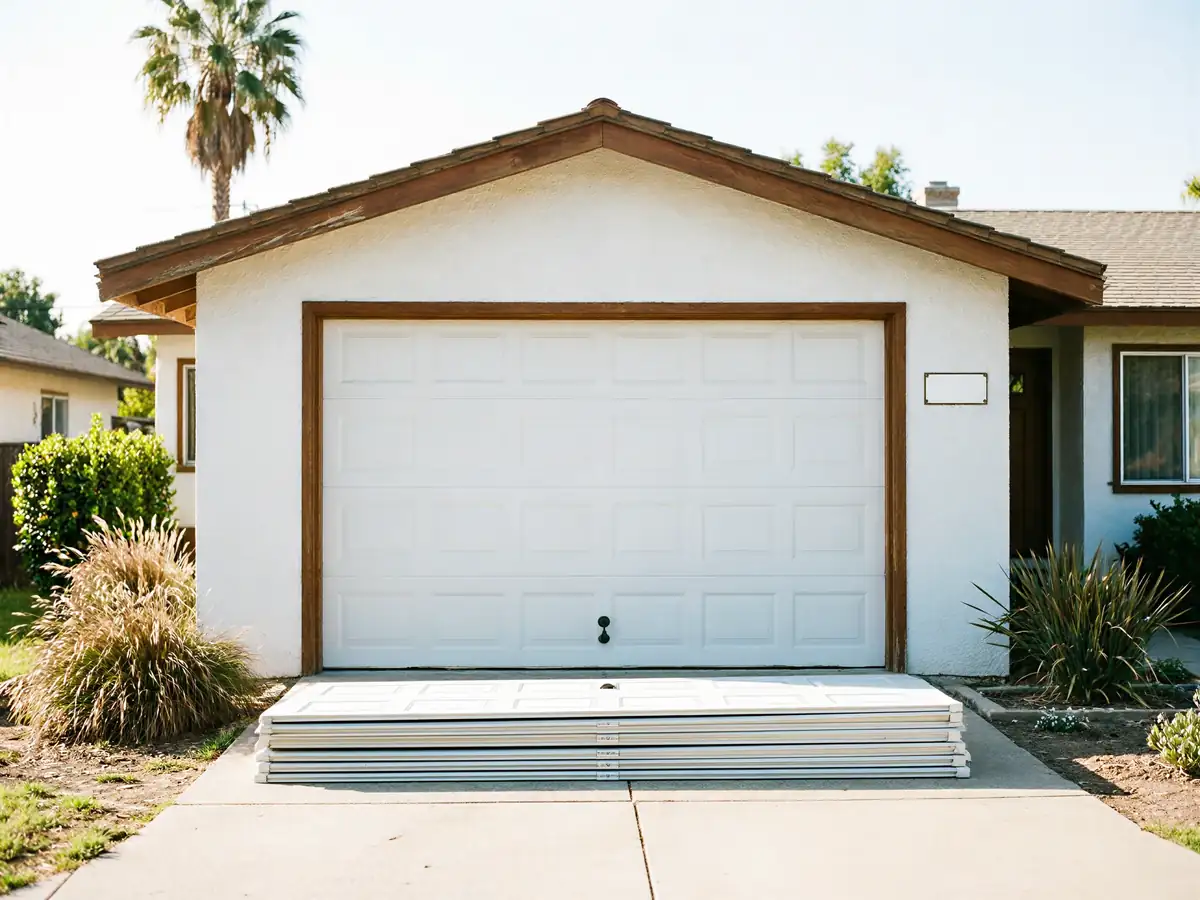
We carry torsion springs sized for the common openings on 1970s-80s builds, along with standard rollers, cables, and the hinges that wear out fastest on steel panels from that period. What we don't carry is anything specific to a custom or architectural door - those exist in every town, and if Selma's got one, we'll order the part and tell you honestly how long that takes before we start. For the ordinary single and double-car doors that make up most of this area's stock, we're usually loading everything we need before we leave Clovis, so the 18-mile drive isn't the bottleneck, the part availability is.
What Causes It Around Here
Fresno County's summer heat is the real driver. Steel expands and contracts hard in that heat, and on a door that's over 40 years old, the fasteners and spring coils have already cycled through four decades of it. That's a different failure pattern than a 15-year-old door in a newer subdivision - the metal fatigue is further along, so a spring here is more likely to snap outright than just lose tension gradually. Selma's median household income of $55,839 also shapes the calls we get: more owners asking for a repair estimate before deciding between fixing the spring or replacing the whole door, rather than defaulting straight to replacement.
Doing It Yourself
Don't touch a torsion spring under tension - that's true everywhere and it's still true here. What you can check yourself on an older Selma door: the weatherstripping at the bottom panel, which dries out faster after 40-plus summers, and the lift cables, which fray visibly before they snap. If you see frayed strands, stop opening the door and call. If the spring already let go, leave the door down and leave the opener alone until someone looks at the mount.