Time on the Job
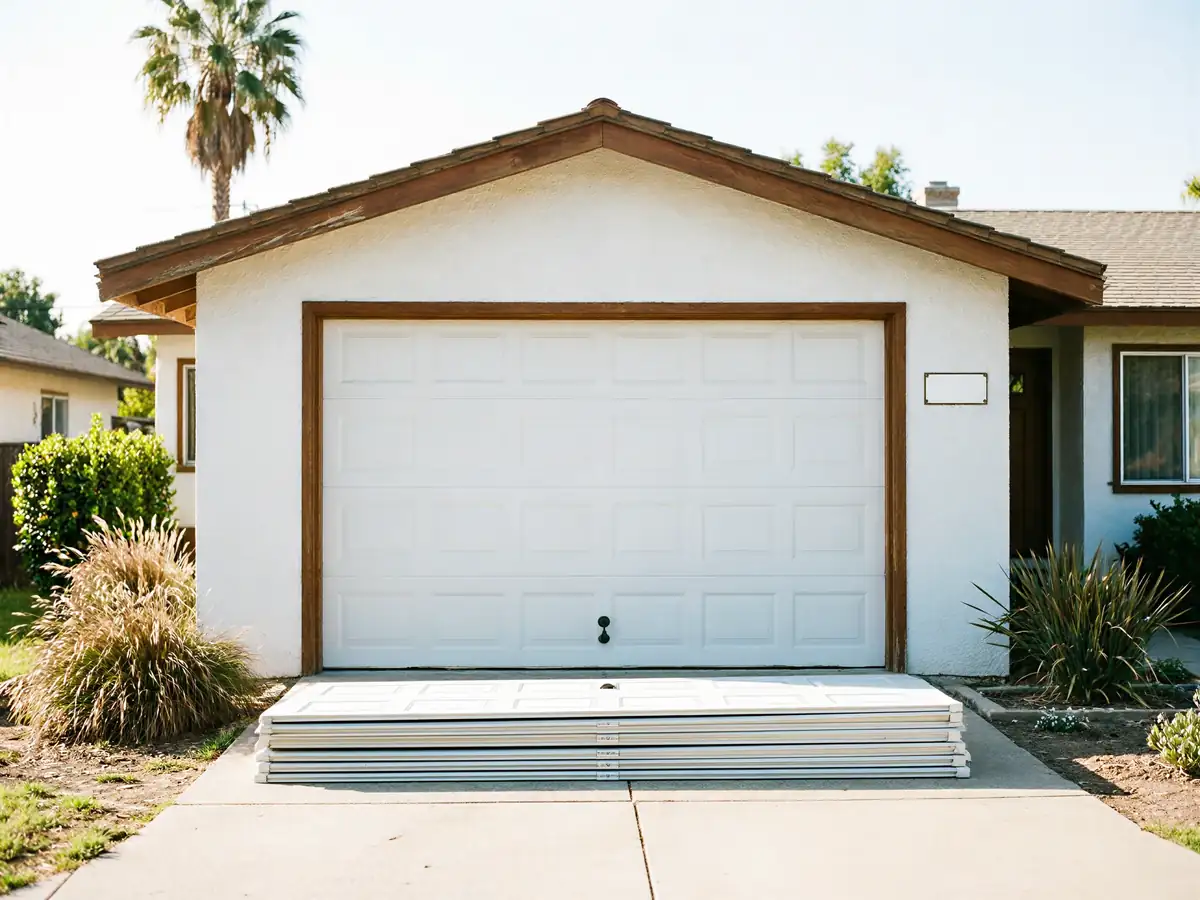
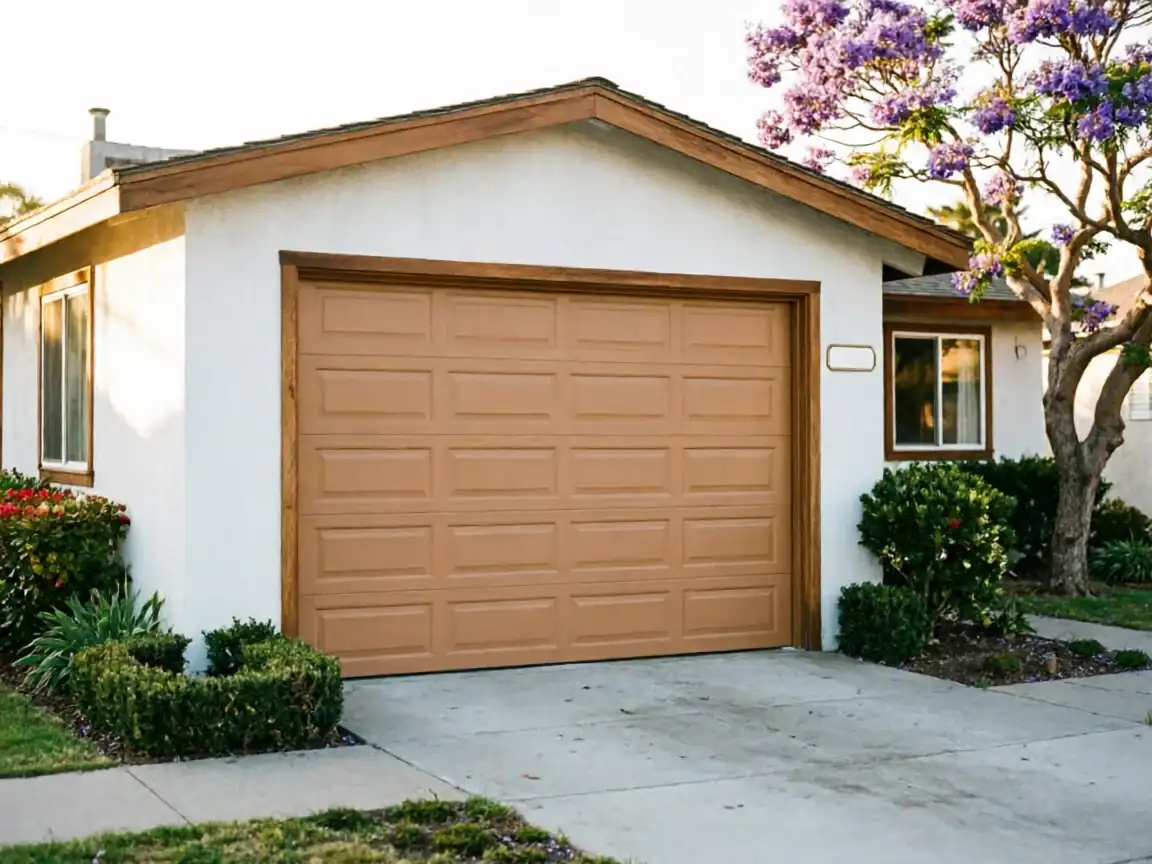
Selma has about 7,642 households, which is a smaller base than the rest of the Clovis service area, and it changes what kind of panel call comes in. In a bigger market you get a steady trickle of every door style ever sold. Here, the calls cluster around one era of construction, because the town built out fast and then slowed down. That means when a panel gets bent or rusted through, the replacement job is less about guessing the door and more about confirming which run of steel or fiberglass went in during that build-out. We don't keep a branch in Selma - we come out from Clovis, about 18 miles, and the trip is worth planning around rather than treating as an afterthought. A panel swap on a single-car door usually runs faster than a double, but matching the existing panel style on an older run can take longer than the install itself if the exact profile isn't something we're already carrying.
Stocked Parts
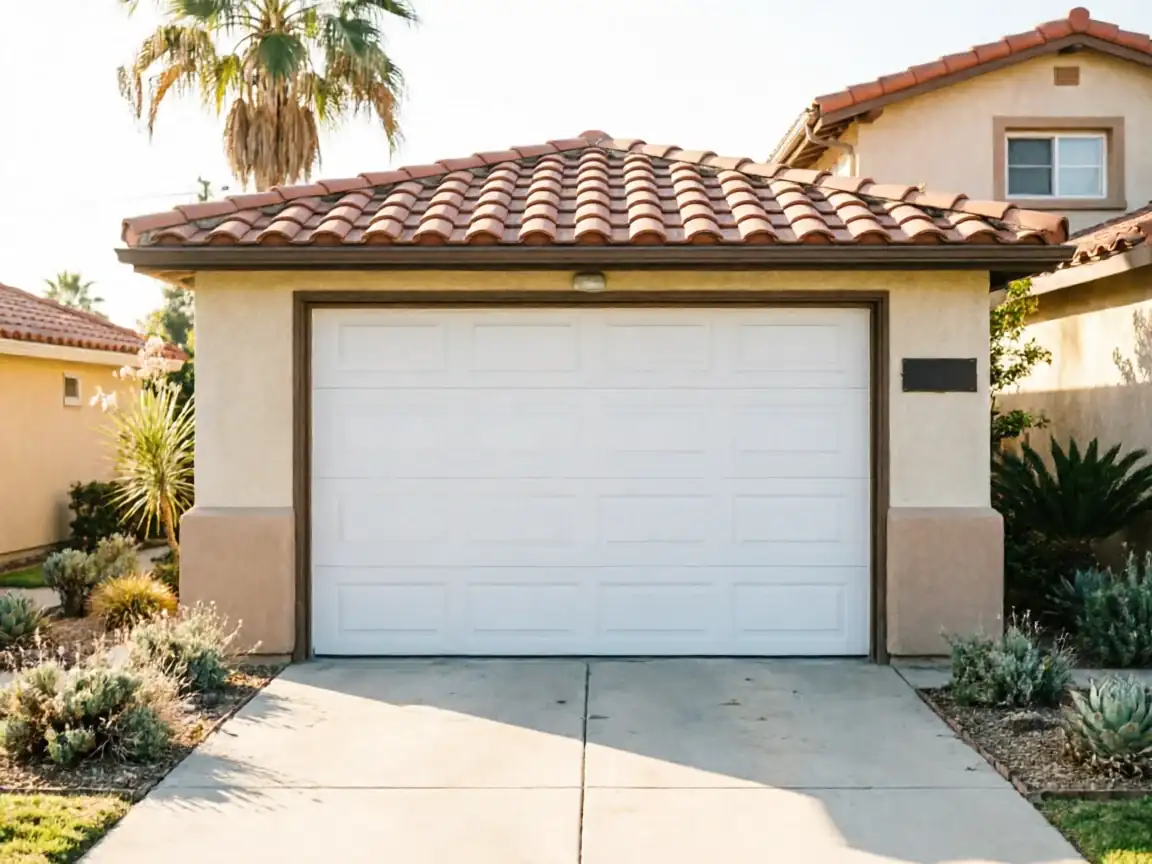
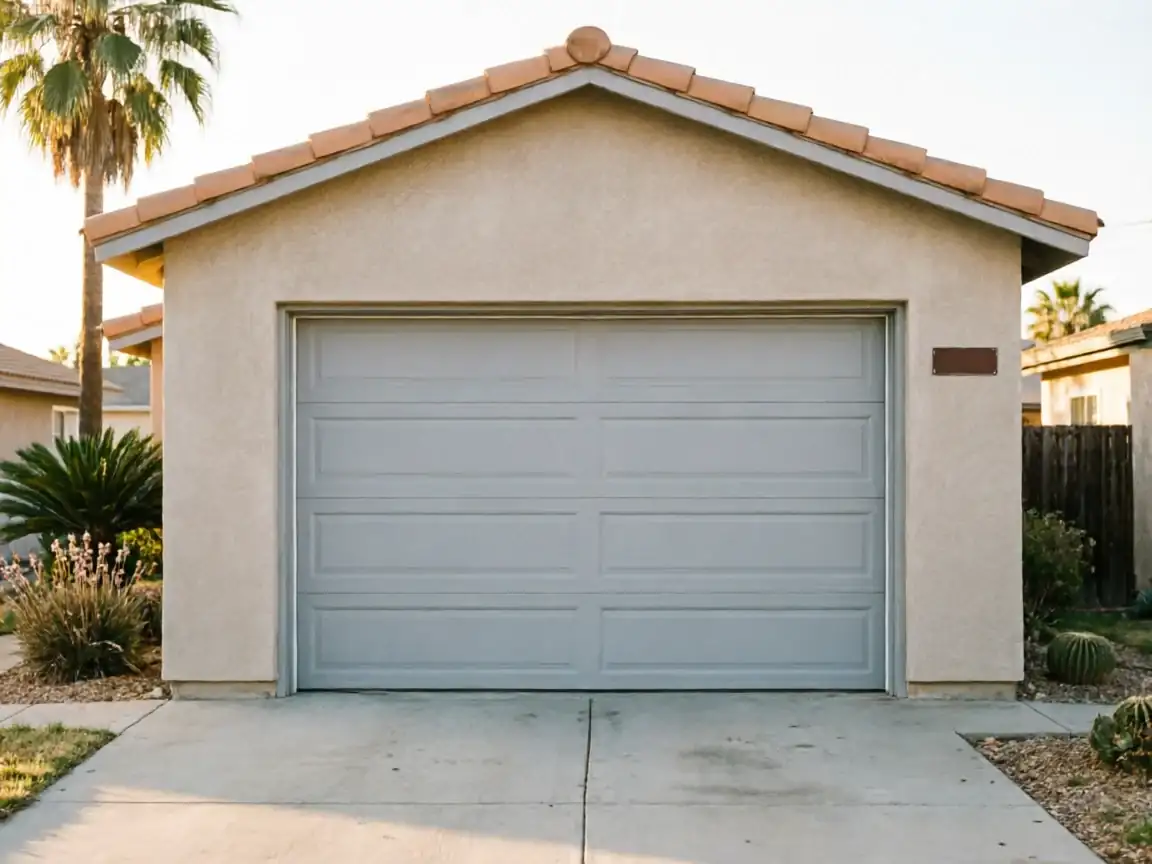
Housing stock across this part of the service area went up mostly between 1956 and 1993, with the median landing around 1982 - and Selma's own median sits close to that at 1979. That means a lot of doors here are the same generation: steel sandwich panels from the 80s and early 90s, often with short-span torsion springs and the lighter-gauge hardware that was standard before heavier insulated doors became common. We stock panel sections that match that generation's common widths and profiles. What we don't stock is anything custom-ordered after 2000 or a door with a discontinued embossing pattern - those can mean a lead time while we track down a matching panel, and we'll tell you straight if that's the situation before you commit to a repair over a full door swap.
What Causes It Around Here
This area sits in a severe-heat climate band, and that matters more for panels than people expect. Steel panels that have baked through decades of triple-digit summers get brittle at the seams and dent instead of flexing back, especially on the lower sections that take the most contact from vehicles, bikes, and trash cans. On the insulated doors from the later part of that 1956-1993 build range, the foam core can separate from the steel skin after enough heat cycling, which shows up as a panel that looks fine but sounds hollow or flexes more than it should. Basic impact damage - a backed-into door, a dropped ladder - is still the most common call, but the heat is what turns a small dent into a panel that needs full replacement instead of a pull-and-reshape.
Doing It Yourself
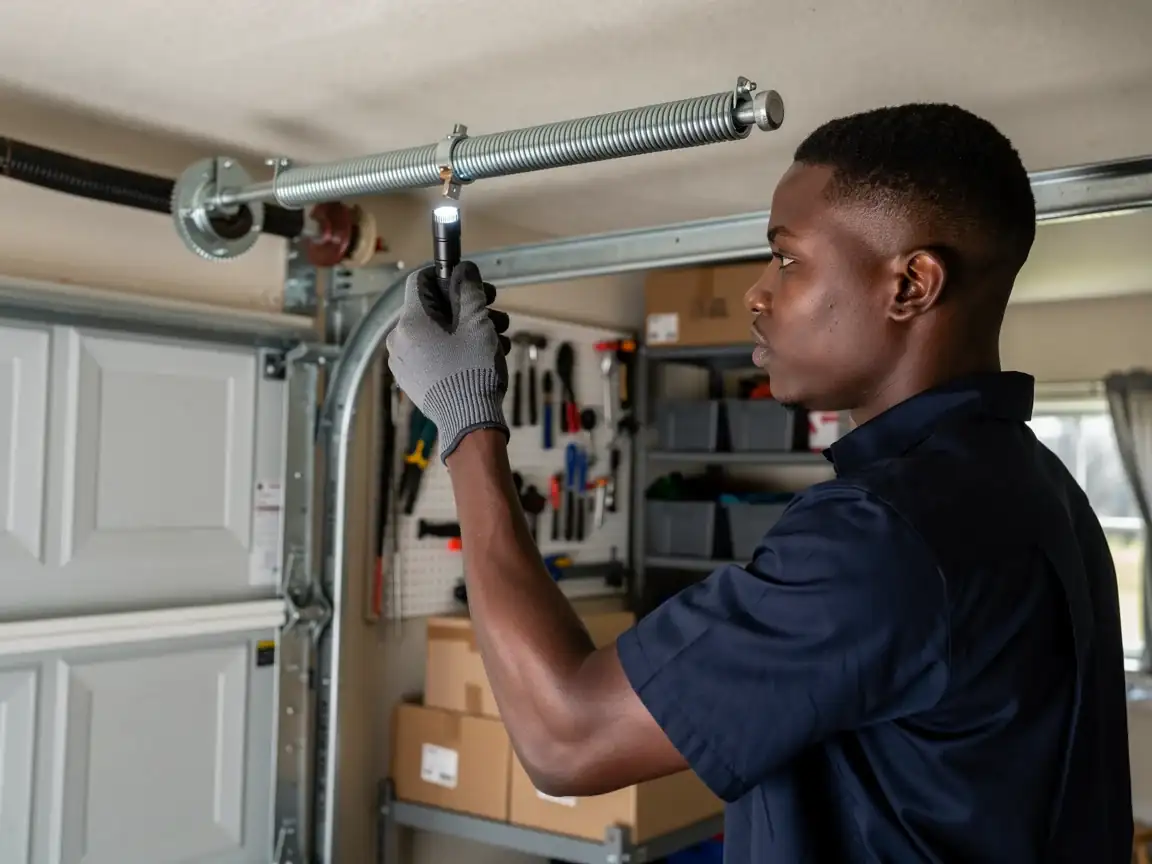
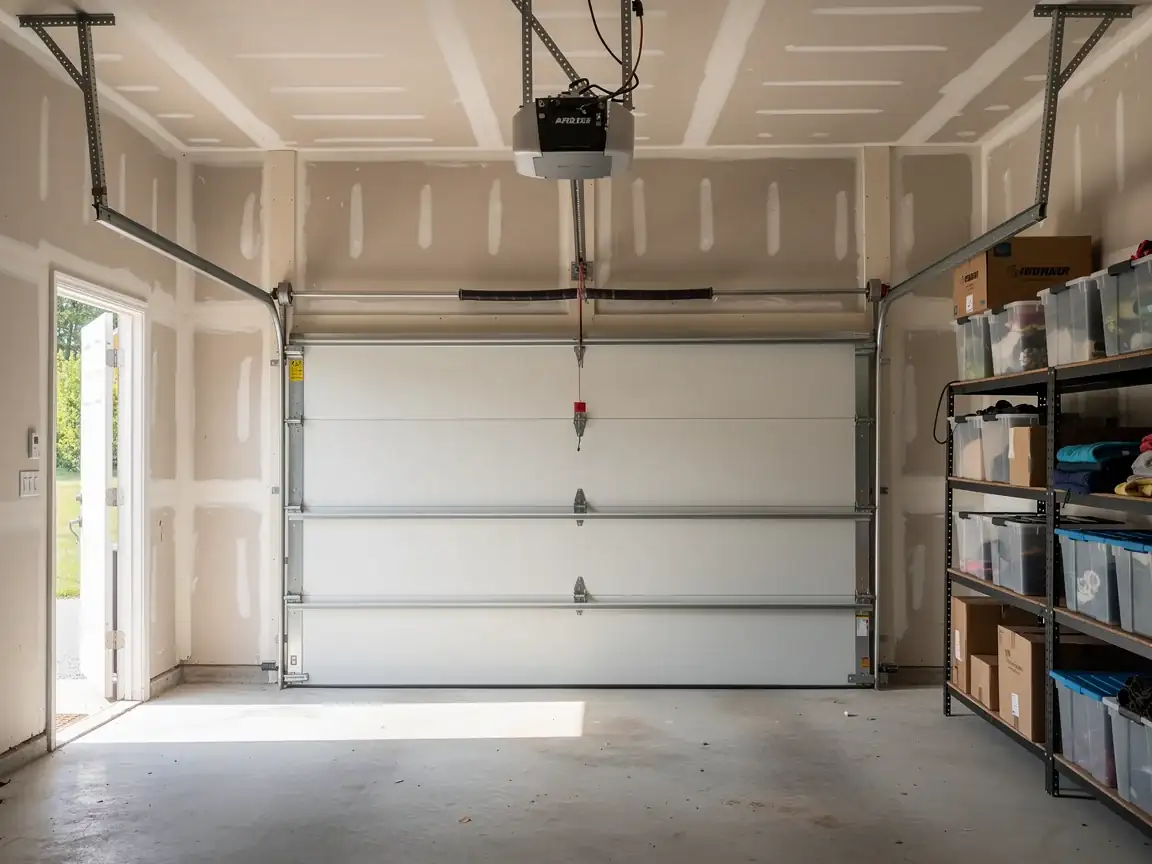
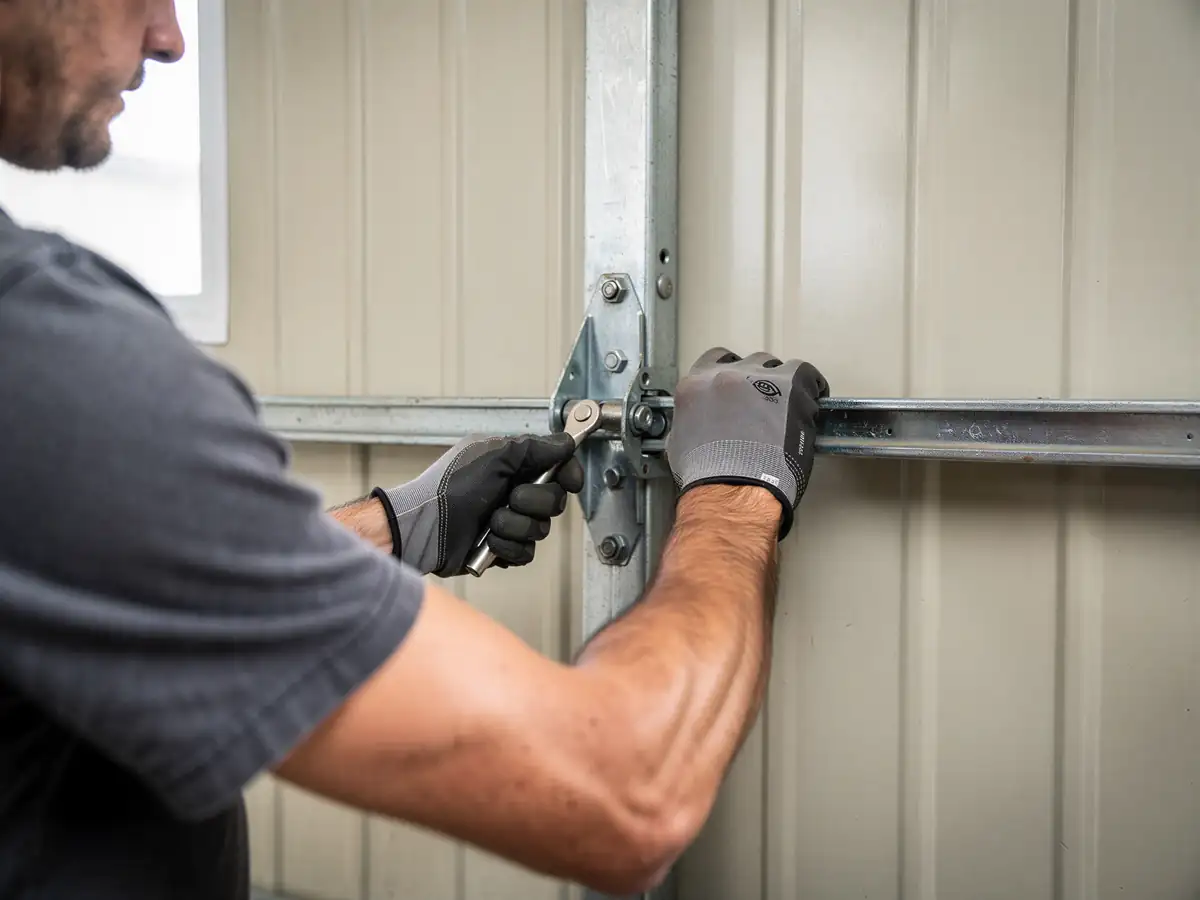
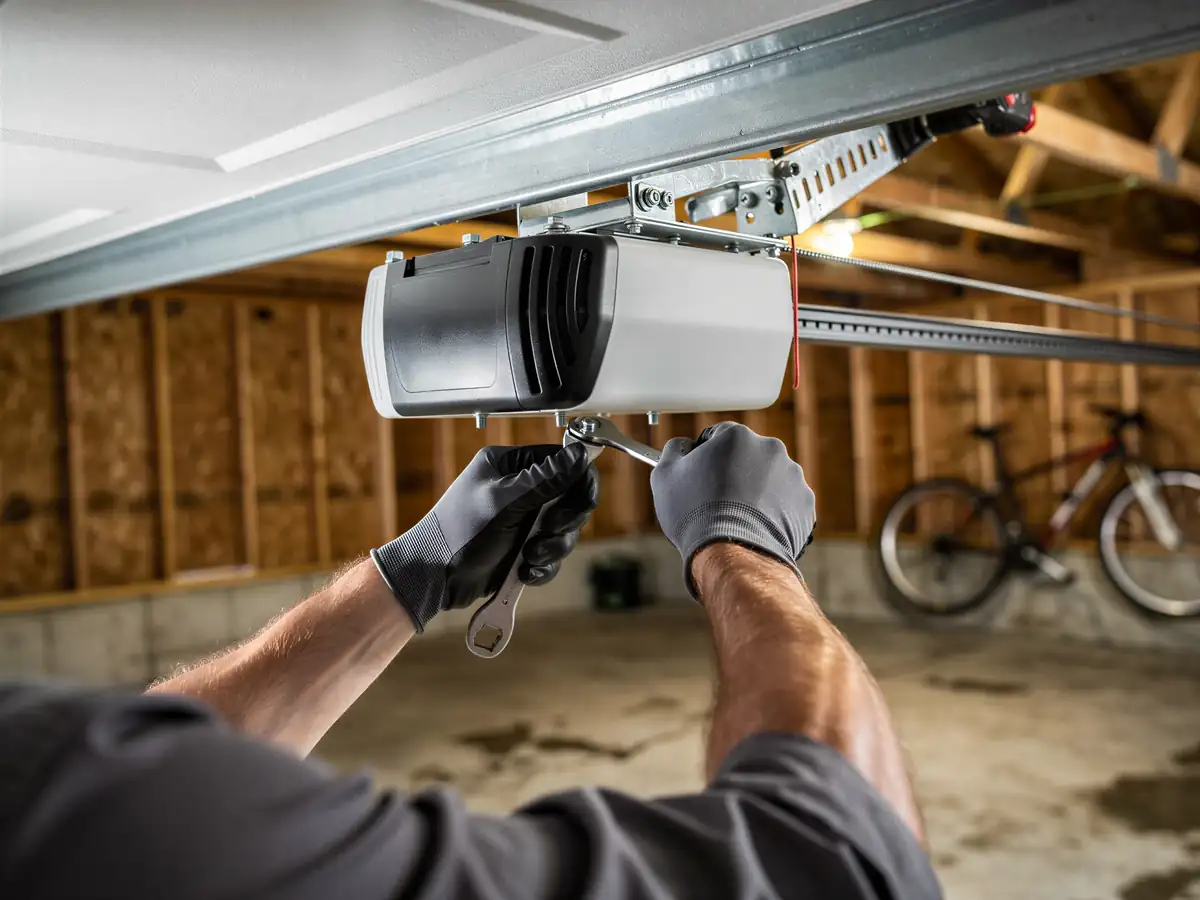
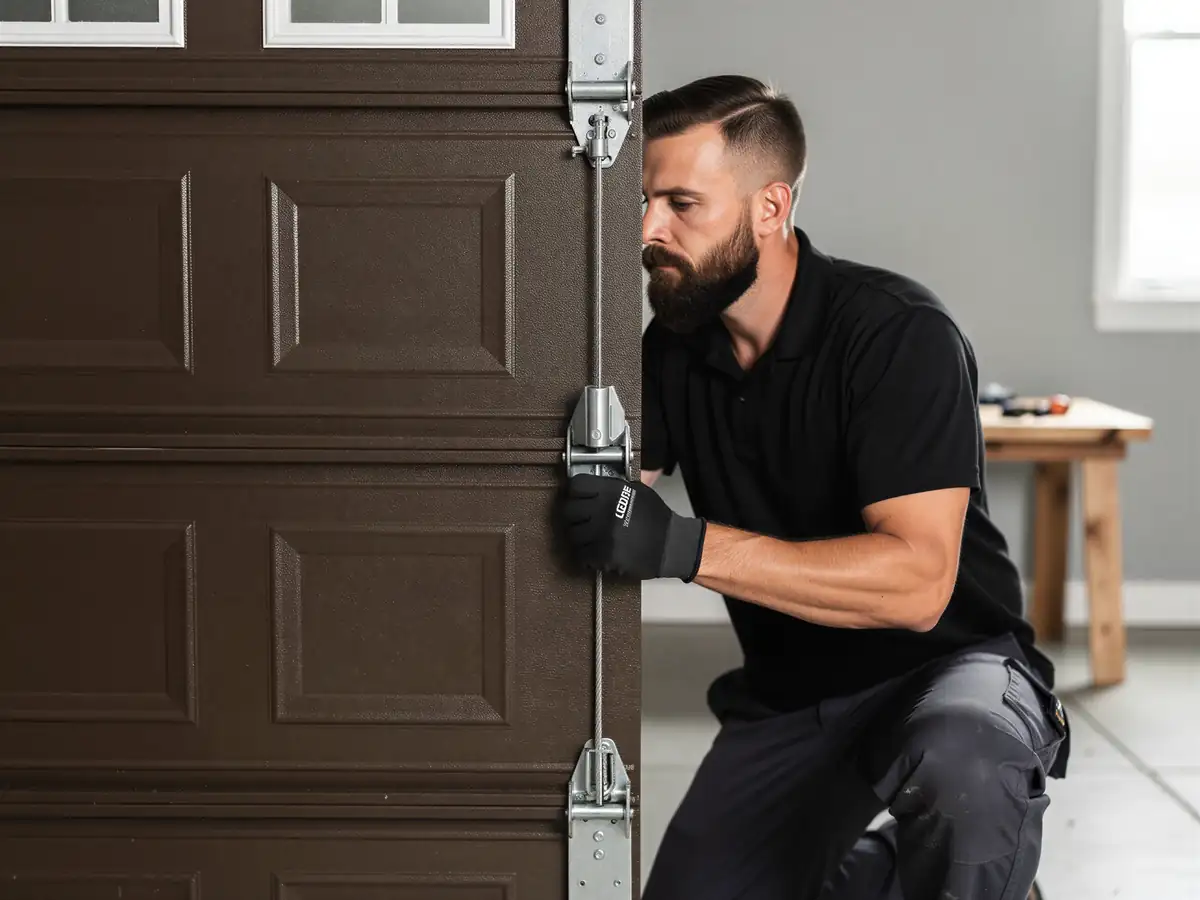
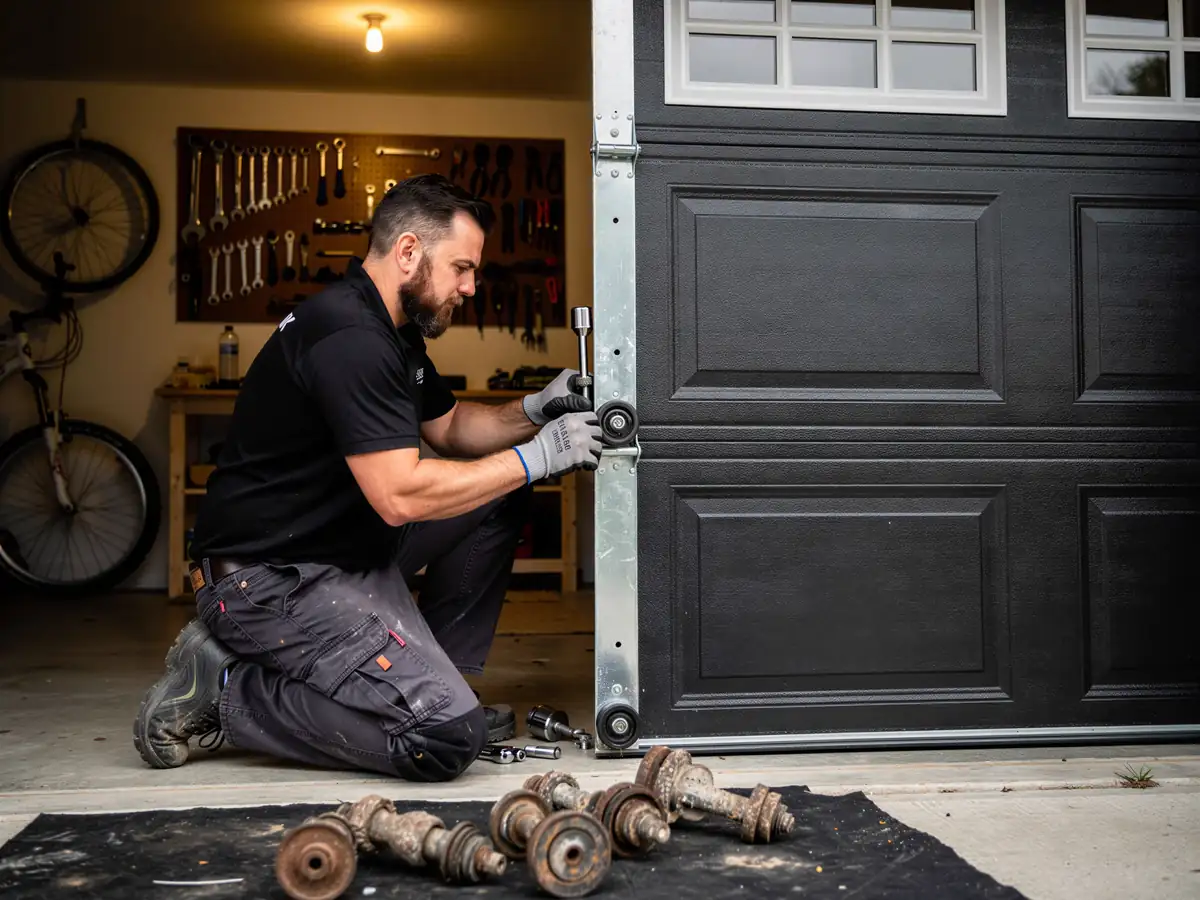
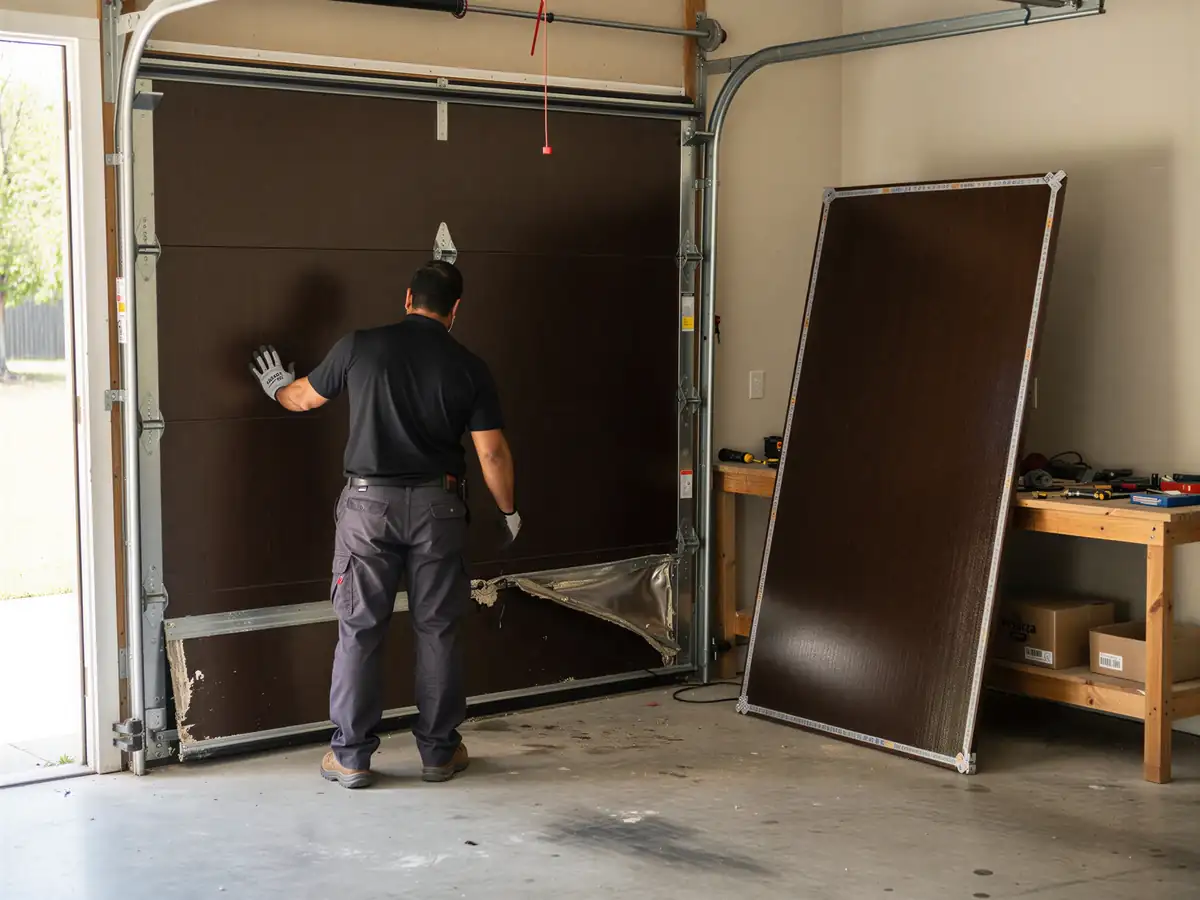
If it's a single bottom panel with no spring or cable involved, a confident DIYer can unbolt the hinges, swap the section, and rebolt without much risk. Where it stops being a weekend project: anything above the bottom panel usually means disconnecting the opener arm and supporting the door section by section, which is where fingers get pinched and doors fall off track. On the older torsion setups common in homes from this build era, the spring is under enough tension that it has no business being touched by anyone without the right bars. If the panel damage is anywhere near the spring mounting plate or the cable drums, that's the point to stop and call rather than push through it.