Time on the Job
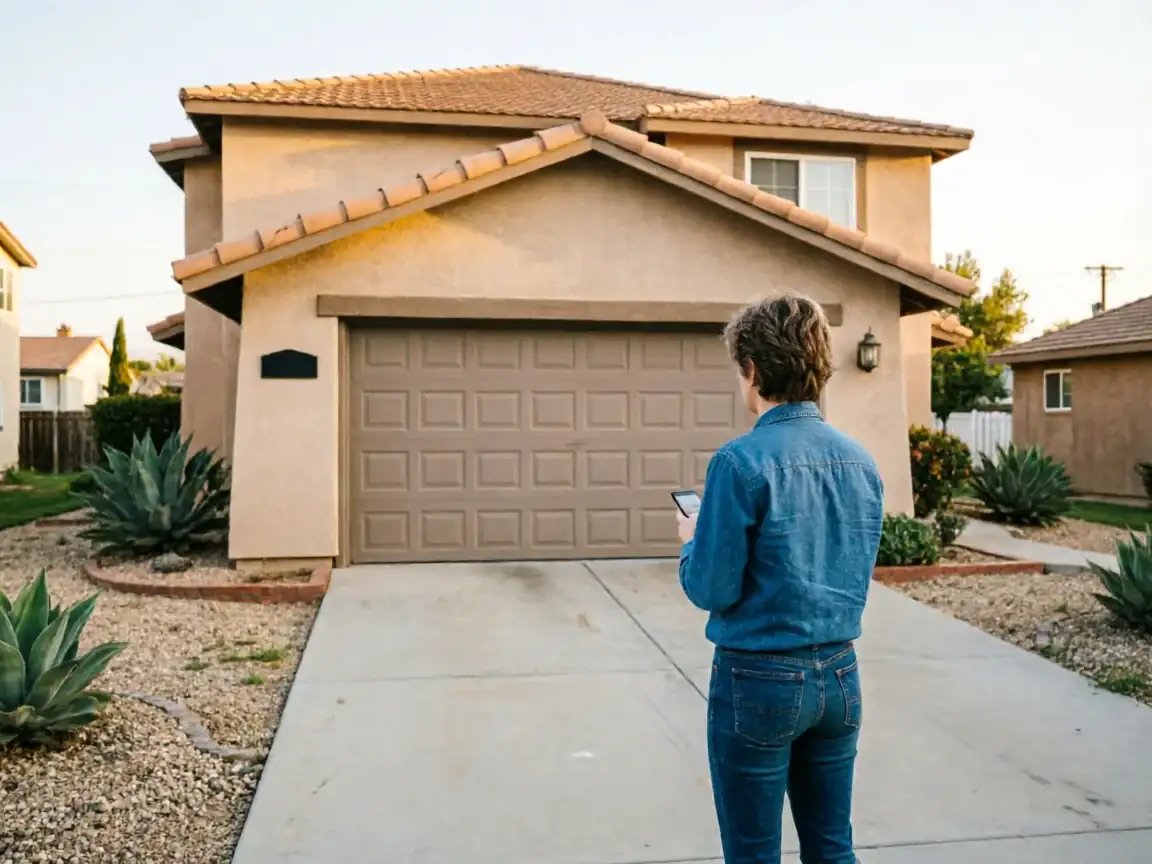
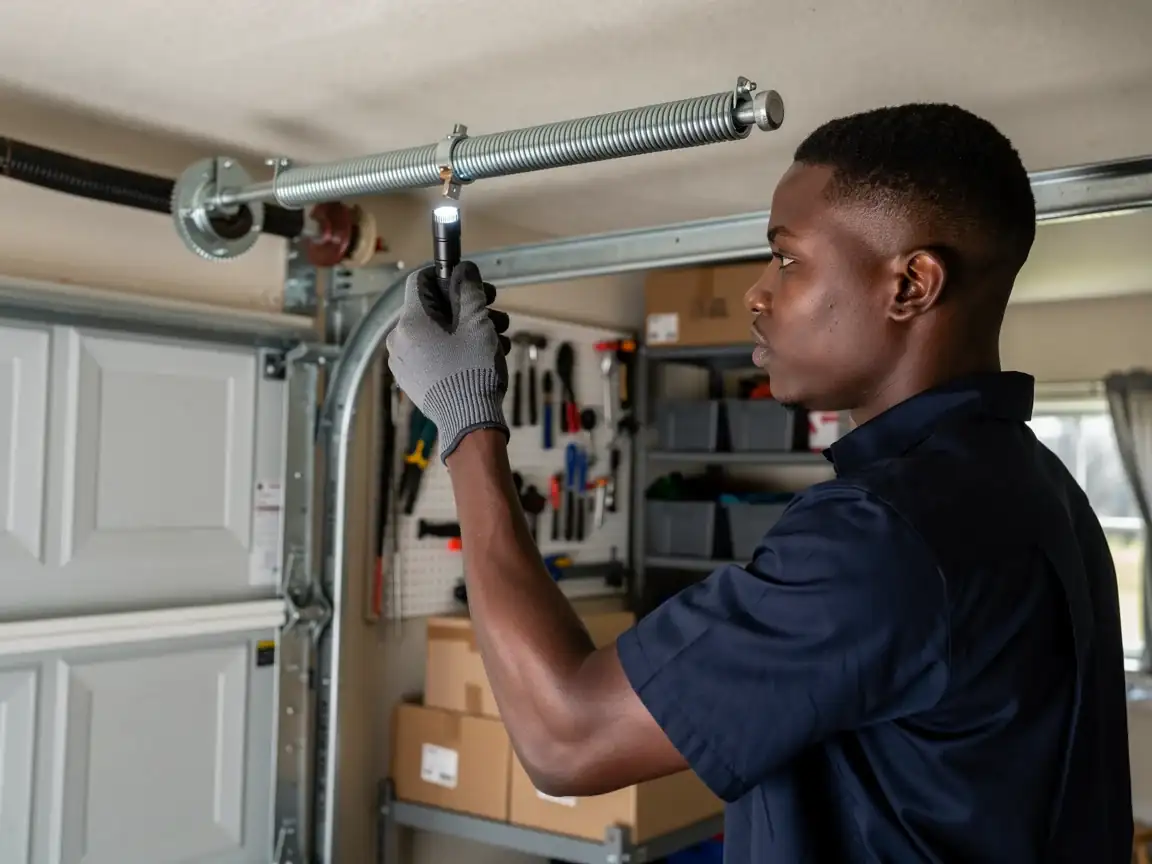
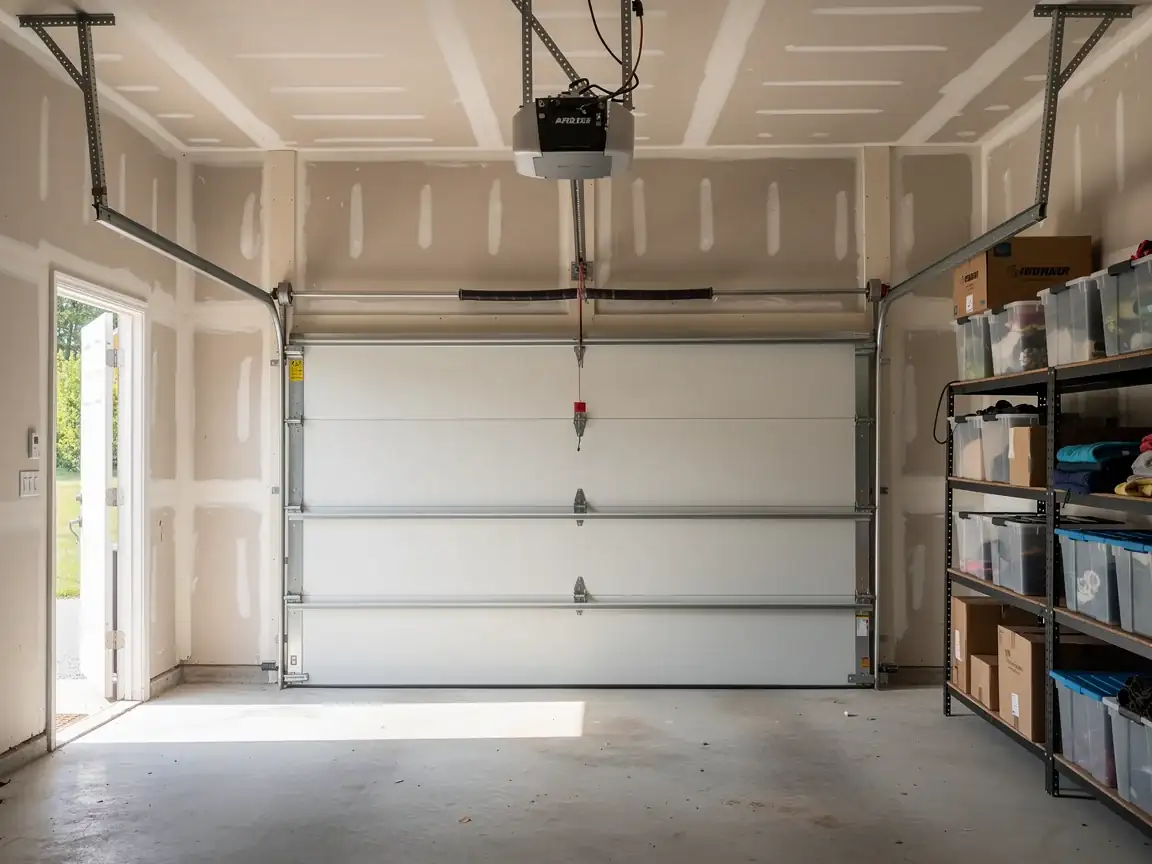
The call we get most out of Selma isn't a dead opener, it's a spring that let go on a door that's never been touched since the house was built. Selma's housing stock centers on 1979, which means a lot of these doors are original steel sectional units riding on torsion springs that have outlived any reasonable service life. A spring rated for 10,000 cycles doesn't care that nobody's opened the door more than twice a day for forty years - the steel fatigues on a clock, not a counter.
We come out from Clovis, about 18 miles up the road, so we're not parked around the corner. That means we plan the trip, we don't idle near your house waiting for a call. Once we're on site, a torsion spring swap on a standard double door is usually the same job whether it's Selma or anywhere else in the service area - but getting the right spring wire size for a 1979 door, which is often a different wind and wire gauge than what's sold off the shelf today, is where the actual work is.
Stocked Parts
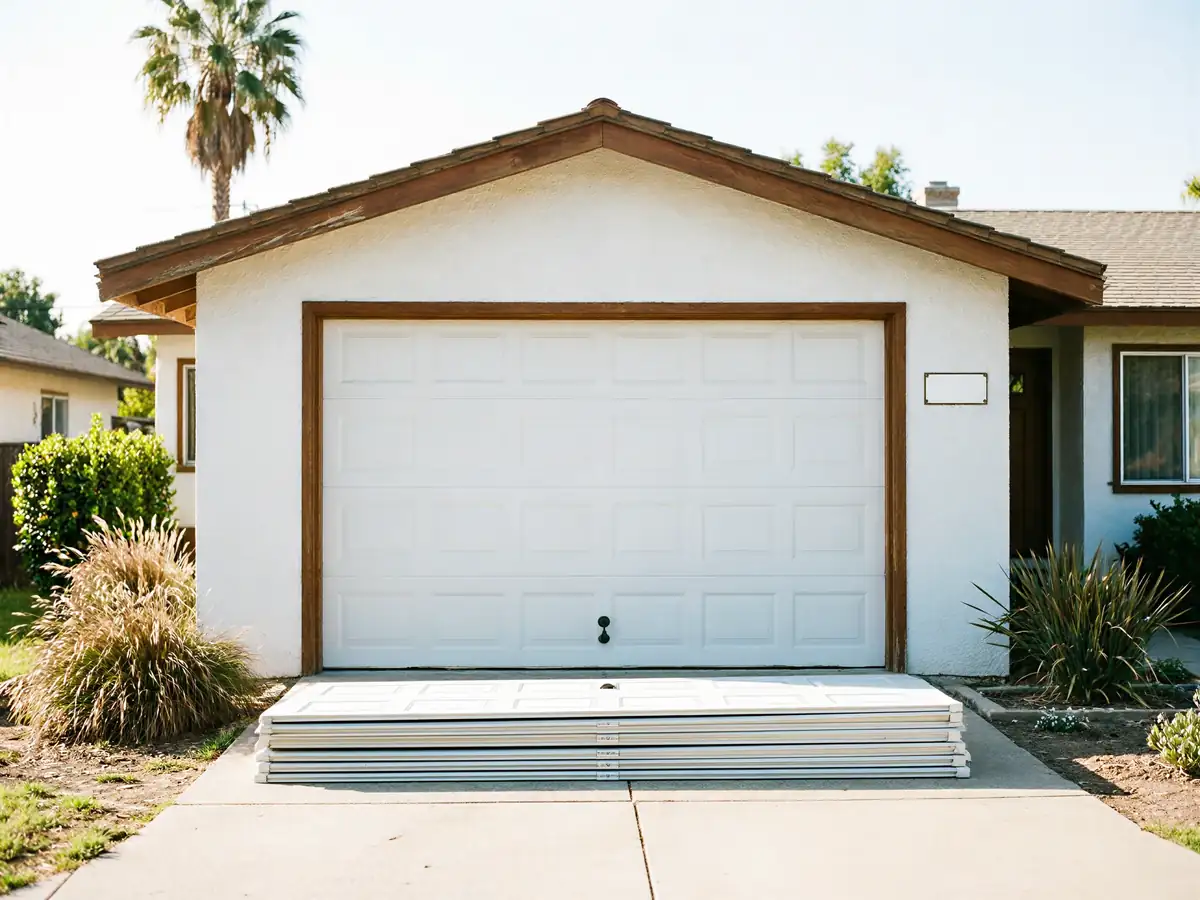
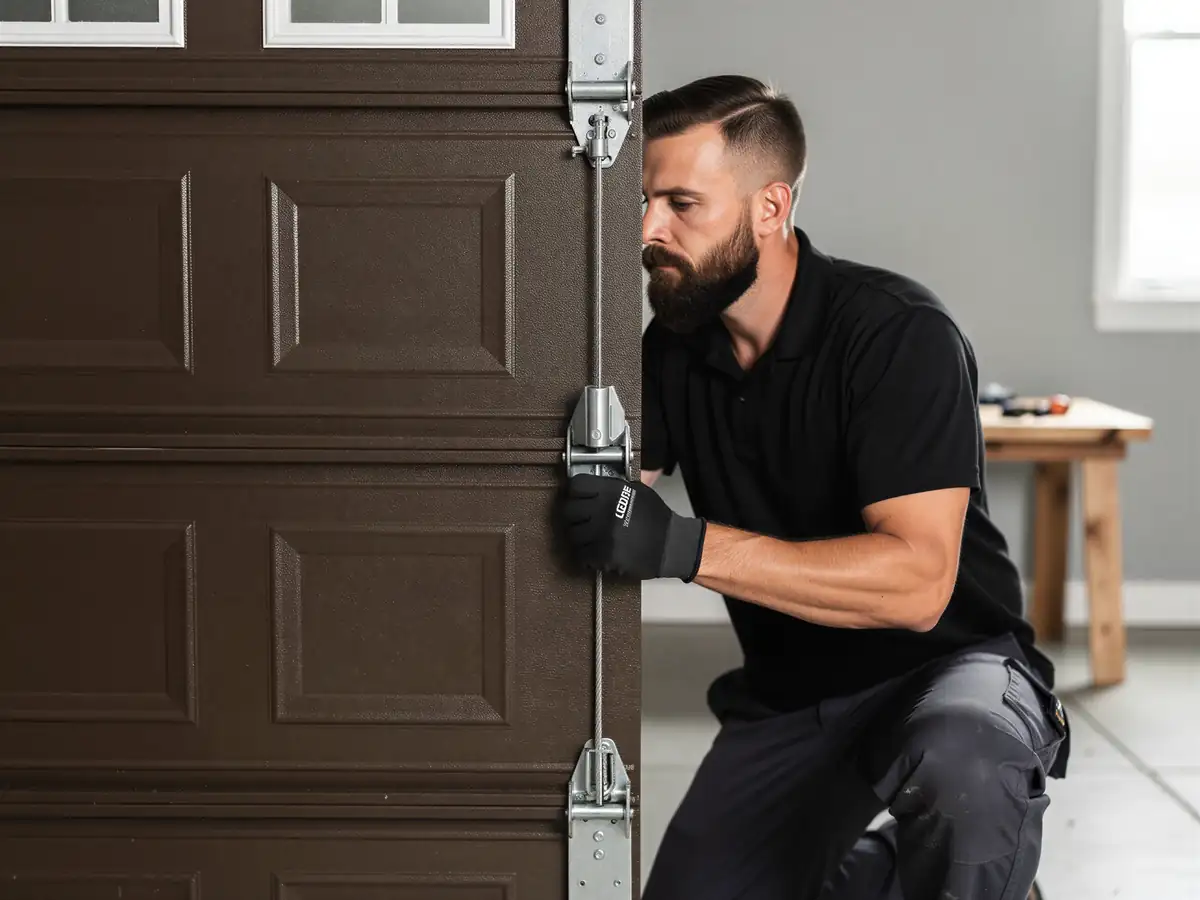
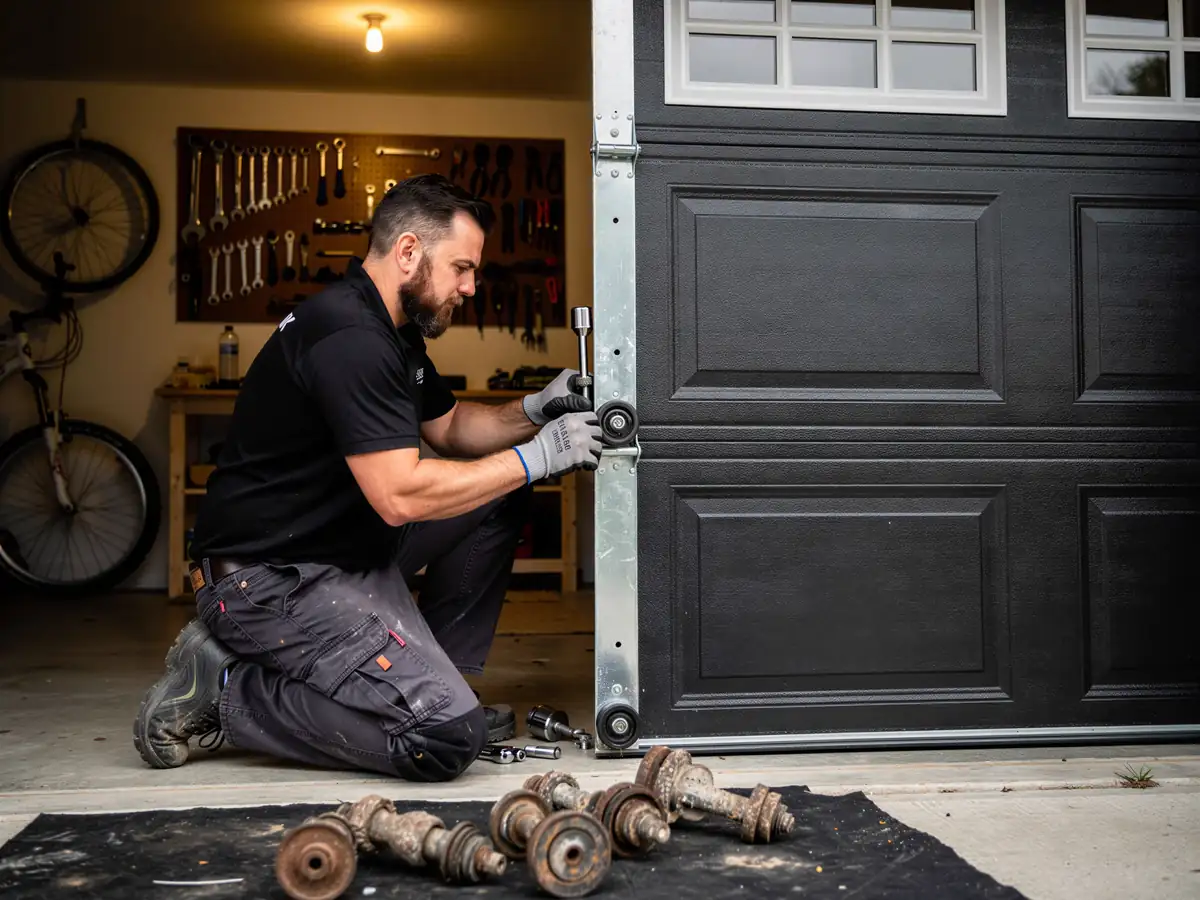
We carry common torsion spring sizes, standard rollers, and cable for the sectional doors that match the 1956-1993 build window across this part of the service area. Selma's 1979 median puts most of its doors solidly in that range, so the parts we truck out usually fit on the first try. Where it gets slower is hardware for the handful of older one-piece or odd-width doors - those sometimes need a special order, and we'll tell you straight if that's the case rather than jury-rig something that won't hold.
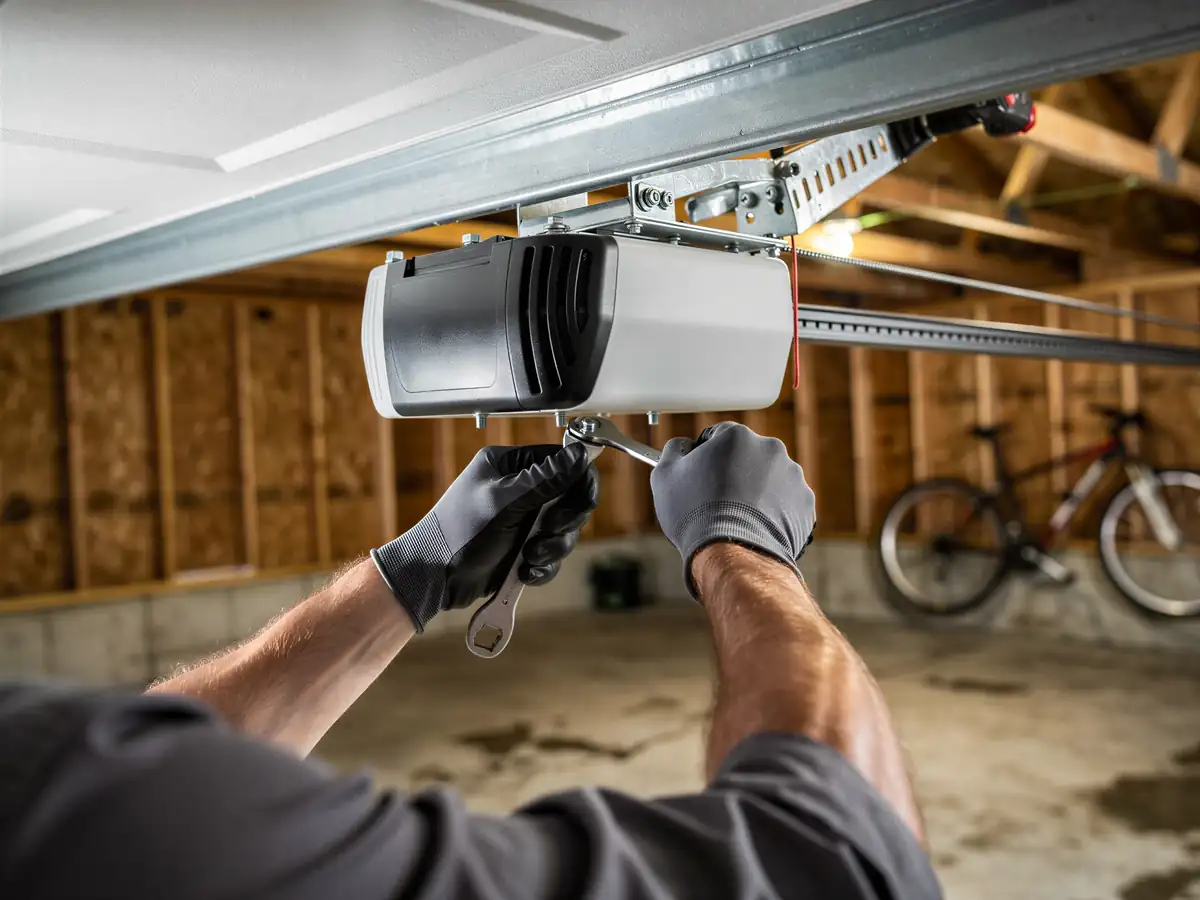
We don't stock every opener logic board on the truck. If your opener is the failure, not the door itself, we may need a day to get the exact model's control board, especially on units installed before the mid-90s standardization most manufacturers settled into. That's the one honest gap in same-visit service - we'd rather say it now than overpromise at your door.
Where This Job Goes Sideways
The job goes sideways when a homeowner tries to save the trip charge and unwinds a torsion spring themselves
These springs store a dangerous amount of tension, and on a 1979-built door that hardware has had four decades to corrode, seize, or wear the winding cone. We've seen the setup fail mid-adjustment, which is how people lose fingers or worse.
It also goes sideways on the diagnosis side
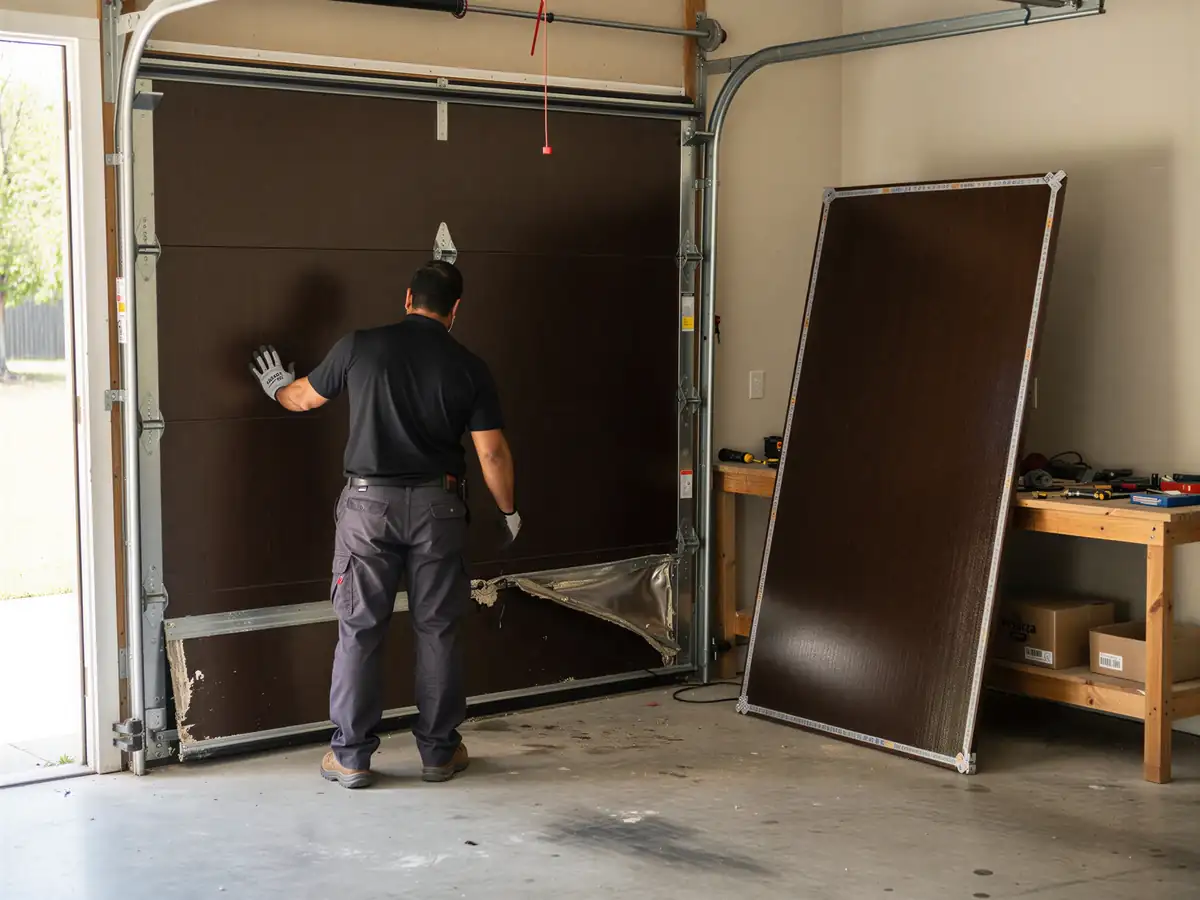
A door that won't open on a house from this era can look like a spring problem but actually be a bottom bracket that's rusted through, or a track that's racked out of square from years of a car bumper nudging it. Replacing the spring and ignoring the bracket means you're back to square one in a few months, and now you've paid for two visits instead of one.
What Causes It Around Here
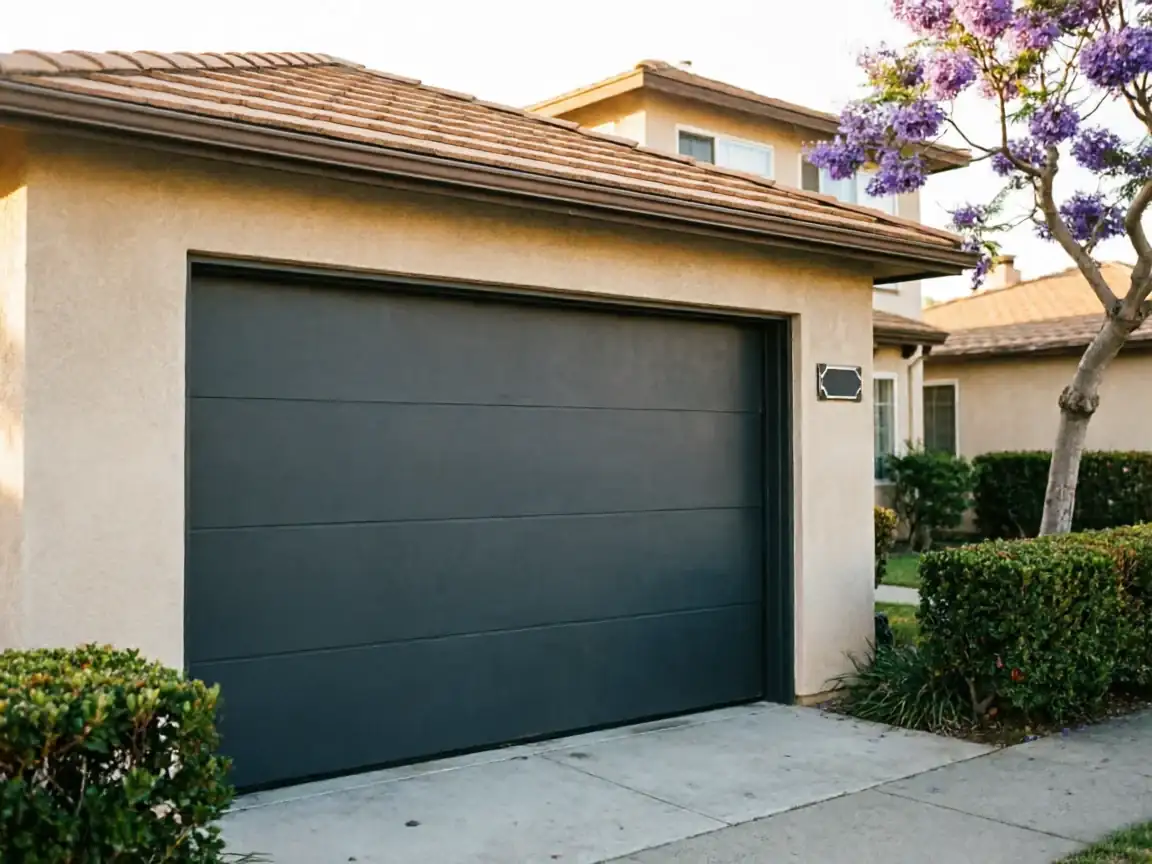
Selma sits in a severe-heat climate band, and that heat is hard on garage door hardware in a specific way: daily expansion and contraction loosens fasteners, dries out lubrication on rollers and hinges faster than it would in a milder climate, and can warp thinner steel panels over years of sun exposure on a west-facing door. Combine that with a median build year of 1979 and you get doors that are old enough for the springs to be past due and hot enough, year after year, to accelerate everything else wearing out alongside them.
We also see a fair number of torsion springs that were resized once already, decades ago, by whoever repaired the door the first time - sometimes with the wrong wire gauge for the door's actual weight. That mismatch shows up as a door that's hard to lift by hand even with a working opener, and it's worth checking before you assume the opener itself is failing.
Doing It Yourself
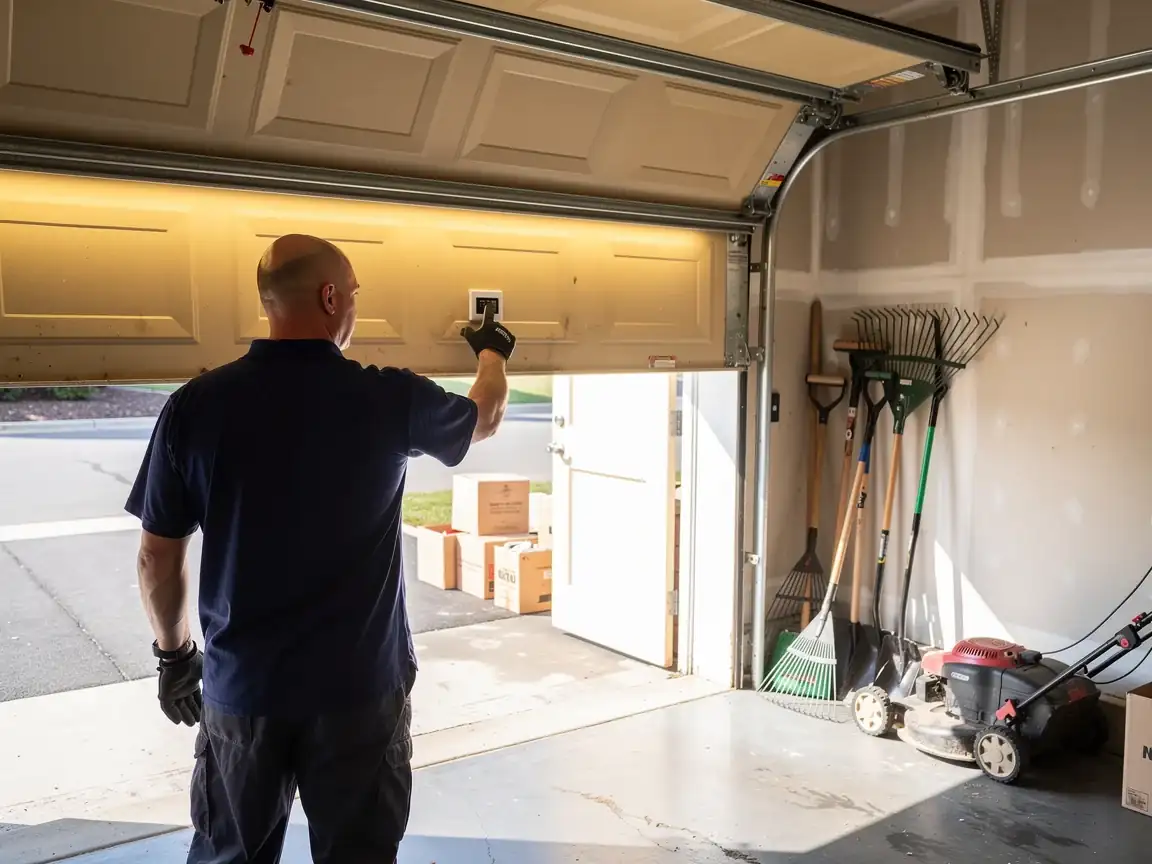
Lubricating rollers and hinges, tightening visible bolts on the track, and testing your door's balance by disconnecting the opener and lifting by hand are all fine to do yourself. If a disconnected door won't stay at roughly knee height when you let go, the spring tension is off and that's not a DIY fix.
Do not touch the torsion spring winding cones, the cables under tension, or try to replace a spring on your own. That's true for any door, but it carries more weight on a house from 1979 where the hardware has had decades to seize or corrode, making an already dangerous job less predictable.
What the Repair Takes
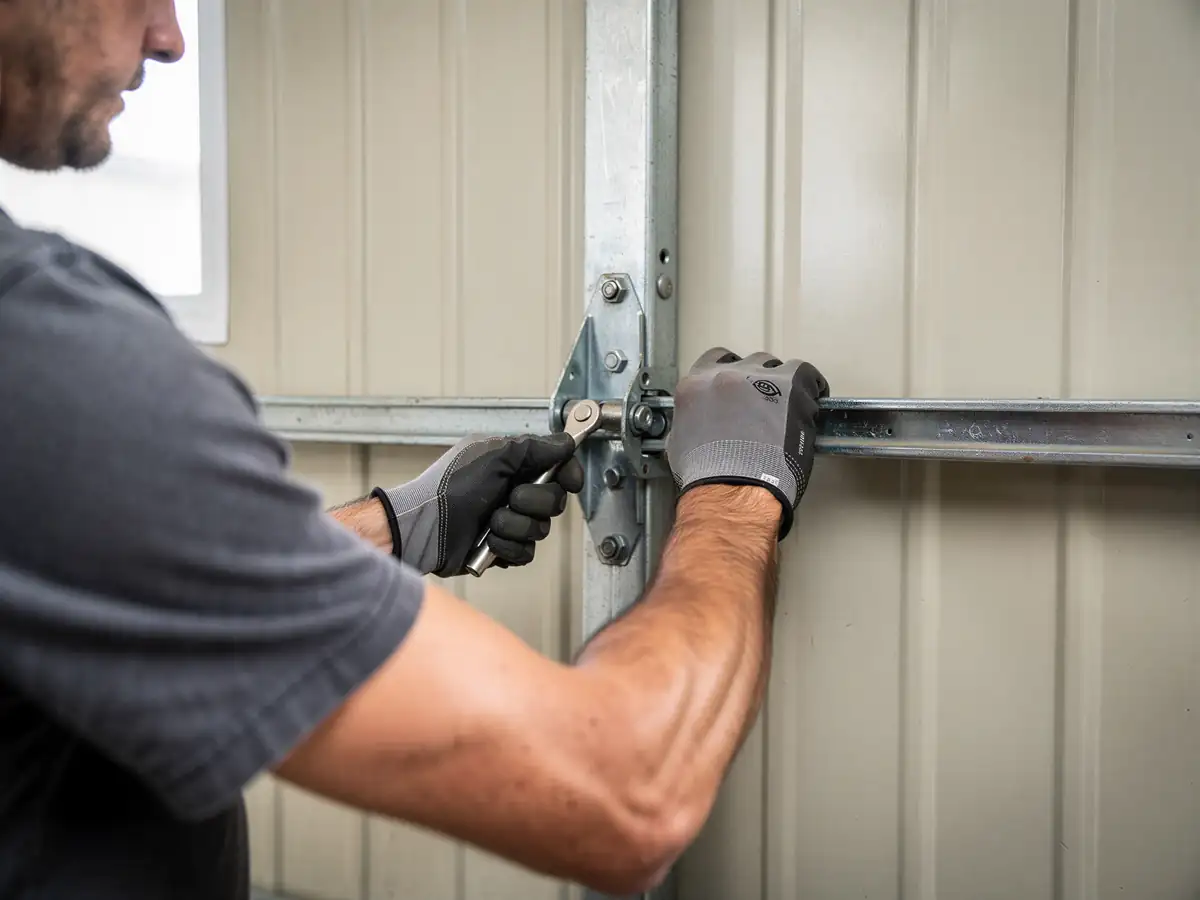
Most spring and hardware repairs on Selma's 1979-era doors are a single visit once we're on site
Assuming the spring size is one we carry on the truck - which it usually is, given how many houses in this build window share the same door weight and dimensions. Opener board issues are the exception, where a special-order part can add a day.
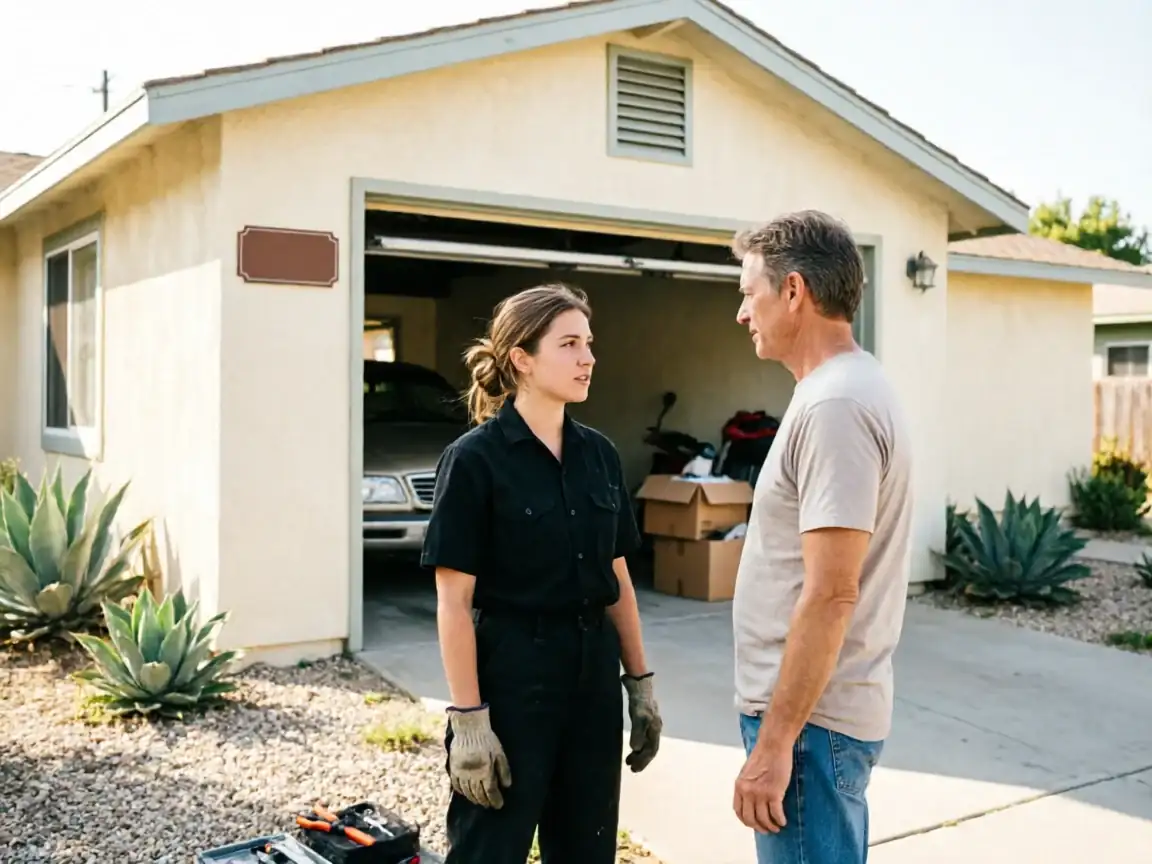
Because we're traveling 18 miles from Clovis, we schedule Selma calls rather than treat them as drop-ins
So expect us to confirm a window rather than show up within the hour. For routine maintenance or a second opinion before you commit to a repair, you can see what we cover in Selma through the link below, or compare it against the broader rundown on our main Clovis service page.
- 18 miles