Time on the Job
Selma sits about 18 miles from our shop in Clovis, which is far enough that we plan the trip, not just the job. That distance means we load the truck with the opener, the rail, the sensors, and the wall console before we leave - there's no running back for a part halfway through. It also means we're not scheduling a Selma opener install as a quick add-on between two Clovis calls; it gets its own slot. For a straightforward opener swap that usually isn't a problem, but it does mean the order you call in matters more here than it would for a job five minutes from the shop. If you're flexible on the day, we can usually pair your install with another stop in the area and keep the trip efficient for everyone.
Stocked Parts
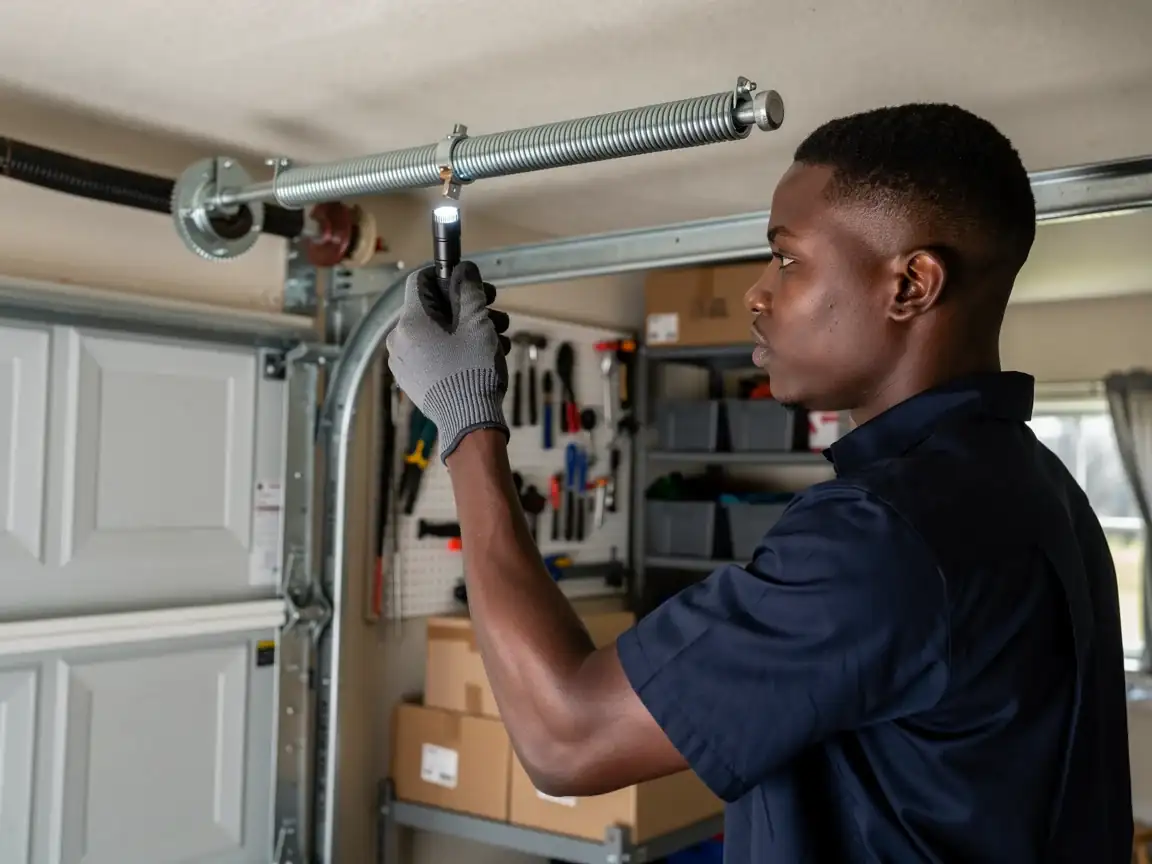
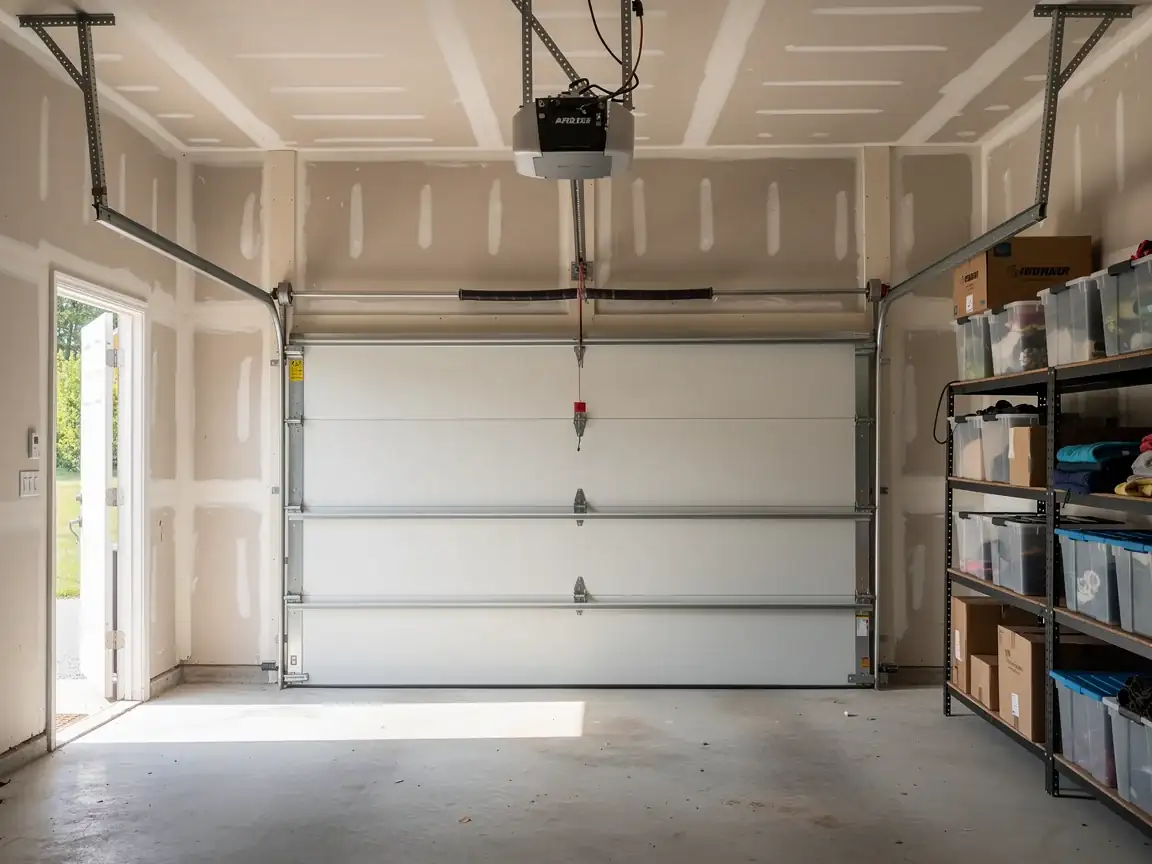
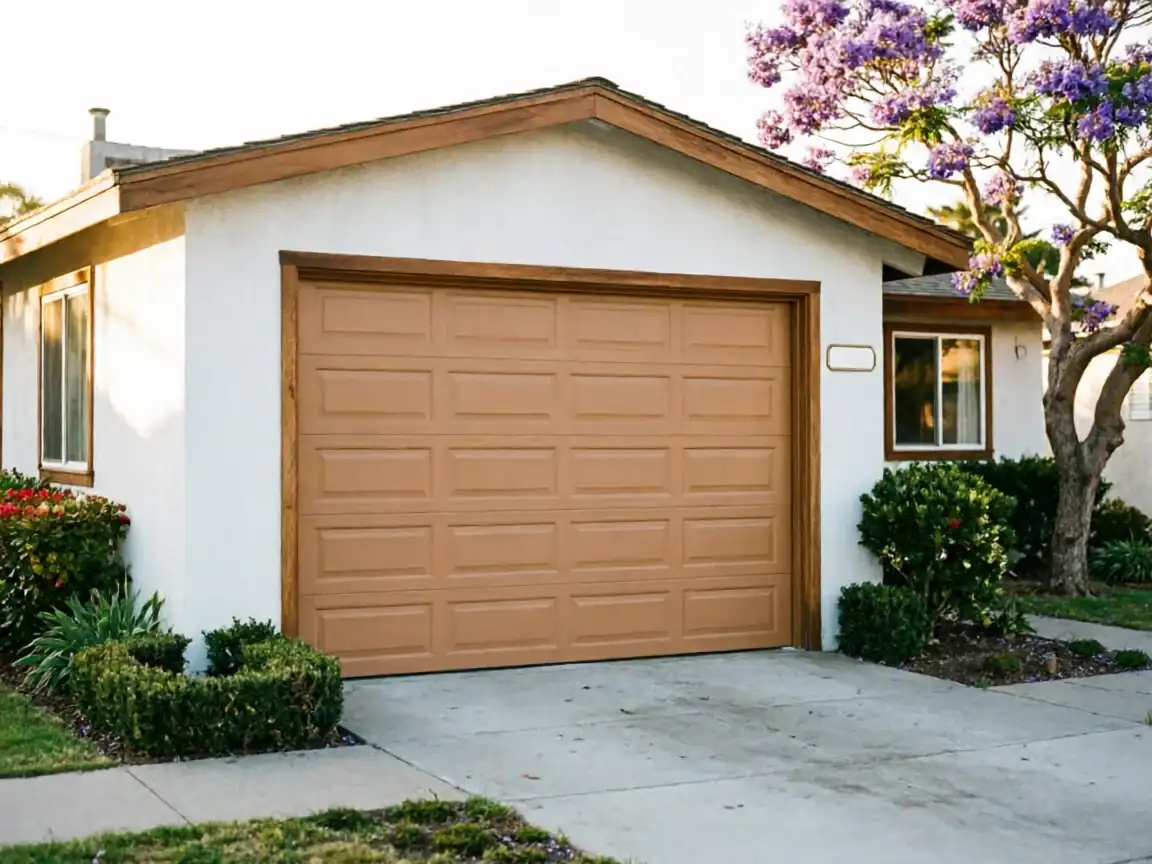
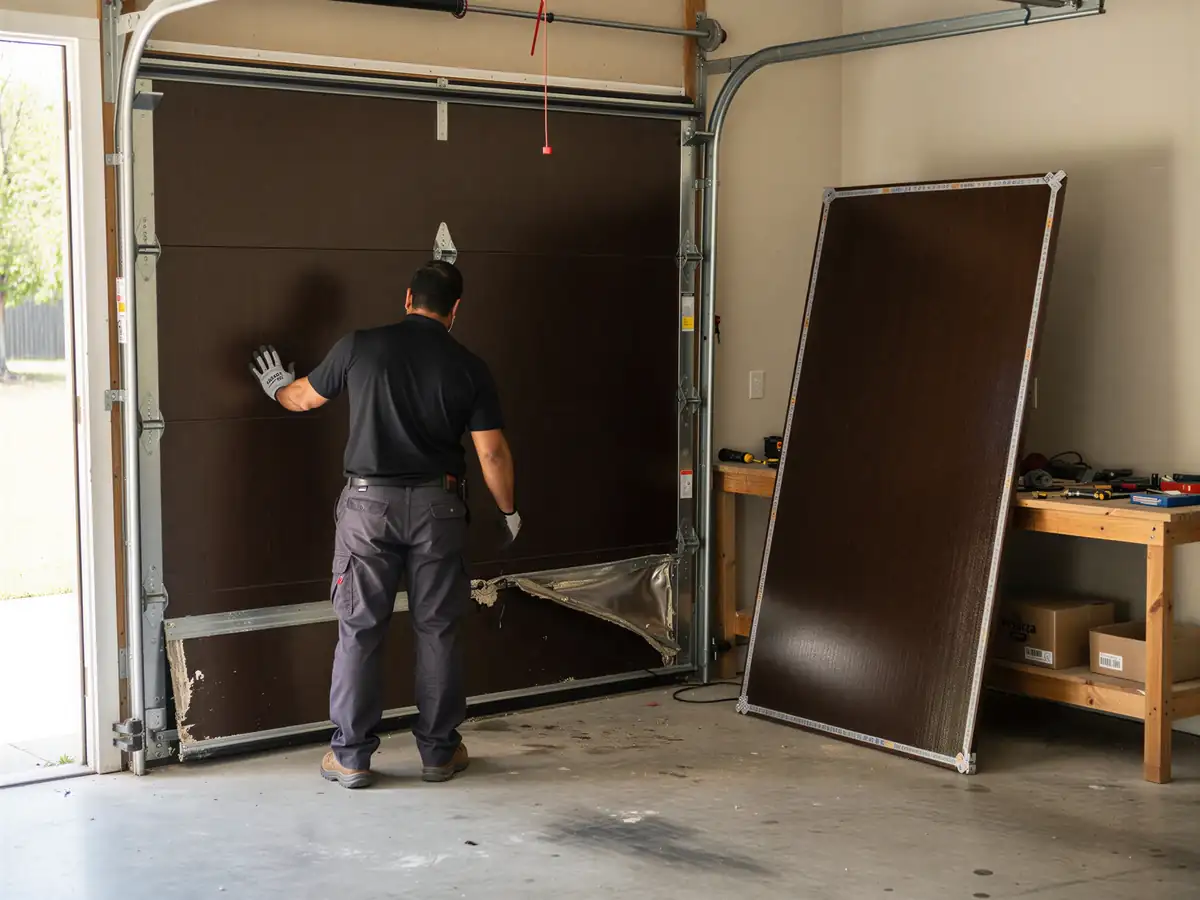
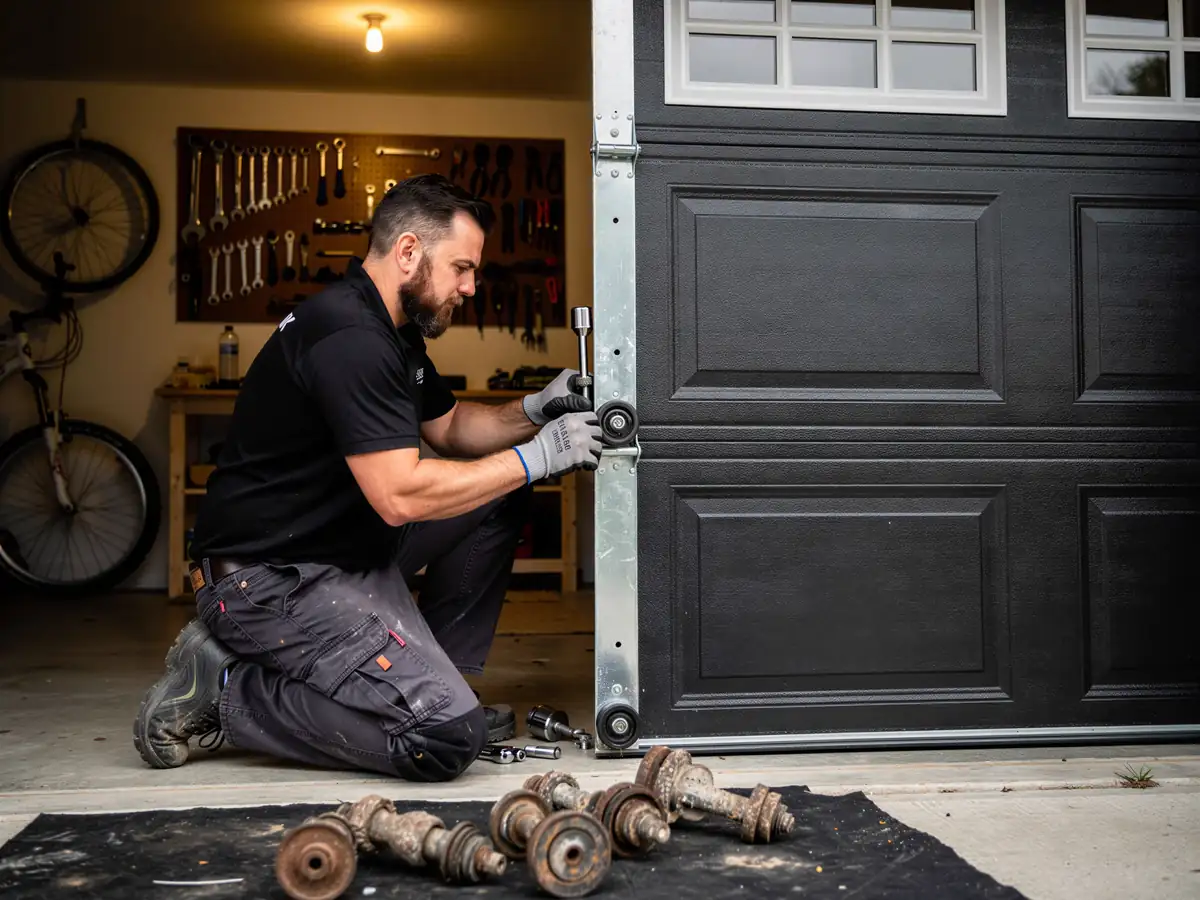
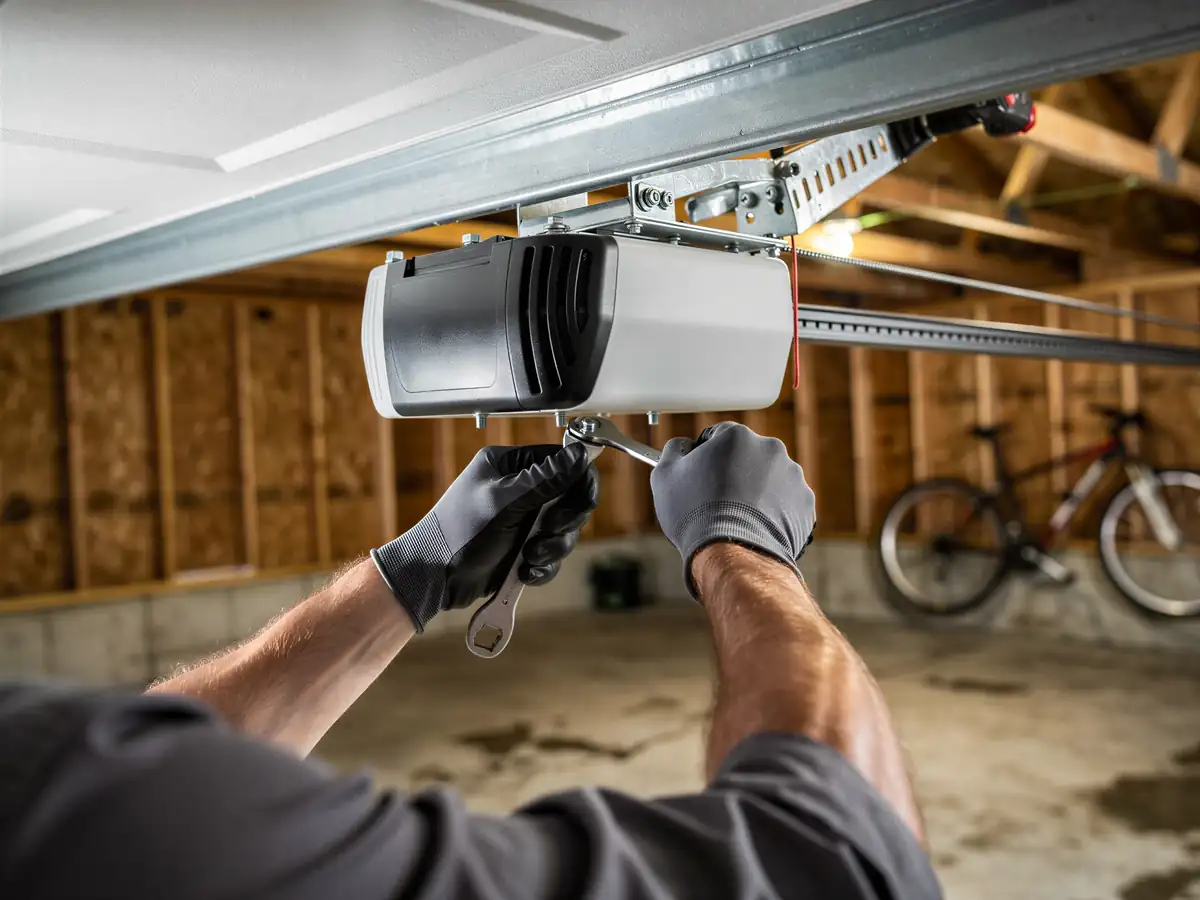
Most of Selma's housing dates to around 1979, which puts a lot of these garages on openers and door hardware from well before today's standards - chain-drive units on steel rail, often with no safety-reversal sensors at all, since those weren't required when the house was built. When we install a new opener here, the rail, drive, and mounting hardware almost always need to be matched or upgraded to the door rather than just bolted onto whatever bracket is already there. We carry common belt-drive and chain-drive units and the standard rail lengths on the truck. What we don't always have on hand is a replacement bracket kit for an odd header height from that era - those sometimes take an extra day to source, and we'd rather tell you that up front than make you wait at the door.
What Causes It Around Here
Fresno County summers push into severe heat territory, and that matters more for an opener than people expect. Plastic gears and circuit boards in cheaper units degrade faster when the garage regularly sits well above 100 degrees, which is common in attached garages with poor ventilation. On older Selma homes - median build year 1979 - the garage was rarely designed with venting in mind, so heat just builds up and stays. We lean toward units with metal gear components and heat-tolerant circuit boards for installs out here rather than the cheapest model on the shelf, because the failure pattern we see in this heat is gear strip-out and board failure, not wear from use.
Doing It Yourself
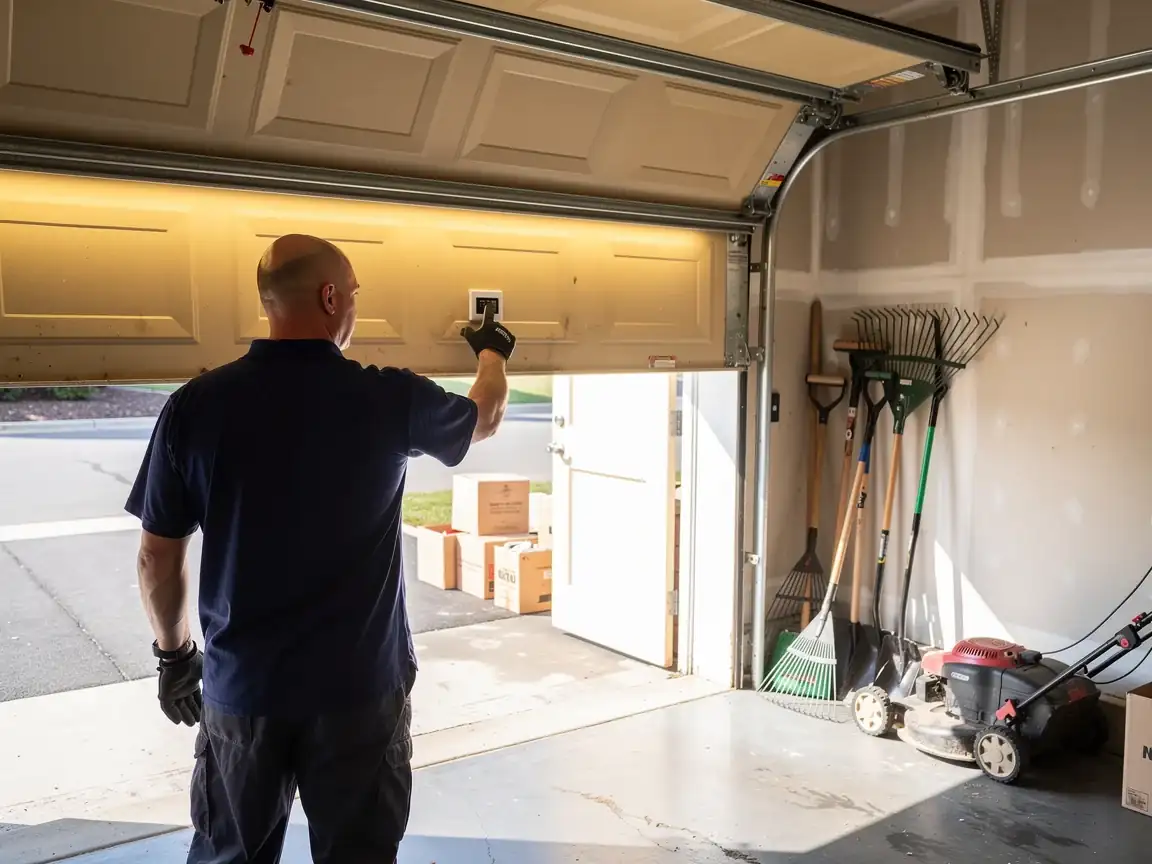
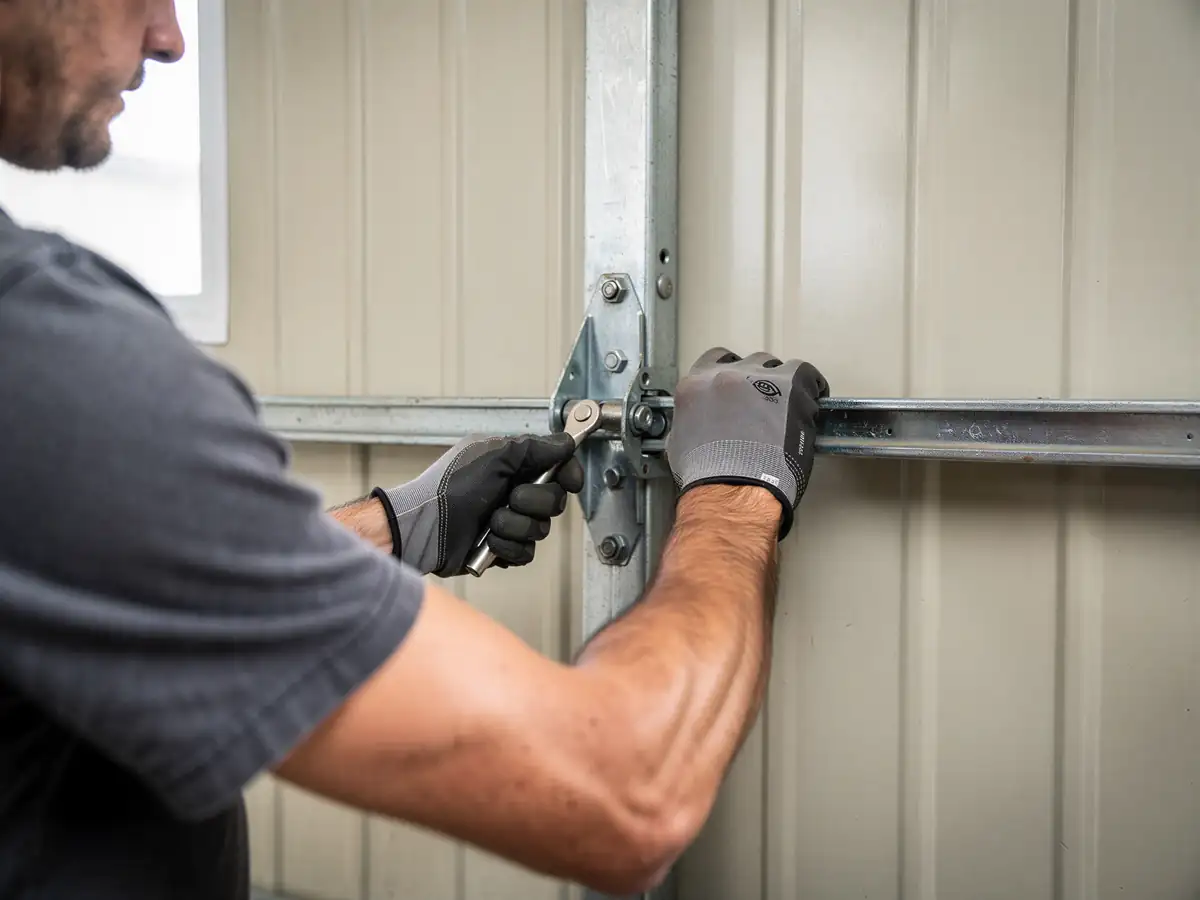
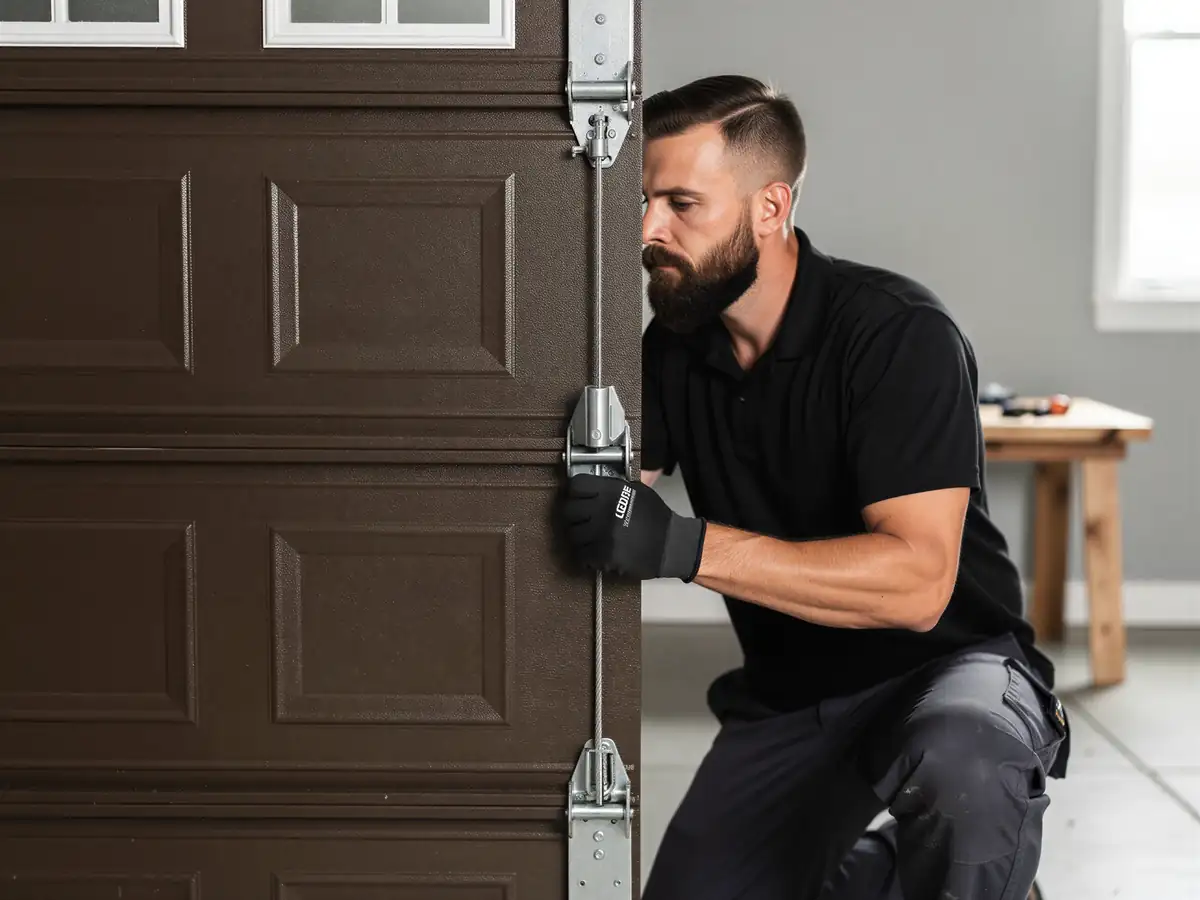
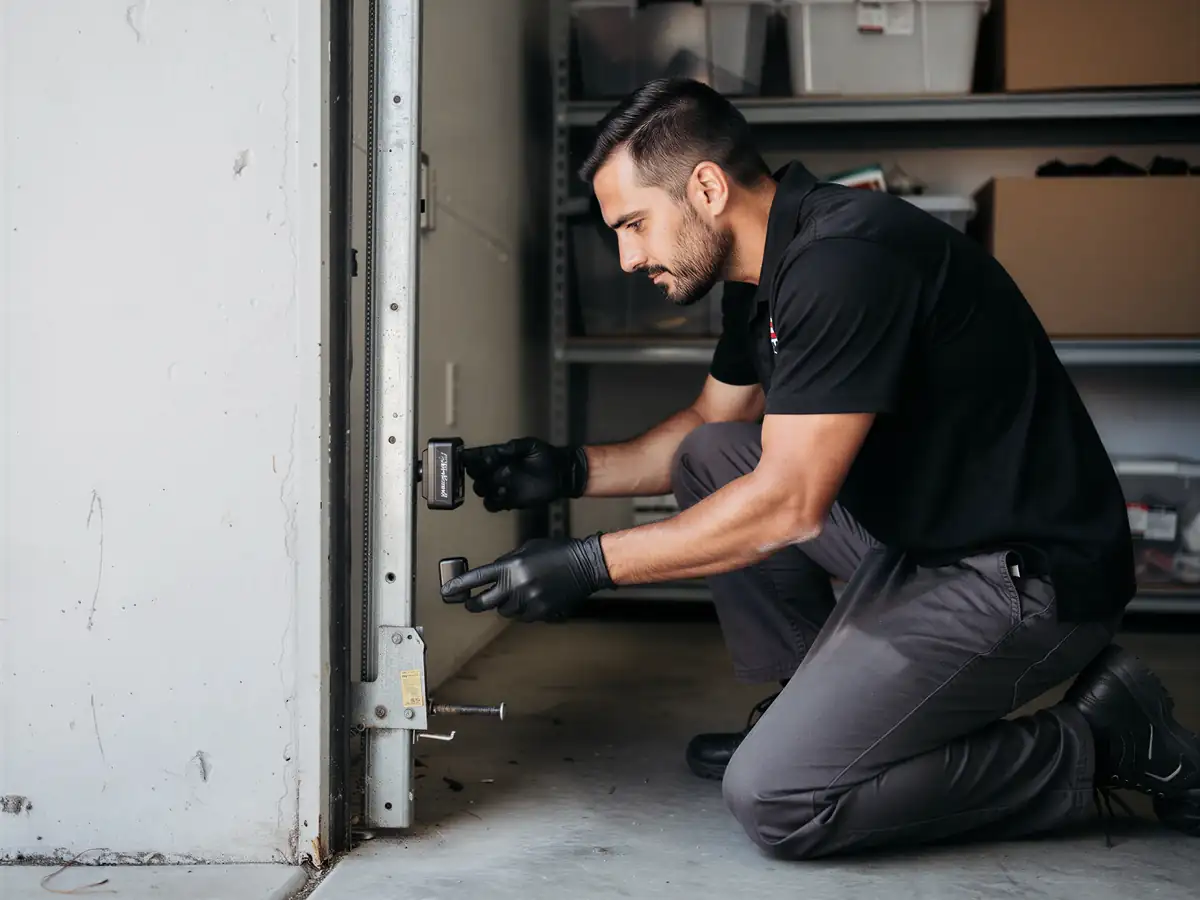
Swapping a wall console or a remote is within reach for most homeowners, and we're not going to tell you to call us for that. A full opener install is a different job - setting travel limits, aligning safety sensors, and torquing a trolley to a door that may not be the weight the new opener expects. On a 1979-era door, you're also often dealing with a header that needs a look before anything gets bolted to it, and misjudging that is how people end up with a unit that works for a month and then doesn't. If you're comfortable on a ladder and have a helper, the console swap is fair game. The opener itself, less so.