What You Pay
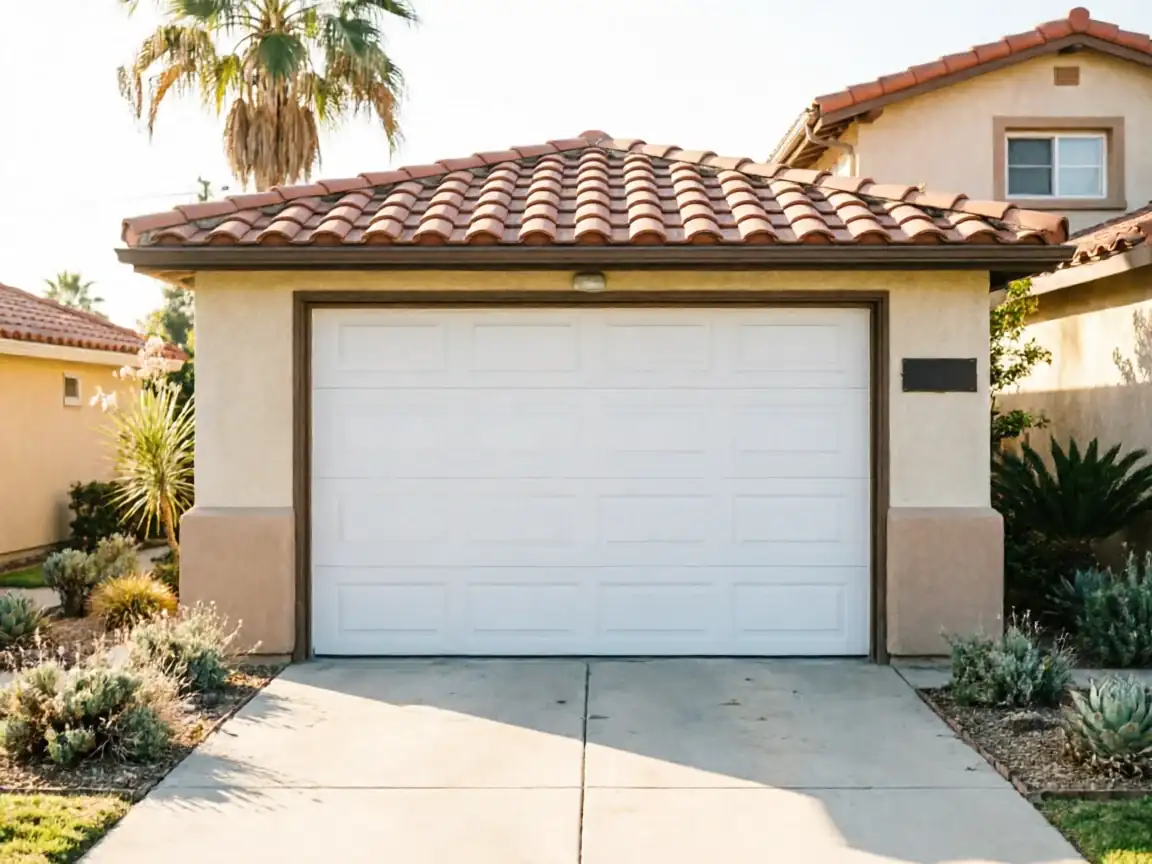
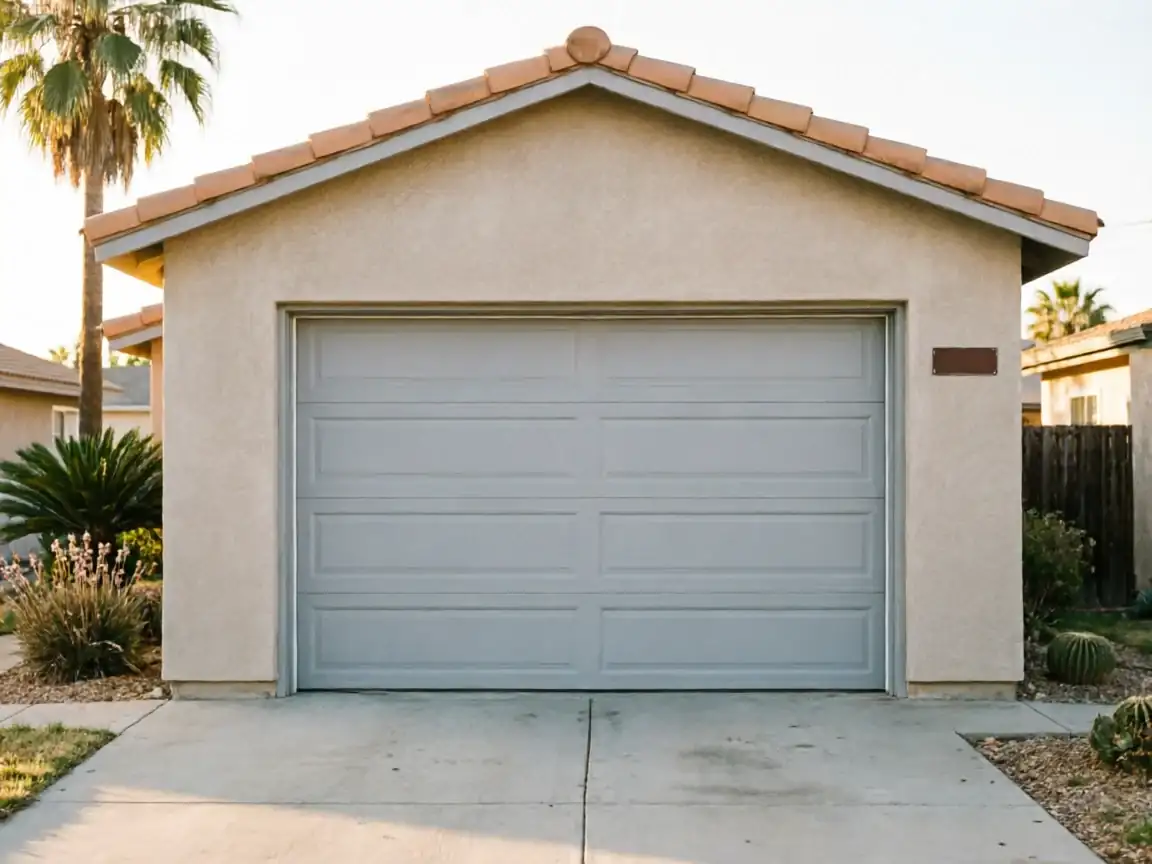
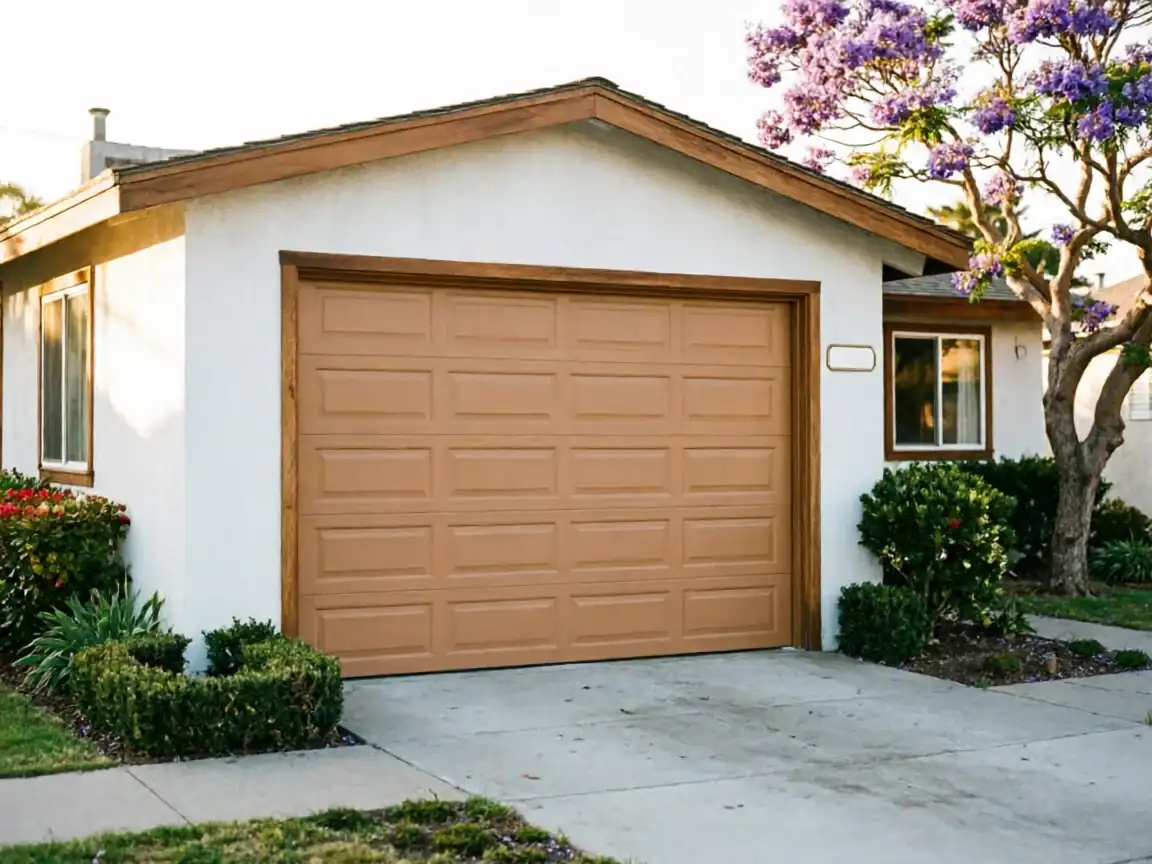
Bonadelle Ranchos is a small pocket, something like 1,639 households, and that size matters more than it sounds like it should. A town this size doesn't generate enough call volume on its own to support a shop sitting inside it, which is why the job comes from our Clovis location rather than a branch around the corner. What it does mean is consistency: most of the garage doors here went up within a tight window around 1993, so the cable drums, the track width, and the spring-to-cable ratio tend to match house to house far more than in older, patchworked neighborhoods. We price cable repair by what's actually failed - one cable, both cables, or a cable plus a damaged drum or frayed pulley - rather than a flat number, because a single snapped cable on a newer torsion setup is a different job than a pair that's both stretched and corroded. We don't quote a price site-unseen for anything beyond a straightforward single-cable swap.
What the Repair Takes
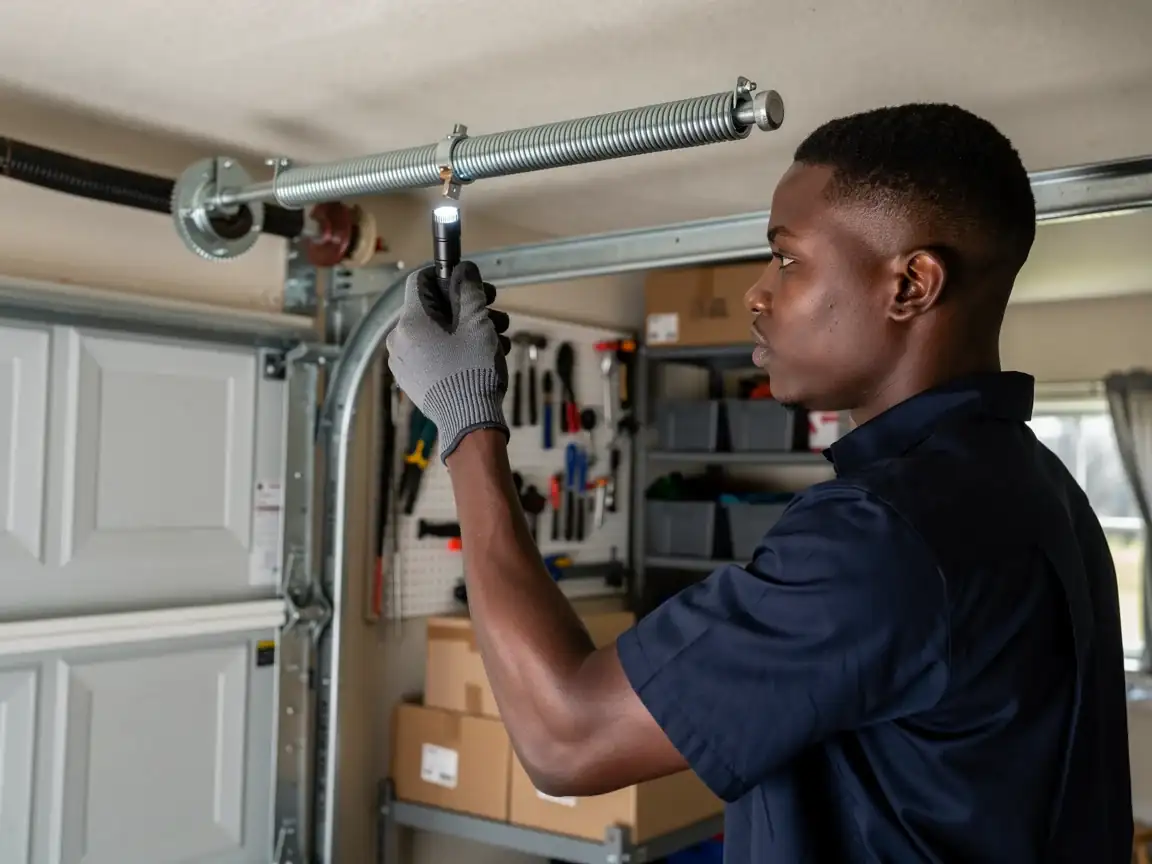
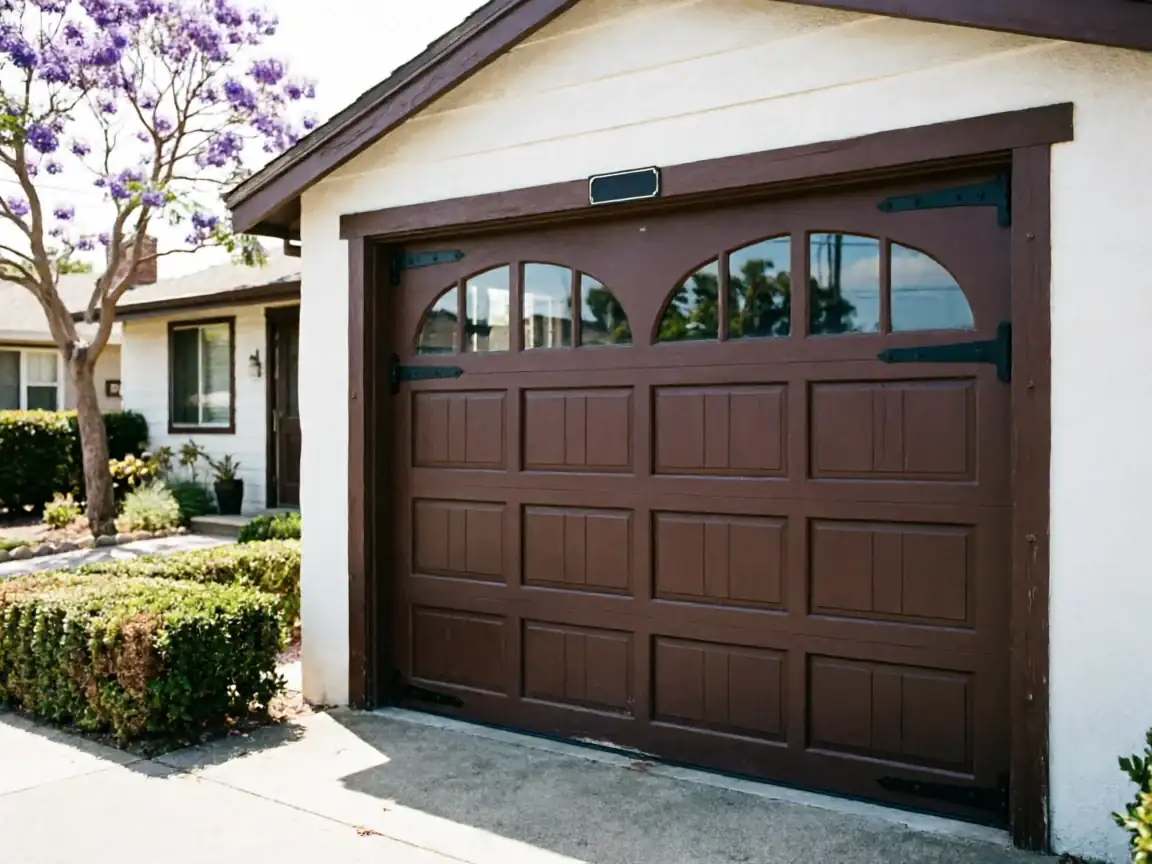
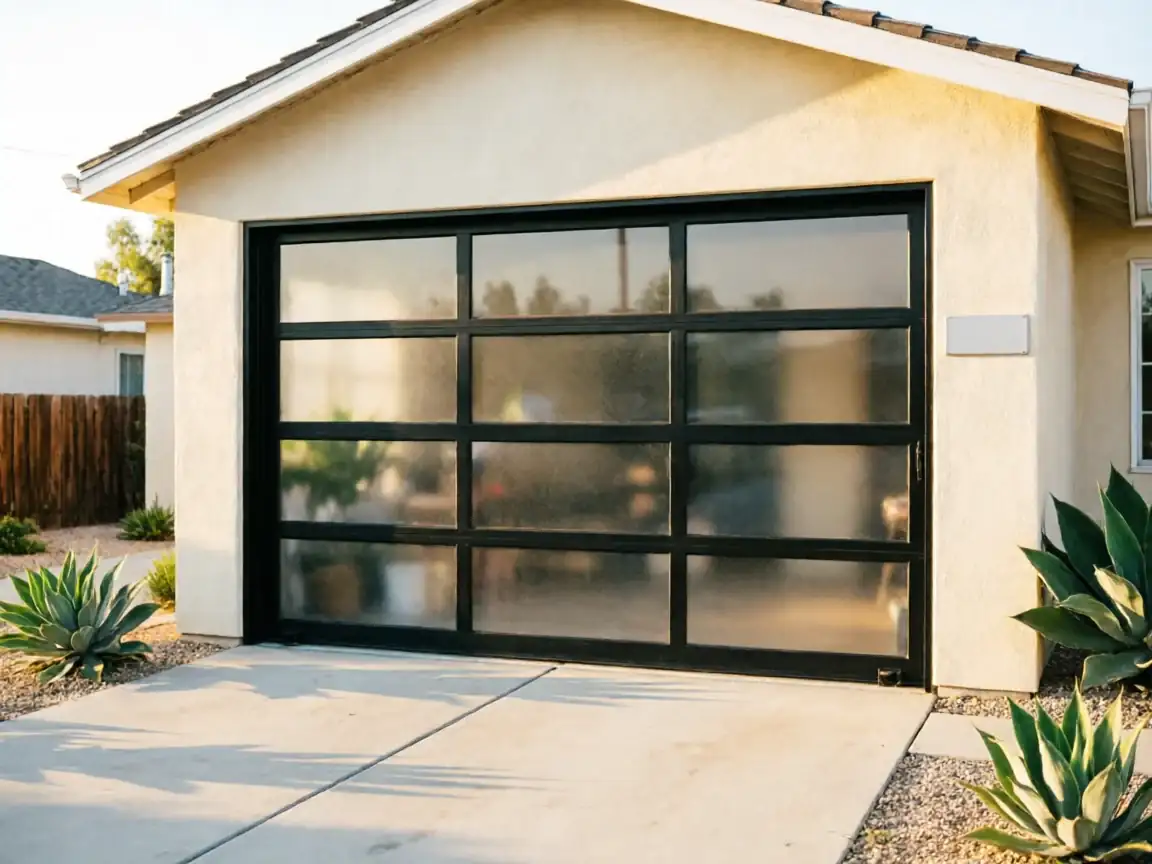
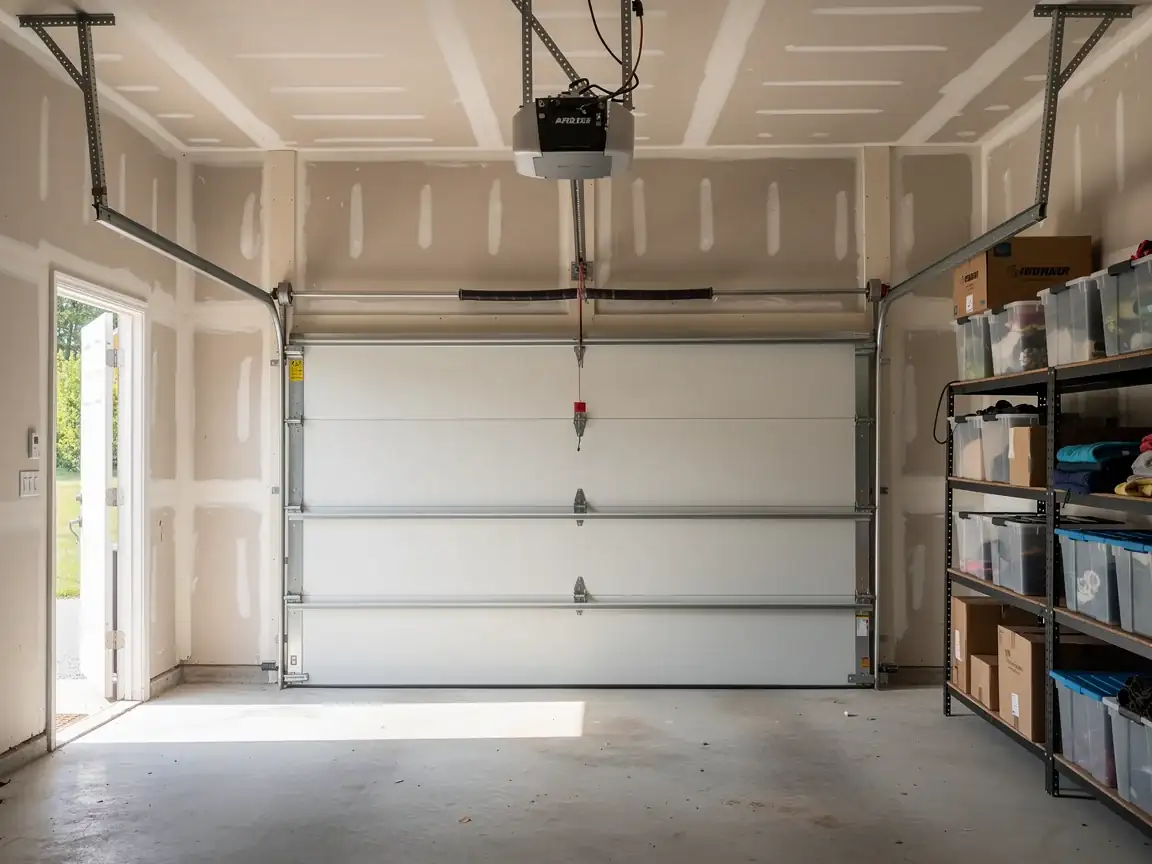
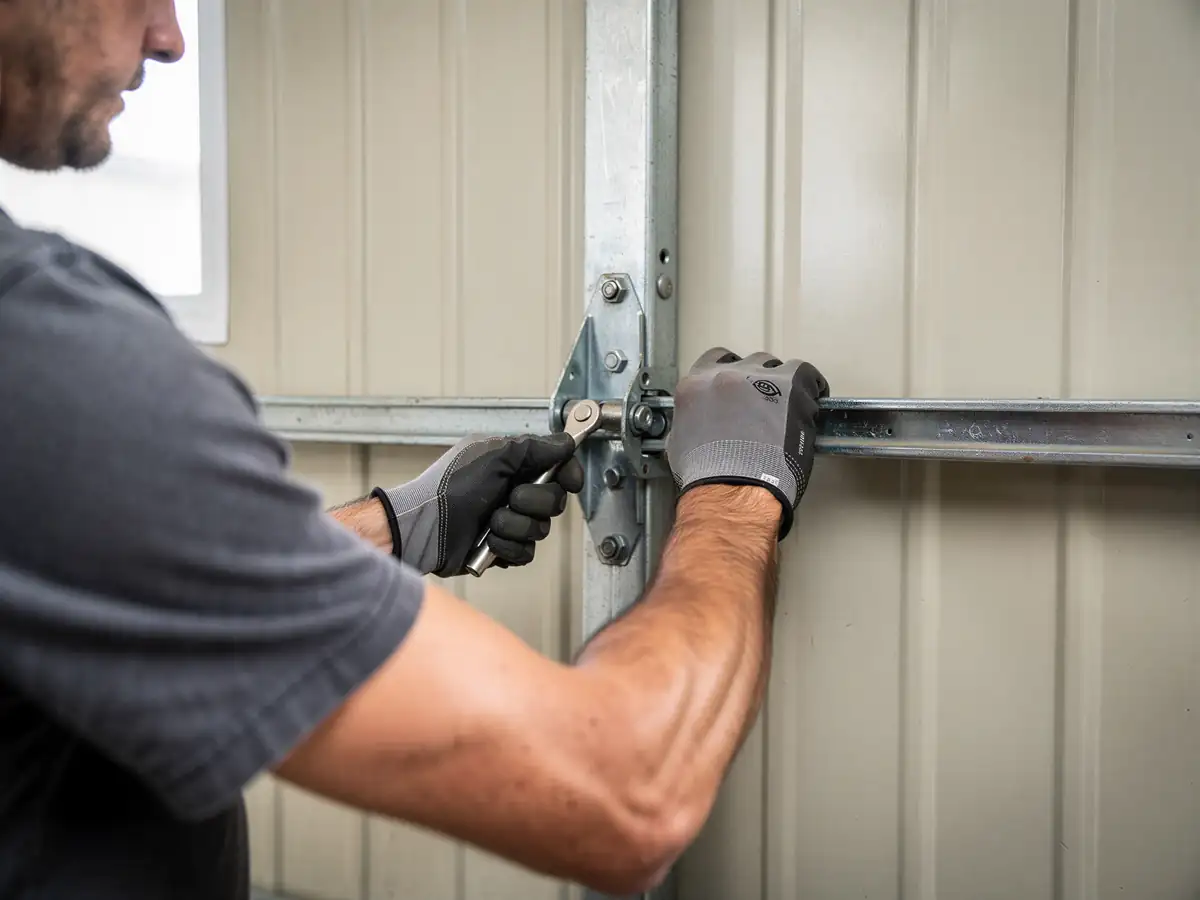
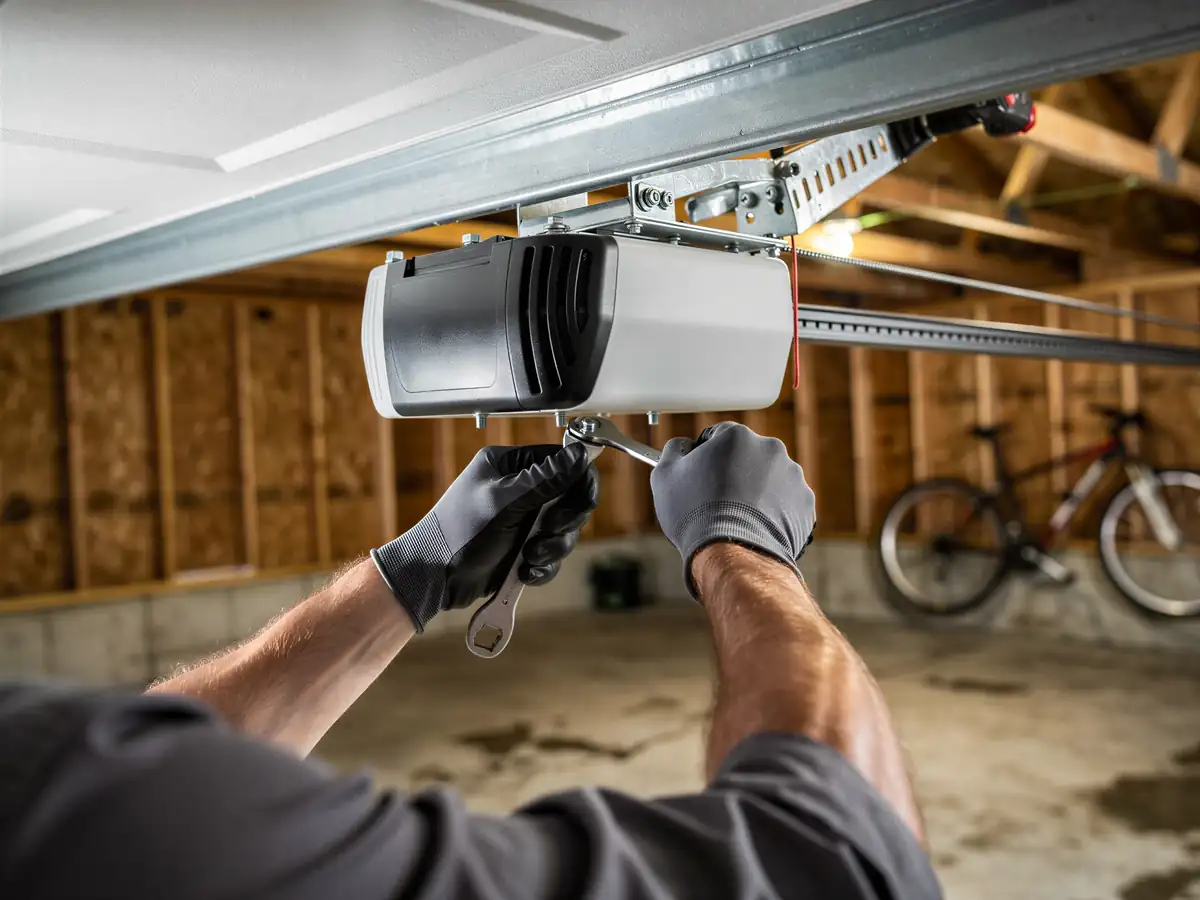
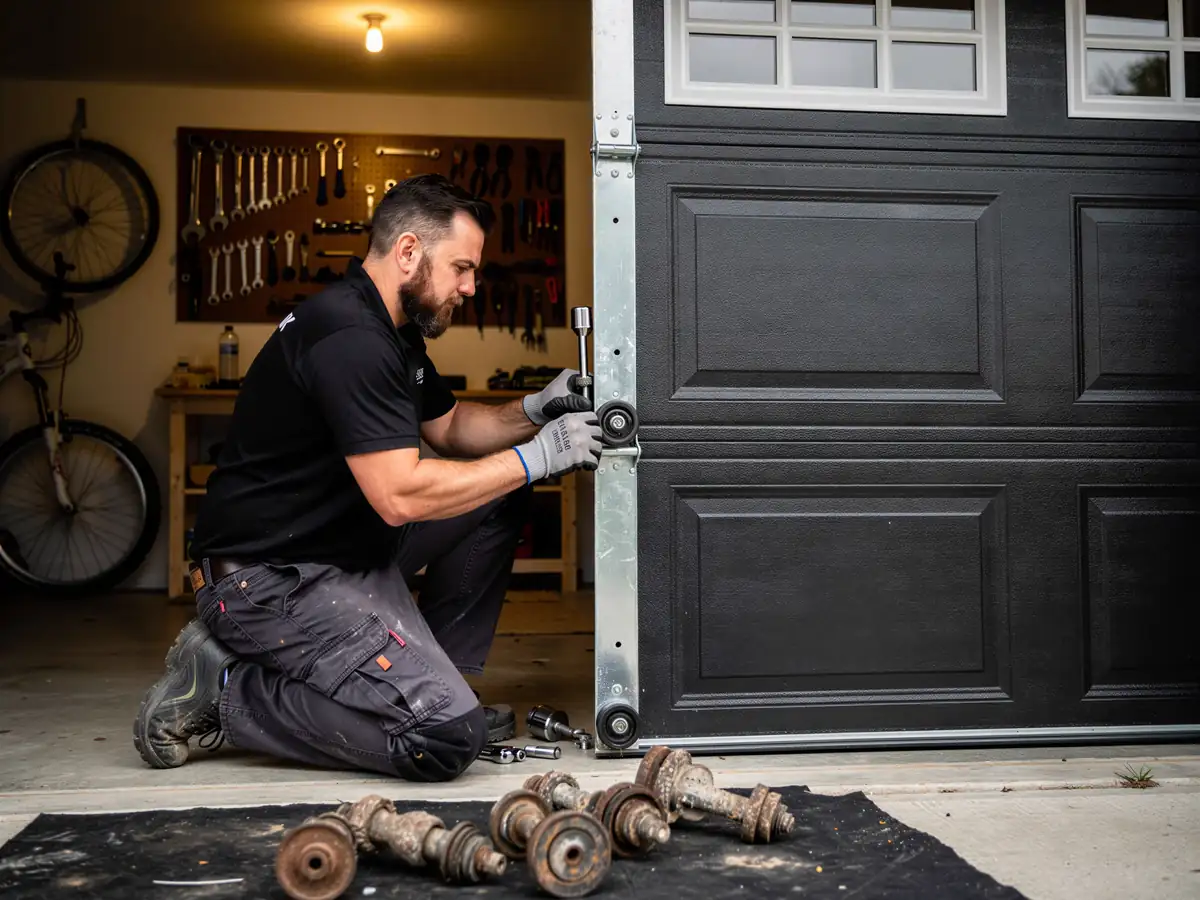
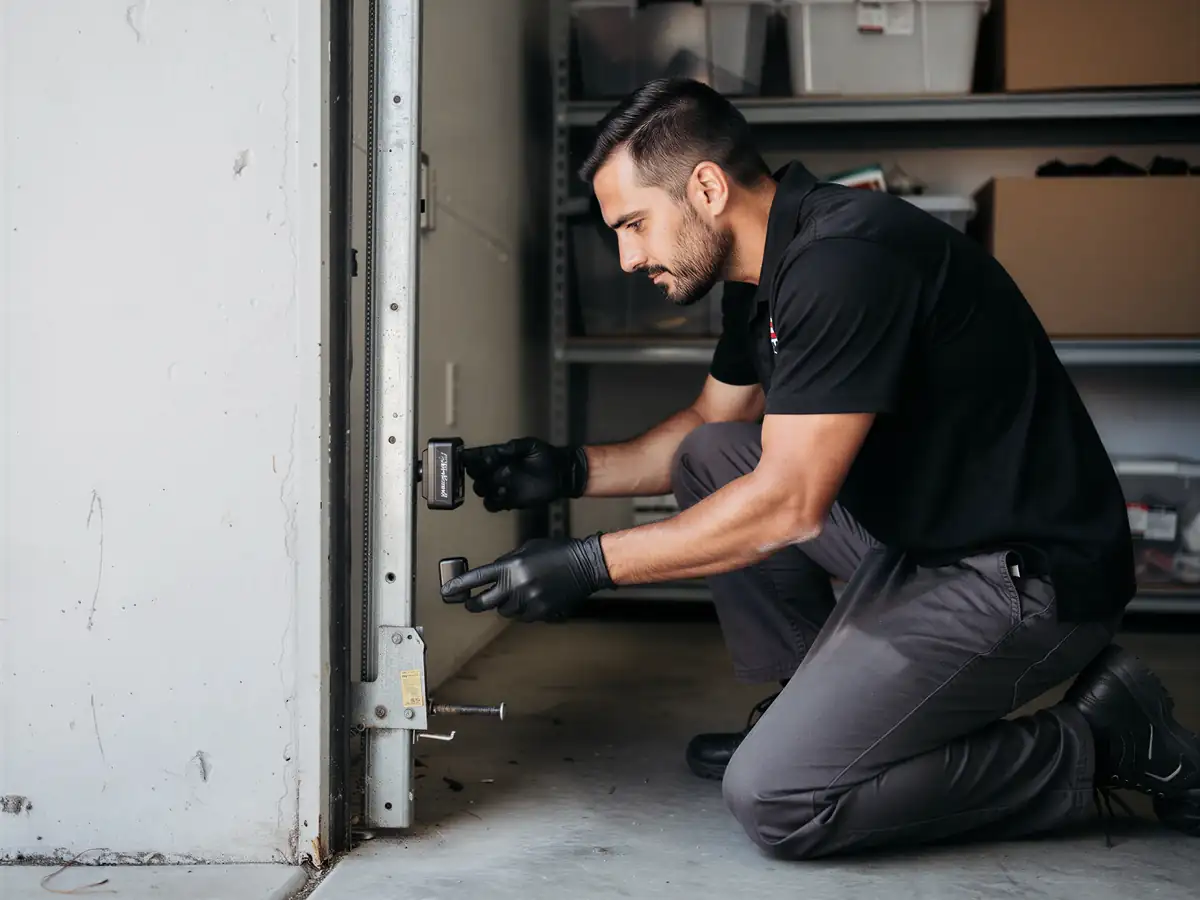
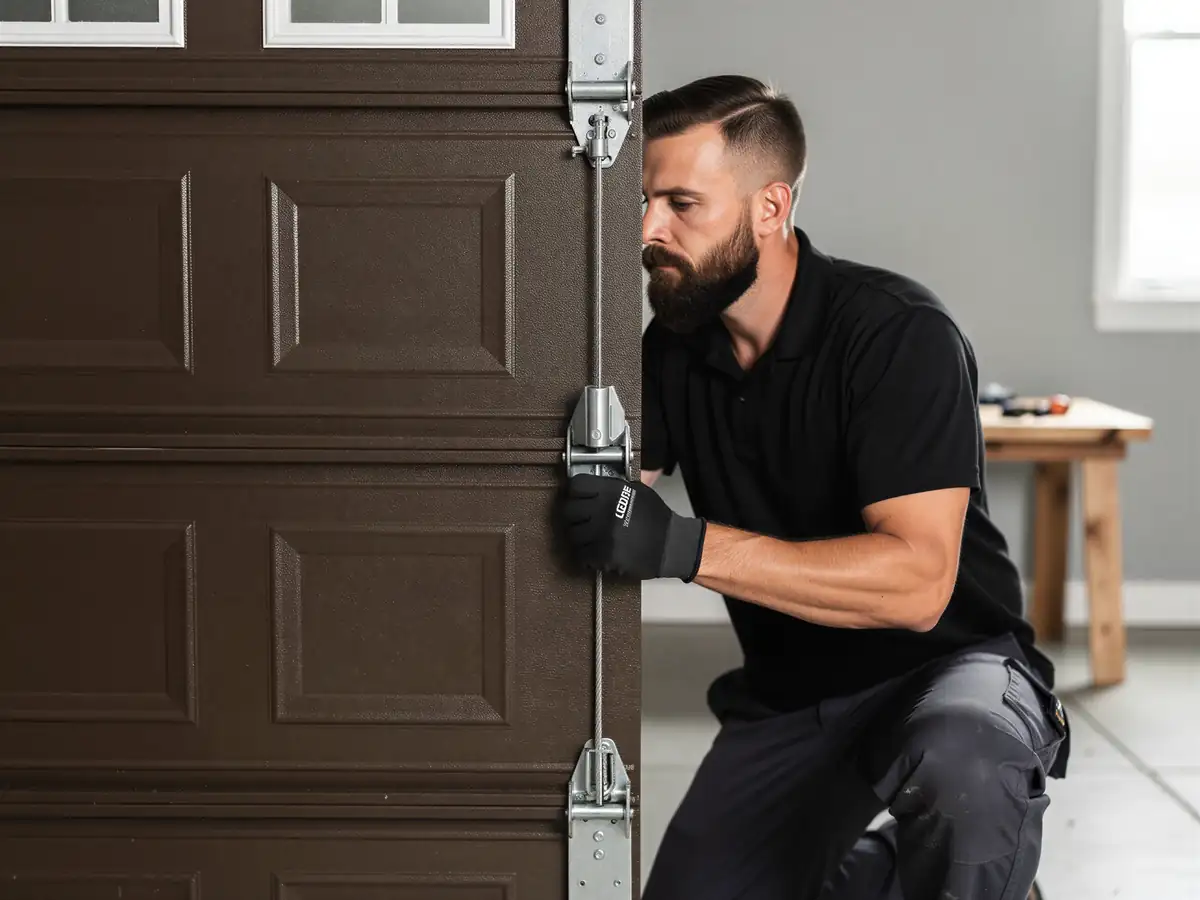
A garage door cable rarely fails alone - it's usually a symptom of a drum that's worn its groove, a spring that's lost tension and is dumping load onto the cable, or a roller that's binding and forcing the cable to carry weight it shouldn't. On the 1993-era doors common through Bonadelle Ranchos, we're mostly dealing with galvanized aircraft cable on extension or torsion systems that were standard for that build period - not the older side-mount torsion hardware you'd find on housing from the 1950s and 60s. That's good news for parts: this is hardware we stock on the truck, not something we have to special-order. The repair itself means releasing spring tension safely, pulling the old cable off the drum, checking the drum and pulley for wear grooves, and running a matched replacement cable before re-tensioning. If the drum's scored or the pulley bracket is bent, those get replaced in the same visit rather than left to re-fail in a few months.
Time on the Job
Our summers here run hot enough to count as a severe heat zone, and that matters for cable life in a way most owners don't expect - it's not the wire itself that gives out first, it's the dry lubricant and the coating around the strands, which bakes and cracks under repeated heat cycling in an uninsulated garage. By the time a homeowner notices fraying, the cable's often been shedding strands for weeks. A straightforward single-cable replacement on a torsion system usually runs under an hour once we're on site with the right tension bars and a matched cable length. If both cables need replacing, or we find a scored drum or a spring that needs swapping at the same time, plan on longer. We won't rush the spring-tension part of this job regardless of how simple the rest looks - that's the one place a shortcut turns into a second call.
What You Are Seeing
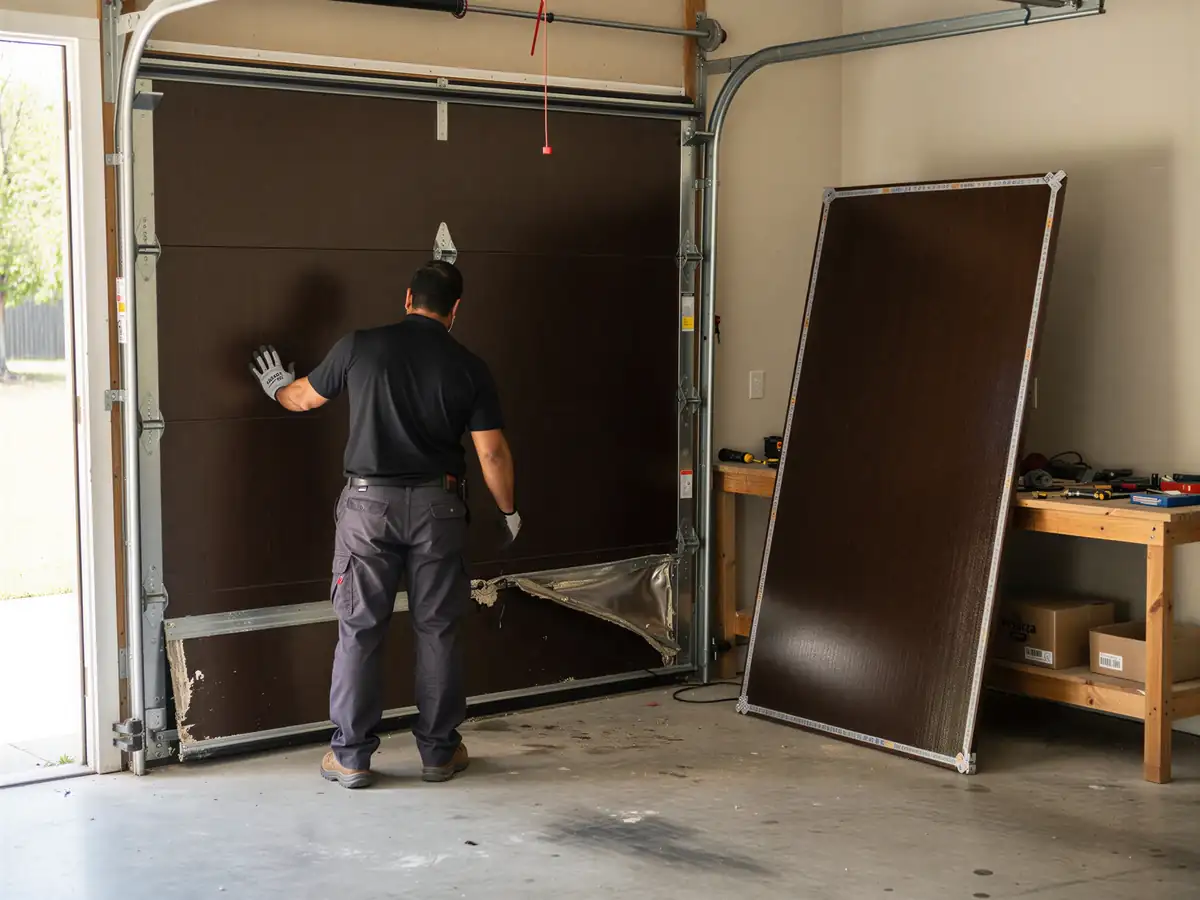
The classic sign is a door that drops crooked - one side higher than the other, or the door hanging at an angle in the opening - because one cable has let go while the other is still holding its corner. You might also hear a loud bang as the cable snaps under tension, or notice the door suddenly feels heavier to lift by hand, with the opener straining or reversing partway through a cycle. Frayed strands poking out near the bottom bracket, visible rust on the cable where it wraps the drum, or a cable that's jumped off its drum entirely and is hanging loose are all signs that point here rather than to a spring or opener problem, though the two often show up together. If you see any of this, stop using the opener and don't try to force the door by hand.