What You Pay
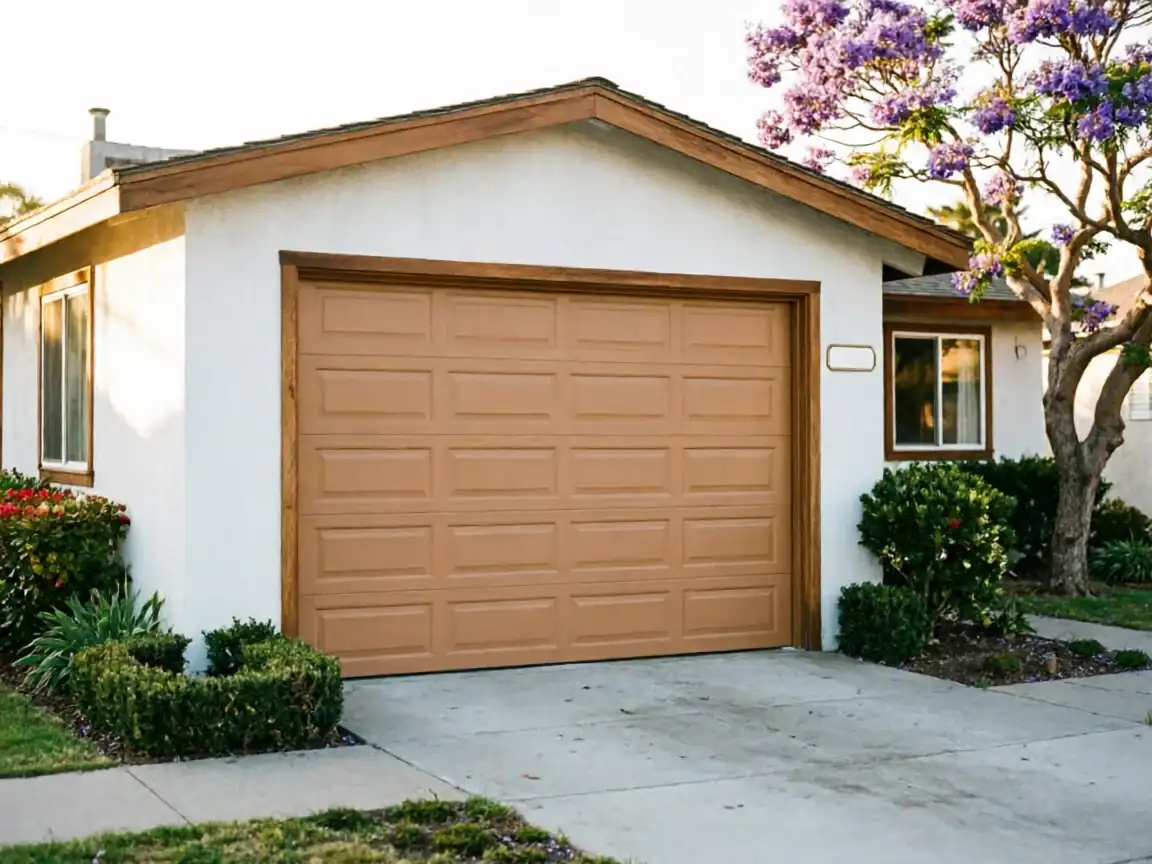
Most houses in Bonadelle Ranchos went up around 1993, and a lot of them are still running the steel rollers the builder put in. That's not unusual for this neighborhood - median income here runs well above the broader Clovis service area's $74,428, so a fair number of owners have already swapped openers or springs but left the rollers alone because they weren't the thing making noise yet. Roller jobs price by what's actually on the track: how many rollers need swapping, whether the hinges and brackets are worn enough to go with them, and whether you're moving to nylon or staying with steel. A full set replacement costs more than a spot fix on two or three rollers, but if the door was installed in the early '90s, the rest of the rollers are usually close behind the ones that failed. We don't post a flat number here because nobody's parts order looks the same until we've seen the track wear in person. What we can tell you: a stripped nylon roller is a cheaper part than a bent track section caused by ignoring it, so the math usually favors handling the full set once you're already paying for a service call.
What the Repair Takes
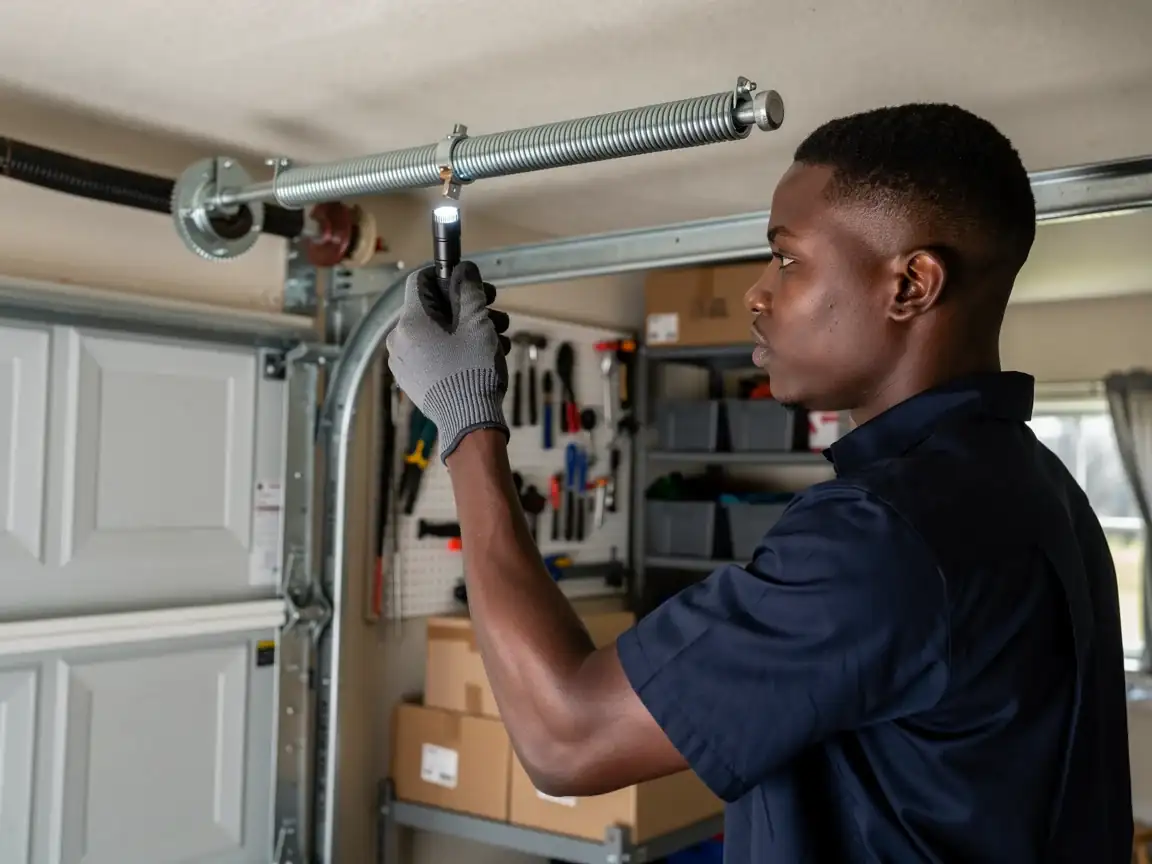
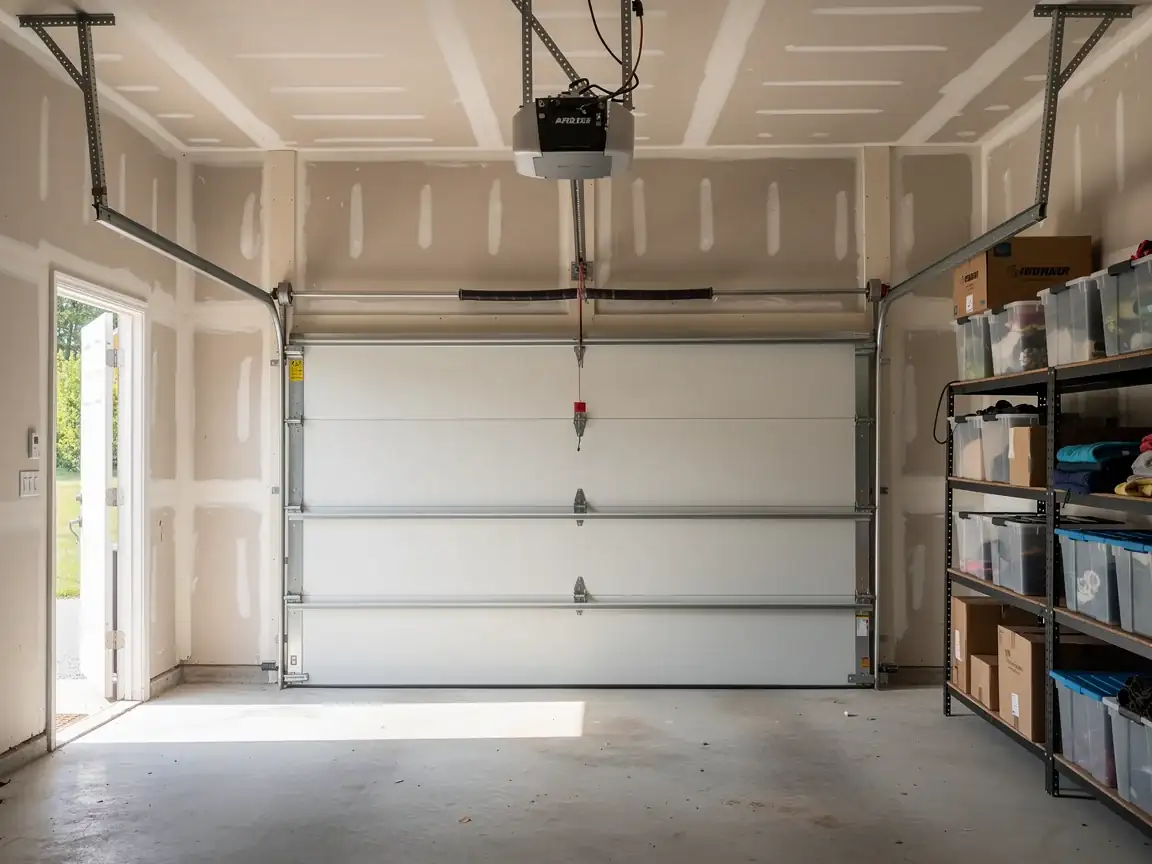
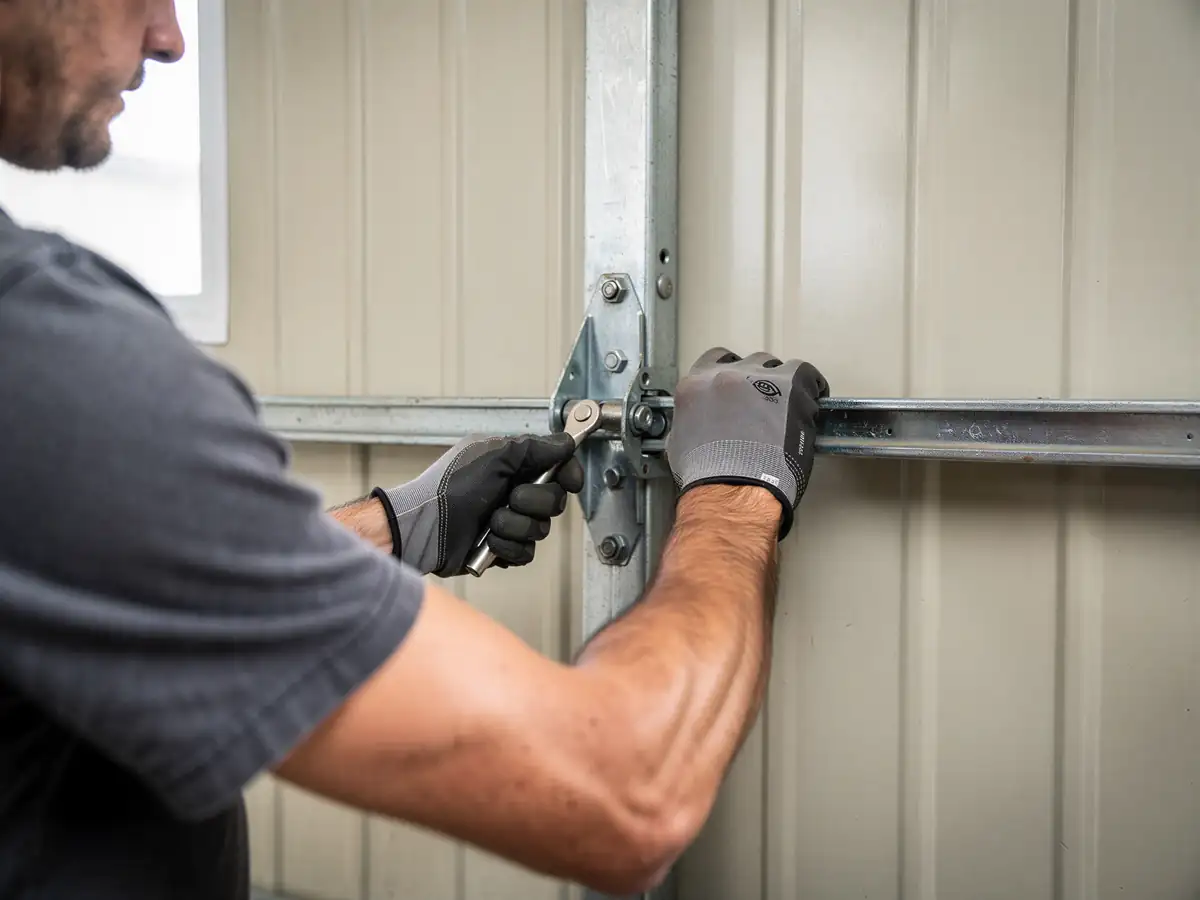
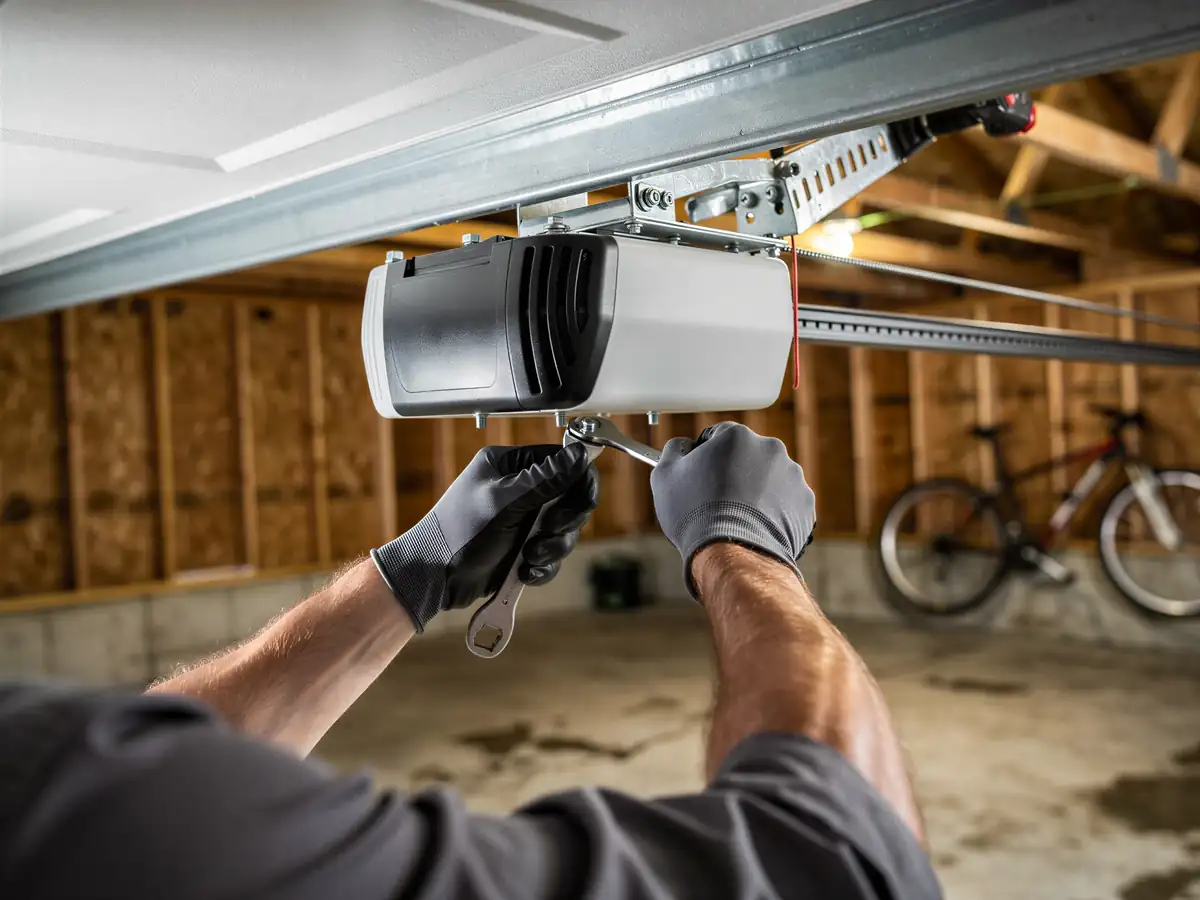
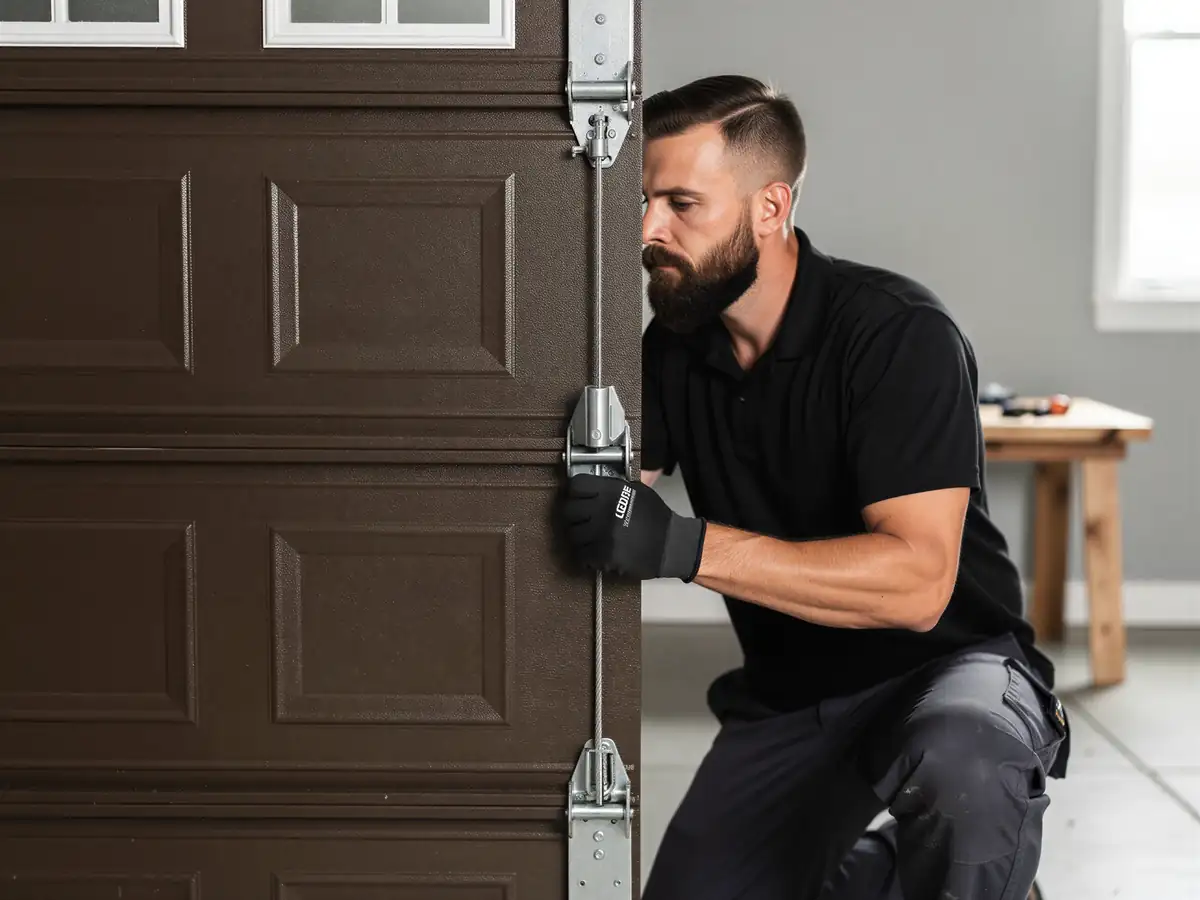
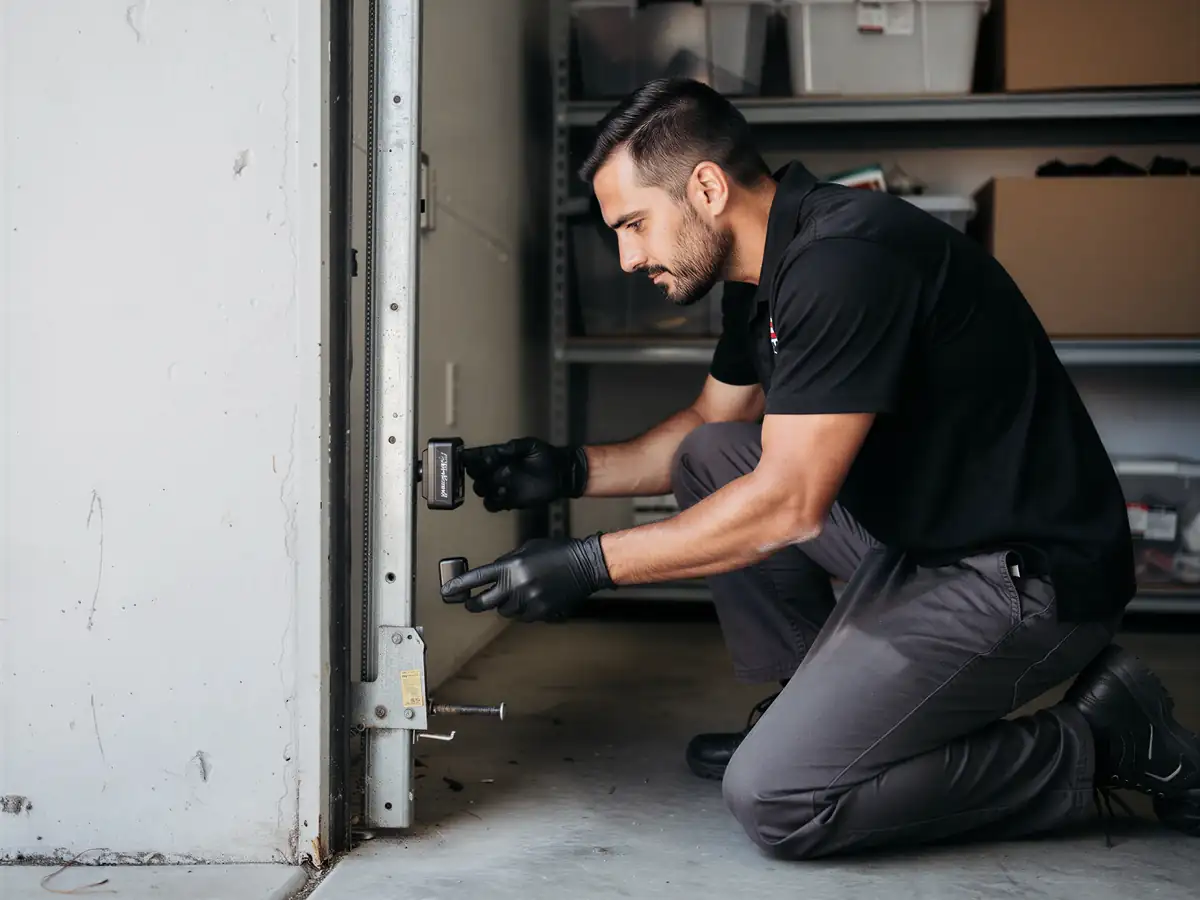
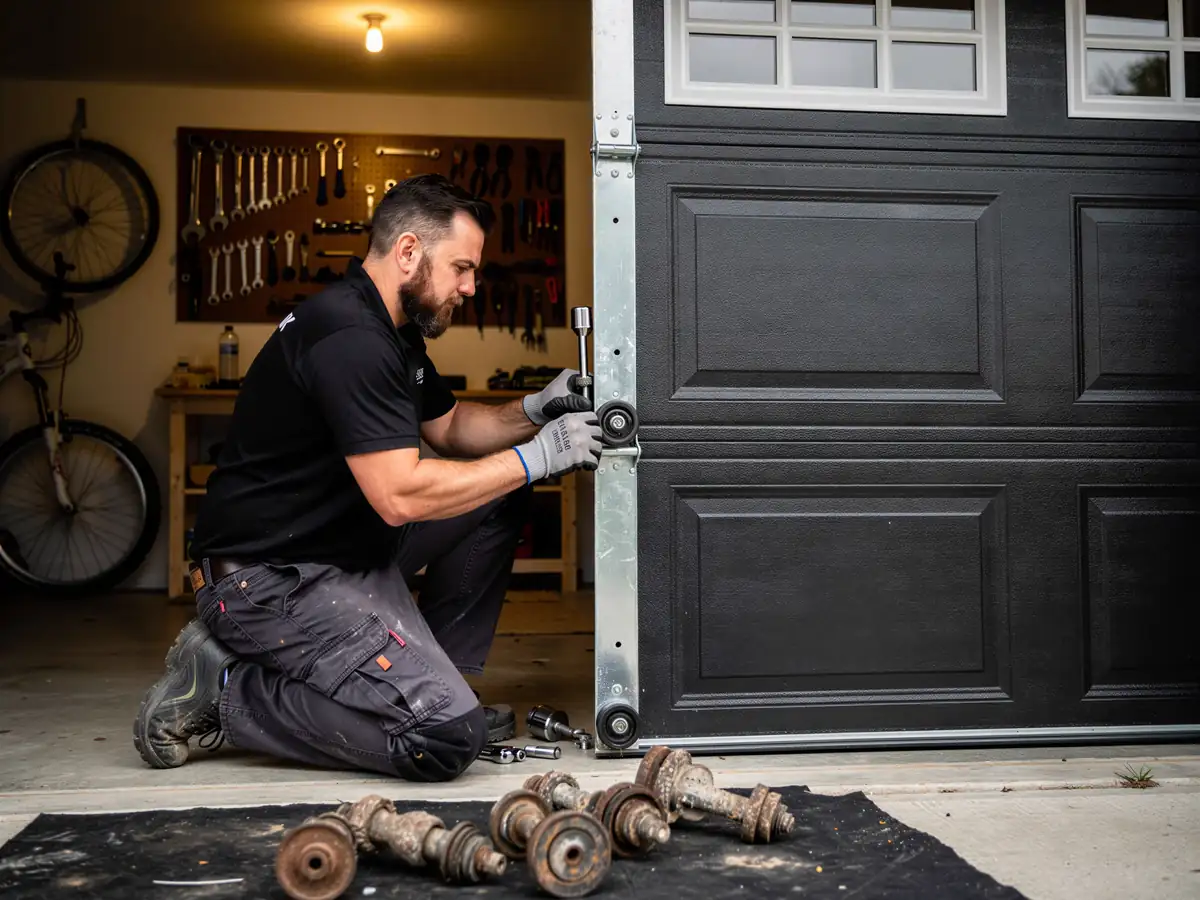
On a door this age, the rollers aren't the only original part still in the bracket. The hinges, the end bearing plates, and sometimes the track itself are the same pieces that went up when the house was framed. Swapping a roller means pulling the door panel brackets, working the stem out of the hinge, and checking that the track hasn't developed a lip or a bow from thirty years of a worn roller riding it unevenly. If the track's been grooved by a flat-spotted steel roller, we tell you before we quote a roller-only fix, because a new roller on a damaged track still rattles. That's the one honest limitation worth saying up front: a roller swap won't fix a track that's already taken the damage. Sometimes the right call is a short section of new track, not just new rollers, and we won't sell you the cheaper job if it's not going to hold.
Time on the Job
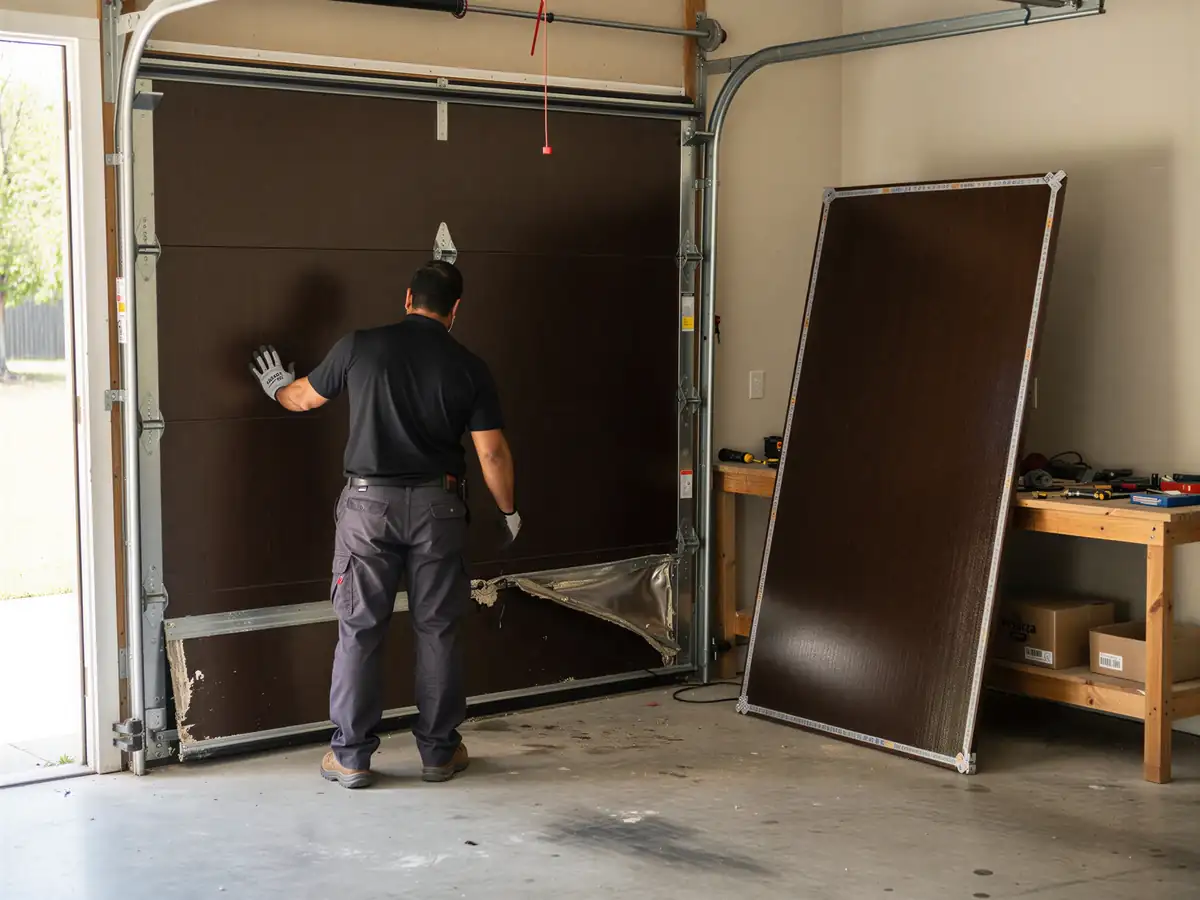
A straight roller swap, done on-site, usually runs under two hours once we're set up, including checking the track and hinges for wear that would change the job. If the inspection turns up a bent track section or a bracket that needs replacing too, that adds time, since those parts aren't always something we carry pre-cut for an unexpected length. We're coming from Clovis, about 15 miles out, so factor that drive into when we can get there rather than when the repair itself wraps up.
What You Are Seeing
A door built around 1993 and still on its original rollers tends to announce itself the same way: a grinding or popping sound as it travels, worse at the top and bottom of the run where the roller crosses the curved section of track. Summers here push into the kind of sustained heat that this region's climate data flags as severe, and that heat cycling dries out the grease in old steel roller bearings faster than people expect, which is often what turns a quiet roller into a noisy one seemingly overnight. If the door also binds or jerks partway through its travel rather than running smooth the whole way, that's usually the track telling you the roller's already done damage, not just worn out on its own.