Stocked Parts
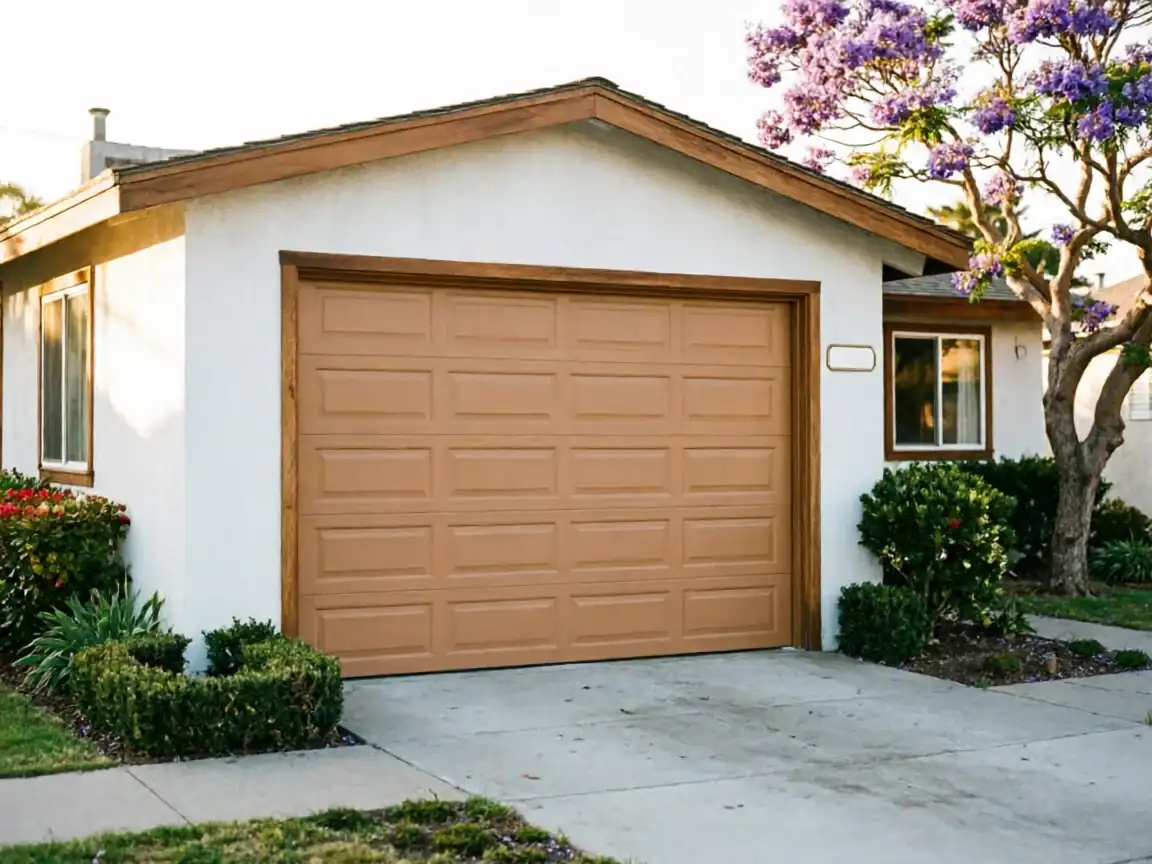
Most of Sunnyside was built around 1966, which puts it a good fifteen to twenty years ahead of the 1956-1993 spread you see across the rest of the service area. That matters because a lot of garages here were never touched after the original install. The door might have been swapped once in forty years, but the track brackets, the header bracket, and in a lot of cases the spring anchor are still the pieces that went up with the house.
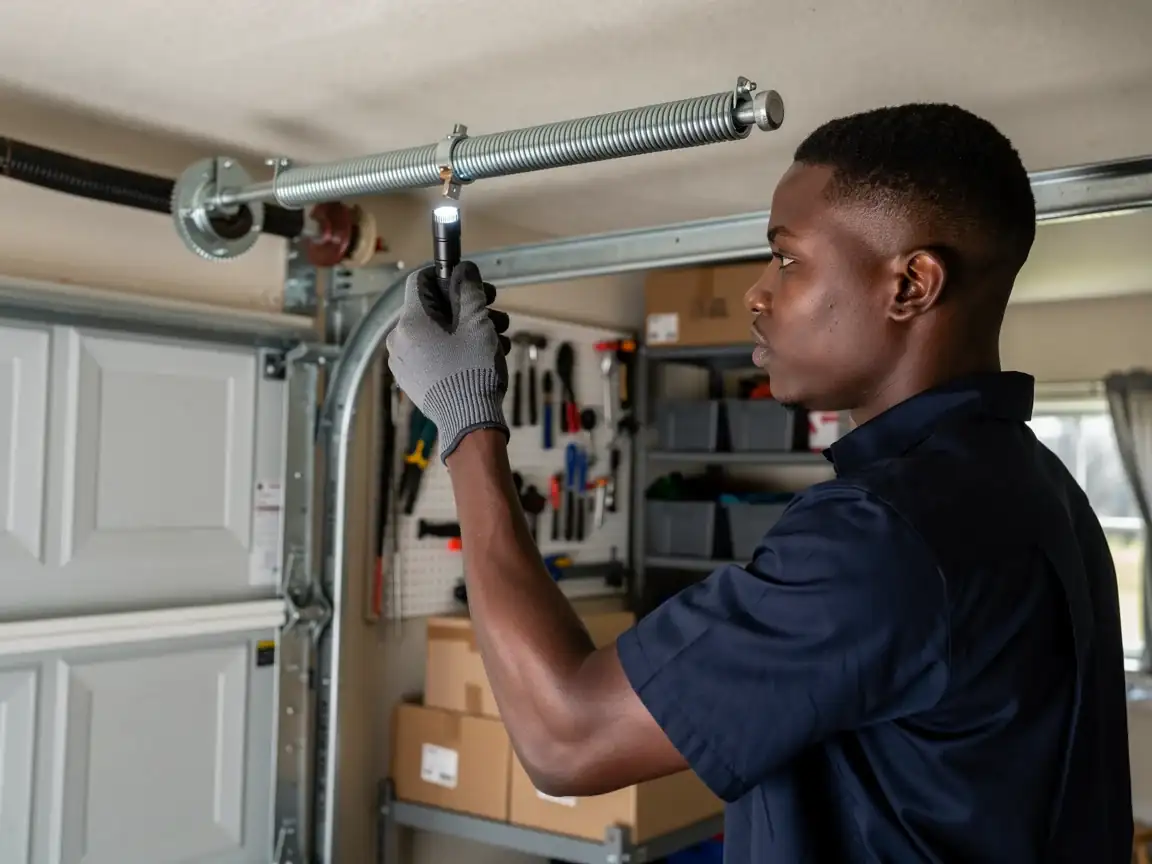
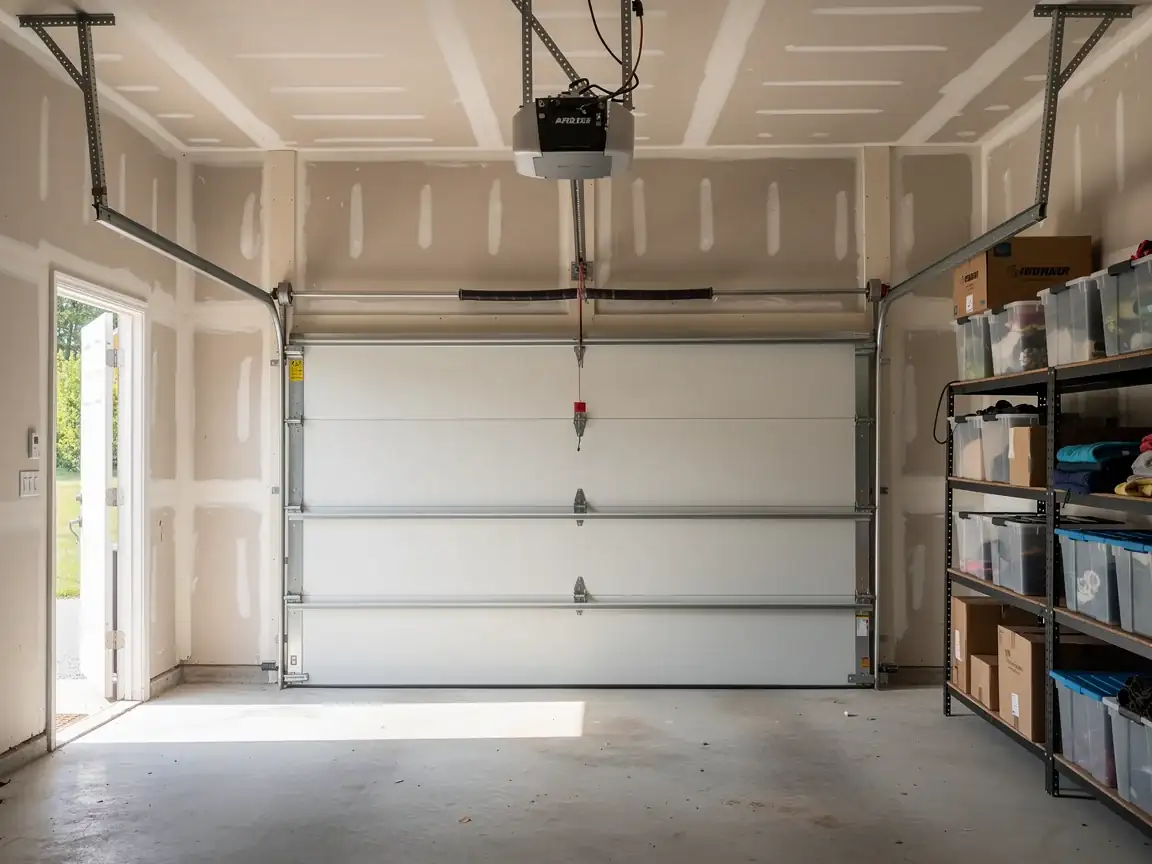
We carry torsion springs in the sizes that fit 1960s single-car and two-car openings, along with the shorter track radius a lot of these garages use - newer construction tends to run a taller radius that won't bolt up the same way. We also keep extension spring kits on the truck, since a share of Sunnyside garages that haven't been converted to torsion still run the older side-mounted setup. If a part turns out to be a size we don't stock, we tell you that up front rather than guessing it'll fit.
What we don't do is try to force a modern bracket onto a header that was framed sixty years ago. If the wood's gone soft or the stud spacing is off, that's a carpentry fix before it's a door fix, and we say so.
What the Repair Takes
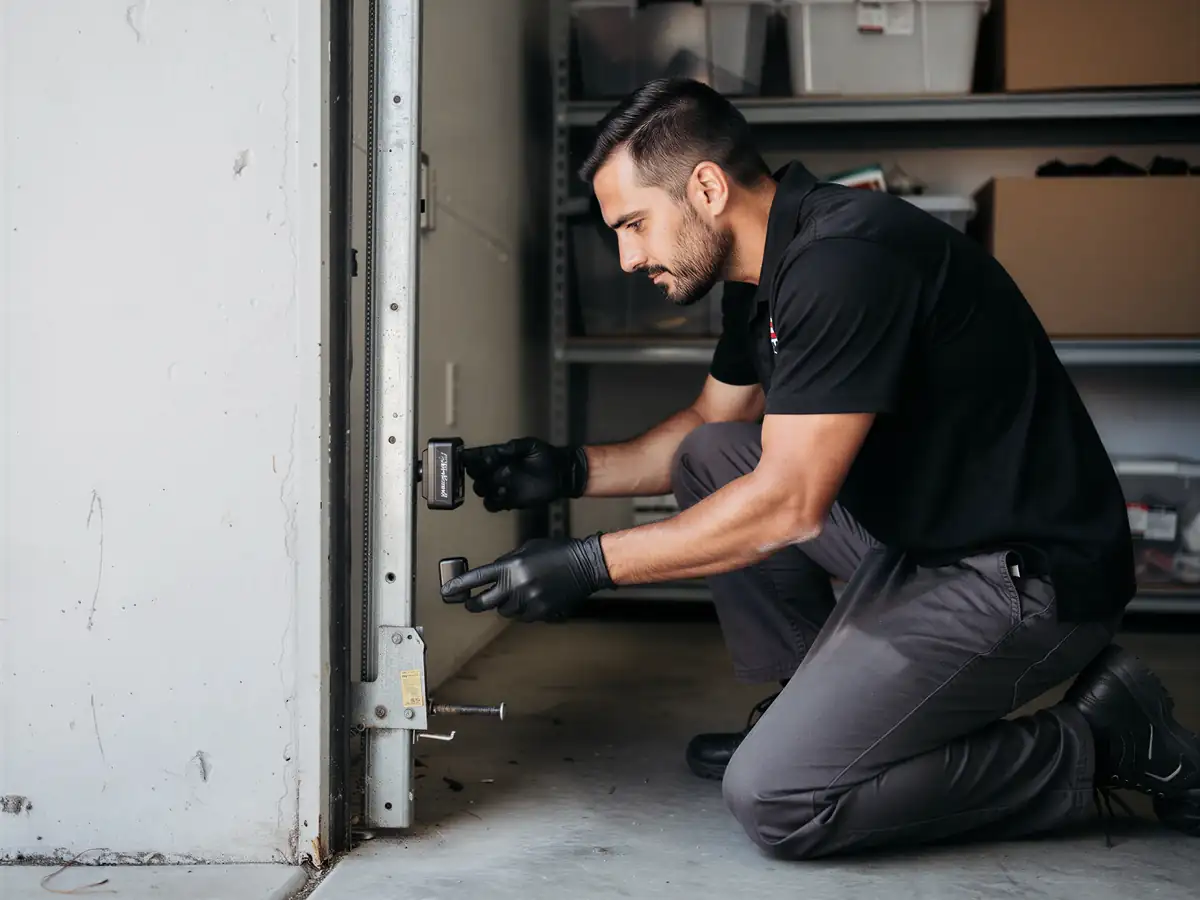
On a house built in 1966, the first question isn't what's broken - it's what's original. A spring that's lasted this long has usually been cycled tens of thousands of times past its rated life, so when one side goes, the other side is close behind. We check both before we leave, not after a second call.
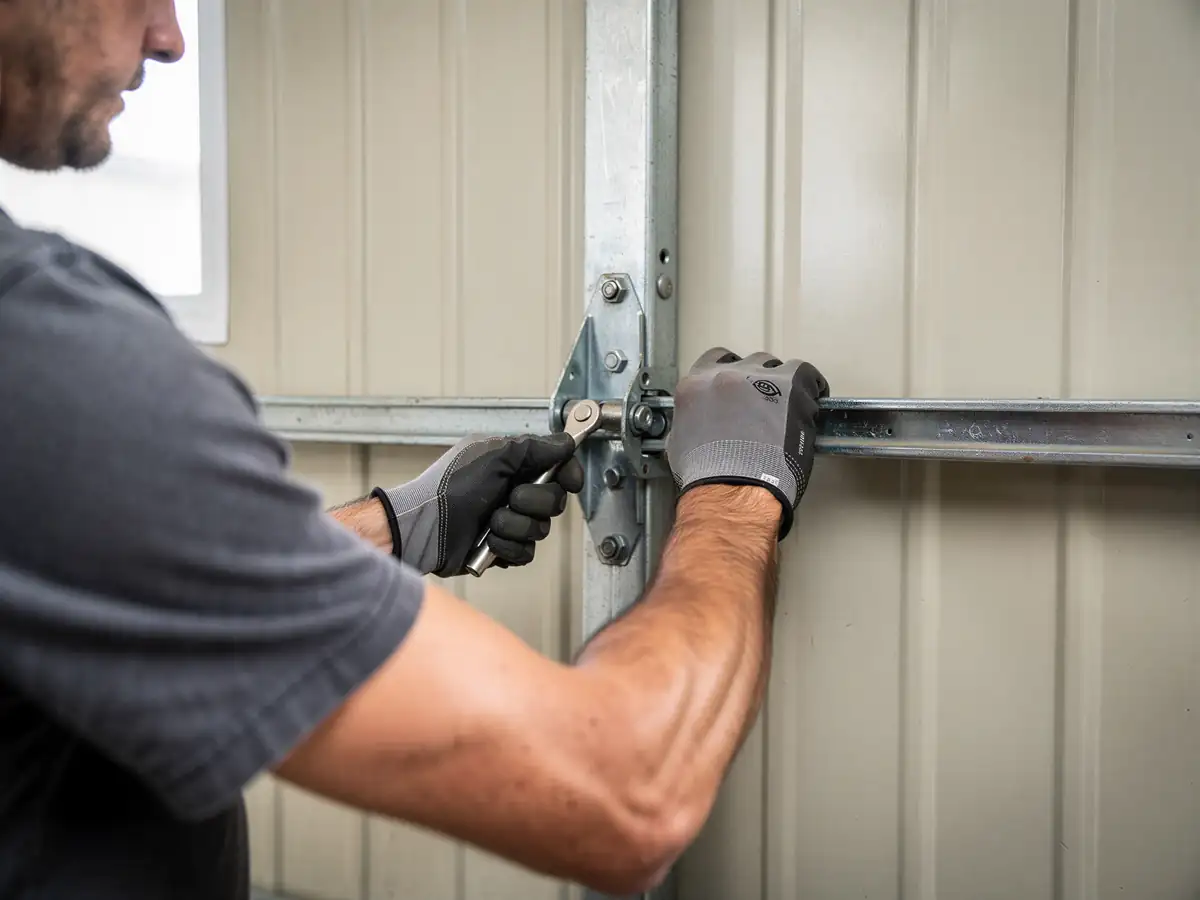
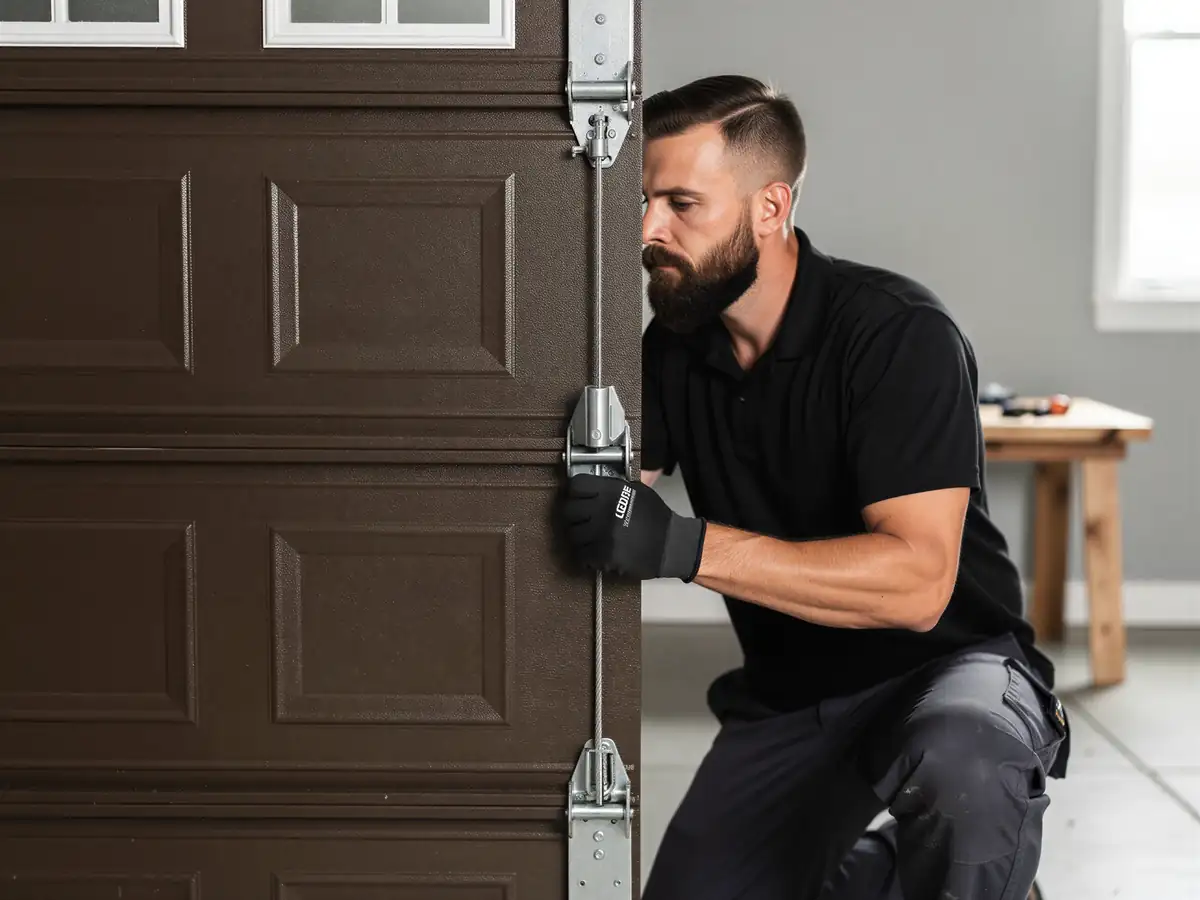
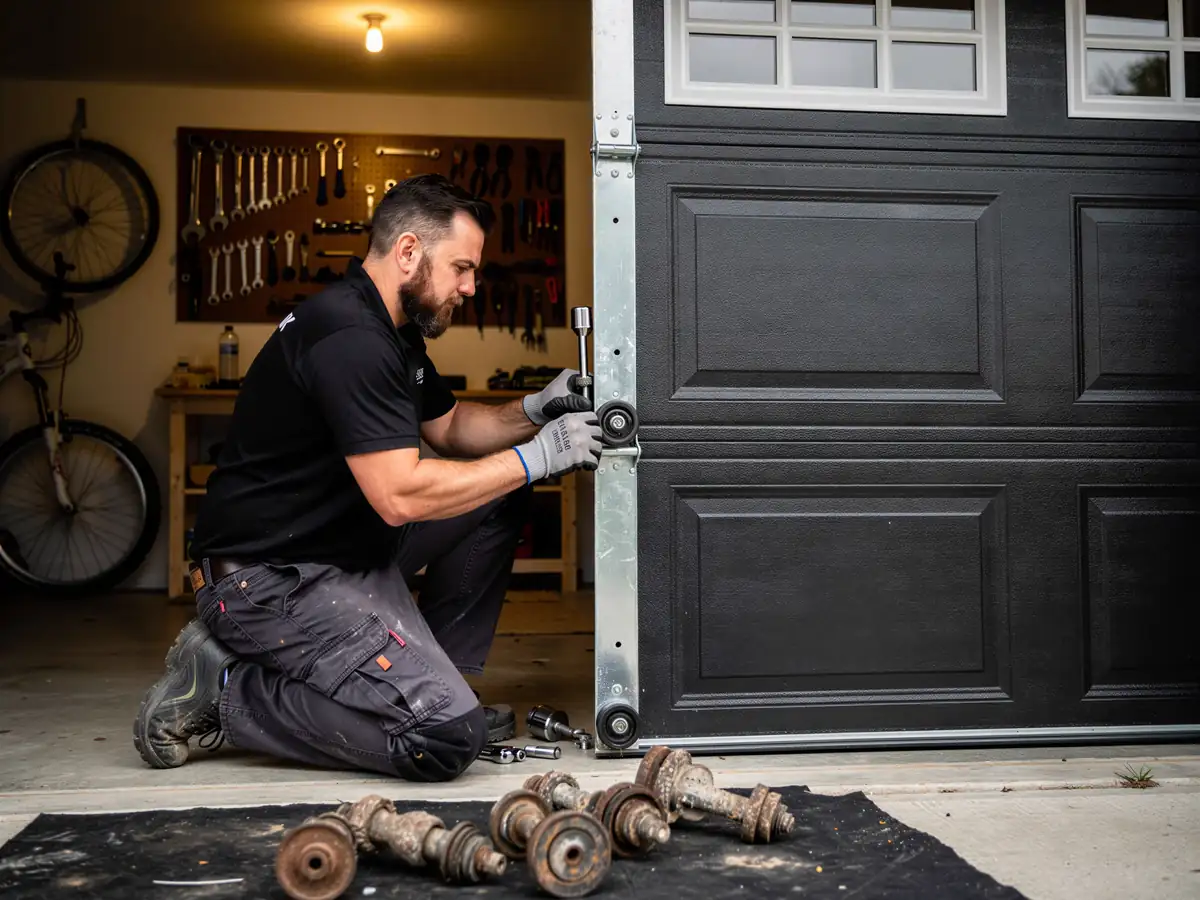
Rollers and hinges from that era are often the thin steel stock nobody makes anymore, which means replacement rather than a quick fix. Track alignment is a common finder on these garages too - fifty-plus years of settling can throw a track out of square by enough that a new roller still binds on the old bracket. We re-set the bracket rather than paper over it with an undersized part, because the callback on a bad shim job costs you more than doing it right once.
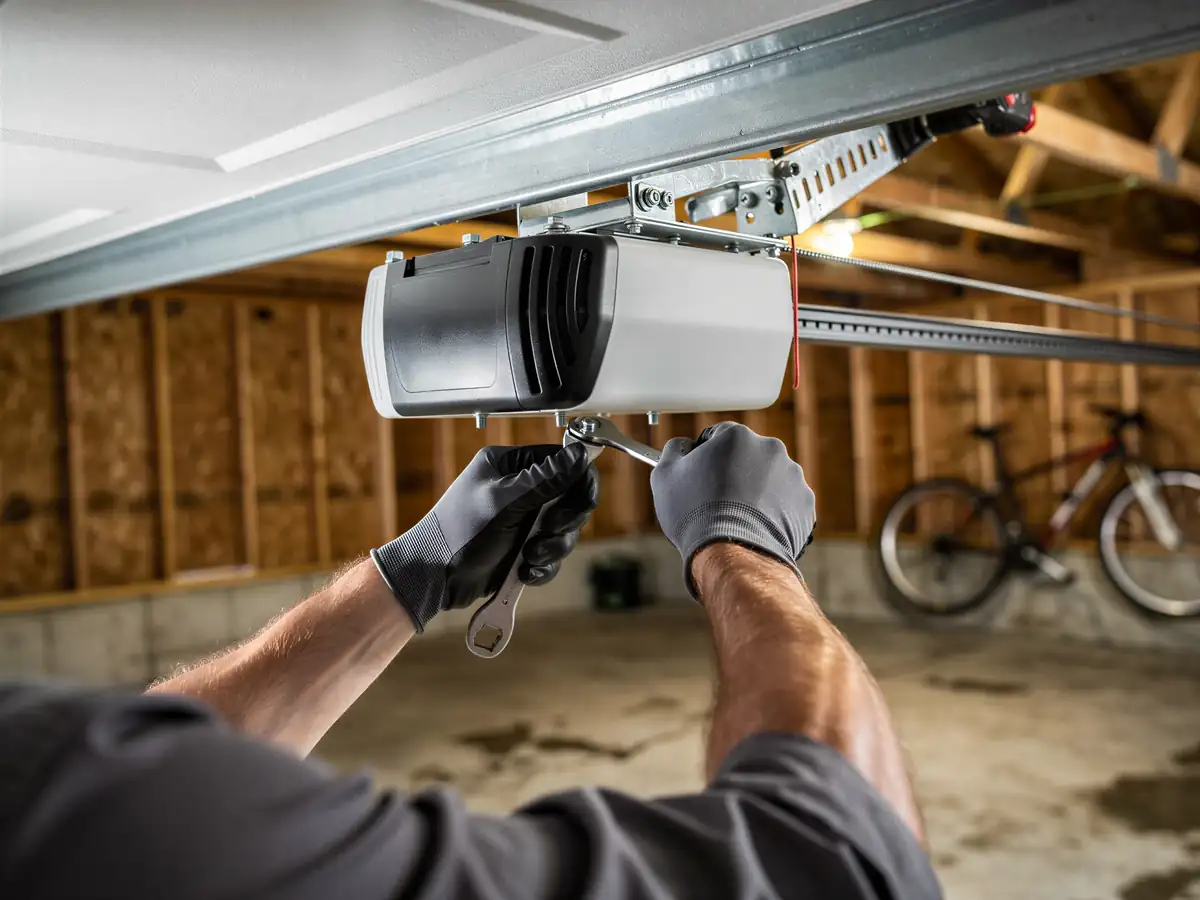
Openers are usually the newest thing in the garage, since most of these were retrofitted decades after the house went up. That's the one piece where we're not fighting original hardware - the rail, the chain or belt, and the safety sensors are typically a more recent installation, even when the spring and track behind them are not.
What Causes It Around Here
The Fresno-area heat is severe enough that it works on hardware year-round, not just in summer
On a door this old, the stress shows up as dry-rotted cable sheathing, springs that have lost temper from decades of heat cycling, and nylon rollers that have gone brittle and started shedding chips. None of that is unique to Sunnyside, but it's compounded here by age - a 1980s door in the heat is working against ten fewer years of wear than a 1966 door doing the same job.
The other factor is usage pattern
Sunnyside's median household income runs noticeably above the broader service area's $74,428 figure, and higher-income households with two-car garages tend to run the door more cycles per week, not fewer - more vehicles, more trips. On original hardware, more cycles means the weak point fails sooner, not later.
We don't see anything in Sunnyside that points to a soil or foundation issue specific to the area
The failures we find trace back to age and heat, not to the ground the house sits on.
What You Pay
We travel to Sunnyside from Clovis, about 7 miles out, and that trip is already priced into the job rather than tacked on as a separate charge. What drives the bill is the part, not the address.
A torsion spring job on a 1960s double door generally costs more than the same repair on a newer house, simply because the older spring size and the discontinued roller or bracket it's paired with means we're not grabbing the cheapest stock part off the shelf. If your garage still runs extension springs rather than torsion, that repair is usually a smaller ticket, but we'll tell you honestly if converting to torsion makes more sense long-term than fixing what's there again.
We don't quote a fixed number without seeing the door - a spring job and a full track realignment aren't the same money, and guessing a price over the phone for a sixty-year-old garage is how you end up over or under by a lot. We'll give you a number once we're looking at what's actually failed.