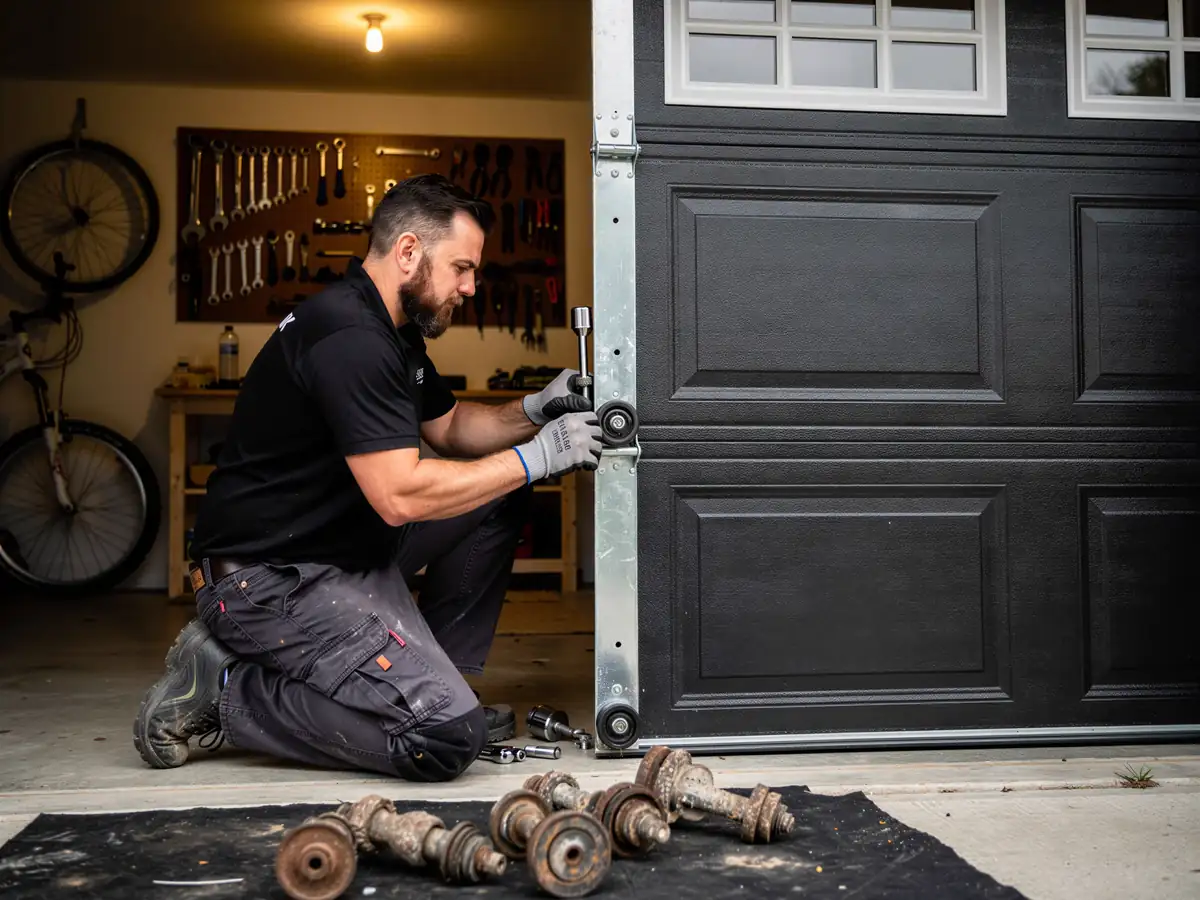
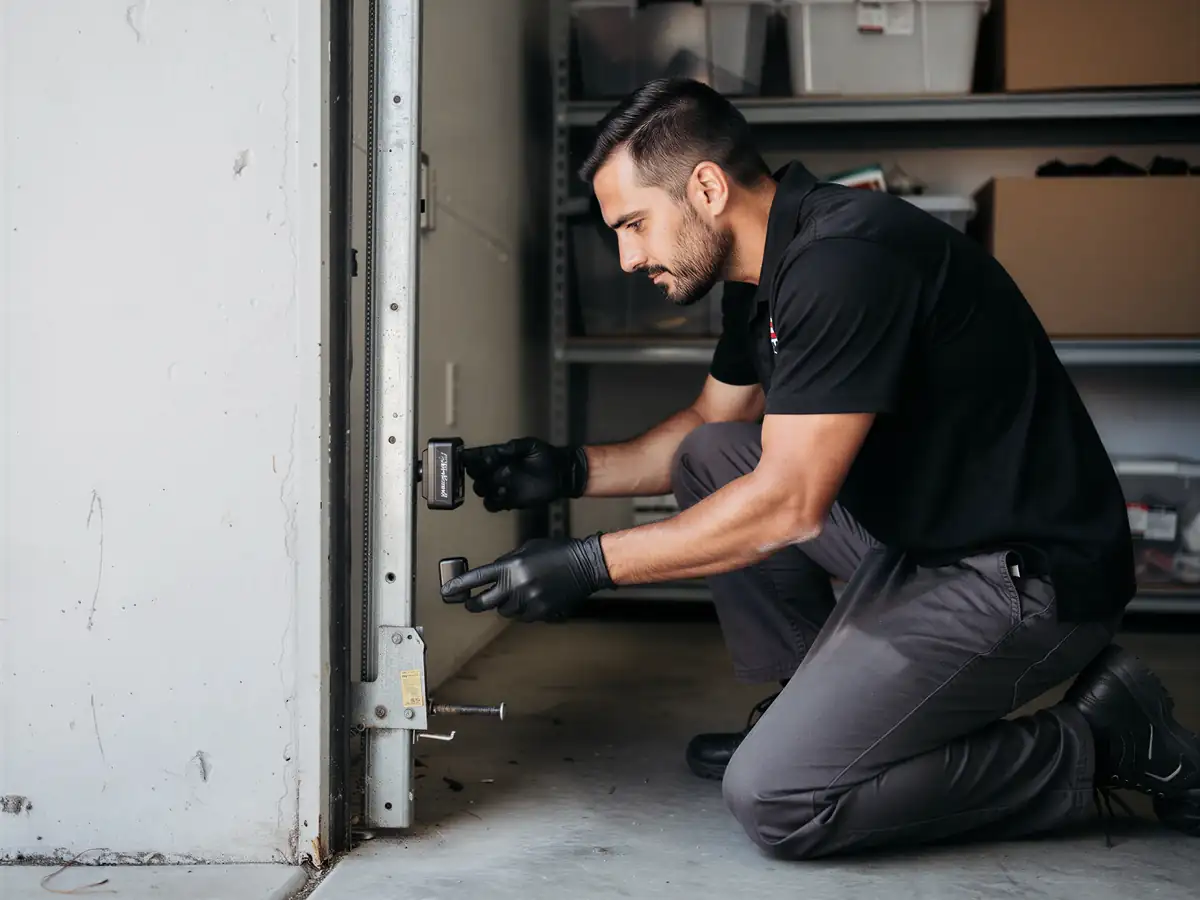
Stocked Parts
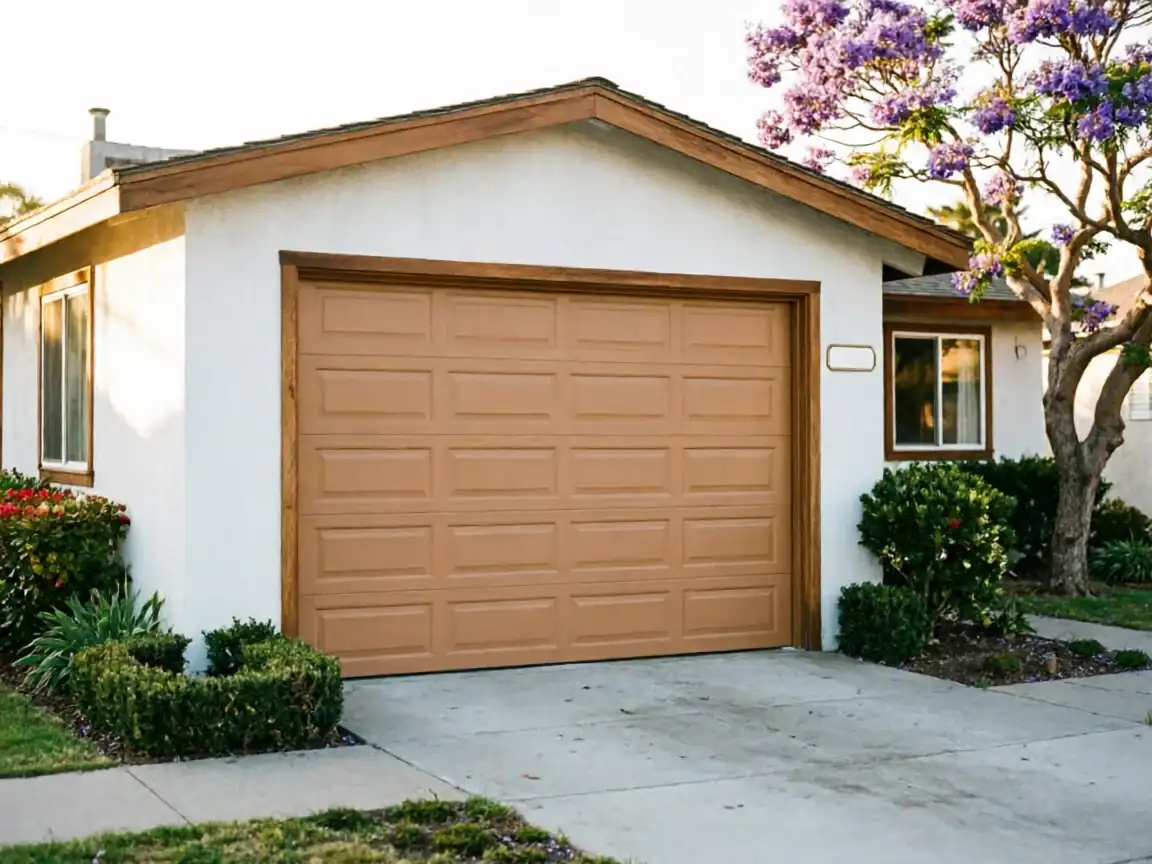
Sunnyside sits seven miles from our shop in Clovis, a short enough run that a maintenance visit here doesn't turn into a half-day trip. That matters for what we carry on the truck, because a close call means we can actually check the door, find what's worn, and finish the job in one stop instead of quoting a return visit for a part we didn't bring.
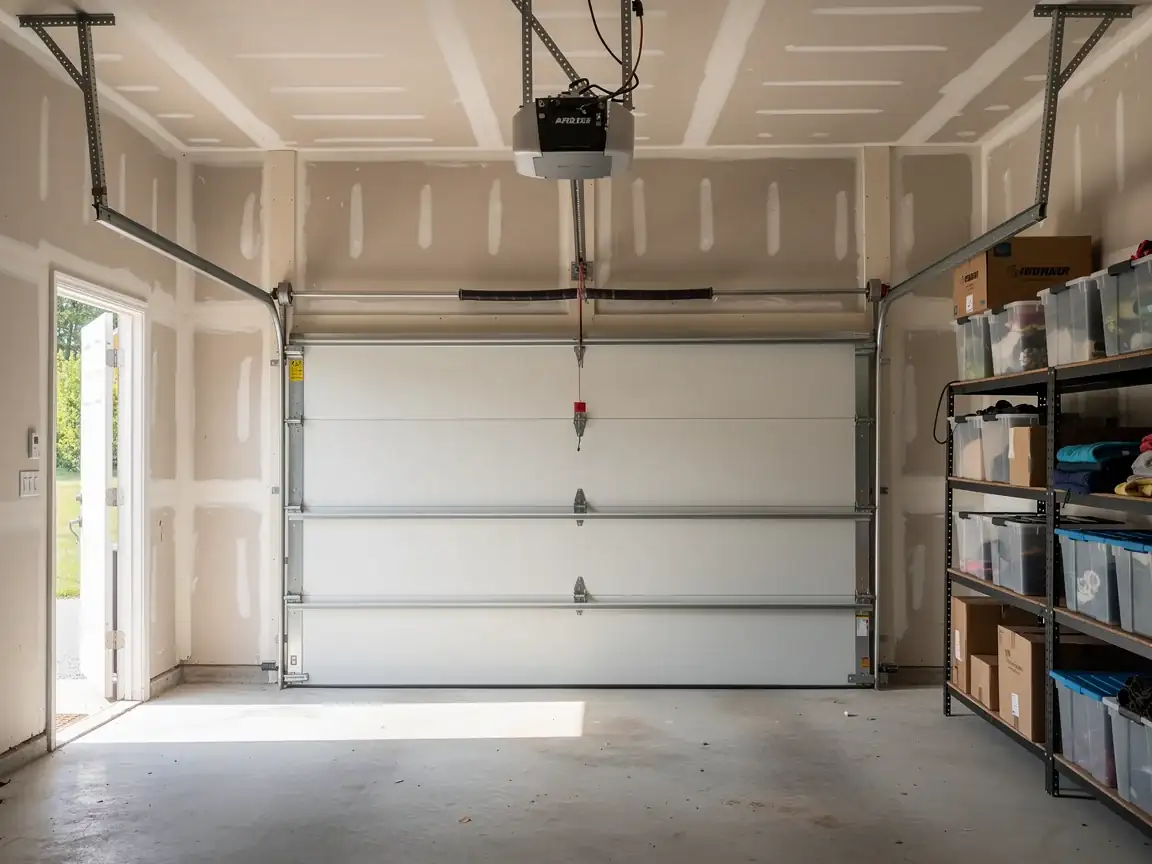
The median home in Sunnyside went up in 1966, two decades ahead of the 1980s and 90s stock that fills most of the rest of our service area. Doors from that era commonly ran on extension springs mounted above the horizontal track, not the torsion bar over the header that became standard on later builds. We stock both setups, but the extension hardware, pulleys, and safety cables for the older configuration are exactly the kind of thing that gets skipped on a generic tune-up truck built around newer neighborhoods.
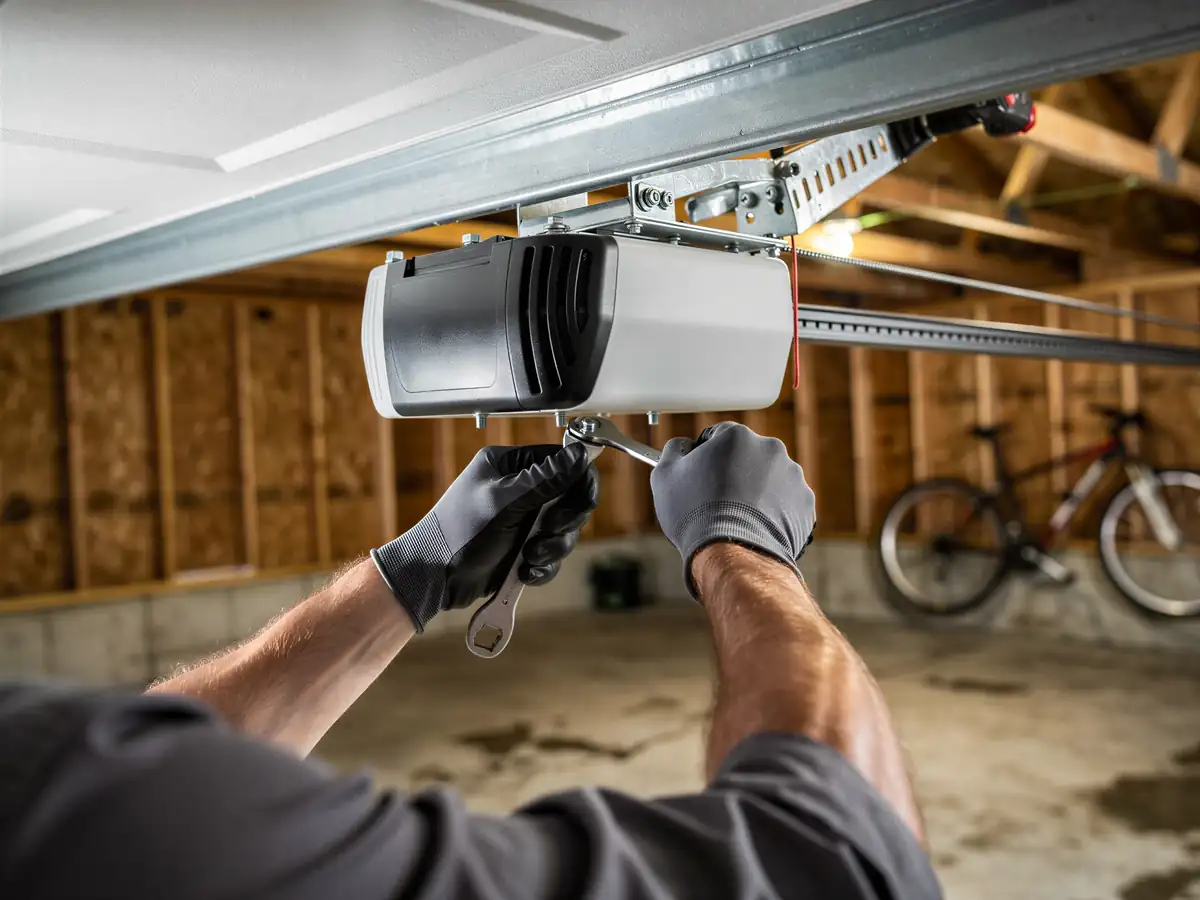
We're honest about one limit here: if your opener or door was swapped out for something newer at some point, your hardware might not match the 1966 pattern at all. We check before we quote, not after.
What the Repair Takes
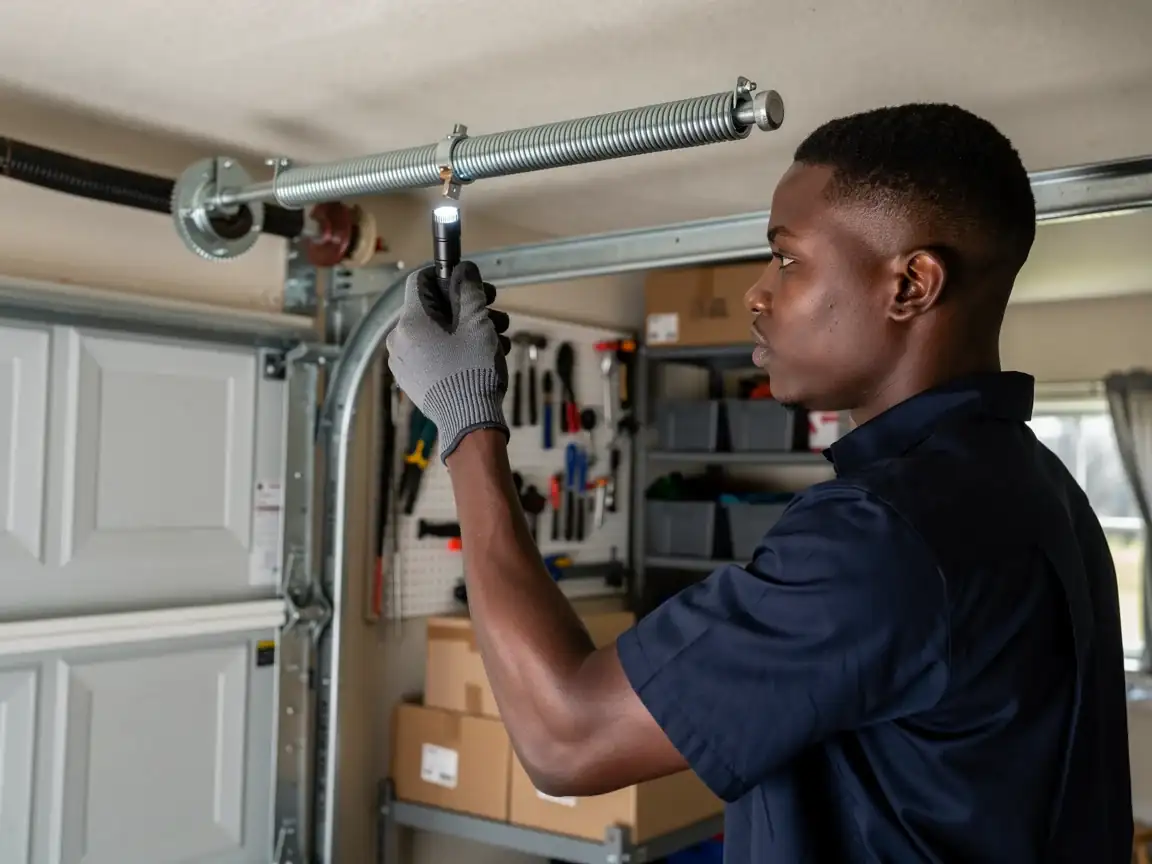
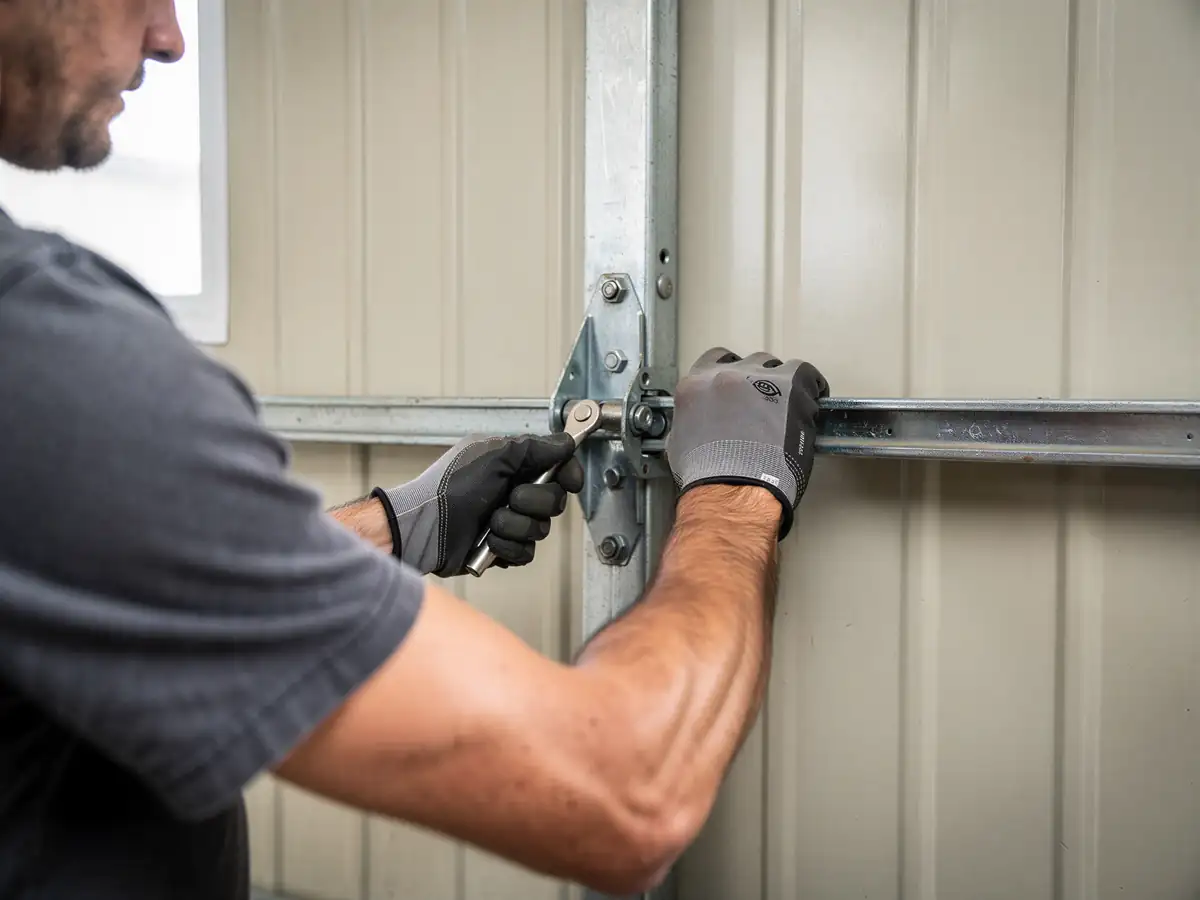
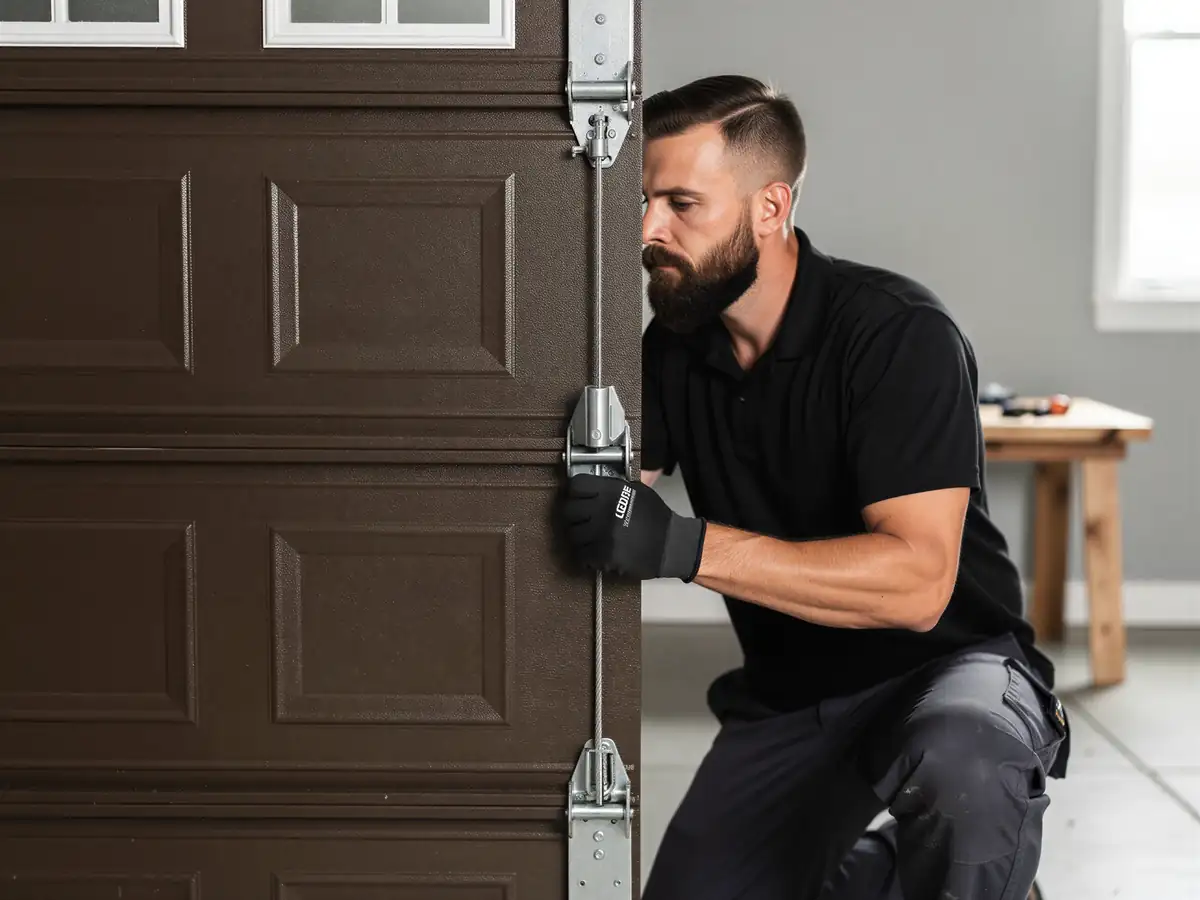
A maintenance visit on a door this age usually starts with the spring system, since extension springs lose tension differently than torsion springs and most owners never notice until the door starts drifting unevenly or the opener strains to lift it. We check cable fraying at the pulleys, inspect the safety cables running through the spring (a feature added after some older installs predate it), and test balance by hand with the opener disconnected.
Rollers and hinges on a house this old have usually been replaced at least once, so we're also checking whether the track itself has been bent or re-shimmed over the years, which throws off roller travel even with new rollers installed. Lubrication matters more here too, given Sunnyside's severe summer heat, which dries out factory grease on hinges and rollers faster than it would in a milder climate.
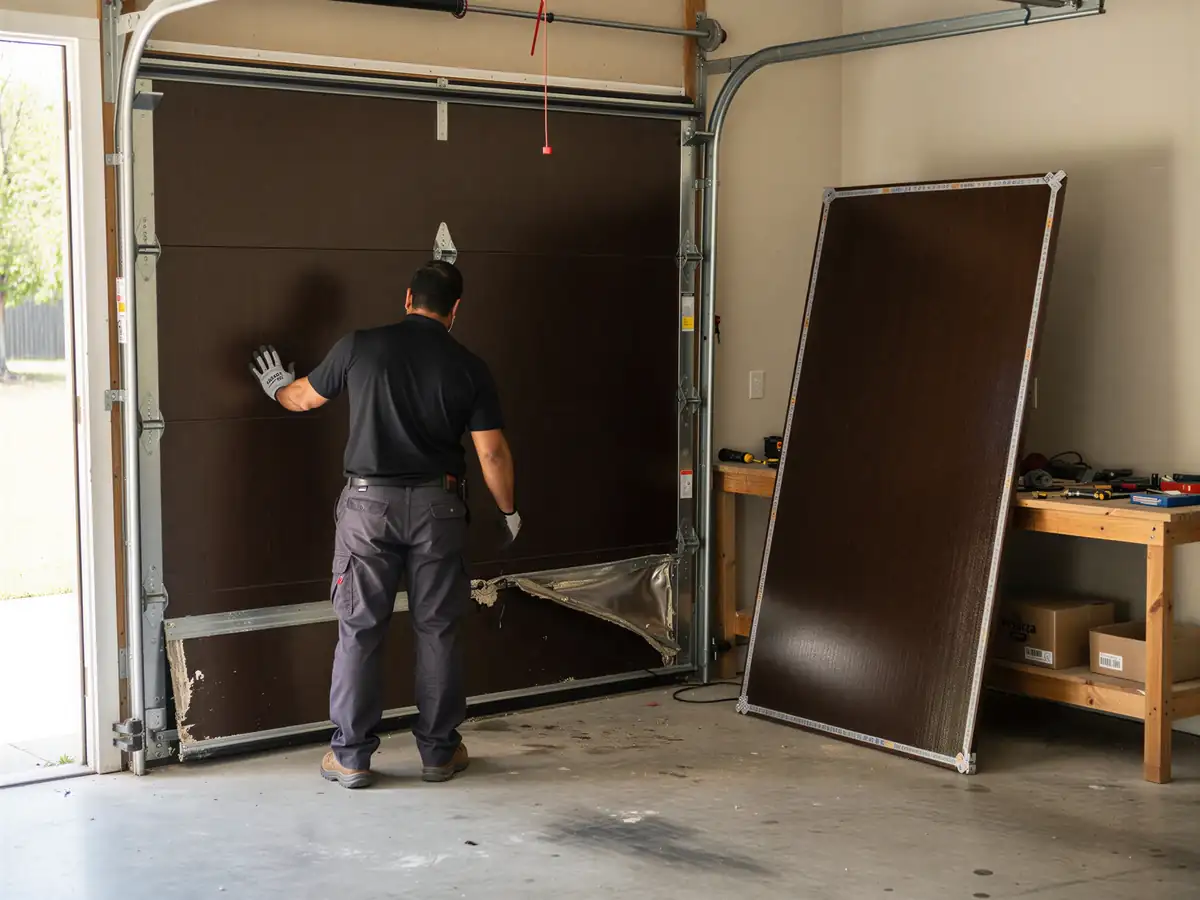
We don't do a full teardown on a maintenance call. If the spring system needs full replacement rather than adjustment, that's a separate repair quote, not something we fold into a tune-up.
What Causes It Around Here
The 1966 median build year means a lot of Sunnyside garages are on their second or third opener but still running original or near-original track and spring hardware
Since those parts don't fail as visibly as a motor burning out. That mismatch, old mechanical hardware paired with a newer opener, is the single most common issue we find on maintenance calls here.
Severe heat is the other driver
Steel expands and contracts enough across a Central Valley summer to loosen track bolts and dry out lubrication on a schedule tighter than most owners expect, maybe once a year rather than once every few years. On an extension-spring door, that heat cycling also speeds up metal fatigue in the springs themselves, since they're exposed along the track rather than wound inside a torsion tube.
Sunnyside has around 1,564 households
Which makes it one of the smaller pockets in our coverage area. We don't see as many of these calls in raw numbers as we do in other areas, but the pattern is consistent enough that we know what to check first.
- 1,564 households
What You Pay
We don't publish a flat maintenance price here, because what a visit costs depends on whether the door needs adjustment, lubrication, and a safety check, or whether we find something like a frayed cable or a bent track that needs parts. What we can say is that household income in Sunnyside runs around $114,500, well above the $74,428 median across our wider service area, which is worth mentioning only because it tends to mean owners here are more likely to catch a worn part during maintenance rather than wait for it to fail outright.
That's the real value of a maintenance call on a door this old: catching a fraying cable or a loosening pulley before it becomes an emergency repair. We'll give you a number before we touch anything, broken down by what we find, not a guess over the phone.