Stocked Parts
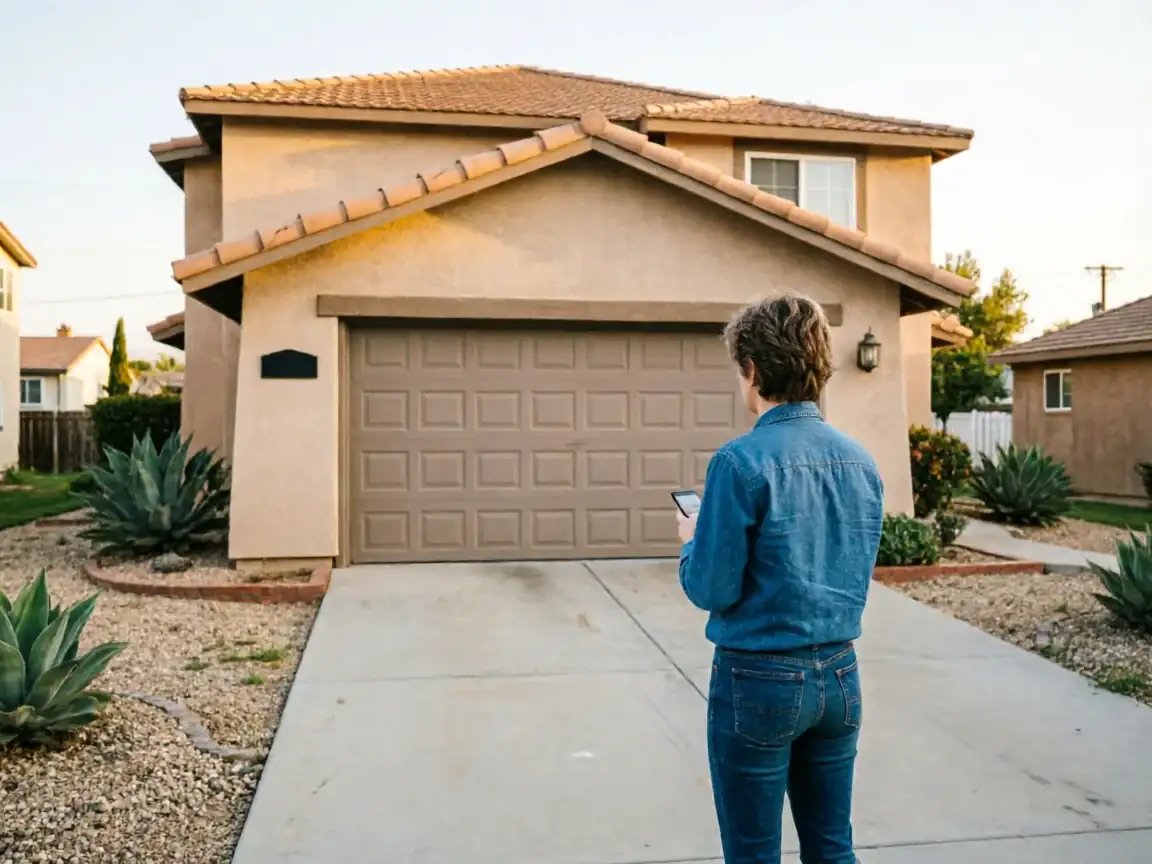
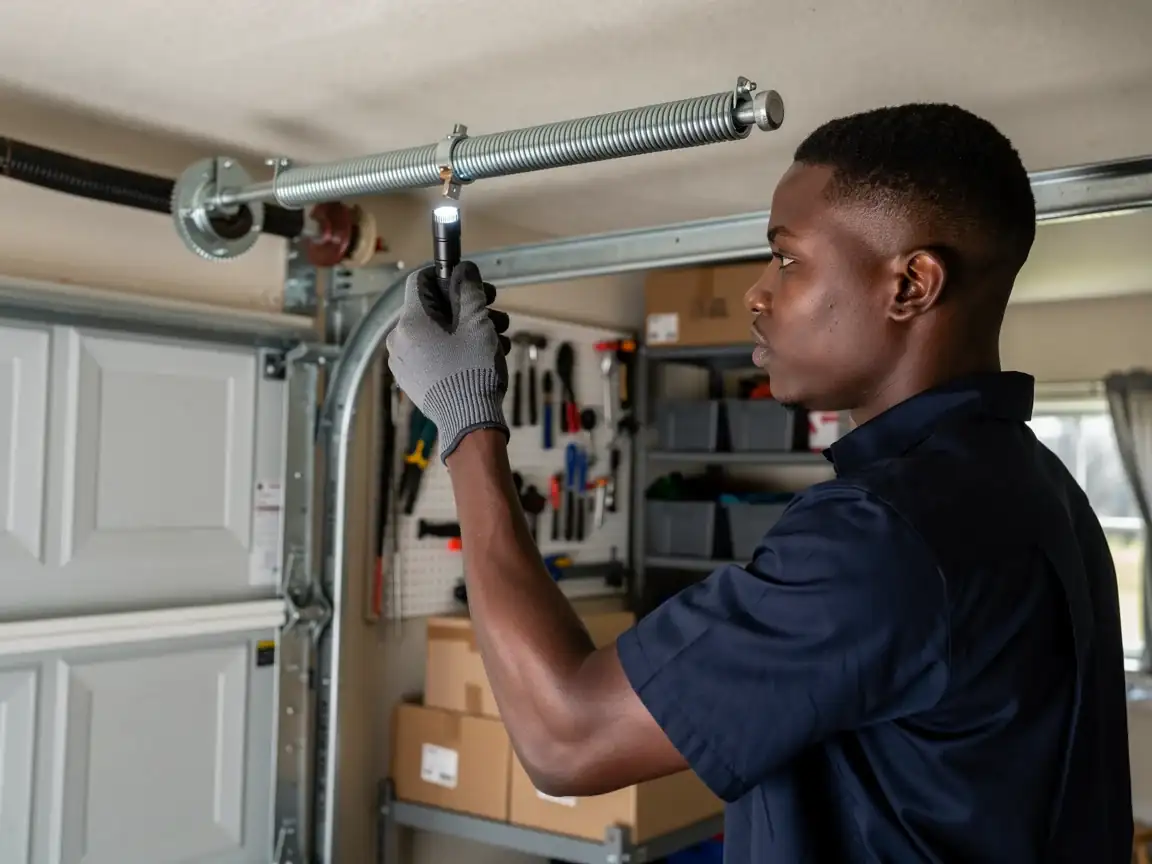
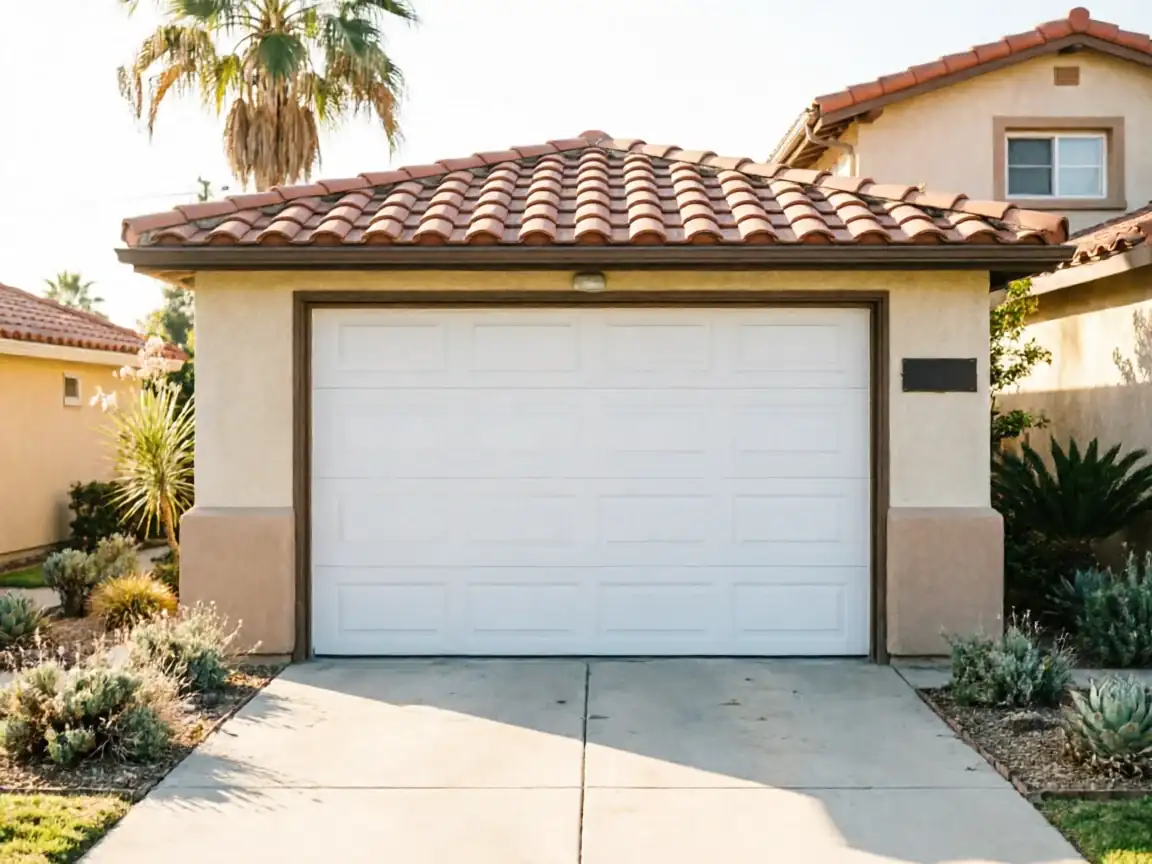
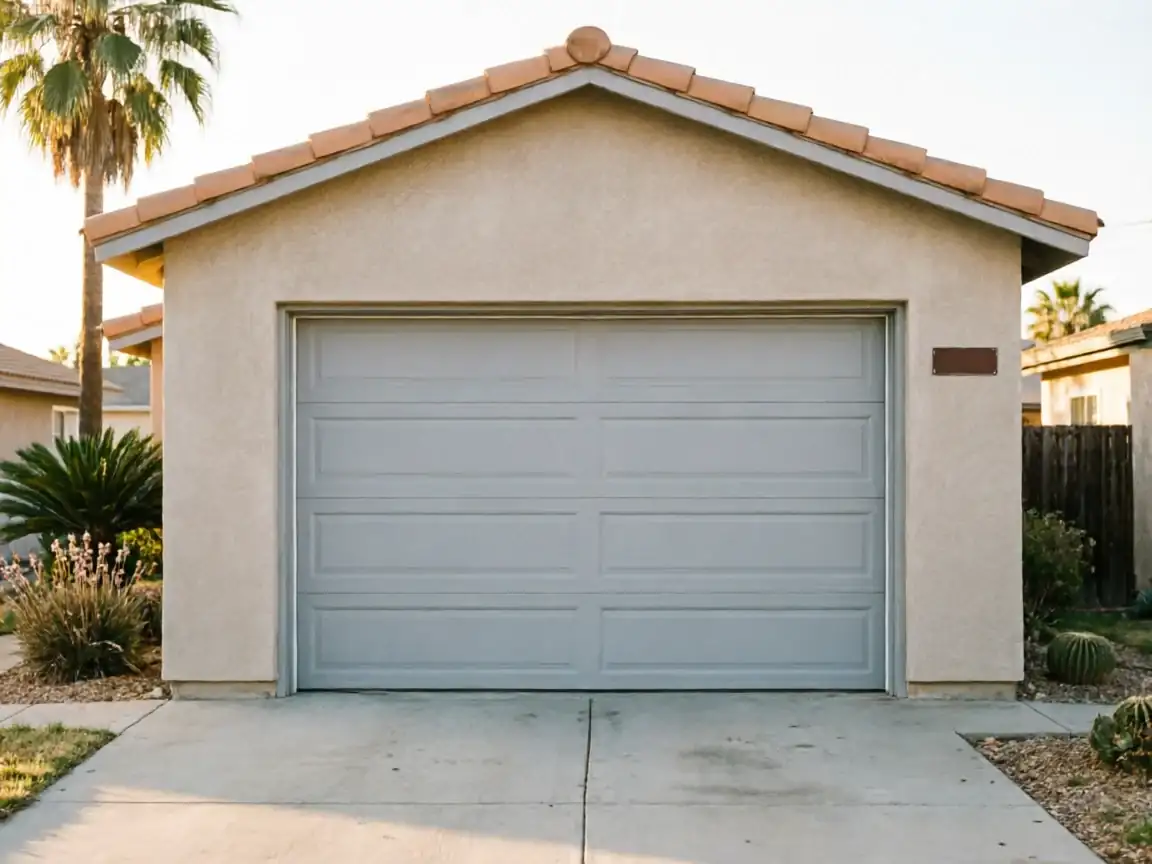
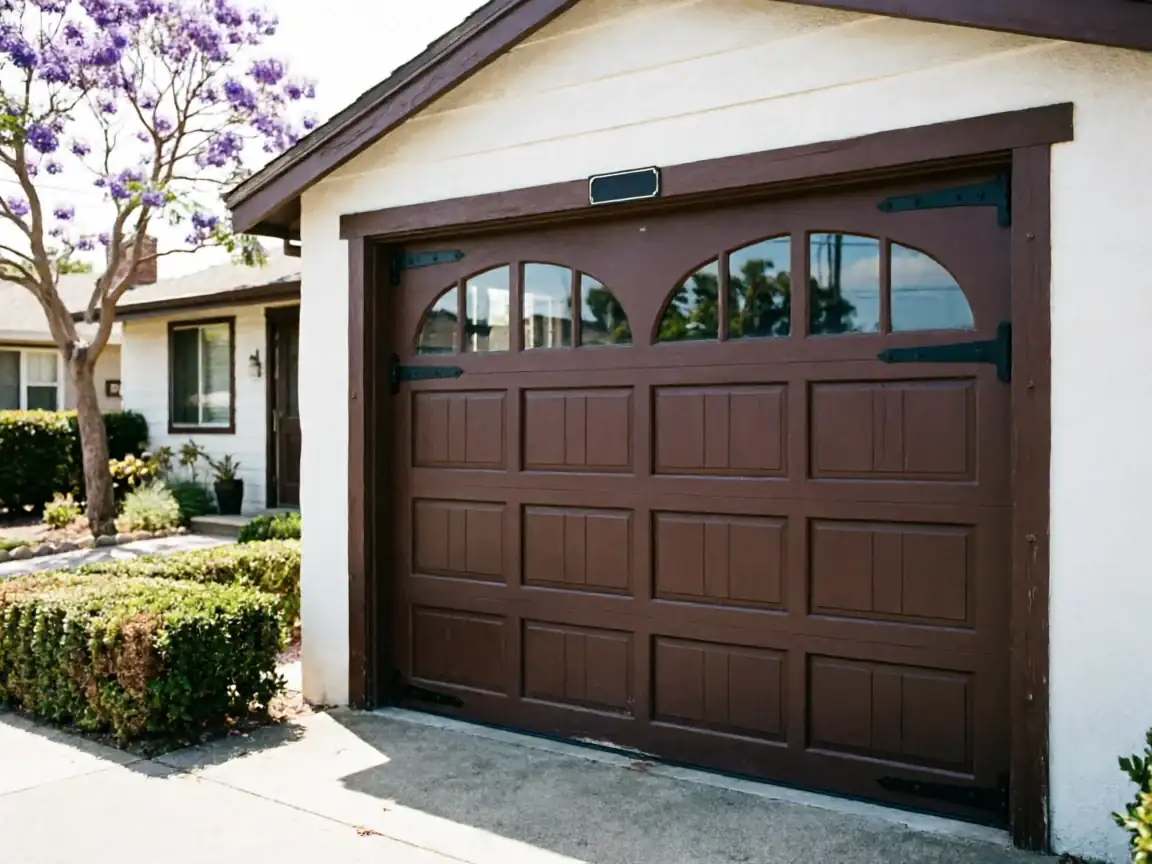
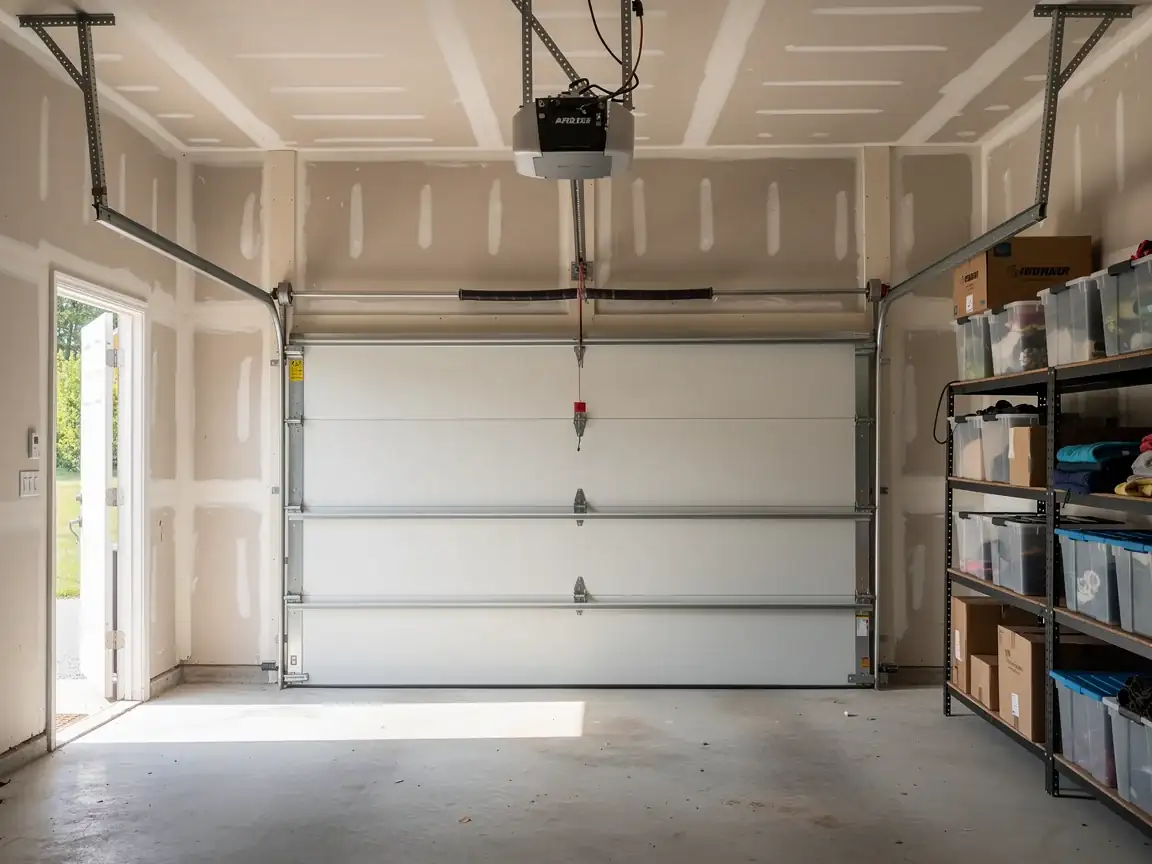
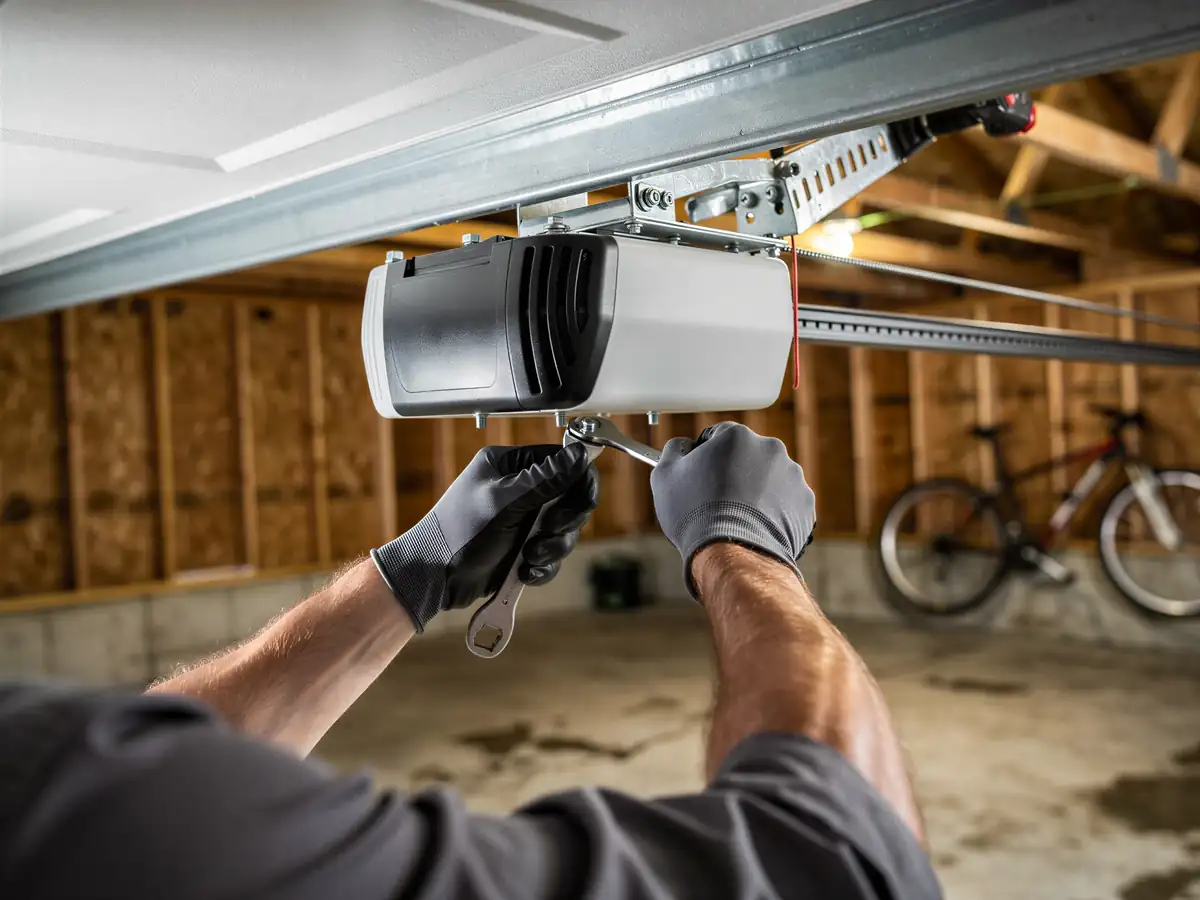
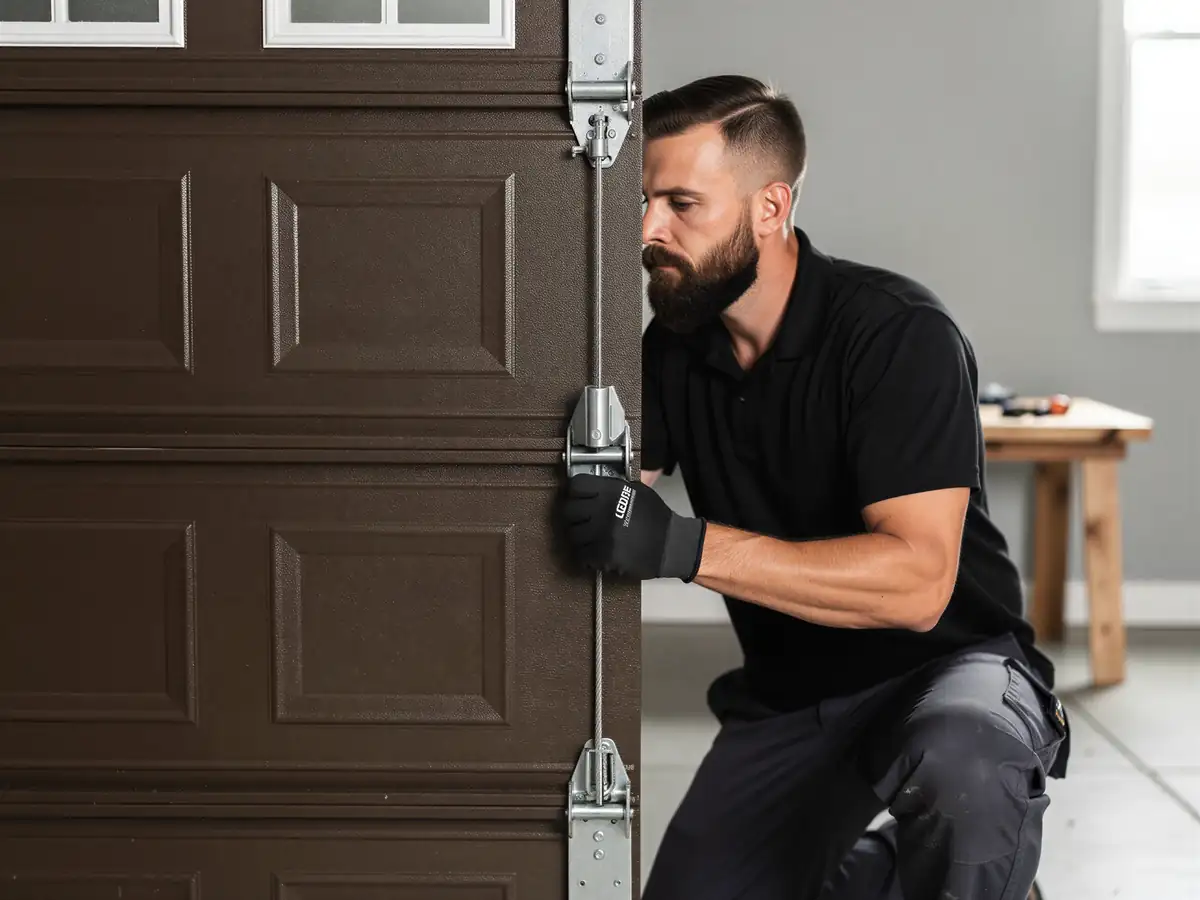
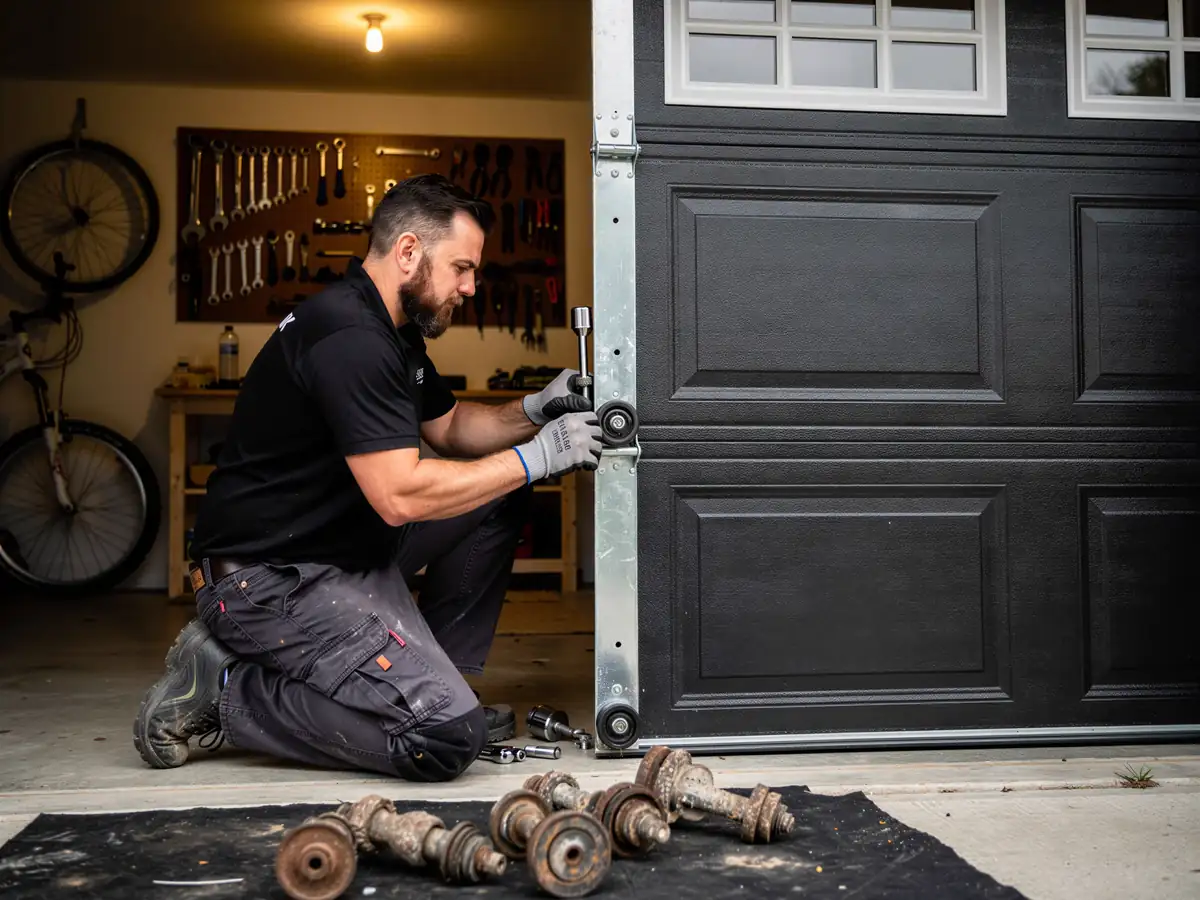
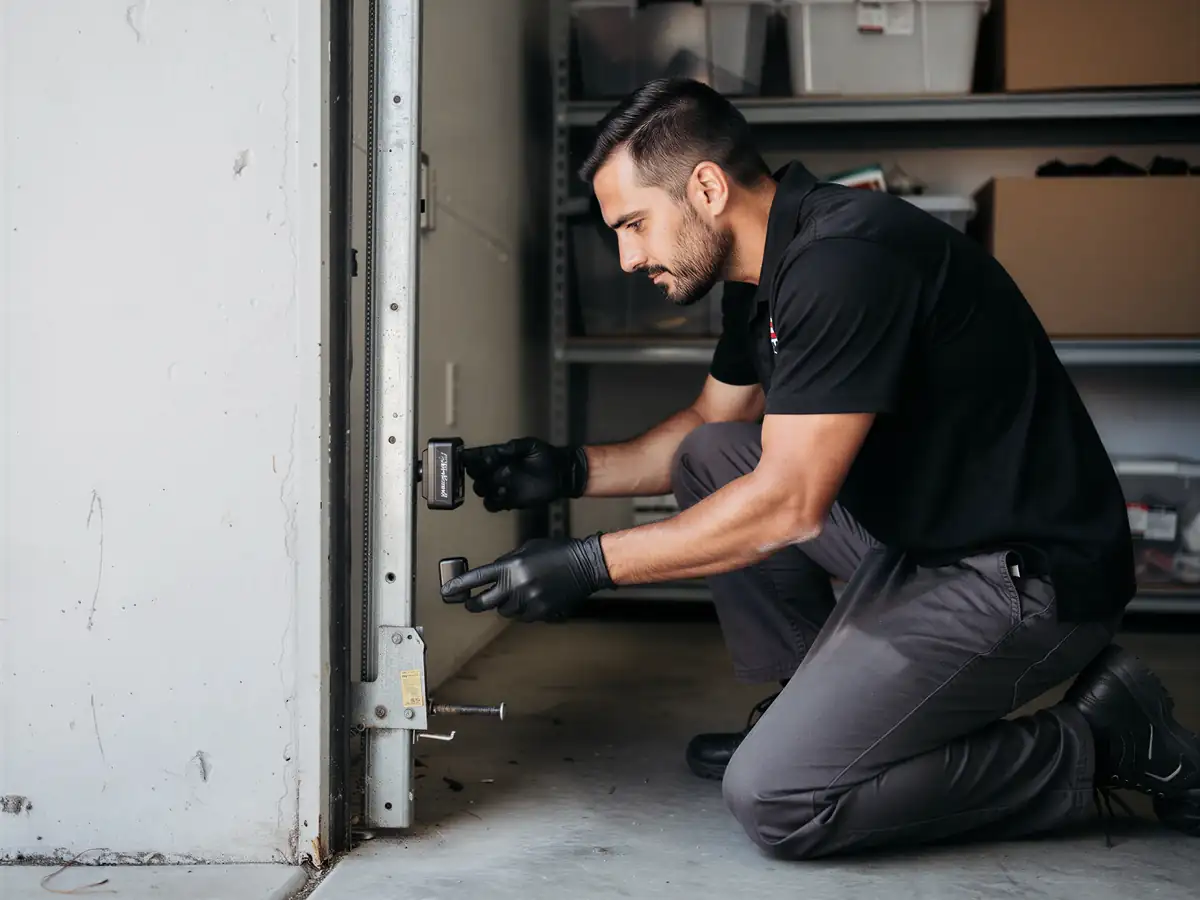
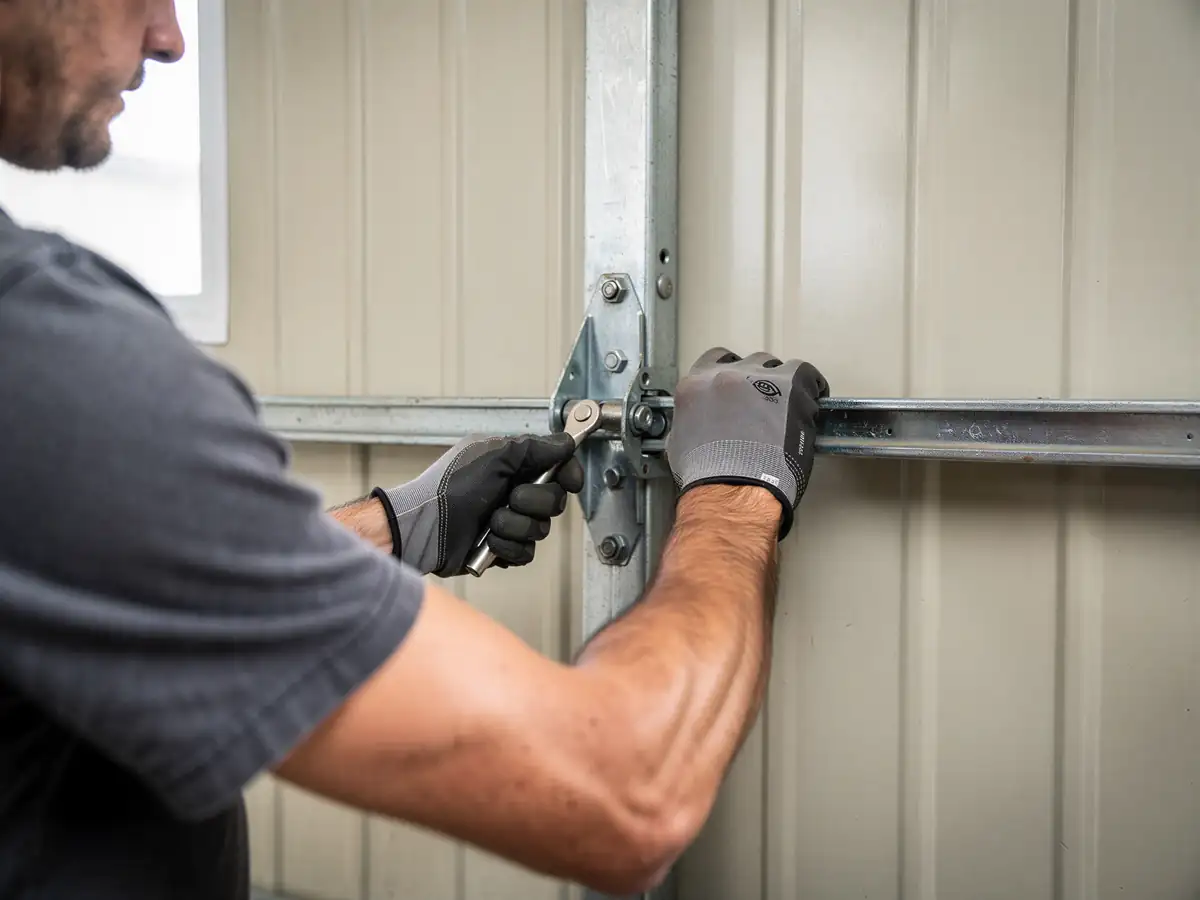
Most houses in Madera Ranchos went up around 1985, right in the middle of the 1956-1993 build window that covers this whole service area. That means steel sectional doors on torsion springs sized for the door weight of that era, plus a fair number of the chain-drive openers that were standard before belt drives took over. We carry torsion springs in the sizes those doors actually use, along with the galvanized cable and steel rollers that match 1980s hardware - not the nylon rollers and lighter-gauge cable that show up on newer builds.
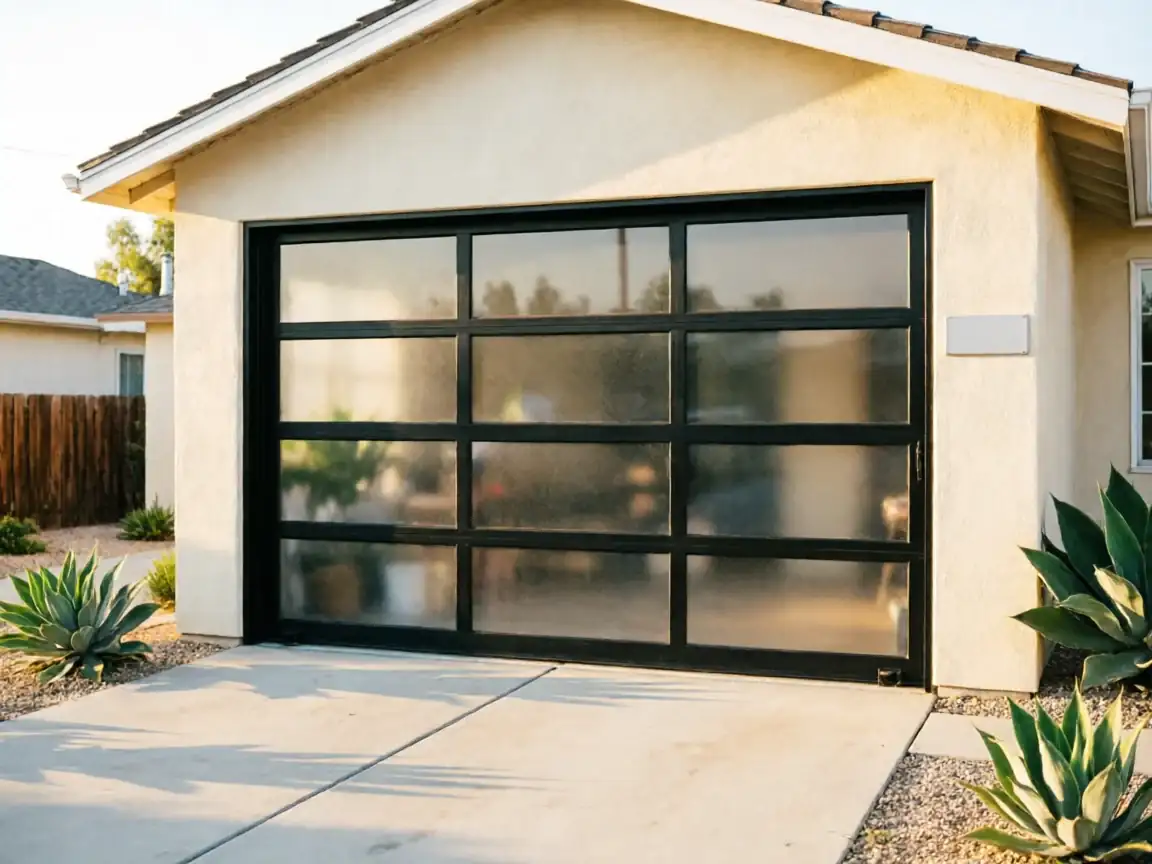
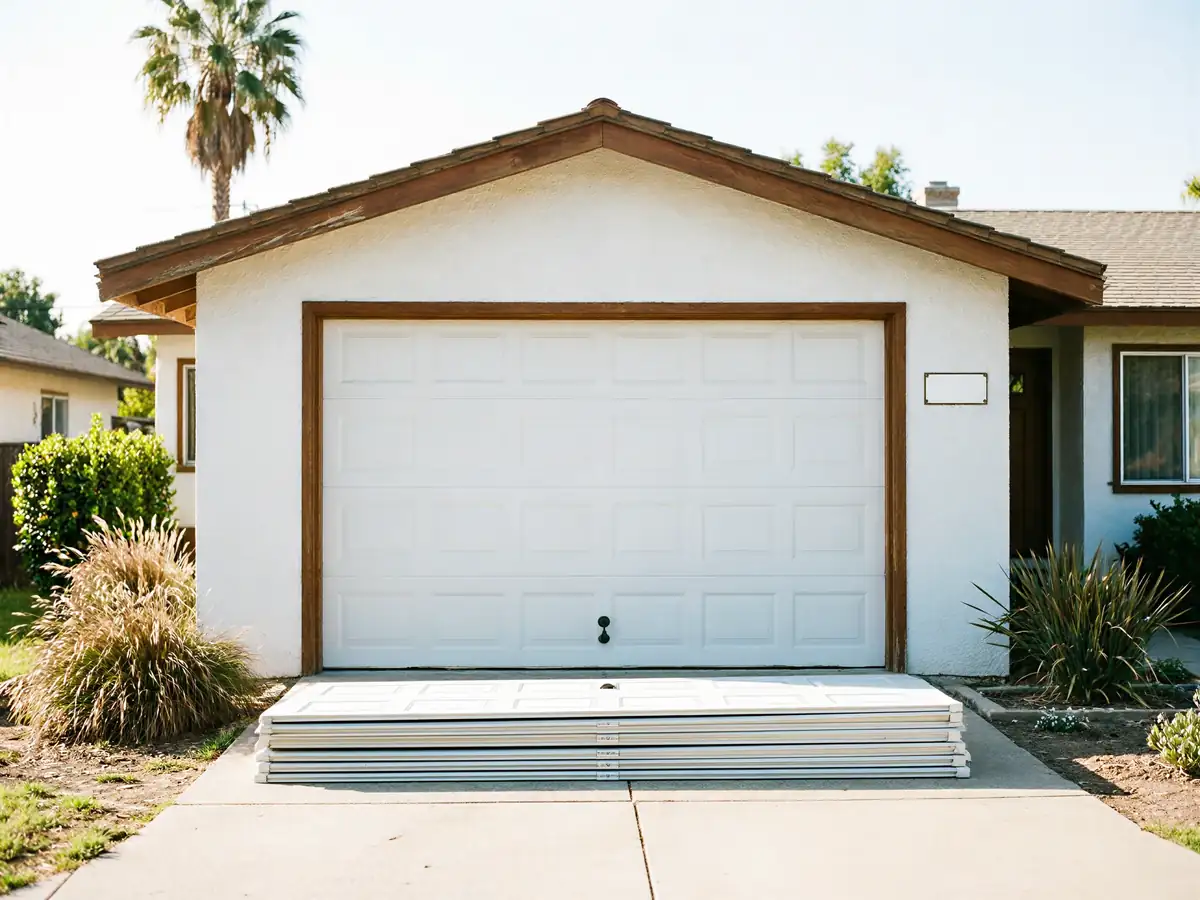
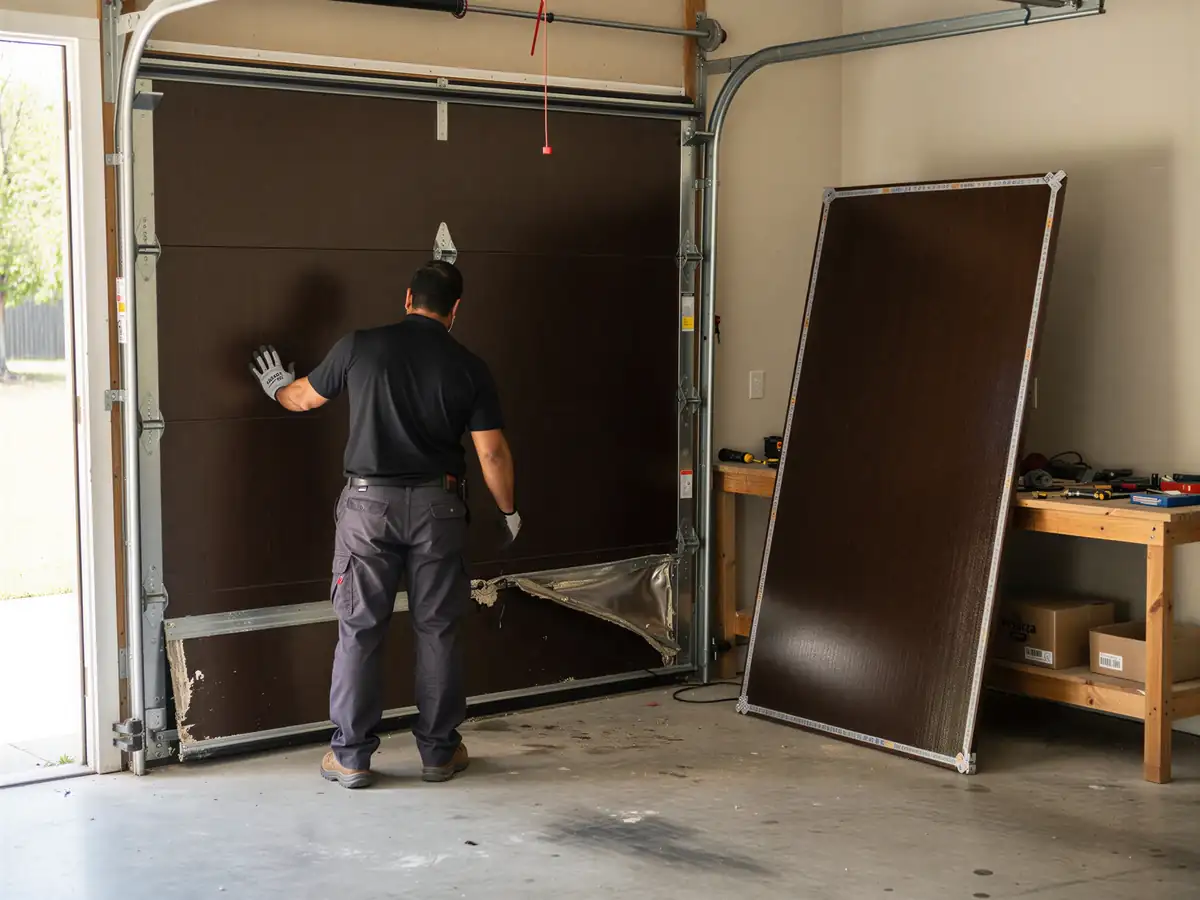
What we don't stock on the truck: parts for doors already converted to insulated steel with modern low-headroom track, since that's a smaller share of what's out here. If your door's been upgraded since it was built, we may need to order a part rather than carry it. That's the one real limit - we'll tell you up front if a job needs a special-order piece instead of promising same-visit on something we don't actually have in hand.
Across the 14 named areas this region covers, the stock is mostly 1980s-90s, so Madera Ranchos isn't an outlier - it's just slightly newer than the area median of 1982.
What You Are Seeing
A door built around 1985 and never replaced is now pushing 40 years on its original torsion springs. The symptom shows up as a door that feels heavier than it used to, or one that slams the last foot instead of settling - the spring has lost tension gradually and nobody noticed until it's obvious. On chain-drive openers from that same build era, the other common complaint is a grinding or skipping sound as the chain stretches past what the sprocket can take up.
Extension-spring setups, if your door still has them instead of torsion, show a different failure: one side drops faster than the other because one spring has more stretch left than its pair. That uneven drop is a spring problem, not a track alignment problem, even though it looks like the door is running crooked.
Median household income here is $113,472, well above the $74,428 median for the wider service area, and in practice that shows up as more owners choosing full door replacement over a second or third spring repair once a door's original hardware is clearly at end of life. Neither choice is wrong - it depends on what else is wrong with the door.
Time on the Job
Madera Ranchos sits 13 miles from Clovis
Which is far enough that we schedule it rather than treat it as a drop-in stop between closer calls. It's one of the farther points in the service area - Sunnyside and Old Fig Garden are both 7 miles out, Rolling Hills is 8 - so a Madera Ranchos call usually gets grouped with other work on that side of the territory rather than sent out solo.
- 13 miles
- 7 miles
Once on site, the job itself runs the same length as anywhere else
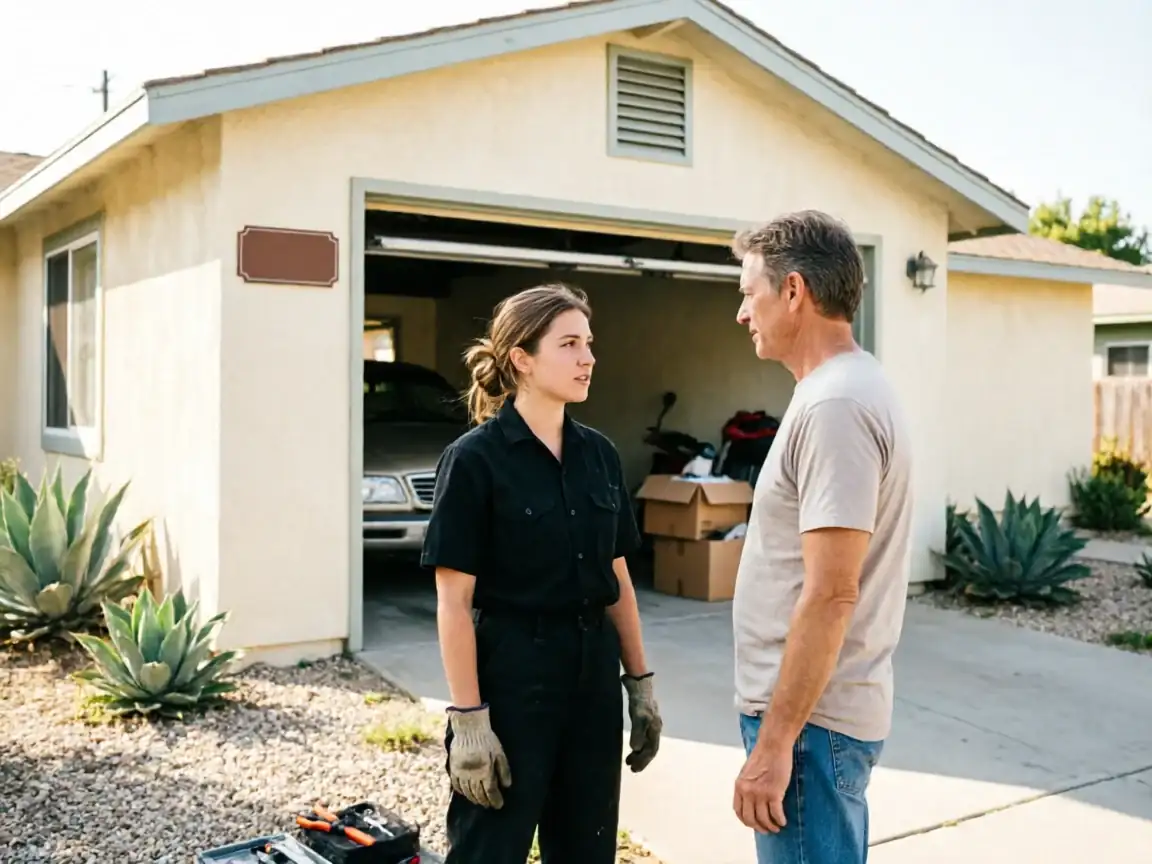
A spring swap is a spring swap. The difference is in how we book the day. If you call with a dead spring on a Tuesday morning, we're more likely to offer you an afternoon slot than a same-hour one, simply because of the distance and whatever else is already on the route that day.
With only 1,283 households in Madera Ranchos against 28,893 across the full service area
It's a small enough pocket that we're not running multiple trucks through it daily - we're running one, when the work lines up.
- 1,283 households
What Causes It Around Here
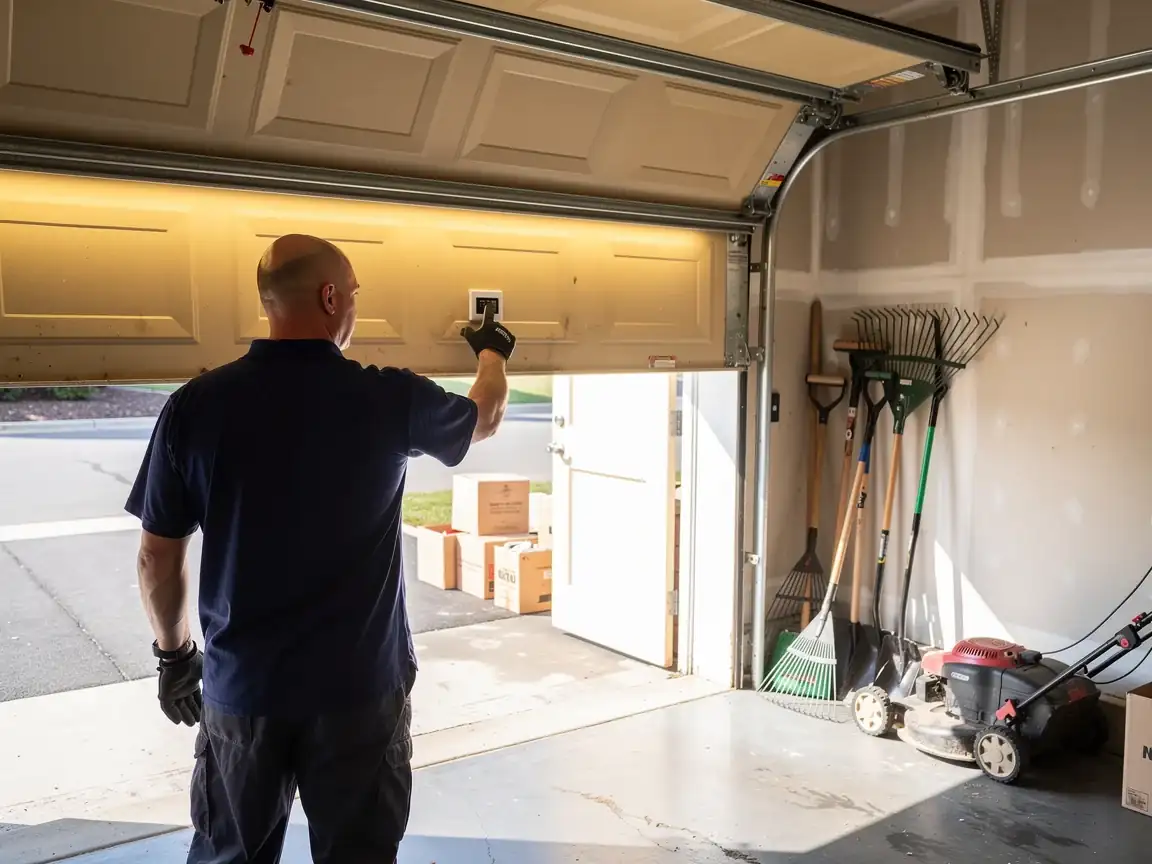
This area sits in a severe-heat climate band, and heat is harder on garage door hardware than most owners expect. Torsion springs lose temper faster under repeated high heat, lubricant on rollers and hinges dries out and gums instead of sliding, and opener circuit boards - especially the older ones on 1980s chain-drive units - fail more often when the garage itself runs hot all summer.
On a door built around 1985, that heat exposure has had close to four decades to work on the original spring and the original board, if neither has been replaced. That's a longer heat-exposure history than you'd get on newer stock elsewhere in the 14-area service region, which is part of why Madera Ranchos calls skew toward full spring replacement rather than a quick adjustment.
The fix isn't exotic: springs rated for the local heat band, synthetic lubricant instead of standard grease, and boards swapped rather than patched when they start acting erratic. None of that requires guessing - it's just matching the part to what almost four decades of summers have already done to the original one.