Stocked Parts
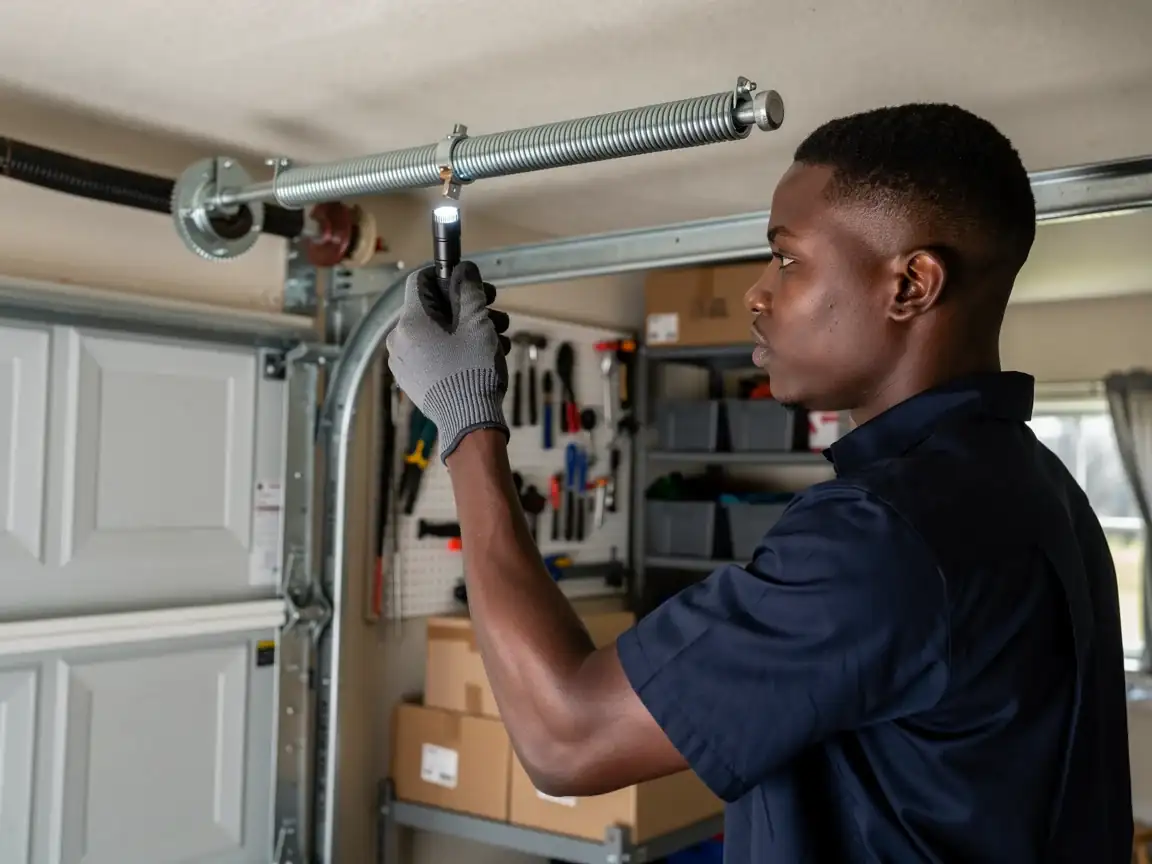
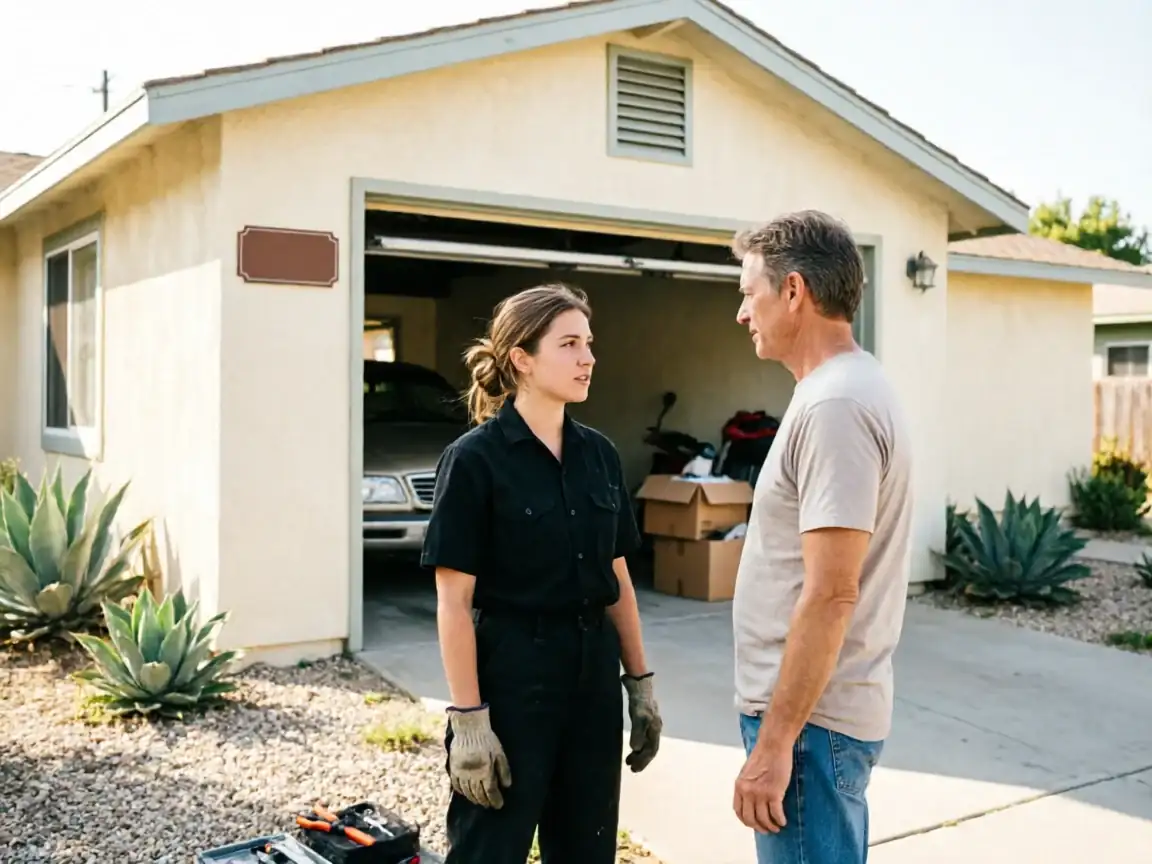
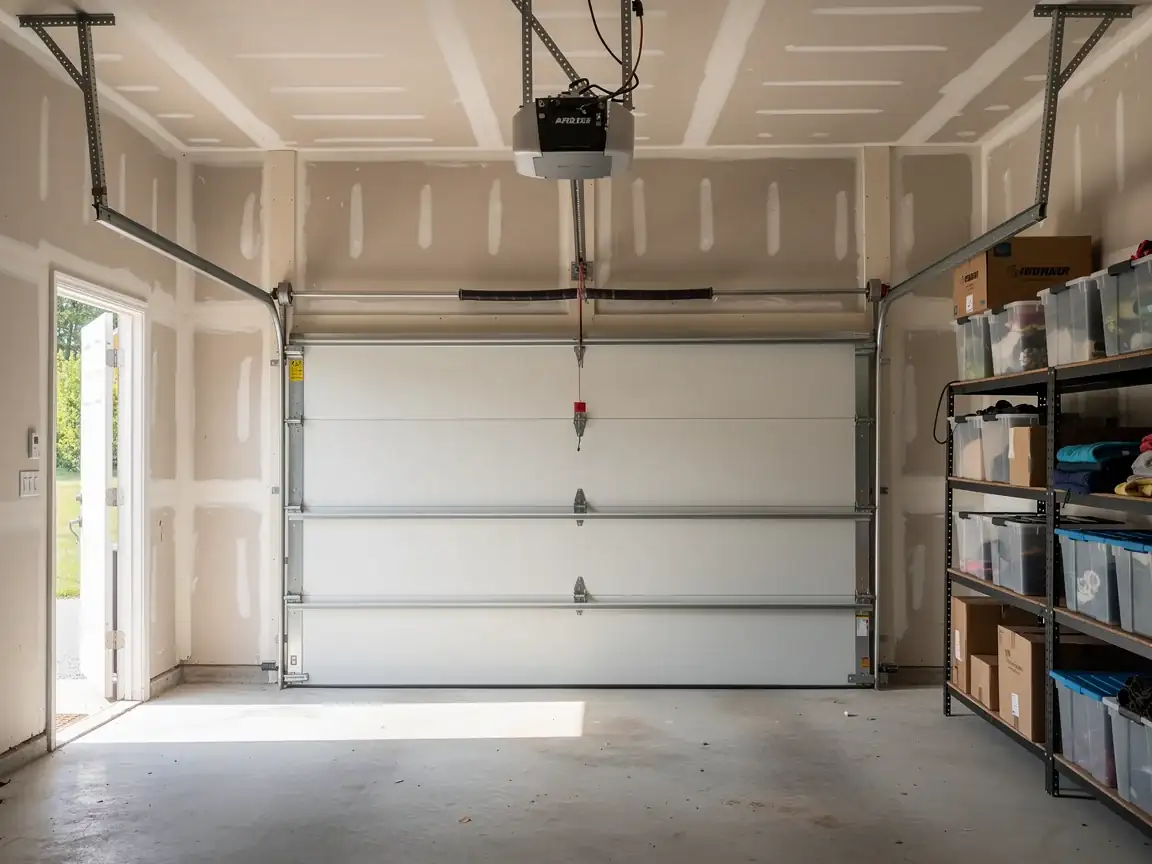
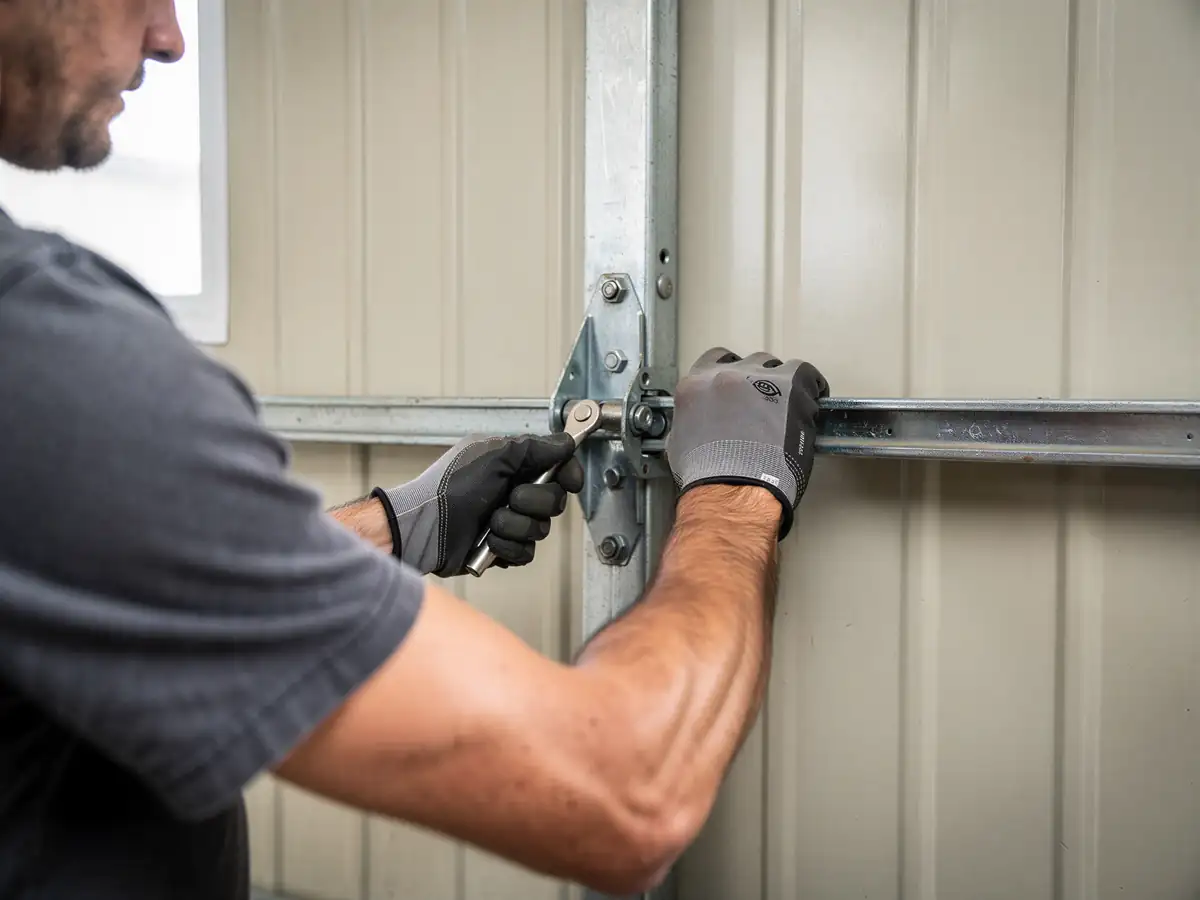
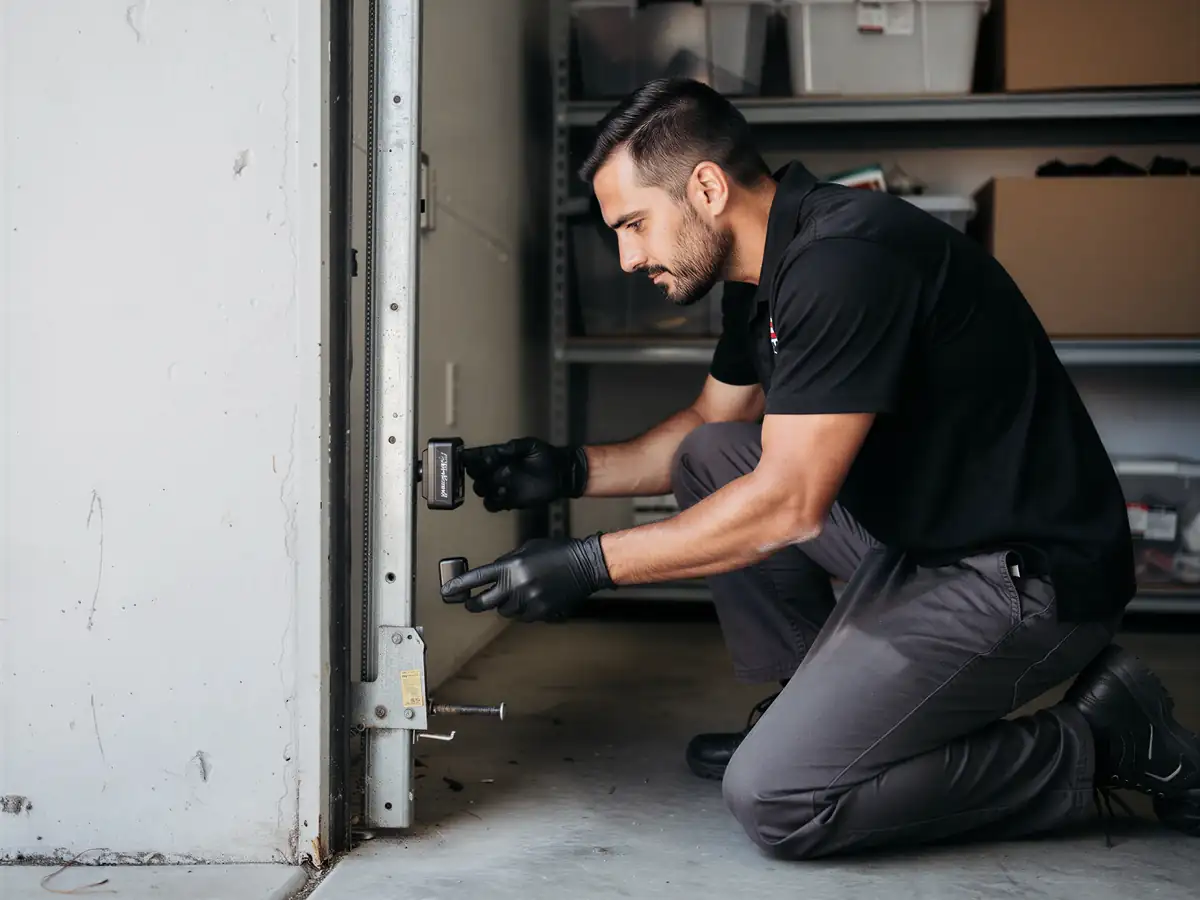
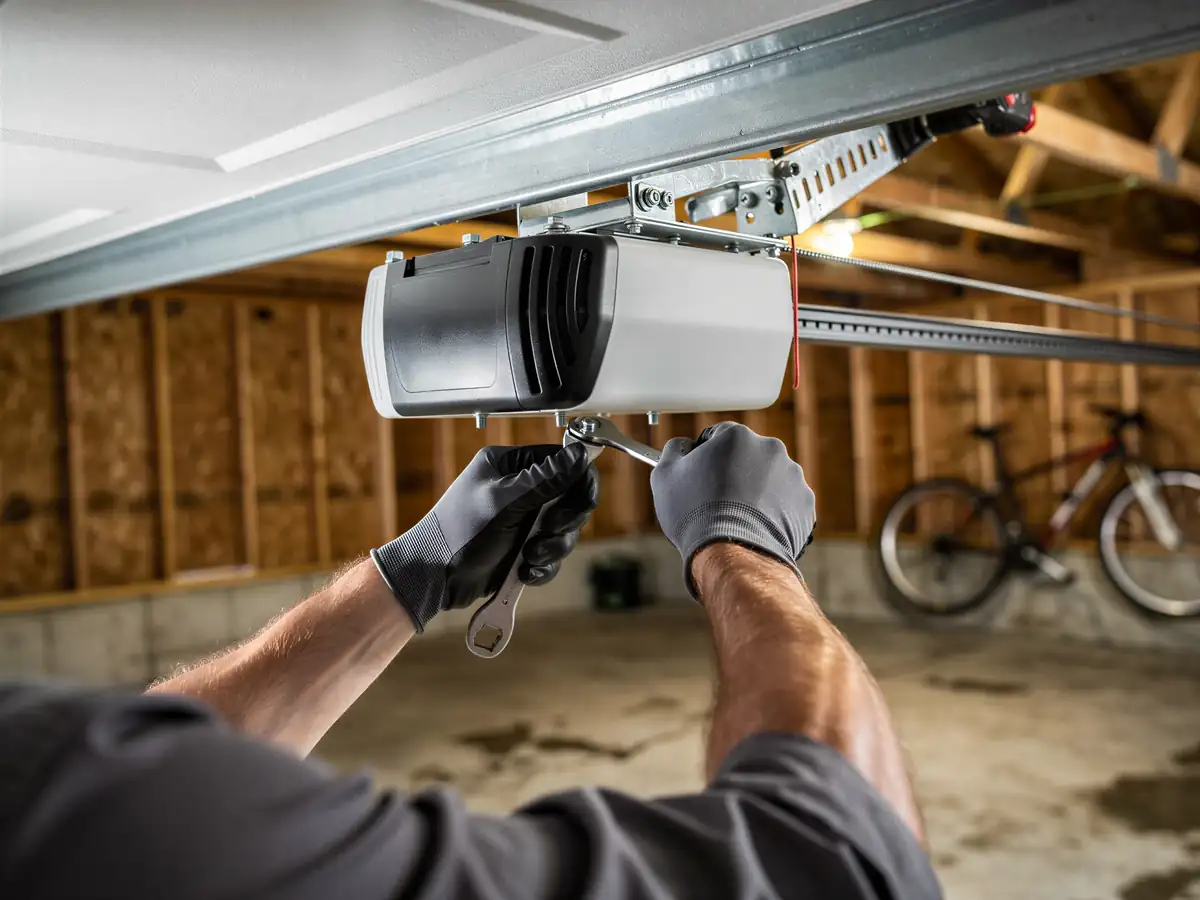
When we come out to Madera Ranchos for an opener swap, we bring a stocked range of chain-drive and belt-drive units, new logic boards, safety-reversal sensors, and the hardware to mount them to an existing track, whether the original opener was chain or screw drive. Because the area's homes center around a 1985 build year, most of what we pull out is an older unit nearing or past the end of its working life, and we carry the parts to replace it outright rather than patch it. We also stock battery backup kits, which matter here given the region's severe summer heat; a dead opener on a 105-degree afternoon is a real problem, not just an annoyance. What we don't carry on the truck is every proprietary logic board for every opener brand built before the mid-1980s. Some of those older panels used wiring configurations that newer boards don't match, and in that case we order the correct board before coming back to finish. That's the honest limit: a straightforward chain-to-belt swap we handle in one visit, but a retrofit on an unusual old bracket sometimes needs a second trip.
What You Are Seeing
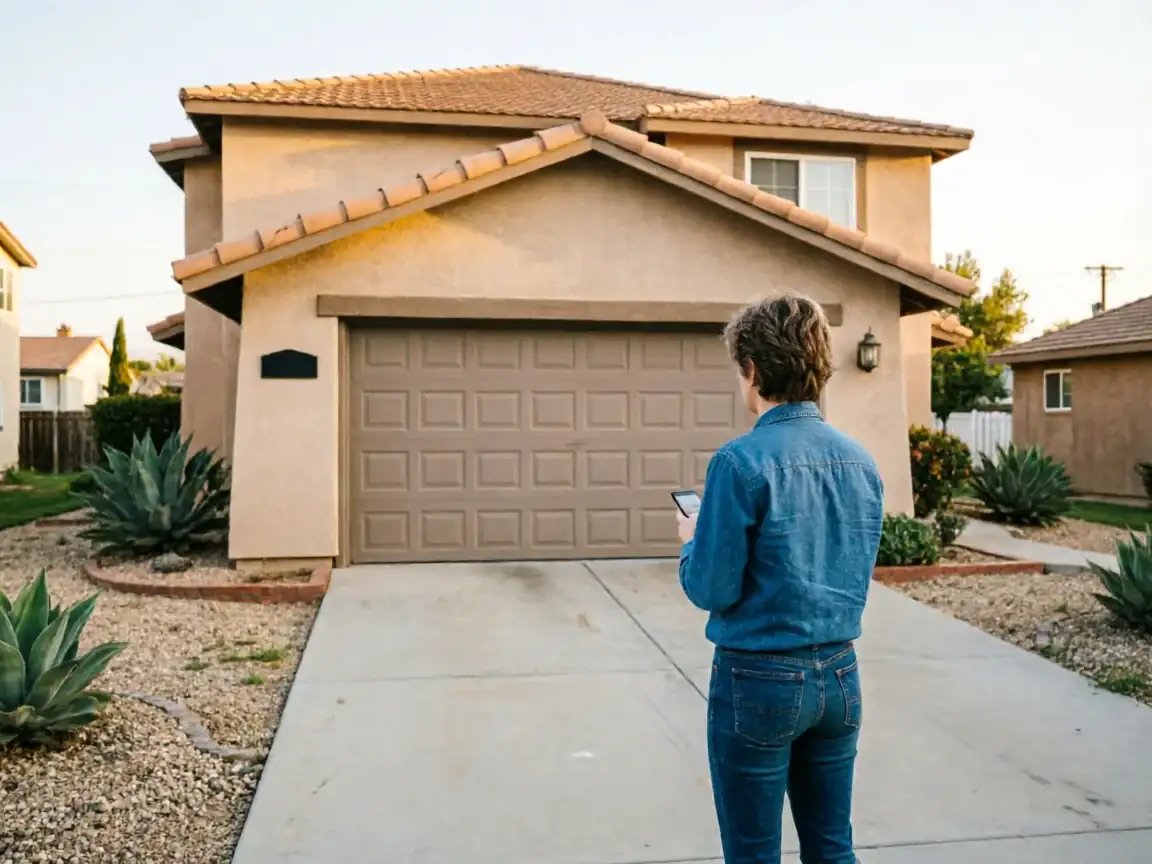
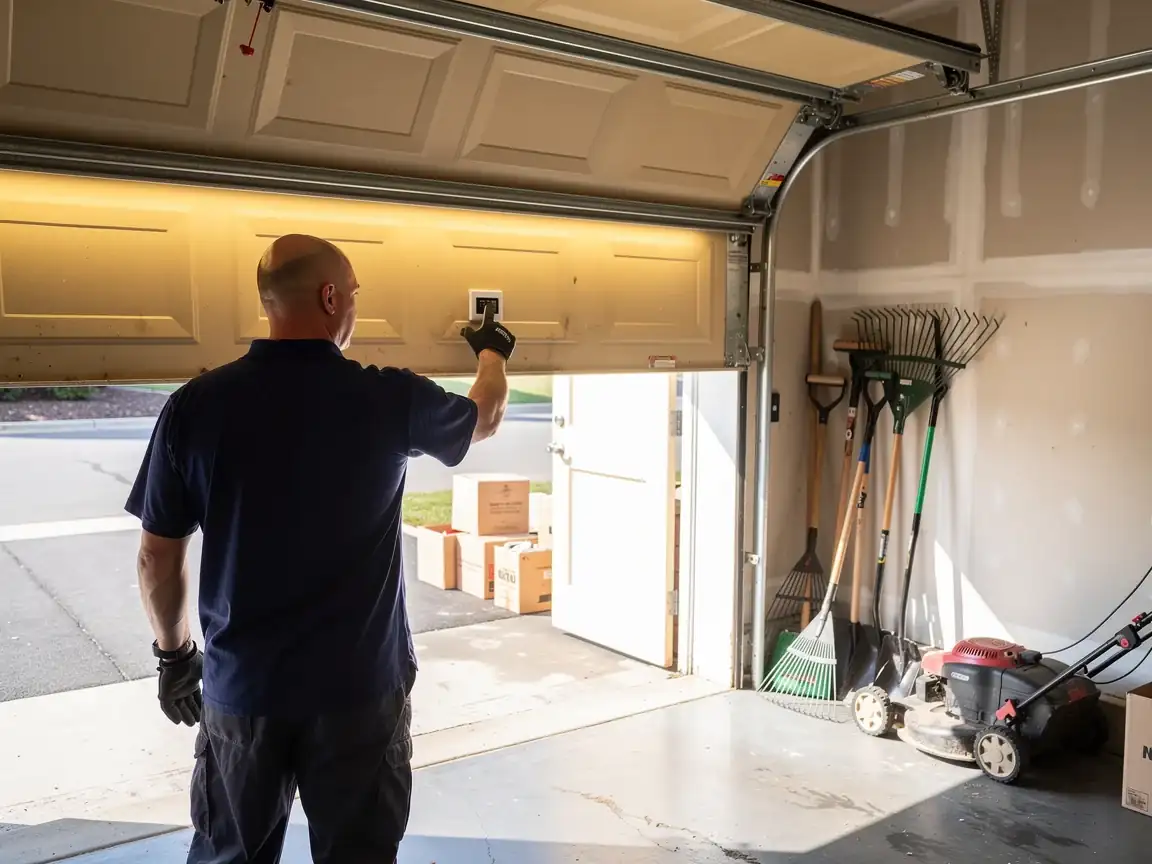
If your opener in Madera Ranchos is from around the time the house was built, and the area's homes cluster near 1985, you're probably seeing some combination of a door that reverses on its own, a remote that only works from the driveway instead of the street, or a motor running louder than it used to. None of that is cosmetic. An opener that reverses without a real obstruction usually has a safety sensor going bad or alignment that's drifted over the decades, and a motor getting louder usually means the gear inside the housing is wearing down, not that it needs oil. We also see opener units still running their original logic board, which on a chain-drive unit from this era often lacks the rolling-code security or battery backup that's standard now. If your door only opens about halfway before stalling, that's more often the opener's travel limits losing their setting than a spring problem, though we check both before quoting anything.
What Causes It Around Here
Two things drive opener failures in Madera Ranchos: age and heat. The area's homes run a median built year around 1985, which puts most original openers at or past 35 to 40 years old, well beyond the working life of the gears, capacitors, and logic boards inside them. Layer on top of that a climate that falls in the severe heat band, and you get circuit boards baking in an attic-adjacent garage ceiling every summer, which shortens their life further. Households here report a median income noticeably higher than the broader service area's figure of $74,428, and in practice that means more owners choose a full opener replacement with battery backup and rolling code rather than stretching an old unit another few years. It's a different calculation than in parts of the broader area where the housing stock runs older still, back toward the 1956 end of the range, where a repair sometimes still makes sense. Here, with newer average stock and higher income, replacement is usually the call we end up making.