Stocked Parts
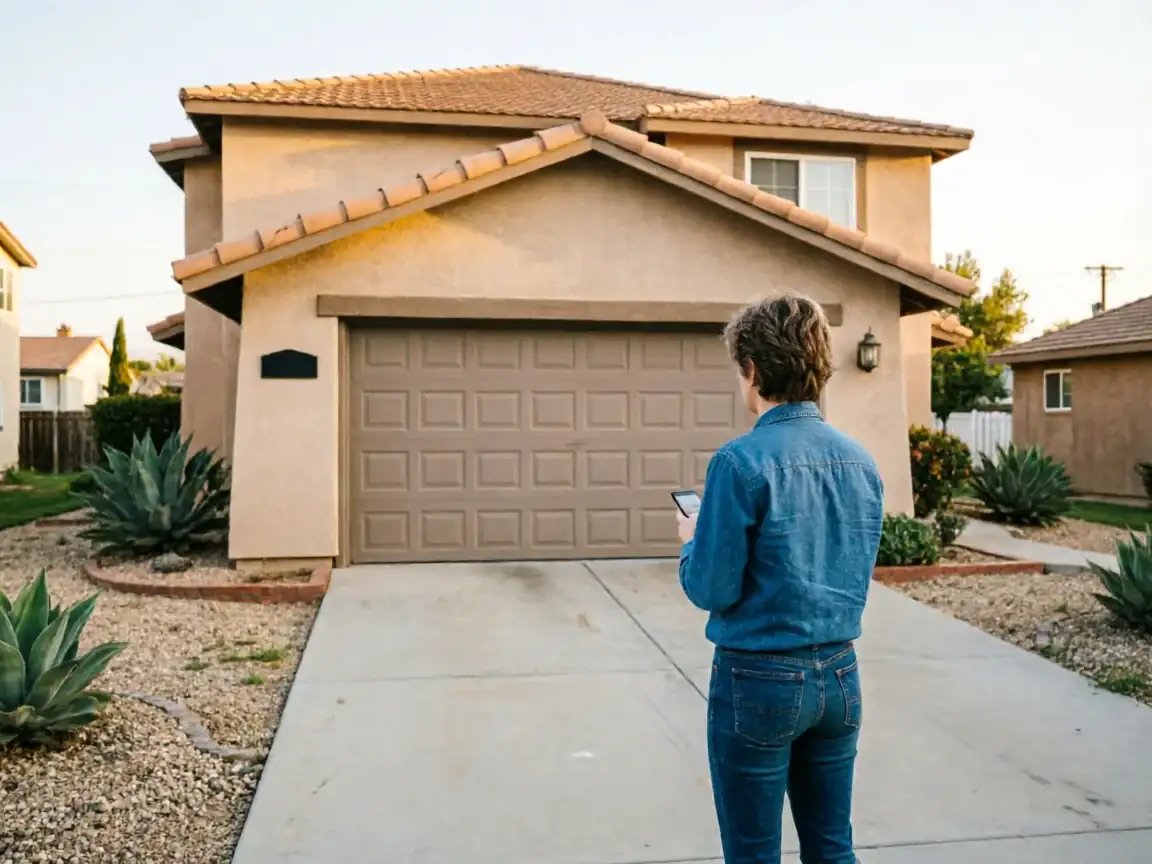
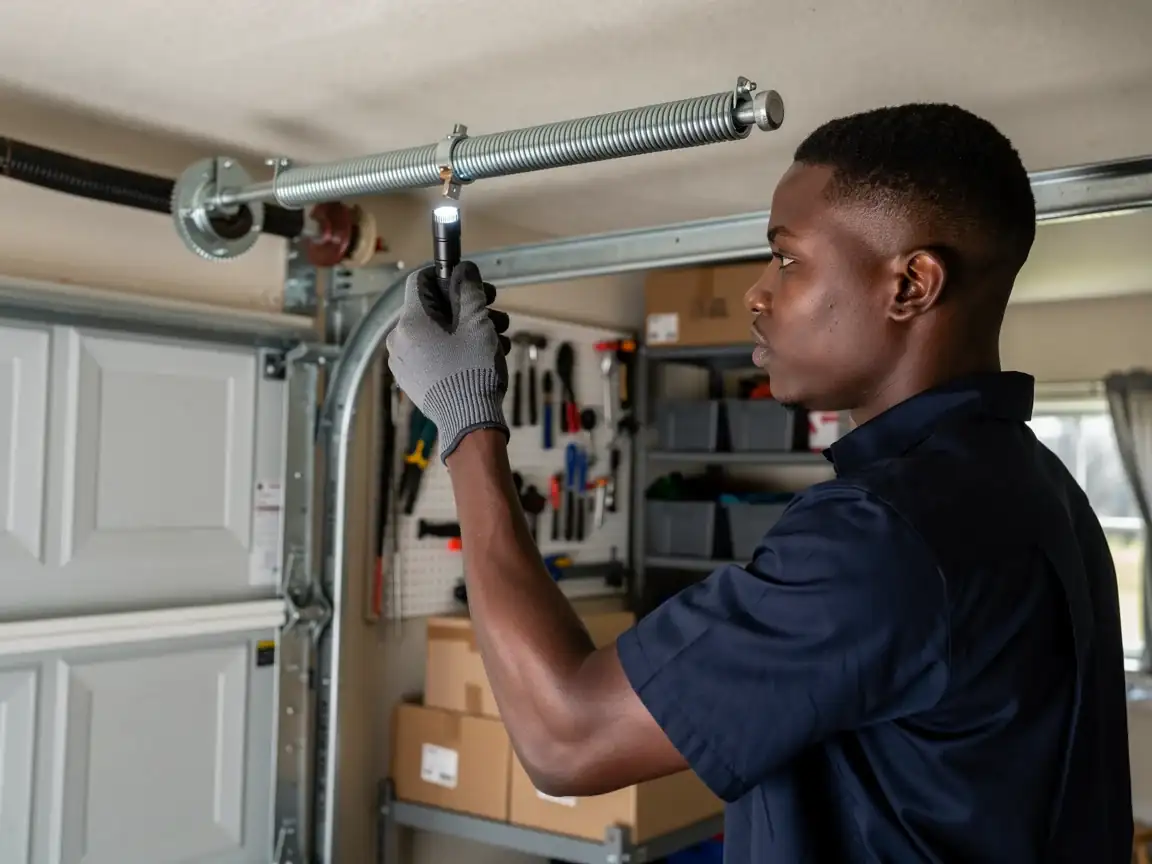
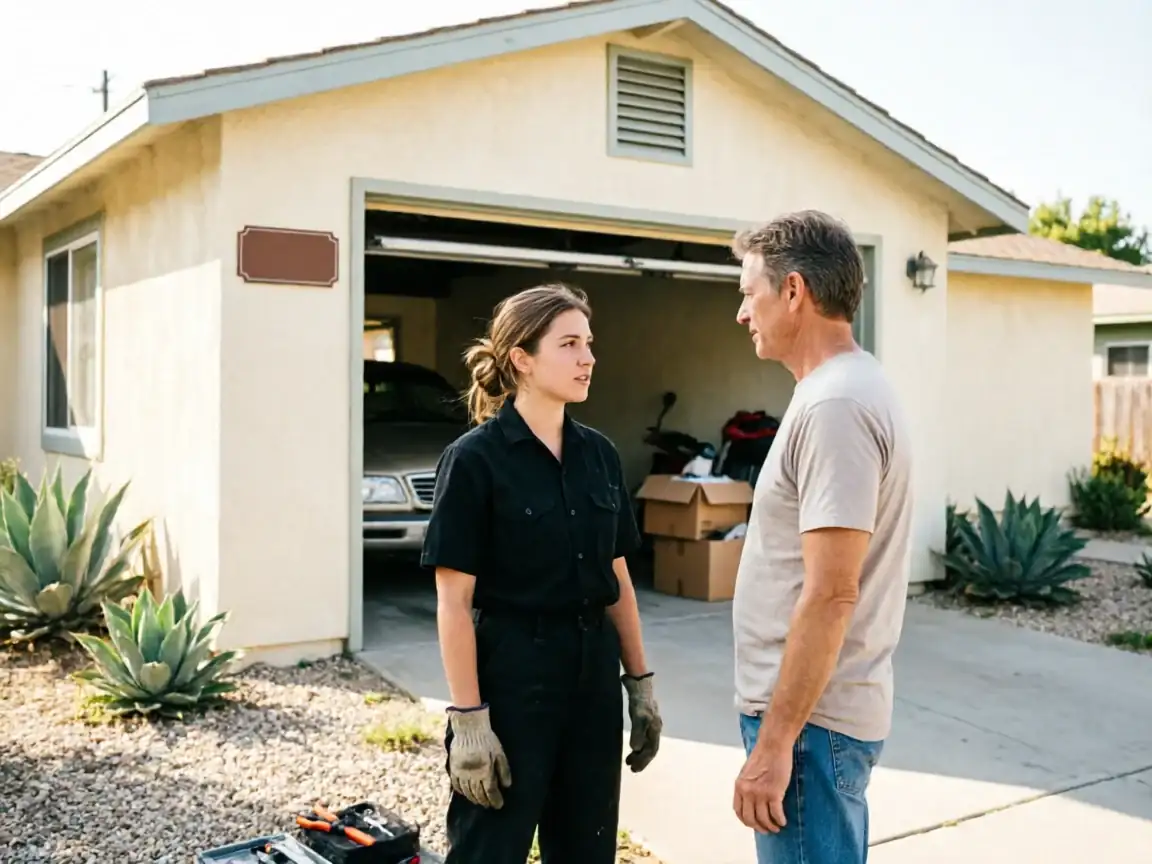
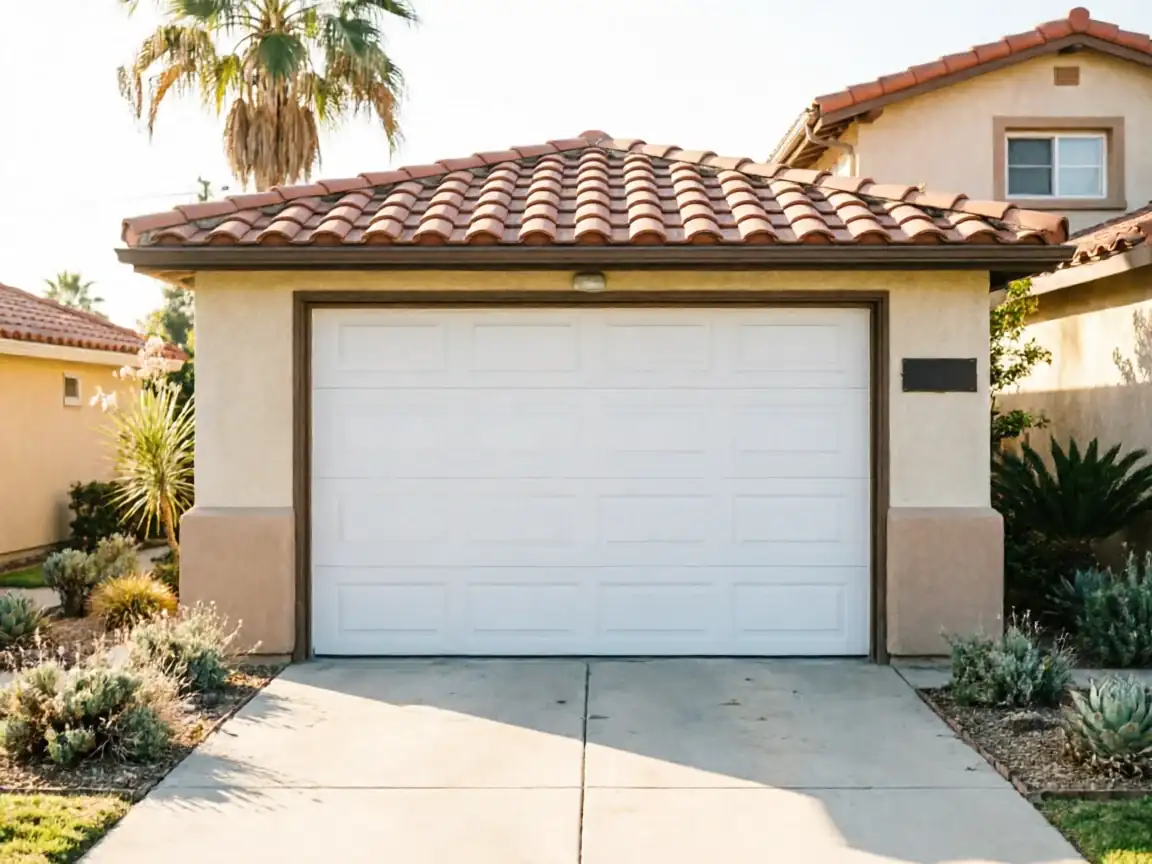
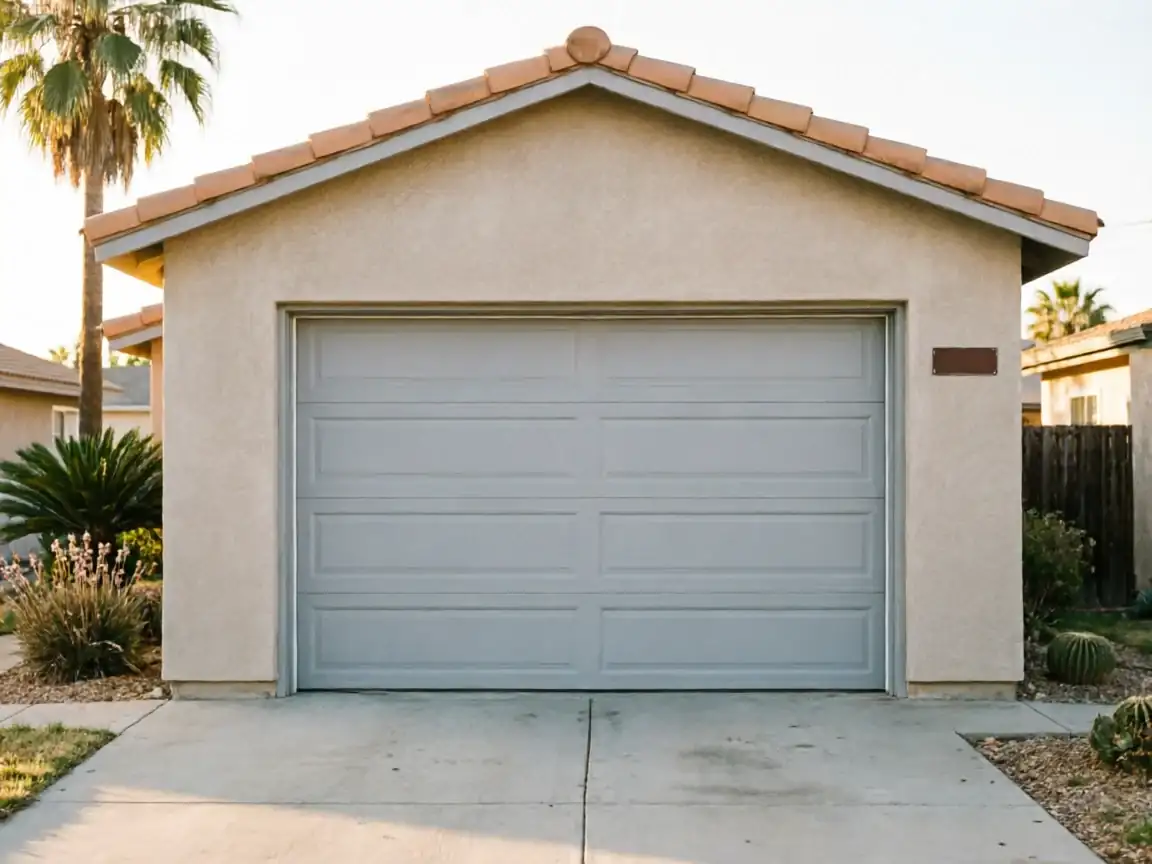
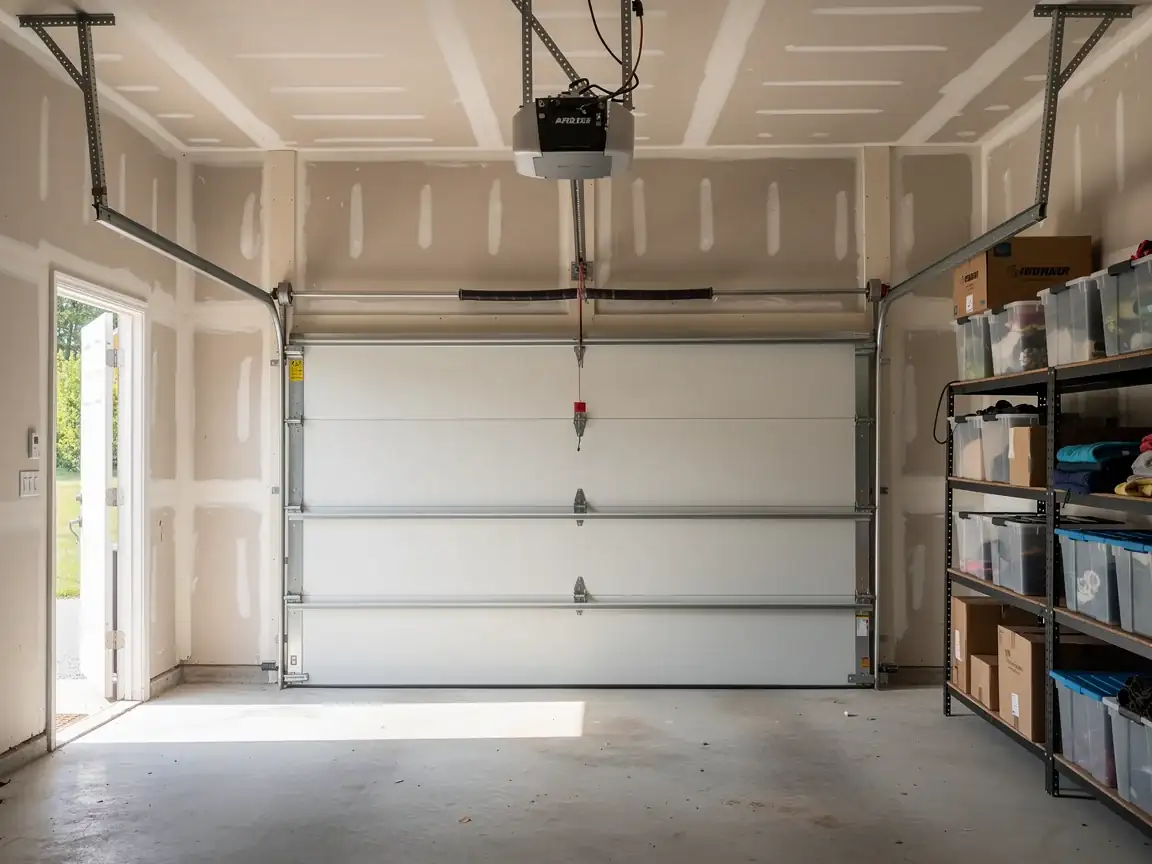
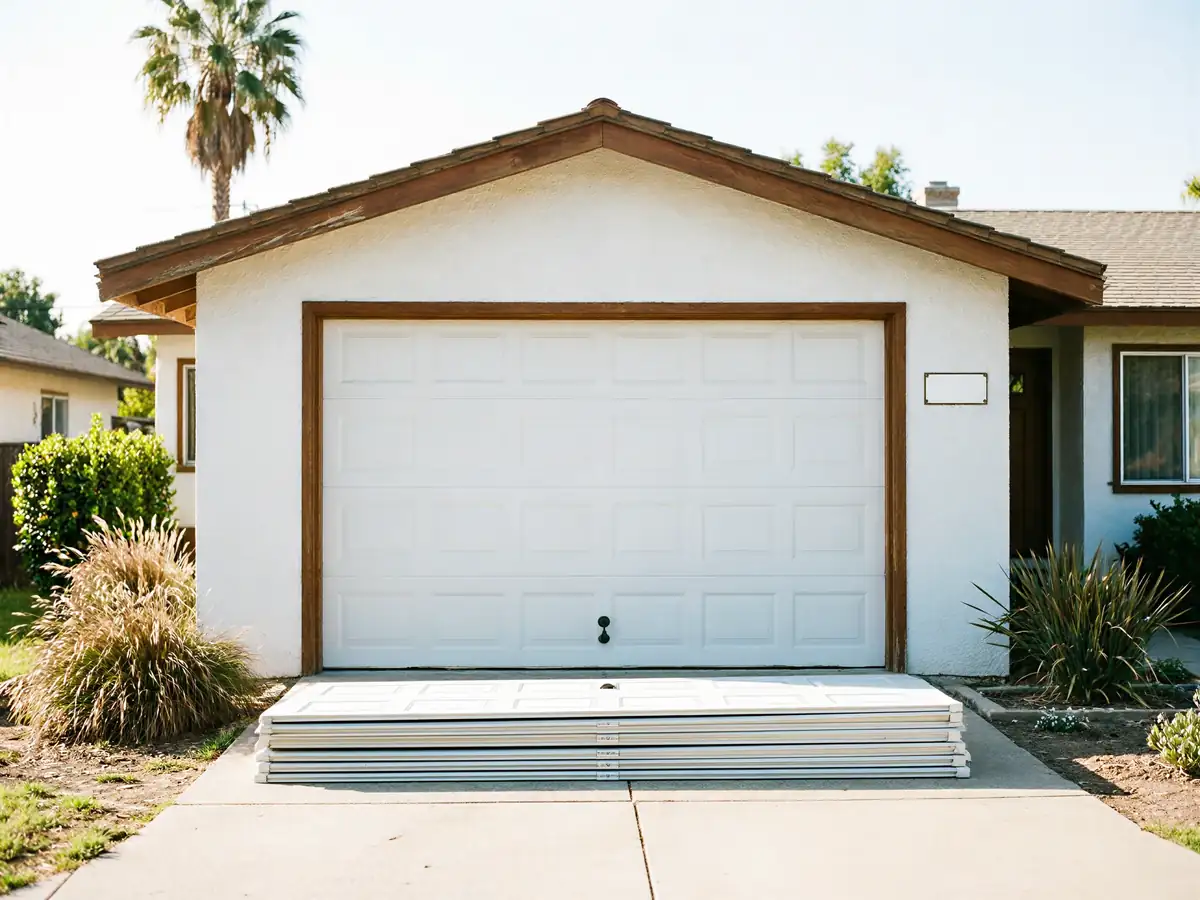
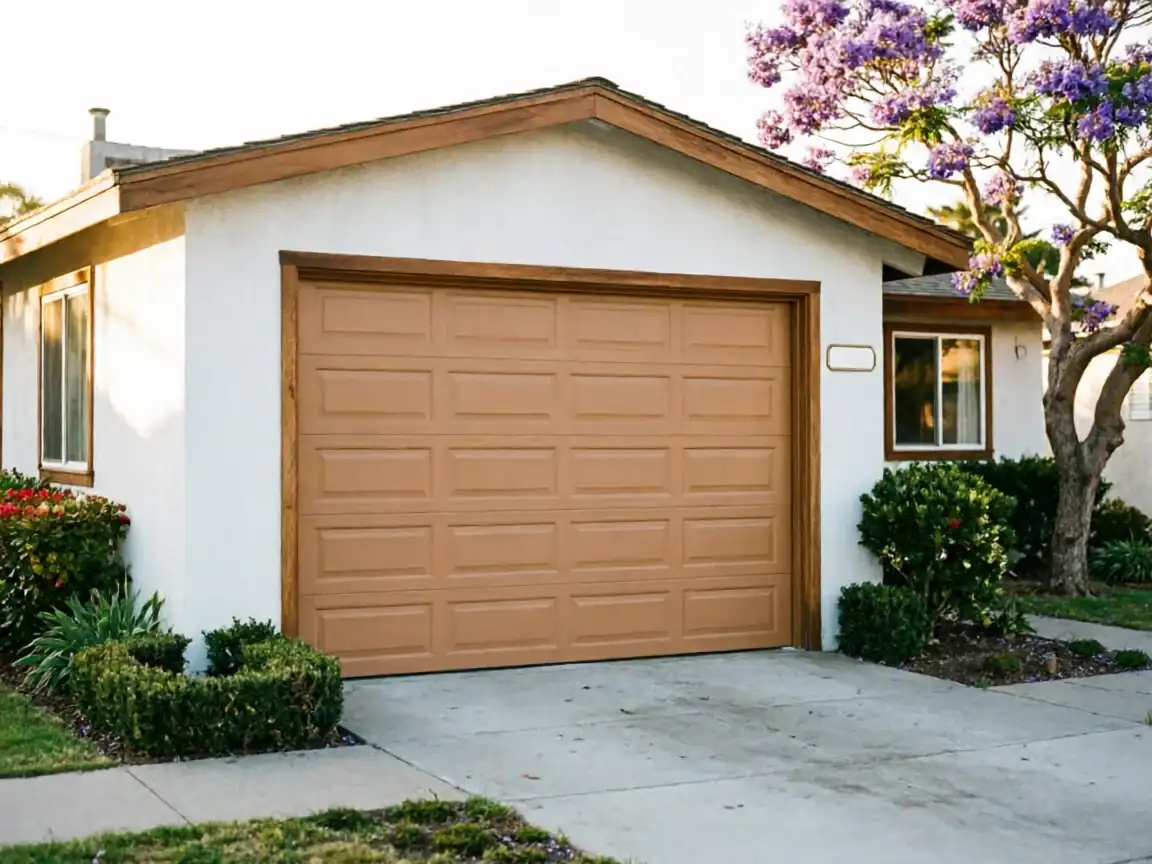
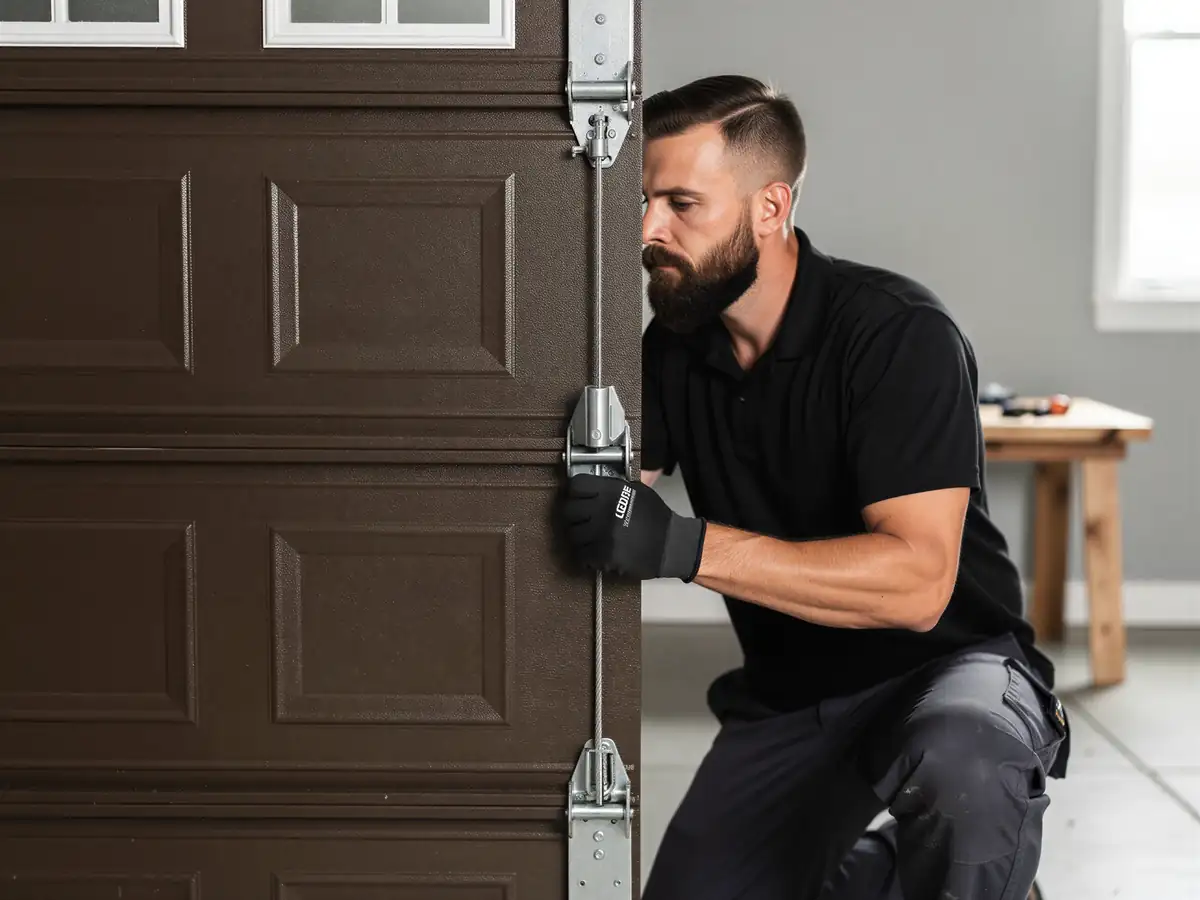
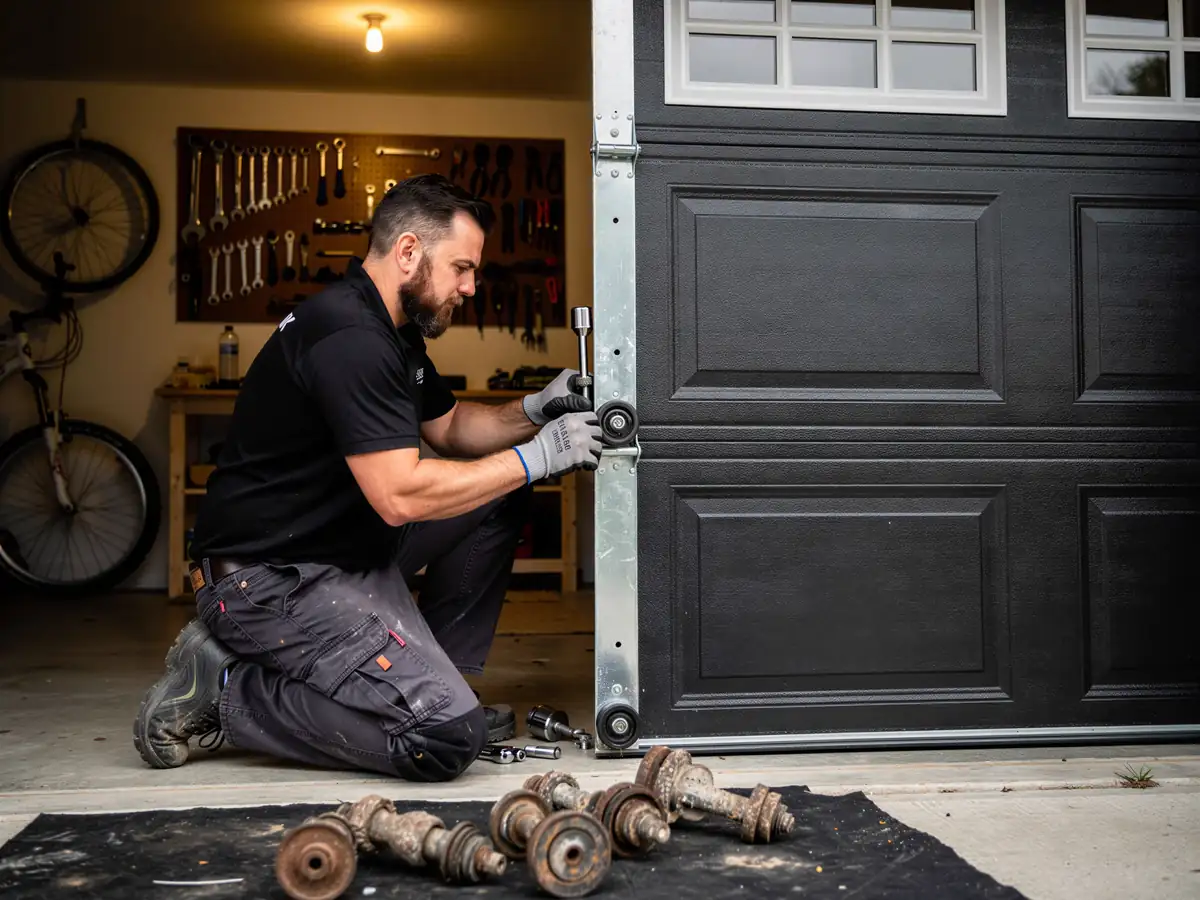
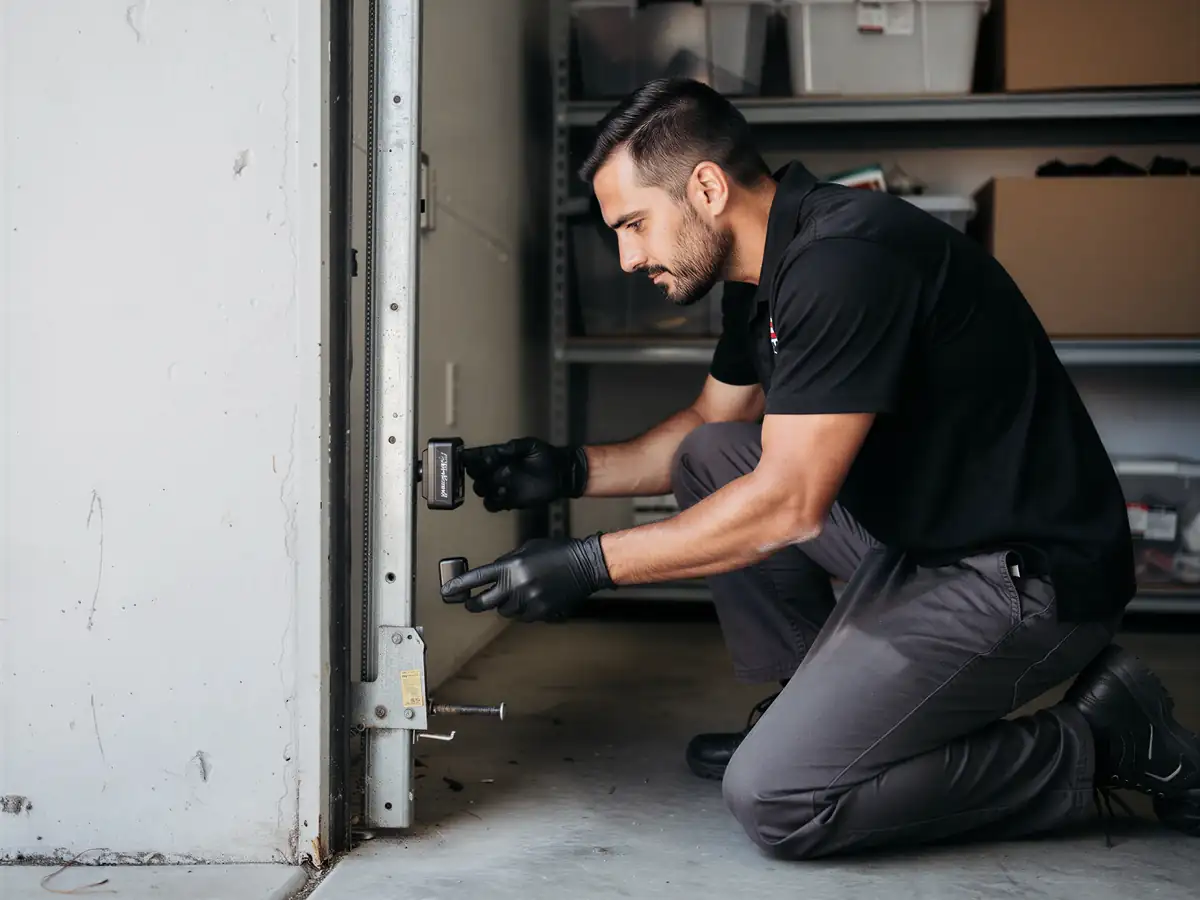
Madera Ranchos sits about 13 miles out from our shop in Clovis, and the housing stock here skews a few years newer than a lot of the rest of the service area - median build year 1985, versus the 1956 to 1993 spread we see across the wider territory. That gap matters more than it sounds like. Homes built in this window went up with early steel sectional doors on extension-spring hardware mounted along the horizontal track, not the one-piece doors or side-mounted torsion setups you find on older streets closer in. The parts that fail are different: extension spring sets with safety cables, plastic idler pulleys, and the stamped-steel end bearing plates that mid-80s manufacturers used before torsion conversions became standard. Because we're driving out from Clovis rather than running a depot here, the truck gets loaded for this neighborhood specifically before it leaves - extension springs in the common lengths, the nylon rollers that this era's track width takes, and spare safety cables, since those are the first thing an inspection turns up worn on a 1985 door that's never had the cable swapped. We won't pretend a call out here gets same-trip parts for anything unusual; if a door needs a part we didn't bring, that's a second trip, and we say so up front rather than guess and hope.
What You Are Seeing
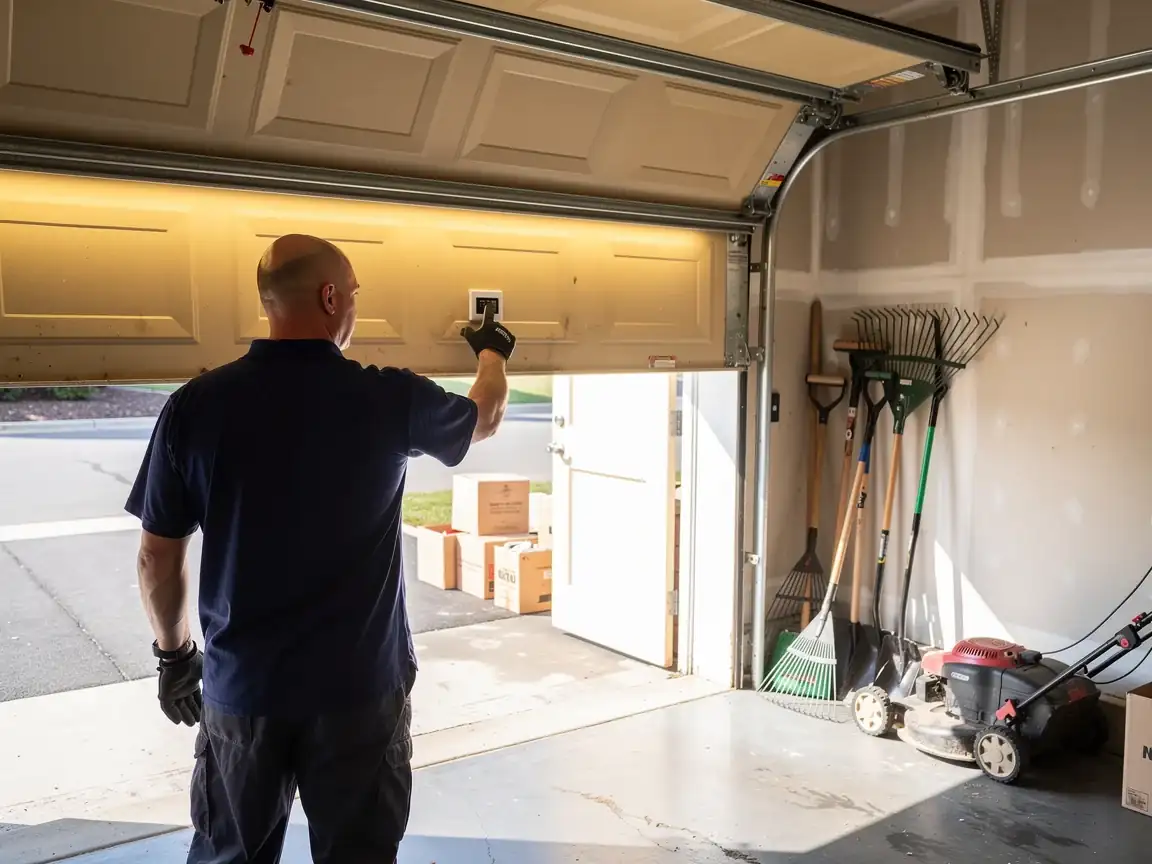
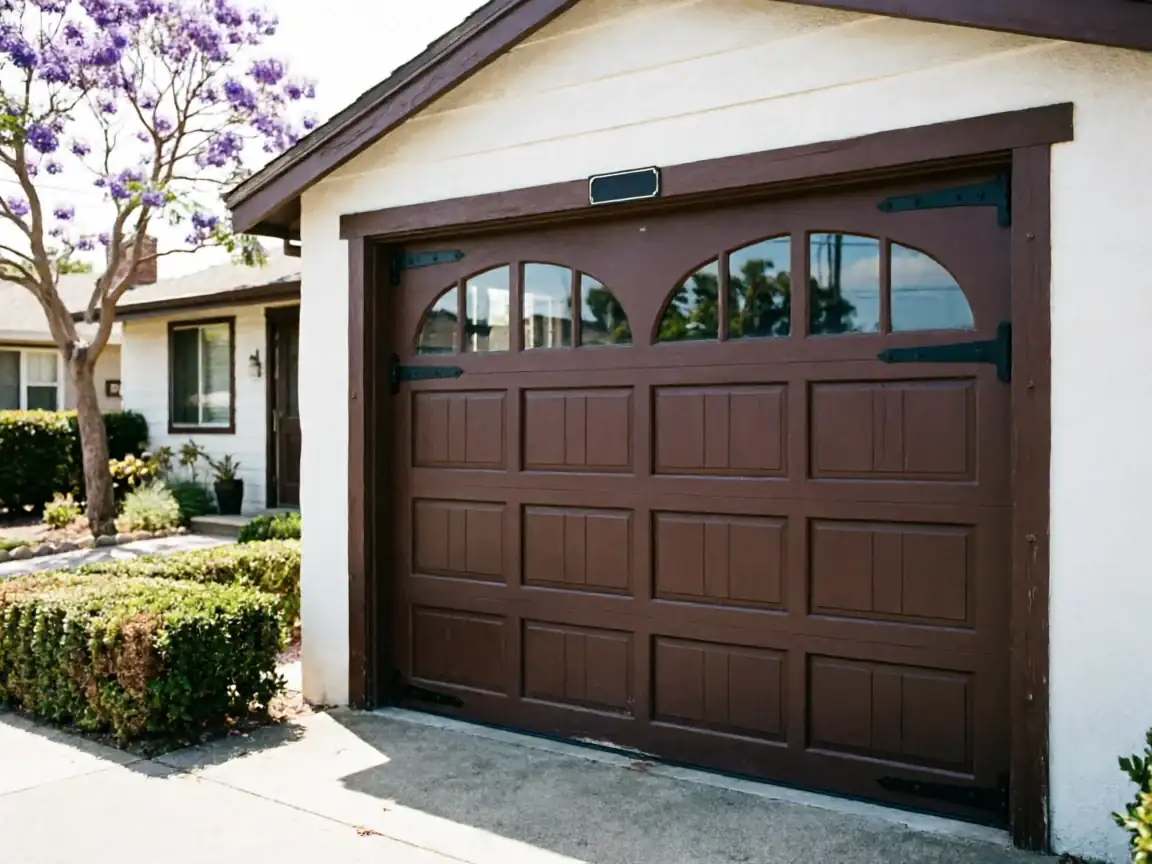
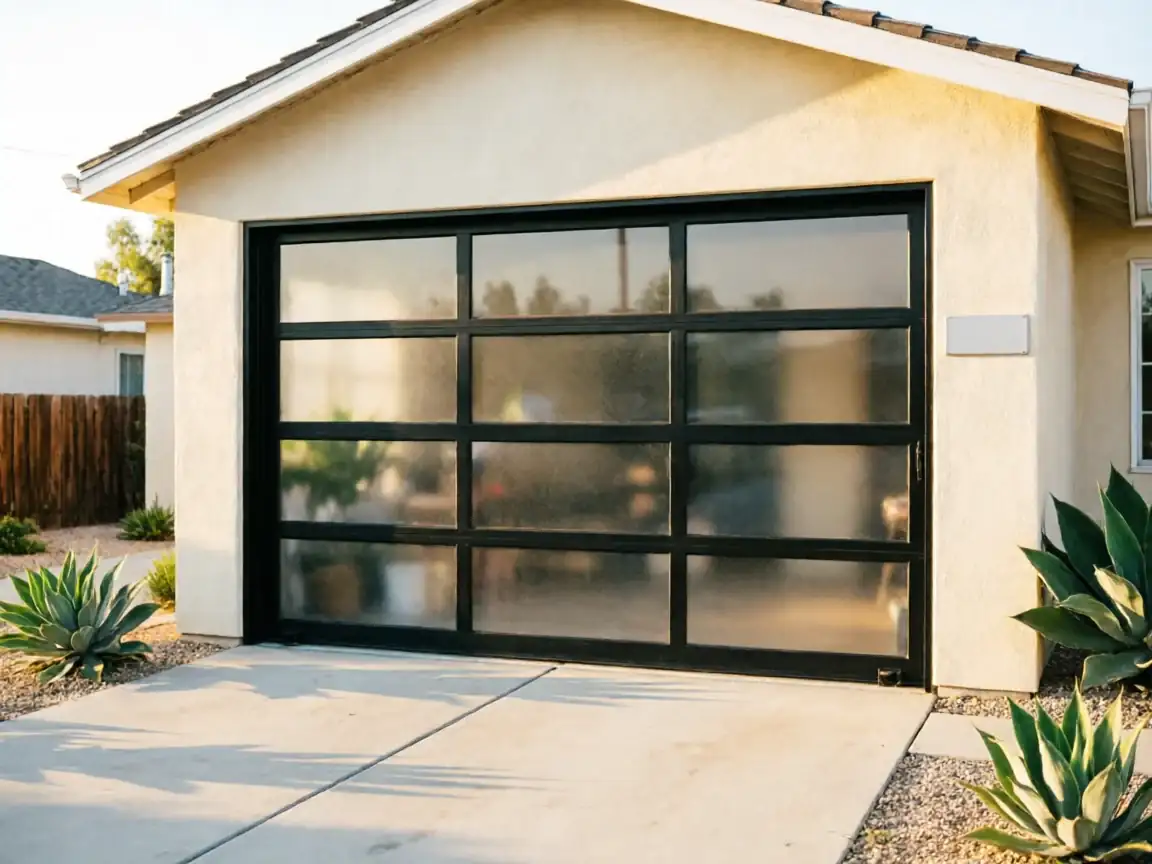
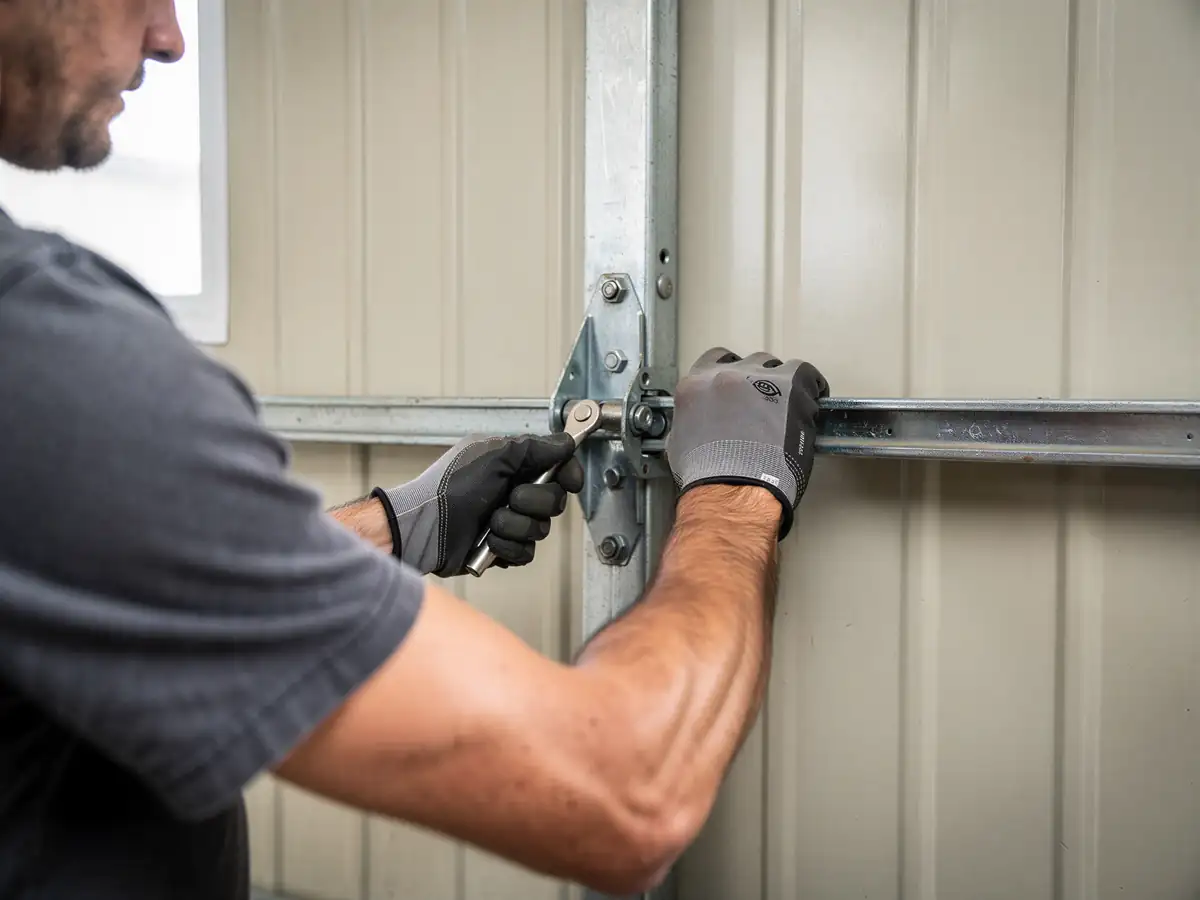
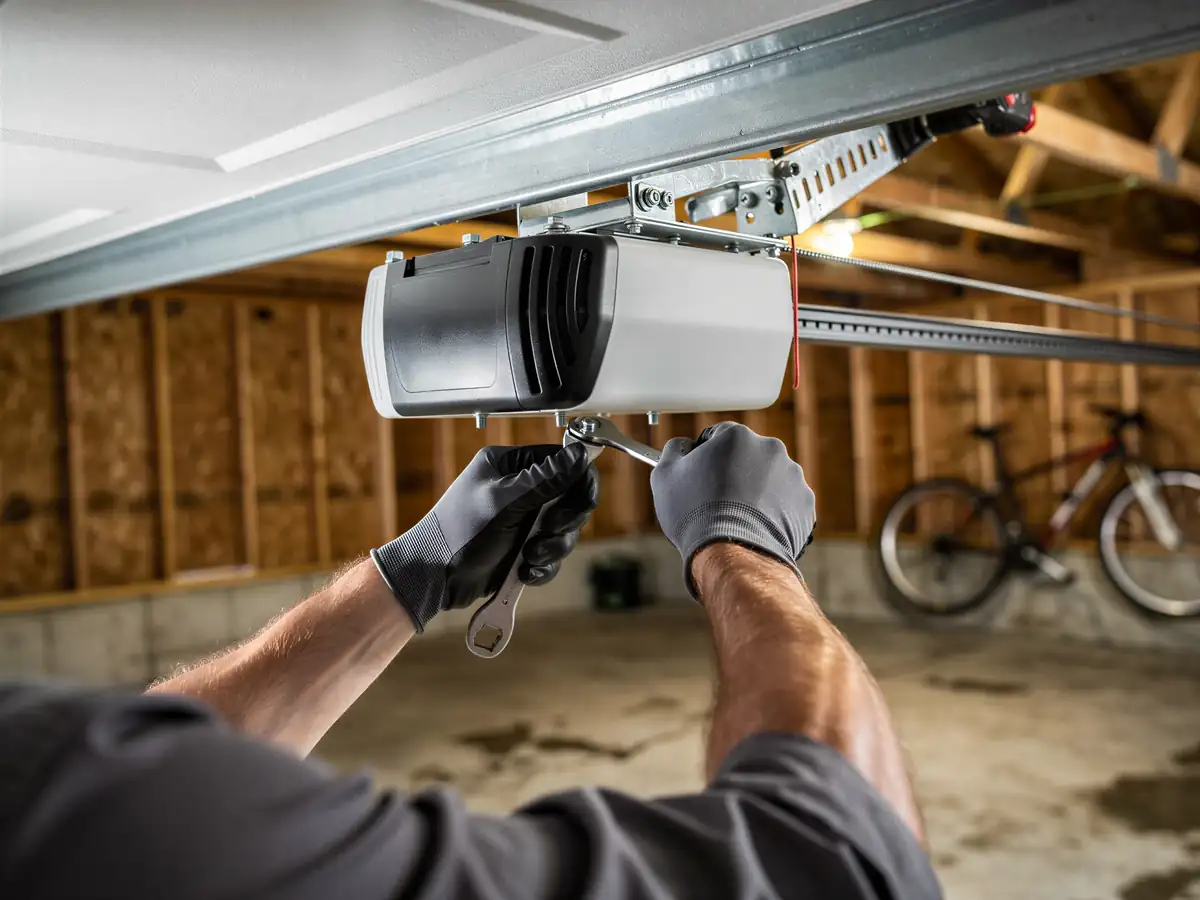
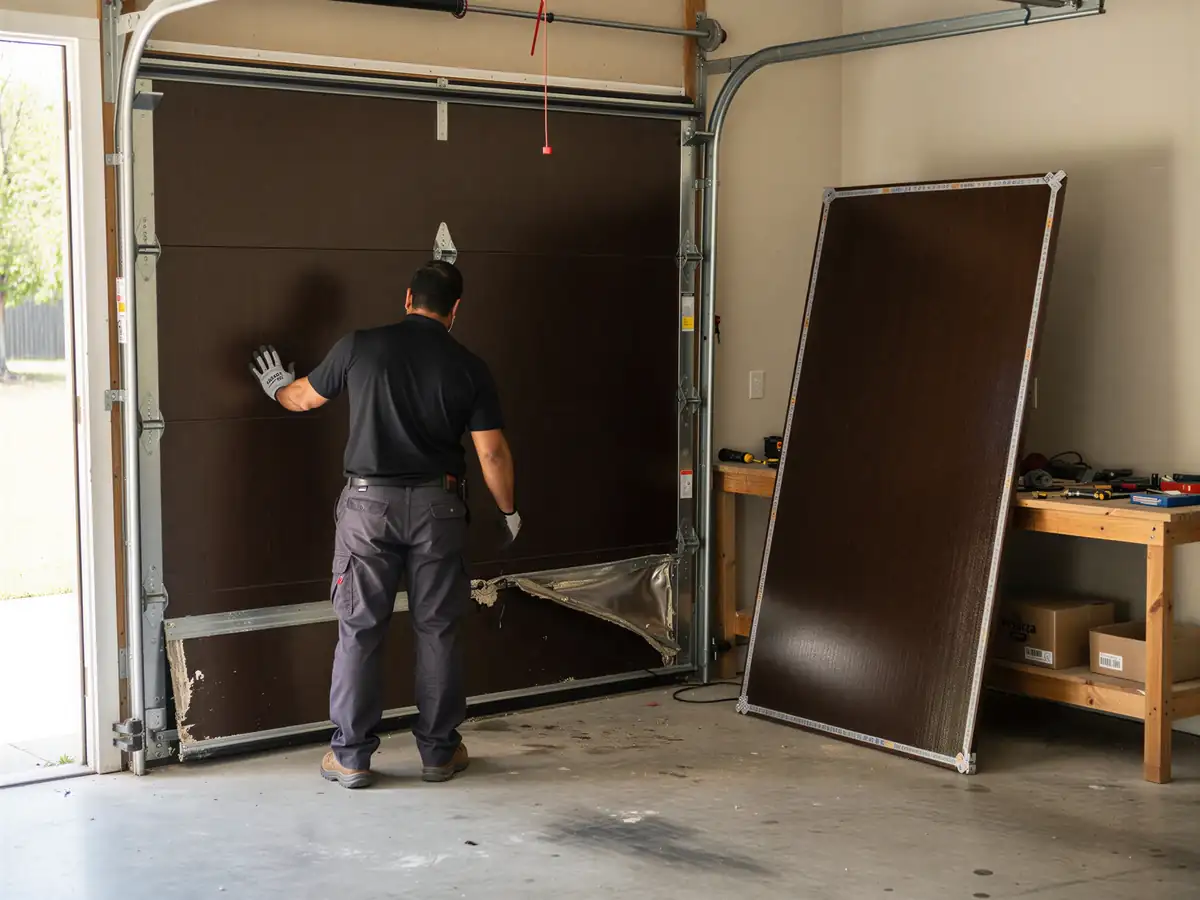
On a 1985-built garage, the first sign of wear is almost always at the rollers and the bottom section of track, where years of heat cycling have dried out the lubricant and let the steel pick up surface rust even under paint. You'll notice the door jerk or stutter a few inches up, then catch and jump - that's usually a roller that's flat-spotted or a track bracket that's worked loose from the stud, not the opener. Extension-spring doors from this era also sag unevenly at the bottom corners once one spring stretches more than its pair, which shows up as a door that closes crooked or won't seat flush at one side. With household income in Madera Ranchos running well above the service-area median - $113,472 against $74,428 across the broader area - we also see more homes that upgraded to belt-drive openers or added insulated panels over the years, bolted onto original 1985 track and hardware that was never built to carry the extra weight. That mismatch is worth flagging during a maintenance visit even when it isn't the reason for the call, because it's the kind of thing that turns into a snapped cable later.
What Causes It Around Here
The region sits in a severe-heat climate band, and that heat is hard on exactly the hardware that 1985-era extension-spring doors rely on. Repeated summer expansion and winter contraction works the spring coils loose faster than it does on newer torsion systems, and it dries out factory lubricant on the track and hinges within a few years instead of the decade it's rated for. On a door with original 1985 hardware that's never been serviced, you'll often find the galvanized coating worn through at the roller contact points first, since that's where heat and friction meet. None of this is unique to one house - it's the predictable result of this build era's hardware meeting this region's heat load, year after year. A once-a-year lube and bolt check catches most of it before it turns into a stuck door or a snapped cable; skipping that is the single biggest reason we get emergency calls from 1980s-stock garages instead of routine ones.